B2B Sales Intelligence Platform: Market Leaders Analysis 2025
August 20, 2025
Sales Intelligence is transforming how the best B2B sales teams win deals in 2025. I've watched firsthand as companies using these powerful tools consistently outperform their competitors by 43% in conversion rates.


The right b2b sales intelligence platform no longer feels like a luxury—it's become essential for survival in today's data-driven marketplace. Actually, 78% of top-performing sales organizations now rely on a sales intelligence and engagement platform to identify qualified prospects faster. However, with so many options available, choosing the right solution can feel overwhelming.
I've spent the last six months testing and analyzing the market leaders to help you make the best choice for your business. In this article, I'll break down the key features, AI capabilities, and integration strengths of ZoomInfo, Apollo.io, Cognism, LinkedIn Sales Navigator, and Gong. By the end, you'll know exactly which platform aligns with your specific sales goals and budget.
Let's explore what makes each of these platforms stand out in 2025!
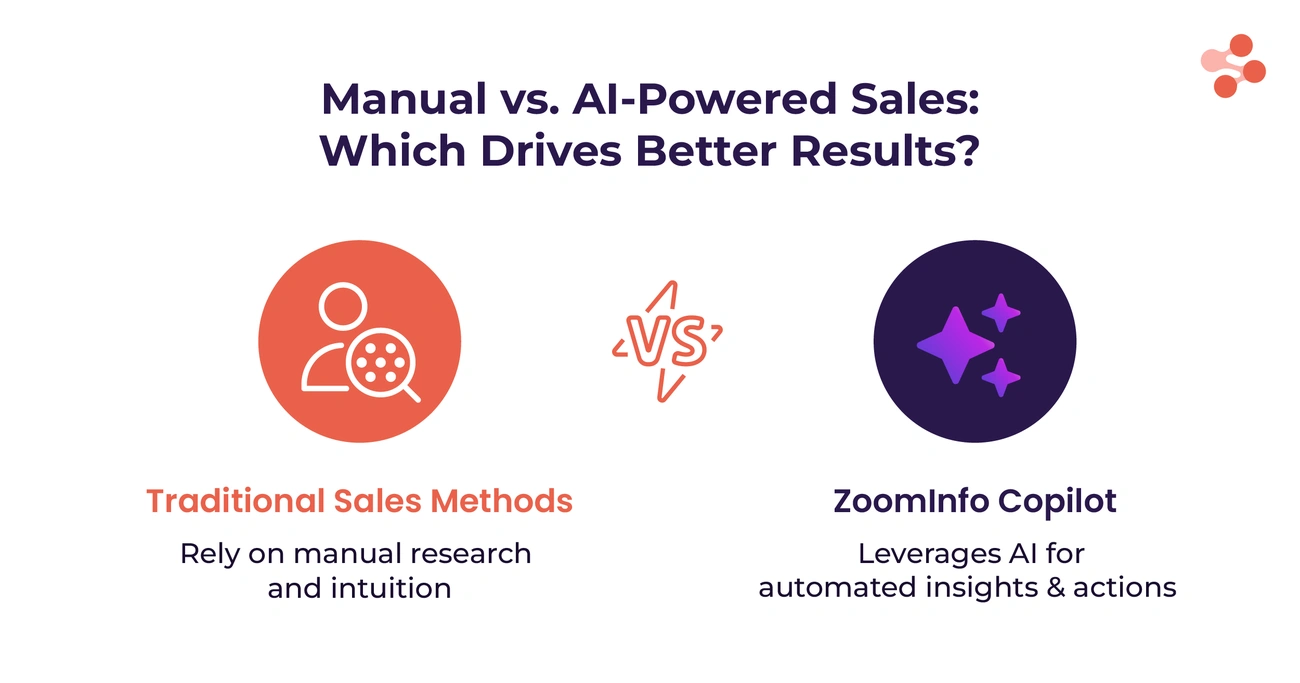
Image Source: Smarte
ZoomInfo stands as a powerhouse in the B2B sales intelligence market, with an extensive database that includes over 70 million direct dial phone numbers and more than 174 million verified email addresses. As the foundation of many successful sales strategies, this platform has helped companies like Workfront grow their pipeline by over 90% per year. Let's examine what makes ZoomInfo a top contender in 2025.
At its core, ZoomInfo offers a robust suite of tools designed to maximize productivity and accelerate pipeline generation. The platform's foundation rests on its vast B2B contact database, which encompasses more than 420 million contact profiles with 300+ data attributes per record. This comprehensive data foundation enables sales teams to:
Build targeted account universes based on ideal customer profiles
Identify prospects at the beginning of their buyer's journey through intent tracking
Discover and connect with decision-makers from companies exploring your website
ZoomInfo's advanced search functionality allows users to pinpoint prospects with remarkable precision. Sales teams can filter potential customers by industry, company size, geographic location, and revenue thresholds to create highly targeted prospect lists. Additionally, the platform provides real-time buying signals, including intent data, company announcements, and website visits, helping teams prioritize accounts showing genuine interest.
Beyond basic contact information, ZoomInfo enriches lead data with valuable insights. The platform evaluates interactions across multiple communication channels, including sales calls, emails, and website traffic. This capability enables teams to understand why deals are won or lost and forecast sales with greater confidence.
Another standout feature is ZoomInfo's multi-touch sales cadence builder, complete with direct phone dialer and email tools. This functionality streamlines outreach, allowing sales representatives to focus on high-value activities rather than administrative tasks.
ZoomInfo Copilot represents the company's flagship AI solution, applying artificial intelligence to its world-leading B2B data This powerful AI assistant extends beyond simple data organization to provide actionable guidance on what to do with that information.
During beta testing, ZoomInfo Copilot successfully predicted nearly half of users' existing pipeline, with 45% of open opportunities in their CRM having Copilot signals telling them to engage. Furthermore, beta users created nearly twice as many sales opportunities compared to non-users in the same roles and companies.
Key AI-powered features include:
Buying Groups: Automatically creates groups of individuals most likely to engage based on insights from websites, case studies, earnings call summaries, and other real-time signals
Account Summaries: Aggregates first- and third-party data to provide detailed overviews of specific accounts, including pain points, use cases, upcoming deals, important contacts, and previous engagements
Copilot Chat: Answers specific questions about accounts using conversational AI, allowing users to quickly get up to speed
AI Email Generator: Crafts targeted, personalized emails at scale that can be adjusted for tone and length
Perhaps most importantly, beta users reduced their time spent on account research and manual tasks by 10 hours per week—giving back almost a quarter of their time for more value-added activities.
Recent enhancements to Copilot have expanded its capabilities beyond prospecting to help accelerate late-stage opportunities. These include automatic account tracking, expanded account intelligence, and alerts for at-risk deals—specifically flagging when a decision-maker hasn't engaged within the first 30 days or when opportunities are single-threaded (interacting with only one contact).
One of ZoomInfo's most significant advantages is its seamless integration with popular sales and marketing technologies. The platform offers over 40 native integrations, ensuring smooth data flow across your entire tech stack.
Notably, ZoomInfo's integration with CRM systems like Salesforce and Microsoft Dynamics enables:
Live data synchronization that keeps CRM records fresh with automatic updates
Smart account targeting with AI-driven insights for high-value prospects
Activity tracking that logs sales calls, emails, and interactions directly in the CRM
Enhanced filtering by combining CRM and ZoomInfo data for sharper lead lists
When integrated with Salesforce specifically, ZoomInfo enriches Salesforce records with up-to-date data, ensuring CRM information remains accurate and comprehensive. This integration has helped over 35,000 companies drive their market strategies by enabling enhanced lead generation, improved sales efficiency, personalized outreach, better data accuracy, and robust reporting capabilities.
Additionally, ZoomInfo connects with communication platforms like Slack and Microsoft Teams to deliver real-time alerts about buying signals, job changes, and funding rounds. This immediate notification system enables sales teams to act quickly on time-sensitive opportunities.
For conversation analysis, ZoomInfo integrates with platforms like Gong, allowing teams to analyze past customer interactions, learn what buyers care about from real conversations, and adjust messaging to address common pain points.
On the pricing front, ZoomInfo's costs are based on features, functionality, number of licenses, and credit usage. While the platform offers ZoomInfo Lite with a free tier, enterprise pricing can reach upwards of $15,000 annually, depending on the depth of information required. Nevertheless, many companies find this investment worthwhile given the platform's ability to significantly increase conversion rates and pipeline generation.
ZoomInfo's combination of extensive data, powerful AI capabilities, and seamless integrations makes it a top choice for B2B sales teams seeking a complete sales intelligence solution in 2025. Its SOC 2 and ISO 27001 certifications further ensure enterprise-grade security and compliance, providing peace of mind for organizations handling sensitive customer data.

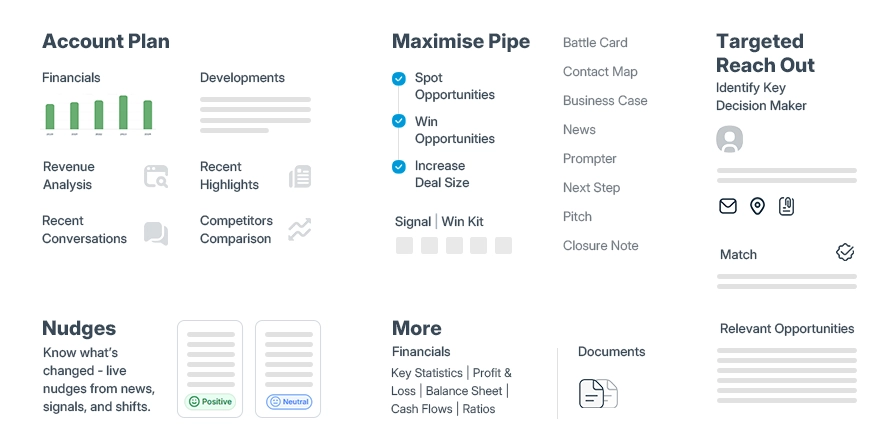
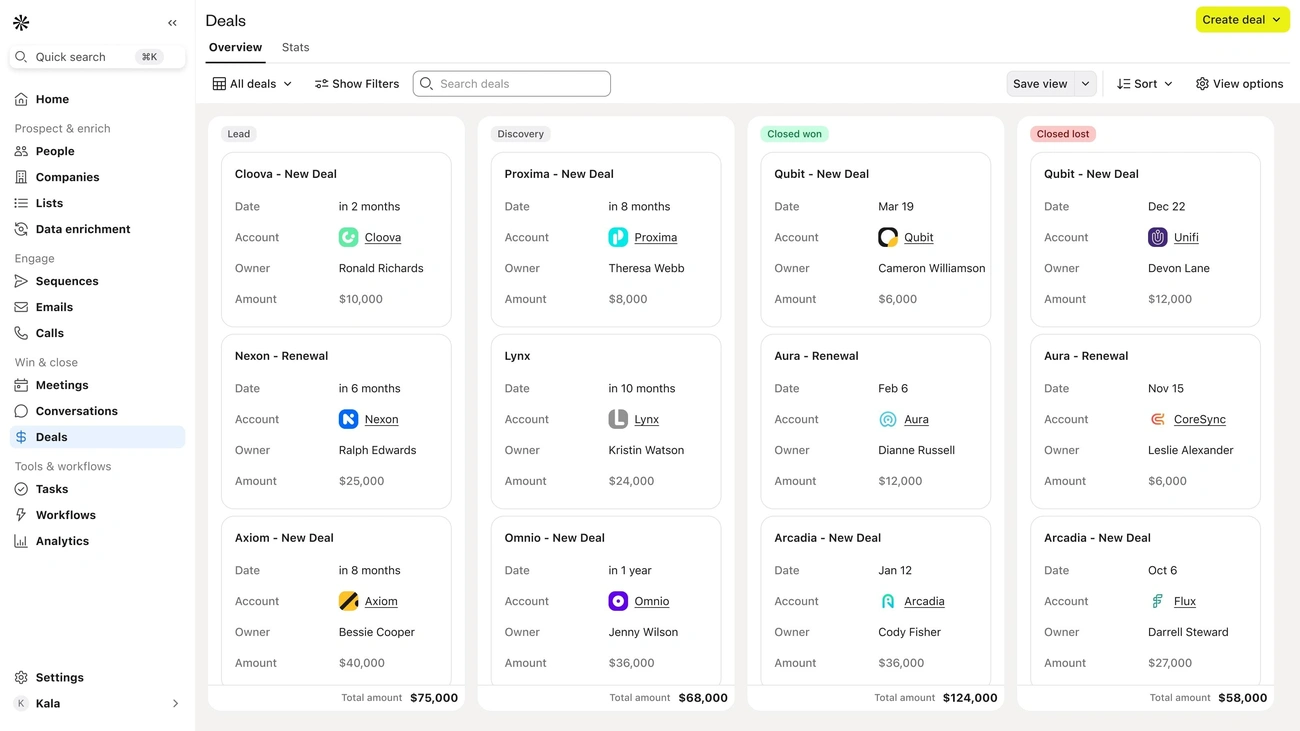
Image Source: apollo
Apollo emerges as a formidable contender in the sales intelligence landscape, offering an end-to-end AI sales platform with a B2B database of over 210 million contacts across 35 million companies. As an affordable yet powerful alternative to other market leaders, Apollo has gained traction among businesses seeking to maximize their outbound efforts without breaking the bank.
At its core, Apollo combines a vast contact database with robust sales engagement tools designed to streamline the entire sales process. The platform is structured around three main solutions that work together to create a unified sales ecosystem:
Prospect & Enrich: Apollo enables users to target prospects from its extensive database using over 65 filters and attributes. This granular search functionality allows sales teams to identify ideal customers based on specific criteria including industry, company size, job titles, and geographic location.
Engage: Beyond simply finding prospects, Apollo includes built-in tools for connecting with potential clients through multiple channels. Users can create multi-step sequences combining emails, phone calls, and social interactions—all managed from a single platform.
End-to-End Workflows: The platform automates repetitive tasks throughout the sales process, saving teams valuable time that can be redirected toward high-value activities.
Apollo.io's data accuracy, though marketed as high, shows mixed results in real-world usage. General data accuracy reaches approximately 73%, but email bounce rates can climb to over 30% (sometimes reaching 80%), with phone number accuracy hovering around 40%. This represents an important consideration for teams relying heavily on direct outreach.
On the pricing front, Apollo.io offers an accessible entry point with both free and paid plans starting at $39 per user monthly. This relatively affordable pricing structure operates on a credit-based system where:
Accessing a contact's email consumes 1 credit
Accessing a phone number requires 5 credits
Data enrichment uses up to 6 credits per record
It's worth noting that Apollo's pricing model changes frequently, with recent modifications to mobile number availability and credit allotments across different packages. Consequently, businesses should evaluate current offerings at the time of purchase.
Apollo AI stands as a central pillar of the platform's value proposition, functioning not as a standalone product but as an intelligent layer embedded throughout the system. This AI ecosystem includes several key components designed to enhance productivity:
AI Research: Automatically generates insights about people and companies, substantially reducing manual research time while enabling more personalized messaging.
AI Filters: Creates intelligent filters based on research findings, allowing teams to refine prospect lists using newly uncovered signals.
Outbound Copilot: Automates list building, adds prospects to sequences, and manages outbound campaigns with AI assistance.
Lookalikes: Identifies companies with similar firmographic characteristics to existing customers, helping teams expand their reach to promising new accounts.
AI Scoring: Automatically evaluates prospects based on account and prospecting activity, prioritizing those most likely to convert.
Perhaps most impressive is the AI Writing Assistant, which generates emails, replies, and subject lines based on simple language inputs. According to case studies, this capability has yielded significant results—Smartling's business development representatives send 10x more personalized emails using Apollo AI, and Brew Interactive has achieved response rates as high as 60%.
Other AI features worth highlighting include:
Pre-meeting Insights: AI-generated research on upcoming meetings, including company priorities and decision-maker identification.
Conversation Intelligence: Provides summaries and key insights from video calls without requiring users to watch entire recordings.
Post-meeting Follow-up: Automatically creates personalized follow-up messages based on engagement data and conversation summaries.
These AI capabilities have delivered measurable results for users. Examiz increased reply rates by 50%, Afriwise boosted theirs by 200% in just one week, and Growth Marketing Firm saw engagement rates jump by 20%. Meanwhile, SDRs at Axya cut their prospecting research time in half.
STOP CHASING PROSPECTS
START CLOSING DEALS!!
One of Apollo.io's most valuable assets is its integration ecosystem, which enables seamless connection with popular business tools. The platform offers integrations with major CRM systems including Salesforce, HubSpot, and others, along with email platforms like Gmail and Microsoft Exchange.
These integrations create a two-way synchronization of data, ensuring that:
Changes made in Apollo automatically reflect in connected CRMs
Updates in your CRM appear in Apollo
All data remains consistent across platforms
For instance, the Apollo.io-Salesforce integration allows users to:
Automatically create new contacts or leads in Salesforce
Update contact records when they change in Apollo.io
Log calls, emails, and tasks directly to Salesforce
Email integrations likewise ensure that communications remain synchronized with sales activities, enabling users to:
Send emails directly from Apollo.io
Track opens and clicks within the platform
Schedule follow-up tasks based on email interactions
Beyond these core integrations, Apollo.io connects with workplace tools like Slack for real-time notifications about key activities such as email opens, replies, and scheduled tasks. The platform also offers an API for custom integrations, allowing businesses to connect Apollo's data to existing specialized applications.
Apollo.io's Chrome extension deserves special mention, as it brings the platform's functionality directly into everyday tools like LinkedIn, Gmail, and CRM systems. This integration point allows sales professionals to access Apollo.io's data and features without switching between multiple applications, significantly improving workflow efficiency.
Despite its strengths, potential users should be aware of data privacy considerations. Apollo.io screens DNC (Do Not Call) lists in the UK and US, but questions remain about full GDPR compliance, particularly regarding personal email inclusion in their database. Additionally, the platform experienced data breaches in 2018 and 2021 that exposed user records.
These integration capabilities, combined with Apollo.io's extensive database and AI features, make it a compelling option for sales teams seeking an affordable yet powerful sales intelligence and engagement platform in 2025—especially for those prioritizing automation, ease of use, and integration with existing tools.
Make Every Rep Speak
Like Your Top 1%
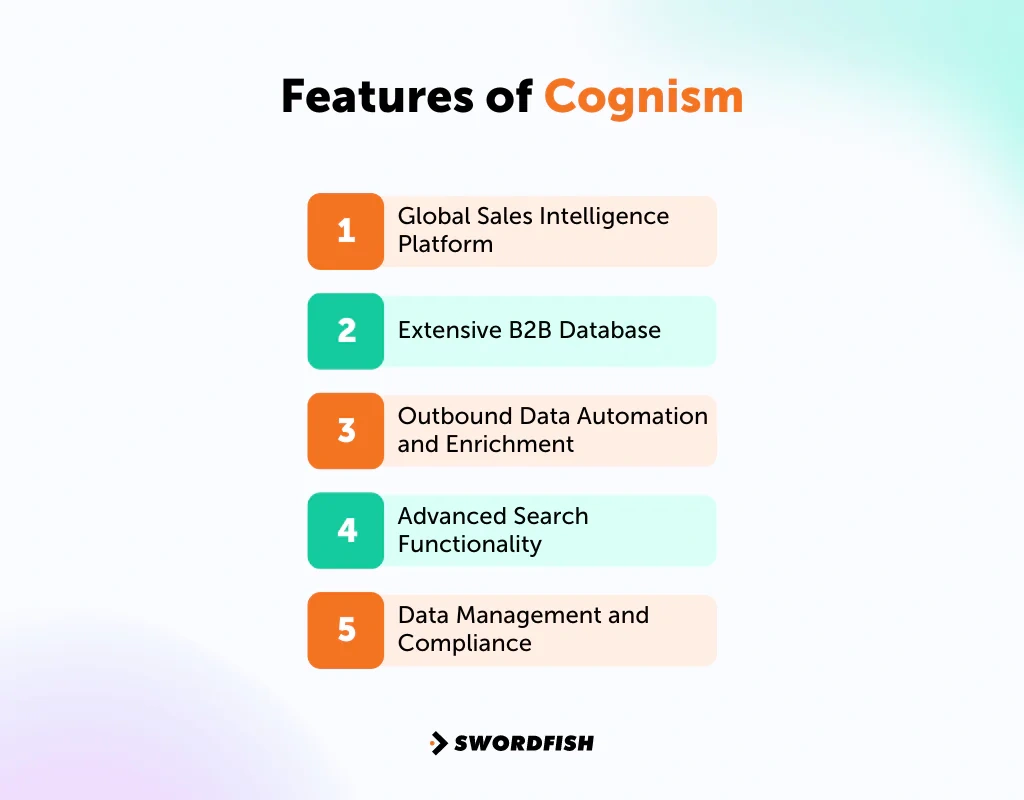
Image Source: Swordfish AI
Cognism stands out in the B2B sales intelligence platform market with its exceptional focus on European data coverage and strict compliance standards. Unlike its competitors, Cognism prioritizes phone-verified mobile numbers, making it a preferred choice for sales teams seeking reliable contact information across international markets.
At the center of Cognism's offering is Sales Companion, an AI-powered personal assistant that provides real-time insights and tools to boost prospecting effectiveness. This feature ensures sales teams always have access to the latest data when connecting with potential clients. The platform's database is checked and cleaned against global Do-Not-Call lists, offering peace of mind for teams concerned about compliance.
What truly sets Cognism apart is its Diamond Data® - an exclusive collection of phone-verified mobile numbers that makes users three times more likely to connect with ideal customers. Indeed, companies using this feature report:
54% increase in mobile coverage
Connection with 87% of prospecting lists
70% of outbound meetings booked from Cognism mobile numbers
The platform excels at providing real-time signal data, tracking key events like funding rounds and hiring periods that indicate prime engagement opportunities. Users can access comprehensive company and contact information, including firmographic, demographic, and technographic data.
Cognism offers exceptional international coverage, with particular strength in European markets. In fact, it claims to have "the leading B2B database of senior-level contacts in Europe". This makes it an excellent option for anyone targeting European decision-makers while still providing solid coverage across North America and Asia-Pacific regions.
On the pricing front, Cognism provides two main packages:
Grow: Provides essential contact and company data, including phone-verified Diamond Data® contacts
Elevate: Includes everything in Grow plus advanced intelligence and actionable signals to identify accounts that are ready to buy
First and foremost, all packages include unrestricted access to person and company-level data (subject to fair usage policy), plus integrations with leading CRM and engagement tools. Additionally, intent data powered by Bombora is available as an add-on.
Cognism's AI capabilities center around making prospecting faster and more efficient. The AI Search functionality allows users to find prospects using ChatGPT-style text or voice prompts. Sales representatives experiencing this feature report 74% faster prospecting and identify their total addressable market up to three times faster than before.
Instead of scrolling through endless filters, users can simply type commands like "Find me accounts that have a headcount of over 500 who use Marketo" and quickly receive a list of promising prospects. Voice search capability provides added convenience, allowing users to prospect hands-free.
Another notable AI feature is multilingual support, enabling users to prospect in their native language. This makes the platform accessible to international teams working across different markets.
The platform's AI capabilities extend beyond prospecting. Cognism users report leveraging ChatGPT to draft cold outreach messages, cold calling scripts, and competitor battle cards. They analyze successful emails to understand what makes them effective using prompts like:
"Analyze this email in terms of tone, length, and style with an NLP lens. Give me a breakdown so I can use this example later for the emails I write"
Cortex AI provides automated insights about target accounts, allowing teams to make more informed decisions. The system continuously tests different messaging approaches, targeting parameters, and outreach timing, then analyzes results to understand what works best. Subsequently, it adjusts strategy based on findings, refining targeting parameters or changing messaging angles to reflect successful customer interactions.
Cognism's integration capabilities allow teams to access quality, GDPR-compliant data directly within their existing tech stack. The platform connects with popular tools "in just two clicks," enabling revenue teams to prospect more efficiently.
The Salesforce integration stands as particularly robust, offering two-way functionality that allows users to:
Export contacts in bulk from Cognism to Salesforce
Import Salesforce data to Cognism for specific search filters
Sync accurate, up-to-date data automatically between platforms
One user noted, "Cognism's automatic integration with Salesforce means I no longer spend time manually inserting leads to our CRM. It merits 5 stars!"
Similarly, the HubSpot integration enables teams to push high-quality leads directly into their CRM and build targeted lists. For teams using sales engagement platforms, Cognism integrates with both Salesloft and Outreach, allowing users to build targeted prospect lists and add verified contacts to sequences.
Other notable integrations include Microsoft Dynamics, Pipedrive, Bullhorn, and Zapier - the latter enabling connection with thousands of apps for automated workflows. Additionally, Cognism's Chrome Extension lets users access critical prospect details directly within their CRM, saving time and maintaining focus.
The company's commitment to data quality and compliance sets it apart from many competitors. All data—including contact and buyer intent information—complies with GDPR and CCPA regulations, making Cognism suitable for prospecting in Europe and the US. The database is checked against Do-Not-Call lists in thirteen countries, including the UK, USA, Canada, Australia, and European nations.
Overall, Cognism's combination of accurate European data coverage, phone-verified mobile numbers, and strong compliance focus makes it an excellent choice for international B2B sales teams seeking reliable contact information in 2025.
Your SDRs work 9–5
AI Sales works 24/7!!
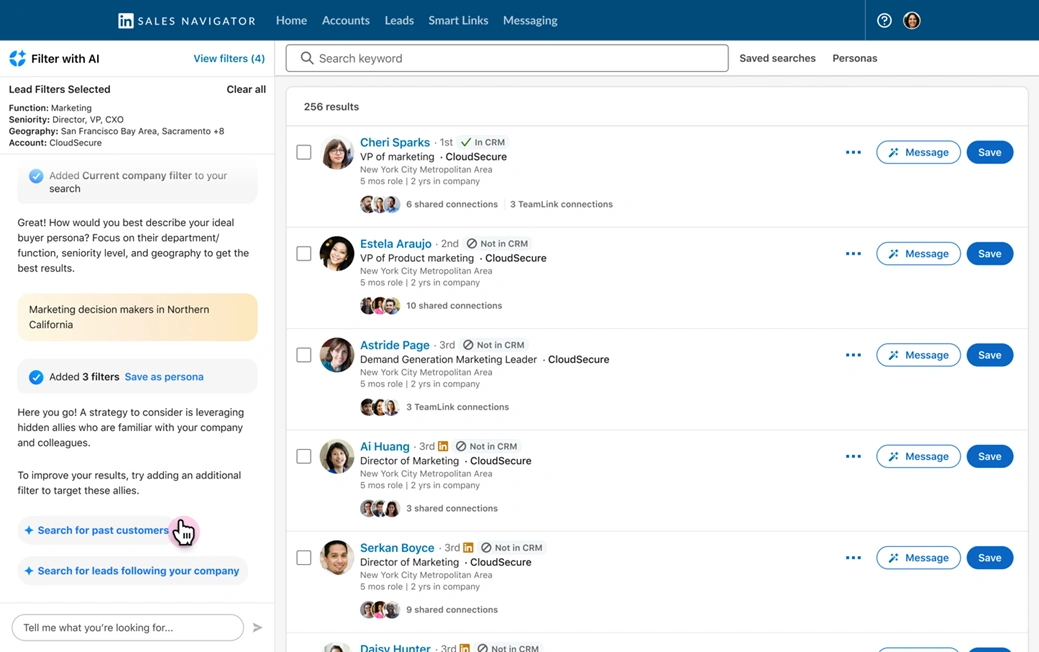
Image Source: Demand Gen Report
As the backbone of the world's largest professional network, LinkedIn Sales Navigator leverages data from over 1 billion users to help sales teams identify and connect with key decision-makers. This powerful sales intelligence tool enables professionals to cut through the digital noise and establish meaningful relationships with prospects who matter most.
LinkedIn Sales Navigator centers around helping users find the right buyers and build stronger relationships through targeted features. Its advanced search capabilities allow sales professionals to filter prospects by industry, job title, company size, location, and various other parameters. This precision targeting helps teams focus exclusively on their ideal customer profiles rather than wasting time on unqualified leads.
The platform excels at relationship building through several core functionalities:
TeamLink reveals shared connections across your sales team, creating warm paths into new accounts
Relationship Explorer highlights potential connections at target accounts along with insights on how to build each relationship
Lead Recommendations suggests relevant prospects based on your search history and LinkedIn activity
InMail messaging enables reaching prospects outside your network, generating 3x the response rate of email
Primarily, Sales Navigator serves as a centralized hub for account intelligence. The Account Pages feature combines buyer intent signals, account insights, and engagement data in one location, helping sellers understand key stakeholders and uncover opportunities. Moreover, real-time alerts notify users when leads take important actions, providing timely reasons for outreach.
What truly sets Sales Navigator apart is its effectiveness at uncovering hidden allies. The platform helps discover unknown warm paths into accounts, including connections with old colleagues and influential contacts. Consequently, sellers who are connected to at least four people at an account are 16% more likely to close a deal with that company.
Another key advantage is the ability to identify buyers showing intent. By prioritizing accounts with high buyer intent based on signals like recent hiring growth or when accounts research your company, teams can focus on prospects most likely to convert. Engaging with buyers showing these intent signals leads to a 71% increase in InMail response rates.
In 2025, LinkedIn Sales Navigator's AI capabilities have evolved substantially, with several powerful tools designed to make sales teams more efficient.
Account IQ stands as a cornerstone of these capabilities, applying generative AI to provide instant, high-impact insights on target accounts. This feature blends LinkedIn's first-party data with third-party information to create comprehensive account overviews. Sales professionals can quickly understand strategic priorities, business challenges, and financial details without extensive manual research.
Equally important, Lead IQ offers similar benefits but focused on individual prospects. It aggregates information shared on LinkedIn combined with Account IQ data to highlight shared experiences and connection opportunities. This capability helps sellers understand a prospect's interests, mutual connections, and accomplishments, enabling more personalized outreach.
Message Assist represents another significant AI advancement, helping craft personalized messages that resonate with prospects. Using insights from Lead IQ and Account IQ, this tool drafts InMail messages that you can customize before sending. When properly personalized, these messages can achieve remarkable results - prospects are 86% more likely to accept your InMail if you view their LinkedIn profile first.
Perhaps most exciting is Sales Assistant, an AI feature currently being rolled out to Advanced and Advanced Plus users. This tool streamlines prospecting by delivering pre-screened leads, identifying optimal paths to connect, and drafting personalized outreach. It explains why leads are a good fit based on mutual connections and LinkedIn activity, while continuously learning from user feedback.
The integration capabilities of Sales Navigator significantly enhance its value for sales teams, particularly through its CRM Sync functionality. This feature saves users approximately 15 minutes per day by syncing lead and account information between Sales Navigator and their CRM, amounting to productivity savings of USD 2.40 million over 3 years for companies.
Currently, Sales Navigator integrates with Microsoft Dynamics and Salesforce, with HubSpot integration scheduled for May 2025. For Advanced Plus members, these integrations offer several key advantages:
First, the Contact Creation feature allows users to quickly create lead records in their CRM while inside Sales Navigator, pre-populating fields like name, job title, and location. Second, Data Validation identifies when CRM contacts are out-of-date using LinkedIn's first-party data, enabling quick updates with just a few clicks.
Additionally, CRM Sync activity writeback automatically logs Sales Navigator activities like InMails, messages, and notes into your CRM. This enables sales leaders to report on the buyer's journey and measure the effectiveness of Sales Navigator.
The integration also provides access to specialized filters that boost prospecting efficiency. The Past Customer filter helps find people who were previously customers but have changed companies—valuable since repeat customers spend 67% more money than new customers. Likewise, the People in CRM filter quickly identifies prospects inside or outside your CRM.
For ROI measurement, Sales Navigator's reporting capabilities track various metrics including connections made, profiles viewed, InMails sent, and activities like searches and notes. Most importantly, it measures sales influenced and sourced revenue, providing concrete evidence of the platform's impact.
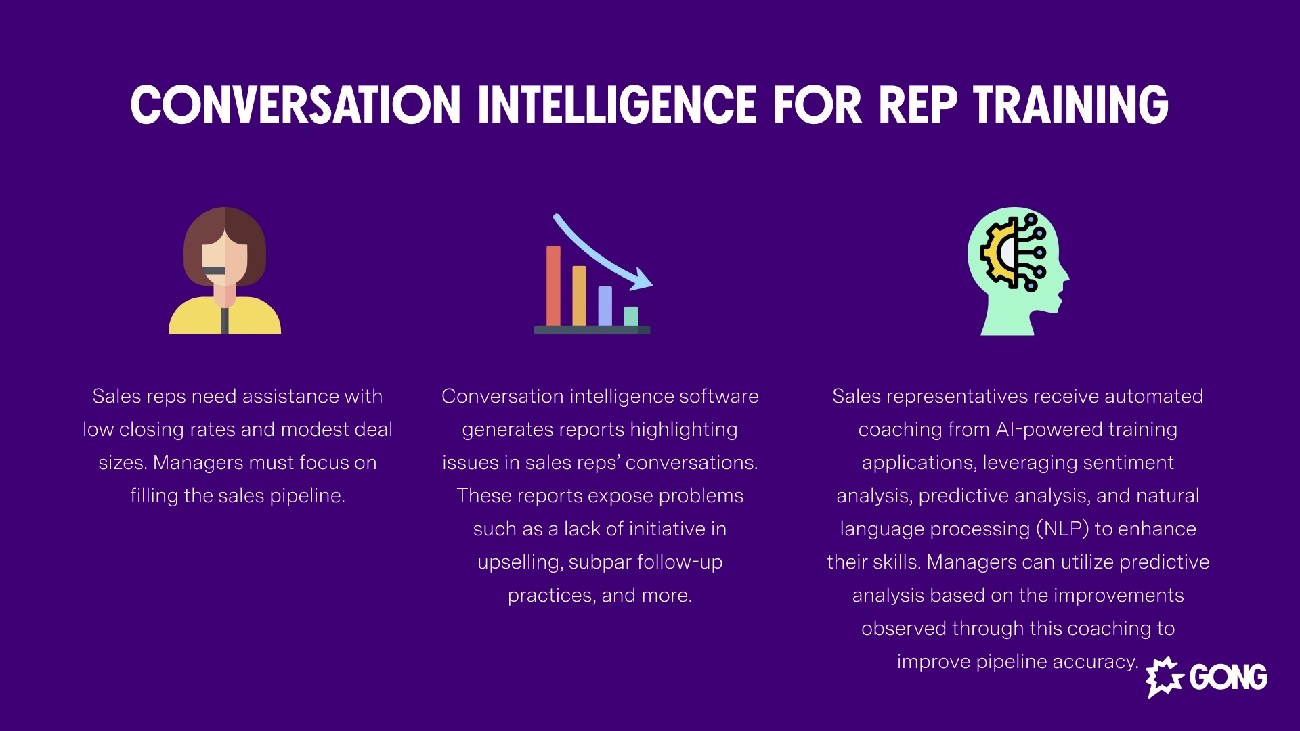
Image Source: Gong
Recognized as a leader in conversation intelligence, Gong provides powerful revenue intelligence capabilities that transform how sales teams understand and act on customer interactions. Serving more than 4,500 customers worldwide, including Fortune 10 companies like Microsoft and LinkedIn, Gong's platform excels at analyzing sales calls to uncover actionable insights.
Gong's foundation rests on its ability to capture and analyze every customer interaction across multiple channels. The platform automatically records, transcribes, and analyzes sales calls, emails, and web conferencing, creating a searchable database of customer conversations. To begin with, this helps teams understand why deals succeed or fail based on actual dialog rather than subjective impressions.
The platform's Deal Intelligence provides real-time insights into ongoing opportunities, helping teams track customer interactions and engagement to forecast deal success and identify at-risk deals early. In essence, this visibility allows sales leaders to understand deal progress with greater accuracy.
For coaching purposes, Gong enables managers to monitor rep performance over time, identify specific improvement areas, and provide targeted feedback directly related to recorded interactions. As a result, teams can standardize successful approaches and quickly correct ineffective tactics.
Additionally, Gong's pipeline management capabilities allow teams to review sales pipelines with greater precision by using data extracted directly from customer conversations. This helps identify potential obstacles before they derail deals.
At the core of Gong's offering are its AI-powered features that separate signal from noise in customer interactions. The platform's AI Smart Trackers go beyond simple keyword matching to understand the context of conversations, recognizing the different ways sales teams and customers communicate concepts. These trackers offer up to 10% more precise tracking of positive and negative signals found within sales interactions.
Gong's AI capabilities include:
Deal Reviewer: Automatically suggests deal updates to improve seller productivity, eliminating manual data entry
AI Methodology Playbooks: Detects whether elements of selected sales methodologies have been met in customer interactions
AI Scorecard Suggestions: Automatically suggests answers to inform coaching scorecards, streamlining the coaching process
Buying Signal Analysis: Captures and analyzes over 300 unique buying signals to predict deal outcomes with 20% more accuracy than CRM predictions alone
Consequently, teams using Gong can forecast revenue more precisely while spending less time on administrative tasks. One customer reported cutting forecasting time by two-thirds, reducing one-hour calls to just 20 minutes.
Gong's integration ecosystem enhances its value by connecting with popular sales and marketing tools. Initially designed for seamless data flow, Gong integrates with major CRM systems including Salesforce, HubSpot, and Microsoft Dynamics 365.
The Salesforce integration stores unique Gong data directly in Salesforce, including nine out-of-the-box reports and two dashboards for pipeline and competitive analysis. This synchronization ensures all call and email data automatically connects to client records in Salesforce.
Beyond CRM systems, Gong offers more than 90 integrations with tools like Google Workspace, Slack, Zoom, Vidyard, and Gainsight. For email platforms, Gong connects with Lavender, Google Workspace, and Microsoft Office 365. These connections create a unified view of customer interactions across the entire sales process.
STOP GUESSING YOUR PIPELINE
START GROWING IT WITH AI SALES!!
Choosing the right B2B sales intelligence platform can truly transform your team's performance in 2025. After examining these five market leaders, several key differences emerge that should guide your decision.
ZoomInfo stands out with its vast database and powerful AI Copilot that predicts opportunities and saves users approximately 10 hours weekly on research tasks. Apollo.io offers an affordable alternative with strong AI writing capabilities that have helped companies increase reply rates by up to 200%. Cognism excels specifically in European markets with its phone-verified Diamond Data® that makes users three times more likely to connect with ideal customers.
LinkedIn Sales Navigator taps into the world's largest professional network, providing unique relationship insights that other platforms simply cannot match. Users connected to at least four people at an account are 16% more likely to close deals with that company. Gong takes a different approach altogether by focusing on conversation intelligence, analyzing customer interactions across multiple channels to predict deal outcomes with 20% more accuracy than CRM predictions alone.
Your final choice should align with your specific business needs. Teams targeting European markets might prefer Cognism, while those prioritizing relationship building would benefit from LinkedIn Sales Navigator. Budget-conscious organizations could start with Apollo, whereas enterprises requiring the most extensive data might select ZoomInfo. Additionally, teams looking to improve sales conversations and coaching would find Gong most valuable.
The data-driven approach these platforms enable will become increasingly critical as markets grow more competitive. Ultimately, the right sales intelligence platform isn't about having more data—it's about having the right data that helps your team connect with qualified prospects faster and close more deals. Whichever platform you choose, implementing it effectively will likely become one of your most important competitive advantages in the coming year.
A. The main differences lie in their strengths: ZoomInfo offers a vast database with AI-powered insights, Apollo provides affordable AI writing capabilities, Cognism excels in European markets with verified data, LinkedIn Sales Navigator leverages professional network relationships, and Gong focuses on conversation intelligence and sales coaching.
A. AI enhances these platforms by automating research tasks, predicting opportunities, generating personalized outreach, analyzing customer interactions, and providing actionable insights. For example, ZoomInfo's AI Copilot saves users about 10 hours weekly on research, while Gong's AI can predict deal outcomes with 20% more accuracy than CRM predictions alone.
A. Cognism stands out for targeting European markets with its Diamond Data®, which provides phone-verified mobile numbers and makes users three times more likely to connect with ideal customers in Europe. It also offers strong compliance with European data protection regulations.
A. Most of these platforms offer integrations with popular CRM systems like Salesforce, HubSpot, and Microsoft Dynamics. They also typically integrate with communication tools, email platforms, and other sales and marketing technologies to create a unified workflow and enhance data synchronization across the sales tech stack.
A. Key factors to consider include the platform's data coverage and accuracy, AI capabilities, integration options, pricing, compliance with data protection regulations, and specific features that align with your sales strategy. It's also important to consider your target market, budget, and the size and needs of your sales team.
Your SDRs work 9–5
AI Sales works 24/7!!

Category: Uncategorized Tags: ai, AIOps, Artificial Intelligence, cloud, cloud platform, Cybersecurity, Information and Communications Technology , VR