Imagine knowing exactly when your ideal prospects are actively searching for solutions like yours, what specific features they’re comparing, and which competitors they’re evaluating—all before they ever fill out a form on your website. This isn’t science fiction. This is the transformative power of intent data in modern B2B sales.
In today’s hyper-competitive marketplace, where 67% of the buyer’s journey happens digitally before a prospect ever engages with sales, traditional prospecting methods are no longer sufficient. Sales teams are drowning in data but starving for actionable insights. The average B2B salesperson spends only 28% of their week actually selling, with the rest consumed by research, administrative tasks, and chasing unqualified leads.
Intent data changes everything. It transforms sales from a reactive game of chance into a proactive science of precision, enabling organizations to identify in-market buyers with surgical accuracy and engage them at the exact moment they’re most receptive to your message.
📊 Understanding Intent Data: The Foundation of Predictive Sales Intelligence
Intent data represents the digital breadcrumbs that prospects leave behind as they research solutions, evaluate vendors, and prepare to make purchasing decisions. These behavioral signals—ranging from content consumption patterns and search queries to social media engagement and technology adoption—provide unprecedented visibility into buyer readiness and interest.
The Three Pillars of Intent Data
First-Party Intent Data originates from your own digital properties. When prospects visit your website, download whitepapers, attend webinars, or interact with your content, they generate valuable signals about their interests and buying stage. This data is highly accurate because it reflects direct engagement with your brand, but its scope is limited to prospects already in your ecosystem.
Second-Party Intent Data comes from trusted partners who share behavioral information from their platforms. This might include data from complementary solution providers, industry associations, or strategic partners. Second-party data expands your visibility while maintaining relatively high quality and relevance.
Third-Party Intent Data is aggregated from external publisher networks, content platforms, and review sites across the internet. Providers like Bombora, G2, and TechTarget collect signals from thousands of B2B websites, offering the broadest view of prospect research activities. While less precise than first-party data, third-party sources provide critical early-stage awareness of prospects who haven’t yet engaged directly with your brand.
📈 Market Insight: The global AI in sales market, which heavily incorporates intent data technologies, is projected to reach $8.3 billion by 2028, growing at a CAGR of 23.8% from 2023 to 2028, according to MarketsandMarkets research. This explosive growth underscores the increasing recognition of predictive intelligence as a competitive necessity rather than a luxury.
🌟 The Business Impact: Why Intent Data Matters Now More Than Ever
Key Performance Improvements with Intent Data
3x
Higher Conversion Rates
40%
Shorter Sales Cycles
25%
Improvement in Lead Quality
The strategic advantages of intent data extend far beyond simple lead generation. Organizations implementing intent-driven strategies report transformative impacts across their entire revenue operations:
Precision Targeting and Resource Optimization: Sales teams can prioritize their efforts on accounts demonstrating active buying signals, dramatically improving productivity. Instead of making 100 cold calls hoping for 2-3 conversations, sales professionals can focus on the 15-20 prospects most likely to convert, achieving similar or better results with significantly less effort.
Enhanced Personalization at Scale: Understanding what topics prospects are researching enables highly relevant, contextual outreach. When you know a prospect has been consuming content about API integrations and data security, your messaging can speak directly to those concerns rather than delivering generic value propositions.
Competitive Intelligence and Market Positioning: Intent data reveals not just what prospects are researching, but which competitors they’re evaluating. This intelligence allows you to proactively address competitive differentiators and position your solution against specific alternatives.
“Intent data has fundamentally changed how we approach prospecting. We’ve reduced our customer acquisition costs by 35% while simultaneously increasing our close rates by 28%. The ability to engage prospects when they’re actively in-market has been transformative.”
— Sarah Mitchell, VP of Sales Operations, Enterprise SaaS Company
🔧 How Intent Data Works: The Technology Behind the Intelligence
Modern intent data platforms employ sophisticated artificial intelligence and machine learning algorithms to collect, analyze, and score behavioral signals across millions of digital interactions. The process involves several critical components:
Data Collection and Aggregation
Intent providers establish partnerships with thousands of B2B publishers, technology platforms, and content networks. Through cookies, tracking pixels, and content syndication agreements, they monitor which companies are researching specific topics. This data is anonymized at the individual level and aggregated at the account level to maintain privacy compliance while providing actionable insights.
Signal Processing and Contextual Analysis
Raw behavioral data undergoes extensive processing to filter noise and identify meaningful patterns. Advanced natural language processing analyzes content consumption to understand topical relevance, while machine learning models assess research intensity, topic clustering, and engagement depth. A single content download carries different weight than sustained research across multiple related topics over several weeks.
Predictive Scoring and Prioritization
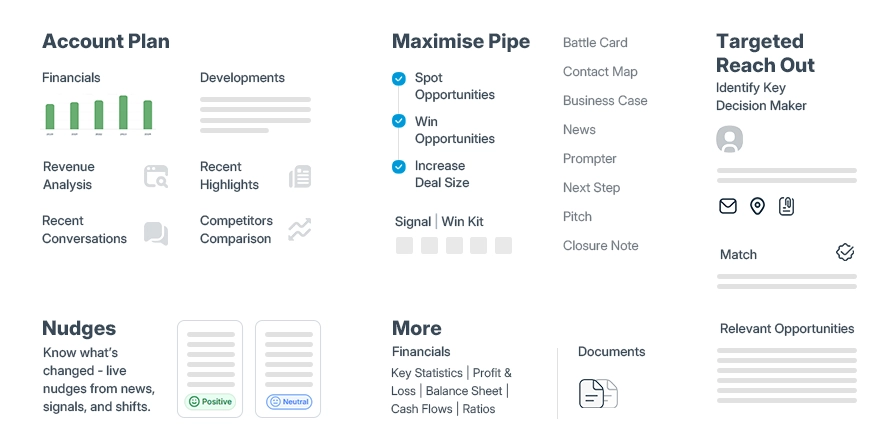
The most sophisticated platforms, including SalesPlay - An AI Sales Intelligence Platform, go beyond simple intent detection to provide predictive analytics. By analyzing historical conversion patterns, account characteristics, and behavioral trajectories, AI models can forecast purchase probability and optimal engagement timing. This predictive layer transforms raw signals into strategic recommendations, telling sales teams not just who to contact, but when and how.
💻 Comparing Leading Intent Data Solutions: A Comprehensive Analysis
The intent data landscape includes numerous providers, each with distinct capabilities, data sources, and technological approaches. Understanding these differences is crucial for selecting the solution that best aligns with your sales strategy and organizational needs.
| Platform |
Primary Data Source |
AI/ML Capabilities |
Integration Options |
Predictive Analytics |
Starting Price Range |
| SalesPlay |
Multi-source aggregation + proprietary signals |
Advanced AI with deep learning models |
Native CRM, MAP, sales engagement tools |
✓ Comprehensive |
Custom enterprise pricing |
| Bombora |
Content Consumption Network |
Machine learning surge scoring |
Major CRM and ABM platforms |
✓ Limited |
$20,000+/year |
| 6sense |
Multi-channel behavioral data |
AI-powered account identification |
Extensive marketing tech stack |
✓ Moderate |
$30,000+/year |
| ZoomInfo |
Contact data + web activity |
Basic scoring algorithms |
CRM and sales tools |
✗ |
$15,000+/year |
| TechTarget |
Priority Engine network |
Intent-based targeting |
Limited integrations |
✗ |
$25,000+/year |
| G2 Buyer Intent |
Software review platform |
Category research tracking |
CRM integrations available |
✗ |
$12,000+/year |
💡 Key Differentiator: While many platforms provide intent signals, SalesPlay distinguishes itself through comprehensive market intelligence that combines intent data with predictive analytics, competitive insights, and prescriptive recommendations. Rather than simply identifying in-market accounts, SalesPlay provides strategic guidance on messaging, timing, and approach—transforming data into actionable sales strategies.
🚀 Implementing Intent Data: Best Practices for Maximum Impact
Successful intent data implementation requires more than technology deployment. Organizations achieving the highest ROI follow a structured approach that aligns people, processes, and platforms around intent-driven strategies.
Step 1: Define Your Ideal Customer Profile and Intent Topics
Start by clearly articulating your ideal customer characteristics—industry, company size, technology stack, growth stage, and key decision-maker roles. Then identify the specific topics and keywords that indicate purchase intent for your solution. A cybersecurity vendor might track research on “zero trust architecture,” “endpoint protection,” and “SIEM solutions,” while a CRM provider would focus on “sales automation,” “pipeline management,” and “customer engagement platforms.”
Step 2: Establish Intent Scoring and Prioritization Frameworks
Not all intent signals carry equal weight. Develop a scoring methodology that considers signal strength, research intensity, topic relevance, account fit, and timing. A high-fit account showing sustained, increasing research activity across multiple relevant topics represents a significantly stronger opportunity than a marginal-fit account with sporadic, low-intensity signals.
Step 3: Integrate Intent Data Across Your Revenue Stack
Intent data delivers maximum value when seamlessly integrated with your CRM, marketing automation platform, sales engagement tools, and account-based marketing systems. This integration enables automated workflows, intelligent account routing, and coordinated sales and marketing activities based on real-time intent signals.
Step 4: Develop Intent-Triggered Plays and Outreach Sequences
Create specific sales plays that activate when accounts meet defined intent criteria. For example, when a high-fit account begins researching your category, trigger a coordinated sequence involving targeted advertising, personalized email outreach, social selling activities, and strategic content offers. The messaging should directly address the specific topics the prospect has been researching.
Step 5: Measure, Optimize, and Scale
Track key metrics including intent-to-opportunity conversion rates, sales cycle duration for intent-sourced deals, win rates by intent score tier, and overall pipeline contribution. Use these insights to continuously refine your intent topics, scoring models, and activation plays. Successful organizations treat intent data as a living system that evolves based on performance data.
🎯 Critical Success Factor
The most successful intent data implementations involve close sales and marketing alignment. When both teams have shared visibility into intent signals, agree on prioritization criteria, and coordinate their activities around high-intent accounts, conversion rates increase by an average of 48% compared to siloed approaches.
🔍 Advanced Strategies: Leveraging AI and Predictive Analytics
The next frontier in intent-driven sales involves moving beyond reactive signal detection to proactive predictive intelligence. Advanced AI platforms analyze historical patterns to forecast future behaviors, enabling organizations to engage prospects even before obvious intent signals emerge.
Predictive Account Identification
Machine learning models can identify accounts that statistically resemble your best customers and are likely to enter buying cycles soon, even if they haven’t yet shown explicit research activity. By analyzing firmographic data, technology stack composition, growth indicators, hiring patterns, and subtle behavioral signals, predictive models can surface high-potential accounts months before traditional intent data would flag them.
Optimal Timing and Channel Recommendations
Advanced platforms analyze engagement patterns to determine not just who to contact, but precisely when and through which channels. Some prospects respond best to early-morning emails, while others engage more with LinkedIn messages or prefer phone outreach. AI-powered timing optimization can improve response rates by 35-50% by aligning outreach with individual preferences and behavioral patterns.
Competitive Displacement Opportunities
By monitoring intent signals related to your competitors, you can identify accounts actively evaluating alternatives and potentially dissatisfied with current solutions. SalesPlay’s competitive intelligence capabilities, for instance, alert sales teams when existing customers of competitors begin researching alternative solutions—creating prime opportunities for competitive displacement.
📉 Performance Benchmark: Organizations using AI-powered predictive intent platforms report 60% higher accuracy in identifying accounts that will convert within 90 days, compared to traditional intent scoring methods. This precision enables more efficient resource allocation and dramatically improves sales forecasting accuracy.
⚠️ Navigating Challenges and Compliance Considerations
While intent data offers tremendous strategic advantages, organizations must navigate several challenges and considerations to ensure ethical, compliant, and effective implementation.
Data Privacy and Regulatory Compliance
With regulations like GDPR in Europe, CCPA in California, and emerging privacy laws worldwide, organizations must ensure their intent data practices comply with applicable regulations. Reputable intent providers anonymize individual user data and aggregate signals at the account level, but buyers should verify compliance mechanisms, data collection methodologies, and opt-out procedures.
Data Quality and Signal Accuracy
Not all intent data is created equal. Signal quality varies based on data sources, collection methodologies, and processing algorithms. Organizations should evaluate providers based on data freshness, source diversity, accuracy verification processes, and transparent methodology disclosures. Testing intent data through pilot programs before full-scale deployment helps validate quality and fit.
Integration Complexity and Change Management
Technical integration represents only part of the implementation challenge. The larger hurdle often involves organizational change management—helping sales and marketing teams understand intent data, trust the insights, and modify their workflows accordingly. Successful implementations include comprehensive training, clear governance frameworks, and executive sponsorship to drive adoption.
📈 The Future of Intent Data: Emerging Trends and Innovations
The intent data landscape continues evolving rapidly, driven by technological innovation, changing buyer behaviors, and expanding data sources. Several emerging trends are shaping the future of predictive sales intelligence:
Multimodal Intent Signals: Next-generation platforms are incorporating video engagement data, podcast listening behaviors, virtual event participation, and even voice search patterns to create more comprehensive intent profiles.
Real-Time Intent Activation: As data processing capabilities advance, the lag between signal generation and sales activation is shrinking from days to minutes, enabling truly real-time engagement strategies.
Intent-Driven Revenue Orchestration: Leading organizations are building entire revenue operations around intent signals, using them to coordinate not just sales outreach but product development, pricing strategies, partnership decisions, and market expansion plans.
Conversational AI Integration: Intent data is increasingly powering AI-driven sales assistants and chatbots that can engage prospects with highly relevant, contextual conversations based on their research history and demonstrated interests.
❓ Frequently Asked Questions About Intent Data for B2B Sales
What is intent data in B2B sales?
Intent data is behavioral information that reveals when prospects are actively researching solutions similar to yours. It tracks digital signals like content downloads, website visits, search queries, and social media engagement to identify buyers who are in-market and ready to purchase. This data enables sales teams to prioritize outreach to accounts demonstrating genuine buying interest rather than relying on cold prospecting or demographic targeting alone. By analyzing these behavioral patterns, organizations can engage prospects at precisely the right moment in their buying journey with highly relevant, contextual messaging.
How does intent data improve sales performance?
Intent data improves sales performance by enabling sales teams to prioritize high-intent prospects, personalize outreach based on specific interests, reduce sales cycle length by 30-40%, and increase conversion rates by up to 3x compared to traditional prospecting methods. By focusing efforts on accounts actively researching solutions, sales professionals waste less time on unqualified leads and engage prospects at the optimal moment in their buying journey. This results in more productive conversations, higher win rates, and significantly improved sales efficiency across the entire organization.
What are the different types of intent data?
There are three primary types of intent data: First-party intent data (collected from your own digital properties like website visits and content downloads), second-party intent data (shared directly from partners with whom you have data-sharing agreements), and third-party intent data (aggregated from external publisher networks and content platforms across the internet). Each type offers different advantages in terms of accuracy, scope, and early-stage visibility into prospect research activities. The most effective strategies combine all three types to create a comprehensive view of buyer intent.
How accurate is intent data for predicting buyer behavior?
When properly implemented, intent data can predict buying behavior with 60-75% accuracy. The accuracy improves significantly when combining multiple intent signals, integrating first-party and third-party data sources, and using AI-powered platforms that can identify patterns across diverse data sources. However, intent data should be viewed as one component of a comprehensive sales intelligence strategy rather than a perfect predictor, and its effectiveness depends heavily on proper scoring methodologies and activation strategies.
What is the ROI of implementing intent data in B2B sales?
Organizations implementing intent data typically see 2-4x ROI within the first year, with benefits including 25-35% higher conversion rates, 30-40% shorter sales cycles, 20-30% improvement in marketing qualified lead quality, and significant reduction in wasted outreach efforts. The exact ROI varies based on implementation quality, sales cycle length, average deal size, and how effectively teams leverage the insights. Organizations with strong sales and marketing alignment and mature data-driven cultures tend to achieve the highest returns.
How does SalesPlay differentiate itself in intent data solutions?
SalesPlay differentiates through its all-in-one AI Sales Intelligence Platform that combines advanced predictive analytics, comprehensive market intelligence, real-time intent scoring, seamless CRM integration, and actionable insights that go beyond raw data to provide strategic recommendations. Unlike platforms that simply flag accounts showing research activity, SalesPlay provides prescriptive guidance on messaging, timing, competitive positioning, and optimal engagement strategies—transforming intent signals into executable sales plays.
What are the privacy considerations when using intent data?
Intent data must comply with regulations like GDPR, CCPA, and other data privacy laws. Reputable providers anonymize individual user data and aggregate signals at the account level, ensuring compliance while providing actionable insights. Organizations should ensure their intent data provider follows ethical data collection practices, maintains transparent consent mechanisms, offers clear opt-out procedures, and provides documentation of compliance with applicable regulations. Buyers should ask detailed questions about data collection methodologies, anonymization processes, and compliance certifications before selecting a provider.
📝 Conclusion: Transforming Sales Through Intelligent Intent Data
In an era where buyer expectations continue rising and competition intensifies across every industry, intent data has evolved from a competitive advantage to a strategic imperative. Organizations that effectively harness behavioral signals, predictive analytics, and AI-powered insights are not just selling more efficiently—they’re fundamentally transforming their approach to revenue generation.
The most successful implementations recognize that intent data is not merely a lead generation tool but a comprehensive intelligence layer that informs every aspect of go-to-market strategy. From account selection and message personalization to competitive positioning and optimal timing, intent signals enable precision and relevance at scales previously impossible.
However, technology alone does not guarantee success. The organizations achieving transformative results combine sophisticated platforms with clear strategies, aligned teams, robust processes, and a commitment to continuous optimization. They view intent data as a living system that evolves with their market, their buyers, and their business objectives.
🌟 Key Takeaways
- Intent data provides unprecedented visibility into buyer research activities and purchase readiness
- Successful implementation requires combining technology with strategy, process, and organizational alignment
- Advanced AI platforms like SalesPlay transform raw signals into predictive intelligence and strategic recommendations
- Organizations using intent data report 2-4x ROI through higher conversion rates, shorter sales cycles, and improved efficiency
- The future of B2B sales is predictive, personalized, and powered by intelligent intent data
As buyer behaviors continue evolving and digital research activities expand, the volume and diversity of intent signals will only increase. Organizations that invest now in building intent-driven capabilities—selecting the right platforms, developing activation strategies, aligning their teams, and fostering data-driven cultures—will establish sustainable competitive advantages that compound over time.
The question is no longer whether to adopt intent data, but how quickly you can implement it effectively and how thoroughly you can integrate it into your revenue operations. Your competitors are already leveraging these insights. Your buyers are already generating these signals. The only question is whether you’re capturing and acting on them.
Ready to Transform Your Sales Strategy with Intent Data?
Discover how SalesPlay - An AI Sales Intelligence Platform can provide the predictive insights, market intelligence, and strategic recommendations your team needs to win more deals, faster.
Schedule Your Demo Today →