What Is an Agentic SDR - And Why It's Redefining Sales Development
August 13, 2025
An agentic SDR is an AI-powered sales development representative that autonomously handles top-of-funnel sales activities including lead qualification, outreach, and prospect engagement. These artificial intelligence sales agents operate independently within sales workflows to manage repetitive and time-consuming tasks that traditionally require human attention. Specifically designed to function as virtual team members, agentic SDRs leverage artificial intelligence, machine learning, and natural language processing (NLP) to communicate with prospects in a conversational manner.


Unlike conventional automation tools that follow rigid sequences, agentic SDRs can independently act and solve complex problems based on contextual input. The key characteristic that distinguishes them from basic automation is their ability to operate autonomously—planning and executing personalized outreach strategies without constant human direction. They represent a significant advancement in sales technology, functioning effectively as AI teammates that mirror familiar roles within organizations.
Agentic SDRs form part of the emerging "agentic workforce"- specialized AI agents designed for specific roles within functional areas, giving organizations additional leverage without the overhead associated with human employees. These AI sales representatives serve as digital clones of top-performing SDRs but with enhanced capabilities that address traditional sales development limitations.
The fundamental architecture of agentic SDRs includes several integrated components. For instance, Salesforce's Agentforce SDR Agent autonomously engages with inbound leads using natural language to answer questions, handle objections, and book meetings for human sellers. This system incorporates the Atlas Reasoning Engine, Data Cloud, and Einstein Trust Layer to execute sales tasks effectively. The agents are built with specific instructions and guardrails that enable them to function independently, moving leads through the sales funnel without continuous human oversight.
The primary distinction between agentic SDRs and conventional automation lies in their operational approach. Traditional automated systems execute predefined sequences and scripts, whereas agentic SDRs can:
Ready to turn your Rep
INTO BEST PERFORMER ?
From a technological standpoint, agentic SDRs incorporate several advanced AI capabilities. They utilize natural language processing to understand and generate human-like communications. Additionally, they employ machine learning algorithms to continuously refine their approach based on outcomes and interactions. This combination allows them to function not merely as tools but as autonomous team members that contribute meaningfully to sales operations.
In practice, agentic SDRs handle multiple aspects of the sales development process. They send personalized emails, messages, and follow-ups based on CRM data—functioning around the clock to ensure prompt follow-up regardless of when leads arrive. Furthermore, they assess prospect sales readiness by analyzing responses and engagement patterns. During interactions via email, they can answer questions and address objections using natural language, creating a seamless experience for potential customers.
When prospects express interest in sales conversations, agentic SDRs can directly schedule meetings into representatives' calendars. This capability eliminates the need to switch between tools during conversations—a process that human SDRs often find cumbersome. Moreover, every interaction with leads is automatically tracked, with additional notes and context provided for visibility across the sales team. This ensures the CRM remains current without requiring tedious manual updates.
The practical applications of agentic SDRs extend primarily to inbound sales scenarios, where customers initiate contact and express interest. In these situations, agentic SDRs excel at processing backlogged inbound leads, qualifying them immediately, and arranging meetings for sales representatives. However, their utility continues to expand into outbound prospecting and other sales development functions as the technology advances.
From an organizational perspective, agentic SDRs should be considered additions to sales teams rather than replacements for human representatives. They function within existing sales tools as additional users, complementing human efforts by handling repetitive tasks and preliminary interactions. This collaborative approach maximizes the strengths of both AI and human sales professionals.
The financial implications of implementing agentic SDRs are substantial. At approximately $500 per month, an AI SDR costs 83% less than employing a full-time human SDR. This cost efficiency allows organizations to redirect budget toward high-impact campaigns and strategic initiatives. Additionally, businesses can scale operations without the logistical challenges associated with hiring and training new staff.
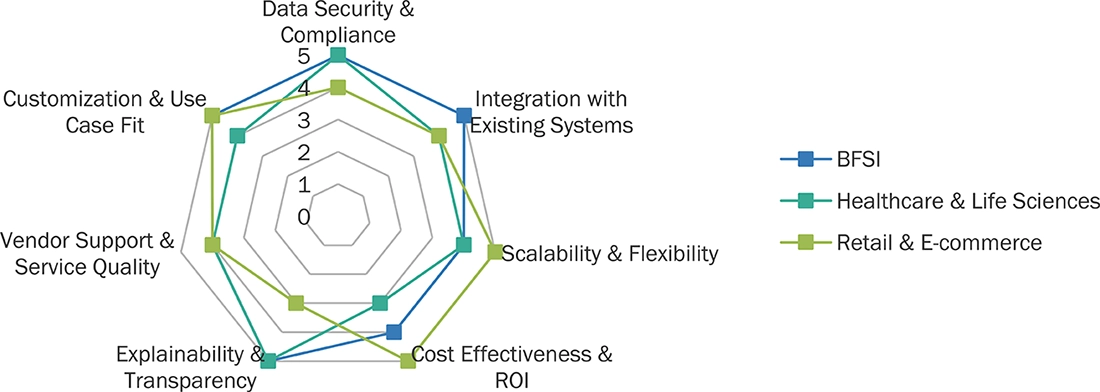
Operational advantages of agentic SDRs include:
Round-the-clock availability: Unlike human SDRs constrained by working hours, agentic SDRs operate continuously, ensuring no lead goes unattended regardless of time zone. This perpetual engagement capability means potential opportunities are never missed due to timing constraints.
Unlimited capacity: Agentic SDRs can manage thousands of prospects simultaneously, eliminating the need for "cherry-picking" that often occurs with human teams. One agent can process every inbound lead, ensuring comprehensive coverage of the sales pipeline.
Response speed: AI responds to inquiries within seconds rather than hours, capturing buyer attention before interest diminishes. This immediate engagement significantly improves conversion rates by maintaining momentum in the sales process.
Consistency and accuracy: Armed with complete product knowledge and CRM access, agentic SDRs provide reliable responses even to complex questions. Their performance remains consistent, unaffected by the fatigue or distractions that human SDRs naturally experience.
Zero turnover: Unlike human sales development representatives who may leave or receive promotions, agentic SDRs remain perpetually available. They continue gaining intelligence through ongoing interactions, providing stable performance without the disruption of personnel changes.
Scalability: Organizations can easily expand their sales development operations without proportional increases in costs or management complexity. This scalability enables businesses to pursue growth opportunities without traditional resource constraints.
Data-driven optimization: Agentic SDRs continuously analyze performance metrics to adjust strategies and improve outcomes. They can modify messaging and outreach approaches based on real-time data, without requiring formal performance reviews or improvement plans.
The implementation of agentic SDRs represents a transformative approach to sales development. Rather than functioning as basic automation tools, they operate as collaborative teammates that leverage AI capabilities while preserving essential human elements of sales. This collaborative model creates synergy that enhances overall sales processes.
The core benefit of agentic SDRs lies in their ability to balance automation with personalization. They effectively handle logic-based tasks such as research, data analysis, and list building, while human sales professionals focus on intuitive and empathy-based activities like building rapport and adapting to changing needs. This division of responsibilities ensures prospects receive personalized attention where it matters most.
Despite their advantages, agentic SDRs have certain limitations. They may struggle with nuanced emotional interactions requiring genuine empathy and understanding. While they can simulate conversational patterns, they cannot yet replicate the authentic emotional connections that human SDRs establish. Additionally, though they follow scripts and predefined responses effectively, they may encounter difficulties when facing unexpected objections or particularly complex questions.
For organizations considering implementation, agentic SDRs prove most effective when deployed as part of an integrated sales strategy. The optimal approach combines AI efficiency with human relationship-building capabilities. Agentic SDRs can manage high-volume, repetitive tasks, allowing human SDRs to concentrate on complex interactions. Once leads show sufficient interest, human representatives can assume responsibility for relationship development, advanced query resolution, and deal closure.
From a technical integration perspective, agentic SDRs connect directly with CRM systems, marketing automation platforms, and lead generation tools. This seamless integration streamlines workflows and enhances operational efficiency. By automating data transfer between systems, agentic SDRs eliminate manual processes that typically consume valuable sales time.
Companies implementing agentic SDRs report significant performance improvements. These AI-powered systems demonstrate exceptional proficiency in lead generation, efficiently asking appropriate questions, assessing fit, and prioritizing leads in real-time. This capability ensures human sales representatives allocate their time exclusively to the most promising opportunities.
As the technology continues to evolve, agentic SDRs increasingly incorporate advanced features such as predictive analytics and intent signal processing. These enhancements enable more sophisticated prospect identification and personalized messaging development. The ongoing advancement of underlying AI technologies suggests agentic SDRs will continue gaining capabilities and effectiveness over time.

Traditional SDRs face significant limitations in today's fast-paced digital sales environment. Agentic SDRs establish a completely different operational model that overcomes these constraints. The fundamental differences between these two approaches span across availability, scale capabilities, follow-up methodologies, personalization techniques, and economic considerations.
Traditional SDRs operate within standard business hours, typically working 8-hour shifts on weekdays only. In contrast, agentic SDRs function continuously without interruption. This 24/7 availability represents a critical advantage in modern sales environments where timing significantly impacts conversion rates.
The "always-on" nature of agentic SDRs enables immediate engagement with prospects regardless of when they show interest. Studies confirm this time-sensitivity: engaging web leads within 5 minutes makes them 9 times more likely to respond, yet most human teams cannot guarantee such swift follow-up outside business hours. Even more striking, responding within 60 seconds can boost conversions by 400%.
For global operations, this around-the-clock availability eliminates the need for "follow-the-sun" staffing models or inconvenient shifts to accommodate different time zones. When a prospect replies at midnight, an agentic SDR processes the response immediately rather than delaying until the next business day.
Consequently, this perpetual engagement capability prevents missed opportunities due to timing constraints. Traditional human SDRs inevitably create gaps in coverage during nights, weekends, and holidays—periods when potential customers may still be actively researching products or responding to previous outreach.
The operational implications extend beyond simple availability. Agentic SDRs can schedule communications strategically across time zones to maximize open rates. They can initiate follow-ups precisely according to predetermined intervals, maintaining optimal cadence without manual intervention. This automation ensures immediate processing of every inbound inquiry at any hour.
A fundamental limitation of human SDRs lies in their sequential work pattern—they can only call one prospect at a time or write one email at a time. Agentic SDRs transcend this constraint through parallel processing capabilities. While a human SDR typically manages 20-30 leads per month, an AI SDR can handle thousands simultaneously.
This parallel processing enables extraordinary throughput. According to research, AI-powered sales teams can reach up to 300 contacts daily compared to the 50-100 contacts that human teams typically reach. This difference grows exponentially as the target audience expands—agentic systems simply parallelize their efforts without degradation in quality or consistency.
The scalability advantage becomes particularly evident during demand spikes. When inbound lead volume suddenly increases or market opportunities expand, agentic SDRs can immediately scale up activity without the delays associated with recruiting and training additional staff. This elasticity functions like having an infinitely adjustable team size that expands or contracts based on current needs.
Multitasking capabilities extend across the entire sales development workflow. One agentic SDR might simultaneously:
All these activities occur concurrently rather than sequentially. This concurrent operation dramatically reduces manual labor and time per lead. Tasks that might take an SDR hours each week—compiling lead lists, writing custom emails, logging activities—are processed in seconds by agentic systems. Early adopters of one agentic outbound platform reported a 70% reduction in average time spent per generated lead.


Persistence represents a critical factor in sales development success. Industry data reveals that 44% of salespeople abandon pursuit after just one follow-up with a prospect, despite 80% of sales requiring at least five follow-ups to close. This persistence gap significantly impacts conversion rates.
Agentic SDRs excel in follow-up consistency because they never experience fatigue, frustration, or disengagement. They maintain unwavering persistence, following predetermined cadences without deviation or lapses. Every prospect receives the intended number of touchpoints regardless of how many attempts are required.
The follow-up advantage extends to timing precision. Agentic SDRs automatically send follow-up messages according to exact schedules, eliminating the manual tracking and calendar management that burdens human SDRs. This systematic approach ensures no prospect falls through the cracks due to oversight or competing priorities.
Quality consistency also distinguishes agentic SDRs. Human performance naturally fluctuates based on energy levels, mood, or workload. In contrast, agentic SDRs deliver consistent quality in every interaction regardless of volume or timing. This reliability eliminates the variability that typically affects traditional sales development teams.
Another consistency advantage involves messaging and brand alignment. Agentic SDRs "stick to the script" reliably, eliminating risks of off-brand messaging or missing key details. They maintain predetermined communication standards without deviation, ensuring that every prospect receives consistent information aligned with company messaging guidelines.
Traditional SDR personalization faces significant constraints. Human SDRs might spend 15-30 minutes researching each prospect before drafting personalized emails—a time-intensive process that severely limits daily output. This creates an impossible choice between quality and quantity: an SDR spending 30-60 minutes per properly personalized email might only reach 8-10 prospects daily.
Agentic SDRs transform this equation through data processing at unprecedented scale. They collect and analyze information from multiple sources in seconds, identifying key details such as:
This comprehensive data collection enables deep personalization without the time constraints affecting human SDRs. One company reported that AI-powered personalization increased email open rates by up to 50% compared to templates—while maintaining this quality advantage across thousands of prospects simultaneously.
The personalization capabilities extend beyond simple mail merge fields. Agentic SDRs can tailor entire content approaches based on recipient characteristics. For example, an email to a SaaS CEO might highlight revenue growth and investor ROI, whereas an email to a CTO at the same company might emphasize technical efficiency. All this occurs automatically through AI-driven customization.
Furthermore, agentic SDRs continuously improve personalization through machine learning. They analyze engagement data—tracking which messages generate responses—and automatically refine their approach over time. This creates a self-improving system unlike static templates that remain unchanged regardless of performance.
According to industry studies, personalized email content increases response rates by over 30% on average. Campaigns using AI-driven personalization consistently show higher engagement—one report found tailored emails yield 32.7% higher response rates than non-personalized communications.
STOP CHASING PROSPECTS
START CLOSING DEALS!!
The financial implications of employing agentic versus traditional SDRs reveal substantial differences. Traditional SDR positions entail significant expenses beyond base salaries—including benefits, management overhead, technology costs, office space, and ongoing training. The complete cost structure makes human SDRs relatively expensive assets.
In contrast, agentic SDR solutions typically require an initial investment of USD 3000 to USD 50000, with maintenance costs of 10-20% of the initial investment annually. Depending on company size and feature requirements, monthly subscription costs range from USD 500 to USD 10000. These figures represent significantly lower costs than maintaining equivalent human teams.
Direct comparisons show that AI SDR solutions cost approximately 60-70% less than traditional sales development teams. One provider reports its solution is about 80% less expensive than assembling an equivalent human-plus-software SDR stack. Another service offering AI SDRs at approximately USD 500 per month notes this represents an 83% cost reduction compared to employing a full-time human SDR.
Beyond direct costs, turnover expenses substantially impact traditional SDR economics. The average turnover rate for SDRs reaches approximately 35%—meaning nearly one in three SDRs leaves their position within a year. This high churn rate necessitates continuous recruitment and training investments while creating productivity gaps during transitions.
Training requirements present another significant difference. Human SDRs typically require weeks or months of onboarding before reaching full productivity. Even experienced representatives need substantial time to learn new markets or products. Conversely, agentic SDRs can be implemented and "trained" much faster, with some systems operational within days rather than weeks.
The training contrast extends to knowledge retention. When human SDRs leave organizations, their accumulated knowledge and experience departs with them. Agentic SDRs retain all learned information indefinitely, creating permanent institutional knowledge that continuously improves rather than resetting with each personnel change.
Additionally, agentic SDRs eliminate costs associated with motivation fluctuations and performance management. Traditional SDR teams require continuous coaching, incentive programs, and performance interventions to maintain productivity. Agentic systems operate with consistent performance without requiring motivational management or productivity initiatives.
The operational efficiencies translate directly to pipeline economics. Companies using AI SDR platforms have collectively generated over USD 100 million in pipeline via AI-driven prospecting. The cost reduction combined with throughput increases creates compelling ROI dynamics that fundamentally change sales development economics.
From a labor allocation perspective, agentic SDRs enable organizations to operate with leaner teams or redirect human talent toward higher-value activities. Instead of requiring 10-person SDR teams, companies might effectively manage with 3-4 human SDRs supplemented by AI systems. This approach allows budget reallocation toward more account executives or solution engineers to handle increased pipeline volume.
These economic advantages provide particular benefits for organizations facing tight budgets or aggressive growth targets. The ability to scale outreach without proportional cost increases creates sustainable competitive advantages through improved cost-per-lead and cost-per-opportunity metrics.
Agentic SDRs execute specific sales workflows through an autonomous process that spans the entire top-of-funnel pipeline. These AI-powered sales agents operate through a structured yet flexible approach that maximizes lead engagement without requiring constant human oversight.
Agentic SDRs initiate the sales process by autonomously gathering prospect data from numerous sources. These AI agents analyze over 50 data sources to identify high-intent prospects based on various signals, including hiring trends, funding events, technology stack adoption, and social media activity. They automatically mine databases and online sources to discover new prospects and compile relevant intelligence on potential customers.
Initially, the AI system creates targeted prospect lists by leveraging artificial intelligence to scan vast databases. For instance, some platforms can access databases containing over 175 million contacts and 22 million companies, cross-referencing intent signals such as website visits or recent funding rounds. The system identifies accounts to target based on firmographic data like industry or revenue, prior engagements, or specific buying signals.
Subsequently, these AI agents enrich the identified prospects with additional data, automatically updating contact information in real-time. They pull firmographics (company size, industry), technographic data (tools a company uses), and intent signals to create comprehensive prospect profiles. According to one provider, this automated research process reduces prospecting time from 2-3 hours to approximately 40 seconds per potential customer.
Through the use of natural language processing and machine learning, agentic SDRs extract key information from various file types. This capability extends beyond simple data gathering, providing actionable insights that drive strategic sales approaches. The AI then ranks and scores leads based on fit and buying intent, enabling sales teams to focus exclusively on the most promising opportunities.
After identifying potential clients, agentic SDRs craft and execute personalized communications across multiple channels. Using generative AI capabilities, they write emails, LinkedIn messages, and even SMS or voicemail scripts that sound human and contextually relevant to each recipient. These messages incorporate data about the prospect's industry, role, recent activities, or potential pain points to increase relevance.
The personalization process involves several sophisticated steps:
With this data, agentic SDRs generate dynamic messages where subject lines and introductions adjust based on a prospect's industry, job title, or recent activity. The system tailors value propositions to highlight the most relevant product features for each lead, creating messages that feel individualized rather than automated.
Notably, agentic SDRs maintain channel flexibility, determining which communication methods work best for each prospect. Rather than relying solely on email, they create tailored outreach across LinkedIn, email, and even automated voice calls. They send these messages on a schedule optimized for engagement—for instance, emailing at 8am in the prospect's time zone or sending a LinkedIn message after an email is opened.
Throughout this process, agentic SDRs maintain consistent messaging and brand alignment. They reliably follow predetermined communication standards without deviation, ensuring every prospect receives consistent information that aligns with company messaging guidelines.
Make Every Rep Speak
Like Your Top 1%
The speed of engagement represents a critical advantage in lead conversion. Agentic SDRs respond to incoming leads within seconds rather than hours, capturing buyer attention before interest diminishes. This immediate engagement capability dramatically impacts conversion rates—studies show that odds of qualifying a lead drop by over 10x if follow-up occurs more than an hour after inquiry.
When a lead expresses interest through a form submission or email reply, the AI agent immediately initiates contact. For example, when a prospect replies to an outreach email, the agentic SDR might ask qualifying questions: "What's your main priority in this area?" or "How many users are you considering this solution for?" Using natural language processing, the AI interprets responses to assess fit for the offering.
Throughout this qualification process, agentic SDRs analyze both explicit statements and implicit signals. They monitor digital behaviors like email opens, link clicks, website visits, and social media engagement to gage interest levels. These interactions are automatically logged in the CRM with additional notes and context for visibility across the sales team.
During conversations, agentic SDRs field objections and answer questions using natural language. They determine a prospect's sales readiness by analyzing responses and engagement patterns. If certain interactions exceed their capabilities or when leads demonstrate strong interest, they automatically escalate the conversation to human representatives.
Lead scoring and prioritization form a central component of the agentic SDR workflow. These AI agents employ machine learning algorithms to evaluate leads based on their likelihood to convert. They assign numerical values to prospects based on engagement level, firmographics, and behavioral signals.
The scoring process incorporates multiple factors:
Demographic data (job title, company size, industry)
Firmographics (annual revenue, growth rate, technological stack)
Engagement history (email opens, website visits, content downloads)
Recent activity (webinar attendance, demo requests)
Intent signals (competitor searches, pricing page visits)
After identifying qualified leads, agentic SDRs handle meeting scheduling autonomously. They can book meetings directly into a sales representative's calendar, eliminating the need for back-and-forth communications. The AI automatically coordinates schedules across time zones, handling all communications to find suitable meeting times for both parties.
Once a meeting is scheduled, the system instantly notifies the assigned sales representative with complete meeting details, simplifying coordination. For companies using calendar integration, the AI can create Google Calendar invites after having conversations with prospects. Some systems even create tasks in Salesforce with meeting details, attaching them to relevant contacts.
In fact, integrations with CRM systems prove essential for maximizing agentic SDR effectiveness. These AI agents plug directly into existing tech stacks to work across chat, email, and CRM in real-time. They automatically update CRM systems with interaction details, ensuring complete visibility for the sales team.
A distinctive feature of agentic SDRs involves their capacity for ongoing improvement through continuous learning. Unlike static systems that follow rigid sequences, these AI agents refine their approach based on results and feedback. They analyze which subject lines generate opens, which email copy receives replies, and which call scripts prompt callbacks.
Through machine learning capabilities, agentic SDRs conduct automated A/B testing to enhance performance. If version A of an email achieves a 5% reply rate while version B reaches 8%, the AI will favor version B and potentially test a variant C to improve results further. This experimental approach allows for constant refinement without manual intervention.
As agentic SDRs accumulate interaction data, their lead scoring models become increasingly accurate. The systems learn from past outcomes, adjusting scoring weights based on factors that genuinely predict sales. They recognize changing market conditions, identify patterns human representatives might miss, and evolve prioritization logic without requiring manual updates.
The autonomous optimization extends to personalization strategies as well. By tracking which messages generate responses, agentic SDRs automatically refine their approach over time. This creates a self-improving system unlike static templates that remain unchanged regardless of performance.
Through this continuous learning process, agentic SDRs steadily enhance their capabilities. They adapt to shifting prospect behaviors, market trends, and company offerings, ensuring their approach remains effective in dynamic sales environments. According to one provider, their AI agents continuously learn from outcomes, creating a self-reinforcing cycle of improvement that increases conversion rates with each sales cycle.
Your SDRs work 9–5
AI Sales works 24/7!!
A. An Agentic SDR is an AI-powered sales development representative that autonomously handles top-of-funnel sales activities. Unlike traditional SDRs, Agentic SDRs operate 24/7, can handle thousands of prospects simultaneously, provide consistent follow-ups, and offer data-driven personalization at scale.
A. Agentic SDRs enhance sales efficiency by responding to leads instantly, scaling operations without additional hiring, maintaining consistent follow-ups, and providing personalized outreach based on comprehensive data analysis. They can handle tasks like prospect research, multi-channel communication, and meeting scheduling autonomously.
A. Yes, Agentic SDRs are typically more cost-effective than human SDRs. They can cost up to 83% less than a full-time human SDR, eliminate turnover expenses, require minimal training time, and can handle a much larger volume of prospects without proportional cost increases.
A. Agentic SDRs use AI to analyze vast amounts of data from multiple sources, including CRM data, social media, and public information. They then craft personalized messages that incorporate relevant details about the prospect's industry, role, recent activities, and potential pain points across various communication channels.
A. While Agentic SDRs are highly efficient for many tasks, they are best viewed as complementary to human SDRs rather than complete replacements. They excel at handling high-volume, repetitive tasks, allowing human SDRs to focus on complex interactions, relationship building, and closing deals that require nuanced emotional intelligence.

Category: Uncategorized Tags: ai, AIOps, Artificial Intelligence, cloud, cloud platform, Cybersecurity, Information and Communications Technology , VR