Military Parachute Market by Application (Military, Cargo, Sports, Rescue, Recovery, Break Chutes), Type (Round, Ram-air, Square, Ring & Ribbon), Component (Canopy, Cords, Tapes, Webbings, Metal), Region (North America, Europe, Asia-Pacific, The Middle East, Latin America, Africa) - Global Forecasts to 2025-2034


Military Parachute Market
Military Parachute Market Summary
The Global Military Parachute Market is estimated to grow from US$ 1.90 Billion - US$ 2.30 Billion in 2025 to US$ 3.90 Billion - US$ 4.80 Billion by 2035 at a CAGR of 6.8% - 8.1% from 2025 to 2035. The market is witnessing steady expansion due to rising military modernization programs, increasing special operations activities, and growing demand for advanced airborne combat capabilities. Defense forces worldwide are investing in high-performance parachute systems to improve troop mobility, tactical deployment, cargo delivery efficiency, and survivability during airborne missions. Technological advancements such as AI-assisted navigation systems, lightweight composite materials, smart parachute deployment mechanisms, and IoT-enabled performance monitoring are reshaping the military parachute ecosystem. Automation, digital battlefield integration, and the increasing use of autonomous aerial delivery platforms are further accelerating market growth across military and defense applications.
Key Market Trends & Insights
North America dominates the military parachute market due to strong defense spending and advanced airborne military capabilities.
Asia Pacific is projected to witness the fastest growth owing to rising defense modernization initiatives and military expansion programs.
Personnel parachutes remain the dominant product segment because of increasing airborne troop deployment requirements.
Smart parachute technologies integrated with AI-assisted navigation systems are emerging as key innovation trends.
Lightweight materials and advanced fabric technologies are improving parachute durability and operational efficiency.
Automation and IoT-enabled monitoring systems are enhancing safety, deployment precision, and mission performance.
Market Size & Forecast
-
Base year market size (2025): US$ 1.90 Billion - US$ 2.30 Billion
-
Forecast value by 2035: US$ 3.90 Billion - US$ 4.80 Billion
-
CAGR (2025–2035): 6.8% - 8.1%
-
Market growth is driven by rising defense budgets, increasing airborne operations, AI-enabled military systems, and advanced parachute material innovations
Military Parachute Market Top 10 Key takeaway
-
North America leads the global military parachute market
-
Asia Pacific is expected to record the fastest growth through 2035
-
Personnel parachutes dominate overall product demand
-
AI-assisted smart parachute systems are gaining military adoption
-
Lightweight composite fabrics are improving operational performance
-
Special operations forces are driving demand for advanced parachute technologies
-
Cargo parachute systems are expanding due to military logistics modernization
-
IoT-enabled monitoring systems are improving parachute safety and reliability
-
Autonomous aerial delivery technologies are influencing future market growth
-
Military modernization programs are strengthening long-term industry demand
Product Insights
Personnel parachutes account for the largest market share due to their critical role in airborne military operations, tactical troop deployment, and special operations missions. Modern personnel parachute systems are designed to provide improved maneuverability, higher deployment precision, enhanced safety, and better operational flexibility under complex battlefield conditions.
Cargo parachutes are also witnessing strong growth as defense organizations increasingly rely on aerial logistics and rapid battlefield resupply operations. Advanced cargo parachute systems can support heavy equipment deployment, unmanned supply delivery, and autonomous logistics missions in remote combat environments.
Ram-air parachutes and guided parachute systems are emerging as high-growth product categories due to their ability to provide improved steering capabilities, enhanced operational accuracy, and extended deployment range. Military organizations are increasingly adopting steerable parachute systems for precision airborne insertion operations.
AI integration is improving parachute navigation, deployment automation, flight path correction, and landing precision. Smart parachute technologies integrated with GPS guidance systems, environmental sensors, and real-time mission analytics are becoming increasingly important for modern airborne warfare operations.
Technology / Component Insights
Advanced fabric technologies are playing a major role in the evolution of military parachute systems. Manufacturers are increasingly using lightweight composite fibers, high-strength nylon materials, and low-visibility coatings to improve durability, stealth capabilities, and operational efficiency.
Artificial intelligence is transforming military parachute operations by enabling predictive deployment systems, intelligent navigation assistance, automated trajectory optimization, and precision landing capabilities. AI-powered systems help improve mission success rates while reducing operational risks during airborne deployments.
IoT-enabled monitoring systems are increasingly being integrated into modern parachutes to track deployment performance, environmental conditions, altitude data, and operational status in real time. These systems support predictive maintenance and mission readiness optimization.
Cloud-based military training platforms are helping defense organizations simulate airborne operations, improve parachute deployment training, and enhance operational planning through digital battlefield integration.
Automation technologies are also improving parachute deployment systems, reducing manual intervention, and enhancing airborne operational efficiency. Automated reserve deployment mechanisms and intelligent stabilization systems are gaining traction among defense organizations globally.
Future innovation trends are expected to include autonomous aerial resupply systems, AI-guided precision parachute deployment platforms, advanced stealth parachute materials, and digitally connected airborne operations ecosystems.
Application Insights
Combat operations remain the leading application segment in the military parachute market due to increasing demand for rapid troop deployment, airborne assault operations, and special forces missions. Modern military forces rely heavily on advanced parachute systems to support tactical mobility and battlefield flexibility.
Cargo delivery applications are witnessing significant growth as military organizations increasingly deploy aerial logistics systems to support remote battlefield resupply operations and humanitarian assistance missions.
Training applications are also growing steadily as defense organizations invest in advanced airborne training programs, simulation-based deployment systems, and next-generation parachute instruction technologies.
Future opportunities are expected in autonomous military logistics systems, unmanned aerial cargo deployment, AI-powered tactical insertion systems, and smart battlefield mobility solutions.
Regional Insights
North America dominates the military parachute market due to strong defense spending, advanced airborne combat capabilities, and large-scale modernization initiatives led by the United States Department of Defense. The region continues to invest heavily in next-generation parachute systems, autonomous aerial delivery technologies, and AI-enabled airborne operations.
Europe remains a significant market supported by NATO modernization programs, increasing defense readiness initiatives, and rising investments in special operations capabilities. Countries such as Germany, France, and the United Kingdom are strengthening airborne tactical deployment infrastructure and modernizing military logistics systems.
Asia Pacific is expected to witness the fastest growth during the forecast period due to rising geopolitical tensions, military modernization programs, and increasing investments in airborne combat capabilities. China, India, Japan, and South Korea are rapidly expanding defense procurement programs and adopting advanced airborne deployment technologies.
The Middle East is also emerging as a key market due to increasing defense modernization initiatives and rising investments in tactical mobility capabilities.
-
North America remains the largest regional market globally
-
Asia Pacific is projected to register the fastest CAGR through 2035
-
Europe is strengthening airborne combat modernization programs
-
Smart airborne deployment systems are driving defense investments
-
Autonomous aerial logistics technologies are gaining global traction
Country Specific Market Trends
China is projected to register a CAGR of 8.7% - 10.2% from 2025 to 2035 due to extensive military modernization programs, increasing airborne operations capabilities, and growing investments in smart battlefield systems. The country is focusing on advanced guided parachute systems and autonomous military logistics platforms.
Japan is investing in advanced airborne troop deployment systems, lightweight parachute technologies, and AI-powered operational training systems to strengthen defense readiness and rapid response capabilities.
The United States remains the dominant market globally due to strong defense budgets, advanced special operations capabilities, and continuous investment in smart airborne technologies. Canada is modernizing airborne training infrastructure, while Mexico is enhancing tactical mobility capabilities to strengthen national defense operations.
Germany and France are prioritizing NATO interoperability, precision airborne deployment systems, and digitally connected military operations to improve operational readiness and defense efficiency.
-
China is accelerating investment in guided parachute technologies
-
Japan is focusing on smart airborne mobility systems
-
The United States leads military parachute modernization initiatives
-
Germany and France are enhancing NATO airborne interoperability
-
Canada is strengthening military airborne training capabilities
Key Company Insights
Major companies operating in the military parachute market include Airborne Systems, Safran, BAE Systems, Mills Manufacturing, FXC Corporation, Zodiac Aerospace, Butler Parachute Systems, and Aerodyne Research.
These companies are focusing on lightweight parachute materials, AI-assisted deployment systems, autonomous cargo delivery technologies, and advanced airborne operational safety systems. Strategic defense partnerships and long-term military procurement contracts remain key growth strategies across the industry.
Manufacturers are also investing heavily in smart parachute systems integrated with GPS navigation, IoT-enabled monitoring platforms, and AI-driven deployment optimization technologies.
-
Companies are prioritizing AI-enabled parachute technologies
-
Lightweight advanced fabric systems are driving product innovation
-
Autonomous aerial delivery solutions are becoming strategic priorities
-
Defense modernization contracts are supporting long-term growth
-
Smart airborne deployment platforms are improving operational efficiency
Recent Developments
A major defense manufacturer recently introduced an AI-assisted guided parachute system capable of improving precision airborne insertion and autonomous landing accuracy for special operations missions.
A leading aerospace company partnered with a military research organization to develop IoT-enabled smart parachute systems featuring real-time deployment monitoring and predictive safety analytics.
An international defense agency launched a next-generation autonomous cargo delivery parachute platform designed to support unmanned battlefield logistics and rapid resupply operations.
Market Segmentation
The military parachute market is segmented by product, technology/component, application, and region. By product, the market includes personnel parachutes, cargo parachutes, ram-air parachutes, round parachutes, guided parachute systems, and reserve parachute systems. Personnel parachutes currently dominate the market due to extensive airborne troop deployment operations.
By technology/component, the market includes AI-assisted navigation systems, IoT-enabled monitoring technologies, lightweight composite fabrics, automated deployment systems, GPS guidance platforms, and cloud-based training systems. AI-enabled precision deployment technologies are expected to witness significant growth during the forecast period.
By application, the market covers combat operations, cargo delivery, airborne training, special operations, humanitarian missions, and military logistics support. Combat operations remain the leading application segment globally.
Regionally, the market is segmented into North America, Europe, Asia Pacific, and the rest of the world. North America leads the market, while Asia Pacific is expected to emerge as the fastest-growing regional segment through 2035.
-
Personnel parachutes dominate the global product segment
-
AI-assisted navigation systems are accelerating technological innovation
-
Combat operations remain the leading application category
-
Lightweight parachute materials are improving operational efficiency
-
Asia Pacific is becoming a major military modernization hub
Conclusion
The military parachute market is expected to experience steady long-term growth driven by increasing airborne combat operations, military modernization initiatives, and rising investments in advanced tactical mobility systems. AI-assisted navigation technologies, autonomous cargo delivery platforms, lightweight composite materials, and IoT-enabled monitoring systems are transforming airborne military operations worldwide.
As defense organizations continue adopting smart battlefield technologies and digitally integrated operational systems, demand for advanced military parachute solutions will increase significantly through 2035. Companies capable of delivering intelligent deployment technologies, autonomous airborne systems, and high-performance tactical mobility platforms will remain strategically positioned to capitalize on future market opportunities.
FAQs
1. What is the market size of the military parachute market?
The market is estimated to grow from US$ 1.90 Billion - US$ 2.30 Billion in 2025 to US$ 3.90 Billion - US$ 4.80 Billion by 2035.
2. What is the expected growth rate of the market?
The military parachute market is projected to grow at a CAGR of 6.8% - 8.1% from 2025 to 2035.
3. What are the major growth drivers for the market?
Key growth drivers include military modernization programs, increasing airborne operations, AI-enabled deployment systems, and growing demand for autonomous aerial logistics capabilities.
4. Which region dominates the military parachute market?
North America dominates the market due to strong defense spending, advanced airborne combat capabilities, and large-scale modernization initiatives.
5. Which companies are leading the military parachute market?
Leading companies include Airborne Systems, Safran, BAE Systems, FXC Corporation, and Mills
 Exclusive indicates content/data unique to MarketsandMarkets and not available with any competitors.
Table of Contents
1 Introduction (Page No. - 14)
1.1 Objectives of the Study
1.2 Market Definition
1.3 Market Scope
1.3.1 Markets Covered
1.3.2 Geographic Scope
1.3.3 Years Considered for the Study
1.4 Currency & Pricing
1.5 Distribution Channel Participants
1.6 Limitations
1.7 Stakeholders
2 Research Methodology (Page No. - 18)
2.1 Introduction
2.1.1 Secondary Data
2.1.1.1 Key Data From Secondary Sources
2.1.2 Primary Data
2.1.2.1 Key Data From Primary Sources
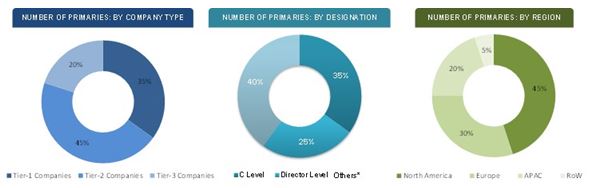
2.1.2.2 Breakdown of Primaries
2.2 Factor Analysis
2.2.1 Introduction
2.2.2 Demand Side Indicators
2.2.2.1 Increase in Deployment of Parachutes in Defense
2.2.2.2 Evolution of Parachutes in Sports
2.2.3 Supply Side Indicators
2.2.3.1 Global Competitiveness of Military Textiles Industry
2.3 Market Size Estimation
2.3.1 Bottom-Up Approach
2.3.2 Top-Down Approach
2.4 Market Breakdown and Data Triangulation
2.5 Research Assumptions
3 Executive Summary (Page No. - 28)
4 Premium Insights (Page No. - 34)
4.1 Attractive Opportunities in Parachute Market
4.2 Parachute Market Growth: By Application
4.3 Parachute Market Growth: By Component
4.4 Parachute Market Growth: By Type
4.5 Region-Wise Parachute Market Share Analysis
4.6 Parachute Market Analysis
5 Market Overview (Page No. - 37)
5.1 Introduction
5.2 Evolution
5.3 Market Segmentation
5.3.1 By Application
5.3.2 By Cargo Application
5.3.3 By Military Personnel Application
5.3.4 By Component
5.3.5 By Type
5.4 Market Dynamics
5.4.1 Drivers
5.4.1.1 Increasing Demand From Military Owing to Rising Conflicts
5.4.1.2 Airplane Recovery Parachute System
5.4.1.3 Advancements in Parachute Technology
5.4.1.4 Growth of Aero Sports
5.4.2 Restraints
5.4.2.1 Declining Defense Budgets
5.4.2.2 Standing Inventory of Parachutes With Defense
5.4.2.3 Government Procedures
5.4.3 Opportunities
5.4.3.1 Use of Parachutes for Unmanned Aerial Vehicles
5.4.4 Challenges
5.4.4.1 Need for Efficient Supply Chain
5.4.5 Winning Imperative
5.4.5.1 Development of Light Weight Parachutes
5.4.6 Cyclical Nature of Parachute Industry
5.4.6.1 Importance of Parachutes for the U.S. Military and Homeland Security
5.4.6.2 The Need is Increasing and Supply is Diminishing
5.4.6.3 The Nature of Military Procurement
6 Industry Trends (Page No. - 48)
6.1 Introduction
6.2 Value Chain Analysis
6.3 Supply Chain Analysis
6.4 Technology Trends
6.5 Porter’s Five Forces Analysis
6.5.1 Threat From New Entrants
6.5.2 Threat From Substitutes
6.5.3 Bargaining Power of Suppliers
6.5.4 Bargaining Power of Buyers
6.5.5 Intensity of Competitive Rivalry
7 Global Parachute Market, By Application (Page No. - 54)
7.1 Introduction
7.2 Cargo Parachutes
7.3 Military Parachuting
7.4 Parachute Market for Sports
7.5 Rescue Parachute Market
7.6 Break Chutes
7.7 Aircraft Recovery With Parachutes
8 Global Parachute Market, By Type (Page No. - 62)
8.1 Introduction
8.2 Round Parachutes
8.3 Ram-Air Parachute
8.4 Square Or Parafoil Parachute
8.5 Ribbon and Ring Parachute
9 Global Parachute Market, By Component (Page No. - 68)
9.1 Introduction
9.2 Canopy
9.3 Cords
9.4 Tapes
9.5 Webbings
9.6 Metal
10 Global Parachute Market, By Region (Page No. - 73)
10.1 Introduction
10.2 North America
10.2.1 By Country
10.2.1.1 U.S.
10.2.1.1.1 By Application
10.2.1.1.2 By Type
10.2.1.2 Canada
10.2.1.2.1 By Application
10.2.1.2.2 By Type
10.2.2 By Application
10.2.3 By Type
10.2.4 By Component
10.3 Asia-Pacific
10.3.1 By Country
10.3.1.1 China
10.3.1.1.1 By Application
10.3.1.1.2 By Type
10.3.1.2 India
10.3.1.2.1 By Application
10.3.1.2.2 By Type
10.3.1.3 Australia
10.3.1.3.1 By Application
10.3.1.3.2 By Type
10.3.2 By Application
10.3.3 By Type
10.3.4 By Component
10.4 Europe
10.4.1 By Country
10.4.1.1 U.K.
10.4.1.1.1 By Application
10.4.1.1.2 By Type
10.4.1.2 Spain
10.4.1.2.1 By Application
10.4.1.2.2 By Type
10.4.1.3 Russia
10.4.1.3.1 By Application
10.4.1.3.2 By Type
10.4.1.4 Germany
10.4.1.4.1 By Application
10.4.1.4.2 By Type
10.4.2 By Application
10.4.3 By Type
10.4.4 By Component
10.5 The Middle East
10.5.1 By Country
10.5.1.1 Israel
10.5.1.1.1 By Application
10.5.1.1.2 By Type
10.5.1.2 Turkey
10.5.1.2.1 By Application
10.5.1.2.2 By Type
10.5.2 By Application
10.5.3 By Type
10.5.4 By Component
10.6 Rest of the World
10.6.1 By Country
10.6.1.1 Brazil
10.6.1.1.1 By Application
10.6.1.2 South Africa
10.6.1.2.1 By Application
10.6.2 By Application
10.6.3 By Component
10.6.4 By Type
11 Competitive Landscape (Page No. - 104)
11.1 Overview
11.2 Major Market Players Operating in the Parachute Market
11.3 Companies’ Product/Service Matrix Mapping
11.4 Contracts
11.5 New Product Developments
12 Company Profiles (Page No. - 109)
12.1 Introduction
(Business Overview, Products & Services, Key Insights, Recent Developments, SWOT Analysis, MnM View)*
12.2 FXC Corporation
12.3 Cimsa Ingenieria De Sistemas, S.A.
12.4 Spekon
12.5 Zodiac Aerosafety
12.6 Mills Manufacturing
12.7 Cirrus Aircraft
12.8 Butler Parachute Systems Group, Inc.
12.9 NH Global SDN BHD
12.10 Parachute Systems
12.11 Airborne Systems
12.12 Atair Aerospace, Inc.
12.13 Ballenger International, LLC
*Details on Business Overview, Products & Services, Key Insights, Recent Developments, SWOT Analysis, MnM View Might Not Be Captured in Case of Unlisted Companies.
13 Appendix (Page No. - 127)
13.1 Discussion Guide
13.2 Introducing RT: Real Time Market Intelligence
13.3 Available Customizations
List of Tables (74 Tables)
Table 1 Increasing Demand From Military
Table 2 Standing Inventory of Parachutes With Defense
Table 3 Use of Parachutes for Unmanned Aerial Vehicles
Table 4 Parachute Supplier Environment
Table 5 Development of Light Weight Parachutes
Table 6 Lightweight Parachutes Caters to the Latest Trend in the Global Parachute Market
Table 7 Global Military Parachute Market, By Application, 2013–2020 (USD Million)
Table 8 Global Cargo Military Parachute Market, By Type, 2013–2020 (USD Million)
Table 9 Global Cargo Military Parachute Market, By Region, 2013–2020 (USD Million)
Table 10 Global Parachute Market for Military Application, By Type, 2013–2020 (USD Million)
Table 11 Global Parachute Market for Military Application, By Region, 2013–2020 (USD Million)
Table 12 Global Parachute Market for Sports, By Region, 2013–2020 (USD Million)
Table 13 Global Rescue Parachute Market, By Region, 2013–2020 (USD Million)
Table 14 Global Break Chutes Market, By Region, 2013–2020 (USD Million)
Table 15 Global Market for Aircraft Recovery Using Parachutes, By Region, 2013–2020 (USD Million)
Table 16 Global Military Parachute Market, By Type, 2013–2020 (USD Million)
Table 17 Global Round Parachute, By Region, 2013–2020 (USD Million)
Table 18 Global Ram-Air Parachute Market, By Geography, 2013–2020 (USD Million)
Table 19 Global Square Or Parafoil Parachute Market, By Region, 2013–2020 (USD Million)
Table 20 Global Ribbon and Ring Parachute Market, By Region, 2013–2020 (USD Million)
Table 21 Global Military Parachute Market, By Component, 2013–2020 (USD Million)
Table 22 Global Parachute Canopy Market, By Region, 2013–2020 (USD Million)
Table 23 Global Parachute Cords Market, By Region, 2013–2020 (USD Million)
Table 24 Global Parachute Tape Market, By Region, 2013–2020 (USD Million)
Table 25 Global Parachute Webbings Market, By Region, 2013–2020 (USD Million)
Table 26 Global Parachute Metal Market, By Region, 2013–2020 (USD Million)
Table 27 Global Military Parachute Market Size, By Region, 2013-2020 (USD Million)
Table 28 North America: Military Parachute Market Size, By Country, 2013-2020 (USD Million)
Table 29 North America: Parachute Market Size, By Application, 2013-2020 (USD Million)
Table 30 Military Parachute Market Size, By Type, 2013-2020 (USD Million)
Table 31 North America: Parachute Market Size, By Component, 2013-2020 (USD Million)
Table 32 U.S.: Military Parachute MarketSize, By Application, 2013-2020 (USD Million)
Table 33 U.S.: Global Military Parachute Market Size, By Type, 2013-2020 (USD Million)
Table 34 Canada: Parachute Market Size, By Application, 2013-2020 (USD Million)
Table 35 U.S.: Global Military Parachute Market Size, By Type, 2013-2020 (USD Million)
Table 36 Asia-Pacific: Military Parachute Market Size, By Country, 2013-2020 (USD Million)
Table 37 Asia-Pacific: Military Parachute Market Size, By Application, 2013-2020 (USD Million)
Table 38 Asia-Pacific: Global Military Parachute Market Size, By Type, 2013-2020 (USD Million)
Table 39 Asia Pacific: Military Parachute Market Size, By Component, 2013-2020 (USD Million)
Table 40 China: Parachute Market Size, By Application, 2013-2020 (USD Million)
Table 41 China: Global Parachute Market Size, By Type, 2013-2020 (USD Million)
Table 42 India: Military Parachute Market Size, By Application, 2013-2020 (USD Million)
Table 43 India: Global Parachute Market Size, By Type, 2013-2020 (USD Million)
Table 44 Australia: Military Parachute Market Size, By Application, 2013-2020 (USD Million)
Table 45 Australia: Global Parachute Market Size, By Type, 2013-2020 (USD Million)
Table 46 Europe: Military Parachute Market Size, By Country, 2013-2020 (USD Million)
Table 47 Europe: Military Parachute Market Size, By Application, 2013-2020 (USD Million)
Table 48 Europe: Global Parachute Market Size, By Type, 2013-2020 (USD Million)
Table 49 Europe: Military Parachute Market Size, By Component, 2013-2020 (USD Million)
Table 50 U.K.: Military Parachute Market Size, By Application, 2013-2020 (USD Million)
Table 51 U.K.: Global Parachute Market Size, By Type, 2013-2020 (USD Million)
Table 52 Spain: Military Parachute Market Size, By Application, 2013-2020 (USD Million)
Table 53 Spain: Global Parachute Market Size, By Type, 2013-2020 (USD Million)
Table 54 Russia: Military Parachute Market Size, By Application, 2013-2020 (USD Million)
Table 55 Russia: Global Military Parachute Market Size, By Type, 2013-2020 (USD Million)
Table 56 Germany: Parachute Market Size, By Application, 2013-2020 (USD Million)
Table 57 Germany: Global Parachute Market Size, By Type, 2013-2020 (USD Million)
Table 58 The Middle East: Military Parachute Market Size, By Country, 2013-2020 (USD Million)
Table 59 The Middle East: Parachute Market Size, By Application, 2013-2020 (USD Million)
Table 60 The Middle East: Global Parachute Market Size, By Type, 2013-2020 (USD Million)
Table 61 The Middle East: Military Parachute Market Size, By Component, 2013-2020 (USD Million)
Table 62 Israel: Military Parachute Market Size, By Application, 2013-2020 (USD Million)
Table 63 Iserael: Global Parachute Market Size, By Type, 2013-2020 (USD Million)
Table 64 Turkey: Military Parachute Market Size, By Application, 2013-2020 (USD Million)
Table 65 Turley: Global Parachute Market Size, By Type, 2013-2020 (USD Million)
Table 66 Rest of the World: Military Parachute Market Size, By Country, 2013-2020 (USD Million)
Table 67 Rest of the World: Parachute Market Size, By Application, 2013-2020 (USD Million)
Table 68 Rest of the World: Parachute Market Size, By Component, 2013-2020 (USD Million)
Table 69 RoW Parachute Market Size, By Type, 2013-2020 (USD Million)
Table 70 Brazil: Parachute Market Size, By Application, 2013-2020 (USD Million)
Table 71 South Africa: Parachute Market Size, By Application, 2013-2020 (USD Million)
Table 72 Contracts, 2011–2015
Table 73 New Product Development, 2012–2015
Table 74 Guardian Parachute: U.S. Government Recent Contracts
List of Figures (57 Figures)
Figure 1 Markets Covered: Global Parachute Market
Figure 2 Research Design
Figure 3 Breakdown of Primary Interviews: By Company Type, Designation, and Region
Figure 4 R&D Spending By Military Manufacturers (1996-2000)
Figure 5 Total Defense Parachute Industry Sales (1996-2000)
Figure 6 Sports Parachute Manufacturing Domestic and Foreign Markets (1996-2000)
Figure 7 Global Consumption of Technical Textiles By Region, 2000 to 2010
Figure 8 Technical Textiles Consumption, By % Share, By Region
Figure 9 Market Size Estimation Methodology: Bottom-Up Approach
Figure 10 Market Size Estimation Methodology: Top-Down Approach
Figure 11 Data Triangulation Methodology
Figure 12 Global Military Parachute Market: Military Air Insertion
Figure 13 Global Parachute Market Snapshot (2015 vs 2020): Market for Military Parachutes Segment is Projected to Grow at the Highest Rate
Figure 14 North America Leads the Global Parachute Market, 2013-2020
Figure 15 Asia-Pacific to Witness Remarkable Growth During the Forecast Period
Figure 16 The U.S. to Be the Most Prospective Market to Invest in the Next Five Years
Figure 17 Troop Parachutes Fuel the Demand for Global Parachute Market
Figure 18 Attractive Opportunities in Parachute Market, 2015-2020
Figure 19 Military Application is Projected to Grow at the Highest Rate
Figure 20 Canopy Accounts for the Largest Share Among Components of the Parachute System
Figure 21 Round Parachutes Will Dominate the Parachute Market By 2020
Figure 22 North America Accounts for the Largest Share of the Parachute Market During the Forecast Period
Figure 23 Asia-Pacific Accounts for the Highest Growth Rate in the Global Parachute Market, 2015
Figure 24 Global Parachute Market: Military Air Insertion
Figure 25 Parachute Market, By Application
Figure 26 Parachute Market, By Cargo
Figure 27 Parachute Market, By Military Personnel
Figure 28 Parachute Market, By Component
Figure 29 Increasing Demand From Military is Driving the Parachute Market
Figure 30 Comparison of T-10 and T-11 Parachutes
Figure 31 Value Chain Analysis: Global Parachute Market
Figure 32 Supply Chain Analysis: Global Parachute Market
Figure 33 Porter’s Five Forces Analysis: Global Parachute Market
Figure 34 Overview of the Global Parachute Market
Figure 35 Overview of Parachute Market for Cargo, By Region
Figure 36 Overview of Military Parachuting Market
Figure 37 Overview of the Global Parachute Market, By Type
Figure 38 Overview of Round Parachute Market, By Region
Figure 39 Overview of Ram-Air Parachute Market, By Region
Figure 40 Overview of Square Or Parafoil Parachute Market, By Region
Figure 41 Overview of Ribbon and Ring Parachute Market, By Region
Figure 42 Overview of Parachute Market, By Component
Figure 43 Overview of Parachute Canopy Market, By Region
Figure 44 North America is Estimated to Capture the Largest Share of the Global Parachute Market in 2015
Figure 45 North America Snapshot: the U.S. Holds A Significant Share of the Parachute Market
Figure 46 Asia-Pacific Snapshot: China has A Potential Parachute Market in the Region From 2015 to 2020
Figure 47 Europe Snapshot: Russia has A Potential Parachute Market in The Region From 2015 to 2020
Figure 48 The Middle East Snapshot: Israel has A Potential Parachute Market in the Region From 2015 to 2020
Figure 49 Rest of the World Snapshot: Latin America has A Potential Parachute Market in the Region From 2015 to 2020
Figure 50 Major Market Players Operating in the Parachute Market
Figure 51 Companies’ Product/Service Matrix Mapping
Figure 52 Geographic Revenue Mix of Top 5 Market Players
Figure 53 Guardian Parachute: Supply Contracts With U.S. Government
Figure 54 Zodiac Aerosafety: Company Snapshot
Figure 55 Zodiac Aerosafety: SWOT Analysis
Figure 56 Mills Manufacturing: Supply Contracts With U.S. Government
Figure 57 Bulter Parachute Systems: Supply Contracts With U.S. Government
The market size estimations for the various segments and subsegments of this market were arrived at through extensive secondary research, corroboration with primaries, and further market triangulation with the help of statistical techniques using econometric tools.
To know about the assumptions considered for the study, download the pdf brochure
Several nations have engaged their RDT&E activities towards various emerging applications of parachutes, which strongly highlight the market dynamics of parachute industry. The forecast is towards potentially more airdrop applications with gliding and non-gliding parachute operations. The demand for troop parachutes and aerial delivery would become a necessity that drives the need to develop and produce more parachutes which are lightweight and have high load carrying capabilities.
In a nutshell, this research report is consolidated business intelligence on the military parachute market. It will also help the parachute industry, and its stakeholders to identify hot revenue pockets in this market.
Target Audience for this Report:
- Departments of Defense (DoDs)
- U.S. Department of Commerce
- Bureau of Industry and Security
- Parachute Manufacturers
- Component Manufactures
- Parachute Fabric Suppliers
- Space Systems
- Air Systems in Defense in Commercial Industry
Scope of the Report
This research report categorizes the military parachute market into the following segments and sub-segments:
Global Military Parachute Market, By Application
- Military
- Cargo
- Sports
- Rescue
- Recovery
- Break Chutes
Global Military Parachute Market, By Components
- Canopy
- Cords
- Tapes
- Webbings
- Metal
Global Military Parachute Market, By Type
- Round Parachute
- Ram-air Parachute
- Square or Parafoil Parachute
- Ring or Ribbon Parachute
Global Military Parachute Market, By Region
-
North America
- U.S.
- Canada
-
Europe
- Germany
- U.K.
- Spain
- Russia
-
Asia-Pacific
- China
- India
- Australia
-
Middle East
- Israel
- Turkey
-
Latin America
- Brazil
-
Africa
- South Africa
Customizations Available for the Report:
With the given market data, MarketsandMarkets offers customizations as per specific needs of a company. The following customization options are available for the report:
-
Geographic Analysis
- Further breakdown of the Rest of Asia-Pacific market into Japan, Malaysia, and New Zealand, among others
-
Company Information
- Detailed analysis and profiling of additional market players (Up to 5)











Growth opportunities and latent adjacency in Military Parachute Market