
Mass Notification System Market

Mass Notification System Market by Software (Incident & Event Management, Safety, Risk & Threat Intelligence, Operational & IT Alerting Software), Notification Devices (Fire Alarm, Public Address Systems, Duress Buttons, Sirens) - Global Forecast to 2031




OVERVIEW
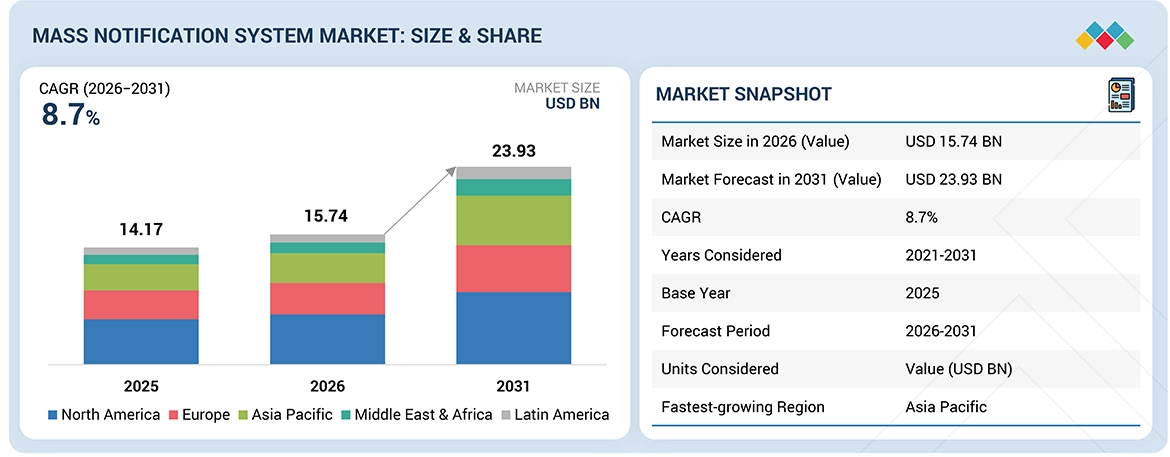
Source: Secondary Research, Interviews with Experts, MarketsandMarkets Analysis
The global mass notification system market is projected to grow from USD 15.74 billion in 2026 to USD 23.93 billion by 2031, at a CAGR of 8.7% during the forecast period. MNS is a communication solution that includes basic alerting mechanisms to efficiently inform and direct individuals to safety. It comprises a comprehensive framework encompassing inputs and monitoring capabilities to provide directives during critical situations. Frequent natural disasters and evolving regulatory requirements continue to influence demand for emergency communication systems. In North America, compliance obligations play a direct role in procurement decisions. Across Asia Pacific, organizations are investing in notification tools as part of broader safety and continuity planning. During critical situations, these systems rely on multiple communication channels to deliver instructions quickly and reduce response delays.
KEY TAKEAWAYS
-
By RegionNorth America dominates the mass notification system market, accounting for 38.53% market share in 2026.
-
By OfferingBy notification device offering, the duress buttons segment is projected to be the fastest-growing segment, registering a CAGR of 8.1% during the forecast period.
-
By Communication ModeBy communication mode, the auditory communication segment dominates the market, with a share of 36.91% in 2025.
-
By ApplicationBy application, the emergency & crisis notification segment is anticipated to register the fastest growth during the forecast period.
-
By End UserBy end user, the commercial segment is estimated to dominate the market in 2026.
-
Competitive Landscape-Tier 1 VendorsHoneywell, Johnson Controls, and Motorola Solutions were identified as leading players in the mass notification system market due to their strong product innovation, broad industry coverage, and solid operational and financial performance.
-
Competitive Landscape-Tier 2 VendorsRegroup Mass Notification, Crises Control, and CrisisGo have distinguished themselves among startups and SMEs through robust product portfolios and effective business strategies.
Mass notification systems simplify safety processes by sending predefined messages that inform people about emergencies and required actions. During security incidents, these systems help reduce confusion and support faster response. Organizations use them to manage exposure to risk and protect essential assets. In many cases, notification platforms are now included within broader preparedness planning frameworks.
TRENDS & DISRUPTIONS IMPACTING CUSTOMERS' CUSTOMERS
The mass notification system market is estimated to grow at a CAGR of 8.7% during the forecast period. Expansion is supported by rising attention to workplace safety and the need for immediate communication. Enterprises are reviewing how they disseminate time-sensitive information across dispersed teams. Over time, this shift may influence how vendors balance software, services, and device-related revenue.
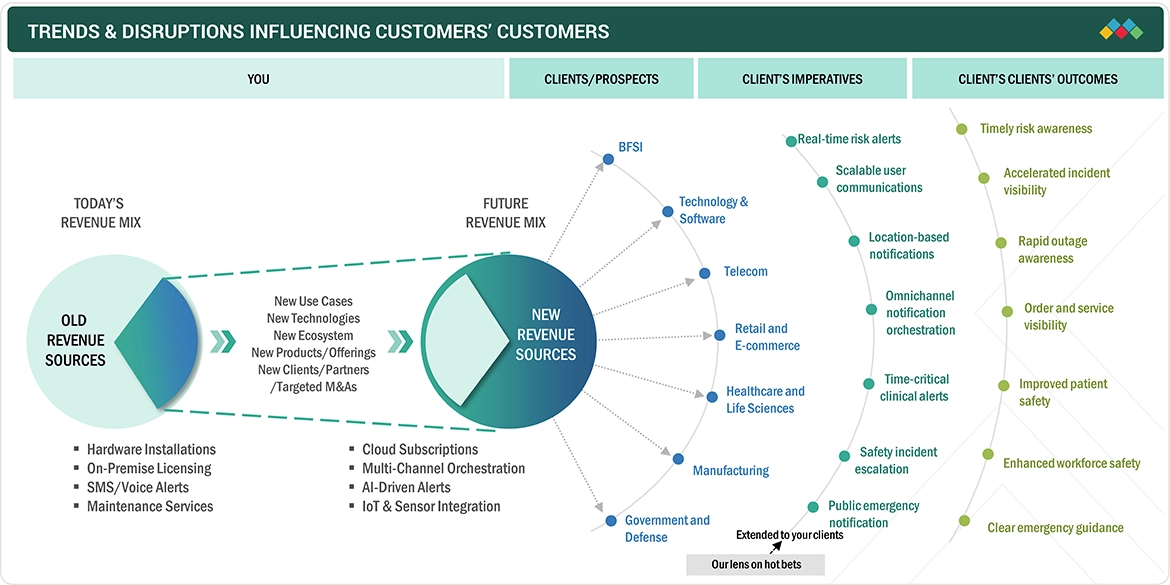
Source: Secondary Research, Interviews with Experts, MarketsandMarkets Analysis
MARKET DYNAMICS

Level
-
IPAWS/WEA-equivalent compliance as structural market requirement

-
Embedding of MNS into regulated operational environments


Level
-
Persistence of legacy, non-standard alerting assets

-
Adverse consequence of erroneous alerting


Level
-
Use of MNS for cyber and infrastructure incident communications

-
Resilient, edge-enabled notification capability


Level
-
Limited end-to-end delivery confirmation in broadcast alerting

-
Securing alert origination under heightened cyber and insider risk

Source: Secondary Research, Interviews with Experts, MarketsandMarkets Analysis
IPAWS/WEA-equivalent compliance as structural market requirement
Public warning systems in several countries are being aligned with models comparable to IPAWS and Wireless Emergency Alerts. During procurement, authorities often assess whether platforms can connect with national broadcast gateways. Geo-targeted alerting capability is frequently reviewed. Vendors that meet these technical requirements are better positioned to win regulated tenders.
Persistence of legacy, non-standard alerting assets
In some facilities, modernization remains gradual. Sirens and standalone public address systems installed years ago are still active. These tools were not originally designed for centralized digital management. Integration with newer platforms can require adjustments, and replacement cycles are not always immediate.
Use of MNS for cyber and infrastructure incident communications
Notification systems are also being used during cyber events and IT disruptions. Communication during ransomware attacks or service outages must reach technical and operational teams quickly. In certain environments, alert triggers are linked to monitoring systems. This reflects wider adoption beyond physical emergency scenarios.
Limited end-to-end delivery confirmation in broadcast alerting
Broadcast-based alerting provides extensive reach, yet confirmation of message receipt is limited in some models. Transmission can often be verified, but individual acknowledgment may not be available. For organizations that require response tracking, this presents visibility constraints. Improvements in reporting are ongoing, although technical boundaries still apply in certain deployments.
MASS NOTIFICATION SYSTEM MARKET: COMMERCIAL USE CASES ACROSS INDUSTRIES
| COMPANY | USE CASE DESCRIPTION | BENEFITS |
|---|---|---|
 |
Holland Hospital implemented the MNS solution InformaCast by Singlewire to strengthen staff safety and improve emergency communications across its main campus and 31 satellite locations. The platform replaced fragmented phone-based processes with a centralized system featuring a mobile panic button with user identification and location tracking, and integrated alerts across Cisco IP phones, overhead speakers, SMS, Microsoft Teams, email, and automated National Weather Service updates. | The platform improved response times and coordination for traveling and on-site staff. It enhanced cross-facility communication, strengthened situational awareness during emergencies and severe weather events, and ensured timely, multi-channel notifications for staff and patients. |
 |
Berenice International Airport deployed a centralized fire alarm and monitoring solution from Mircom (Flex-Net and Open Graphic Navigator) across its 37-building, 219,000 m² campus. The networked system connected control panels via 14 km of optical fiber and enabled centralized graphical monitoring and control through an integrated Fire Alarm Control Panel (FACP). | The solution delivered centralized, real-time visibility across airport facilities and strengthened emergency coordination. Its scalable network architecture and graphical troubleshooting tools improved operational oversight, system reliability, and long-term expansion flexibility. |
 |
The Minnesota Twins implemented the AlertMedia emergency communication and threat intelligence platform to enhance security at Target Field and during away games. The system provided real-time threat alerts and enabled rapid, multi-directional communication with staff across locations, improving coordination and situational awareness. | By centralizing threat intelligence within communication workflows, the organization improved its ability to identify and respond to potential risks. The solution enhanced personnel safety, strengthened event security operations, and ensured dependable crisis communication. |
Logos and trademarks shown above are the property of their respective owners. Their use here is for informational and illustrative purposes only.
MARKET ECOSYSTEM
The MNS market includes software providers that deliver platforms for real-time alerts and emergency coordination. Notification device vendors include broadcast systems and physical alerting devices. Service providers support deployment and integration to ensure reliable, organization-wide communication during critical events. Together, these segments enable fast, secure, and scalable mass alerting across campuses, enterprises, and public safety environments.
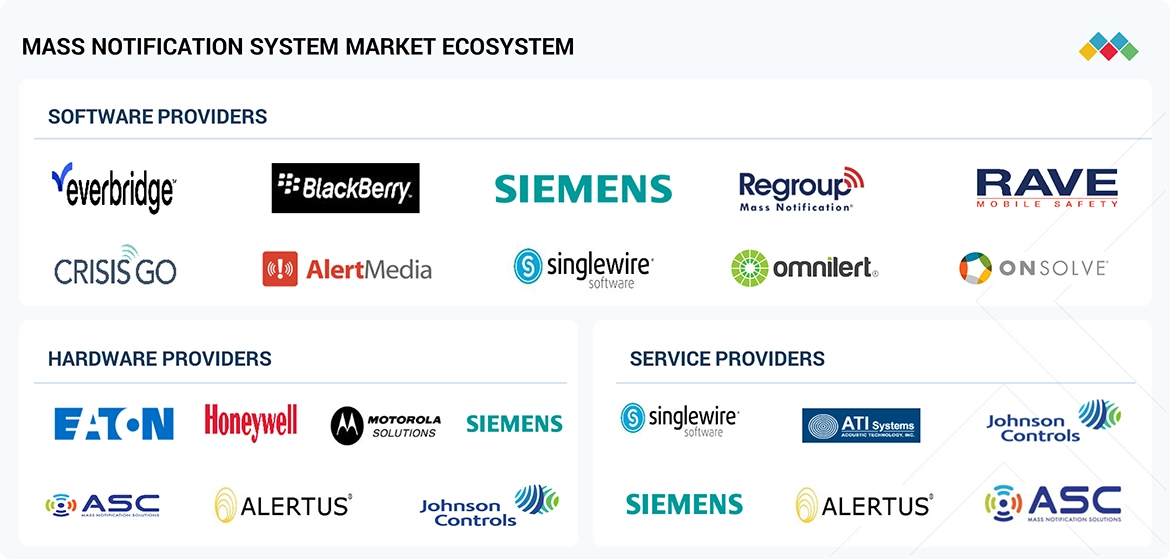
Logos and trademarks shown above are the property of their respective owners. Their use here is for informational and illustrative purposes only.
MARKET SEGMENTS
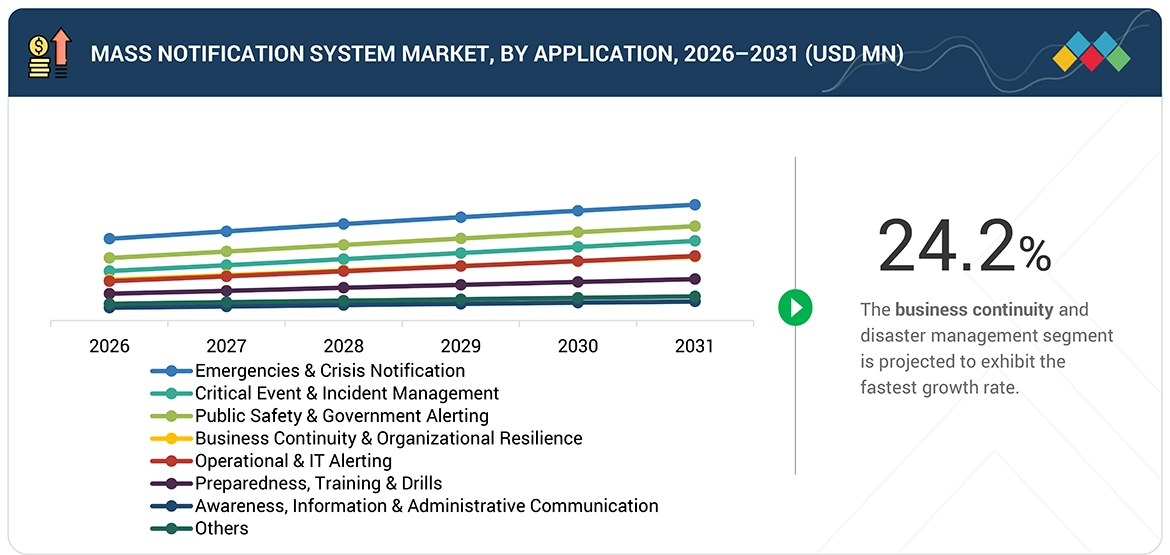
Source: Secondary Research, Interviews with Experts, MarketsandMarkets Analysis
Mass Notification System Market, By Offering
The market is segmented into software, notification devices, and services. Software represents a substantial share of overall spending, largely because alert configuration and user management are handled within the application layer. Within software, safety, risk, and threat intelligence solutions are currently the fastest-growing category. Buyers increasingly look for tools that combine event awareness with coordinated messaging rather than operating separate systems.
Mass Notification System Market, By Communication Mode
Alerts are delivered through auditory, text-based and multimodal communication modes. Auditory communication accounts for the largest share. Voice announcements and alarm systems are common across factories, campuses, and transit environments where immediate attention is required. In situations where device access is uncertain, audible alerts remain practical.
Mass Notification System Market, By Application
Operational and IT alerting is currently the fastest-growing application area. Many organizations use notification systems during outages, maintenance activities, or performance issues. The role of these tools now extends beyond emergency-only use. As digital systems become central to daily operations, communication during technical events is handled more routinely.
Mass Notification System Market, By End User
Among commercial end users, data centers and mission-critical facilities show comparatively strong growth. These sites operate under strict uptime standards. Communication during cooling failures, power issues, or access incidents must be immediate. With the expansion of high-availability computing environments, internal coordination needs are increasing.
REGION
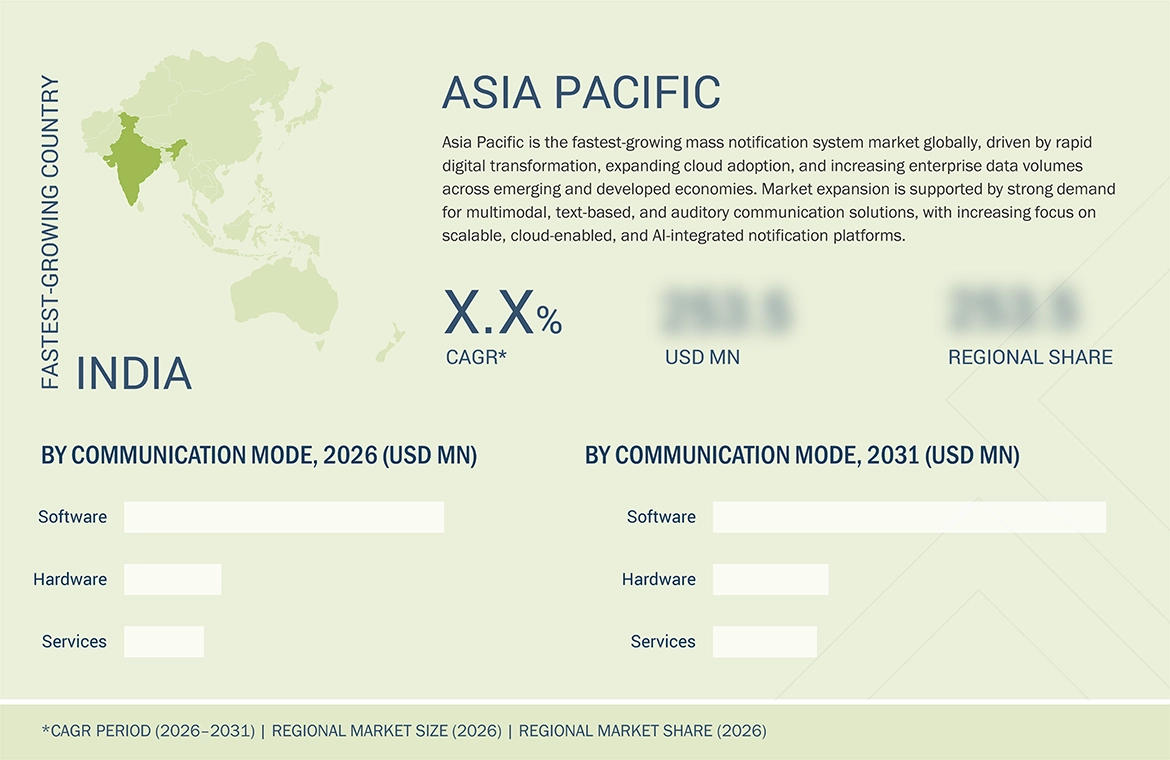
Asia Pacific to be fastest-growing region in global mass notification system market during forecast period
Asia Pacific continues to see steady activity in this market. Governments are strengthening organized public communication frameworks, while private operators are updating internal safety procedures. Adoption is visible across transportation systems, healthcare institutions, and large infrastructure developments. Growth in the region reflects institutional preparedness priorities rather than short-term technology trends.
MASS NOTIFICATION SYSTEM MARKET: COMPANY EVALUATION MATRIX
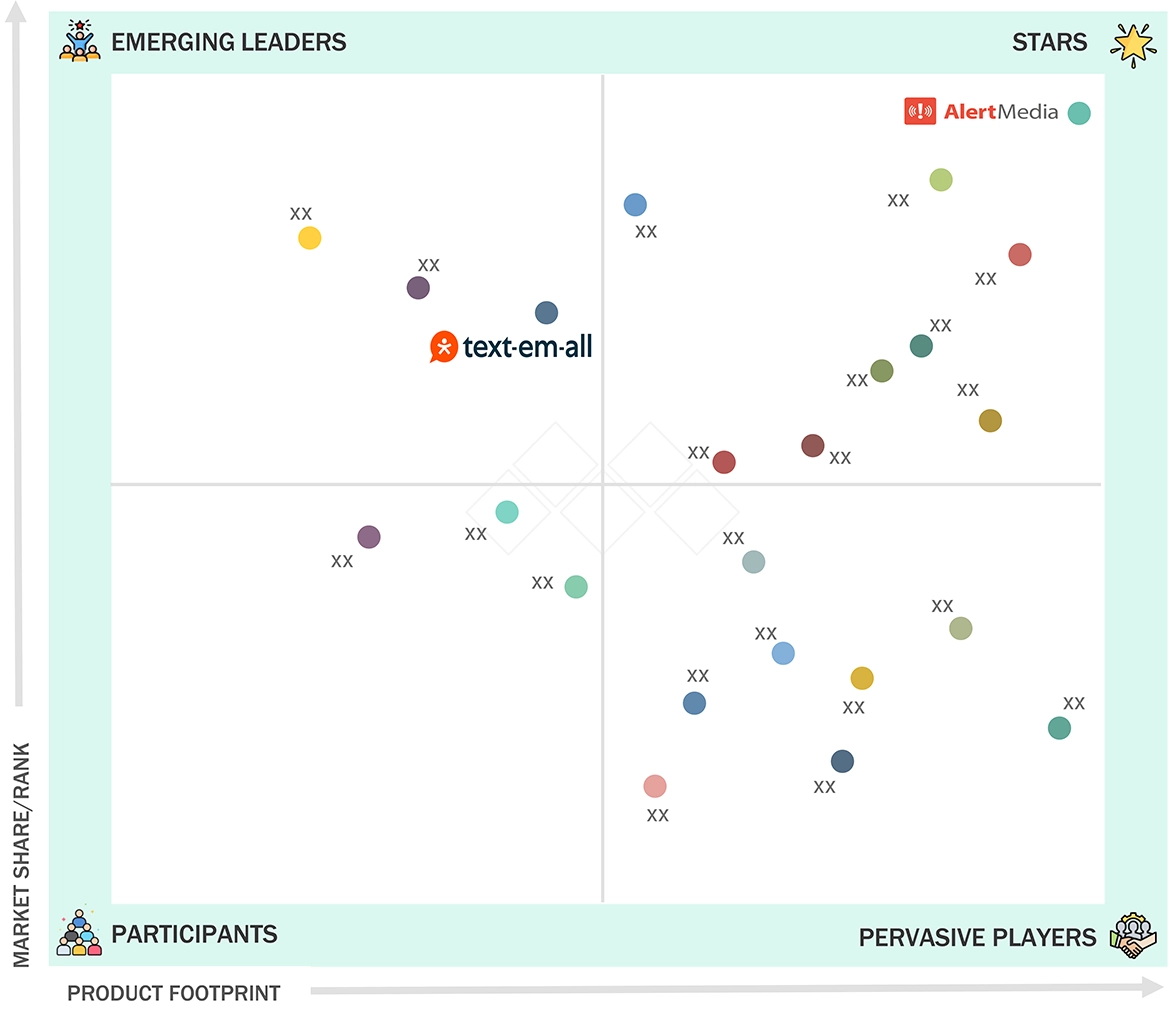
AlertMedia is viewed as a notable Tier 2 participant with a focus on enterprise emergency communication and threat monitoring. Text-Em-All is gaining presence among smaller organizations seeking straightforward messaging solutions. Competition at this level typically centers on system dependability, implementation effort, and integration support.
Source: Secondary Research, Interviews with Experts, MarketsandMarkets Analysis
KEY MARKET PLAYERS
- Siemens AG (Germany)
- Everbridge (US)
- Honeywell (US)
- Eaton (Ireland)
- Motorola Solutions (US)
- Blackberry (Canada)
- Johnson Controls (Ireland)
- Singlewire Software (US)
- OnSolve (US)
- AlertMedia (US)
- Alertus Technologies (US)
- F24 (Germany)
- HipLink (US)
- American Signal Corporation (US)
- ATI Systems (US)
- Finalsite (US)
- Omnilert (US)
MARKET SCOPE
| REPORT METRIC | DETAILS |
|---|---|
| Market Size in 2025 (Value) | USD 14.17 Billion |
| Market Size in 2026 (Value) | USD 15.74 Billion |
| Market Forecast in 2031 (Value) | USD 23.93 Billion |
| CAGR | 8.7% |
| Years Considered | 2021-2031 |
| Base Year | 2025 |
| Forecast Period | 2026-2031 |
| Units Considered | USD Billion |
| Report Coverage | Revenue forecast, company ranking, competitive landscape, growth factors, and trends |
| Segments Covered |
|
| Regions Covered | North America, Asia Pacific, Europe, the Middle East & Africa, and Latin America |
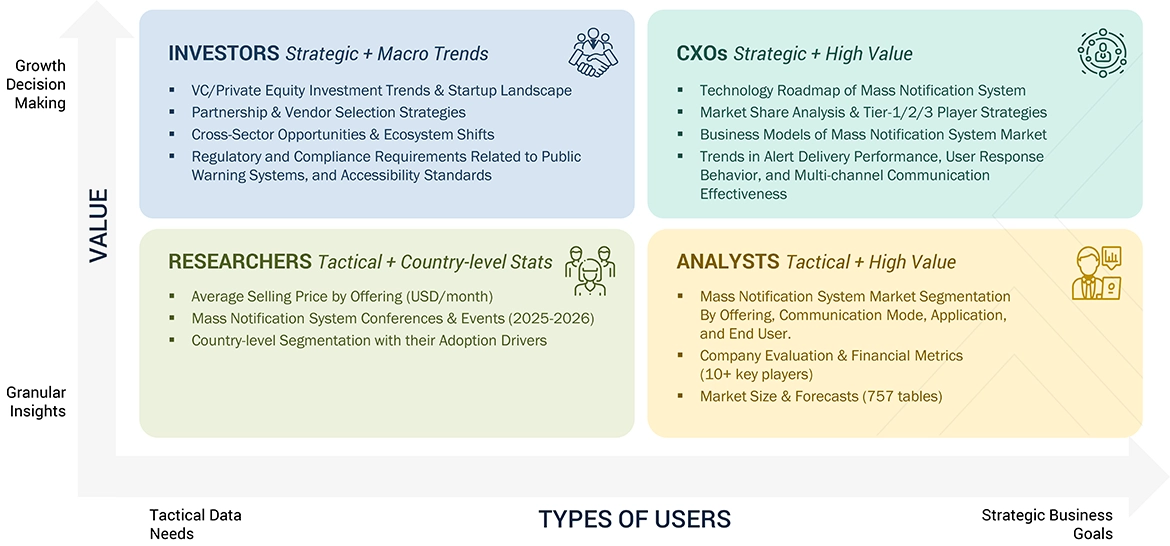
WHAT IS IN IT FOR YOU: MASS NOTIFICATION SYSTEM MARKET REPORT CONTENT GUIDE
DELIVERED CUSTOMIZATIONS
We have successfully delivered the following deep-dive customizations:
| CLIENT REQUEST | CUSTOMIZATION DELIVERED | VALUE ADDS |
|---|---|---|
| Leading Mass Notification System Vendor |
|
|
| Leading Mass Notification System Vendor |
|
|
RECENT DEVELOPMENTS
- December 2025 : Motorola Solutions and Google launched a “one-click” Android Emergency Live Video integration that lets Android users share live video with 911 call handlers in seconds, improving emergency response visibility and enabling faster, safer decision-making by first responders.
- December 2025 : Honeywell announced a multi-year strategic partnership with the Charlotte Hornets franchise, becoming the official building automation partner. The collaboration will integrate Honeywell’s advanced automation, safety, and digital infrastructure technologies into the Spectrum Center and the new Novant Health Performance Center, enhancing safety monitoring, operational efficiency, and the fan experience through connected building systems.
- November 2025 : Johnson Controls’ smart building technologies were deployed at Cortellucci Vaughan Hospital through a 30-year public-private partnership, leveraging IoT connectivity, building automation, and real-time operational insights to improve efficiency, safety, and sustainability at Canada’s first smart hospital and enhance operational outcomes.
- November 2025 : Mircom partnered with Amazon Key to become an official industry reseller of Amazon Key’s secure delivery service for multi-unit residential buildings. The collaboration allows Amazon drivers to access designated secure areas via Mircom’s TX3 access control systems, improving convenience and security for residents, property managers, and installers.
- September 2025 : Everbridge expanded its collaboration with Johnson Controls to launch Managed Critical Event Management (CEM) offerings, combining Everbridge’s High Velocity CEM™ platform and Purpose-built AI with Johnson Controls’ global security and managed services expertise to accelerate response and operational resilience.
Table of Contents
 Exclusive indicates content/data unique to MarketsandMarkets and not available with any competitors.
Methodology
The research methodology for the mass notification system market report involved extensive secondary sources and directories, as well as various reputable open-source databases, to identify and collect relevant information for this technical and market-oriented study. In-depth interviews were conducted with various primary respondents, including end users, high-level executives from multiple companies offering mass notification system software, notification devices & services, and industry consultants, to obtain and verify critical qualitative and quantitative information and assess market prospects and industry trends.
Secondary Research
During the secondary research process, various secondary sources were consulted to identify and collect information for the study. The secondary sources included annual reports, press releases, and investor presentations of companies; white papers; and certified publications.
Secondary research was used to gather key information on the industry’s value chain, the market’s monetary chain, the overall pool of key players, market classification, and segmentation based on industry trends, regional markets, and key developments from both market- and technology-oriented perspectives.
Primary Research
In the primary research process, a diverse range of stakeholders from both the supply and demand sides of the mass notification system ecosystem were interviewed to gather qualitative and quantitative insights specific to this market. From the supply side, key industry experts, such as chief executive officers (CEOs), vice presidents (VPs), marketing directors, technology & innovation directors, and technical leads from vendors offering mass notification system hardware, software & services, were consulted. Additionally, system integrators, service providers, and IT service firms that implement and support the mass notification system solutions were included in the study. On the demand side, input from IT decision-makers, infrastructure managers, and business heads from prominent industry verticals was collected to understand user perspectives and adoption challenges within the targeted industries.
The primary research ensured that all crucial parameters affecting the mass notification system market, including technological advancements and evolving use cases, as well as regulatory and compliance needs, were considered. Each factor was thoroughly analyzed, verified through primary research, and evaluated to obtain precise quantitative and qualitative data for this market.
Once the initial phase of market engineering was completed, which included detailed calculations for market statistics, segment-specific growth forecasts, and data triangulation, a second round of primary research was conducted. This step was crucial for refining and validating critical data points, such as mass notification system offerings (software, notification devices, & services), industry adoption trends, the competitive landscape, and key market dynamics like demand drivers (Growing IPAWS / WEA–equivalent compliance as a structural market requirement, embedding of MNS into regulated operational environments, expectation of immediate, area-wide alerting for life safety), challenges (limited end-to-end delivery confirmation in broadcast alerting, securing alert origination under heightened cyber and insider risk), and opportunities (managed alerting and compliance services, resilient edge-enabled notification capability, use of MNS for cyber and infrastructure incident communications), restraints (persistence of legacy, non-standard alerting assets, high consequence of erroneous alerting).
In the comprehensive market engineering process, the top-down and bottom-up approaches, along with several data triangulation methods, were extensively employed to estimate and forecast the overall market segments and subsegments listed in this report. Extensive qualitative and quantitative analysis was conducted across the complete market engineering process to capture critical information/insights throughout the report.
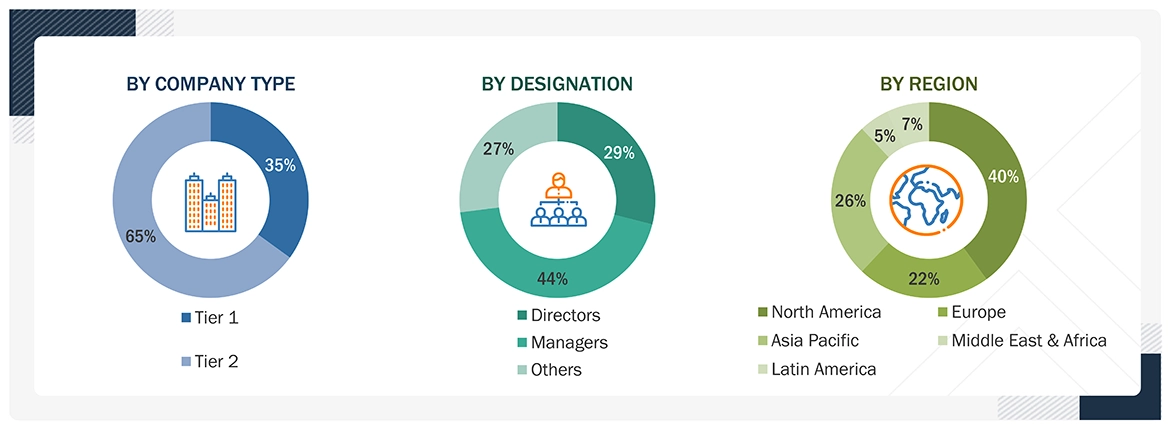
Note: Three tiers of companies are defined based on their total revenue as of 2025; tier 1 = revenue more than USD 100 million, tier 2 = revenue less than USD 100 million
Source: MarketsandMarkets Analysis
To know about the assumptions considered for the study, download the pdf brochure
Market Size Estimation
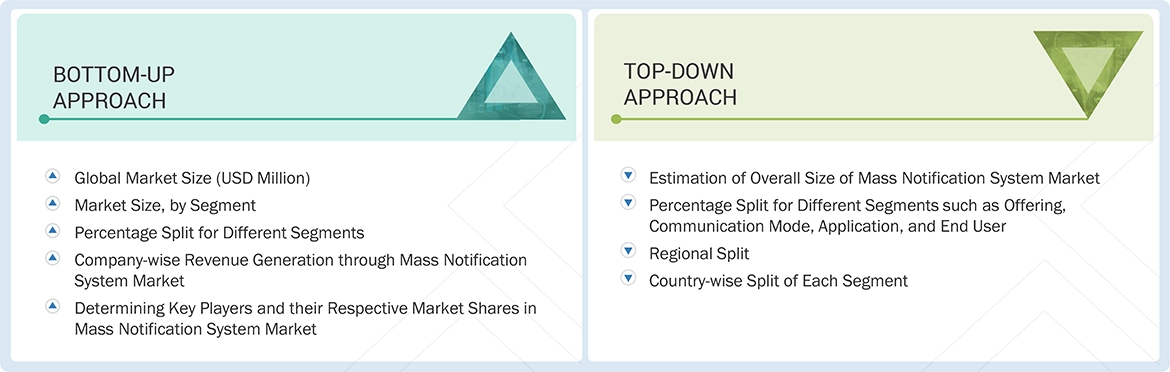
The top-down and bottom-up approaches were employed to estimate and forecast the mass notification system market, as well as its dependent submarkets. This multi-layered analysis was further reinforced through data triangulation, which incorporated primary and secondary research inputs. The market figures were also validated against the existing MarketsandMarkets repository for accuracy.
Data Triangulation
The market was divided into several segments and subsegments after determining the overall market size using the market size estimation processes described above. To complete the overall market engineering process and determine the exact statistics for each market segment and subsegment, data triangulation and market segmentation procedures were employed, wherever applicable. The overall market size was then used in the top-down approach to estimate the size of other individual markets by applying percentage splits to the market segmentation.
Market Definition
According to Everbridge, a mass notification system is a vital solution that enables prompt and precise delivery of notifications to individuals or groups, irrespective of their location. It is a comprehensive platform, swiftly disseminating emergency messages through various communication channels like voice calls, SMS, push notifications, desktop alerts, and social media. By utilizing visual intelligence and user-friendly interfaces, a mass notification system ensures that the right message reaches the intended recipients during critical events, regardless of their devices or physical whereabouts. This system plays a pivotal role in protecting people, securing operations, and safeguarding the reputation of organizations by facilitating timely and accurate communication.
Key Stakeholders
- Mass notification system vendors
- Mass notification software vendors
- Mass notification devices vendors
- Enterprise end-users
- Distributors and value-added resellers (VARs)
- Government agencies
- Independent software vendors (ISV)
- Managed service providers
- Support & maintenance service providers
- System integrators (SIs)/migration service providers
- Technology providers
- Academia & research institutions
- Investors & venture capital firms
- Market research and consulting firms
- Internet of Things (IoT) analytics vendors
Report Objectives
- To define, describe, and predict the mass notification system market by offering (software, notification devices, and services), communication mode, application, vertical, and region
- To provide detailed information related to major factors (drivers, restraints, opportunities, and industry-specific challenges) influencing market growth
- To analyze opportunities in the market and provide details of the competitive landscape for stakeholders and market leaders
- To forecast the market size of segments with respect to five main regions: North America, Europe, Asia Pacific, Middle East & Africa, and Latin America
- To analyze each submarket with respect to individual growth trends, prospects, and contributions to the overall mass notification system market
- To analyze competitive developments, such as partnerships, new product launches, mergers & acquisitions, in the mass notification system market
- To analyze the competitive developments, such as partnerships, product launches, mergers & acquisitions, in the mass notification system market
- To analyze the impact of macroeconomic factors on the mass Notification System market across all regions
Available customizations:
Using the provided market data, MarketsandMarkets offers customizations tailored to the company’s specific needs. The following customization options are available for the report.
Product analysis
- Product comparative analysis, which gives a detailed comparison of innovative products being offered by prominent vendors
Geographic analysis
- Further breakup of additional European countries by offering, communication mode, application, and end user
- Further breakup of additional Asia Pacific countries by offering, communication mode, application, and end user
- Further breakup of additional Middle East & African countries by offering, communication mode, application, and end user
- Further breakup of additional Latin American countries by offering, communication mode, application, and end user
Company information
- Detailed analysis and profiling of additional market players (up to five)
Need a Tailored Report?
Customize this report to your needs
Get 10% FREE Customization
Customize This ReportPersonalize This Research
- Triangulate with your Own Data
- Get Data as per your Format and Definition
- Gain a Deeper Dive on a Specific Application, Geography, Customer or Competitor
- Any level of Personalization
Let Us Help You
- What are the Known and Unknown Adjacencies Impacting the Mass Notification System Market
- What will your New Revenue Sources be?
- Who will be your Top Customer; what will make them switch?
- Defend your Market Share or Win Competitors
- Get a Scorecard for Target Partners

Custom Market Research Services
We Will Customise The Research For You, In Case The Report Listed Above Does Not Meet With Your Requirements
Get 10% Free Customisation
Still Researching the
Mass Notification System Ecosystem?
See the competitors, opportunity evaluation, and growth signals shaping it - Instantly!
Generate 15+ consulting-grade strategic intelligence outputs - from competitor analysis to board-ready strategy decks, tailored to your Mass Notification System growth question.






Growth opportunities and latent adjacency in Mass Notification System Market