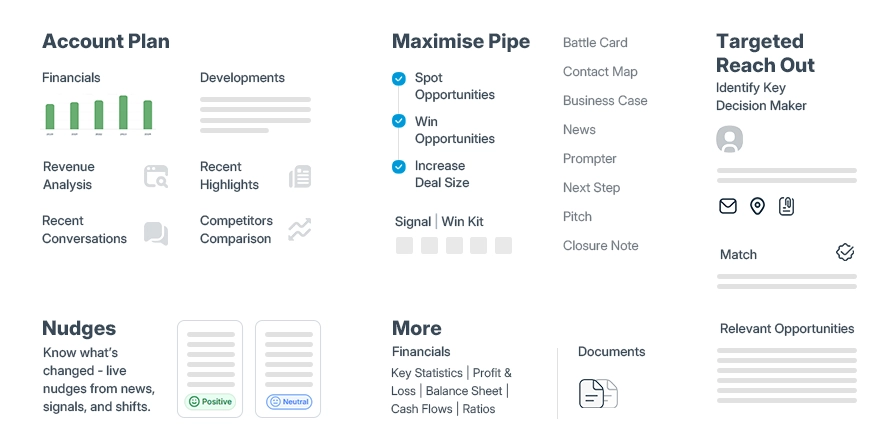
Sales automation copilots represent a significant advancement in the application of artificial intelligence within the sales domain. These AI assistants are designed to work alongside sales representatives, providing real-time support, automating repetitive tasks, and offering data-driven insights to enhance decision-making. Unlike traditional sales automation tools that focus on automating specific processes, copilots offer a more integrated and intelligent approach, acting as a virtual extension of the sales team.
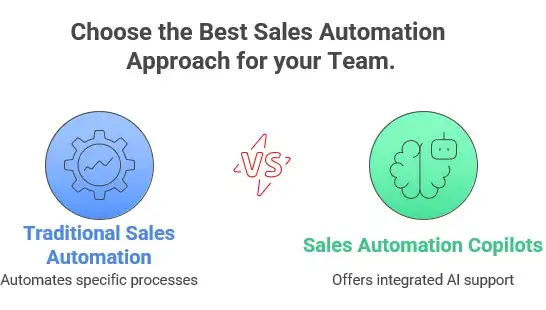
Functionalities of Sales Automation Copilots
Sales automation copilots offer a wide range of functionalities, including:
-
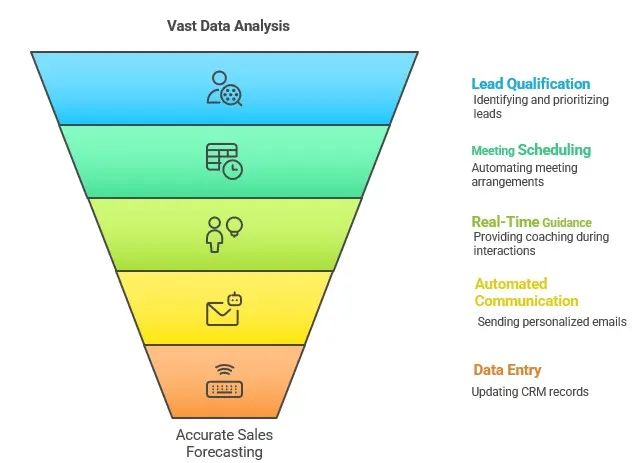
Lead Qualification and Prioritization: Copilots can analyze vast amounts of data from various sources, such as CRM systems, marketing automation platforms, and social media, to identify and prioritize leads based on their likelihood of conversion. This helps sales reps focus their efforts on the most promising prospects.
-
Meeting Scheduling and Preparation: Copilots can automate the process of scheduling meetings with prospects, considering the availability of both the sales rep and the prospect. They can also prepare sales reps for meetings by providing relevant information about the prospect, their company, and their needs.
-
Real-Time Guidance and Coaching: During sales calls or meetings, copilots can provide real-time guidance and coaching to sales reps. This can include suggesting talking points, answering questions, and providing insights into the prospect's sentiment.
-
Automated Email and Communication: Copilots can automate the creation and sending of personalized emails and other communications to prospects. This can help sales reps stay in touch with prospects and nurture leads overtime.
-
Data Entry and CRM Updates: Copilots can automate the process of entering data into CRM systems and updating records. This frees up sales reps to focus on more strategic tasks.
-
Sales Forecasting and Reporting: Copilots can analyze sales data to generate accurate sales forecasts and reports. This helps sales managers track performance and identify areas for improvement.
-
Competitive Intelligence: Copilots can monitor competitor activity and provide sales reps with insights into their strategies and offerings. This helps sales reps position their products and services more effectively.
Benefits of Sales Automation Copilots
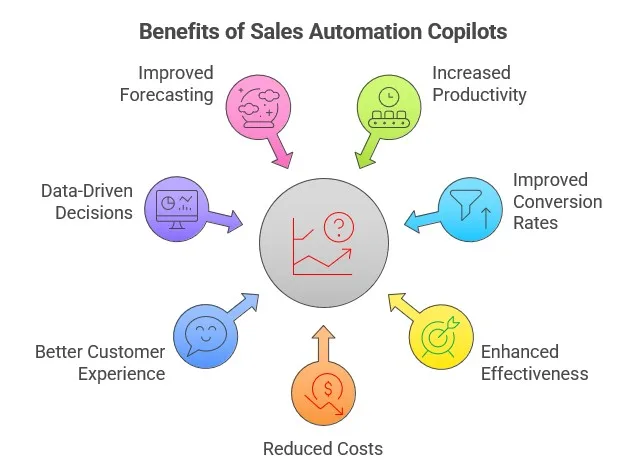
The adoption of sales automation copilots offers numerous benefits for sales organizations, including:
-
Increased Sales Productivity: By automating repetitive tasks and providing real-time support, copilots can significantly increase the productivity of sales reps.
-
Improved Lead Conversion Rates: By prioritizing leads and providing personalized communication, copilots can help sales reps convert more leads into customers.
-
Enhanced Sales Effectiveness: By providing real-time guidance and coaching, copilots can help sales reps improve their sales skills and close more deals.
-
Reduced Sales Costs: By automating tasks and improving efficiency, copilots can help reduce sales costs.
-
Better Customer Experience: By providing personalized and timely communication, copilots can help improve the customer experience.
-
Data-Driven Decision Making: Copilots provide sales reps and managers with access to real-time data and insights, enabling them to make more informed decisions.
-
Improved Sales Forecasting: Accurate sales forecasting allows for better resource allocation and strategic planning.
Challenges of Implementing Sales Automation Copilots
While sales automation copilots offer significant potential, there are also challenges associated with their implementation:
-
Data Quality and Integration: Copilots rely on accurate and complete data to function effectively. Ensuring data quality and integrating data from various sources can be a significant challenge.
-
User Adoption: Sales reps may be resistant to adopting new technologies, especially if they perceive them as a threat to their jobs. Effective training and change management are crucial for successful user adoption.
-
Customization and Configuration: Copilots need to be customized and configured to meet the specific needs of each sales organization. This can require significant time and effort.
-
Cost: Implementing and maintaining sales automation copilots can be expensive, especially for small and medium-sized businesses.
-
Ethical Considerations: The use of AI in sales raises ethical concerns, such as data privacy, bias, and transparency. It is important to address these concerns proactively.
-
Security Risks: Copilots handle sensitive customer data, making them a potential target for cyberattacks. Robust security measures are essential to protect this data.
Ethical Implications
The use of AI in sales raises several ethical considerations that need to be addressed:
-
Data Privacy: Copilots collect and process vast amounts of customer data. It is important to ensure that this data is collected and used in a responsible and ethical manner, in compliance with privacy regulations.
-
Bias: AI algorithms can be biased if they are trained on biased data. This can lead to unfair or discriminatory outcomes. It is important to identify and mitigate bias in AI algorithms.
-
Transparency: It is important to be transparent with customers about how AI is being used in the sales process. Customers should be informed that they are interacting with an AI assistant and have the option to interact with a human sales rep.
-
Job Displacement: The automation of sales tasks may lead to job displacement. It is important to consider the impact of AI on the workforce and provide training and support to help workers adapt to the changing job market.
Future Trends
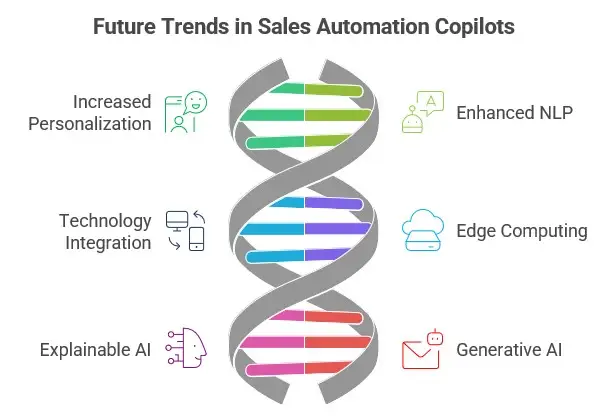
The field of sales automation copilots is rapidly evolving. Some of the key trends shaping its future include:
-
Increased Personalization: Copilots will become even more personalized, tailoring their interactions and recommendations to the specific needs and preferences of each customer.
-
Enhanced Natural Language Processing (NLP): NLP will enable copilots to better understand and respond to human language, making them more natural and intuitive to use.
-
Integration with Other Technologies: Copilots will be increasingly integrated with other technologies, such as CRM systems, marketing automation platforms, and customer service platforms.
-
Edge Computing: Edge computing will enable copilots to process data locally, reducing latency and improving performance.
-
Explainable AI (XAI): XAI will make it easier to understand how AI algorithms are making decisions, increasing transparency and trust.
-
Generative AI: Generative AI will enable copilots to create personalized content, such as emails and presentations, automatically.
Conclusion
Sales automation copilots have the potential to transform the sales process, improving efficiency, effectiveness, and customer experience. However, it is important to address the challenges and ethical considerations associated with their implementation. By carefully planning and executing their deployment, sales organizations can harness the power of AI to drive revenue growth and gain a competitive advantage. As technology continues to evolve, sales automation copilots will become an increasingly essential tool for sales representatives and managers alike.
Frequently Asked Questions (FAQs) About Sales Automation Copilots:
Q1. I've heard 'sales automation copilot'—how is that different from the old sales automation tools we already use?
Sales automation copilots represent a significant advancement because they offer a more integrated and intelligent approach. Unlike traditional tools that might just automate a specific, standalone process, a copilot acts as a virtual extension of the sales team, working alongside sales representatives to provide real-time support, automate repetitive tasks, and offer data-driven insights to enhance decision-making.
Q2. As a sales rep, what are the most immediate, practical tasks an AI copilot can take off my plate so I can focus on selling?
The copilot can handle several time-consuming, administrative tasks. For example, they can automate meeting scheduling with prospects , create and send personalized follow-up emails and communications, and automate the often-tedious process of data entry and updating records in your CRM system. This frees you up to focus on more strategic, high-value interactions.
Q3. When I'm actually on a call, how can a copilot help me in real-time to close the deal?
During sales calls or meetings, a copilot is capable of providing real-time guidance and coaching. This support can include suggesting effective talking points based on the conversation, helping you answer complex questions immediately, and even providing insights into the prospect's sentiment or mood so you can adjust your approach on the fly.
Q4. My sales team struggles with poor data quality in our CRM. Is that going to completely derail a copilot implementation?
Data quality and integration are recognized as significant challenges. Since copilots rely on accurate and complete data from various sources (like CRM, marketing platforms, and social media) to function effectively, ensuring high data quality and successfully integrating data from these various sources can indeed be a significant hurdle that must be addressed for successful implementation.
Q5. What are the biggest ethical red flags I need to consider before deploying AI in my sales process?
Key ethical considerations include data privacy, bias, and transparency. You must ensure customer data is collected and used responsibly, complying with all privacy regulations. Furthermore, because AI algorithms can be biased if trained on flawed data, it is crucial to identify and mitigate any potential bias to avoid unfair outcomes. Finally, customers should be made aware that they are interacting with an AI assistant.
Q6. Will these AI copilots replace the need for human sales reps, or is this just another tool?
The document focuses on copilots augmenting, or increasing, the capabilities of sales representatives, suggesting they are assistants designed to work alongside human reps. While the automation of sales tasks may raise concerns about job displacement, it is important to consider the impact and provide training and support to help workers adapt to the changing job market.
Q7. I need to know which prospects my team should call first. Can a copilot help us prioritize our endless list of leads?
Yes, one of the primary functionalities is Lead Qualification and Prioritization. Copilots can analyze huge amounts of data from your CRM and other platforms to identify and prioritize leads based on their likelihood of conversion. This strategic capability ensures your sales reps are focusing their limited time and effort on the most promising prospects.
Q8. How will these copilots improve our sales forecasting and general management oversight?
Copilots can analyze sales data to generate accurate sales forecasts and reports. This capability is critical because accurate sales forecasting allows sales managers to better track team performance, identify specific areas for improvement, and perform better resource allocation and strategic planning.