The numbers tell a surprising story - only 20% of sales teams can forecast with over 75% accuracy when they use traditional pipeline methods. This accuracy gap affects business planning and revenue growth in major ways. Sales teams that use AI-powered forecasting tools achieve 20% better accuracy than those stuck with manual approaches.
AI sales forecasting changes business results dramatically. Our research reveals impressive improvements when companies use advanced pipeline forecasting technologies. Some teams cut forecast errors by 50% and reach 98% accuracy rates, which is a big deal as it means that they perform better than the 78% industry average. Companies with accurate sales forecasts are 10% more likely to grow their revenue year-over-year.
This piece breaks down how AI Sales Tools analyze multiple data points at once - from historical deal data and market conditions to customer behavior and economic factors. We'll get into how clean pipeline data boosts forecast accuracy by 25%. You'll also find a practical plan to help your team use scalable sales intelligence that leads to smarter business decisions.
Why Traditional Pipeline Forecasting Falls Short
Traditional pipeline forecasting stays rooted in manual processes even though evidence shows it doesn't work well. A closer look shows basic flaws that stop organizations from making reliable sales predictions.
Manual Forecasting and Spreadsheet Limitations
Research shows that 66% of companies still use spreadsheet-based forecasting methods. This creates several critical problems:
-
Error-prone processes: Almost 90% of spreadsheets have errors. These mistakes create ripples of inaccuracy throughout the forecasting process
-
Static data snapshots: Pipeline data becomes frozen at the time it's exported to a spreadsheet. It loses connection with changes happening in deals
-
Version control challenges: Different stakeholders create multiple versions. Nobody knows which forecast to trust
-
Time-intensive maintenance: Sales operations teams spend 4-12+ hours to crunch numbers for each forecast cycle
-
Collaboration barriers: Teams find it hard to work together because spreadsheets work best for single users
The manual nature of spreadsheet forecasting creates another issue. Finance teams' analysis becomes outdated quickly. About 87% of finance executives admit their forecasts are old by the time stakeholders see them.
Forecast Accuracy Below 75%: Industry Standards
Data consistently shows that traditional forecasting methods don't deliver good results. Only 7% of sales organizations hit 90% or higher accuracy rates, though reliable forecasts are crucial.
Companies using old-school forecasting approaches hit median accuracy between 70% and 79%. This falls short of what businesses just need today. Multiple sources back this up:
-
79% of sales organizations miss their forecasts by more than 10%
-
Only 20% of sales organizations get within 5% of their projections
-
Less than 25% of sales organizations reach 75% accuracy or better
This poor track record has shaken leadership teams' confidence. Only 45% of sales leaders trust their forecasting accuracy. Many now make decisions based on gut feeling instead of data. This keeps the cycle of inaccuracy going.
How Inaccurate Forecasts Affect Revenue Planning
Bad forecasts hurt more than just numbers. The whole business suffers when pipeline forecasting fails.
Inaccurate forecasts create money problems. Companies that overestimate tie up resources in extra inventory. Those that underestimate run short on stock and miss chances to make money.
Poor forecasting messes up operations too. The Sales Management Association found companies with accurate sales forecasts are 7.3% more likely to hit their quota. Companies with unreliable predictions struggle to place resources. They often make hiring mistakes or cut jobs at the wrong time.
Trust takes a hit as well. Nothing destroys confidence faster than missing forecasts in board meetings. This starts a chain reaction:
-
Leadership stops believing sales projections
-
Setting fair quotas becomes impossible
-
Sales team morale drops as targets seem random
-
Teams can't plan together
Finance executives face personal setbacks too. About 47% work longer hours fixing forecasts, 41% face criticism, and 41% can't hire new staff.
Finance teams spend about 80% of their time gathering and combining data by hand. They still can't get the accuracy needed for solid business planning. This wastes time that could stimulate company growth through strategic work.
How AI Improves Sales Pipeline Forecasting Accuracy
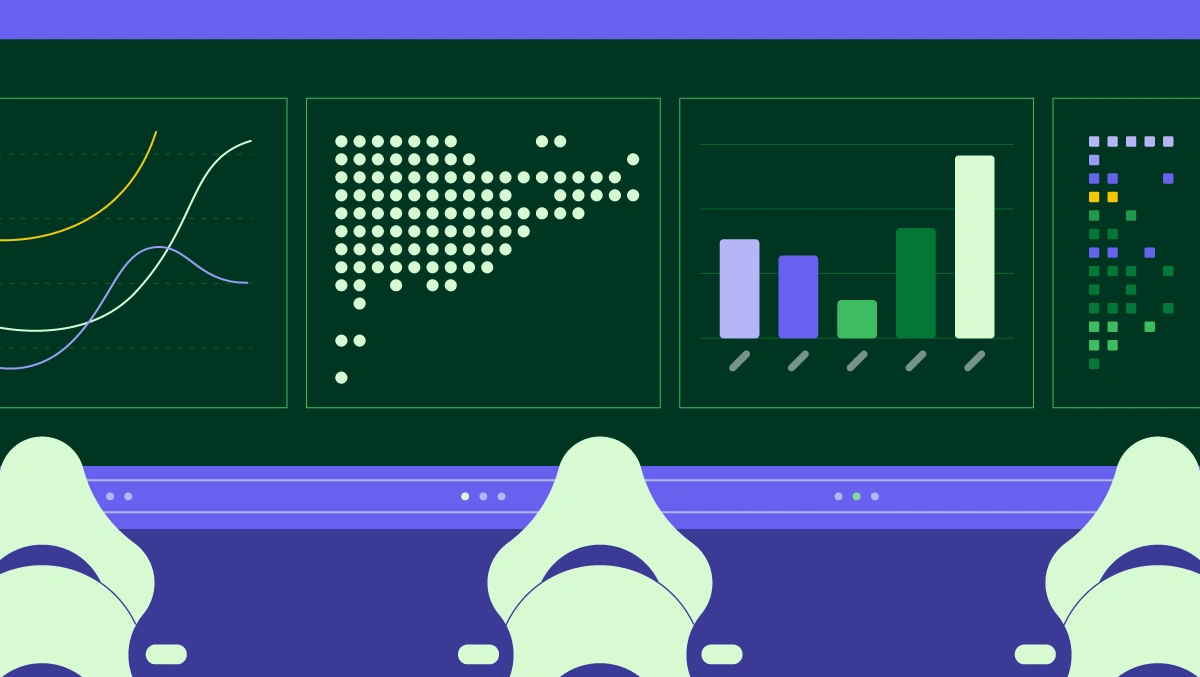
Image Source: Pipedrive
AI fundamentally changes how sales organizations approach pipeline forecasting. Traditional spreadsheet methods cannot match AI systems that process huge datasets. These systems provide insights that manual analysis could never uncover.
Machine Learning for Pattern Recognition in Deal Progression
Machine learning algorithms are the foundations of AI-powered sales forecasting. These sophisticated models explore historical deal data and identify subtle patterns that humans typically miss. ML models establish predictions by exploring thousands of past deals instead of relying on simple rules or gut feelings.
The systems start by cleaning and standardizing various data inputs from CRM records, email communications, and call transcripts. They then find correlations between specific factors and deal outcomes. To cite an instance:
-
Deal-specific attributes (industry, company size, product mix)
-
Stakeholder information and participation levels
-
Communication patterns and sentiment
-
Competitive landscape factors
Pattern recognition at scale reveals the true power. AI identifies non-linear relationships in sales data, which sets it apart. Traditional methods struggle with complex interactions. However, machine learning models like XGBoost can detect sales increases when specific conditions happen together—like high marketing spend combined with strong consumer sentiment.
These models get better with time as they learn from each new data point. Companies that use customized machine learning models report improved forecast precision with every closed deal.
Real-Time Forecast Adjustments Based on Market Signals
Static nature limits traditional forecasting methods. AI systems work differently—they update predictions as new information arrives rather than waiting for scheduled reviews.
These adaptive systems automatically include:
-
Real-time deal progression signals
-
Changes in customer engagement metrics
-
Market conditions and economic indicators
-
External factors like weather patterns and social media sentiment
AI forecasting now combines structured data (CRM records, ERP systems) with unstructured sources like customer support tickets and sales call transcripts. Natural Language Processing (NLP) finds valuable insights from these text sources. It identifies sentiment, intent, and context that shape deal outcomes.
Numbers tell the story: companies with AI-enabled real-time pipeline visibility make better decisions. Pipeline flow analysis helps managers track opportunity changes over time. They can spot problems in the sales process right away instead of waiting for quarter-end reviews.
AI vs Traditional Forecasting: Accuracy Comparison
Studies show significant accuracy improvements from AI-powered forecasting. Machine learning cuts forecasting errors by 20-50% compared to traditional methods.
The numbers speak clearly:
-
Traditional methods achieve 10-25% Mean Absolute Percentage Error (MAKE)
-
AI-powered systems reach 5-15% MAPE
-
Companies using AI forecasting report 79% overall accuracy compared to lower figures from conventional approaches
Business results reflect these improvements. IBM's Institute of Business Value reports that 57% of CFOs see fewer sales forecast errors after implementing AI. Other improvements include:
-
15-30% increased win rates through better qualification and messaging
-
10-25% higher average deal values
-
20-40% shorter sales cycles
-
30-50% improved forecast accuracy
Advanced implementations achieve remarkable results. Some organizations reach 95% forecast accuracy using AI-driven projections that adapt in real time. Aberdeen Group research shows companies using automated forecasting tools improve accuracy by 20% or more compared to manual methods.
AI delivers better performance because it excels where humans struggle. It analyzes hundreds of variables at once, removes unconscious biases, and learns continuously from outcomes. Companies get ROI within 12-24 months as improved forecasting leads to better resource allocation and more predictable revenue streams.
6 Core Benefits of AI in Pipeline Forecasting
AI-powered forecasting brings six key advantages that change how sales teams predict revenue and manage pipelines. These benefits tackle specific problems in traditional forecasting methods and create measurable improvements for sales organizations.
1. Improved Forecast Accuracy with Predictive Modeling
AI algorithms analyze historical data and current trends to generate highly accurate pipeline predictions. The system spots patterns in sales data to minimize errors and improve reliability. Companies that use AI-powered forecasting cut forecast errors by up to 30%. The best systems achieve up to 95% accuracy. This precision helps sales teams set realistic goals and use resources well.
Machine learning models look at thousands of past deals to create baseline predictions. These models get better over time and learn from each closed deal to make future forecasts more accurate.
2. Real-Time Pipeline Visibility and Updates
More than accuracy, AI shines at giving instant pipeline insights. The system watches pipeline activity and market conditions all the time, which helps spot issues quickly. Sales managers can adjust their strategies before small problems become big ones.
The AI models adapt as new data comes in and update forecasts almost instantly to help teams be proactive with market changes. The real-time dashboards let teams track performance and adjust quickly when needed - something periodic reports just can't match.
3. Smarter Lead Prioritization with AI Sales Tools
AI makes lead prioritization better by looking at thousands of data points, including:
-
Online behavior and engagement metrics
-
Demographics and firmographics
-
Intent signals from various sources
-
Historical conversion patterns
Teams can focus on the most promising deals thanks to this detailed analysis. Studies show AI-powered lead scoring cuts lead qualification time by up to 30% and boosts conversion rates by up to 25%. AI spots subtle patterns that humans might miss, which helps predict which leads will convert.
4. Risk Detection Using Engagement and Intent Signals
AI platforms make risk assessment better by tracking actual buyer engagement instead of gut feelings. The system monitors concrete signs like website visits, email engagement, stakeholder changes, and how people use the product.
Warning signs like stalled deals trigger automatic alerts so managers can step in at the right time. Teams can fix problems before they start and avoid getting into costly situations.
5. Scalable Sales Intelligence for Large Pipelines
Sales teams with growing, complex pipelines need AI to handle large amounts of data and activity. AI tools process massive datasets with ease to streamline lead scoring, forecasting, and resource planning. Teams can grow confidently while keeping their pipelines organized and in line with business goals.
Cloud platforms add flexibility by adjusting computing power based on what's needed. The system automatically adds processing power during busy forecasting times without manual work or extra infrastructure costs.
6. Enhanced Forecast Confidence for Stakeholders
In the end, AI-powered forecasting builds trust through consistent results. Revenue intelligence platforms connect past trends with current deal signals to make predictions that are up to 89% accurate—34% better than older systems.
The average sales rep saves about 2.5 hours per week they used to spend on forecasting. This means more time for selling while giving leadership better projections. AI forecasting helps everyone work together by showing the same data and performance metrics, so everyone sees the same picture of pipeline quality.
AI Models Used in Sales Forecasting
Sales forecasting systems today rely on three AI model types. Each type handles different parts of the sales cycle and creates an integrated approach to pipeline prediction and management.
Regression Models for Deal Timing and Volume
Regression analysis serves as the foundation of predictive sales modeling and uses statistical methods to understand relationships between variables that affect sales outcomes. Modern regression models now process multiple variables at once to forecast revenue with remarkable precision, evolving from their simple trend analysis origins.
Linear regression represents the simplest approach and uses a basic equation (Y = bX + a) to predict sales outcomes from specific inputs. Sales teams use this technique to understand correlations between activities (like call volume) and results (such as deals closed), which enables analytical strategy adjustments. To name just one example, linear regression draws a straight line through data points to predict ice cream sales at specific temperatures when analyzing the relationship between heat and consumption.
Non-linear regression models often prove necessary for advanced forecasting because they capture complex relationships where outcomes don't follow straight-line patterns. Research shows that while rising temperatures boost ice cream sales at first, very hot conditions might reduce consumption - a subtle pattern that non-linear models excel at spotting.
Multiple regression expands this analysis by factoring in several elements simultaneously. Sales teams can assess how various factors - marketing spend, seasonality, team performance, economic indicators - together affect revenue projections. This leads to forecast accuracy improvements up to 25%.
Neural Networks for Pipeline Stage Adaptability
Neural networks stand at the forefront of sales forecasting technology because they adapt well to changing pipeline conditions. These networks refine their understanding continuously as deals progress through stages, unlike traditional models that depend on rigid assumptions.
These networks derive their strength from normalization capabilities. Research shows that adaptive normalization layers in neural networks perform better than traditional normalization methods with datasets of all types. This approach maintains consistent statistical properties across features and helps stabilize training throughout the sales pipeline.
Feed-forward, convolutional, and transformer-based neural networks have proven effective in sales forecasting applications. These models help training meet faster and boost final performance in various scenarios. Neural networks automatically identify patterns in historical deal data and detect subtle signals of success or failure that experienced sales representatives might overlook.
Support Vector Machines for Lead Segmentation
Support Vector Machines (SVMs) have become valuable tools for customer segmentation and lead prioritization. SVMs now play a vital role in identifying high-value prospects within sales pipelines since Vapnik pioneered them for pattern classification and nonlinear regression.
Studies show that SVMs outperform traditional clustering methods in marketing segmentation. SVMs handle problems that traditional clustering algorithms don't deal very well with: sensitivity to outliers, processing high-dimensional data, and finding clusters with arbitrary shapes.
SVMs can improve customer segmentation accuracy by up to 18% compared to traditional clustering methods. Combining SVMs with K-means clustering algorithms creates hybrid models with exceptional results - one study reported an average error rate of just 6.82% in customer segmentation with recall rates of 91.28%.
Sales organizations can prioritize leads much better with this technology. SVM-powered systems analyze firmographic data, technographic information, and behavioral patterns to identify prospects that need immediate attention. This technology transforms lead qualification by incorporating multiple data streams and analyzing engagement velocity, which results in more accurate predictions of both purchase likelihood and optimal timing.
10-Step Implementation Plan for AI Forecasting
Your organization can build reliable sales predictions by following these ten steps. Studies show that properly implemented AI systems can reach up to 95% forecast accuracy.
Define Forecasting Objectives and KPIs
Start by outlining what you want to achieve with AI-driven sales forecasting to arrange it with your business goals. Set specific measurable objectives like improving forecast accuracy, optimizing inventory management, or enhancing resource allocation. Define your sales metrics and timeframes—decide exactly how you'll measure performance and what periods you'll forecast for. Note that sales forecasting needs constant attention and adaptation.
Audit and Clean CRM and Sales Data
Data quality is crucial for accurate sales forecasting. A detailed CRM data audit will help you review your current situation. Merge or delete duplicate records, normalize data formats, and fix obvious mistakes. Key data points that will feed your AI need rigorous verification. Much of organizations call data quality their biggest problem in achieving accurate forecasts. Clean historical data helps machine learning models generate reliable predictions.
Select AI Sales Forecasting Software
Pick a forecasting tool that matches your specific needs. Think over data integration capabilities with existing systems, algorithmic complexity, customization flexibility, and scalability. Review whether the solution offers automated outlier detection, multivariate AI forecasting, and real-life customer views. The ideal platform combines conversation analytics and CRM engagement data for complete pipeline visibility.
Train Models on Historical Pipeline Data
Use detailed historical sales data with relevant customer information, market trends, and economic indicators. Clean the data by removing duplicates and preprocessing unstructured information to handle missing values. Your model will identify patterns and predict future sales using this cleansed historical data. AI works only as well as the data it receives.
Verify Forecast Accuracy with Test Sets
Split data into training and test sets before full deployment. Calculate metrics like Mean Absolute Error (MAE), Root Mean Squared Error (RMSE), or Mean Absolute Percentage Error (MAPE) to measure accuracy. Cross-validation techniques ensure your model doesn't overfit the training data. Testing can catch issues that weren't obvious during initial auditing.
Integrate AI Tools with CRM and Sales Stack
Connect your forecasting tool with your CRM system and communication stack through secure API integration. This maps your sales process and syncs qualification data, call notes, and action items properly. Sales teams, managers, and executives can easily access AI-driven insights for analytical decisions with a well-integrated system.
Enable Real-Time Data Sync and Updates
Create continuous data pipelines that keep your AI models updated with the latest information. Live data syncing gives your sales team current, accurate information. Customer information, billing details, and interaction data stay fresh with bi-directional synchronization between systems. Clean, live financial data flows directly into your forecasting tools, eliminating guesswork.
Train Sales Teams on AI Forecast Interpretation
Create detailed training programs with simple AI concepts, hands-on practice using real-life scenarios, and regular refresher sessions. Teams should understand how to read and act on AI outputs. Training should focus on turning insights into action—prioritizing risks to escalate and adjusting strategies based on AI-driven alerts. Teams adopt AI by a lot when they understand its value.
Monitor Model Drift and Performance
Watch for declining model performance due to changing conditions. Set up a practical monitoring schedule with monthly model reviews, quarterly recalibration for market changes, and annual detailed training. Track key performance indicators like MAPE to see how well your forecasts perform over time. Markets change constantly, so your models must adapt.
Iterate and Optimize Forecasting Models
Your forecasting system needs ongoing refinement. Compare predicted outcomes against actual results to find areas for improvement. New data should update your models while testing their accuracy against current outcomes. Advanced machine learning algorithms help your AI learn increasingly sophisticated patterns that surpass traditional approaches.
Real-World Examples of AI Forecasting in Action
Companies are seeing amazing results when they use AI forecasting tools in their sales processes. Research shows these technologies are changing how teams manage their pipelines and predict revenue.
Case Study: Improving Lead-to-Close Rate with AI
Major companies have seen huge improvements in their lead conversion numbers through AI-powered qualification systems. IBM started using AI-driven lead scoring and saw a 25% rise in sales leads and 30% better campaign success rates. Their system looked at how prospects behaved to find the best opportunities and focused on leads that were most likely to convert.
MUFG, a financial services leader, tried a similar approach with AI to boost their pipeline forecasting. They saw their conversion rates jump by 25% and cut their sales cycles by 30%. The AI system studied engagement patterns and found 300% more qualified leads compared to their old manual methods.
The results at TechCorp were even better. Their AI tools for pipeline analysis led to an incredible 215% increase in conversion rates and 30% more sales-qualified leads. They used AI agents to study lead data, spot promising prospects, and create custom outreach messages. This shows how smart sales intelligence can change results dramatically.
Case Study: Reducing Forecast Error by 25% in SaaS Sales
A global computing hardware maker worked with C3 AI to handle unpredictable demand patterns. Their solution cut weighted absolute percentage errors (WAPE) by 70-100% compared to their old forecasts. These better predictions led to real business gains: they could reduce inventory by 7% and potentially save $300 million across the company.
Sybit, a German professional services company, updated its pipeline forecasting with smart sales prediction tools. The results came quickly - productivity shot up by 50%. Their CRO reported "greater transparency, better conversion rates, and more revenue".
Lennox Residential offers a compelling case for companies that are unsure about AI. The HVAC systems provider used machine learning algorithms to spot seasonal patterns in various product lines. Service levels improved by 16% while inventory turns increased by 25%. These numbers clearly show that AI sales forecasting brings real business benefits beyond just better accuracy.
Common Challenges in AI Forecasting and How to Solve Them
AI forecasting shows great promise, but teams must overcome several challenges to get the best results. Your pipeline forecasting accuracy will improve when you understand these obstacles and implement the right solutions.
Data Quality and Incomplete CRM Records
Data quality remains the Achilles' heel of AI-powered sales forecasting. Research shows 81% of AI professionals say their companies don't deal very well with data quality issues, yet 85% believe leadership ignores these problems. This gap becomes more obvious across organizational levels - 90% of directors and managers think company leaders neglect data quality concerns, compared to 76% of executives.
Bad CRM maintenance creates these risks for pipeline forecasting:
-
Revenue expectations get inflated when stalled deals stay marked as "likely to close"
-
Missing leads cause underestimated demand
-
Inaccurate deal timelines lead to poor resource allocation
Teams need data governance frameworks with clear policies, standardized processes, and regular audits to tackle this challenge. AI assistants can reduce manual errors through automated data entry while keeping information fresh.
Interpreting AI Outputs for Sales Teams
Sales professionals often avoid AI forecasting tools because they can't understand how the system makes predictions. Their skepticism grows when AI reduces forecasts they strongly believe will close.
Complex AI models create trust issues because of their "black box" nature. Teams hesitate to follow AI recommendations without transparency, which eliminates potential benefits. Decision trees or models with attention mechanisms help reveal the reasoning behind predictions by focusing on explainable AI.
Privacy and Compliance in AI Data Usage
AI-powered forecasting requires careful handling of data privacy regulations like GDPR and CCPA. Companies must find the right balance between collecting detailed data and meeting regulatory requirements.
Best practices include data minimization principles, encrypted data with proper access controls, and clear communication about AI usage. Companies that address these challenges can turn AI forecasting from a technical tool into a strategic advantage.
The Future of AI in Sales Forecasting
The rise of AI in sales forecasting goes beyond simple predictions. Three groundbreaking areas are changing how companies handle their pipeline forecasting processes.
Prescriptive Forecasting and Next-Best Actions
Prescriptive analytics leads the next frontier in sales forecasting. It moves past outcome predictions to recommend specific actions. Unlike predictive analytics that focuses on forecasting outcomes, prescriptive analytics offers concrete, evidence-based recommendations for the best course of action. Sales teams can receive customized interventions for risky deals, which can boost win rates by 10%. These prescriptive systems analyze multiple factors at once to suggest the most effective strategy within given constraints.
Autonomous Forecasting Agents in Sales Automation Software
Autonomous agents are changing sales forecasting with little human input needed. These AI systems analyze sales data on their own, learn continuously from outcomes, and produce up-to-the-minute data analysis. They work as round-the-clock Sales Development Representatives that answer product questions, handle objections, and schedule meetings. Right now, only 7% of sales teams achieve forecast accuracy above 90%, but autonomous systems can reach 98% accuracy. These agents combine smoothly with CRMs and customer touchpoints to create unified sales views without manual updates.
AI-Driven Revenue Intelligence Platforms
Revenue intelligence platforms combine customer and sales data into one source of truth. These platforms use AI-powered analytics to achieve unprecedented forecasting accuracy. They automatically identify customer interactions, link them to appropriate accounts, and log them for sellers. On top of that, they give useful insights about deal progress through AI-driven predictive recommendations.
Conclusion
AI-powered pipeline forecasting has radically changed how sales teams predict revenue and manage opportunities. Traditional forecasting methods deliver poor accuracy—typically below 75%. AI solutions consistently achieve 95% accuracy or higher. This dramatic improvement comes from AI analyzing thousands of data points at once. It detects subtle patterns in buyer behavior and adapts as market conditions change.
Companies that use AI forecasting systems see measurable business benefits beyond better accuracy. Sales teams cut down report compilation time. Managers make smarter decisions about resource allocation. Executives get reliable data to plan strategies. These systems spot deal risks early, sort leads better, and grow smoothly with organizations.
Setting up might look daunting at first. Our 10-step plan gives you a clear path—from setting goals and cleaning CRM data to training models and making continuous improvements. Case studies prove these efforts are worth it. Companies cut forecast errors by 25-70% and see better lead conversion rates.
The future of AI forecasting points toward more automation and intelligence. Prescriptive analytics will soon suggest specific next actions beyond just making predictions. AI agents will handle routine tasks without human help. Revenue intelligence platforms will show unified views across customer touchpoints.
One thing is certain—companies stuck with spreadsheet-based forecasting lag behind those who use AI-powered solutions. Challenges exist, especially when you have data quality issues and team adoption hurdles. Evidence shows AI forecasting creates better business results. Sales leaders should see this as more than just an upgrade. It's a complete reinvention of how we predict and manage revenue pipelines.
Frequently Asked Questions (FAQs)
Q1. How does AI improve sales pipeline forecasting accuracy?
AI analyzes vast amounts of historical and real-time data to identify patterns and trends that humans might miss. It can process multiple variables simultaneously, adapt to changing market conditions, and provide continuous updates, resulting in forecast accuracy improvements of 20-50% compared to traditional methods.
Q2. What are the key benefits of using AI in sales forecasting?
The main benefits include improved forecast accuracy, real-time pipeline visibility, smarter lead prioritization, early risk detection, scalable sales intelligence for large pipelines, and enhanced forecast confidence for stakeholders. These advantages lead to better resource allocation, increased win rates, and more predictable revenue streams.
Q3. What steps should a company take to implement AI forecasting?
Key steps include defining forecasting objectives, auditing and cleaning CRM data, selecting appropriate AI software, training models on historical data, validating forecast accuracy, integrating with existing systems, enabling real-time data sync, training sales teams, monitoring model performance, and continuously optimizing the forecasting models.
Q4. How do AI forecasting models differ from traditional methods?
AI models like regression analysis, neural networks, and support vector machines can process complex, non-linear relationships in sales data. They continuously learn and adapt, provide real-time updates, and can analyze thousands of variables simultaneously. This results in significantly higher accuracy compared to static, manual forecasting methods.
Q5. What challenges might companies face when implementing AI forecasting?
Common challenges include ensuring data quality and completeness in CRM records, helping sales teams interpret and trust AI outputs, and navigating privacy and compliance issues related to data usage. Addressing these challenges requires implementing data governance frameworks, focusing on explainable AI models, and carefully balancing data collection with regulatory requirements.