Contact Enrichment Tools Comparison What You Won't Hear Elsewhere
August 11, 2025
Finding accurate B2B contact data shouldn't require a detective license. Whether you're ready to buy a contact enrichment tool or just looking for a contact enrichment API trial, the marketing promises all sound similar.


But the reality? These platforms have significant differences that impact your bottom line. In this comprehensive contact enrichment tools comparison, I'm cutting through the marketing hype to show you what ZoomInfo, Clearbit, Apollo.io, Lusha, and Cognism actually deliver and more importantly, what they won't tell you upfront. I've tested each platform extensively and uncovered the hidden strengths and weaknesses that most contact enrichment tools comparison reviews gloss over.
This contact enrichment tools comparison will break down what really matters when choosing your next data partner. No fluff, just practical insights to help you make the right decision for your specific needs based on real-world testing and analysis.
Next-generation sales intelligence with AI agent technology
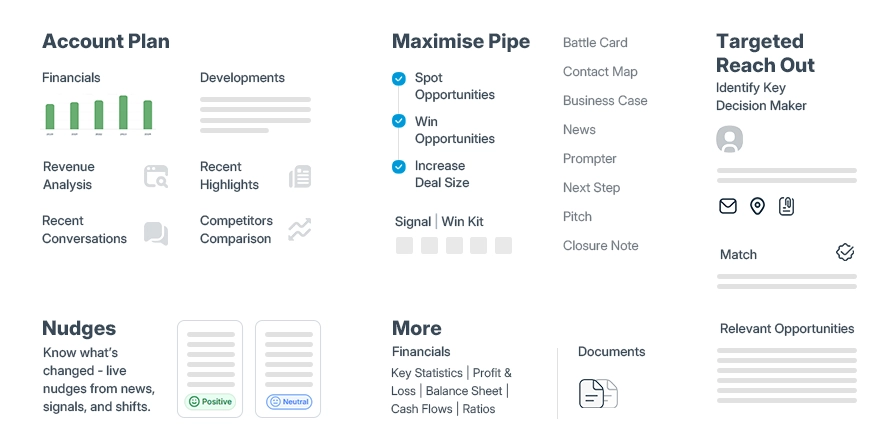
SalesPlay is the world's first AI Sales Intelligence platform engineered to accelerate sales execution with unmatched speed and precision. Powered by a revolutionary suite of seven AI Agents, SalesPlay goes beyond fragmented point solutions to deliver pitch-ready opportunity ecosystems—including hyper-personalized sales kits, mapped buying centers, and conversion-ready outreach sequences.
This integrated approach eliminates up to 80% of manual work while enabling teams to close high-value deals that competitors can't even see. Built on exclusive MarketsandMarkets intelligence, thousands of premium data sources, and strategic vendor partnerships, SalesPlay empowers every sales rep to perform like your organization's top 1%, driving 3x productivity gains and a sustainable competitive advantage.
Comprehensive B2B database with advanced intent data capabilities
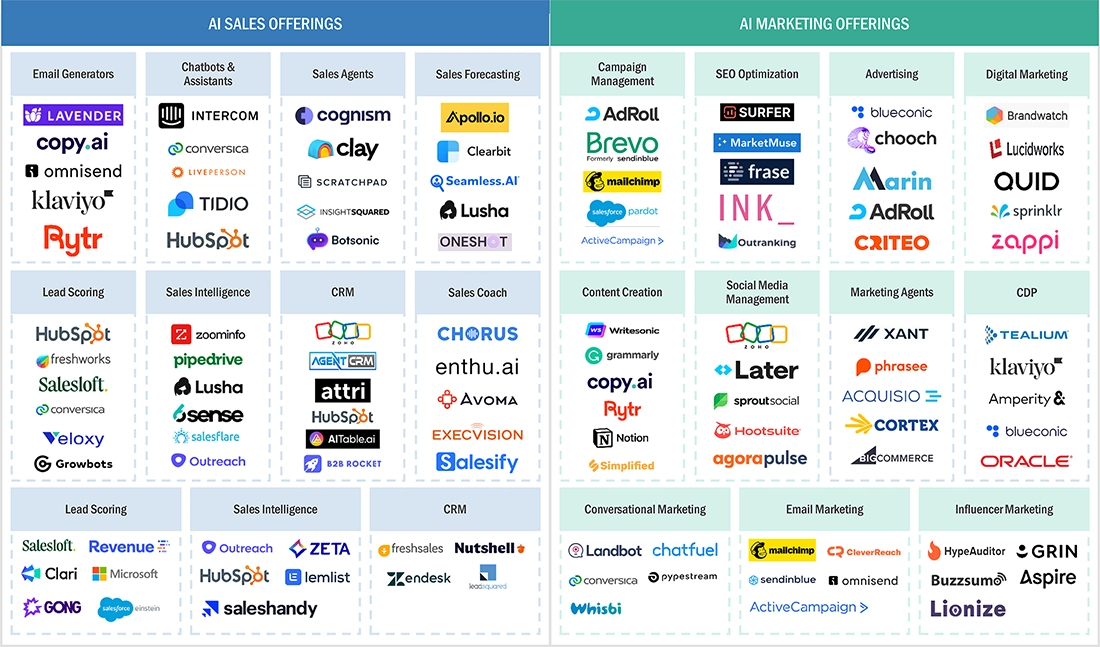
ZoomInfo stands as a heavyweight in the contact enrichment arena, with a massive B2B database powering its offerings. In our contact enrichment tools comparison testing, I found it delivers substantial value for certain business types while presenting notable drawbacks for others.
ZoomInfo's core strength lies in its data enrichment capabilities. The platform automatically updates and enhances CRM and marketing automation data with fresh company information. This includes adding missing information and correcting outdated data across your systems. Furthermore, ZoomInfo offers multi-vendor data integration from over 60 trusted sources. This creates a more robust dataset since the platform compares and selects the most accurate information through a rules-based engine.
The platform excels at standardization, deduplication, normalization, segmentation, and lead-to-account mapping. These processes clean messy records and create connections between individual contacts and their organizations. Additionally, ZoomInfo provides multiple enrichment methods: Another standout feature is ZoomInfo's AI-Generated Ideal Customer Profile (ICP) tool. This feature analyzes your won and lost deals to automatically identify which company attributes indicate your best prospects. As markets change, the tool can update your ICP accordingly.
ZoomInfo operates on a subscription model with three main tiers. The Professional plan starts at USD 14,995 per year, including 5,000 annual bulk credits and supporting up to three users. Additional users cost USD 1,500 each. The Advanced plan jumps to USD 24,995 annually, offering 10,000 bulk credits plus 1,000 monthly user credits. User fees increase to USD 2,500 each at this level. At the top tier, the Elite plan costs USD 39,995 per year with the same bulk credit allocation as the Advanced plan but includes additional premium features The cost per contact varies based on your plan. For instance, the Professional plan averages about USD 2.99 per contact (USD 14,995 divided by 5,000 credits).
Based on my experience, ZoomInfo works best for mid-size to enterprise-level companies with substantial outbound sales operations. Its robust database particularly benefits organizations requiring detailed firmographic data for targeted prospecting. Sales teams with complex B2B sales cycles gain significant advantages from ZoomInfo's intent data, which highlights companies actively researching solutions in your category.
This allows for timely outreach to prospects showing buying signals. Marketing teams running account-based marketing campaigns will appreciate the platform's advanced audience targeting capabilities and cross-channel advertising tools. The detailed company information enables precise segmentation for campaigns. Businesses with established sales operations teams and dedicated CRM administrators will get more value from ZoomInfo since they can better manage the platform's complexity and integrate it effectively into existing workflows.
ZoomInfo offers extensive integration options for CRMs and marketing automation platforms. It connects seamlessly with popular systems like Salesforce, HubSpot, and Marketo. These integrations allow for automatic data syncing, eliminating manual entry and reducing human error. Through the ZoomInfo Marketplace, users can access plug-and-play and customizable integrations that bring B2B intelligence directly to their tech stack.
The platform supports various communication tools like 8x8, Amazon Chime, Aircall, and Avaya. For more complex integration needs, ZoomInfo provides APIs and webhooks that enable real-time data enrichment into any system or workflow. These tools allow for proactive re-enrichment of data on your schedule. Zapier connections further extend ZoomInfo's reach, letting you create automated workflows between ZoomInfo and thousands of popular apps. This flexibility helps teams incorporate contact enrichment into their existing processes without major disruptions.
Ready to turn your Rep
INTO BEST PERFORMER ?
Despite its strengths, ZoomInfo has several limitations worth noting. First, the platform lacks email verification capabilities. While it adds email addresses to contact records, it doesn't check if those emails are valid or still working. This can lead to bounced emails unless you use a separate email verification tool. The accuracy of data isn't guaranteed across all records. Some users report outdated or incorrect information for company size, industry classification, or funding details.
This inconsistency can result in targeting errors and wasted outreach efforts. Cost remains a significant barrier, especially for smaller organizations. With entry plans starting around USD 15,000 per year, ZoomInfo represents a substantial investment that may be difficult to justify for startups or small businesses with limited budgets. Lastly, the platform's complex interface creates a steep learning curve for new users. Teams may need significant onboarding time before they can effectively utilize all of ZoomInfo's features, potentially delaying ROI on your investment.
Advanced backend enrichment with seamless form optimization
Clearbit has evolved from an independent data provider to become part of HubSpot's AI product suite, now operating as Breeze Intelligence. This shift has reshaped how the platform delivers its contact enrichment capabilities and impacts our contact enrichment tools comparison analysis significantly.
At its core, Clearbit excels at transforming minimal input information into robust contact and company profiles. With just an email address or domain name, the platform can populate over 100 data attributes about businesses and individuals. These attributes span firmographic details like company size, revenue, and location alongside technographic information about the tools companies use.
The enrichment process leverages 250+ public and private data sources, including social profiles, company websites, legal filings, and crowdsourced inputs. What sets Clearbit apart is how it dynamically weights and scores each source in real-time to determine the most reliable data points. Moreover, Clearbit offers several enrichment methods that adapt to different business needs: The platform's verification process involves four stages: checking if records are less than 30 days old, confirming data source agreement, identifying anomalies, and human review by trained researchers.
This multi-layered approach helps maintain data quality.
Following its acquisition by HubSpot, Clearbit (now Breeze Intelligence) operates on a credit-based pricing system tied to HubSpot plans. The entry-level option starts at USD 45 per month for an annual commitment or USD 50 monthly, providing just 100 Breeze Intelligence credits. Credits are the currency of Clearbit's enrichment services: Notably, the platform limits batch enrichment to 100,000 records at once.
Anything larger will trigger a "Batch too big" error. For enterprise needs, pricing typically scales upward significantly. Some reports indicate Clearbit costs between USD 18,000 to USD 80,000 annually for larger implementations. However, exact pricing requires contacting sales for a custom quote.
Clearbit delivers the most value for marketing teams focused on inbound lead qualification and data enrichment. Its ability to shorten forms while maintaining comprehensive data collection makes it ideal for organizations prioritizing conversion rate optimization. The platform particularly benefits B2B SaaS companies looking to personalize customer experiences and improve lead qualification. Its detailed firmographic data enables precise targeting and segmentation for marketing campaigns. Additionally, Clearbit works well for:

Clearbit offers multiple integration options, though its deepest connection is now with HubSpot following acquisition. The platform maintains native integrations with other major CRMs including Salesforce, Marketo, and Segment. Through Zapier, Clearbit can connect with over 5,000 applications, even those without direct integrations.
This flexibility enables automated workflows like: For more technical implementations, Clearbit provides APIs and webhooks that allow for custom integrations with internal tools and databases. This developer-friendly approach makes it possible to build enrichment into any part of your customer journey. The Nutshell CRM integration exemplifies how Clearbit enhances existing platforms by automatically appending detailed contact information, saving time on manual research and enabling more personalized outreach.
Despite its strengths, Clearbit presents several significant limitations worth considering. First, following HubSpot's acquisition, the platform has shifted focus toward HubSpot integration, potentially limiting flexibility for teams using other CRMs. The credit-based pricing model creates artificial scarcity and can lead to unexpected costs as usage increases. Furthermore, the rules around credits aren't always transparent, making budget planning difficult. In terms of data coverage, Clearbit's enrichment performs inconsistently across different domains.
While it excels with established business domains, the match rates drop considerably for: Perhaps most importantly, Clearbit is designed primarily for backend data enrichment rather than outbound prospecting. The platform lacks a direct user interface for researching and contacting leads individually. This makes it less suitable for sales representatives focused on building outbound lists. Finally, the platform's batch enrichment cap of 100,000 records creates limitations for large-scale data operations. Organizations with massive databases may find this restriction problematic for comprehensive data enrichment projects.
Complete sales intelligence platform with affordable pricing
Apollo.io positions itself as an all-in-one sales intelligence and engagement platform with a focus on data enrichment. As a more budget-friendly option in the contact enrichment tools comparison landscape, it offers capabilities that extend beyond basic data enhancement, making it a popular choice for small to medium businesses.
At the heart of Apollo.io sits a massive B2B database containing over 275 million verified contacts. This extensive collection powers the platform's data enrichment capabilities, which help users identify gaps in their contact information and fill them automatically. The Data Health Center serves as a central hub for monitoring data quality, tracking job changes, and merging duplicate records.
Once configured, the system can automatically detect duplicate contacts through customizable rules and merge them efficiently. Apollo.io offers several enrichment methods: The platform also features job change alerts that notify users when contacts move to new positions, creating timely outreach opportunities. This helps maintain data freshness without constant manual monitoring.
Apollo.io operates on a tiered pricing structure with four main options: The credit system functions as currency within Apollo, with different actions consuming varying amounts. For example, accessing a business email requires 1 credit, whereas obtaining a mobile number consumes 8 credits. Once your plan's allocation is exhausted, additional credits cost USD 0.20 each. Importantly, all credits expire at the end of your billing cycle with no refunds or extensions. This requires careful credit management to avoid wasting your investment.

Based on the feature set and pricing structure, Apollo.io works best for specific use cases. Small to medium businesses with limited budgets will find value in Apollo's more affordable pricing compared to competitors like ZoomInfo and Clearbit. Sales development representatives (SDRs) and business development representatives (BDRs) benefit from Apollo's combined prospecting and enrichment capabilities.
The platform's straightforward interface helps these teams quickly find contacts and enhance existing records. Apollo also serves growth marketers well through its CSV enrichment for lead lists and ability to add firmographic data like company size and tech stack. This enables better segmentation for targeted campaigns. Startups and small teams appreciate Apollo's generous free plan, which provides an opportunity to test the platform without financial commitment. The basic plan remains accessible for small teams beginning with outbound sales efforts.
Apollo integrates with numerous platforms to enhance workflow efficiency. Primary CRM integrations include Salesforce, HubSpot, Zoho, Microsoft Dynamics, and Pipedrive. These connections enable bidirectional data sync between Apollo and your CRM system. The platform also supports email provider integrations, although capabilities vary by plan. While Free and Basic plans only support Gmail and Microsoft integrations, Professional and Organization subscriptions allow connections with all email providers.
Through Zapier, Apollo connects with over 3,000 additional applications. Popular Zapier integrations include Google Sheets, Monday.com, Notion, Attio, and Mailchimp. These connections automate workflows like adding new Apollo contacts to spreadsheets or creating CRM records. For developers, Apollo provides an API that enables custom integrations with internal systems. This flexibility allows teams to build enrichment capabilities directly into proprietary tools and databases.
In spite of its strengths, Apollo has several noteworthy limitations. Data accuracy issues represent a significant concern, with some information potentially outdated by several months. This can lead to bounced emails and wasted outreach efforts. The platform's email sending capabilities also present challenges. While Apollo promotes unlimited email sending, they strongly recommend limiting to 50 emails per day per mailbox to maintain deliverability. Exceeding this guidance may damage domain reputation and reduce effectiveness.
Apollo's credit system creates artificial constraints that can impact usage patterns. The expiration of unused credits at the end of billing cycles forces users to either consume credits hastily or lose their investment. Phone number coverage remains weaker than email coverage. Teams focused on call-based outreach may find the platform's offerings insufficient for their needs. Lastly, the platform's real-time enrichment capabilities can be limited for non-standard data. Match rates drop significantly for personal emails, free domains, or early-stage startups with minimal online presence. This makes Apollo less effective for certain industries or prospecting approaches.
Lusha enters the contact enrichment tools arena as a B2B sales intelligence platform that focuses on accuracy and user-friendly data access. With an extensive database powering its offerings, this tool promises to connect businesses with potential clients more efficiently. In our contact enrichment tools comparison, Lusha stands out primarily for its LinkedIn integration capabilities.
At its core, Lusha maintains a substantial database containing over 100 million business profiles and 15 million company profiles. This impressive collection includes more than 60 million decision-maker email addresses and 50 million direct dials. The platform uses this data foundation to deliver three primary enrichment methods: CSV enrichment lets users upload contact lists with minimal information (LinkedIn URL, name + email, or name + company) and receive enhanced records with updated contact details and company data.
This process transforms partial records into complete contact profiles within minutes. CRM enrichment works automatically once configured, primarily targeting Salesforce users. The system allows for customized rules that continually update and enhance your database in the background. Lusha offers data-driven templates to simplify this process even further. API enrichment connects with virtually any system through Lusha's One-Click API. Users can set the API to regularly update, ensuring data stays fresh and accurate. This method supports tailored integrations across various tech stacks.
Importantly, Lusha emphasizes data validation and compliance. The platform holds ISO 27001 and ISO 27701 certifications and maintains compliance with major regulations like GDPR and CCPA.
STOP GUESSING YOUR PIPELINE
START GROWING IT WITH AI SALES!!
Lusha operates on a credit-based pricing structure. The system charges 1 credit to reveal an email address and 10 credits for a phone number. This approach gives users flexibility to prioritize what information matters most for their outreach. The Free plan provides up to 70 credits monthly with basic prospecting features and browser extension access.
For expanded capabilities, the Pro plan costs USD 49.90 monthly with additional credits and features. The Premium plan jumps to USD 79.90 monthly, offering even more credits and advanced features. Enterprise users can opt for the Scale plan with custom pricing based on specific needs. On all plans, monthly subscriptions allow unused credits to roll over and accumulate up to twice the credit limit, at most. Annual plans issue all credits upfront, with unused credits resetting at the end of the cycle.
Given its feature set and pricing structure, Lusha works best for sales and marketing teams focusing on lead generation and outbound prospecting. The platform particularly suits: Sales representatives who need quick access to decision-maker contact information while browsing LinkedIn or company websites. The browser extension makes this process nearly instantaneous.
Marketing teams building targeted prospect lists benefit from Lusha's advanced prospecting features and filtering capabilities. The ability to export these lists directly to CRM platforms streamlines marketing workflows. Small to medium businesses with dedicated outbound sales efforts can leverage Lusha's relatively accessible pricing compared to enterprise-focused competitors. Recruitment teams also find value in Lusha, as it was originally created for applicant tracking before expanding to sales and marketing use cases
Lusha offers numerous integrations that enhance workflow efficiency. Its CRM connections include Salesforce, HubSpot, Zoho, Microsoft Dynamics, Pipedrive, and Bullhorn. These integrations allow users to save contacts directly to their CRM without switching platforms. Email integration supports both Gmail and Outlook, enabling prospecting directly from email inboxes. Users can sync data and keep information up-to-date with a single click.
Additionally, Lusha connects with sales engagement platforms like Outreach and Salesloft. For instance, Carto saved 88 hours monthly on prospecting by integrating Lusha with their CRM and Outreach. For custom needs, Zapier integration enables connection with thousands of apps without requiring code. This flexibility allows for automating workflows between Lusha and other business tools.
In spite of its strengths, Lusha has several noteworthy limitations. Data accuracy represents a persistent challenge, with some users reporting contacts that left companies years ago or incorrect personal versus business numbers. The platform claims 80% accuracy for their phone/mobile data, yet some users suggest coverage is only about 10% of potential contacts.
Mobile functionality is entirely absent, preventing sales representatives from prospecting while away from their desktops. This limitation restricts usage to office-based environments only. Furthermore, the credit system creates artificial constraints on usage. Once credits are exhausted, additional information requires purchasing more credits at extra cost. This can lead to unexpected expenses for teams with high-volume prospecting needs.
Privacy concerns persist regarding data collection methods. As a registered data broker, Lusha gathers information from public sources, customer contributions, third-party providers, and community program members. This raises questions about consent and data ownership that potential users should consider.
Make Every Rep Speak
Like Your Top 1%
As a European-founded platform, Cognism stands out in the contact enrichment tools comparison market with its focus on EMEA data coverage and stringent compliance standards. With a database containing 400 million business profiles and 200 million verified business emails, this tool offers unique advantages for specific use cases, particularly for businesses targeting European markets.
Cognism's Diamond Data® represents its premium offering – phone-verified mobile numbers that connect sales teams with decision-makers three times more effectively than standard databases. Each mobile number undergoes verification to ensure accuracy, achieving an 87% connection rate compared to industry averages around 30%. The platform also provides:
Unlike competitors, Cognism doesn't publish fixed pricing, instead offering customized quotes based on specific needs. The platform uses a multi-layered pricing structure: Annual costs typically range from USD 1,500.00 for small teams to USD 25,000.00+ for enterprise implementations
Cognism works exceptionally well for companies targeting European markets, given its UK-founded origins and focus on EU data protection compliance. It particularly benefits:
Cognism connects seamlessly with major CRMs and sales tools through native integrations:
Despite its strengths, Cognism struggles with coverage outside Europe. LinkedIn prospecting and local database accuracy in Asia and parts of Americas remain problematic. Consequently, users in specialized sectors often receive irrelevant matches during list building. Additionally, the platform lacks standardized pricing transparency, making budget planning difficult without contacting sales. Likewise, there's no free standard trial, only personalized demos based on business needs.
A. The main differences lie in database size, data accuracy, pricing models, and regional coverage. In this contact enrichment tools comparison, ZoomInfo has a massive database but is expensive, Clearbit excels at backend enrichment, Apollo.io is budget-friendly but has accuracy issues, Lusha offers great LinkedIn integration, and Cognism specializes in European data.
A. Most tools claim compliance with regulations like GDPR and CCPA. Cognism stands out for built-in GDPR compliance, while Lusha is a registered data broker. However, users should carefully review each tool's data collection methods and privacy policies before implementation.
A. Apollo.io and Lusha tend to be more suitable for small businesses due to their more affordable pricing tiers and user-friendly interfaces. Apollo.io even offers a free plan for testing basic features, making it accessible for teams with limited budgets.
A. Data accuracy varies across platforms. ZoomInfo and Clearbit generally offer high match rates, while Apollo.io and Lusha users report some accuracy issues. Cognism claims 98% accuracy for its phone-verified data. However, all tools may struggle with personal emails, free domains, or early-stage startups.
A. Yes, most of these tools offer integrations with major CRM platforms like Salesforce, HubSpot, and Microsoft Dynamics. Additionally, many provide API access and Zapier integrations for connecting with thousands of other applications, allowing for customized workflows and data syncing.
STOP GUESSING YOUR PIPELINE
START GROWING IT WITH AI SALES!!


Category: Uncategorized Tags: ai, AIOps, Artificial Intelligence, cloud, cloud platform, Cybersecurity, Information and Communications Technology , VR