Agentic AI in Sales: How Autonomous Workflows Are Reshaping SDR Productivity
August 22, 2025
Agentic AI is transforming how sales development representatives work—and I've never been more excited about the future of sales productivity. While traditional sales automation has existed for years, autonomous AI agents are taking SDR efficiency to completely new levels. Today's SDRs spend a staggering 70% of their time on non-selling activities instead of having meaningful conversations with prospects.
I've seen firsthand how agentic SDR systems can cut through this inefficiency. AI SDRs don't just follow rigid rules—they make decisions, learn from interactions, and improve over time. The most impressive AI sales tools now qualify leads, personalize outreach, and optimize follow-up sequences without constant human supervision. As a result, human SDRs can focus on what they do best: building relationships and closing deals.


Throughout this article, I'll show you exactly how these autonomous workflows are reshaping sales development, what makes them different from traditional automation, and how you can implement them to dramatically boost your team's productivity.
Sales Development Representatives (SDRs) face a productivity crisis that makes their workflows prime candidates for automation. The numbers tell a compelling story about why traditional SDR processes no longer suffice in today's competitive landscape.
The statistics are striking—SDRs dedicate merely 30% of their workday to actual selling activities. This means a staggering 70% of their time goes to tasks that don't directly contribute to revenue generation. For sales leaders, this represents an enormous efficiency gap that directly impacts the bottom line.
What exactly consumes these non-productive hours? SDRs typically spend:
Approximately 37% of their workday researching prospects for personalization
Countless hours on manual data entry and CRM updates
Significant time drafting repetitive emails and messages
Extensive effort scheduling and tracking follow-ups
Furthermore, this inefficiency persists despite technological advances. According to industry reports, sales representatives consistently rank prospecting as the most challenging part of their job, with over 40% identifying it as their primary struggle.
The economic impact is substantial. Manual processes require 2.2–4.7 additional staff hours per loan compared to automated systems in industries like mortgage lending. Consequently, when applied across industries, each manually processed opportunity costs approximately $400-$1000 more in labor expenses alone.
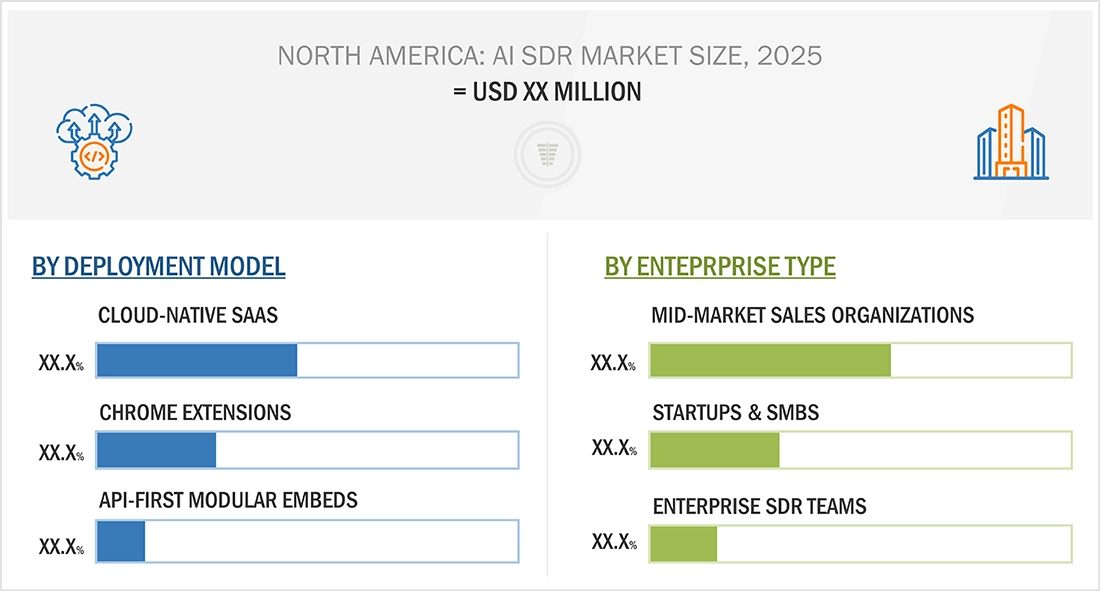
Traditional lead qualification processes create bottlenecks that hamper revenue growth. Most notably, manual qualification extends the average B2B sales cycle dramatically—from 35 days to over 60 days for complex deals.
The inefficiencies manifest in several critical ways:
First, manual lead scoring relies heavily on subjective judgment, creating inconsistent results. What one SDR considers a hot lead might be dismissed by another. This lack of standardization leads to unpredictable pipeline health and inaccurate forecasting.
Second, the time lag between lead creation and first contact proves particularly damaging. Research consistently shows conversion rates plummet with each passing hour after initial inquiry. During this delay, prospects often engage with competitors who respond faster.
Additionally, manual qualification frequently misallocates resources. Sales teams waste approximately 33% of their time on leads that don't match ideal customer profiles or lack buying intent. This translates to an average lead-to-customer conversion rate of just 1.46%.
The pipeline impact becomes even more apparent when examining the broader context. Without AI-driven lead scoring and routing, high-intent buyers get stuck waiting in queues. Manually qualified leads often contain a significant percentage of prospects who aren't genuinely ready to buy, diverting valuable sales resources from higher-potential opportunities.
These inefficiencies create a compelling case for agentic AI in sales workflows. AI SDRs can analyze lead data in real-time, apply qualification frameworks consistently, and ensure no deal falls through the cracks. By automating repetitive tasks like follow-up sequences, data entry, and lead enrichment, AI sales tools free human SDRs to focus on relationship-building and deal closure.
The business case becomes clear: without automation, sales teams struggle with inconsistent processes and missed opportunities. In contrast, companies implementing AI-powered tools to streamline these workflows see dramatic improvements—including 20% increases in meeting conversions through AI-driven lead scoring.

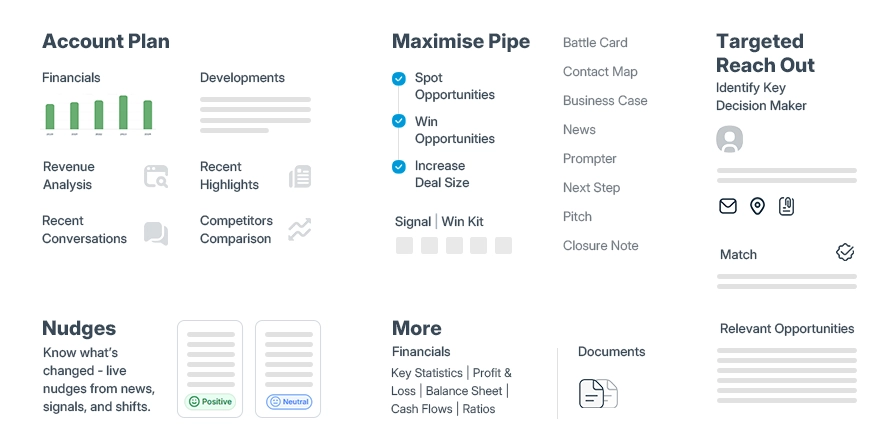
Traditional sales automation and agentic AI represent fundamentally different approaches to enhancing SDR productivity. The distinction goes far beyond incremental improvements—it's a complete paradigm shift in how sales technology operates and delivers value.
Traditional sales automation relies on static, predetermined workflows. Essentially, these systems operate on fixed instructions—if A happens, then B must follow. This rigid architecture served businesses well for predictable environments but falls short when facing today's dynamic, high-volume sales processes.
Consider the evolution of sales automation:
First-generation tools created simple rule-based triggers such as auto-logging emails or scheduling follow-ups
Traditional automation executes fixed instructions without learning or optimizing on its own
Agentic AI acts more like a collaborator—reasoning, adapting, and making autonomous decisions
The core difference lies in their decision-making frameworks. Rule-based systems depend entirely on predefined logic created by humans. Conversely, agentic AI operates through autonomous goal-oriented behavior, making decisions without constant human guidance. By 2026, 83% of executives anticipate AI agents will autonomously execute actions based on operational metrics and transaction histories.
What makes this shift so powerful? Agentic AI can handle end-to-end tasks independently—such as adjudicating opportunities, triaging inquiries, or dynamically adjusting outreach based on incoming signals. This autonomous capability transforms sales teams from reactive and fragmented into proactive, integrated, and predictive operations.
Perhaps the most significant advantage of agentic AI is its ability to learn and improve over time. Traditional automation remains static after deployment, requiring manual updates as business needs change. AI agents, on the other hand, continuously analyze interactions and outcomes, refining their approach through techniques like reinforcement learning.
This learning capability manifests in several practical ways for SDR workflows:
AI analyzes nuanced prospect behaviors like profile views, content interactions, and activity patterns to identify top prospects. Subsequently, it recognizes what LinkedIn refers to as "buying signals"—specific patterns that indicate genuine interest. When certain behaviors align, such as frequent profile views paired with company hiring surges, AI can predict up to an 85% likelihood of interest.
Moreover, AI agents constantly update prospect scores by monitoring changes in profiles, engagement levels, and other signals. These systems learn which combinations of factors predict success, becoming progressively more accurate with each interaction. This iterative improvement process creates a virtuous cycle where the AI gets smarter without requiring manual intervention.
The practical impact is substantial. AI-driven lead prioritization can boost response rates from the traditional 0.1-1% to an impressive 30-45%. Additionally, 84% of sellers save at least 30 minutes daily on routine tasks when using AI.
The shift from rule-based to agentic systems transforms how sales organizations operate at a fundamental level:
Rule-based: Static, one-size-fits-all approach requiring manual updates
Agentic: Adaptive, context-aware systems that improve automatically
This distinction explains why companies utilizing AI-powered tools report significant improvements in productivity and results. Rather than simply executing fixed commands like traditional automation, agentic AI anticipates business needs, interprets context, and adapts its behavior accordingly.
Effective agentic SDR workflows consist of three interconnected components that work together to streamline the sales development process. Each element plays a distinct role in transforming how sales teams qualify leads and move prospects through the pipeline.
STOP CHASING PROSPECTS
START CLOSING DEALS!!
The foundation of any agentic SDR system starts with intelligent lead prioritization. Unlike traditional lead scoring methods that rely on static rules, AI-driven approaches use machine learning algorithms to evaluate leads based on multiple data points and automatically direct them to appropriate representatives.
Modern AI scoring systems analyze a combination of:
Website interactions, email engagement, and form submissions
Social media activity and content consumption patterns
Firmographic data like company size and industry
Past interactions with sales and marketing
The impact speaks for itself—companies implementing AI-driven routing report 15% shorter sales cycles and 22% higher conversions. Beyond efficiency gains, these systems become more intelligent over time. They continuously learn from outcomes, identifying patterns that human analysts often miss.
What separates basic automation from truly agentic systems is their ability to balance both fit criteria (how well prospects match ideal customer profiles) and intent signals (actions indicating buying interest). This approach yields remarkable results—one UK SaaS company identified 40% of previously anonymous website visitors by implementing this balanced scoring method.
Furthermore, intelligent routing ensures leads reach representatives based on specialized criteria including product expertise, territory assignment, current workload, and past performance with similar prospects. This targeted approach leads to 30% faster response times, addressing one of the most critical factors in conversion success.
The second core component focuses on coordinating communication across multiple channels. Effective agentic systems don't limit outreach to email alone—they orchestrate interactions across email, LinkedIn, phone calls, and other touchpoints.
Multi-channel outreach dramatically changes prospect engagement. When potential customers see your name across different platforms, recognition increases and conversations open more readily. This approach works primarily because different people prefer different modes of communication—some respond better to LinkedIn messages, others to calls.
A well-structured sequence might follow this pattern:
Initial email introduction
LinkedIn connection request
Follow-up email with additional resources
Phone call attempt
Final email with case study
Each step builds on previous interactions, reinforcing familiarity without overwhelming prospects. Moreover, personalization must match the channel—LinkedIn messages should feel like casual introductions while emails allow for more structured pitches.
Intelligent sequencing also enables channel-switching for unresponsive leads and behavior-based timing optimization. This adaptability creates a conversation-like experience rather than disconnected attempts to get a response.
The third critical component involves the system's ability to retain context and update CRM data without manual intervention. AI memory fundamentally shifts from a "stateless" model where every conversation starts from zero to a "stateful" one that maintains context across interactions.
This retention capability offers several advantages:
Eliminating repetitive information requests from prospects
Adapting to individual users and departments automatically
Connecting patterns across projects for better decision-making
Memory retention functions in two primary forms: Short-term (session) memory retains context for a single conversation, while long-term (persistent) memory stores information across multiple interactions. This persistent capability creates a competitive advantage, particularly for complex B2B sales cycles.
For sales teams, AI-enhanced CRM integration allows the system to analyze communication history and automatically generate relevant inputs. Representatives can ask the AI to summarize discovery calls, add follow-up tasks, highlight important dates, and auto-tag opportunities based on expressed pain points.
Overall, these three core components work in harmony to create truly autonomous SDR workflows. The AI doesn't just execute predefined tasks—it makes decisions, learns from outcomes, and continuously improves its performance across the entire sales development process.


Lead qualification represents one of the most time-consuming aspects of sales development—yet it's where agentic AI delivers its most immediate value. By examining the specific ways AI transforms this critical process, we can see how autonomous systems elevate SDR productivity beyond traditional methods.
Modern agentic AI systems approach lead scoring with unprecedented depth. These systems analyze hundreds of subtle signals that human SDRs might miss—including social media sentiment, content consumption patterns, technological footprints, and hiring trends. Specifically, AI examines:
Website interactions and email engagement
Content downloads and consumption timing
Social media activity and engagement patterns
Technological investments and company growth signals
What makes this approach powerful is how AI interprets these behaviors as indicators of buying intent. For instance, AI identifies patterns when prospects read content at unusual hours, forward materials to executives, or research competitors immediately after engaging with your content. This behavioral blueprint reveals true intent in ways traditional scoring methods simply cannot match.
The AI continuously learns from past interactions, identifying which combinations of factors predict successful conversions. As more leads enter the system and their outcomes are tracked, the model adjusts its predictions automatically, becoming progressively more accurate over time. In practice, this has helped companies double their conversion rates by prioritizing leads showing specific behavioral patterns.
Beyond scoring, agentic AI excels at mapping customer intents to the most appropriate sales representatives. This intent-based routing uses generative AI to enhance efficiency and accuracy when directing customer interactions.
First, the system captures customer intents from incoming conversations. Next, it organizes these intents into logical groups. Finally, it maps these intent groups to user groups with the necessary expertise to address specific customer needs. This method allows for a more dynamic and responsive sales experience than traditional static routing rules.
The practical impact is substantial—implementing intent-based routing in contact centers results in fewer misroutes, faster resolutions, and higher customer satisfaction. Furthermore, by reducing reliance on complex rule-based systems, intent-based routing simplifies configuration and maintenance.
The process works even as customer needs evolve. By analyzing conversations daily, the system dynamically generates new intents and organizes them into manageable groups. This evolving library helps sales teams stay aligned with changing customer behavior without requiring extensive reconfiguration.
Perhaps the most crucial advantage of agentic AI is its ability to dramatically shrink response times. Research consistently shows that responding to high-intent leads within 5 minutes versus 1 hour increases qualification likelihood by 21 times. This five-minute window is critical for revenue success.
AI accomplishes this through several mechanisms:
First, AI scans incoming queries in real-time, categorizing them by urgency and routing them to appropriate specialists immediately. This eliminates manual assignment delays, ensuring high-priority leads receive prompt attention.
Second, AI-powered chatbots greet prospects instantly, ask qualifying questions, and suggest helpful resources—all before a human agent steps in. They don't merely "hold the line" but actively move conversations forward.
Third, intent-based routing enables precise matching between prospect needs and sales expertise. This ensures the most knowledgeable SDR handles each conversation, increasing the likelihood of successful qualification.
The ultimate goal is creating a sub-5-minute response framework. Companies implementing these systems typically see response times cut from hours to seconds and win rate improvements of up to 50%. For sales organizations, this represents a fundamental shift in how they approach lead management—focusing exclusively on pre-qualified, intent-verified prospects rather than wasting time on unqualified leads.
Your SDRs work 9–5
AI Sales works 24/7!!
Personalization stands as the cornerstone of effective sales outreach, yet scaling customized communication has traditionally been impossible without massive teams. Agentic AI now bridges this gap, enabling SDRs to craft individually tailored messages for hundreds of prospects without sacrificing quality or authenticity.
Modern AI agents produce highly personalized outreach that goes far beyond inserting a prospect's name. These systems analyze a prospect's professional background, recent activities, and public information to generate unique messages that resonate with each individual recipient.
First and foremost, AI-powered platforms scan prospect data from multiple sources, including professional networks and company databases, to identify personalization opportunities. This sophisticated analysis enables message personalization that has been shown to boost reply rates by 300% and double open rates. The process works through:
Automated extraction of relevant prospect information
Context-aware content generation based on prospect data
Tailored messaging that references specific details from prospect profiles
For LinkedIn specifically, AI tools have evolved to create more efficient and effective outreach. LinkedIn's native AI Writing Assistant helps draft the first message by offering various prompts focused on introducing yourself, asking about recipient experiences, or inquiring about job opportunities. Similarly, third-party AI tools can generate custom InMail messages in under 30 seconds by analyzing prospect profiles and creating contextually relevant outreach.
Throughout this process, AI agents maintain consistent brand voice while ensuring each message feels personally crafted. This balance between scale and personalization marks the fundamental difference between basic automation and truly agentic systems.
Beyond basic personalization, agentic AI excels at adapting both tone and content to match different buyer personas. This capability represents a significant advancement over traditional templated approaches.
Indeed, AI studies prospect profiles to identify appropriate communication styles. After examining job titles and industries, the system can identify real people online aligned with your target personas, analyzing their communication preferences. The AI then adjusts:
Writing style (conservative, technical, solution-oriented)
Paragraph structure and length
Topic selection based on persona interests
This persona-based approach proves especially valuable as AI can automatically score leads, prioritize high-value prospects, and craft personalized messages based specifically on prospect behavior. The system analyzes factors like job titles, seniority levels, and department information to generate context-aware emails.
For sales teams, the platform's Smart Email Assist creates complete email sequences equipped with variations for natural-sounding messages, custom variables for prospect-specific details, and industry-relevant content adaptations. This level of customization ensures messages resonate with recipients regardless of their position or industry.
Perhaps the most powerful aspect of agentic AI in outreach is its ability to continuously test and optimize performance through automated experimentation.
AI streamlines A/B testing workflow and generates more accurate insights faster than manual approaches. Whereas humans might take days or weeks to gather and analyze testing data, AI processes hundreds of variables at lightning speed. This efficiency creates several advantages:
Faster identification of winning message elements
Simultaneous testing across multiple variables
Continuous refinement based on engagement data
The practical application includes testing different subject lines to improve open rates, varied email copy to increase responses, and call-to-action variations to drive conversions. For example, some AI platforms can run multiple email tests simultaneously, identifying the highest-performing version within hours instead of weeks.
Additionally, AI enhances personalization through ongoing testing by tracking browsing patterns, purchase history, and preferences. This data powers tailored variations for different user segments, making A/B tests more relevant and accurate. The system then automatically identifies winning strategies and adjusts sales tactics accordingly.
In practice, AI tools like Outreach provide real-time analytics that help sales teams optimize their outreach efforts. The platform offers AI-powered call transcription using customized speech recognition models trained on industry-specific terminology. This capability enables teams to analyze conversations, identify action items, and adjust messaging strategies based on what resonates with prospects.
The follow-up sequence often determines whether a prospect becomes a customer. Fortunately, agentic AI has revolutionized this critical phase by creating truly autonomous workflows that adapt in real-time without human intervention.
Follow-up sequences powered by agentic AI move beyond rigid timelines to create dynamic, response-driven journeys. These intelligent systems monitor prospect behavior and adjust their approach accordingly. For instance, if a prospect opens multiple emails but doesn't respond, the AI can automatically trigger a different message highlighting a relevant case study or pricing information.
The impact of this adaptive approach is substantial:
One follow-up email may convert 22% more prospects
Companies using AI automation see up to a sevenfold increase in conversion rates
Automated triggers based on behavior ensure timely follow-ups without manual intervention
What makes branching logic truly powerful is how it creates personalized paths for each prospect. When someone visits your pricing page after opening an email, the AI recognizes this high-intent signal and accelerates the follow-up sequence. Meanwhile, for leads showing minimal engagement, the system can shift to a longer-term nurturing approach.
When prospects don't respond through one channel, agentic AI automatically pivots to alternatives. This multi-channel orchestration ensures no lead falls through the cracks due to communication preferences.
The data shows this approach works remarkably well:
Using email and LinkedIn in tandem creates multiple touchpoints, building credibility and increasing engagement
Different prospects respond better to different channels—some prefer emails, others LinkedIn messages or phone calls
Modern AI SDR tools coordinate these channel switches automatically. For example, if a prospect ignores an email, the system might send a LinkedIn message referencing the email to reignite interest. Alternatively, for completely unresponsive leads, the AI might attempt a text message or phone call, as short messages often have higher open rates than emails.
Timing optimization represents another area where agentic AI exceeds human capabilities. These systems analyze when prospects are most active and schedule outreach accordingly.
Effective timing optimization works through several mechanisms:
First, AI detects prospects' time zones automatically, ensuring messages arrive during business hours. This prevents the common mistake of calling prospects at inconvenient times or sending emails that get buried overnight.
Second, AI identifies each prospect's "golden hour"—the optimal time when they typically engage with messages. This behavior-based scheduling dramatically improves engagement rates by sending messages when recipients are most likely to respond.
Third, the system continuously learns from engagement patterns, adjusting delivery windows based on when specific prospects open emails or answer calls. This creates a feedback loop where timing gets progressively more precise.
The business impact is clear—engaging with leads within five minutes (versus waiting an hour) can boost conversion rates by 400%. AI ensures this rapid response happens consistently, even outside business hours, through tools like Piper that engage site visitors 24/7.
By combining these three elements—branching logic, channel switching, and optimized timing—agentic AI creates truly autonomous follow-up sequences that adapt to each prospect's unique behavior.
Implementing your first agentic SDR workflow requires careful planning and setup. Unlike traditional automation tools, AI agents need proper integration and guidance to function effectively. I'll walk you through the essential steps to get your agentic SDR system up and running.
Ready to turn your Rep
INTO BEST PERFORMER ?
The foundation of any effective AI SDR workflow is a robust CRM connection. Initially, you'll need to establish a secure link between your agent and CRM using REST or GraphQL APIs. For platforms like Salesforce, this means utilizing REST API with OAuth 2.0 to access objects such as Leads, Accounts, and Tasks.
To ensure smooth data flow:
Register your application in your CRM system
Obtain necessary API credentials (client ID/secret)
Set up secure OAuth callback where needed
Tech stack compatibility is crucial for success. Your AI SDR agent must integrate seamlessly with your CRM, ABM platform, and data tools. Throughout this process, focus on creating connections that feel like part of your system rather than add-ons. This integration ensures all lead data stays synchronized, key accounts receive priority, and personalized messages use accurate information.
Once connected, you'll need to establish what activates your workflow and what happens next. Triggers serve as starting points—specific events or conditions that initiate the process. These might include:
User actions (completing web forms, submitting support tickets)
System events (failed login attempts)
Data changes (customer reaching certain risk threshold)
After identifying triggers, define what your AI agent will do in response. Actions are functions that the workflow executes for enrolled records. For instance, you can create actions to send emails, create new records, manage contact subscriptions, and more.
Many platforms allow you to add placeholder actions first, then fill in details before activating the workflow. When setting up Custom Objects workflows, you can select triggers like "Object Created" and "Object Changed," followed by actions such as creating new objects or updating associated records.
Before full deployment, thorough testing is essential. Start small rather than attempting to automate your entire funnel overnight. I recommend:
Begin with a pilot program focused on a single use case like automated email prospecting
Create spaces for open feedback through one-on-one check-ins or team discussions
Monitor key metrics including response rates, lead qualification accuracy, and pipeline velocity
The most successful implementations start with one task—like automated follow-ups—and expand as results appear. Throughout testing, pay close attention to your AI's settings and workflow configuration. If something isn't working properly, adjust accordingly.
Remember that the best AI SDRs learn and adapt over time, making future campaigns more effective based on previous results. Through continuous monitoring and refinement, your agentic SDR workflow will progressively improve its performance across your entire sales development process.
To justify investment in AI sales technologies, measuring actual results is critical. The metrics show agentic AI delivers tangible, measurable productivity gains across several key performance indicators.
Companies implementing agentic AI for sales development report dramatic increases in pipeline generation. Organizations using AI-powered sales tools experience a 20-30% increase in sales productivity. In fact, businesses leveraging predictive lead scoring see a 24% increase in lead conversion rates.
The pipeline impact is substantial:
5X more sourced revenue on average
$2.3 million in average sourced pipeline
$330,000 in sourced revenue
Agentic AI analyzes customer data to predict conversion rates, resulting in a 25% increase in sales revenue for some businesses. Above all, AI-driven lead generation takes a more proactive approach, helping marketing teams craft personalized messages that go beyond job titles and industries.
Perhaps the most striking improvement comes in response times. Without AI assistance, the average lead response time is a sluggish 47 hours! Following implementation of agentic technologies, companies report an 80% reduction in lead response time.
This timing advantage is crucial—leads contacted within 5 minutes are 21x more likely to convert than those contacted after 30 minutes. Actually, studies show companies that reach out within one hour are 7x more likely to qualify leads compared to waiting just one additional hour.
The quality of leads improves dramatically with agentic AI. Sales teams using AI-powered lead qualification report a 30% reduction in time spent qualifying leads. Once qualified, these leads convert at significantly higher rates.
Studies reveal personalized emails (generated by AI) have 29% higher open rates and 41% higher click-through rates compared to generic messages. In addition to higher quality, the quantity increases as well—one client reported a 300% increase in qualified leads after implementing agentic CRM.
The business impact is measurable across the entire sales process. AI-enabled teams see a 28% reduction in sales cycle length, allowing them to close more deals in less time while focusing exclusively on high-potential opportunities.
STOP GUESSING YOUR PIPELINE
START GROWING IT WITH AI SALES!!
Agentic AI stands at the forefront of transforming sales development—shifting SDRs from administrative burden to relationship-focused selling. Throughout this article, we've seen how autonomous AI workflows address the critical inefficiency where SDRs spend 70% of their time on non-selling activities instead of having meaningful prospect conversations.
What sets agentic AI apart from previous sales technologies becomes clear when examining its autonomous decision-making capabilities. Unlike rule-based systems, these AI agents continuously learn from prospect interactions, adapt to changing conditions, and improve their performance without constant human oversight. This fundamental difference drives unprecedented productivity gains across the entire sales development process.
The three-pillar approach of AI-driven lead scoring, multi-channel outreach orchestration, and real-time CRM updates creates a foundation for truly autonomous workflows. Together, these components enable sales teams to qualify leads faster, personalize communications at scale, and maintain perfect context throughout the buyer journey.
Most notably, organizations implementing these systems report remarkable results. Pipeline generation increases 20-30%, lead response times drop by 80%, and the quality of sales-qualified leads improves dramatically. Additionally, sales cycles shorten by 28%, allowing teams to close more deals while focusing exclusively on high-potential opportunities.
Sales leaders face a choice today—continue with traditional processes that waste valuable selling time or embrace agentic AI that frees SDRs to focus on what humans do best: building relationships and closing deals. As AI capabilities advance, sales teams that adopt these autonomous workflows will gain significant competitive advantages over those still relying on manual processes.
The future of sales productivity belongs to teams that successfully blend human expertise with agentic AI capabilities. This partnership will not replace SDRs but rather elevate their role from administrative task-doers to strategic relationship-builders—ultimately creating more value for both sales organizations and their customers.
A. Agentic AI is an advanced form of artificial intelligence that can make autonomous decisions, learn from interactions, and improve over time. Unlike traditional sales automation which relies on fixed rules, agentic AI adapts to changing conditions and can handle complex tasks without constant human supervision.
A. Agentic AI can significantly boost SDR productivity by automating time-consuming tasks like lead qualification, personalized outreach, and follow-up sequences. This allows SDRs to focus more on building relationships and closing deals, rather than administrative work.
A. The core components of an agentic SDR workflow include AI-driven lead scoring and routing, multi-channel outreach orchestration, and real-time CRM updates with memory retention. These elements work together to streamline the sales development process.
A. Agentic AI personalizes outreach by analyzing prospect data from multiple sources to generate tailored messages. It adapts tone and content based on buyer personas, and continuously optimizes through A/B testing and real-time engagement analysis.
A. Companies implementing agentic AI in sales can expect significant improvements, including 20-30% increases in pipeline generation, 80% reduction in lead response times, and up to 300% increase in qualified leads. Additionally, sales cycles can shorten by 28%, allowing teams to close more deals in less time.
Category: Uncategorized Tags: ai, AIOps, Artificial Intelligence, cloud, cloud platform, Cybersecurity, Information and Communications Technology , VR