Why Generic Lead Nurture Campaigns Fail
February 25, 2026
Your marketing automation platform sent 10,000 emails last month. Your open rates look decent. Click-through rates are acceptable. But your pipeline remains unchanged.
This is the reality for most enterprise B2B sales teams running generic lead nurture campaigns. They invest in expensive marketing automation tools, craft seemingly relevant content, and schedule multi-touch sequences—yet conversion rates remain stubbornly low. According to recent revenue intelligence analysis, 73% of generic nurture campaigns fail to generate qualified pipeline, despite consuming significant sales and marketing resources.
The problem isn't effort. The problem is that generic nurture treats all leads the same when every opportunity is different.
This guide examines why traditional lead nurture strategies fail, the specific lead nurture mistakes that sabotage conversion, and how signal-based, opportunity-driven approaches—powered by platforms like SalesPlay from MarketsandMarkets—transform nurture from broadcast messaging into targeted revenue execution.
Generic lead nurture operates on a flawed premise: that leads move through linear stages and respond to standardized messaging. This approach made sense when sales teams managed smaller volumes and buyers followed predictable journeys. It breaks completely in enterprise B2B sales.
Here's what actually happens when you run generic email nurture campaigns:
The financial impact is measurable. Sales teams using traditional nurture approaches spend an average of 11 hours per week managing unqualified leads that entered pipeline through generic campaigns. That's nearly 30% of selling time lost to prospects who were never real opportunities.
Ready to see how opportunity-driven nurture works?
Start your SalesPlay free trial and watch personalized campaigns run automatically based on account signals.
After analyzing hundreds of enterprise nurture campaigns, clear patterns emerge. These aren't small optimization opportunities—they're fundamental lead gen mistakes that ensure failure from the start.
Most nurture campaigns begin by segmenting contacts—by title, industry, or engagement history. This seems logical until you recognize that the same VP of Engineering needs completely different messaging depending on whether they're managing a cloud migration, scaling infrastructure, or responding to security incidents.
Contact-first nurture ignores the critical question: What opportunity exists inside this account right now?
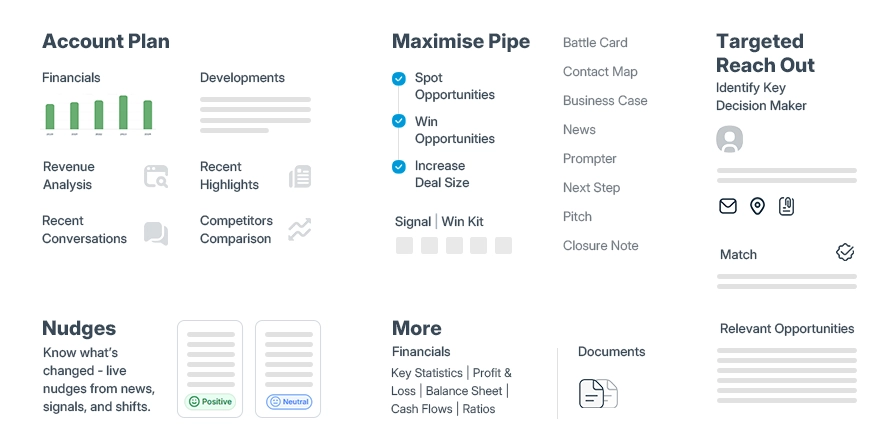
Opportunity-first nurture works differently. Instead of pushing generic content to titles, it starts by identifying where business needs align with your solutions. SalesPlay's Account Intelligence continuously monitors target accounts for signals—budget allocations, leadership changes, technology investments, strategic initiatives—that indicate opportunity presence.
When an opportunity is identified, nurture becomes specific: messaging ties directly to that opportunity, timing aligns with their project timeline, and content addresses their actual challenge. This is how opportunity-driven lead nurturing transforms pipeline generation.
The typical nurture mistake: create one sequence per persona and send it to everyone matching that profile. A CFO in financial services receives the same messages as a CFO in manufacturing, despite completely different regulatory environments, business models, and purchasing cycles.
This approach to generic email nurture produces two predictable outcomes:
Effective nurture personalizes beyond mail merge tokens. It references specific account developments—recent earnings calls, announced initiatives, leadership appointments—that create context for why your solution matters now. This requires continuous sales intelligence feeding into campaign logic, not static segments built once and left unchanged.
A classic scenario: Your nurture campaign reaches out to a prospect at Company X about improving sales productivity. Unknown to you, Company X just announced a hiring freeze and is cutting operational budgets. Your message, no matter how well-crafted, is perfectly timed to annoy.
Traditional nurture systems don't incorporate account-level signals. They operate in contact-record isolation, unaware that:
Signal-driven nurture monitors these changes and adjusts timing, messaging, and offers accordingly. When SalesPlay's Auto-Nurture Agent creates campaigns, it incorporates real-time account intelligence—ensuring every message reflects current account state, not outdated assumptions.
🎯 The Signal-Based Difference
SalesPlay continuously monitors 5-year revenue history, strategic initiatives, financial trends, and organizational changes across your target accounts—automatically surfacing opportunities when signals align with your offerings.
→ Discover how to identify pipeline opportunities in dormant accountsHere's the paradox of traditional nurture: personalization drives results, but manual personalization doesn't scale. So teams choose between:
Both options lose. The first wastes opportunity through irrelevance. The second leaves pipeline on the table through under-coverage.
The solution isn't hiring more people to write emails. It's using AI to generate genuinely personalized campaigns at scale. SalesPlay's Auto-Nurture Agent drafts every email based on opportunity context and individual recipient details—ensuring each message is different, relevant, and specific to that account-opportunity combination. This is sales automation that actually works.
Most nurture programs track vanity metrics: emails sent, open rates, clicks, downloads. These feel productive but mean nothing if they don't convert to qualified pipeline.
The critical questions nurture campaigns should answer:
When you measure outcomes, most generic nurture fails the test. High open rates on content that doesn't drive meetings means you're just staying visible, not creating demand. Learn how to nurture leads toward actual conversion instead of just engagement.
See opportunity-driven nurture in action
Try SalesPlay and watch how Auto-Nurture campaigns tie directly to pipeline outcomes—not just engagement metrics.
Explore → SalesPlayThe harm from poor nurture extends beyond wasted resources. Generic campaigns actively damage pipeline generation in ways that persist long after individual campaigns end.
Every generic email you send to a prospect is a withdrawal from your credibility account. Send too many irrelevant messages and you exhaust their patience before a real opportunity emerges.
When that prospect's company later announces a strategic initiative perfectly aligned with your solution, your email is ignored. Not because they don't need what you sell—because your previous nurture trained them to ignore you.
Generic nurture inflates pipeline with contacts who clicked something but have no budget, authority, need, or timeline. Sales teams waste cycles qualifying leads that marketing scored as "engaged" when engagement meant downloading a generic whitepaper.
This false pipeline creates two problems:
The most insidious damage: habituating prospects to dismiss your outreach entirely. When every message from your domain follows the same pattern—generic greeting, vague value proposition, scheduling link—recipients learn to delete without reading.
Breaking this pattern requires fundamentally different outreach. Not better subject lines or A/B tested CTAs—actual relevance tied to their specific business situation. That's impossible with static nurture sequences. It requires dynamic campaigns that adapt based on account signals and opportunity context.
Effective nurture operates from a different foundation entirely. Instead of pushing generic content to segmented contacts, it identifies opportunities first and crafts specific nurture around each opportunity.
Before sending a single email, answer: What opportunity exists inside this account right now?
This requires continuous monitoring of target accounts for signals that indicate opportunity presence:
SalesPlay's Spot Opportunities Agent continuously scans these signals across connected target accounts and surfaces opportunities ranked by relevance. Each opportunity includes:
This transforms nurture from broadcast to precision targeting. You're not nurturing "leads"—you're nurturing specific opportunities inside known accounts.
Once opportunity is identified, nurture messaging must reflect that specific opportunity context. This goes far beyond inserting company name or title into templates.
Effective personalization references:
When SalesPlay's Auto-Nurture Agent generates campaign emails, it incorporates opportunity intelligence and account context into every message. The CFO receives messaging about financial impact and ROI. The VP of Engineering sees technical implementation details. The COO gets operational efficiency angles. Same opportunity, personalized by role and function.
💡 Pro Tip: True personalization requires continuous account intelligence
SalesPlay monitors your target accounts 24/7, ensuring every nurture campaign reflects real-time account context—not outdated assumptions.
Learn more about → Account IntelligenceGeneric nurture operates on time-based logic: send Email 1 on Day 0, Email 2 on Day 3, Email 3 on Day 7. This ignores the reality that buying triggers happen on account timelines, not nurture sequence schedules.
Signal-based timing works differently. Nurture accelerates or pauses based on account activity:
This prevents the common mistake of nurturing contacts who just left the company or reaching out about expansion when the account is contracting.
The best nurture doesn't remove sellers from the process—it amplifies their ability to engage relevantly at scale. Effective systems let sellers:
SalesPlay's Auto-Nurture Agent operates this way by design. It generates campaigns automatically but runs them only after seller approval. This combines AI efficiency with human judgment—creating nurture that scales without losing personalization or account sensitivity.
Experience intelligent nurture that adapts to account signals
Explore SalesPlay's AI-powered revenue intelligence platform and see how opportunity-driven campaigns transform pipeline generation.
→ Explore SalesPlay PlatformFixing nurture requires operational changes, not just tactical adjustments. Here's the framework enterprise sales teams use to transition from generic broadcast to opportunity-driven precision.
Your nurture system must access real-time account intelligence—not just contact data. This means integrating:
Without this integration, nurture remains blind to account context. You're sending emails without knowing whether the recipient's company just secured funding or just announced layoffs.
SalesPlay continuously monitors connected Salesforce accounts and consolidates multi-source intelligence into unified account views. This feeds directly into Auto-Nurture campaign logic—ensuring every message reflects current account state, not stale assumptions. This is what separates effective lead nurture from generic email blasts.
Restructure nurture workflows to start with opportunity identification:
This inverts traditional nurture logic. Instead of "nurture this contact until they show intent," it's "this opportunity exists—nurture the right people toward it."
Manual email writing doesn't scale. Template-based personalization isn't actually personal. The solution is AI-generated campaigns with seller oversight.
Modern revenue intelligence platforms use AI to:
But AI runs only after human approval. Sellers review campaign drafts, adjust messaging that doesn't feel right, and approve before launch. This prevents the common AI failure modes—overly formal tone, factual errors, missing relationship context—while maintaining personalization at scale.
Shift measurement from activity metrics to revenue outcomes:
Stop tracking:
Start tracking:
When you measure this way, most generic nurture shows minimal impact. Opportunity-driven nurture, by contrast, demonstrates clear pipeline contribution because it creates opportunities rather than just engaging contacts.
SalesPlay's pipeline generation capabilities track exactly this—which opportunities emerged from account monitoring, how nurture campaigns moved them forward, and which converted to closed-won revenue.
Nurture shouldn't operate in isolation from sales workflow. The best systems create continuous feedback:
This prevents the classic problem where marketing generates "leads" that sales ignores because they know those contacts aren't real opportunities. When nurture and sales operate from shared account intelligence and opportunity validation, quality improves dramatically.
Ready to implement opportunity-driven nurture?
See how SalesPlay automates signal-based campaigns while keeping your sales team in control.
→ Get Started FreeUnderstanding how to avoid lead email nurture mistakes is valuable. Seeing it operationalized shows why this approach works when traditional nurture fails.
SalesPlay connects to your Salesforce and continuously monitors target accounts for opportunity signals. The Account Intelligence Agent tracks:
When signals align with your offerings—budget allocation for digital transformation, new VP hired to lead specific initiative, competitor contract expiring—Spot Opportunities Agent surfaces this as a ranked opportunity with supporting context.
This happens automatically. No manual research. No spreadsheet tracking. The system watches accounts and tells you where opportunities exist.
Once an opportunity is identified, the Auto-Nurture Agent creates personalized campaigns:
The key difference: every email is different. Even recipients at the same account receive unique messaging tailored to their role and how the opportunity impacts them. This eliminates the generic feel of template-based nurture.
When nurture campaigns drive engagement, the Win Opportunities Agent ensures sellers are prepared to capitalize:
This closes the loop between automated nurture and human sales execution. Nurture creates engagement; sellers convert that engagement to meetings and deals.
SalesPlay tracks which opportunities entered pipeline through signal-based nurture, how they progressed, and which converted to revenue. This provides clear ROI visibility—not just on marketing automation investment, but on the entire opportunity-driven approach versus traditional lead-based models.
Revenue leaders can answer: "How much pipeline came from accounts we were monitoring versus inbound requests?" This quantifies the value of proactive, signal-based selling over reactive, lead-dependent approaches.
Ready to transform how your team generates pipeline?
Start your SalesPlay trial and see opportunity-driven nurture in action—or schedule a demo to explore how MarketsandMarkets' revenue intelligence platform replaces generic nurture with precision targeting.
Transitioning from generic broadcast nurture to opportunity-driven campaigns changes how sales teams work—usually for the better.
Instead of sifting through leads that engaged with content but have no budget, sellers focus on opportunities validated by business signals. This increases productive selling time and reduces frustration from chasing contacts who were never buyers.
When both teams operate from shared account intelligence and opportunity validation, the classic marketing-sales tension dissolves. Marketing isn't generating "leads" that sales doesn't want. Both teams are collaborating to surface and progress opportunities that actually exist.
While competitors send generic sequences, your nurture demonstrates understanding of specific account situations. This differentiation matters. Prospects notice when messaging reflects their actual priorities versus generic pain points every vendor mentions.
Over time, this becomes reputation: "These sellers understand our business" versus "Another vendor spamming us."
Yes, but it requires adding account intelligence capabilities your current stack likely lacks. Most marketing automation platforms excel at contact management and email delivery but don't provide the account-level intelligence and opportunity identification needed for effective B2B nurture.
The solution isn't rip-and-replace. It's augmenting your existing stack with revenue intelligence that feeds opportunity context into your nurture workflows. SalesPlay integrates with Salesforce and existing tools—it doesn't require replacing them.
Account monitoring and opportunity identification start immediately when you connect target accounts. The first nurture campaigns can launch within days. Measurable pipeline impact typically appears within 30-60 days as opportunities progress from nurture to qualified meetings.
The bigger shift happens over 3-6 months as your team builds confidence in the approach and expands coverage to more accounts and opportunities.
Not with AI-generated messaging. The paradox of traditional nurture: manual personalization takes too much time, so teams choose generic at scale. AI inverts this—personalization at scale becomes faster than building generic campaigns because you're not manually segmenting contacts or writing multiple template variations.
Sellers invest time reviewing and approving campaigns, but this is far less than manually researching accounts and writing emails from scratch.
Shift from engagement metrics to pipeline outcomes. Track:
These metrics connect nurture directly to revenue impact, not just marketing activity.
Still have questions about implementing signal-based nurture?
Talk to a SalesPlay expert and get personalized guidance on transforming your nurture strategy.
→ Book a Strategy CallGeneric lead nurture fails because it treats enterprise B2B sales like consumer marketing—broadcast relevant content to segmented audiences and hope for response. This approach worked when buyers followed linear journeys and sales teams managed smaller volumes. It breaks completely in modern enterprise sales.
The future of nurture is opportunity-driven: identify where specific needs exist inside target accounts, craft messaging that addresses those specific opportunities, and time outreach to account signals rather than arbitrary schedules. This requires account intelligence capabilities that traditional marketing automation doesn't provide.
Platforms like SalesPlay from MarketsandMarkets operationalize this approach—continuously monitoring accounts, surfacing opportunities, generating personalized nurture campaigns, and measuring pipeline outcomes. This transforms nurture from a marketing activity that sales tolerates into a pipeline generation engine that both teams depend on.
The question isn't whether to move beyond generic nurture. The question is how quickly you want to start creating pipeline from opportunities that already exist inside your target accounts.
Experience the difference opportunity-driven nurture makes
Start your free SalesPlay trial today—no credit card required. See how signal-based campaigns replace spray-and-pray nurture with precision targeting that actually builds pipeline.
Eliminate lead nurture mistakes and build predictable pipeline through intelligent, opportunity-driven outreach


Category: Uncategorized Tags: ai, AIOps, Artificial Intelligence, cloud, cloud platform, Cybersecurity, Information and Communications Technology , VR