Account Intelligence Software changes how B2B teams win deals in crowded markets. We tested more than 2,000 tools for different marketing use cases. Our team wrote over 1,000 complete software reviews, which gave us unique insight into this fast-growing field. The global account intelligence platform market will grow from $2.1 billion in 2024 to $4.8 billion by 2029, with a compound annual growth rate of 18.2%.


Make Account Intelligence a Boardroom Advantage
Equip leadership with the right insights—powered by SalesPlay.
Experience the Platform
The data tells a compelling story. Companies that use advanced account intelligence platforms see a 38% improvement in lead qualification accuracy. They also cut their sales cycle length by 29% and increase their average deal size by 42%. Sales teams with specialized tools spend 60% less time on account research and achieve 45% better qualification accuracy. A company's ability to understand its account's history, challenges, and decision-makers helps them be proactive and win more deals.
Choosing the right account intelligence solution for your needs can feel daunting. Many options exist today, from complete account-based intelligence platforms to specialized AI prospecting tools. This piece will show you how to assess, select, and implement account intelligence software that delivers the best results for your B2B team.
The Problem with Traditional Lead Intelligence
B2B companies today find their traditional lead generation methods falling short. Many still depend on generic databases and static lists that leave sales teams frustrated with poor returns. Let's get into why these approaches don't work anymore and how account intelligence software can help.

Why generic data no longer works
Bad data has become a problem rather than an asset for B2B sales and marketing teams. Research shows businesses lose nearly $13 million each year due to poor data lists. On top of that, over 40% of B2B contact lists or leads prove completely invalid. This means almost half of all outreach efforts fail before they start.
The main problems with traditional lead intelligence include:
-
Rapid data decay - Contact information goes out of date as professionals switch roles, companies, or contact details
-
Inaccurate targeting - Using demographic data without firmographic insights creates generic outreach
-
Wasted resources - Research shows up to 40% of all leads contain bad or low-quality data
-
Declining efficiency - Sales teams spend valuable time chasing leads that won't convert
Traditional lead scoring methods show these shortcomings clearly. They rely on static data like industry, job title, or company size instead of actual buying intent signals. Sales teams often find these "sales-ready" leads unqualified, which creates internal friction and missed opportunities.
On top of that, companies tend to collect simple demographic information (gender, age, job title) instead of deeper firmographic data about target businesses. Without knowing company size, industry focus, technology stack, and business challenges, outreach lacks relevance.
Challenges in B2B targeting and personalization
B2B marketing needs customization - 73% of business buyers expect it. In spite of that, poorly executed personalization frustrates 76% of customers. This gap creates a big challenge for companies that still use traditional lead intelligence methods.
The B2B buying process has grown more complex. A typical buying group now includes 6 to 10 stakeholders. Each person checks four to five information sources that need to be resolved together. About 78% of B2B customers say their purchase experience is very complex or almost impossible to handle.
Account intelligence software solves these challenges by moving focus from individual lead data to complete account-based insights. This approach combines your own customer interactions with third-party information to create an integrated view of target accounts.
Traditional lead data creates roadblocks for personalization because it stays in silos. Messages feel disconnected or irrelevant without a unified view of customer interactions across channels. You can't personalize outreach to multiple stakeholders within one organization if your data sources remain fragmented.
Companies using traditional lead intelligence see their customer relationships suffer. Poor personalization and generic content based on wrong customer data lead to more unsubscribes, frustrated customers, and lower sales numbers.
B2B buying committees keep growing larger and decision processes become more complex. Simple lead information no longer provides enough insight to work well. Account intelligence tools offer a solution by helping you understand entire organizations, their challenges, and their buying signals completely.
What Makes Account Intelligence Different
Account intelligence represents a transformation in how B2B teams handle prospect data. Account intelligence software looks at organizations as a whole instead of gathering information about individual contacts. This approach makes sense because B2B purchasing decisions rarely depend on just one person. They need buy-in from multiple stakeholders across different departments.
Focus on high-value accounts
Account intelligence makes Account-Based Marketing (ABM) better by finding companies that would benefit most from your product. Your business gains a competitive edge when you focus resources on accounts that have a much higher chance of converting.
The numbers tell a clear story. ABM delivers higher ROI than other marketing efforts for 79% of marketers. These impressive returns come from knowing how to run personalized campaigns that connect with the right accounts. Account intelligence helps teams find and focus on accounts that match their ideal customer profile perfectly.
High-value accounts usually mean big revenue opportunities. Your resources work harder when you focus them on these promising accounts. Account intelligence software spots these opportunities through deep firmographic analysis, technographic data, and behavior patterns that show real interest.
B2B teams can understand each target account's challenges, needs, and priorities in detail thanks to account intelligence's precision. Sales and marketing teams can create messages that truly appeal to decision-makers with this level of insight.

Spot Pipeline BeforeYour Competitors Even Know It Exists
Combining first-party and third-party data
Account intelligence shines because it mixes different data sources effectively. First-party data from your company's direct interactions gives valuable insights but shows only one side of the picture. Third-party data from outside sources adds essential context and broader industry views.
These data sources work together to create:
-
A detailed 360-degree view of customer accounts
-
More accurate predictions about future sales opportunities
-
Better identification of high-intent accounts ready to purchase
-
Lower costs to improve brand opinions—23 cents per person versus 74 cents when using first-party data alone
Research reveals an interesting fact. First-party data connects you with 24% potential new customers, while third-party audiences include 81% potential new customers. These numbers show why using only internal data limits your reach severely.
Good account intelligence platforms organize your first-party data from CRMs, emails, marketing systems, and chats. They combine it with ethically sourced third-party information to take the guesswork out of engagement. This combination gives practical insights that help go-to-market teams spot the best opportunities quickly.
Real-time insights for better timing
Success in B2B sales depends heavily on timing. Real-time insights from account intelligence software help teams move from reactive to proactive strategies. These immediate, practical signals let you monitor vital signs across customer accounts all the time.
Teams can spot potential problems before they become serious issues with real-time account intelligence. They can see when prospects research solutions actively and reach out during actual buying windows instead of weeks later when interest has cooled.
Account intelligence often helps identify anonymous website visitors. Advanced platforms use AI and machine learning to reveal visitor identities, match behavior data, check engagement levels, run predictive analytics, and figure out the best next steps.
Sales teams can focus on accounts showing purchase signals with this capability. A prospect spending time on pricing pages or opening every email shows serious interest. Your team can step in at just the right moment with relevant interactions that boost conversion rates significantly.
Real-time account intelligence lets teams spend less time on research and more time building strategic relationships. They can focus their efforts where they'll make the biggest difference.
Step 1: Understand Your Ideal Customer Profile (ICP)
Your first step to pick the right account intelligence software is understanding your target customers. The Ideal Customer Profile (ICP) serves as the life-blood of all targeting and outreach strategies. Building a complete ICP needs you to dissect multiple aspects of your target accounts. This helps you find the customers who will bring the most value.
Use firmographic and technographic filters
Firmographic data is the life-blood of your ICP. It provides objective company-level attributes that help you spot your best-fit accounts. These attributes include industry classification, company size, annual revenue, location, growth indicators, company age, and ownership type. You can find patterns among your most successful customers by analyzing these traits and use this information to discover similar prospects.
Start by looking at your current customer base to find the firmographic traits of your most valuable clients. Look past simple attributes to spot combinations that show true fit—like B2B SaaS companies in specific regions with 100-500 employees. You can then use these findings to divide your total addressable market into groups with common traits. This makes your message more relevant and persuasive.
Technographic data adds vital depth to your ICP by showing what technologies and tools your target companies use. This information lets you:
-
Identify compatibility with your product
-
Spot integration or displacement opportunities
-
Assess technical maturity and adoption patterns
-
Understand their current challenges
Account intelligence platforms can track over 42,000 technologies in software and hardware categories of all types. This deep insight shows if prospects use systems you integrate with or competitor products you might replace. Technographic data also reveals prospects' technical expertise, technology budget, and whether they need more education about their problems.
STOP CHASING PROSPECTS
START CLOSING DEALS!!
Map buying committees and decision-makers
B2B purchasing has grown more complex, with buying committees now including more stakeholders. Studies show that 25% of software purchase decisions involve more than seven people. This creates challenges for sales teams who must direct this complex web of influencers.
Buying committees include representatives from different departments who make purchase decisions together for major investments. Each committee member brings unique viewpoints, expertise, and pain points to the process. The core team must identify and map all these stakeholders early for account intelligence to work.
Your buying committee map should include these key roles:
-
Initiators - Identify needs and trigger the procurement process
-
Influencers - Offer technical advice and expertise
-
Deciders - Hold final approval authority
-
Purchasers - Handle transaction procedures and contracts
-
Users - Will directly interact with your product
-
Gatekeepers - Control access to other committee members
Advanced account intelligence platforms help find these stakeholders through several methods. They combine account and contact intent data to link stakeholder activities to their buying committees. AI-powered insights can also uncover hidden influencers who might not show up on organization charts but have significant impact on decisions.
The best mapping goes beyond just titles—it reveals true decision-making power. People often gain influence through budget control and direct connection to KPIs rather than just seniority. You can reach the right people at the right time by using account intelligence software to analyze these relationships. This ensures your message reaches those who actually drive purchasing decisions.
Step 2: Align Software with Your Sales Process
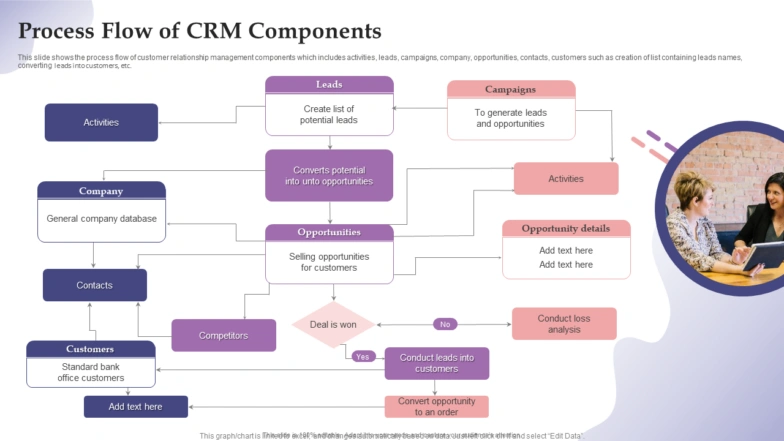
Image Source: SlideTeam
The right account intelligence software must work well with your existing sales workflow. The best sales intelligence tools help your team members, content, and strategy work together. This lets you boost performance instead of just doing more work. You need to explore three vital areas to find the right fit.
Make Every Rep Speak
Like Your Top 1%
Inbound vs outbound workflows
Your sales approach shapes what you need from an account intelligence platform. Inbound and outbound strategies each need different software capabilities.
Inbound workflows attract potential customers naturally through valuable content and information. These prospects look for solutions and get involved on their terms. Account intelligence platforms that support inbound strategies help qualify leads by filtering out noise. This lets sales representatives focus on buyers who really matter.
On the flip side, outbound workflows actively find and reach out to accounts that match your ideal customer profile. These approaches need account intelligence software that gives complete prospect data. You'll see what buyers care about, which content catches their eye, and how to move them through the sales cycle.
Many B2B teams succeed with both strategies at once. This combined approach creates multiple touchpoints and builds a stronger pipeline. The secret lies in picking account intelligence software that's flexible enough to handle both workflows and fits naturally with your current systems.
Account planning tool compatibility
Account planning tools (APTs) help B2B sales teams boost revenue growth and keep customers longer throughout their journey. Your account intelligence software should work well with these planning tools.
Good account planning platforms blend information to give steady, better analysis of complex accounts. This makes sellers more precise and effective. Look for account intelligence solutions that work with your planning tools to:
-
Make key account management processes systematic
-
Show and analyze contact relationships in active opportunities
-
Find influential decision-makers and revenue opportunities
-
Make account planning digital to work faster
Your account intelligence and planning tools need to share up-to-the-minute data. This gives teams information about strategic accounts no matter which department they're in. Teams can make quick decisions using detailed visual analysis like graphs and charts. Managers can then set priorities and goals for each team member.

Choose Intelligence.
Drive Revenue
See how market leaders evaluate Account Intelligence with SalesPlay.
Experience the Platform
Sales enablement and outreach integration
The last thing to think about is how your account intelligence software fits with sales enablement and outreach tools. Sales teams need better solutions than manual processes and scattered workflows as sales get more complex.
Top sales intelligence platforms connect with CRMs and other crucial business tools. These include sales enablement software, content management systems, communication solutions, and email tools. This creates one clear view of account information and activities. Teams can access intelligence insights right in their usual workflows.
Pick platforms that offer AI coaching tools, central sales asset management, and features that automate routine tasks like logging calls and entering data. Get the most value by including your core team in choosing the platform. Regular training sessions and solid CRM integration also help.
When sales intelligence tools work together properly, everyone uses the same data. This creates true go-to-market unity. Sales representatives, account executives, marketers, and enablement staff can see what works and improve their efforts together.
Step 3: Prioritize Features That Drive ROI
Choosing the right account intelligence software requires features that show clear returns on your investment. Many platforms share basic features, but advanced capabilities are a big deal as it means that they turn data into revenue-driving insights.
Predictive analytics and scoring
Predictive analytics has changed how B2B teams qualify and prioritize accounts. The system analyzes past performance data, current account behavior, and market trends to predict which accounts will likely convert. Advanced scoring algorithms review multiple signals at once and provide detailed insights about deal speed, competitive threats, and the best time to reach out.
Companies that use predictive account scoring see a 28% boost in sales efficiency and a 23% jump in average deal size. These impressive numbers come from the system's power to do more than basic lead scoring. It gives detailed insights about:
Complex B2B environments benefit most from predictive analytics where regular qualification methods don't work well. Statistical computation on large datasets helps spot patterns humans might miss, so teams can focus on real opportunities instead of misleading signals.
AI tools look at dozens of signals - from engagement patterns to company fit to recent buying behavior - and show which accounts are ready to buy. These predictions get better with every closed deal as the system learns and adapts.
Behavioral tracking and engagement signals
Behavioral data has transformed how B2B companies find and connect with promising accounts. Unlike basic company data, behavior signals show real buying intent through actions that suggest interest and readiness to buy. Companies that use behavioral analytics in their targeting see conversion rates improve by up to 79%.
Account intelligence platforms track these key behavioral signals:
-
Website activity (page visits, time spent, feature comparisons)
-
Content engagement (case study views, technical document downloads)
-
Email interactions (open rates, click patterns, response times)
-
Event participation (demo attendance, webinar engagement)
Not all behavioral signals matter equally. Smart platforms give different weights to specific actions based on how they relate to actual purchases. A newer study, published in shows that pricing page visits or multiple demo requests signal stronger purchase intent than first-time blog views.
These platforms gather and analyze behavioral data to create detailed prospect profiles during the buying trip. This constant monitoring helps pinpoint exactly when accounts move from research to active buying phases, letting sales teams reach out at the perfect moment.
Your SDRs work 9–5
AI Sales works 24/7!!
Multi-channel targeting capabilities
Multi-channel B2B targeting grows your sales funnel by creating more chances to capture quality leads at different buying stages. The results are clear - B2B marketers using multi-channel strategies see 24% higher ROI than single-channel approaches.
Companies using multi-channel marketing close deals twice as fast. Their customer lifetime value jumps by 30% because customers stay loyal when they have multiple ways to interact.
The success of account intelligence software depends on tracking engagement across channels at once. The best platforms show a unified view of interactions from email, website, social media, events, and other touchpoints - painting a complete picture of account interest.
Great multi-channel features combine your marketing channels into one smooth experience. To name just one example, you might use retargeting ads to remind prospects about products they viewed on your website, or send personalized emails after they attend a webinar.
Smart platform selection focuses on systems that collect data from multiple channels and provide insights about which channels work best for specific account segments. This knowledge helps optimize resources and create better targeting strategies across your market approach.
Step 4: Shortlist and Compare Vendors
You need to assess potential vendors after identifying your requirements. The account intelligence software market offers many options from detailed platforms to specialized tools. Marketers have embraced account intelligence programs heavily, with 70% using them and dedicating 29% of their marketing budgets to these initiatives. Your choice of vendor matters significantly.
Assess data quality and coverage
Quality data creates the foundations of working account intelligence. You should get into vendor's data sources and verification methods when comparing them. The best providers combine information from multiple sources—to cite an instance, Demandbase pulls data from over 40,000 sources and uses machine learning and AI for validation.
These data components matter most:
-
Company information: Look for platforms with detailed firmographics including industry, revenue, employee count, and account hierarchies
-
Contact accuracy: Providers like BookYourData guarantee 97% accuracy across 250 million contacts
-
Intent data: Premium platforms track hundreds of thousands of keywords—Demandbase monitors 810,000+ intent keywords
-
Technographic coverage: Leading vendors identify technologies companies use, including software hidden behind firewalls
Check integration with your tech stack
Uninterrupted integration with your existing tools cannot be compromised. You should clarify which systems need connections before selection, including CRM, marketing automation, and sales engagement platforms.
The best account intelligence tools come with API-first architecture and native integrations that minimize complexity. API-first approaches need 30% fewer technical resources than middleware solutions. The platform should offer centralized sales asset management and automation features that handle routine tasks like data entry.
Review customer feedback and case studies
Ground results show a platform's effectiveness best. Companies using account intelligence report impressive outcomes: 208% revenue growth, 25% higher conversion rates, and deal sizes growing by 11-50% after implementation.
Look at case studies from your industry peers—DemandFarm helped one organization achieve 30% growth in upsell revenue and 20% growth in cross-sell revenue. Contentful added $5 million in opportunities after adopting account intelligence.
Vendor support during implementation deserves attention. The most successful deployments include pre-migration data mapping, phased implementation with pilot programs, and cross-functional training. Ready to see these benefits yourself? Request a Demo today!
Choosing the right account intelligence software comes down to balancing data quality, technical integration capabilities, and proven performance. Data compatibility challenges 40% of implementers, so thorough vendor assessment now prevents major issues later.
Step 5: Plan for Implementation and Adoption
Account intelligence tools need strategic planning to succeed. Companies that get the best returns on their intelligence investments follow tested methods. This helps them adopt the tools smoothly and see value quickly.
Set up training and onboarding
Detailed training turns an account intelligence platform from a pricey investment into a tool that generates revenue. Companies that put enough resources into change management see 40% higher adoption rates. They also achieve 25% faster time-to-productivity compared to those offering minimal support.
Your HR and sales teams should learn how their responsibilities change with the new system. They need to know how to:
-
Access customer data and message history
-
Use AI-driven insights to make decisions
-
Combine intelligence smoothly with existing workflows
Small-scale pilot tests with selected team members should come before full deployment. This A/B testing approach spots potential risks and collects valuable feedback about what works. You can then fine-tune the implementation before launching it across the company. Ready to see this in action? Request a Demo today!
Define success metrics and timelines
Clear KPIs set before implementation will give standards to measure success. Key performance indicators should track:
-
User adoption rates and system usage metrics
-
Account research efficiency improvements
-
Lead qualification accuracy and conversion rates
-
Sales cycle length and deal velocity
-
Pipeline predictability and forecast accuracy
These metrics create what one expert calls "a silent, unending conversation between your enterprise and your customer". Teams should set realistic timelines to achieve adoption milestones. The full value of account intelligence grows steadily as teams make it part of their daily work.
Monitor usage and optimize continuously
Regular performance checks help maximize ROI from your account intelligence investment. Performance reviews help spot areas for process improvements, training needs, and platform adjustments.
Data should be checked after each campaign instead of waiting for scheduled reviews. This prevents small issues from growing larger. New strategies can be tested - like different call scripts or customization based on various data points - to find what truly appeals to prospects.
Each customer interaction improves with informed decisions. This creates an ongoing optimization cycle that brings out the best in your account intelligence platform.
Future-Proofing Your Account Intelligence Strategy
B2B teams must adapt their account intelligence strategies to stay ahead of competitors. Technology and regulations change faster each day. Your approach needs future-proofing to succeed in the long run.
Trends in AI and machine learning
AI technology has transformed account intelligence beyond basic pattern recognition. Modern systems now understand complex business relationships through natural language processing. These systems extract subtle insights from unstructured data sources. ML models make better predictions than ever - some platforms can forecast account conversion with 85% accuracy.
AI-powered account intelligence tools help sales teams in these ways:
-
They automate admin tasks like CRM updates and activity tracking
-
They send immediate alerts about critical events like funding rounds and leadership changes
-
They track customer engagement on multiple channels at once
Privacy and compliance considerations
Privacy regulations change faster as account intelligence systems process more personal data. The EU's proposed AI Act will group AI systems by risk levels. High-risk applications will face strict requirements. Organizations must complete full data protection impact assessments (DPIAs) when AI systems handle personal information.
Privacy issues include exposing sensitive information, managing data deletion requests, and finding sensitive details in regular data. Zero-knowledge proof technologies offer new ways to verify data without revealing sensitive details. Leading platforms have innovative solutions to these privacy challenges. Request a Demo to learn more!
Scalability for growing teams
Large organizations need account intelligence platforms that support big sales teams and huge account databases. Each organization has different performance needs. Heavy users want platforms that deliver quick insights while handling many users at once.
Cloud-native systems built for enterprise scale support thousands of users. These systems maintain fast response times for complex queries. This scalability means your account intelligence system grows with your team and keeps performing well as you expand.
Conclusion
B2B teams have completely changed their sales strategies thanks to account intelligence software. This guide shows why old-school lead intelligence methods don't work anymore. It explains how account intelligence gives a complete picture of organizations instead of just individual contacts. You'll find a clear five-step roadmap that helps you pick the right platform for your business needs.
Your journey starts with knowing your ideal customer profile. This knowledge helps you pick software that naturally fits your current sales process and tech stack. Your investment should focus on features that bring measurable ROI instead of becoming another unused tool sitting in your arsenal.
Companies using smart account intelligence strategies see amazing results. Their sales cycles are shorter, lead qualification improves, and deal sizes grow by a lot. These wins come from focusing resources on valuable accounts. Teams can combine their own data with third-party information and use live insights to reach out at the perfect moment.
Success tomorrow depends on staying ahead in AI and machine learning while following privacy rules. Your business needs expandable solutions that can grow with your team. A full implementation plan, proper training, and ongoing improvements make the difference between small gains and game-changing results.
The world of account intelligence changes faster every day. Teams pick the right platform based on what they need, put it to work strategically, and keep making it better to stay ahead of competitors. Your sales and marketing teams can now move past generic messages. They can create customized outreach that appeals to decision-makers and stimulates lasting growth.
Key Takeaways
Here are the essential insights for B2B teams looking to implement account intelligence software effectively:
• Define your ICP first: Use firmographic and technographic filters to identify high-value accounts before selecting software, as this foundation determines platform requirements and targeting success.
• Prioritize integration capabilities: Choose platforms that seamlessly connect with your existing CRM, sales enablement tools, and tech stack to avoid workflow disruption and maximize adoption.
• Focus on ROI-driving features: Invest in predictive analytics, behavioral tracking, and multi-channel targeting capabilities that deliver measurable improvements in conversion rates and deal velocity.
• Plan comprehensive implementation: Successful adoption requires structured training, clear success metrics, and continuous optimization rather than simply purchasing and deploying software.
• Combine data sources strategically: The most effective account intelligence platforms blend first-party customer data with third-party insights to create comprehensive 360-degree account views.
Companies implementing account intelligence report 38% better lead qualification accuracy, 29% shorter sales cycles, and 42% larger average deal sizes. The key to achieving these results lies in selecting software that aligns with your specific sales process, integrates smoothly with existing tools, and provides actionable insights that transform how your team engages with high-value accounts.
Frequently Asked Questions (FAQs)
Q1. What is account intelligence software and how does it differ from traditional lead intelligence?
Account intelligence software provides a comprehensive view of entire organizations rather than just individual contacts. Unlike traditional lead intelligence, it combines first-party and third-party data to offer real-time insights on high-value accounts, enabling more targeted and personalized B2B sales strategies.
Q2. How can account intelligence software improve sales performance?
Account intelligence software can significantly enhance sales performance by improving lead qualification accuracy, shortening sales cycles, and increasing average deal sizes. It helps sales teams focus on high-potential accounts, engage decision-makers at the right time, and tailor their approach based on deep insights into the target organization.
Q3. What key features should I look for when choosing account intelligence software?
When selecting account intelligence software, prioritize features like predictive analytics, behavioral tracking, and multi-channel targeting capabilities. Also, ensure the software integrates well with your existing tech stack, offers high-quality data coverage, and provides scalability for growing teams.
Q4. How do I implement account intelligence software effectively in my organization?
Effective implementation involves defining clear success metrics, providing comprehensive training for your team, and planning for continuous optimization. Start with a pilot program, gather feedback, and refine the implementation before full deployment. Regular monitoring and adjustment of strategies based on data insights are crucial for maximizing ROI.
Q5. What future trends should I consider when adopting account intelligence software?
When adopting account intelligence software, consider emerging trends in AI and machine learning that enhance predictive capabilities. Also, pay attention to evolving privacy regulations and ensure your chosen platform complies with data protection requirements. Look for scalable solutions that can grow with your business and adapt to changing market dynamics.