Lead Enrichment Strategies: Turn Cold Prospects into Qualified Leads
August 28, 2025
Your lead enrichment tool isn't delivering the qualified prospects you expected? You're not alone. A weak pipeline in B2B lead generation leads to missed revenue targets, wastes rep activity, and makes growth unpredictable. Many companies still struggle to turn data into real sales opportunities, even with sophisticated tools at their disposal.


You can't even communicate with potential customers without proper lead enrichment because you lack basic contact details. More data collection isn't the answer. Bad data creates operational problems and missed opportunities that ended up reducing revenue. Your enrichment strategies need to recognize the difference between cold leads with minimal interest, warm leads who've connected with your brand, and hot leads ready to purchase.
Companies that know how to generate leads systematically can predict their pipeline's health and future revenue confidently. This piece explores why your current lead enrichment tool might not perform well and shows you reliable approaches that reshape the scene of your sales pipeline.
Many businesses think a lead enrichment tool will work magic on their sales pipeline overnight. Here's the hard truth: The tool isn't causing problems—your usage is.
Ready to turn your Rep
INTO BEST PERFORMER ?
Most people think lead enrichment just gathers simple contact details. Contact data builds the foundation, but B2B lead enrichment runs deeper. You need to understand buying intent, company technographics, and decision-making structures in target organizations.
Sales teams often think lead enrichment is a one-time task. The reality shows successful companies treat it as an ongoing process. People switch jobs, companies reorganize, and buying priorities change. Data from three months ago could be useless today.
Sales teams make another mistake by giving all leads identical enrichment treatment. This cookie-cutter strategy ignores key differences between cold, warm, and hot leads. Each type needs its own enrichment approach:
Cold leads need broader firmographic data to determine fit
Warm leads benefit from behavioral and engagement data enrichment
Hot leads require detailed decision-maker information and buying signals
The most harmful myth sees lead enrichment as separate from your sales strategy. A lead enrichment tool becomes an expensive data collector instead of driving revenue when it doesn't connect with your ideal customer profile and sales process.

Companies often want to collect every detail about prospects. All the same, extra data creates extra problems. Quality beats quantity in lead enrichment—every time.
Having irrelevant data creates several problems:
Analysis paralysis - Sales teams get overwhelmed trying to figure out which data points help close deals
Diluted focus - Important buying signals get lost in less relevant information
Wasted resources - Teams analyze data that doesn't help conversion rates
Delayed follow-up - Chasing "complete" profiles slows down outreach and misses vital engagement windows
The right data at the right moment makes all the difference. A prospect downloading your competitor comparison guide (behavioral signal) matters more than their company's employee count (simple firmographic data).
Companies chase volume while ignoring data accuracy. Clean, verified contact details build successful lead enrichment. Your sophisticated enrichment strategy fails without them. Using an AI sales tool for personalized outreach becomes pointless when emails bounce or phone numbers reach wrong people.
The answer isn't giving up on your lead enrichment tool but improving how you use it. Find the data points that consistently help successful conversions for your business. This focused strategy lets you enrich leads precisely rather than excessively.
Your process should include regular data cleaning. Old data doesn't just take up space—it hurts your sales efforts. It sends teams down dead ends and damages your sender reputation when messages bounce.
Good lead enrichment isn't about having the biggest database. It's about keeping relevant, accurate information that helps your sales team connect with prospects meaningfully and move them through your pipeline quickly.

Your lead enrichment tool investment isn't delivering results. The pipeline refuses to grow and sales remain flat. You need to know when your enrichment strategy fails to avoid wasting months of effort and resources. These signs indicate your approach needs a complete overhaul.
Detailed contact profiles don't guarantee successful outreach. This disconnect points to deeper problems with your enrichment strategy. Your social media posts might not drive interactions even with consistent activity. Experts call this "inefficient social media engagement".
Research shows B2B posts without external links achieved 8.89% engagement. Posts loaded with links dropped to just 5.01%. This proves that your engagement method matters as much as your collected data.
Low engagement usually comes from these core issues:
Content that misses your buyer persona's pain points
A gap between your audience's needs and your offerings
Bad timing and frequency in your outreach efforts
More critical is what happens when enriched leads don't respond. This suggests you're either gathering wrong data types or missing behavioral signals that show real interest.
A broken lead enrichment strategy often shows up as increased email bounces. This means your contact data quality has dropped. Deliverability experts say healthy email campaigns should keep bounce rates under 3%.
Bad email deliverability hurts more than just your immediate outreach—it damages your entire digital presence. About 60.3% of businesses say spam filters are their biggest obstacle to reaching inboxes. Failed email delivery means lost opportunities for engagement and conversion.
This affects more than marketing numbers:
Each undelivered email wastes ROI
Deliverability issues skew campaign metrics
Revenue suffers from wasted email marketing spend
Companies with poor sender reputation can lose inbox access completely. This creates a vicious cycle where data becomes outdated faster, while fewer channels remain open to reach prospects for updates.
Sales representatives who bypass enriched data signal fundamental problems with your enrichment strategy. Data accuracy below 70% wastes one-third of a salesperson's time. This time spent on unread communications can't be recovered.
Sales teams lose faith in enriched data when:
Prospect conversations reveal inaccuracies
Enriched information doesn't fit their selling process
Critical conversation data fields are incomplete
Lead quantity takes priority over quality
Sales teams without proper CRM tools can't track prospect interactions with company digital assets. They work blindly. The issue goes beyond bad data—marketing collects information that doesn't help sales close deals.
Data decay challenges sales teams today. People change jobs, roles shift, and company strategies evolve. Your information becomes outdated. Without regular updates, your lead enrichment tool becomes a burden rather than an asset.
STOP CHASING PROSPECTS
START CLOSING DEALS!!
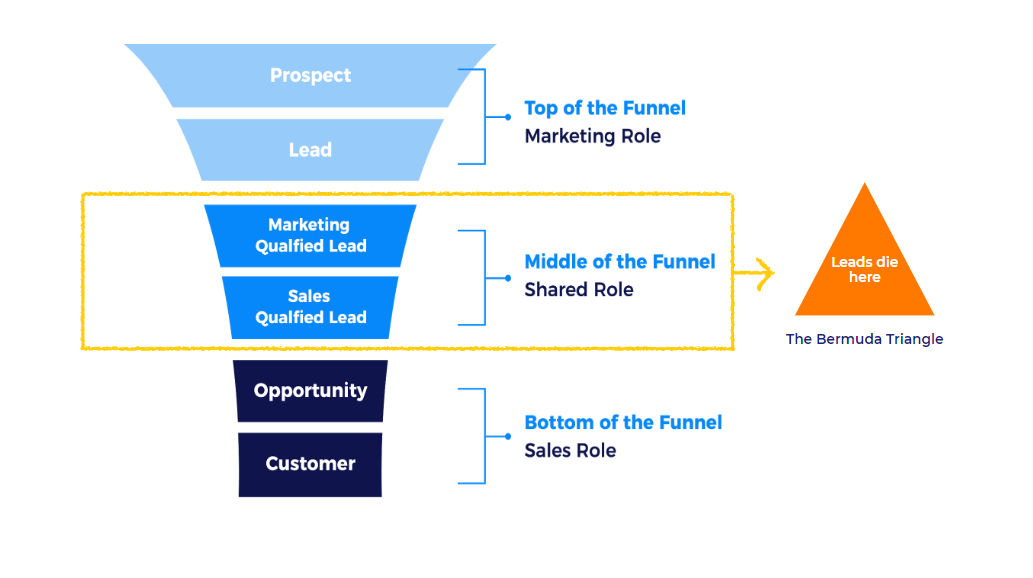
Image Source: Salespanel
Lead enrichment turns simple contact details into complete prospect profiles. It stands apart from other data processes by focusing on boosting lead records with extra data points that help qualify, segment, and customize your outreach efforts.
Lead enrichment adds valuable data and information to your leads. This includes contact details, company data, and behavioral signals. Your simple entries become full, applicable records when you fill in the blanks of incomplete lead profiles. The process improves your existing prospects' quality and depth of information rather than just collecting more leads.
The main goal? Your sales and marketing teams can identify high-priority prospects faster and target them with relevant content to increase conversion rates. Gartner reports that companies lose approximately $12.9 million per year due to poor-quality data. This makes proper enrichment vital for financial success.
A strong lead enrichment strategy offers these core benefits:
Better sales and marketing efforts - Your campaigns and sales strategies become more targeted with specific lead data that matches each prospect's needs
Standardized data format - Your team can track and view prospect information easily with uniform formatting
Higher conversion rates - You can focus on leads with the highest purchase intent through stronger lead qualification
Better customer segmentation - You can group leads based on demographics, company details, or behavior using ground data
Customized interactions - Your response rates improve substantially when you use detailed profiles for customized emails, messages, and calls
We focused on gathering the right contextual information—what experts call "fit data"—to determine if a lead matches your ideal customer profile. This data combines firmographic details (company size, industry, revenue) and demographic information (contact's role, seniority, purchasing power).
Lead enrichment supports each stage of the buyer's trip in the B2B sales funnel as an ongoing process. Your pipeline becomes more effective when you enrich leads early.
Your team can identify matching cold leads with your ideal customer profile at the funnel's top (awareness stage). Verified company information helps determine if new contacts work at organizations within your target parameters.
The middle funnel (interest stage) needs enrichment to provide vital context about warm leads showing original engagement. Intent data and behavioral signals become especially valuable here. They help understand the prospect's interests and motivations.
Enriched data helps your team understand hot leads' specific needs at the funnel's bottom (decision stage). Information about their tech stack, recent funding rounds, or company growth signals provides perfect context for closing conversations.
The sales lead enrichment process has four core steps: data collection, lead routing, lead conversion, and lead nurturing. The goal stays consistent—giving your team accurate, relevant information to speed up qualification and routing processes.
Contact information becomes outdated faster as people change roles or companies in static databases. Sales data changes quickly, making regular enrichment significant for pipeline health. Modern enrichment tools solve this challenge by updating records through CRM integrations or APIs.
A reliable lead enrichment tool will give you accurate data whether you're enriching inbound contacts or outbound prospect lists. This improves segmentation and engagement throughout your sales process.


A broken lead enrichment process needs a smart fix that goes beyond collecting extra data. Success comes from gathering the right data and using it to spot real sales opportunities.
Clean, accurate contact data forms the foundation of good lead enrichment. Sales teams end up chasing ghosts when contact lists aren't checked often. Data gets outdated faster as people switch jobs or companies every quarter. Lists that are 3-6 months old can have double-digit bounce rates. This hurts deliverability and wastes ad spend.
We fixed this issue by:
Running regular data cleaning to remove duplicates and update old information
Checking emails through validation services before campaign inclusion
Creating our own database instead of buying static lists
Research shows companies using enriched data get up to 12% higher conversion rates and see an average 30% increase in lead conversions. Plus, building your own prospecting database saves money and gives you control over your team's data.
Static firmographic data (industry, company size, seniority) shows who a lead is but misses if they're actively shopping. Real purchase readiness comes from behavioral signals:
Content engagement (71% of B2B buyers rely on content to inform purchase decisions)
Digital body language (repeated site visits, pricing page views)
Self-identified interest (demo requests convert at nearly 2X the rate)
Third-party intent data (research happening elsewhere on the web)
Predictive analytics turns these scattered intent signals into reliable revenue forecasts. Traditional scoring gives static points for role or company size, but a predictive system updates scores with each behavior change. To cite an instance, a prospect downloading a pricing guide in the morning and watching a demo at noon jumps to your queue's top.
Inbox Insight helps collect and analyze these first-party intent signals and gives a complete picture of prospects' behaviors and intentions. Companies using intent data see a 25% increase in sales-qualified leads.
Make Every Rep Speak
Like Your Top 1%
Each lead needs different attention and approach. Breaking them down by temperature—their engagement level and buying readiness—creates better nurturing strategies.
Lead temperature changes based on behavior. Salespanel shows leads moving through four temperatures with up-to-the-minute data analysis:
Hot leads actively engage with content and show high interest—they need immediate sales attention
Warm leads start engaging with your product and show original intent—they might go hot soon
Neutral leads are neither hot nor cold—they need nurturing until they show interest
Cold leads haven't engaged in weeks—they need re-engagement strategies
Role-based segmentation makes sure your message hits the right concerns for different stakeholders in the buying process. Sales teams can focus on hot leads while marketing nurtures colder ones, which streamlines processes.
Teams that combine firmographic fit with live intent signals in one score see lead quality jump by 25% and conversion rates climb accordingly. This complete approach spots who matches your ideal customer profile and who wants your solution now.
Your conversion rates and sales efficiency will dramatically increase when you tailor your enrichment approach to each stage of the buyer's trip. You waste resources and miss opportunities by treating all prospects the same. Here's how you can optimize your lead enrichment tool for each temperature level.
Cold leads are potential customers with minimal or no awareness of your brand. These prospects fit your target market but haven't participated in your content or solutions yet. Their attitude is simple: "I don't know you; I don't know if I need you". Your enrichment should identify which cold leads match your ideal customer profile at this stage.
You should first gather simple firmographic and demographic data to determine fit. This data has:
Company size and industry
Geographic location
Contact's role and seniority
Potential pain points based on similar customers
Selling isn't the goal - visibility is. Multi-channel targeting works best since cold leads rarely follow a linear path. They might open an email once, attend a webinar later, or see your Google ad months afterward.
Even minimal information like an email address helps start enrichment for inbound cold leads. Your lead enrichment tool can score leads based on this original data to determine which ones need human follow-up versus automated nurturing. Low-scoring leads should enter passive nurturing strategies while high-scoring ones need proactive outreach.
Warm leads have shown interest in your brand through actions like downloading content, attending webinars, or visiting high-intent pages on your website. They know your offerings but aren't ready to buy yet—they're likely comparing you with competitors. Your enrichment strategy must now change from simple identification to understanding specific needs and interests.
We tracked behavioral data that reveals their consumed content and most interesting solutions. Intent data becomes especially valuable when tracking their online research activities and behaviors. This information helps your sales team customize conversations around the prospect's interests rather than generic pitches.
Behavioral data enrichment shows a lead's current thinking. You create a window into their interests and readiness to participate by tracking website visits, content downloads, and email engagement. This stage needs consistent but non-intrusive cadence—a thin line between following up and being pushy.
Personalization at this stage creates remarkable results. You can craft messages that speak directly to their needs by understanding not just who your leads are but what they care about. This increases conversion chances.
Hot leads have shown high interest and are ready to make a purchase decision. They just need a small push to cross the finish line. They've likely requested pricing information, booked demos, or directly asked about implementation timelines. Your enrichment should gather details that help close the deal quickly at this stage.
Creating urgency is vital when converting hot leads. Studies show limited-time offers and CTAs can increase conversion rates by 332%. This approach taps into the fear of missing out (FOMO) and motivates customers to act immediately.
Hot lead enrichment priorities:
Decision-maker verification (ensure you're talking to the right person)
Budget confirmation data
Implementation timeline information
Competitive considerations that might delay decisions
The final conversion stage needs simplicity. Any complexity in pricing, contract terms, or implementation details can derail a nearly-closed deal. Your lead enrichment tool should remove friction points and highlight social proof to build confidence at the decision point.
Note that hot leads need immediate attention. Research shows that waiting more than 5 minutes to follow up can lower qualification chances by 21 times. Well-enriched hot leads help your sales team respond quickly with highly personalized offers that address specific needs and create authentic urgency.
Picking the right lead enrichment tool needs a careful look at key factors. You need a solid enrichment strategy before finding the technology to execute it perfectly.
Data accuracy forms the foundation of any valuable lead enrichment solution. Poor data quality can derail even the best enrichment strategy. The best tools should have:
Verification methods: Solutions that use multiple verification techniques including email validation and phone verification
Data sources diversity: Tools that pull from many reputable sources instead of a single database
Refresh rates: Data updates frequency—top tools update records right after detecting changes
Coverage metrics: The tool's depth in key data points like company size, job function, and location
Your team's experience with the tool matters a lot. The interface should be user-friendly with a gentle learning curve. Complex features are fine, but poor design isn't.
A tool's integration capabilities determine how naturally it fits your current workflow. The best tools provide API flexibility and ready-made connections with popular CRMs like Salesforce and HubSpot. Research shows that 75% of companies rate CRM integration as crucial in their tool selection.
Clearbit (now Breeze) shines with up-to-the-minute data enrichment. It boasts over 50 million company profiles and 94% email deliverability. The platform excels in company data and IP intelligence. Teams focused on firmographic accuracy and website visitor identification find it perfect. Records update automatically after changes occur.
ZoomInfo's database surpasses others with over 260 million contacts across 100 million companies. It delivers complete firmographic data including revenue, headcount, and company hierarchy. The platform costs more, starting at about $15,000 yearly. Enterprise teams value its advanced search filters and intent data tracking features.
?? Start Your Demo Journey Today with any of these platforms to see which one best fits your specific enrichment needs.
Cognism takes a unique compliance-first approach to ensure data accuracy while following privacy regulations. The platform works best in EMEA markets and provides phone-verified mobile numbers that connect with 87% of your list.
APIs make sense if you need to automate enrichment at scale or plug lead data straight into your systems. Lead enrichment APIs prove valuable in several cases:
SaaS platforms can use APIs to provide context-rich onboarding from day one. Marketing teams can fill missing details automatically for better segmentation.
Sales teams skip manual research by getting job titles and decision-maker details instantly through API integration. A good API turns raw data into opportunities quickly.
Test multiple platforms with the same batch of leads before picking an API provider. This hands-on approach shows which solution gives reliable data for your target market.
Your SDRs work 9–5
AI Sales works 24/7!!
Top B2B teams combine enriched data naturally with their daily sales operations. Your enrichment process's connection to existing workflow makes the real difference between average and outstanding results.
Your CRM automation rules eliminate manual data entry and give you consistent enrichment. You should define specific triggers that start the enrichment process automatically when new leads enter your system. These triggers might include:
New lead creation in your CRM
Form submissions on your website
Lead status changes or progression through stages
Regular monitoring remains significant after the setup. Most experts suggest quarterly or bi-annual data cleansing checkups to maintain accuracy. CRM Datacare and similar tools can review and update lead records automatically.
Batch processing capabilities become invaluable for teams with large databases. This feature helps you enrich thousands of leads at once instead of one at a time. The main goal focuses on maintaining accurate data that updates automatically without your team's constant attention.
Enriched data changes how you route leads to sales representatives. Detailed firmographic and intent data help create sophisticated assignment rules that match leads with the right team members.
Quick response times make a substantial difference—reaching out to leads within an hour makes you seven times more likely to connect with decision makers. Proper enrichment moves leads through your process naturally. Your team can help new prospects right away.
?? Start Your Demo Journey Today with tools that automatically qualify and route leads based on enrichment data. Your team's efficiency will improve dramatically.
AI-powered enrichment tools revolutionize personalization. These systems handle high volumes of leads, manage outreach campaigns, and track engagement metrics without overwhelming your team.
Your enrichment data quality directly affects AI effectiveness. Bad data quality hurts AI functionality and slows deal velocity. Modern platforms use predictive analytics that achieve high precision in conversion predictions. You can focus on prospects most likely to buy.
AI personalization now includes LinkedIn messaging and call talking points. Every interaction feels natural across all channels. This multi-channel strategy achieves better head-to-booking rates by using relevant messaging across multiple touchpoints at once.
The best lead enrichment systems can still fail without proper implementation. Let's get into three critical mistakes that hurt your enrichment efforts.
Many businesses chase quantity over quality in lead generation. Studies show that 61% of marketers say getting quality leads—not just volume—is their biggest challenge. This approach backfires as sales teams waste resources pursuing unqualified prospects who never convert.
Quality leads show real interest and readiness to work together. They are worth much more than large numbers of unqualified contacts. Yes, it is true that 70% of B2B businesses now focus on quality metrics over quantity.
Poor coordination between sales and marketing teams can cost companies 10% of their annual revenue. This gap shows up through mixed messaging, complaints about lead quality, and poor communication between departments.
The solution lies in shared data systems and regular meetings where both teams can discuss lead quality feedback, campaign results, and market insights. When sales and marketing work together, marketing creates qualified leads while sales offers valuable feedback to improve strategies.
Data becomes outdated quickly—studies show 25-30% of CRM data turns inaccurate or obsolete each year. Outdated data directly causes wasted marketing efforts and poor lead quality.
Regular cleaning removes wrong, duplicate, and corrupted information. Good maintenance needs constant tracking of key metrics like email bounce rates, which should stay under 3% for successful campaigns.
Lead enrichment goes beyond just collecting more data—it's about getting the right information at the right time. In this piece, we've seen how proper enrichment changes your sales pipeline from unpredictable to reliable with the right implementation.
Companies often struggle with enrichment tools because they don't grasp the basic contours. Smart companies don't see enrichment as a one-time data grab. They treat it as an ongoing process that adapts to each stage of the buyer's trip. Cold leads need simple firmographic data to determine fit. Warm leads get more value from behavioral signals that show specific interests. Hot leads require decision-maker verification and competitive intelligence to close deals faster.
Data quality beats quantity without doubt. Clean, verified contact details are the foundations of any enrichment strategy that works. Regular cleaning and updating are essential - even the best tools become liabilities as information gets outdated faster.
Sales and marketing teams must line up around shared enrichment goals. This prevents the disconnect that can get pricey and cause missed opportunities. Both departments can cooperate to spot genuine sales opportunities faster once they understand how enrichment supports the customer's entire trip.
A good lead enrichment tool can't fix a broken sales process by itself. These tools become powerful revenue drivers instead of expensive data collectors when you focus on accurate data, behavioral signals, and proper segmentation. Start with a clean database, add regular verification processes, and make intent signals your priority over static firmographic data.
Note that each lead needs a different enrichment approach based on their temperature. This custom strategy helps build better relationships while your sales team focuses their energy where it counts—on prospects ready to buy.
The right lead enrichment gives your team context to personalize outreach and boost conversion rates significantly. Fixing your enrichment process takes work, but you'll end up with more predictable revenue, optimized sales operations, and a healthier business.
Lead enrichment is the process of enhancing basic contact information with additional valuable data about prospects. It's important because it helps sales and marketing teams identify high-priority leads faster, personalize outreach, and increase conversion rates by providing a more comprehensive understanding of potential customers.
Signs of a failing lead enrichment strategy include low engagement rates despite having detailed contact profiles, high email bounce rates and poor deliverability, and sales teams consistently ignoring or bypassing the enriched data provided to them.
Cold leads require basic firmographic data to determine fit. Warm leads benefit from behavioral and intent data to understand their specific interests. Hot leads need decision-maker verification and competitive intelligence to close deals quickly. Tailoring your enrichment approach to each stage improves overall conversion rates.
Lead data should be updated regularly, as studies indicate 25-30% of CRM data becomes inaccurate or obsolete annually. Implementing quarterly or bi-annual data cleansing checkups is recommended to maintain accuracy. Some modern tools can automatically review and update lead records without manual intervention.
When selecting a lead enrichment tool, prioritize data accuracy, diverse data sources, frequent refresh rates, and comprehensive coverage of key data points. Additionally, consider the tool's user experience, integration capabilities with your existing CRM, and whether it offers API flexibility for customization and scalability.


Category: Uncategorized Tags: ai, AIOps, Artificial Intelligence, cloud, cloud platform, Cybersecurity, Information and Communications Technology , VR