Partner Ecosystem: Extending Sales Intelligence Capabilities
September 16, 2025
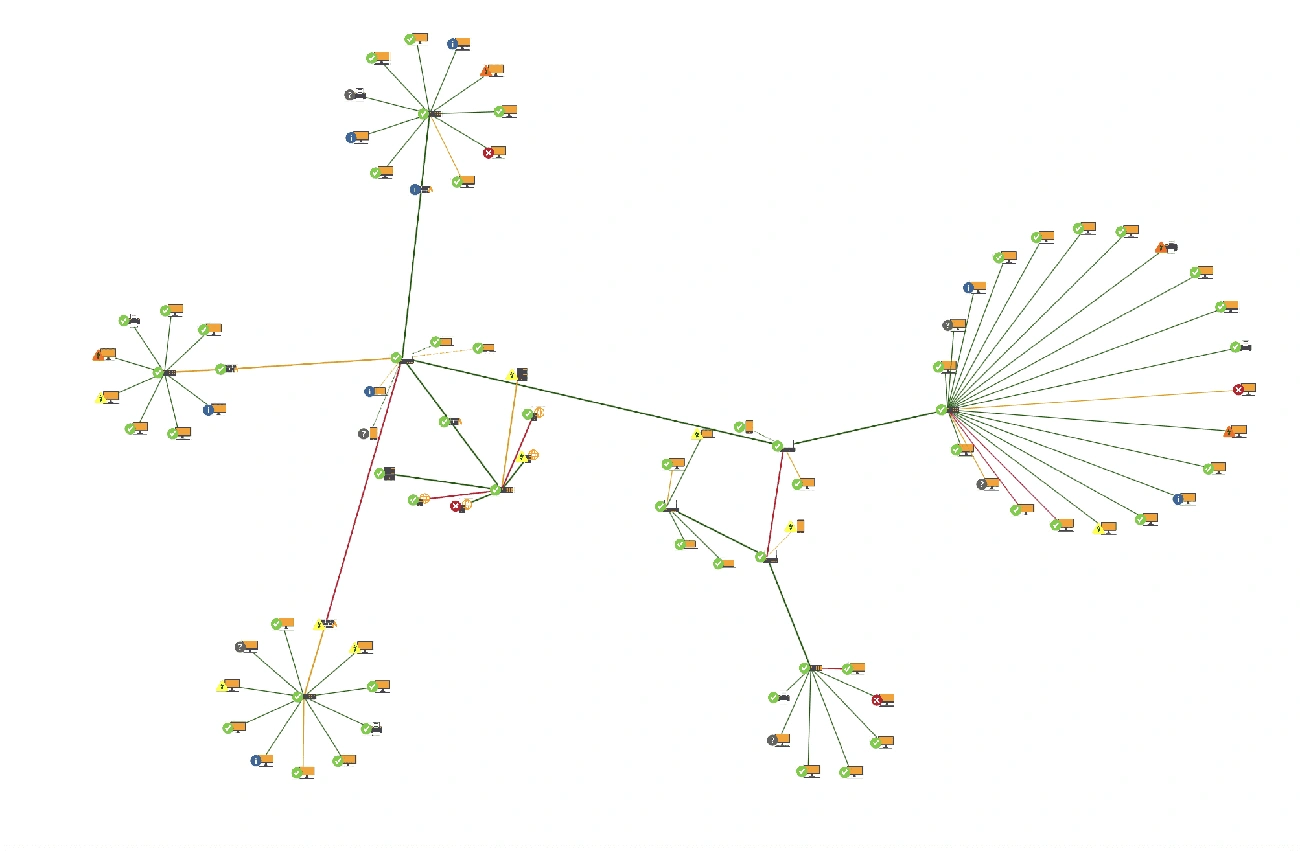
Sales intelligence and engagement platforms have revolutionized how businesses track and nurture potential customers, but they're not reaching their full potential when operating in isolation. I've seen countless sales teams invest in what they believe are the best sales intelligence tools, only to struggle with limited data, siloed information, and missed opportunities.
This is where partner ecosystems enter the picture. Working with an effective account planning tool is certainly helpful, however, when integrated within a broader network of specialized partners, the value multiplies significantly. Additionally, these ecosystems create a powerful network effect that enhances data quality, expands market reach, and accelerates deal velocity.
Throughout this article, I'll explore how partner ecosystems are transforming sales intelligence capabilities and why they're becoming essential for competitive advantage. From technology integrations to AI-powered partner matching, we'll examine the practical ways these collaborative networks are reshaping sales success. Ready to supercharge your sales intelligence? Let's jump in!
STOP GUESSING YOUR PIPELINE
START GROWING IT WITH AI SALES!!
Partner ecosystems represent a fundamental shift in how businesses collaborate to create mutual value. In its simplest form, a partner ecosystem is a network of businesses that join forces to market and sell to shared audiences, creating benefits for all involved parties. Unlike traditional sales channels, these ecosystems create interconnected relationships that amplify the capabilities of sales intelligence tools through specialized expertise and expanded data access.
A true partner ecosystem extends beyond simple vendor relationships to form a complex, interconnected network of strategic collaborators. These ecosystems include diverse partnership types working together toward common goals despite potentially having little in common with each other. Each participant brings unique strengths, market knowledge, and customer relationships that collectively enhance the overall value proposition.
For a network to qualify as a partner ecosystem in sales intelligence, it must demonstrate several key characteristics:
Mutual benefit structure: All participants—from technology providers to resellers—must gain tangible advantages from their participation
Collaborative selling approach: Partners engage in co-selling or reselling activities that benefit the entire network
Complementary capabilities: Each partner contributes unique expertise, technologies, or market access
Customer-centric focus: The ecosystem prioritizes delivering comprehensive solutions that address customer needs
The importance of these ecosystems continues to grow, with 84% of sales professionals reporting that partner selling has a greater impact on revenue than a year ago. Furthermore, McKinsey forecasts that by 2030, ecosystems will drive approximately $80 trillion in annual revenue—representing one-third of the global economy.
Sales intelligence platforms gain substantial advantages when embedded within well-structured partner ecosystems. These ecosystems fundamentally transform how sales teams gather, analyze, and act upon customer data through several key mechanisms:
First, ecosystem partners provide complementary data sources that enrich the intelligence available to sales teams. When partners share information across the ecosystem, sales representatives gain visibility into prospect activities across multiple touchpoints, resulting in more accurate pipeline forecasting and prioritization.
In particular, partner ecosystem intelligence enhances account-based marketing by analyzing key partnerships and dependencies within target accounts. This approach enables sales teams to:
Identify high-value prospects through joint value propositions
Discover key decision-makers through ecosystem connections
Craft personalized engagement strategies based on ecosystem insights
Beyond data enrichment, technology partners create integrations that extend platform capabilities. As one notable example, Salesforce's AppExchange marketplace contains over 7,000 independent software vendor applications that enhance their CRM's functionality. These integrations allow sales teams to customize their intelligence tools without requiring extensive internal development resources.
Moreover, consulting partners provide strategic insights and implementation expertise that maximize platform adoption. Their specialized knowledge ensures that sales intelligence tools are properly configured to capture the most relevant data for specific industries or use cases.
Ultimately, a well-integrated partner ecosystem transforms standalone sales intelligence tools into comprehensive platforms that provide deeper insights, broader reach, and more actionable intelligence. By connecting diverse partners, these ecosystems create networks where sales intelligence becomes significantly more powerful than any single vendor could provide independently.
A successful sales intelligence framework relies on diverse partner types, each bringing unique capabilities to the ecosystem. These partnerships go beyond simple vendor relationships to form intricate networks that enhance how sales teams gather, analyze, and act upon customer data.
Ready to turn your Rep
INTO BEST PERFORMER ?
Technology partners form the backbone of modern sales intelligence ecosystems, providing critical data integration capabilities that expand platform functionality. These partners typically offer complementary solutions that seamlessly integrate with existing products to enhance overall capabilities and deliver better solutions to customers.
Machine learning algorithms within these integrated systems analyze historical sales data to identify patterns and predict outcomes for lead scoring and sales forecasting. Meanwhile, natural language processing converts unstructured data from sources like news articles and company communications into relevant insights that sales teams can immediately act upon.
For instance, SalesIntel integrates with Bombora to provide intent data directly in its contact platform, allowing sales teams to identify accounts actively researching solutions. This integration helps sales professionals identify and prioritize accounts that are actively looking for and evaluating solutions, creating a significant competitive advantage.
Similarly, Ecosystems—a value-selling platform—integrates with major CRM platforms including Salesforce, HubSpot, and Microsoft Dynamics 365. These integrations enable a unified view of customer interactions, deal registration, and performance metrics across systems. Such technology partnerships allow organizations to:
Access complementary data sources that enrich intelligence
Extend platform capabilities without extensive internal development
Create seamless workflows between different tools in the sales stack
Improve customer experiences through integrated solutions
Resellers and Value-Added Resellers (VARs) represent another crucial component in sales intelligence ecosystems, providing valuable market feedback that shapes product development and sales strategies. These partners have evolved beyond simple transactional relationships to become solution providers and trusted advisors for their customers' technical success.
Modern VARs invest heavily in technical expertise, certifications, and industry-specific knowledge. Instead of operating as generalists, many specialize in niche areas like cybersecurity, cloud architecture, or AI integration, providing deep domain expertise that enhances sales intelligence capabilities.
Value-Added Resellers take this relationship a step further by offering additional services through customization, integration, and support. They tailor solutions to meet specific customer needs, often combining different products into comprehensive bundles that address particular pain points. This approach gives sales teams crucial insights into:
Customer adoption patterns and preferences
Common implementation challenges
Feature requests and product gaps
Competitive positioning and market trends
In software environments, VARs can offer customized packages, integrating different applications while providing ongoing technical support to customers. These partners function as extensions of the sales team, offering valuable perspectives from direct customer interactions that would otherwise remain hidden.
Consulting partners offer a different yet equally valuable contribution to sales intelligence ecosystems through strategic guidance and implementation expertise. Unlike technology partners or resellers, consulting partners bring a distinct set of strengths focused on long-term strategic outcomes rather than immediate tactical solutions.
These specialists provide strategic oversight and possess in-depth technical and operational knowledge that helps organizations maximize their sales intelligence investments. Rather than focusing solely on surface-level tactics, consulting partners dive into systemic improvements that ensure underlying sales intelligence systems work cohesively.
The approach of consulting partners typically includes comprehensive assessment of existing technological landscapes, identifying areas for consolidation, and implementing long-term solutions that drive efficiency and growth. Their expertise ensures that sales intelligence tools are properly configured to capture relevant data for specific industries or use cases.

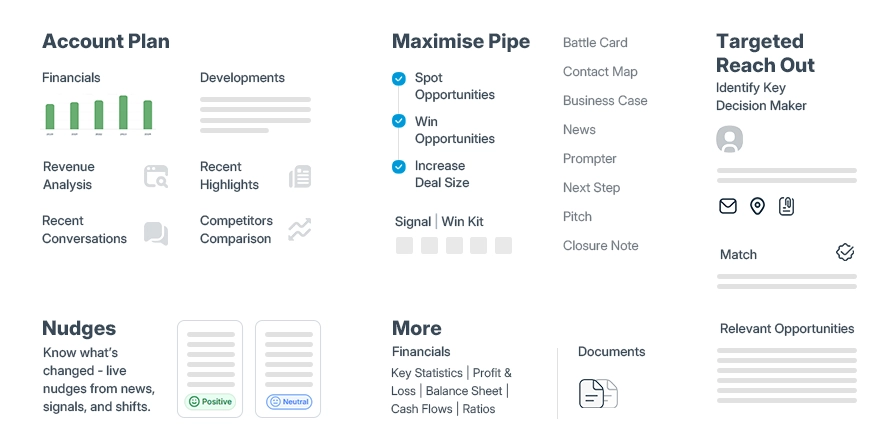
As businesses face increasingly complex challenges like post-acquisition integration or technology consolidation, consulting partners become invaluable resources. Their strategic guidance helps organizations avoid costly inefficiencies and poorly designed systems that could otherwise undermine sales intelligence efforts.
By balancing these three partner types—technology integrators, resellers/VARs, and strategic consultants—organizations can build robust sales intelligence ecosystems that enhance data quality, expand market reach, and ultimately drive revenue growth.
Ecosystem intelligence has eclipsed competitive intelligence as the primary driver of sales success in recent years. This shift reflects broader trends in how businesses leverage partnerships to generate revenue and accelerate growth. By connecting sales intelligence capabilities with strategic partners, organizations unlock substantial advantages that transform their go-to-market approach.
Establishing common governance models backed by self-accountability metrics helps guide vendors in executing against universally agreed-upon business objectives, maintaining ecosystem trust across all participants. This shared visibility becomes a competitive weapon through what industry experts call Ecosystem Intelligence (EI)—a real-time layer of partner context that lives directly within sales environments like Salesforce.
Without shared visibility into target accounts, buying signals, and outreach timing, co-selling often becomes ineffective. Modern sales intelligence platforms address this by creating a unified view where both sales teams can:
Track engagement across partner portals
Flag deal movement in real-time
Identify bottlenecks across both sales organizations
This integration enables sales teams to identify which partners have influence in an opportunity, uncover co-selling potential before competitors, and focus on warm, ecosystem-backed deals instead of cold outreach. As one cybersecurity SaaS vendor partnering with a global cloud provider discovered, implementing ecosystem intelligence led to 100+ demos booked, $4.50M in influenced pipeline, and 20 deals closed within just three months.
Modern SaaS companies embracing co-selling report that deals close 46% faster compared to traditional sales approaches. This acceleration occurs because ecosystem-driven intelligence enables synchronized execution rather than disjointed efforts. By utilizing real-time intent signals and technographic filters, sales teams identify accounts that represent the highest potential fit for both partners—creating a joint strike zone where collaboration yields the highest conversion rates.
As enterprise buyers increasingly seek to deal with fewer technology vendors, increase transparency around IT spend, and realize faster returns on investments, co-selling becomes a strategic necessity. In practice, this means integrating sales intelligence platforms with both CRMs and marketing automation platforms to create a single pane of glass for tracking engagement across partner relationships.
The impact is substantial—Everflow reports that by account mapping with partners, they shortened their sales cycle in large organizations from nine months to five months, representing a 44% reduction in time-to-close.
Beyond accelerating deals, partner ecosystems significantly improve win rates. Companies actively co-selling through partner ecosystems report a 53% higher likelihood of closing deals compared to traditional approaches. In fact, some organizations see partner-involved deals closing at a rate 10 times higher than standard inbound or outbound opportunities.
This advantage stems from the fundamental trust established through partner relationships. Few sales approaches are as powerful as recommendations from trusted sources, with referrals generating good or excellent leads according to 78% of B2B marketers. Essentially, companies with superior ability to generate referrals from existing customers achieve a win rate of 57.4%, compared to just 43.9% for companies unable to generate these referrals.
The best account planning tools now incorporate this ecosystem intelligence directly into workflow, enabling sales teams to automatically identify which open opportunities are customers of their partners. This allows for immediate action when high-fit accounts engage with partner content—such as when a prospect attends a partner's webinar, triggering a contextual, insight-led follow-up the same day.
Through these strategic benefits, ecosystem-driven sales intelligence transforms how organizations approach revenue generation—replacing guesswork with data-driven collaboration that delivers measurable results across the entire sales process.
STOP CHASING PROSPECTS
START CLOSING DEALS!!
The evolution of AI technologies has transformed how businesses identify and recruit ideal partners for their sales intelligence ecosystems. Using sophisticated algorithms that analyze billions of data points, companies now leverage AI to select partners with precision previously impossible through manual methods alone.
AI-driven partner selection begins with an extensive analysis of digital footprints. The process involves an AI-powered deep-dive review of prospective partner organizations across billions of data points. This approach offers substantial advantages over traditional manual selection—as one expert notes, "a person or team could not uncover relevant terms and insights from this volume of data quickly enough to provide usable information".
Success prediction relies on examining historical performance indicators and identifying patterns that correlate with successful partnerships. Through this analysis, AI systems answer critical questions about potential partners:
Are they sharing knowledge and experience with end users using language that confirms expertise?
What evidence exists about their skills and experience?
Do their materials (white papers, case studies) validate their proficiency?
Afterward, AI ranks partners based on growth potential, refining results with expert knowledge of specific tech markets and regional competitive landscapes. Generative AI specifically excels at analyzing customer data to prioritize promising leads and evaluate potential gaps in sales pipelines.
High-quality partner selection requires precise account-based marketing guided by robust intent signals. These signals refine vendor messaging throughout the partner journey—from research to self-education to decision-making.
AI systems continuously monitor potential partners' engagement with content, providing real-time intent scores. Channel Accelerator, for example, analyzes target account lists to identify where partners are in their discovery process and when they signal readiness for new partnerships.
The integration process captures multiple data layers:
First-party data (direct interactions)
Zero-party data (explicitly shared information)
Industry engagement metrics
Content interaction patterns
This detailed information generates actionable weighted intent scores showing which partners are moving into decision-making phases. These scores update continuously on visual dashboards, allowing quick identification of high-potential partnerships. AI's predictive models also forecast future performance by evaluating past performance alongside current market dynamics, generating actionable insights to guide partner engagement strategies.
Once ideal partners are identified, AI streamlines the recruitment process through automated yet personalized outreach. Recruitment outreach automation handles repetitive tasks while maintaining the personal touch partners expect.
The automated process typically includes:
Initial contact emails and introductory messages
Nurture sequences for relationship building
Interview coordination communications
Follow-up messages and status updates
Importantly, AI enables personalization at scale—a critical factor since 96% of sales professionals agree data is essential to meet customer expectations. Through automation tools, businesses can set up sequences where partners automatically receive personalized emails based on their actions, such as applying to join a program or reaching specific engagement thresholds.
STOP GUESSING YOUR PIPELINE
START GROWING IT WITH AI SALES!!
For optimal results, I recommend testing different subject lines, email content, and calls-to-action to determine what resonates best with potential partners. AI can then analyze these results to continuously refine outreach strategies, ensuring communications remain relevant and effective.
Consequently, this AI-driven approach transforms how companies build their partner ecosystems, replacing guesswork with data-driven decisions that significantly improve partnership quality and success rates.
AI technology has fundamentally shifted how organizations approach partner enablement, moving away from generic programs toward highly tailored experiences. Traditional one-size-fits-all training methods typically result in disengaged partners and wasted resources. In contrast, AI-powered enablement creates personalized experiences that boost engagement, accelerate ramp time, and ultimately drive higher performance.
Intelligent content customization addresses a critical challenge in partner ecosystems: ensuring relevant materials reach the right individuals at the right time. AI analyzes a partner's digital footprint—what they click, download, search, and share—to proactively recommend appropriate content. This approach helps partners spend less time searching and more time selling.
As a practical application, AI can:
Suggest sales decks after a product search
Recommend campaign kits during product launches
Provide case studies based on deal stage progression
These contextual recommendations become particularly valuable in virtual and hybrid selling environments where digital touchpoints must deliver maximum impact. Beyond simple recommendations, AI enables marketing teams to assess how content performs across multiple buyer conversations, providing visibility into what materials resonate in the field.
AI transforms partner training by creating customized learning journeys based on specific roles, past performance, industry focus, and solution specialization. For example, sales representatives might receive bite-sized competitive battle cards, whereas technical partners access hands-on certification labs. This tailored approach ensures partners engage with content most relevant to their immediate needs.
The underlying technology uses pre-assessments, branching scenarios, and learner choices to direct users through optimized learning paths. By implementing pre-assessment tools, AI gages partners' prior knowledge and guides them to appropriate starting points. Subsequently, performance-based variables determine progression—with low scores directing partners to foundational modules while higher scores unlock intermediate or advanced content.
This approach delivers several advantages: increased engagement through personalized content, improved knowledge retention by focusing on relevant topics, higher completion rates, and significant time and cost savings by eliminating unnecessary training.
AI removes guesswork from partner enablement by analyzing real-time performance data to suggest targeted next steps. Through call transcription and deal activity analysis, AI engines recommend specific actions—such as sharing pricing calculators, booking demonstrations, or escalating to management. These insights help partners maintain deal momentum without relying on intuition alone.
Prior to implementing AI-powered recommendations, enablement leaders should integrate tools where partners already work to minimize friction. For instance, embedding enablement capabilities directly within CRM systems ensures recommendations appear within existing workflows, triggered automatically when specific behaviors or pipeline signals indicate gaps.
The most effective AI partner enablement systems don't replace human decision-making but instead support it with intelligent suggestions. By analyzing an individual's role, responsibilities, past goals, and career aspirations alongside organizational priorities, these systems provide tailored recommendations that make objectives more relevant and actionable.
Through these personalized approaches, AI-powered partner enablement transforms static training programs into dynamic systems that adapt continuously to changing needs and performance patterns.
Modern partner ecosystems generate vast amounts of data that, when properly harnessed, unlock unprecedented visibility into sales opportunities. Effective sales intelligence and engagement platforms now collect and analyze partner activities in real-time, transforming raw data into actionable insights that drive revenue growth.
Make Every Rep Speak
Like Your Top 1%
Gathering intelligence from partner activities requires sophisticated monitoring systems that track interactions across multiple channels. AI systems now observe partner engagements throughout the ecosystem, offering complete visibility into performance patterns and collaboration opportunities. This multi-channel tracking eliminates previous blind spots where valuable partner activities went unnoticed.
Microsoft exemplifies this approach with its vast network of hundreds of thousands of channel partners. Their program integrates multiple functions with embedded compliance professionals throughout the lifecycle, utilizing a risk-based sales deal review and approval process. This structured approach ensures that partner activities align with organizational goals while maintaining compliance standards.
The most effective account planning tools now incorporate partner intelligence directly into workflows, allowing sales teams to:
Track engagement metrics across distributed partner portals
Monitor content consumption and sharing patterns
Identify cross-selling opportunities based on partner specializations
Measure partner contribution to pipeline development
These capabilities transform isolated data points into coherent intelligence that guides strategic decisions and tactical execution.
Beyond basic tracking, advanced sales intelligence platforms now employ predictive analytics to identify high-value opportunities. These systems analyze historical performance data alongside current market conditions to forecast outcomes and prioritize efforts.
Opportunity prioritization represents a key application of this technology. Predictive analytics identify the highest-potential co-sell opportunities and recommend optimal partner-customer matching to improve win rates and deal sizes. This targeted approach focuses resources where they'll generate maximum returns, eliminating wasted effort on low-probability deals.
At its core, this capability helps sales teams filter signal from noise. The best sales intelligence tools make it straightforward for representatives to rank leads effectively, allowing them to concentrate on buyers with genuine interest and purchasing intent. This filtering function proves especially valuable in partner ecosystems where opportunities can emerge from numerous sources simultaneously.
Equally important as opportunity identification is early risk detection. AI systems now identify partners showing signs of underperformance or potential churn, enabling proactive intervention that maintains program health and partner satisfaction. This capability transforms risk management from reactive to preventive.
For established programs, risk monitoring often focuses on specific transaction types. Leading organizations regularly examine:
Discounts on government customer deals
Marketing Development Funds utilization and justification
Incentive program participation patterns
Potential red flags in partner activities
This structured approach helps identify concerning patterns before they impact revenue or compliance status.
Machine learning algorithms continuously analyze partner behavior against established benchmarks, flagging unusual patterns for investigation. This automated monitoring allows partner managers to focus on strategic activities rather than manual compliance checks, significantly improving operational efficiency.
Through these three capabilities—activity tracking, predictive prioritization, and risk identification—sales intelligence platforms transform partner ecosystems from complex networks into coordinated revenue engines. Organizations that master these capabilities gain substantial advantages in market responsiveness, resource allocation, and ultimately, revenue growth.
Workflow automation stands as a cornerstone for maximizing partner ecosystem effectiveness. Today's sales intelligence and engagement platforms increasingly incorporate automation capabilities that eliminate manual processes, reduce errors, and accelerate revenue generation across collaborative networks.
The traditional deal registration process often creates friction through lengthy forms and slow approval cycles. Modern AI agents now help partners create deal registrations without cumbersome paperwork, taking action based on partner-provided details and even submitting deals for approval automatically. This one-step process demonstrates how autonomous AI can dramatically improve partner experiences while maintaining program integrity.
Machine learning algorithms enhance this process by analyzing deal characteristics, customer data, and competitive intelligence to validate opportunity legitimacy and size estimates. This validation serves multiple purposes:
Preventing partner conflicts through automatic identification of potential overlaps
Optimizing partner assignments based on capabilities and historical performance
Increasing deal transparency and reducing approval times
In practice, these AI-powered systems validate and approve deals instantly, ensuring transparency while significantly reducing delays that traditionally slow down sales cycles.
Document automation transforms one of the most time-intensive aspects of partner program management—reviewing and validating proof of execution for compliance and reimbursement. AI systems now automatically extract key information from partner-submitted documents, including marketing activities, sales training completion, and customer engagement evidence.
This technology delivers several measurable advantages:
Reducing approval times from weeks to hours, improving partner cash flow
Maintaining program integrity through consistent validation
Identifying patterns that might indicate compliance issues without manual review
The best account planning tools integrate these capabilities directly into existing workflows, allowing partners to submit documentation within familiar interfaces while ensuring proper validation occurs behind the scenes.
Continuous performance monitoring replaces periodic reviews with real-time guidance through automated alerting systems. These systems track partner activities across multiple channels and automatically identify situations requiring intervention.
For instance, when metrics begin shifting beyond acceptable thresholds, automated systems trigger notifications to ensure important information reaches appropriate decision-makers promptly. This approach allows program managers to focus on strategic priorities while ensuring critical issues receive immediate attention.
More advanced implementations include AI-powered monitoring that:
Flags deals untouched for predefined periods (e.g., three days)
Notifies both partners and account executives when action is required
Escalates high-value opportunities that show risk indicators
Although originally designed for internal sales teams, these coaching capabilities now extend across partner ecosystems, creating consistent performance standards regardless of organizational boundaries.
STOP GUESSING YOUR PIPELINE
START GROWING IT WITH AI SALES!!
Measuring impact remains essential for any partner ecosystem to thrive. Quantifiable metrics demonstrate value and justify continued investment in collaborative sales initiatives.
Effective revenue attribution helps organizations understand partner contributions and optimize resource allocation. Partner-sourced revenue—deals directly brought in through referrals, registrations, or co-selling—forms the foundation of measurement. Indeed, high-performing companies track both sourced and influenced revenue to capture the full spectrum of partner impact.
The growth in partner-driven revenue highlights why measurement matters. Monday.com reported a 200% increase in partner-driven sales, Apollo.io saw a staggering 432% increase in partnerships revenue, plus PandaDoc experienced a 47% rise in partner-sourced monthly recurring revenue.
Most organizations use one of several attribution models:
Single-touch attribution (first or last touchpoint)
Multi-touch models (linear, time-decay, position-based)
Hybrid approaches that consider both acquisition and retention
Beyond revenue figures, engagement metrics provide valuable insights into ecosystem health. These indicators help tailor strategies that foster deeper relationships throughout the partner lifecycle.
Portal activity statistics serve as leading indicators of partner commitment—tracking logins, resource downloads, and training completion rates reveals how actively partners engage with your program. First, monitoring training completion helps determine partner readiness, hence making it easier to identify areas needing additional support.
Partner satisfaction scores, generally measured through regular surveys, predict long-term viability of relationships. Furthermore, Net Promoter Scores from both customers (NPS) and partners (PNPS) offer critical insight into "root causes" of dissatisfaction.
AI tools transform how organizations measure and optimize partner ecosystem performance. Currently, AI-powered systems reduce manual processing time by 60-80% while improving partner selection success rates by 30-50%.
On balance, AI implementations typically enhance program ROI by 25-40% through automated workflows, better partner targeting, and optimized resource allocation. At this point in the evolution of partner programs, AI-driven analytics continuously monitor performance metrics including deal closure rates, revenue contribution, and customer satisfaction scores.
For maximum impact, the best sales intelligence tools now centralize these metrics in unified dashboards, allowing organizations to track partner-driven revenue growth rates before and after AI implementation. Through this data-driven approach, businesses can pinpoint which ecosystem investments deliver the highest returns.
Your SDRs work 9–5
AI Sales works 24/7!!
Throughout this article, we've seen how partner ecosystems transform standalone sales intelligence tools into powerful collaborative networks that drive significant business outcomes. Partner ecosystems clearly represent the future of sales intelligence, extending capabilities far beyond what any single platform could achieve alone.
The data speaks for itself. Companies actively co-selling through partner ecosystems report 53% higher likelihood of closing deals, while deals close 46% faster compared to traditional approaches. Additionally, AI-powered partner selection has improved success rates by 30-50%, while reducing manual processing time by 60-80%.
Partner ecosystems particularly excel when combining technology integrations, market feedback from resellers, and strategic insights from consulting partners. This triumvirate creates a multiplier effect that enhances data quality while expanding market reach substantially. AI now serves as the connective tissue between these partners, automating workflows, personalizing enablement, and providing real-time intelligence that was previously impossible.
Sales teams now benefit from improved pipeline visibility through shared data, faster deal cycles via co-selling motions, and higher win rates from trusted referrals. Therefore, businesses aiming to stay competitive must recognize that isolated sales intelligence tools, regardless of their individual capabilities, cannot match the power of ecosystem-driven intelligence.
The path forward is clear. Sales intelligence platforms must embrace partner ecosystems as their primary growth strategy. Though building these networks requires significant investment and strategic alignment, the return—measured in revenue growth, operational efficiency, and market expansion—justifies the effort many times over.
As AI continues to evolve, we'll undoubtedly witness even more sophisticated ecosystem capabilities emerging. From predictive partner matching to automated deal registration and real-time performance analytics, these technologies will further amplify the value of collaborative sales intelligence.
Thus, partner ecosystems have transitioned from optional supplements to essential frameworks for sales success. Organizations that master this collaborative approach will find themselves equipped with superior market intelligence, stronger customer relationships, and ultimately, a significant competitive advantage in an increasingly complex business landscape.
A partner ecosystem in sales intelligence is a network of businesses that collaborate to enhance sales capabilities through shared data, technology integrations, and strategic insights. It includes technology partners, resellers, and consulting firms working together to improve sales intelligence tools and processes.
AI improves partner matching and recruitment by analyzing vast amounts of data to predict success, integrate market intelligence for better fit, and optimize outreach. It uses historical performance data and intent signals to identify ideal partners and automate personalized communication.
Ecosystem-driven sales intelligence offers improved pipeline visibility through shared data, faster deal cycles via co-selling, and higher win rates from trusted partner referrals. It also enables more accurate forecasting and prioritization of sales opportunities.
AI personalizes partner enablement by dynamically customizing training content, creating adaptive learning paths based on partner roles, and providing performance-based recommendations. This tailored approach increases engagement, improves knowledge retention, and accelerates partner ramp-up time.
Key metrics for measuring ecosystem impact include revenue attribution from partner-sourced deals, partner engagement and satisfaction scores, and operational efficiency improvements from AI. Tracking these metrics helps organizations understand partner contributions and optimize their ecosystem strategies.
STOP GUESSING YOUR PIPELINE
START GROWING IT WITH AI SALES!!


Category: Uncategorized Tags: ai, AIOps, Artificial Intelligence, cloud, cloud platform, Cybersecurity, Information and Communications Technology , VR