Emerging AI Technologies in Sales Intelligence
September 12, 2025
Have you noticed how quickly emerging AI sales tools are changing the game for revenue teams? I've watched traditional CRMs transform from simple contact databases into powerful intelligence platforms that can predict, personalize, and even proactively engage with prospects.
Today, sales AI tools are doing much more than just automating repetitive tasks. AI Sales Intelligence Tools can now analyze unstructured data from calls, emails, and social media to extract meaningful insights about buyer behavior. Additionally, generative AI sales applications are creating personalized outreach messages that sound authentically human while maintaining brand voice across thousands of communications. The most exciting part? This is just the beginning.


In this article, I'll walk you through the most innovative AI technologies reshaping sales operations, from research and prospecting to forecasting and enablement. You'll discover how these tools work, which ones might be right for your team, and how to implement them without falling into common pitfalls. Whether you're looking to boost efficiency or completely reimagine your sales approach, the AI revolution in sales intelligence offers compelling solutions worth exploring.
Sales intelligence has evolved dramatically over time, with three distinct AI categories now reshaping how teams identify opportunities and close deals. Each type offers unique capabilities that serve different aspects of the sales process.

Traditional AI in sales has been around for over a decade, focusing primarily on automation, data analysis, and predictive capabilities. These systems excel at classification and prediction tasks using structured data. In the sales context, traditional AI handles specific, well-defined functions such as:
Lead scoring and prioritization based on historical patterns
Customer segmentation through clustering algorithms
Sales forecasting using time-series analysis
Spam filtering in communication channels
Essentially, traditional AI follows predetermined rules to perform specific tasks using structured data and algorithms. These systems wait for commands and execute them according to programmed instructions.
In contrast, generative AI represents a significant advancement that can create entirely new content by learning patterns from existing data. Instead of just analyzing information, generative AI produces original outputs like personalized emails, product recommendations, and customer communications. According to Salesforce, generative AI can create emails and sales pitches that are "indistinguishable from—or even better than—content created by humans".
The fundamental distinction lies in their approaches: traditional AI recognizes patterns to make predictions, whereas generative AI creates new content reflecting those patterns. For sales teams, this distinction matters immensely. A traditional AI might tell you which leads are most likely to convert based on past data, but generative AI can actually write the personalized outreach message to send to those leads.
Notably, early adopters of generative AI in sales are gaining significant advantages. McKinsey reports that data-driven B2B businesses deploying generative AI are 1.7 times more likely to increase market share than those who don't. Furthermore, sales reps spend less than 30% of their time actually selling, according to Salesforce research - a gap these tools are helping to close.
Agentic AI represents the next evolution beyond both traditional and generative AI. Unlike these earlier systems that require constant direction, agentic AI operates autonomously to achieve complex goals with minimal supervision. This type of AI doesn't just wait for commands or generate content on request - it proactively plans, reasons, and takes action based on objectives.
The key distinction is that agentic AI functions as a proactive partner rather than a reactive tool. It understands your goals, orchestrates your sales tools, and helps move deals forward with intelligence and speed. IBM describes it as "a strategic collaborator" that knows your data and pipeline, understands your prospects, and stays ahead without requiring constant input.
Technically speaking, agentic AI comprises multiple specialized agents working together, including:
Machine learning agents that predict demand and optimize pricing
Natural language processing agents that interpret customer requests
Reinforcement learning agents that continuously improve decision-making
These systems can independently research prospects, craft personalized outreach, and respond to inquiries—all while improving through experience. For instance, an AI sales assistant tasked with increasing customer retention might analyze behavior patterns, identify at-risk accounts, and trigger engagement campaigns autonomously.
The market for agentic AI is growing rapidly, with projections indicating 25% annual growth from 2023 to 2026, and 85% of enterprises expected to use AI agents by 2025. This shift toward autonomy aligns with what sales professionals want—89% of sales reps say autonomy in managing their pipeline is essential to staying engaged.
As these technologies continue to mature, the boundaries between human and AI responsibilities in sales will be redrawn, creating new opportunities for teams that effectively combine human relationship skills with AI-powered intelligence.
Sales teams are sitting on a goldmine of data, yet most of it remains untapped. Nearly 90% of enterprise data exists in unstructured formats like emails, calls, documents, and social media. Generative AI sales applications now excel at extracting valuable insights from this previously inaccessible information, creating opportunities that traditional analysis methods simply cannot detect.
The unstructured data challenge is particularly acute for sales organizations. Customer conversations, meeting notes, support logs, and proposal documents contain critical business intelligence that typically goes unused. In fact, less than half of unstructured data is ever analyzed, and only 58% is reused after initial capture. This represents an enormous missed opportunity.
Modern emerging AI sales tools bridge this gap by transforming raw, disconnected information into actionable sales intelligence. These systems extract what might be called "atomic insights" – discrete, fundamental pieces of information that reveal buyer intent, objections, competitive positioning, and other crucial sales signals.
Sales AI tools utilizing generative models offer several key advantages over traditional analytics:
Document Understanding: They can summarize reports and extract action items from lengthy contracts, saving hours of manual review time per document
Question Answering: They respond to complex queries using large document sets, making institutional knowledge accessible
Multimodal Processing: They combine text, image, and audio understanding in a single model
The impact is substantial. McKinsey research suggests that generative AI could increase sales productivity by approximately 3-5% of current global sales expenditures. Nevertheless, the real value extends beyond mere efficiency. These tools can identify leads and create more effective outreach methods that generate additional revenue – benefits not fully captured in productivity metrics alone.
Ready to turn your Rep
INTO BEST PERFORMER ?
Beyond data analysis, generative AI is transforming how sales teams communicate with prospects and customers. These AI Sales Intelligence Tools analyze customer behavior, metrics, and patterns to generate tailored content and emails, allowing organizations to achieve personalization at scale.
The result? Personalized messages are dramatically more effective at capturing attention and driving action. According to McKinsey, personalized outreach can increase response rates by up to 50%. Moreover, AI-powered personalization can lead to a 10-15% increase in sales win rates, as reported by Forrester.
What makes this approach powerful is its ability to tailor messages to individual needs and preferences by analyzing purchase history, browsing behavior, and demographic information. This creates communications that speak directly to the customer's interests and motivations, making them feel valued rather than targeted.
Today's generative AI sales applications go beyond simple mail merge techniques. They create contextual messaging that sounds authentically human while still maintaining brand voice. However, there's a crucial balance to maintain. Although AI can automate up to 70% of the time spent on manual outreach, most successful teams don't fully automate their communications.
As one sales leader noted, "AI can create efficiency, but humans create trust. No amount of automation replaces empathy, active listening, or credibility in a complex sales cycle". The optimal approach combines AI-generated drafts with human refinement—using AI for scale while humans ensure authenticity and relationship building.
Through this balanced approach, sales research becomes both more efficient and more effective, allowing teams to connect with prospects on a deeper level while processing vastly more information than ever before.
The sales landscape is undergoing a fundamental shift as AI moves beyond assistance to autonomous execution. With sales representatives spending only 28% of their time on actual selling, the rise of agentic AI offers a solution to reclaim those lost hours and focus on revenue-generating activities.
Autonomous AI prospecting tools now handle end-to-end lead generation with remarkable efficiency. These systems scan vast datasets to identify high-potential prospects based on fit, intent signals, and buying behaviors - ensuring teams target the right accounts instead of chasing cold leads.
Consequently, the impact on productivity is substantial. AI-powered prospecting systems can:
Automatically generate qualified lead lists based on ideal customer profile criteria
Conduct pre-call research without human intervention
Draft personalized outreach that reflects each prospect's role, company, and prior interactions
The results speak for themselves. Teams implementing AI prospecting report up to 25% increased efficiency by eliminating manual tasks. Additionally, these emerging AI sales tools enable organizations to scale their outreach efforts without scaling their workload, allowing sales professionals to focus on relationship-building rather than administrative tasks.
Today's sales AI tools go beyond simple task automation to orchestrate entire workflows autonomously. These systems coordinate activities across multiple channels simultaneously - email, phone, LinkedIn, and more - following a cohesive strategy tailored to each prospect.
For instance, an AI agent might detect that a prospect opened multiple marketing emails without responding, then autonomously craft a personalized follow-up, schedule a call, and adjust the lead's priority in the queue. Throughout this process, the AI makes decisions based on real-time data signals rather than static rules or intuition.
The power of these systems comes from their ability to eliminate tedious tasks that consume valuable selling time. As noted by Outreach, "Sales AI does all the repetitive work - generating account lists, performing research, crafting the right message - so you focus on the right accounts and close them faster". This shift allows sales teams to move from an AI-assist model toward an AI-led approach where automation handles entire processes from start to finish.
Large Language Models (LLMs) have become integral to autonomous sales execution by enabling real-time decision-making based on comprehensive data analysis. According to McKinsey, companies utilizing AI for real-time decisions are 21% more likely to achieve above-average profitability.
LLMs excel at processing vast amounts of data at unprecedented speeds - analyzing everything from live social media feeds to corporate documents - and surfacing actionable insights in moments. This capability transforms how sales teams respond to market changes and customer signals.
Consider Smart Deal Assist from Outreach, which predicts whether a deal will close with 81% accuracy and recommends specific actions to keep it on track. Such tools analyze unique engagement signals across emails, calls, and meetings to provide guidance on next steps.

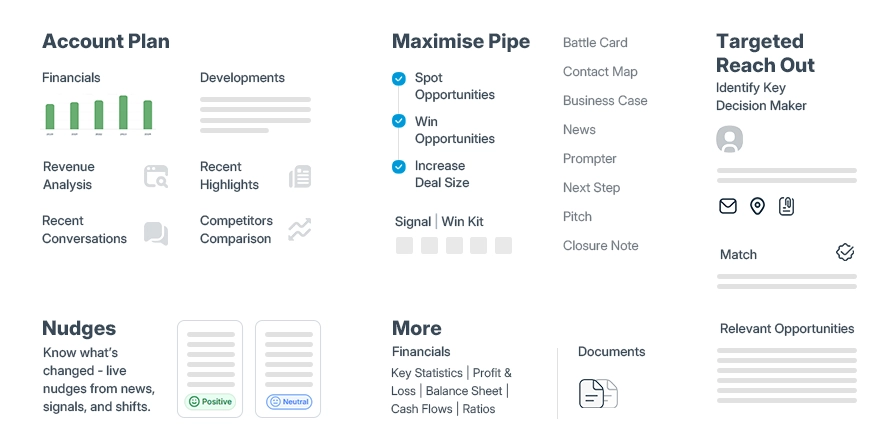
The evolution toward autonomous decision-making is gaining momentum. By 2026, 83% of executives anticipate AI agents will autonomously execute actions based on operational metrics and transaction histories. Furthermore, 85% believe their workforce will make real-time, data-driven decisions using AI agent recommendations by that same year.
What makes this approach powerful is how it combines speed with context. Unlike rule-based systems or traditional AI models, LLMs excel in contextual comprehension - interpreting language nuances and analyzing data with sophistication that mimics human understanding. This enables sales teams to not only respond faster but also act with deeper, more accurate understanding of each situation.
Pipeline management and forecasting remain among the most challenging areas for sales teams. In fact, 67% of sales operations leaders agree that creating accurate sales forecasts is harder today than it was three years ago. Emerging AI sales tools are finally addressing this pain point by connecting processes, data, and AI to deliver unprecedented visibility and predictability.
The foundation of accurate forecasting begins with capturing all sales activities. Yet most enterprises still rely on humans to manually update their CRM, resulting in incomplete and unreliable data because sales reps avoid making these updates to focus on selling. This gap in data quality means teams often operate on guesswork when deciding which deals to focus on.
AI-powered activity capture solves this problem by automatically logging emails, calendar events, and other interactions without requiring manual effort. These tools connect to email and calendar platforms, capturing both inbound and outbound communications as well as scheduled meetings, then sync them to corresponding CRM records.
The impact is substantial:
Elimination of "ghost records" that exist outside the CRM system
Consistent capture of all communications without requiring additional effort
Centralized record of customer conversations that keeps teams aligned
Better tracking of key metrics like response times and engagement levels
Salesforce's Einstein Activity Capture exemplifies this approach, automatically syncing relevant sales intelligence from emails, calendars, and calls to maintain accurate records and eliminate error-prone manual entry. At the same time, advanced platforms match activities to the correct accounts and opportunities, turning raw data into clean, actionable intelligence.

Beyond activity tracking, conversation intelligence tools analyze the content of customer interactions to extract valuable insights. These AI sales intelligence tools transcribe and analyze every call, email, and web conference to identify trends, buying signals, and potential problems.
Gong uses conversational AI, machine learning, and natural language processing to examine these interactions, constantly running in the background to detect patterns and flags. Similarly, Outreach Kaia captures calls, transcribes them in real-time, and actively highlights key moments such as objections, competitor mentions, or next steps.
The practical applications are wide-ranging. Sales teams use conversation intelligence to:
Automatically transcribe recorded voice and video calls
Unblock deals and identify next steps with auto-captured conversation insights
Identify conversation trends and coaching moments
Flag coachable moments and deliver playbook-aligned performance insights
Create playlists of successful calls for reps to learn what works
These systems don't just improve individual performance—they transform pipeline management. With tools like Outreach, managers receive real-time alerts when deals show warning signs, allowing them to intervene before opportunities go cold. Afterward, the analysis links conversation data directly to pipeline health, providing a clear view of which opportunities are on track versus stalling.
STOP CHASING PROSPECTS
START CLOSING DEALS!!
The integration of activity data and conversation intelligence culminates in AI-powered predictive forecasting. Instead of relying on sales rep estimates, these systems analyze actual customer behavior and historical conversion data across thousands of data points.
Clari exemplifies this approach by automatically capturing and analyzing opportunity data to predict which deals will close and which are at risk. Through its integration with Gong, it incorporates conversation data into its predictive modeling, creating a comprehensive view of every deal in the pipeline.
Gong Forecast similarly leverages machine learning, scanning over 300 buying signals from customer interactions, historical sales data, and integrated apps. The system identifies patterns humans would miss—like prospects who download technical documentation converting differently than those requesting executive references.
The results are impressive. AI-based pipeline forecasting delivers up to 90% accuracy in predicting outcomes, while improving win rates by 35%. These tools provide a forecast range with confidence levels rather than a single number, enabling "what-if" scenario planning.
Most importantly, they transform how teams manage deals. Instead of reviewing static updates, sales leaders can forecast based on what buyers are actually saying and doing, catching deals going south before it's too late to adjust strategy.
Training and equipping sales teams has typically required extensive human effort, yet emerging AI sales tools are now automating this critical function with remarkable results. These technologies not only improve training effectiveness, primarily by focusing on what works, but they equally enhance content delivery across the entire sales process.
Modern AI coaches transform sales training by codifying excellence that already exists within organizations. By fine-tuning AI engines using data from top-performing sellers, these systems learn specific nuances of what works for an organization's unique customers and products. Indeed, this approach allows new hires to learn from the best performers from day one. AI-generated personalized playbooks have led to a 23% increase in win rates for new hires within their first quarter.
The fundamental shift is from static to dynamic playbooks:
Traditional playbooks lived in PDFs; AI-powered versions are embedded in sales tech stacks and evolve daily
Modern playbooks adapt based on role, industry, buyer persona, and deal stage – often automatically
AI identifies patterns from successful sellers and turns them into real-time guidance
Performance gaps are identified through conversation intelligence, allowing for personalized coaching
Second Nature's AI training system exemplifies this approach by providing a "virtual pitch partner" that has actual discussions with sales reps, scores them, and helps them improve independently. In particular, these AI-powered role-playing tools allow reps to practice pitches on their own time, receiving immediate feedback without requiring manager involvement.
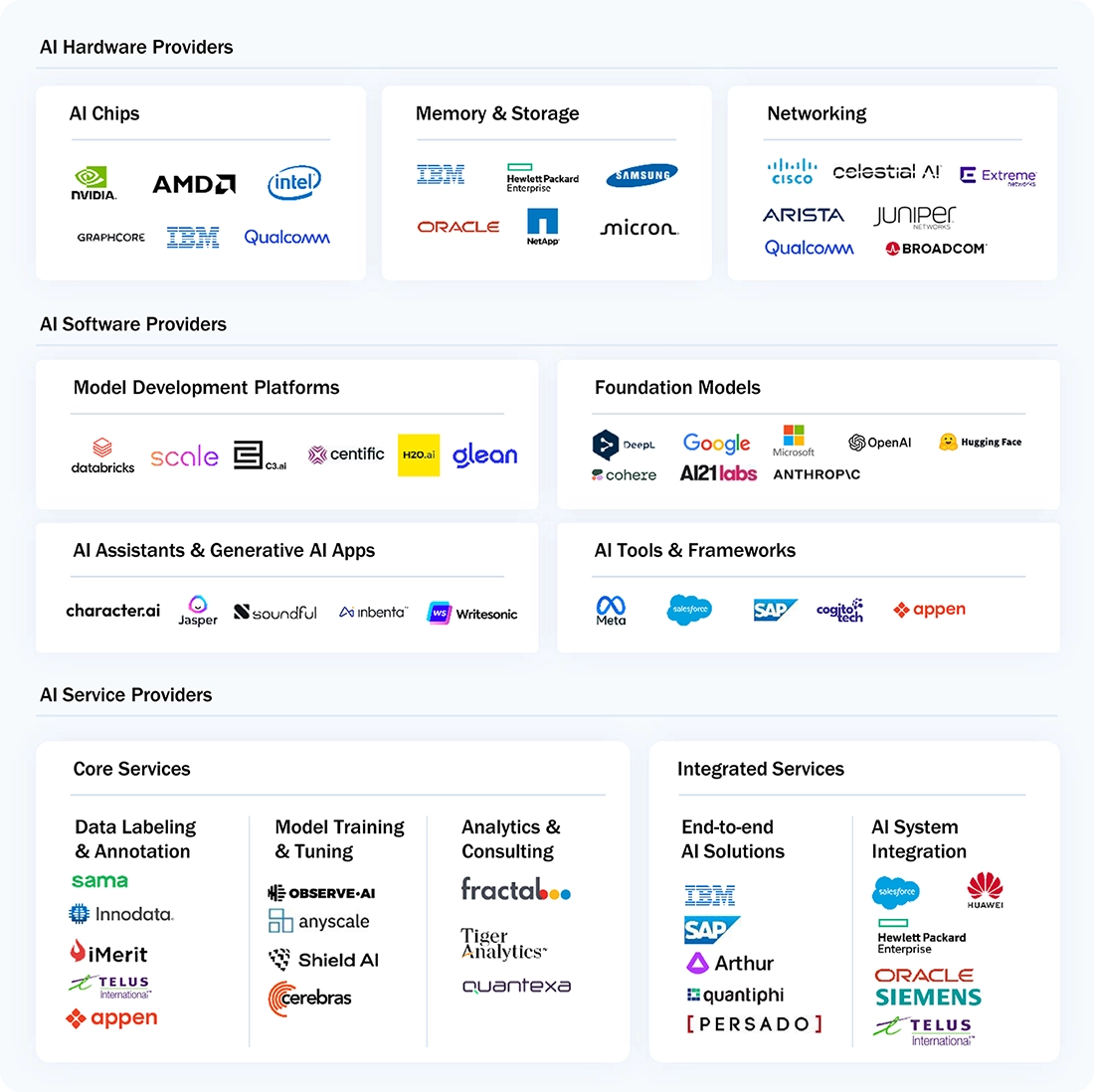
Personalized content has become non-negotiable in sales – 85% of buyers will dismiss a seller in the first interaction if they don't receive personalized content. Above all, sales enablement AI addresses this challenge by delivering tailored materials that resonate with each prospect's unique needs.
STOP GUESSING YOUR PIPELINE
START GROWING IT WITH AI SALES!!
Seismic's Enablement Cloud empowers customer-facing teams to make every touchpoint count through AI-powered recommendations and content personalization. The platform solves a critical problem: when content lives in too many places, buyer experience suffers, as teams struggle to find what they need.
Certainly, Regie.ai takes a different approach by leveraging generative AI. Their system can analyze user data – including browsing history, buying behaviors, and demographic information – to build detailed profiles and generate personalized outreach at scale. The platform automatically highlights the "I:You ratio" in email messages to ensure reps stay focused on the reader rather than talking about themselves.
The impact of these tools extends beyond mere efficiency. Companies investing in AI for sales enablement see revenue increases of 3-15% and improvements in sales ROI of 10-20%. Furthermore, when organizations connect enablement software with their CRM, they can measure whether their content and training investments are working through pipeline metrics and total contract value.
Through these AI-powered approaches, sales teams can ensure that every rep – regardless of experience level – has access to the knowledge, skills, and content needed to succeed with today's increasingly demanding buyers.
Modern sales organizations are now integrating AI throughout the entire buyer journey. This strategic approach transforms disconnected tools into a cohesive ecosystem that guides prospects from initial awareness to closed deals and beyond.
Predictive lead scoring represents one of the most impactful applications of AI in the sales process. Unlike traditional scoring methods based on static rules, these models analyze hundreds of data points to identify high-potential prospects. Predictive models calculate a score between 0 and 100, with higher scores indicating greater likelihood of conversion.
The business impact is substantial:
AI-powered lead scoring increases qualification rates and reduces time spent on unqualified leads
Teams implementing predictive scoring focus more time on high-potential prospects, resulting in increased conversion rates
Organizations using AI for lead prioritization see up to 50% revenue growth compared to peers
These emerging AI sales tools automate data collection across channels—email, social media, CRM, and more—learning from customer behavior to notify sales teams of buying signals. Specifically, Microsoft Dynamics 365's predictive lead scoring analyzes signals from leads and related entities (contacts, accounts) to identify prospects with higher conversion potential.
Guided selling takes sales AI tools beyond static recommendations to provide contextual, real-time guidance. These systems use AI to surface relevant CRM data, buyer activity, and talking points before calls so representatives arrive prepared. Subsequently, AI captures key insights and drafts personalized follow-ups.
This approach transforms B2B sales representatives into consultative sellers who confidently guide buyers through choices without unnecessary cross-selling. Given that 71% of consumers expect personalized experiences—and 76% express frustration when this expectation isn't met—guided selling helps meet these demands.
The technology works by embedding AI directly into sales workflows (CRM, email, calendar), using real-time buyer signals to trigger next-best-action suggestions and recommend relevant content tailored to each persona and stage.
Make Every Rep Speak
Like Your Top 1%
AI coaching tools now analyze sales activities, call recordings, and performance metrics to deliver targeted feedback after every interaction. This approach identifies moments when representatives hesitate or stumble over objections, delivering specific tips to turn challenges into opportunities.
Initially focused on call analysis, these systems now provide comprehensive performance insights:
AI can present as an avatar for interactive conversations, giving feedback on specific skills
Performance dashboards highlight strengths and areas for improvement across entire teams
The technology reduces ramp-up time for new hires by up to 40% through immediate, call-specific feedback
Rather than replacing manager coaching, AI sales intelligence tools amplify human skills. Managers focus on high-stakes deals, role-plays, and strategy while AI handles routine feedback. This partnership enhances coaching quality by blending human intuition with data-driven insights.
By integrating these AI capabilities across the entire sales lifecycle, organizations create a seamless, intelligent system that guides both customers and sales representatives through increasingly complex buying journeys.
Despite their tremendous potential, emerging AI sales tools come with significant implementation hurdles. Successful adoption requires addressing key challenges systematically to avoid costly missteps.
Implementing AI sales intelligence systems demands pristine data quality. Undeniably, poor data leads to flawed AI outputs—the classic "garbage in, garbage out" problem. Research reveals 81% of companies struggle with major AI data quality problems, while organizations lose approximately $12.90 million annually due to subpar information.
Due to these challenges, 60% of businesses will fail to realize value from their AI investments by 2027 specifically because of incohesive data governance frameworks. Effective governance establishes:
Clear policies and roles for data handling
Quality standards across data pipelines
Measures preventing AI from generating unreliable outcomes
Compliance protocols for data privacy regulations
Without proper oversight, poor-quality data inevitably creates poorly trained AI models, resulting in improper outputs, bias, and other serious issues.
Sales AI tools handle exceptionally sensitive information—customer data, pricing strategies, and proprietary sales processes. Primarily, organizations must implement robust encryption to prevent unauthorized access, especially since 24% of sales professionals worry about privacy issues and data breaches from AI.
Correspondingly, when using AI-powered platforms, sales teams must recognize that every point along the data chain represents a potential vulnerability. This risk intensifies when AI processes proprietary invention data or competitive intelligence—information that constitutes a company's core value.
Organizations should identify and classify sensitive information across their environments, especially in AI workflows where large datasets might contain overlooked sensitive data. This proactive approach allows teams to apply necessary security controls before vulnerabilities emerge.
The human element often determines AI implementation success. Typically, 75% of employees worry AI could render their roles obsolete, creating resistance that hinders adoption.
Overcoming this resistance requires establishing foundational trust in AI systems throughout the organization. Companies achieving high performance with generative AI consistently invest more in trust-enabling activities, including transparent AI governance and clear communication about how AI augments rather than replaces human work.
For sales organizations specifically, focus on change management remains crucial as AI significantly alters team operations. This includes implementing proper training and providing clear examples of how AI creates new opportunities rather than eliminating jobs. High-performing sales teams redesign workflows with AI at the center rather than merely bolting it onto existing processes.
The evolution toward multiagent AI systems represents the next frontier in sales transformation. By 2025, these sophisticated systems will fundamentally reshape how sales teams operate and customers interact with organizations.
Multiagent systems will soon take center stage, moving beyond single-agent applications to tackle complex challenges. Instead of working in isolation, these AI agents will collaborate with each other and human team members, adapting and executing autonomously. Consider a future regional sales manager overseeing both human and AI sellers working in tandem. These digital teammates can:
Collaborate independently across departments, such as a marketing agent working with a legal agent to ensure campaign compliance
Increase conversion rates by up to sevenfold compared to traditional single AI models
Enable sales teams using them to become 3.7 times more likely to achieve their quotas
Yet customer expectations are evolving alongside these technologies. Overall, 81% of consumers now believe AI has become an integral part of modern customer service. As buyers experience benefits like instant responses and 24/7 availability, they increasingly prefer AI-equipped suppliers. Plus, 61% now expect more personalized service with AI.
This technological shift necessitates reframing sales roles around long-term value creation. With generative AI making transactional sales obsolete, sellers must focus on customer outcomes rather than immediate gains. AI can calculate customer lifetime value, positioning sellers to invest for extended-term benefits.
Hence, successful organizations will adapt by anchoring on core competitive advantages: building trusted relationships, understanding clients as thought partners, and emphasizing problem-solving. Power continues shifting from sellers to customers, making these human-centered skills even more crucial to sales success.
STOP GUESSING YOUR PIPELINE
START GROWING IT WITH AI SALES!!
Throughout this article, I've explored how AI is rapidly reshaping sales intelligence and operations. The evolution from traditional AI to generative AI and now agentic AI represents a fundamental shift in how sales teams identify opportunities, engage prospects, and close deals. Undoubtedly, these technologies offer tremendous potential for organizations willing to embrace them thoughtfully.
As we've seen, AI Sales Intelligence Tools now extract valuable insights from previously untapped unstructured data while simultaneously creating personalized communications that sound authentically human. Additionally, autonomous AI systems handle end-to-end prospecting and outreach, allowing sales professionals to focus on what they do best—building relationships and solving complex problems.
Sales forecasting, once notoriously difficult, has become significantly more accurate through AI-powered activity tracking and conversation intelligence. Therefore, teams can now predict outcomes with up to 90% accuracy, drastically improving pipeline management. Likewise, AI-generated playbooks and training systems enable new hires to learn from top performers from day one, while content personalization tools ensure every buyer receives tailored materials.
Despite these advantages, successful implementation requires addressing key challenges. Data quality remains essential for effective AI, while security protocols must protect sensitive information across all workflows. Above all, change management proves critical since AI significantly alters how sales teams operate.
Looking ahead, the rise of multiagent systems promises even greater transformation. These sophisticated AI teammates will collaborate with humans and other AI agents, tackling complex challenges while adapting autonomously. Customer expectations will continue evolving alongside these technologies, with buyers increasingly preferring AI-equipped suppliers.
The most successful sales organizations will balance cutting-edge AI tools with irreplaceable human skills. Though AI excels at analyzing data and automating routine tasks, building trust, understanding client needs, and providing strategic guidance still require human expertise.
The AI revolution in sales intelligence isn't simply about efficiency—it's about creating deeper connections with customers through personalized experiences at scale. For forward-thinking sales leaders, these emerging technologies offer an opportunity to reimagine what's possible and establish a competitive advantage that will last for years to come.
AI is revolutionizing sales intelligence by extracting insights from unstructured data, automating personalized outreach, improving forecasting accuracy, and enabling autonomous prospecting and lead generation. It allows sales teams to focus more on relationship-building and complex problem-solving.
The main types of AI in sales are traditional AI (for automation and prediction), generative AI (for content creation and personalization), and agentic AI (for autonomous decision-making and workflow execution). Each type offers unique capabilities that serve different aspects of the sales process.
AI improves sales forecasting by analyzing vast amounts of data from CRM systems, email logs, and customer interactions. It uses predictive models to identify patterns and trends, resulting in up to 90% accuracy in predicting outcomes. This allows sales teams to make data-driven decisions and focus on high-potential deals.
Key challenges include ensuring data quality and governance, protecting sensitive information and intellectual property, and managing the change process for sales teams. Successful implementation requires addressing these issues systematically to avoid costly mistakes and resistance from employees.
AI is expected to transform sales roles by automating routine tasks and enabling more strategic, value-focused selling. While AI will handle many transactional aspects, human sales professionals will need to focus on building trusted relationships, understanding clients as thought partners, and emphasizing long-term problem-solving to remain competitive.
Your SDRs work 9–5
AI Sales works 24/7!!


Category: Uncategorized Tags: ai, AIOps, Artificial Intelligence, cloud, cloud platform, Cybersecurity, Information and Communications Technology , VR