Hazmat Suits Market by Application (Chemical Waste, Infection Control & Bio-Hazard, Hazardous Material), End-Use (Oil & Gas, Mining & Metallurgy, Construction, Manufacturing, Transportation, Utilities, Healthcare), Safety Standards - Global Forecast to 2035


Hazmat Suits Market
Hazmat Suits Market Summary
The global Hazmat Suits Market is expanding as governments, industrial operators, healthcare organizations, emergency response agencies, and hazardous material handling teams increase investment in advanced protective clothing. Based on a comparison of recent industry estimates, the market is approximately US$ 8.00 Billion - US$ 10.00 Billion in 2025 and is expected to reach approximately US$ 16.00 Billion - US$ 19.00 Billion by 2035, at a CAGR of approximately 7.0% - 8.5% from 2025 to 2035. Recent published estimates place the market at US$7.81 billion in 2025 with a projected US$13.99 billion by 2034, while another 2025 to 2035 estimate places the market at approximately US$17.83 billion by 2035.
Growth is being supported by stricter occupational safety requirements, increasing awareness of chemical and biological exposure, expansion of chemical and pharmaceutical manufacturing, oil and gas activities, emergency preparedness, and rising demand for protection against hazardous substances. The market is also moving toward higher performance materials, improved ergonomic designs, reusable protective systems, and connected safety technologies. North America remains the leading regional market, while Asia Pacific is expected to record comparatively strong growth as industrialization and hazardous material handling activities expand.
Key Market Trends & Insights
The North American region is expected to remain the leading market, supported by established workplace safety frameworks, extensive industrial activity, emergency response infrastructure, and high awareness of occupational exposure risks. North America accounted for approximately 32.14% of the global market in 2025 in one recent estimate.
Asia Pacific is emerging as a high growth region because of expanding chemical, pharmaceutical, electronics, battery, manufacturing, mining, and energy industries. Increasing industrial safety awareness and the adoption of international safety practices are creating additional demand for protective suits across China, Japan, India, South Korea, and Southeast Asia.
By protection level, Level C suits represent a major product segment, reflecting their broad applicability where respiratory protection and chemical resistance are required without the complete encapsulation associated with higher protection levels. Level A and Level B products remain important for severe chemical, biological, and emergency response environments.
Material innovation is becoming increasingly important. Manufacturers are developing lighter multilayer fabrics, improved barrier materials, enhanced seam technologies, and materials designed to balance protection with mobility and wearer comfort. Polypropylene and related material systems continue to represent important categories within the market.
AI, IoT, and automation are gradually creating a new smart PPE layer. Sensors can potentially monitor worker exposure, environmental conditions, temperature, fatigue, and equipment usage, while AI analytics can support risk assessment and safety management. Although connected technology remains less mature than conventional protective materials, it represents an important long term innovation direction.
Market Size & Forecast
-
Base year market size: Approximately US$ 8.00 Billion - US$ 10.00 Billion in 2025.
-
Forecast value by 2035: Approximately US$ 16.00 Billion - US$ 19.00 Billion by 2035.
-
CAGR: Approximately 7.0% - 8.5% from 2025 to 2035.
-
Short explanation of growth factors: Increasing workplace safety requirements, hazardous industrial activities, CBRN preparedness, healthcare applications, chemical manufacturing, oil and gas operations, emergency response demand, and innovation in protective materials are expected to support market expansion. Recent forecasts include approximately US$7.81 billion in 2025 and US$13.99 billion by 2034, while another estimate projects approximately US$17.83 billion by 2035.
AI-Powered Military Transformation: The Future of Smart Combat and Defense Top 10 Key Takeaway
-
The global Hazmat Suits Market is estimated at approximately US$ 8.00 Billion - US$ 10.00 Billion in 2025.
-
The market could reach approximately US$ 16.00 Billion - US$ 19.00 Billion by 2035.
-
The market is expected to expand at an approximate CAGR of 7.0% - 8.5% from 2025 to 2035.
-
North America is expected to remain the leading regional market.
-
Asia Pacific is positioned as one of the fastest growing regions.
-
Level C protective suits represent a major protection level segment.
-
Chemical protection and biohazard protection remain important application areas.
-
Advanced multilayer materials are improving protection while supporting wearer mobility.
-
AI, IoT, and sensor technologies are creating opportunities for smart protective clothing.
-
Industrial safety regulations and emergency preparedness will remain fundamental long term market drivers.
Product Insights
The Hazmat Suits Market is segmented according to protection level, material construction, application, and end user requirements. Level C suits represent a leading product category, supported by their applicability across environments where chemical or biological hazards exist but the highest level of respiratory isolation is not required. Level C designs can provide an effective balance between protection, mobility, cost, and operational flexibility, making them suitable for several industrial, healthcare, emergency response, and environmental applications.
Level A suits are designed for environments involving the highest potential exposure and require fully encapsulated configurations. These products are particularly relevant to specialized emergency response and hazardous chemical operations. Level B suits provide high respiratory protection while offering a different configuration of skin protection, making them important for certain emergency response and chemical handling environments. Level D products provide comparatively basic protection and are generally used where the hazard exposure is limited.
Material selection is becoming an important competitive factor. Polypropylene, polyolefin blends, laminated fabrics, specialized barrier materials, and advanced multilayer structures are being used to achieve chemical resistance, biological protection, durability, and comfort. Recent market research identifies polypropylene as a significant material category.
Emerging products are increasingly focused on reducing heat stress and improving wearer mobility. Lightweight constructions, ergonomic patterns, improved ventilation approaches, enhanced sealing systems, and reusable designs can help organizations improve worker acceptance while maintaining required protection levels.
AI and digital technologies are also beginning to influence product development. Smart suits could incorporate sensors capable of monitoring temperature, humidity, exposure conditions, and physiological indicators. In the future, these systems could communicate with industrial safety platforms to provide real time warnings and improve incident response.
Technology / Component Insights
Technology development in the Hazmat Suits Market is centered primarily on protective materials, barrier engineering, seam construction, respiratory interfaces, sealing systems, and ergonomic design. Manufacturers are increasingly attempting to improve the balance between protection and usability because excessive weight, restricted movement, and heat accumulation can reduce worker effectiveness during extended operations.
Multilayer material structures are particularly important because different layers can provide different functions. An outer layer can offer mechanical durability, while inner layers can contribute to chemical or biological resistance. Specialized membranes and barrier films can be engineered to limit penetration while maintaining appropriate flexibility.
IoT is creating opportunities for connected protective equipment. Sensors integrated into garments or associated equipment can collect information about temperature, humidity, air quality, exposure conditions, and worker location. Such data could be transferred to centralized safety systems, creating better visibility into hazardous work environments.
AI can add predictive capabilities to these connected systems. Algorithms could analyze environmental and worker data to identify abnormal exposure patterns, predict heat stress, or recommend changes to operating procedures. In industrial environments, this could complement conventional safety monitoring rather than replace established protective measures.
Cloud platforms can support centralized monitoring across large industrial sites, while edge computing can allow time sensitive alerts to be processed locally. Future innovation is likely to focus on sensor miniaturization, washable electronics, low power connectivity, digital exposure records, smart materials, and integrated worker safety platforms.
Sustainability is also becoming relevant. Conventional disposable protective clothing can create significant waste, encouraging research into reusable systems, recyclable materials, improved product durability, and more responsible end of life management. Research on protective clothing has highlighted the environmental impact of synthetic single use PPE and the need for improved materials and waste management approaches.
Application Insights
The Hazmat Suits Market serves a wide range of applications, including chemical protection, biohazard and infection control, radioactive protection, firefighting, emergency response, oil and gas, pharmaceuticals, healthcare, mining, and industrial manufacturing. Chemical protection represents a particularly important application because workers across chemical manufacturing, processing, transportation, and emergency response environments can encounter toxic or corrosive substances.
Biohazard protection remains strategically important for healthcare, laboratories, emergency response agencies, and specialized containment environments. The experience of global infectious disease events has reinforced the importance of preparedness and adequate protective equipment inventories.
Oil and gas operations also create demand because workers can encounter chemicals, hydrocarbons, toxic gases, and other hazardous materials. Mining and metallurgy applications present additional requirements associated with chemicals, particulates, industrial processes, and emergency response.
The pharmaceutical industry is another important opportunity because manufacturing and laboratory environments can involve hazardous chemicals, active pharmaceutical ingredients, and biological materials. The expansion of pharmaceutical and biotechnology manufacturing in Asia Pacific is likely to support additional demand.
Future growth opportunities will increasingly involve specialized suits designed for specific hazards rather than generalized protective clothing. Organizations are also expected to place greater emphasis on worker comfort, fit, durability, reusable designs, and integrated safety monitoring.
Regional Insights
North America is expected to remain the leader in the global Hazmat Suits Market. The region benefits from stringent workplace safety requirements, established industrial safety practices, substantial chemical and energy industries, advanced emergency response capabilities, and strong healthcare infrastructure. In 2025, North America was estimated to account for approximately 32.14% of the global market in one industry forecast.
Europe represents another mature market supported by regulatory requirements, established industrial safety practices, chemical manufacturing, pharmaceutical production, and emergency preparedness. European demand is also influenced by requirements associated with workplace protection and PPE certification.
Asia Pacific is expected to demonstrate strong growth, supported by industrial expansion across chemical manufacturing, pharmaceuticals, electronics, batteries, mining, construction, and energy. Increasing safety awareness and adoption of international occupational safety standards are encouraging organizations to upgrade protective equipment.
The Middle East and Africa offer opportunities through oil and gas, petrochemical, industrial, and emergency response applications. Latin America is supported by mining, energy, manufacturing, and chemical industries.
-
North America: Mature industrial safety systems and regulatory requirements support market leadership.
-
Europe: Stringent PPE requirements and hazardous industrial activities sustain demand.
-
Asia Pacific: Industrialization and expanding manufacturing capacity create strong growth opportunities.
-
Middle East: Oil, gas, and petrochemical operations remain important demand centers.
-
Latin America: Mining, energy, manufacturing, and chemical operations support adoption.
Country Specific Market Trends
In China, demand for hazmat suits is expected to increase as chemical, pharmaceutical, electronics, battery, energy, and manufacturing industries expand. Government emphasis on industrial safety and environmental management is also encouraging companies to improve worker protection. China is expected to record approximately 9.0% - 11.0% CAGR from 2025 to 2035.
Japan represents a technologically mature market where industrial safety, emergency preparedness, and advanced manufacturing support demand. The country is likely to emphasize high quality protective materials, ergonomic designs, and specialized protective equipment. Japan could record approximately 6.5% - 8.0% CAGR during the period.
In North America, the United States remains the largest national market because of its extensive industrial base, healthcare sector, chemical industry, emergency response infrastructure, and workplace safety requirements. The US market could expand at approximately 6.0% - 7.5% CAGR through 2035.
Canada is expected to benefit from oil and gas, mining, chemical processing, healthcare, and emergency response demand, supporting approximately 6.5% - 8.0% CAGR. Mexico is positioned for growth through manufacturing, energy, chemical processing, and industrial development, potentially achieving approximately 7.5% - 9.0% CAGR.
In Europe, Germany benefits from a large chemical, pharmaceutical, manufacturing, and industrial base and could register approximately 6.0% - 7.5% CAGR. France, supported by chemical manufacturing, healthcare, industrial operations, and emergency response applications, could record approximately 6.0% - 7.5% CAGR.
These country figures are approximate analytical ranges rather than definitive country forecasts, reflecting the user's requested range based approach.
-
China: Industrial expansion is expected to drive above average hazmat suit demand.
-
Japan: Advanced manufacturing and safety awareness support specialized PPE adoption.
-
United States: Strong industrial and emergency response infrastructure supports market leadership.
-
Canada and Mexico: Energy, mining, manufacturing, and industrial expansion create additional demand.
-
Germany and France: Mature industrial sectors and stringent safety practices support sustained adoption.
Key Company Insights
The competitive landscape includes established PPE manufacturers and specialized protective clothing suppliers. Major companies active in the market include DuPont, Lakeland Industries, Ansell, Kappler, 3M, Honeywell, Dräger, Sioen Industries, Delta Plus, and Kimberly Clark. Recent industry research identifies DuPont, Lakeland Industries, Ansell, and Kappler among prominent hazmat suit companies.
DuPont continues to focus on high performance protective materials and specialized chemical and biological protection. Lakeland Industries emphasizes protective clothing for industrial and emergency response applications, while Ansell maintains a broad portfolio across industrial and healthcare protection.
Kappler has a strong focus on high performance chemical protective clothing and specialized barrier technologies. 3M and Honeywell leverage broader industrial safety portfolios, allowing them to integrate protective garments with respiratory, head, eye, hearing, and other safety equipment.
Dräger brings expertise in respiratory protection and emergency response systems, while Sioen Industries and Delta Plus compete across specialized protective clothing and industrial PPE. The competitive landscape is increasingly influenced by material science, product certification, comfort, durability, supply chain capabilities, and customization.
AI adoption remains an emerging differentiator rather than a dominant competitive factor. Companies that successfully integrate sensors, connected PPE, exposure monitoring, and analytics could gain an advantage as industrial customers increasingly pursue digital safety management.
-
Material innovation: Companies are investing in lighter and more protective barrier materials.
-
Product specialization: Suppliers are developing suits for specific chemical, biological, and industrial hazards.
-
Comfort and ergonomics: Improved mobility and reduced heat stress are becoming important differentiators.
-
Digital integration: Connected PPE and sensor technologies represent emerging innovation opportunities.
-
Sustainability: Reusable, durable, and potentially recyclable protective clothing is gaining strategic importance.
Recent Developments
The market is experiencing increased development of advanced protective materials and specialized chemical barrier systems designed to provide stronger protection without excessive weight. Manufacturers are also improving garment construction, seams, closures, and ergonomic characteristics to improve field usability.
A second development is the increasing exploration of smart PPE technologies. Connected sensors can potentially monitor environmental exposure, temperature, worker location, and physiological conditions. AI based analytics could eventually transform these data streams into predictive workplace safety insights.
A third development is the growing focus on sustainable protective clothing. Manufacturers and industrial users are evaluating reusable designs, longer service life, lower material consumption, and improved end of life management. This shift is particularly relevant because disposable synthetic PPE can create substantial environmental burdens.
Market Segmentation
The Hazmat Suits Market can be segmented By Product or Protection Level into Level A, Level B, Level C, and Level D suits. By Technology / Component, the market includes protective fabrics, multilayer barriers, membranes, seams, closures, respiratory interfaces, sensors, communication components, and connected safety technologies. By Application, the market includes chemical protection, biohazard and infection control, radioactive protection, firefighting, emergency response, industrial safety, and other specialized applications. By Region, the market encompasses North America, Europe, Asia Pacific, Latin America, and the Middle East and Africa.
-
By Protection Level: Level C represents a major segment, while Levels A and B remain essential for severe hazard environments.
-
By Material: Polypropylene, polyolefin blends, laminated structures, and advanced barrier materials remain important.
-
By Application: Chemical and biohazard protection represent major demand areas.
-
By End User: Healthcare, chemical, oil and gas, manufacturing, mining, emergency response, and industrial organizations are important users.
-
By Region: North America leads, while Asia Pacific represents a strong long term growth opportunity.
Conclusion
The Hazmat Suits Market is evolving from a conventional protective clothing category into a more technology driven segment focused on higher protection, improved ergonomics, specialized materials, sustainability, and connected worker safety. The market is estimated at approximately US$ 8.00 Billion - US$ 10.00 Billion in 2025 and could reach approximately US$ 16.00 Billion - US$ 19.00 Billion by 2035, at an approximate CAGR of 7.0% - 8.5% from 2025 to 2035. Published estimates vary because of differences in market definitions, but available forecasts generally indicate sustained mid to high single digit growth.
AI will have an increasingly important role in the next generation of protective equipment. Connected sensors can provide real time environmental information, while AI systems can analyze exposure patterns and help organizations identify emerging safety risks. IoT connectivity can also improve asset tracking and PPE inventory management across large industrial sites.
Material science will remain equally important. Future hazmat suits are expected to focus on achieving higher chemical and biological resistance while reducing weight and improving mobility. Sustainable materials and reusable designs could gain importance as organizations seek to reduce PPE waste without compromising safety.
Through 2035, strategic demand is expected to remain strong across chemical manufacturing, healthcare, pharmaceuticals, oil and gas, mining, emergency response, and industrial operations. Companies that combine certified protection with comfort, digital monitoring, sustainable materials, and specialized applications will be positioned to capture emerging opportunities in the evolving Hazmat Suits Market.
FAQs
1. What is the approximate Hazmat Suits Market size in 2025?
The global Hazmat Suits Market is estimated at approximately US$ 8.00 Billion - US$ 10.00 Billion in 2025. Recent published estimates include approximately US$7.81 billion and US$9.86 billion, demonstrating variation according to market scope and methodology.
2. What is the expected growth rate of the Hazmat Suits Market?
The market is expected to grow at an approximate CAGR of 7.0% - 8.5% from 2025 to 2035. Individual forecasts vary, with recent estimates reporting growth rates of approximately 6.8%, 7.25%, 7.93%, and higher depending on the forecast period.
3. What are the key drivers of the Hazmat Suits Market?
Key drivers include stricter workplace safety requirements, increasing chemical and biological hazards, industrial expansion, healthcare preparedness, growth of chemical and pharmaceutical manufacturing, oil and gas activity, emergency response requirements, and rising awareness of worker protection.
4. Which region is expected to lead the Hazmat Suits Market?
North America is expected to remain the leading region because of its mature industrial safety infrastructure, regulatory environment, healthcare sector, and hazardous material handling activities. Asia Pacific is expected to demonstrate comparatively strong growth.
5. Which companies are key players in the Hazmat Suits Market?
Key companies include DuPont, Lakeland Industries, Ansell, Kappler, 3M, Honeywell, Dräger, Sioen Industries, Delta Plus, and Kimberly Clark.
 Exclusive indicates content/data unique to MarketsandMarkets and not available with any competitors.
Table of Contents
1 Introduction (Page No. - 15)
1.1 Objectives of the Study
1.2 Market Definition
1.3 Study Scope
1.3.1 Markets Covered
1.3.2 Years Considered for the Study
1.3.3 Currency
1.4 Limitations
1.5 Stakeholders
2 Research Methodology (Page No. - 18)
2.1 Research Data
2.1.1 Secondary Data
2.1.1.1 Key Data From Secondary Sources
2.1.2 Primary Data
2.1.2.1 Key Data From Primary Sources
2.1.2.2 Breakdown of Primary Interviews
2.2 Market Size Estimation
2.2.1 Bottom-Up Approach
2.2.2 Top-Down Approach
2.3 Market Breakdown and Data Triangulation
2.4 Market Share Estimation
2.5 Research Assumptions
3 Executive Summary (Page No. - 24)
4 Premium Insights (Page No. - 29)
4.1 Attractive Market Opportunities in Hazmat Suits Market
4.2 Hazmat Suits Market Size, By Application, 2014 -2021
4.3 Hazmat Suits Market Size, By End Use, 2014-2021
4.4 Hazmat Suits Market in Asia-Pacific, 2015
4.5 North America Accounted for More Than One-Third of the Market Share in 2015
4.6 Life Cycle Analysis, By Region
5 Market Overview (Page No. - 32)
5.1 Introduction
5.2 Market Segmentation
5.3 Market Dynamics
5.3.1 Drivers
5.3.1.1 Surge in Demand for Hazmat Suits After the Recent Ebola Outbreak
5.3.1.2 Increase in the Number of Nuclear Power Plants Across the Globe
5.3.1.3 Increase in Oil Explorations and Oil Field Service Activities
5.3.1.4 Significant Growth in Global Chemical Industry in Different Countries
5.3.1.5 Strong R&D Investments in Life Sciences Industry
5.3.1.6 Increasing Government Support to Pharmaceutical and Biotechnology Industries
5.3.1.7 Rapid Growth of Pharmaceutical and Biotechnology Industries
5.3.1.8 Strict Government Regulations Have Driven Companies to Use Flame-Retardant Apparel on A Large Scale
5.3.2 Restraints
5.3.2.1 Lack of Training Provided to Caregivers on Efficient Use of Equipment
5.3.2.2 Potential Adverse Fluctuations in Foreign Currency Exchange Rates
5.3.2.3 Oxygen Depletion in Level A Hazmat Suits
5.3.3 Opportunities
5.3.3.1 Increasing Pharmaceutical Outsourcing
5.3.3.2 Rapidly Increasing Aging Population
5.3.4 Challenges
5.3.4.1 Short Term Commitment of Customers Impacts Inventory Levels and Net Sales
6 Industry Trends (Page No. - 41)
6.1 Introduction
6.2 Patent Analysis
6.3 Industry Experts’ Quotes
6.4 Technology Trends
6.5 Average Selling Price Analysis
6.5.1 Level C - Hazmat Suits Product Category
6.5.2 Level B - Hazmat Suits Product Category
6.5.3 Level A - Hazmat Suits Product Category
7 Hazmat Suits Market Size, By Application (Page No. - 47)
7.1 Introduction
7.2 Infection Control & Bio-Hazard
7.3 Chemical Waste
7.4 Haz-Mat
7.5 Others
8 Hazmat Suits Market Size, By End Use (Page No. - 53)
8.1 Introduction
8.2 Oil & Gas
8.3 Healthcare
8.4 Manufacturing
8.5 Mining & Metallurgy
8.6 Construction
8.7 Utilities
8.8 Transportation
8.9 Others
9 Hazmat Suits Market Size, By Safety Standards (Page No. - 63)
9.1 Introduction
9.2 Level A
9.3 Level B
9.4 Level C
9.5 Others
10 Regional Analysis (Page No. - 69)
10.1 Introduction
10.2 North Ameria
10.2.1 By Application
10.2.2 By End Use
10.2.3 By Safety Standards
10.2.4 By Country
10.2.4.1 U.S.
10.2.4.1.1 By Application
10.2.4.1.2 By End Use
10.2.4.2 Canada
10.2.4.2.1 By Application
10.2.4.2.2 By End Use
10.3 Europe
10.3.1 By Application
10.3.2 By End Use
10.3.3 By Safety Standards
10.3.4 By Country
10.3.4.1 Germany
10.3.4.1.1 By Application
10.3.4.1.2 By End Use
10.3.4.2 France
10.3.4.2.1 By Application
10.3.4.2.2 By End Use
10.3.4.3 U.K.
10.3.4.3.1 By Application
10.3.4.3.2 By End Use
10.3.4.4 Italy
10.3.4.4.1 By Application
10.3.4.4.2 By End Use
10.4 Asia-Pacific
10.4.1 By Application
10.4.2 By End Use
10.4.3 By Safety Standards
10.4.4 By Country
10.4.4.1 China
10.4.4.1.1 By Application
10.4.4.1.2 By End Use
10.4.4.2 Japan
10.4.4.2.1 By Application
10.4.4.2.2 By End Use
10.4.4.3 India
10.4.4.3.1 By Application
10.4.4.3.2 By End Use
10.4.4.4 Australia
10.4.4.4.1 By Application
10.4.4.4.2 By End Use
10.5 Rest of the World
10.5.1 By Application
10.5.2 By End Use
10.5.3 By Safety Standards
10.5.4 By Country
10.5.4.1 Brazil
10.5.4.1.1 By Application
10.5.4.1.2 By End Use
10.5.4.2 Saudi Arabia
10.5.4.2.1 By Application
10.5.4.2.2 By End Use
10.5.4.3 UAE
10.5.4.3.1 By Application
10.5.4.3.2 By End Use
10.5.4.4 South Africa
10.5.4.4.1 By Application
10.5.4.4.2 By End Use
11 Competitive Landscape (Page No. - 101)
11.1 Introduction
11.2 Market Share Analysis
11.3 Key Players in the Hazmat Suits Market Size, By Region, 2016
11.4 Competitive Situations and Trends
11.4.1 New Product Launches
11.4.2 Contracts
11.4.3 Acquisitions
12 Company Profiles (Page No. - 107)
12.1 Introduction
(Overview, Financials, Products & Services, Strategy, and Developments)*
12.2 Lakeland Industries Inc.
12.3 Alpha Pro Tech Inc.
12.4 Dupont Inc.
12.5 Honeywell Inc.
12.6 Kimblery-Clark Corporation
12.7 3M Company
12.8 Halyard Health Inc.
12.9 Sioen Industries Nv
12.10 Drägerwerk AG & Co.
12.11 Msa Safety Inc.
12.12 Ansell Inc.
*Details on Overview, Financials, Product & Services, Strategy, and Developments Might Not Be Captured in Case of Unlisted Companies.
13 Appendix (Page No. - 139)
13.1 Discussion Guide
13.2 Knowledge Store: Marketsandmarkets’ Subscription Portal
13.3 Introducing RT: Real-Time Market Intelligence
13.4 Available Customizations
13.5 Related Reports
List of Tables (71 Tables)
Table 1 Patent Analysis, 2012-2016
Table 2 Dupont Inc. Level C Hazmat Suits
Table 3 Kimberly-Clark Professional Level C Hazmat Suits
Table 4 Lakeland Industries Level B Hazmat Suits
Table 5 Lakeland Industries Level A Hazmat Suits
Table 6 Hazmat Suits Market Size, By Application, 2014-2021 (USD Million)
Table 7 Infection Control & Bio-Hazard: Hazmat Suits Market Size, By Region, 2014-2021 (USD Million)
Table 8 Chemical Waste: Hazmat Suits Market Size, By Region, 2014-2021 (USD Million)
Table 9 Haz-Mat: Hazmat Suits Market Size, By Region, 2014-2021 (USD Million)
Table 10 Other Applications: Hazmat Suits Market Size, By Region, 2014-2021 (USD Million)
Table 11 Hazmat Suits Market Size, By End Use, 2014-2021 (USD Million)
Table 12 Oil & Gas: Hazmat Suits Market Size, By Region, 2014-2021 (USD Million)
Table 13 Healthcare: Hazmat Suits Market Size, By Region, 2014-2021 (USD Million)
Table 14 Manufacturing: Hazmat Suits Market Size, By Region, 2014-2021 (USD Million)
Table 15 Mining & Metallurgy: Hazmat Suits Market Size, By Region, 2014-2021 (USD Million)
Table 16 Construction: Hazmat Suits Market Size, By Region, 2014-2021 (USD Million)
Table 17 Utilities: Hazmat Suits Market Size, By Region, 2014-2021 (USD Million)
Table 18 Transportation: Hazmat Suits Market Size, By Region, 2014-2021 (USD Million)
Table 19 Others: Hazmat Suits Market Size, By Region, 2014-2021 (USD Million)
Table 20 Hazmat Suits Market Size, By Safety Standards, 2014–2021 (USD Million)
Table 21 Level A: Hazmat Suits Market Size, By Region, 2014-2021 (USD Million)
Table 22 Level B: Hazmat Suits Market Size, By Region, 2014-2021 (USD Million)
Table 23 Level C: Hazmat Suits Market Size, By Region, 2014-2021 (USD Million)
Table 24 Others: Hazmat Suits Market Size, By Region, 2014-2021 (USD Million)
Table 25 Hazmat Suits Market Size, By Region, 2014–2021 (USD Million)
Table 26 North America: Hazmat Suits Market Size, By Application, 2014-2021 (USD Million)
Table 27 North America: Hazmat Suits Market Size, By End Use, 2014-2021 (USD Million)
Table 28 North America: Hazmat Suits Market Size, By Safety Standards, 2014-2021 (USD Million)
Table 29 North America: Hazmat Suits Market Size, By Country, 2014-2021 (USD Million)
Table 30 U.S.: Hazmat Suits Market Size, By Application, 2014-2021 (USD Million)
Table 31 U.S.: Hazmat Suits Market Size, By End Use, 2014-2021 (USD Million)
Table 32 Canada: Hazmat Suits Market Size, By Application, 2014-2021 (USD Million)
Table 33 Canada: Hazmat Suits Market Size, By End Use, 2014-2021 (USD Million)
Table 34 Europe: Hazmat Suits Market Size, By Application, 2014-2021 (USD Million)
Table 35 Europe: Hazmat Suits Market Size, By End Use, 2014-2021 (USD Million)
Table 36 Europe: Hazmat Suits Market Size, By Safety Standards, 2014-2021 (USD Million)
Table 37 Europe: Hazmat Suits Market Size, By Country, 2014-2021 (USD Million)
Table 38 Germany: Hazmat Suits Market Size, By Application, 2014-2021 (USD Million)
Table 39 Germany: Hazmat Suits Market Size, By End Use, 2014-2021 (USD Million)
Table 40 France: Hazmat Suits Market Size, By Application, 2014-2021 (USD Million)
Table 41 France: Hazmat Suits Market Size, By End Use, 2014-2021 (USD Million)
Table 42 U.K.: Hazmat Suits Market Size, By Application, 2014-2021 (USD Million)
Table 43 U.K.: Hazmat Suits Market Size, By End Use, 2014-2021 (USD Million)
Table 44 Italy: Hazmat Suits Market Size, By Application, 2014-2021 (USD Million)
Table 45 Italy: Hazmat Suits Market Size, By End Use, 2014-2021 (USD Million)
Table 46 Asia-Pacific: Hazmat Suits Market Size, By Application, 2014-2021 (USD Million)
Table 47 Asia-Pacific: Hazmat Suits Market Size, By End Use, 2014-2021 (USD Million)
Table 48 Asia-Pacific: Hazmat Suits Market Size, By Safety Standards, 2014-2021 (USD Million)
Table 49 Asia-Pacific: Hazmat Suits Market Size, By Country, 2014-2021 (USD Million)
Table 50 China: Hazmat Suits Market Size, By Application, 2014-2021 (USD Million)
Table 51 China: Hazmat Suits Market Size, By End Use, 2014-2021 (USD Million)
Table 52 Japan: Hazmat Suits Market Size, By Application, 2014-2021 (USD Million)
Table 53 Japan: Hazmat Suits Market Size, By End Use, 2014-2021 (USD Million)
Table 54 India: Hazmat Suits Market Size, By Application, 2014-2021 (USD Million)
Table 55 India: Hazmat Suits Market Size, By End Use, 2014-2021 (USD Million)
Table 56 Australia: Hazmat Suits Market Size, By Application, 2014-2021 (USD Million)
Table 57 Australia: Hazmat Suits Market Size, By End Use, 2014-2021 (USD Million)
Table 58 RoW: Hazmat Suits Market Size, By Application, 2014-2021 (USD Million)
Table 59 RoW: Hazmat Suits Market Size, By End Use, 2014-2021 (USD Million)
Table 60 RoW Hazmat Suits Market Size, By Safety Standards, 2014-2021 (USD Million)
Table 61 RoW: Hazmat Suits Market Size, By Country, 2014-2021 (USD Million)
Table 62 Brazil: Hazmat Suits Market Size, By Application, 2014-2021 (USD Million)
Table 63 Brazil: Hazmat Suits Market Size, By End Use, 2014-2021 (USD Million)
Table 64 Saudi Arabia: Hazmat Suits Market Size, By Application, 2014-2021 (USD Million)
Table 65 Saudi Arabia: Hazmat Suits Market Size, By End Use, 2014-2021 (USD Million)
Table 66 UAE: Hazmat Suits Market Size, By Application, 2014-2021 (USD Million)
Table 67 UAE: Hazmat Suits Market Size, By End Use, 2014-2021 (USD Million)
Table 68 South Africa: Hazmat Suits Market Size, By Application, 2014-2021 (USD Million)
Table 69 South Africa: Hazmat Suits Market Size, By End Use, 2014-2021 (USD Million)
Table 70 New Product Launches, June 2014 - July 2016
Table 71 Contracts, July 2011-July 2016
List of Figures (92 Figures)
Figure 1 Research Design
Figure 2 Breakdown of Primary Interviews: By Company Type, Designation, & Region
Figure 3 Market Size Estimation Methodology: Bottom-Up Approach
Figure 4 Market Size Estimation Methodology: Top-Down Approach
Figure 5 Data Triangulation
Figure 6 Hazmat Suits Market Size, By Region, 2016 & 2021 (USD Million)
Figure 7 Hazmat Suits Market Size, By Application, 2014-2021 (USD Million)
Figure 8 Hazmat Suits Market Size, By Application, 2016 & 2021 (USD Million)
Figure 9 Hazmat Suits Market Size, By End Use, 2014-2021 (USD Million)
Figure 10 Hazmat Suits Market Size, By End Use, 2016 & 2021 (USD Million)
Figure 11 Hazmat Suits Market Size, By Safety Standards, 2016 & 2021 (USD Million)
Figure 12 Geographic Snapshot: Hazmat Suits Market Share, 2016
Figure 13 New Product Launches Was the Key Growth Strategy Adopted By the Market Players Between June 2014 and July 2016
Figure 14 Government Safety Regulations is Driving the Hazmat Suits Market Size, 2016-2021
Figure 15 Infection Control & Bio-Hazard Segment Dominates the Hazmat Suits Market From 2016 to 2021
Figure 16 Oil & Gas Segment Projected to Dominate the Hazmat Suits Market During the Forecast Period
Figure 17 China Accounted for the Largest Share of the Asia-Pacific Market in 2015
Figure 18 North America Accounted for the Largest Share of the Hazmat Suits Market in 2015
Figure 19 Asia-Pacific Projected to Be the Fastest Growing Market During the Forecast Period
Figure 20 Hazmat Suits Market Segmentation
Figure 21 Ebola Deaths in West Africa, 2014
Figure 22 Ebola Outbreak Outside West Africa, 2014
Figure 23 Number of Upcoming Nuclear Reactors – Country Wise, By 2020
Figure 24 Number of Recoverable Reserves of Unconventional Energy From 2015 to 2020
Figure 25 U.S. Chemical Industry Capital Expenditure, By Year, 2012-2020
Figure 26 U.S. Chemical Industry Capital Investment, By Region
Figure 27 Global Chemical Industry Share Forecast, 2012-2020
Figure 28 Growth Trend of Chemical Industry in China, 2013-2015
Figure 29 Industry Experts’ Quotes on the Hazmat Suits Market
Figure 30 Comparison of Average Selling Price of Level-C Hazmat Suits By Dupont Inc. and Kimberly-Clark
Figure 31 Selling Price Comparison Between Level-A, B, & C Hazmat Suits
Figure 32 Hazmat Suits Market Size, By Application, 2016-2021 (USD Million)
Figure 33 North America Estimated to Dominate the Infection Control & Bio-Hazard Segment in 2016
Figure 34 Asia-Pacific Projected to Grow at the Highest CAGR in Chemical Waste Segment During the Forecast Period
Figure 35 North America Estimated to Dominate Haz-Mat Segment in 2016
Figure 36 Asia-Pacific Projected to Grow at the Highest CAGR
Figure 37 Hazmat Suits Market Size, By End Use, 2016 & 2021 (USD Million)
Figure 38 Oil & Gas Segment in Asia-Pacific to Grow at the Highest CAGR During the Forecast Period
Figure 39 Asia-Pacific Projected to Grow at the Highest CAGR in the Healthcare Segment,2016-2021
Figure 40 Asia-Pacific in Manufacturing Segment Projected to Grow at the Highest Rate During the Forecast Period
Figure 41 Asia-Pacific in Mining & Metallurgy Segment Projected to Grow at the Highest CAGR From 2016 to 2021
Figure 42 North America in Construction Segment Projected to Dominate the Market During the Forecast Period
Figure 43 North America in Utilities Segment in Projected to Account for the Largest Market Share in 2016
Figure 44 Asia-Pacific in Transportation Segment to Grow at the Highest CAGR During the Forecast Period
Figure 45 North America Projected to Account for the Largest Market Share of the Others Segment in 2016
Figure 46 Hazmat Suits Market Size, By Safety Standards, 2016 & 2021 (USD Million)
Figure 47 Level A: Hazmat Suits Market Size, By Region, 2016 & 2021 (USD Million)
Figure 48 Level B: Hazmat Suits Market Size, By Region, 2016 & 2021 (USD Million)
Figure 49 Level C: Hazmat Suits Market Size, By Region, 2016 & 2021 (USD Million)
Figure 50 Others: Hazmat Suits Market Size, By Region, 2016–2021 (USD Million)
Figure 51 Geographic Snapshot: Asia-Pacific Projected to Grow at the Highest CAGR During the Forecast Period
Figure 52 North America: Hazmat Suits Market Snapshot (2015)
Figure 53 North America Hazmat Suits Market Size, By Application, 2016 & 2021 (USD Million)
Figure 54 North America Hazmat Suits Market Size, By End Use, 2016 & 2021 (USD Million)
Figure 55 North America Hazmat Suits Market Size, By Safety Standards, 2016 & 2021 (USD Million)
Figure 56 Europe: Hazmat Suits Market Snapshot (2015)
Figure 57 Europe Hazmat Suits Market Size, By Application, 2016 & 2021 (USD Million)
Figure 58 Europe Hazmat Suits Market Size, By End Use, 2016 & 2021 (USD Million)
Figure 59 Europe Hazmat Suits Market Size, By Safety Standards, 2016 & 2021 (USD Million)
Figure 60 Asia-Pacific: Hazmat Suits Market Snapshot (2015)
Figure 61 Asia-Pacific Hazmat Suits Market Size, By Application, 2016 & 2021 (USD Million)
Figure 62 Asia-Pacific Hazmat Suits Market Size, By End Use, 2016 & 2021 (USD Million)
Figure 63 Asia-Pacific Hazmat Suits Market Size, By Safety Standards, 2016 & 2021 (USD Million)
Figure 64 RoW: Hazmat Suits Market Snapshot (2015)
Figure 65 RoW Hazmat Suits Market Size, By Application, 2016 & 2021 (USD Million)
Figure 66 RoW Hazmat Suits Market Size, By End Use, 2016 & 2021 (USD Million)
Figure 67 RoW Hazmat Suits Market Size, By Safety Standards, 2016 & 2021 (USD Million)
Figure 68 Companies Adopted New Product Development as the Key Growth Strategy Between 2014 & July 2016
Figure 69 Market Evolution Framework, 2014-2016
Figure 70 New Product Developments: the Key Growth Strategy Adopted Between 2014 to 2016
Figure 71 Acquisitions, 2015
Figure 72 Geographic Revenue Mix of Top Five Market Players
Figure 73 Lakeland Industries Inc.: Company Snapshot
Figure 74 Lakeland Industries Inc.: SWOT Analysis
Figure 75 Alpha Pro Tech Inc.: Company Snapshot
Figure 76 Alpha Pro Tech Inc.: SWOT Analysis
Figure 77 Dupont Inc.: Company Snapshot
Figure 78 Dupont: SWOT Analysis
Figure 79 Honeywell Inc.: Company Snapshot
Figure 80 Honeywell Inc.: SWOT Analysis
Figure 81 Kimblery Clark Corporation: Company Snapshot
Figure 82 Kimberly-Clark Corporation: SWOT Analysis
Figure 83 3M Company: Company Snapshot
Figure 84 3M Company: SWOT Analysis
Figure 85 Halyard Health Inc.: Company Snapshot
Figure 86 Halyard Health Inc.: SWOT Analysis
Figure 87 Sioen Industries N.V: Company Snapshot
Figure 88 Sioen Industries: SWOT Analysis
Figure 89 Drägerwerk AG & Co. : Company Snapshot
Figure 90 Drägerwerk AG & Co.: SWOT Analysis
Figure 91 Msa Safety Inc.: Company Snapshot
Figure 92 Ansell Inc.: Company Snapshot
Secondary research was mainly used to obtain key information about the industry’s supply chain, the total pool of key players, market classification, and segmentation according to industry trends to the bottom-most level, geographic markets, and key developments from both market and technology-oriented perspectives. In the primary research process, sources from both demand and supply sides were interviewed to obtain qualitative and quantitative information for this report. Primary sources from the supply side include industry experts, such as CEOs, vice presidents, marketing directors, technology and innovation directors, and related key executives from various key companies and organizations operating in the hazmat suits market. Below is the illustration of primary participants for all the regions for the Hazmat suit market:
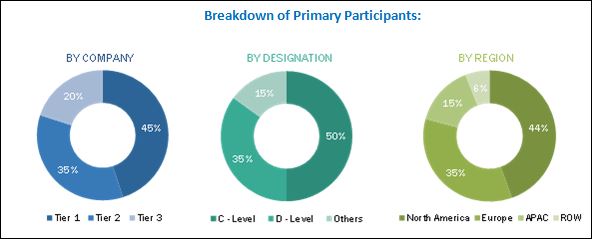
To know about the assumptions considered for the study, download the pdf brochure
The ecosystem of the hazmat suits market comprises of various component suppliers of hazmat systems. Major hazmat suits providers, manufacturers, and suppliers, such as Lakeland system Inc., Alpha Protect Inc., are important part of the hazmat suit ecosystem. Most of these companies have manufacturing facilities in the developing regions. This study answers several questions for the stakeholders, primarily the segments to focus on in the next five years for prioritizing efforts and investments.
Target Audience
- Hazmat Suit Manufacturers
- Healthcare Organizations
- Hazardous Material Logistic & Disposal Services Providers
- Chemical Industries
- Healthcare Workers
Scope of the Report
Hazmat suit Market, by Application
- Chemical Waste
- Infection Control & Biohazard
- Hazardous Materials
- Others
Hazmat suit Market, by End-Use
- Oil & Gas
- Mining & Metallurgy
- Construction
- Manufacturing
- Transportation
- Utilities
- Healthcare
- Others
Hazmat suit Market, by Safety Standards
- Level A
- Level B
- Level C
- Others
Hazmat suit Market, by Region
- North America
- Europe
- Asia-Pacific
- Rest of the World
Available Customization
Along with the market data, MarketsandMarkets offers customizations in accordance to company-specific needs. The country specific market numbers and volume data can be provided.












Growth opportunities and latent adjacency in Hazmat Suits Market