Rapid Liquid Printing Market by Offering (Printers, Services, Materials, Software), Application (Prototyping, Functional Part/End-Use Manufacturing, Tooling), Vertical (Consumer Products, Fashion), and Region - Global Growth Driver and Industry Forecast to 2036


Rapid Liquid Printing Market Summary
The Rapid Liquid Printing Market was valued at approximately USD 120–160 million in 2024 and is projected to reach around USD 950 million–1.2 billion by 2036, expanding at a robust CAGR of 18–22% during the forecast period (2025–2036). The market is emerging as a transformative segment within the broader additive manufacturing industry, offering a breakthrough approach to large-scale and flexible 3D printing. The Rapid Liquid Printing Market is gaining traction due to its ability to produce complex geometries at high speeds using gel-based suspension systems, significantly reducing production time compared to traditional 3D printing methods. Key growth drivers include increasing demand for customized manufacturing, advancements in material science, and the integration of artificial intelligence (AI), Internet of Things (IoT), and automation technologies. These innovations enable real-time process optimization, predictive quality control, and seamless integration into smart manufacturing ecosystems, positioning the Rapid Liquid Printing Market as a critical enabler of next-generation industrial production.
Key Market Trends & Insights
The Rapid Liquid Printing Market is currently led by North America, driven by strong innovation ecosystems, research investments, and early adoption of advanced manufacturing technologies. Asia Pacific is expected to register the fastest growth due to expanding industrial bases, rising adoption of additive manufacturing, and increasing government support for digital manufacturing initiatives. The industrial manufacturing segment dominates the Rapid Liquid Printing Market, particularly in automotive and aerospace applications where rapid prototyping and customized production are essential. A key trend is the growing integration of AI-driven design optimization tools, which enhance printing precision and reduce material waste. IoT-enabled systems are enabling real-time monitoring of printing processes, improving efficiency and consistency. Automation is further accelerating adoption by enabling continuous production and reducing manual intervention. Additionally, the development of new printable materials, including elastomers and advanced polymers, is expanding the application scope of rapid liquid printing technologies.
Market Size & Forecast
- Base Year Market Size (2024): USD 120–160 Million
- Forecast Market Size (2036): USD 950 Million–1.2 Billion
- CAGR (2025–2036): 18–22%
- Growth Factors: Rising demand for customized manufacturing, advancements in additive manufacturing, integration of AI and IoT, and increasing adoption of automation
To know about the assumptions considered for the study, Request for Free Sample Report
Rapid Liquid Printing Market Top 10 key takeaway
- The Rapid Liquid Printing Market is expected to grow nearly tenfold by 2036.
- North America leads due to strong R&D and early adoption.
- Asia Pacific is the fastest-growing region driven by industrial expansion.
- Industrial manufacturing is the dominant application segment.
- AI enhances design optimization and quality control.
- IoT enables real-time monitoring of printing processes.
- Automation supports continuous and efficient production.
- Advanced materials are expanding application possibilities.
- Customization capabilities drive demand across industries.
- Integration with smart manufacturing ecosystems accelerates growth.
Product Insights
The Rapid Liquid Printing Market is primarily segmented into printers, materials, and software solutions. Among these, rapid liquid printing systems (printers) account for the largest share, as they form the core of the technology. These systems utilize gel suspension tanks to support the printing of complex structures without the need for layer-by-layer support, enabling faster production and greater design flexibility.
Materials represent a rapidly evolving segment within the Rapid Liquid Printing Market. Elastomers, silicones, foams, and advanced polymers are widely used due to their flexibility, durability, and suitability for large-scale applications. The development of new materials with enhanced mechanical and thermal properties is further driving market growth.
Software solutions are becoming increasingly important, as they enable design optimization, simulation, and process control. AI-powered software tools are enhancing the capabilities of rapid liquid printing systems by enabling predictive modeling, error detection, and automated adjustments during the printing process. This integration of AI and software is significantly improving efficiency and reducing production costs.
Technology / Component Insights
The Rapid Liquid Printing Market is driven by a combination of advanced technologies, including gel suspension systems, robotic extrusion mechanisms, and real-time monitoring systems. Gel suspension technology is the foundation of rapid liquid printing, allowing materials to be printed in three dimensions without structural collapse. Robotic systems ensure precise material deposition and enable large-scale production.
Artificial intelligence is playing a pivotal role in the Rapid Liquid Printing Market by enabling predictive analytics, process optimization, and quality assurance. AI algorithms can analyze printing parameters and adjust them in real time to ensure optimal results. IoT integration allows machines to communicate with each other and with centralized control systems, enabling seamless coordination and monitoring.
Cloud computing supports data storage and advanced analytics, while automation technologies enable continuous production with minimal human intervention. Future innovation trends include the development of hybrid manufacturing systems that combine rapid liquid printing with other additive and subtractive techniques, as well as advancements in materials and robotics to enhance speed and precision.
Application Insights
Industrial manufacturing is the leading application segment in the Rapid Liquid Printing Market, driven by the need for rapid prototyping, customized production, and efficient manufacturing processes. The automotive industry uses rapid liquid printing for prototyping and production of lightweight components, while the aerospace sector leverages the technology for complex geometries and high-performance parts.
The furniture and construction industries are also emerging as key application areas, where rapid liquid printing is used to create large-scale structures and customized designs. Healthcare is another promising segment, with applications in prosthetics, orthotics, and medical devices.
The Rapid Liquid Printing Market is expanding into new applications such as wearable technology, consumer goods, and soft robotics. The integration of AI and IoT technologies is enabling advanced applications, including real-time customization and adaptive manufacturing, creating significant growth opportunities for the market.
Regional Insights
North America dominates the Rapid Liquid Printing Market, supported by strong research and development activities, presence of leading technology companies, and early adoption of advanced manufacturing technologies. Europe follows with steady growth, driven by industrial innovation and increasing focus on sustainable manufacturing practices. Asia Pacific is the fastest-growing region, fueled by rapid industrialization, government initiatives promoting digital manufacturing, and rising demand for customized products.
The adoption of AI, IoT, and automation technologies is enhancing the capabilities of rapid liquid printing systems across all regions. Governments and industries are investing in smart manufacturing solutions to improve efficiency and competitiveness.
- North America leads due to strong innovation and early adoption
- Europe benefits from industrial innovation and sustainability focus
- Asia Pacific shows fastest growth due to industrial expansion
- AI and IoT integration drives regional market development
- Government initiatives support digital manufacturing adoption
Country-Specific Market Trends
In Asia Pacific, China is a key market for rapid liquid printing, with a CAGR of 20–24%, driven by large-scale manufacturing and government support for advanced technologies. Japan follows with a CAGR of 18–20%, focusing on precision manufacturing and robotics. In North America, the United States leads with a CAGR of 19–22%, supported by strong R&D investments and adoption across multiple industries, while Canada and Mexico are experiencing steady growth due to increasing industrial activities.
In Europe, Germany and France are prominent markets, with CAGRs of 17–19% and 16–18% respectively, driven by industrial innovation and adoption of additive manufacturing technologies. Governments in these countries are promoting digital transformation and supporting research initiatives, further driving the growth of the Rapid Liquid Printing Market.
- China leads with strong manufacturing base and government support
- Japan emphasizes precision and robotics integration
- United States drives innovation and adoption across industries
- Germany focuses on industrial innovation and advanced manufacturing
- France supports growth through digital transformation initiatives
Key Rapid Liquid Printing Market Company Insights
The Rapid Liquid Printing Market is characterized by a mix of established technology companies and innovative startups. Key players include MIT Self-Assembly Lab (technology pioneer), Autodesk Inc., Stratasys Ltd., 3D Systems Corporation, HP Inc., Dassault Systèmes, Materialise NV, and emerging additive manufacturing startups.
These companies are focusing on innovation, particularly in the development of advanced printing systems, materials, and software solutions. AI adoption is enabling predictive analytics and real-time process optimization, while IoT integration enhances connectivity and monitoring capabilities. Product strategies are centered on improving speed, scalability, and material compatibility.
Strategic collaborations with research institutions and industrial partners are helping companies accelerate innovation and expand their market presence. Investments in R&D are driving the development of next-generation rapid liquid printing technologies.
- Companies focus on innovation in systems, materials, and software
- AI integration enhances process optimization and quality control
- IoT enables real-time monitoring and connectivity
- Strategic partnerships drive market expansion
- R&D investments support technological advancements
Recent Developments
In 2025, a leading research institution introduced an AI-powered rapid liquid printing system capable of real-time process optimization and defect detection. Another notable development includes a partnership between a major software company and an additive manufacturing firm to develop advanced design tools for rapid liquid printing. Additionally, new material innovations are enabling the production of stronger and more flexible printed structures, expanding the application scope of the technology.
Market Segmentation
The Rapid Liquid Printing Market is segmented by product, technology/component, application, and region. By product, the market includes printers, materials, and software solutions, with printers dominating due to their central role in the technology. In terms of technology, the market encompasses gel suspension systems, AI, IoT, cloud computing, and automation technologies, which collectively enhance performance and efficiency.
Applications of the Rapid Liquid Printing Market span industrial manufacturing, automotive, aerospace, healthcare, and construction, reflecting the versatility of the technology. Regionally, the market is divided into North America, Europe, Asia Pacific, and the rest of the world, each exhibiting unique growth patterns driven by industrial development and technological adoption.
- Product segmentation includes printers, materials, and software
- Technology segmentation highlights AI, IoT, and automation integration
- Applications cover manufacturing, healthcare, and construction
- Regional segmentation reflects diverse growth dynamics
- Advanced technologies drive market expansion
Conclusion
The Rapid Liquid Printing Market is poised for exponential growth through 2036, driven by increasing demand for efficient, scalable, and customizable manufacturing solutions. The integration of AI, IoT, and automation is transforming rapid liquid printing into a smart manufacturing technology capable of real-time optimization and predictive control.
As industries continue to embrace digital transformation and advanced manufacturing techniques, the Rapid Liquid Printing Market will play a critical role in shaping the future of production. Companies that invest in innovation, develop advanced materials, and integrate smart technologies will be well-positioned to capitalize on the significant opportunities in this rapidly evolving market.
FAQs
What is the current size of the Rapid Liquid Printing Market?
The market was valued at approximately USD 120–160 million in 2024.
What is the expected growth rate of the Rapid Liquid Printing Market?
The market is expected to grow at a CAGR of 18–22% from 2025 to 2036.
What are the key drivers of the Rapid Liquid Printing Market?
Key drivers include demand for customized manufacturing, advancements in additive manufacturing, and integration of AI and IoT.
Which region leads the Rapid Liquid Printing Market?
North America currently holds the largest market share.
Who are the key players in the Rapid Liquid Printing Market?
Major companies include Autodesk, Stratasys, 3D Systems, HP Inc., and Materialise NV.
To speak to our analyst for a discussion on the above findings, click Speak to Analyst
 Exclusive indicates content/data unique to MarketsandMarkets and not available with any competitors.
TABLE OF CONTENTS
1 INTRODUCTION (Page No. - 22)
1.1 STUDY OBJECTIVES
1.2 MARKET DEFINITION AND SCOPE
1.3 INCLUSIONS AND EXCLUSIONS
1.4 STUDY SCOPE
1.4.1 MARKETS COVERED
1.4.2 YEARS CONSIDERED
1.5 CURRENCY
1.6 LIMITATIONS
1.7 MARKET STAKEHOLDERS
2 RESEARCH METHODOLOGY (Page No. - 25)
2.1 RESEARCH DATA
FIGURE 1 RAPID LIQUID PRINTING MARKET: RESEARCH DESIGN
2.1.1 SECONDARY DATA
2.1.1.1 Major secondary sources
2.1.1.2 Key data from secondary sources
2.1.2 PRIMARY DATA
2.1.2.1 Key data from primary sources
2.1.2.2 Breakdown of primaries
2.1.3 SECONDARY AND PRIMARY RESEARCH
2.1.3.1 Key industry insights
2.2 MARKET SIZE ESTIMATION
2.2.1 BOTTOM-UP APPROACH
2.2.1.1 Arriving at the market size through the bottom-up approach (demand side)
FIGURE 2 MARKET SIZE ESTIMATION METHODOLOGY: BOTTOM-UP APPROACH
2.2.2 TOP-DOWN APPROACH
2.2.2.1 Arriving at the market size through the top-down approach (supply side)
FIGURE 3 MARKET SIZE ESTIMATION METHODOLOGY: TOP-DOWN APPROACH
2.3 MARKET BREAKDOWN AND DATA TRIANGULATION
FIGURE 4 DATA TRIANGULATION
2.4 RESEARCH ASSUMPTIONS
FIGURE 5 ASSUMPTIONS FOR THE RESEARCH STUDY
3 EXECUTIVE SUMMARY (Page No. - 34)
FIGURE 6 SERVICES OFFERING TO GROW AT THE HIGHEST CAGR FROM 2023 TO 2027
FIGURE 7 PROTOTYPING APPLICATION TO HOLD THE LARGEST SHARE OF THE MARKET IN 2023
FIGURE 8 MARKET FOR THE AUTOMOTIVE VERTICAL TO GROW AT THE HIGHEST CAGR FROM 2023 TO 2027
FIGURE 9 NORTH AMERICA IS EXPECTED TO HOLD THE LARGEST SHARE OF THE MARKET IN 2023
4 PREMIUM INSIGHTS (Page No. - 37)
4.1 OVERVIEW OF THE MARKET
FIGURE 10 ABILITY TO PRINT USING INDUSTRIAL-GRADE MATERIALS IS EXPECTED TO DRIVE THE DEMAND FOR RAPID LIQUID PRINTING
4.2 MARKET, BY OFFERING
FIGURE 11 SERVICES OFFERING OF THE MARKET IS EXPECTED TO GROW AT THE HIGHEST CAGR FROM 2023 TO 2027
4.3 MARKET, BY APPLICATION
FIGURE 12 PROTOTYPING EXPECTED TO HOLD THE LARGEST SHARE OF THE MARKET BY 2023
4.4 RAPID LIQUID PRINTING, BY VERTICAL AND REGION
FIGURE 13 CONSUMER PRODUCTS AND NORTH AMERICA TO HOLD THE LARGEST SHARE OF THE MARKET BY 2027
4.5 RAPID LIQUID PRINTING, BY REGION
FIGURE 14 US TO HOLD THE LARGEST SHARE OF THE MARKET IN 2023
5 MARKET OVERVIEW (Page No. - 40)
5.1 INTRODUCTION
5.2 MARKET DYNAMICS
FIGURE 15 RAPID LIQUID PRINTING: DRIVERS, RESTRAINTS, OPPORTUNITIES, AND CHALLENGES
5.2.1 DRIVERS
5.2.1.1 Fastest among all 3D printing technologies
5.2.1.2 Ability to print using industrial-grade materials
5.2.1.3 Ease of development of customized products
5.2.2 RESTRAINTS
5.2.2.1 High initial capital and maintenance costs
5.2.2.2 Lack of standardized processes, materials, and software
5.2.3 OPPORTUNITIES
5.2.3.1 Potential to improve manufacturing processes and enhance supply chain management
5.2.3.2 Increase in focus on lifecycle sustainability
5.2.3.3 Growth in the number of potential applications due to the COVID-19 pandemic
5.2.4 CHALLENGES
5.2.4.1 Threat of copyright infringement
5.3 VALUE CHAIN ANALYSIS
FIGURE 16 VALUE CHAIN ANALYSIS: MAJOR VALUE ADDITION DURING MANUFACTURING/ASSEMBLY STAGES
6 RAPID LIQUID PRINTING MARKET, BY OFFERING (Page No. - 45)
6.1 INTRODUCTION
FIGURE 17 PRINTERS TO HOLD THE LARGEST MARKET SIZE IN 2027
TABLE 1 RAPID LIQUID PRINTING, BY OFFERING, 2023–2027 (USD MILLION)
6.2 PRINTERS
TABLE 2 RAPID LIQUID PRINTING, BY PRINTER, 2023–2027 (USD MILLION)
6.2.1 DESKTOP PRINTERS
6.2.1.1 The increasing adoption of advanced technologies in schools and universities is likely to drive the rapid liquid printing market growth
6.2.2 INDUSTRIAL PRINTERS
6.2.2.1 Rapid liquid printers for industrial applications are expected to be used to generate concept models, precision and functional prototypes, master patterns and molds for tooling, and end-use parts
FIGURE 18 PRINTERS: PROTOTYPING TO HOLD THE LARGEST SHARE FROM 2023 TO 2027
TABLE 3 MARKET FOR PRINTERS, BY APPLICATION, 2023–2027 (USD MILLION)
TABLE 4 MARKET FOR PRINTERS, BY VERTICAL, 2023–2027 (USD MILLION)
TABLE 5 MARKET FOR PRINTERS, BY REGION, 2023–2027 (USD MILLION)
6.3 SERVICES
6.3.1 SERVICES SEGMENT IS EXPECTED TO GARNER SIGNIFICANT TRACTION COMPARED TO SALES OF PRINTERS AND MATERIALS
TABLE 6 MARKET FOR SERVICES, BY APPLICATION, 2023–2027 (USD MILLION)
TABLE 7 MARKET FOR SERVICES, BY VERTICAL, 2023–2027 (USD MILLION)
TABLE 8 MARKET FOR SERVICES, BY REGION, 2023–2027 (USD MILLION)
6.4 MATERIALS
FIGURE 19 MATERIALS: MARKET FOR PLASTIC EXPECTED TO GROW AT THE HIGHEST RATE FROM 2023 TO 2027
TABLE 9 MARKET, BY MATERIAL, 2023–2027 (USD MILLION)
6.4.1 PLASTIC
6.4.2 RUBBER
6.4.3 FOAM
6.4.4 OTHERS
TABLE 10 MARKET FOR MATERIALS, BY APPLICATION, 2023–2027 (USD MILLION)
TABLE 11 MARKET FOR MATERIAL, BY VERTICAL, 2023–2027 (USD MILLION)
FIGURE 20 MATERIALS: MARKET IN APAC EXPECTED TO GROW AT THE HIGHEST RATE FROM 2023 TO 2027
TABLE 12 MARKET FOR MATERIALS, BY REGION, 2023–2027 (USD MILLION)
6.5 SOFTWARE
TABLE 13 MARKET, BY SOFTWARE, 2023–2027 (USD MILLION)
6.5.1 DESIGN
6.5.1.1 In rapid liquid printing, software is used to create drawings of end-use products and parts
6.5.2 INSPECTION
6.5.2.1 Inspection software is developed to inspect prototypes to ensure their compliance with the required specification
6.5.3 PRINTING
6.5.3.1 Printing software includes tools to ensure precision with the functioning of printers
6.5.4 SCANNING
6.5.4.1 Scanning software allows users to scan physical objects and create digital models and designs
FIGURE 21 SOFTWARE: PROTOTYPING EXPECTED TO ACCOUNT FOR THE LARGEST SHARE FROM 2023 TO 2027
TABLE 14 MARKET FOR SOFTWARE, BY APPLICATION, 2023–2027 (USD MILLION)
TABLE 15 MARKET FOR SOFTWARE, BY VERTICAL, 2023–2027 (USD MILLION)
TABLE 16 MARKET FOR SOFTWARE, BY REGION, 2023–2027 (USD MILLION)
7 RAPID LIQUID PRINTING MARKET, BY APPLICATION (Page No. - 58)
7.1 INTRODUCTION
FIGURE 22 PROTOTYPING EXPECTED TO HOLD THE LARGEST SHARE IN 2023
TABLE 17 RAPID LIQUID PRINTING, BY APPLICATION, 2017–2025 (USD MILLION)
7.2 PROTOTYPING
7.2.1 PROTOTYPING AIDS IN THE REDUCTION OF WASTAGE
TABLE 18 MARKET FOR PROTOTYPING, BY OFFERING, 2023–2027 (USD MILLION)
TABLE 19 MARKET FOR PROTOTYPING, BY VERTICAL, 2023–2027 (USD MILLION)
TABLE 20 FASHION: MARKET FOR PROTOTYPING, BY REGION, 2023–2027 (USD MILLION)
TABLE 21 CONSUMER GOODS: MARKET FOR PROTOTYPING, BY REGION, 2023–2027 (USD THOUSAND)
TABLE 22 AUTOMOTIVE: MARKET FOR PROTOTYPING, BY REGION, 2023–2027 (USD MILLION)
FIGURE 23 HEALTHCARE: NORTH AMERICAN MARKET FOR PROTOTYPING EXPECTED TO HOLD THE LARGEST SHARE FROM 2023 TO 2027
TABLE 23 HEALTHCARE: MARKET FOR PROTOTYPING, BY REGION, 2023–2027 (USD THOUSAND)
TABLE 24 MARKET OF PROTOTYPING FOR AEROSPACE & DEFENSE, BY REGION, 2023–2027 (USD THOUSAND)
TABLE 25 UTILITY: MARKET FOR PROTOTYPING, BY REGION, 2023–2027 (USD THOUSAND)
TABLE 26 CONSTRUCTION: MARKET FOR PROTOTYPING, BY REGION, 2023–2027 (USD THOUSAND)
TABLE 27 OTHERS: MARKET FOR PROTOTYPING, BY REGION, 2023–2027 (USD THOUSAND)
TABLE 28 MARKET FOR PROTOTYPING, BY REGION, 2023–2027 (USD MILLION)
7.3 FUNCTIONAL/END-USE PART MANUFACTURING
7.3.1 RAPID LIQUID PRINTING FOR END-USE PART MANUFACTURING IS EXPECTED TO GROW AT THE HIGHEST RATE
FIGURE 24 PRINTERS EXPECTED TO HOLD THE LARGEST SHARE FROM 2023 TO 2027
TABLE 29 RAPID LIQUID PRINTING FOR FUNCTIONAL/END-USE PART MANUFACTURING, BY OFFERING, 2023–2027 (USD MILLION)
TABLE 30 RAPID LIQUID PRINTING FOR FUNCTIONAL/END-USE PART MANUFACTURING, BY VERTICAL, 2023–2027 (USD MILLION)
TABLE 31 CONSUMER GOODS: RAPID LIQUID PRINTING FOR FUNCTIONAL/END-USE PART MANUFACTURING, BY REGION, 2023–2027 (USD MILLION)
TABLE 32 FASHION: RAPID LIQUID PRINTING FOR FUNCTIONAL/END-USE PART MANUFACTURING, BY REGION, 2023–2027 (USD MILLION)
TABLE 33 AUTOMOTIVE: RAPID LIQUID PRINTING FOR FUNCTIONAL/END-USE PART MANUFACTURING, BY REGION, 2023–2027 (USD THOUSAND)
TABLE 34 HEALTHCARE: RAPID LIQUID PRINTING FOR FUNCTIONAL/END-USE PART MANUFACTURING, BY REGION, 2023–2027 (USD THOUSAND)
FIGURE 25 NORTH AMERICAN MARKET FOR FUNCTIONAL/END-USE PART MANUFACTURING APPLICATION IN THE AEROSPACE & DEFENSE VERTICAL EXPECTED TO HOLD THE LARGEST SHARE IN 2027
TABLE 35 AEROSPACE & DEFENSE: RAPID LIQUID PRINTING FOR FUNCTIONAL/ END-USE PART MANUFACTURING, BY REGION, 2023–2027 (USD THOUSAND)
TABLE 36 UTILITY: RAPID LIQUID PRINTING FOR FUNCTIONAL/END-USE PART MANUFACTURING, BY REGION, 2023–2027 (USD THOUSAND)
TABLE 37 CONSTRUCTION: RAPID LIQUID PRINTING FOR FUNCTIONAL/END-USE PART MANUFACTURING, BY REGION, 2023–2027 (USD THOUSAND)
TABLE 38 OTHERS: RAPID LIQUID PRINTING FOR FUNCTIONAL/END-USE PART MANUFACTURING, BY REGION, 2023–2027 (USD THOUSAND)
TABLE 39 RAPID LIQUID PRINTING FOR FUNCTIONAL/END-USE PART MANUFACTURING, BY REGION, 2023–2027 (USD MILLION)
7.4 TOOLING
7.4.1 RAPID LIQUID PRINTING IS VITAL IN THE MANUFACTURING INDUSTRY, ESPECIALLY IN TERMS OF TOOLING FOR SHORT-RUN PRODUCTION OF END PARTS
FIGURE 26 PRINTERS EXPECTED TO HOLD THE LARGEST SHARE IN 2027
TABLE 40 RAPID LIQUID PRINTING FOR TOOLING, BY OFFERING, 2023–2027 (USD MILLION)
TABLE 41 RAPID LIQUID PRINTING FOR TOOLING, BY VERTICAL, 2023–2027 (USD MILLION)
TABLE 42 CONSUMER GOODS: RAPID LIQUID PRINTING FOR TOOLING, BY REGION, 2023–2027 (USD MILLION)
TABLE 43 FASHION: RAPID LIQUID PRINTING FOR TOOLING, BY REGION, 2023–2027 (USD MILLION)
TABLE 44 AUTOMOTIVE: RAPID LIQUID PRINTING FOR TOOLING, BY REGION, 2023–2027 (USD THOUSAND)
TABLE 45 HEALTHCARE: RAPID LIQUID PRINTING FOR TOOLING, BY REGION, 2023–2027 (USD THOUSAND)
TABLE 46 AEROSPACE & DEFENSE: RAPID LIQUID PRINTING FOR TOOLING, BY REGION, 2023–2027 (USD THOUSAND)
TABLE 47 UTILITY: RAPID LIQUID PRINTING FOR TOOLING, BY REGION, 2023–2027 (USD THOUSAND)
TABLE 48 CONSTRUCTION: RAPID LIQUID PRINTING FOR TOOLING, BY REGION, 2023–2027 (USD THOUSAND)
TABLE 49 OTHERS: MARKET FOR TOOLING, BY REGION, 2023–2027 (USD THOUSAND)
FIGURE 27 NORTH AMERICA EXPECTED TO HOLD THE LARGEST SHARE IN 2023
TABLE 50 MARKET FOR TOOLING, BY REGION, 2023–2027 (USD MILLION)
8 RAPID LIQUID PRINTING MARKET, BY VERTICAL (Page No. - 75)
8.1 INTRODUCTION
FIGURE 28 CONSUMER PRODUCTS PROJECTED TO LEAD THE RAPID LIQUID PRINTING IN 2027
TABLE 51 RAPID LIQUID PRINTING, BY VERTICAL, 2023–2027 (USD MILLION)
8.2 CONSUMER PRODUCTS
8.2.1 RISING ADOPTION OF DESKTOP OR PERSONAL PRINTERS IS EXPECTED TO DRIVE THE MARKET FOR CONSUMER PRODUCTS
TABLE 52 MARKET FOR CONSUMER PRODUCTS, BY OFFERING, 2023–2027 (USD MILLION)
TABLE 53 MARKET FOR CONSUMER PRODUCTS, BY PRINTER, 2023–2027 (USD MILLION)
FIGURE 29 CONSUMER PRODUCTS: FUNCTIONAL PART/END-USE MANUFACTURING EXPECTED TO GROW AT THE HIGHEST RATE FROM 2023 TO 2027
TABLE 54 MARKET FOR CONSUMER PRODUCTS, BY APPLICATION, 2023–2027 (USD MILLION)
TABLE 55 MARKET FOR CONSUMER PRODUCTS, BY REGION, 2023–2027 (USD MILLION)
8.3 FASHION
8.3.1 USE OF ENVIRONMENT-FRIENDLY MATERIALS EXPECTED TO FUEL THE MARKET GROWTH IN THE FASHION VERTICAL
TABLE 56 MARKET FOR FASHION, BY OFFERING, 2023–2027 (USD MILLION)
TABLE 57 MARKET FOR FASHION, BY PRINTER, 2023–2027 (USD MILLION)
TABLE 58 MARKET FOR FASHION, BY APPLICATION, 2023–2027 (USD MILLION)
FIGURE 30 FASHION: MARKET EXPECTED TO GROW AT THE HIGHEST RATE IN APAC FROM 2023 TO 2027
TABLE 59 MARKET FOR FASHION, BY REGION, 2023–2027 (USD MILLION)
8.4 AUTOMOTIVE
8.4.1 AUTOMOTIVE SEGMENT PROJECTED TO LEAD THE MARKET FROM 2023 TO 2025
TABLE 60 MARKET FOR AUTOMOTIVE, BY OFFERING, 2023–2027 (USD MILLION)
FIGURE 31 AUTOMOTIVE: INDUSTRIAL SEGMENT EXPECTED TO HOLD A LARGER SHARE OF THE RAPID LIQUID PRINTING
TABLE 61 RAPID LIQUID PRINTING FOR AUTOMOTIVE, BY PRINTER, 2023–2027 (USD MILLION)
TABLE 62 RAPID LIQUID PRINTING FOR AUTOMOTIVE, BY APPLICATION, 2023–2027 (USD MILLION)
TABLE 63 RAPID LIQUID PRINTING MRKET FOR AUTOMOTIVE, BY REGION, 2023–2027 (USD MILLION)
8.5 HEALTHCARE
8.5.1 THE GLOBAL PANDEMIC OF COVID-19 IS EXPECTED TO CREATE NEW OPPORTUNITIES FOR RLP IN HEALTHCARE
FIGURE 32 HEALTHCARE: SERVICES OFFERING OF RAPID LIQUID PRINTING EXPECTED TO GROW AT THE HIGHEST RATE
TABLE 64 RAPID LIQUID PRINTING FOR HEALTHCARE, BY OFFERING, 2023–2027 (USD MILLION)
TABLE 65 RAPID LIQUID PRINTING FOR HEALTHCARE, BY PRINTER, 2023–2027 (USD MILLION)
TABLE 66 RAPID LIQUID PRINTING FOR HEALTHCARE, BY APPLICATION, 2023–2027 (USD MILLION)
TABLE 67 RAPID LIQUID PRINTING FOR HEALTHCARE, BY REGION, 2023–2027 (USD MILLION)
8.6 AEROSPACE & DEFENSE
8.6.1 LATEST ADVANCEMENTS IN TECHNOLOGIES AND MATERIALS EXPECTED TO MAKE AEROSPACE & DEFENSE A MAJOR APPLICATION AREA FOR RAPID LIQUID PRINTING PLAYERS
TABLE 68 RAPID LIQUID PRINTING FOR AEROSPACE & DEFENSE, BY OFFERING, 2023–2027 (USD MILLION)
TABLE 69 RAPID LIQUID PRINTING FOR AEROSPACE & DEFENSE, BY PRINTER, 2023–2027 (USD MILLION)
FIGURE 33 AEROSPACE & DEFENSE: PROTOTYPING APPLICATION PROJECTED TO LEAD THE RAPID LIQUID PRINTING IN 2027
TABLE 70 RAPID LIQUID PRINTING FOR AEROSPACE & DEFENSE, BY APPLICATION, 2023–2027 (USD MILLION)
TABLE 71 RAPID LIQUID PRINTING FOR AEROSPACE & DEFENSE, BY REGION, 2023–2027 (USD MILLION)
8.7 UTILITY
8.7.1 THE GROWING ADOPTION OF 3D PRINTING IN THE UTILITY INDUSTRY IS EXPECTED TO CREATE NEW OPPORTUNITIES FOR RLP
TABLE 72 RAPID LIQUID PRINTING FOR UTILITY, BY OFFERING, 2023–2027 (USD MILLION)
TABLE 73 RAPID LIQUID PRINTING FOR UTILITY, BY PRINTER, 2023–2027 (USD MILLION)
TABLE 74 RAPID LIQUID PRINTING FOR UTILITY, BY APPLICATION, 2023–2027 (USD MILLION)
FIGURE 34 UTILITY: APAC RAPID LIQUID PRINTING EXPECTED TO GROW AT THE HIGHEST RATE FROM 2025 TO 2027
TABLE 75 RAPID LIQUID PRINTING FOR UTILITY, BY REGION, 2023–2027 (USD THOUSAND)
8.8 CONSTRUCTION
8.8.1 RAPID LIQUID PRINTING CAN BE USED BY ARCHITECTS AND CONTRACTORS TO BUILD 3D STRUCTURES, INCLUDING HOUSES AND APARTMENTS
FIGURE 35 CONSTRUCTION: PRINTERS PROJECTED TO LEAD THE RAPID LIQUID PRINTING IN 2027
TABLE 76 RAPID LIQUID PRINTING FOR CONSTRUCTION, BY OFFERING, 2023–2027 (USD MILLION)
TABLE 77 RAPID LIQUID PRINTING FOR CONSTRUCTION, BY PRINTER, 2023–2027 (USD MILLION)
TABLE 78 RAPID LIQUID PRINTING FOR CONSTRUCTION, BY APPLICATION, 2023–2027 (USD MILLION)
TABLE 79 RAPID LIQUID PRINTING FOR CONSTRUCTION, BY REGION, 2023–2027 (USD THOUSAND)
8.9 OTHERS
TABLE 80 RAPID LIQUID PRINTING FOR OTHERS, BY OFFERING, 2023–2027 (USD THOUSAND)
TABLE 81 RAPID LIQUID PRINTING FOR OTHERS, BY PRINTER, 2023–2027 (USD THOUSAND)
FIGURE 36 OTHERS: PROTOTYPING TO LEAD THE MARKET FROM 2025 TO 2027
TABLE 82 RAPID LIQUID PRINTING FOR OTHERS, BY APPLICATION, 2023–2027 (USD THOUSAND)
TABLE 83 RAPID LIQUID PRINTING FOR OTHERS, BY REGION, 2023–2027 (USD THOUSAND)
9 GEOGRAPHIC ANALYSIS (Page No. - 96)
9.1 INTRODUCTION
FIGURE 37 RAPID LIQUID PRINTING IN CHINA PROJECTED TO GROW AT THE HIGHEST CAGR FROM 2023 TO 2027
TABLE 84 RAPID LIQUID PRINTING MARKET, BY REGION, 2023–2027 (USD MILLION)
9.2 NORTH AMERICA
FIGURE 38 NORTH AMERICA: RAPID LIQUID PRINTING MARKET SNAPSHOT
9.2.1 US
9.2.1.1 The US to hold the largest share of the rapid liquid printing in North America
9.2.2 CANADA
9.2.2.1 Rapid liquid printing is expected to open new avenues for various businesses in Canada
9.2.3 MEXICO
9.2.3.1 Mexican companies and associations are constantly striving to boost the market for 3D printing technologies in the country
TABLE 85 NORTH AMERICA: RAPID LIQUID PRINTING , BY COUNTRY, 2023–2027 (USD MILLION)
TABLE 86 NORTH AMERICA: RAPID LIQUID PRINTING , BY OFFERING, 2023–2027 (USD MILLION)
TABLE 87 NORTH AMERICA: RAPID LIQUID PRINTING , BY APPLICATION, 2023–2027 (USD MILLION)
TABLE 88 NORTH AMERICA: RAPID LIQUID PRINTING, BY VERTICAL, 2023–2027 (USD MILLION)
9.3 EUROPE
FIGURE 39 EUROPE: RAPID LIQUID PRINTING SNAPSHOT
9.3.1 GERMANY
9.3.1.1 Germany projected to account for the largest share of the market in Europe from 2023 to 2027
FIGURE 40 PASSENGER CAR PRODUCTION IN EUROPE IN 2018
9.3.2 UK
9.3.2.1 Government, 3D printing associations, and several firms in the UK promote the adoption of 3D printing technologies, such as rapid liquid printing
9.3.3 FRANCE
9.3.3.1 Flourishing end-user sectors of 3D printers projected to contribute to the growth of the rapid liquid printing in the country
9.3.4 REST OF EUROPE (ROE)
TABLE 89 EUROPE: MARKET, BY COUNTRY, 2023–2027 (USD MILLION)
TABLE 90 EUROPE: RAPID LIQUID PRINTING, BY OFFERING, 2023–2027 (USD MILLION)
TABLE 91 EUROPE: RAPID LIQUID PRINTING, BY APPLICATION, 2023–2027 (USD MILLION)
TABLE 92 EUROPE: RAPID LIQUID PRINTING, BY VERTICAL, 2023–2027 (USD MILLION)
9.4 APAC
FIGURE 41 APAC: RAPID LIQUID PRINTING SNAPSHOT
9.4.1 CHINA
9.4.1.1 China to hold the largest share of the rapid liquid printing in APAC from 2023 to 2027
9.4.2 JAPAN
9.4.2.1 Increasing government investments in 3D printing technologies are among the major factors driving the market growth in Japan
9.4.3 SOUTH KOREA
9.4.3.1 Strong initiatives by the government expected to lead to noticeable growth of the rapid liquid printing in South Korea
9.4.4 INDIA
9.4.4.1 3D printing technologies in India are still in the developing stage and would grow at a rapid rate during the forecast period
9.4.5 REST OF APAC (ROAPAC)
TABLE 93 APAC: RAPID LIQUID PRINTING, BY COUNTRY, 2023–2027 (USD MILLION)
TABLE 94 APAC: RAPID LIQUID PRINTING, BY OFFERING, 2023–2027 (USD MILLION)
TABLE 95 APAC: RAPID LIQUID PRINTING, BY APPLICATION, 2023–2027 (USD MILLION)
TABLE 96 APAC: RAPID LIQUID PRINTING, BY VERTICAL, 2023–2027 (USD MILLION)
9.5 ROW
FIGURE 42 ROW: RAPID LIQUID PRINTING SNAPSHOT
9.5.1 MIDDLE EAST & AFRICA
9.5.1.1 Investments in the construction vertical expected to fuel growth
9.5.2 SOUTH AMERICA
9.5.2.1 South America expected to grow at a slower pace compared to other regions in RoW
TABLE 97 ROW: MARKET, BY REGION, 2023–2027 (USD MILLION)
TABLE 98 ROW: MARKET, BY OFFERING, 2023–2027 (USD THOUSAND)
TABLE 99 ROW: MARKET, BY APPLICATION, 2023–2027 (USD MILLION)
TABLE 100 ROW: RAPID LIQUID PRINTING, BY VERTICAL, 2023–2027 (USD THOUSAND)
10 COMPETITIVE LANDSCAPE (Page No. - 114)
10.1 OVERVIEW
10.2 MARKET SHARE ANALYSIS FOR RAPID LIQUID PRINTING PLAYERS
FIGURE 43 MARKET SHARE: RAPID LIQUID PRINTING MARKET (2023)
11 COMPANY PROFILES (Page No. - 115)
11.1 KEY PLAYERS
(Business Overview, SWOT Analysis, MnM View)*
11.1.1 STEELCASE
FIGURE 44 STEELCASE: COMPANY SNAPSHOT
11.1.2 STRATASYS
FIGURE 45 STRATASYS: COMPANY SNAPSHOT
11.1.3 3D SYSTEMS
FIGURE 46 3D SYSTEMS: COMPANY SNAPSHOT
11.1.4 MATERIALISE
FIGURE 47 MATERIALISE: COMPANY SNAPSHOT
11.1.5 EXONE
FIGURE 48 EXONE: COMPANY SNAPSHOT
11.1.6 EOS
11.1.7 DASSAULT SYSTEMES
FIGURE 49 DASSAULT SYSTEMES: COMPANY SNAPSHOT
11.1.8 AUTODESK
FIGURE 50 AUTODESK: COMPANY SNAPSHOT
11.1.9 NATIVE CANADA FOOTWEAR
11.1.10 BMW
FIGURE 51 BMW: COMPANY SNAPSHOT
*Details on Business Overview, SWOT Analysis, MnM View might not be captured in case of unlisted companies.
12 APPENDIX (Page No. - 132)
12.1 INSIGHTS OF INDUSTRY EXPERTS
12.2 DISCUSSION GUIDE
12.3 KNOWLEDGE STORE: MARKETSANDMARKETS’ SUBSCRIPTION PORTAL
12.4 RELATED REPORTS
12.5 AUTHOR DETAILS
This study involved four major activities in estimating the size of the rapid liquid printing market. Exhaustive secondary research has been conducted to collect information on the rapid liquid printing market. In the next step, these findings, assumptions, and sizing have been validated with industry experts across the value chain through primary research. Both the top-down and bottom-up approaches have been employed to estimate the complete market size. Following that, the market breakdown and data triangulation methods have been used to estimate the market size of segments and sub-segments.
Secondary Research
In the secondary research process, various secondary sources have been referred to for identifying and collecting information important for the rapid liquid printing market study. Secondary sources include corporate filings (such as annual reports, investor presentations, and financial statements); trade, business, and professional associations; white papers, manufacturing associations (such as Massachusetts Institute of Technology (MIT), 3D Printing Education & Research Association (3 Dpera), National Additive Manufacturing Association) International, and certified publications; articles from recognized authors; directories; and databases.
Primary Research
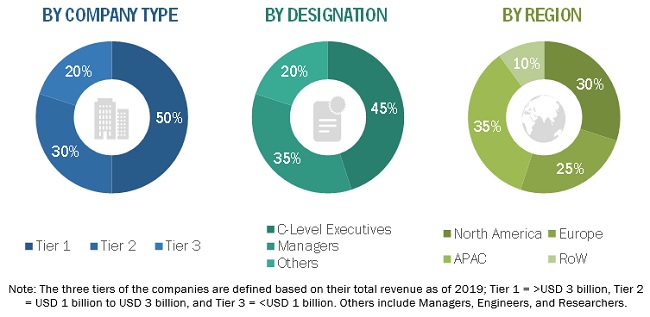
In the primary research process, various primary sources from both the supply and demand sides have been interviewed to obtain qualitative and quantitative information for this report. Primary sources from the supply side include industry experts, such as CEOs, VPs, marketing directors, technology and innovation directors, and related key executives from major companies and organizations operating in the rapid liquid printing market. Following is the breakdown of primary respondents:
To know about the assumptions considered for the study, download the pdf brochure
Market Size Estimation
Both the top-down and bottom-up approaches have been used to estimate and validate the size of the overall rapid liquid printing market and the market based on segments. The research methodology used to estimate the market size has been given below:
- Key players in the rapid liquid printing market have been identified through extensive secondary research.
- The industry’s supply chain and market size, in terms of value, have been determined through primary and secondary research processes.
- All percentage shares, splits, and breakdowns have been determined by using secondary sources and verified through primary sources.
Data Triangulation
After arriving at the overall rapid liquid printing market size—using the estimation processes explained above—the market has been split into several segments. To complete the overall market engineering process and arrive at the exact statistics of each market segment and subsegment, the data triangulation and market breakdown procedures have been employed, wherever applicable. The data has been triangulated by studying various factors and trends in both the demand and supply sides of the rapid liquid printing market.
Report Objectives:
Available Customizations:
With the given market data, MarketsandMarkets offers customizations as per the company’s specific needs. The following customization options are available for the rapid liquid printing market report.
Company Information
- Detailed analysis and profiling of additional market players (up to 5)













Growth opportunities and latent adjacency in Rapid Liquid Printing Market