Aerostat Systems Market by Sub-System, by Product Type (Balloon, Airship, Hybrid), by Propulsion System (Powered, Unpowered), by Class (Compact-Sized, Mid-Sized, Large-Sized), by Payload, by Geography - Global Forecast to 2035


Aerostat Systems Market
Aerostat Systems Market Summary
The Global Aerostat Systems Market is estimated to grow from US$ 8.40 Billion - US$ 9.20 Billion in 2025 to US$ 16.80 Billion - US$ 19.40 Billion by 2035 at a CAGR of 7.2% - 8.6% from 2025 to 2035. The market is experiencing significant growth due to rising demand for persistent surveillance systems, border security modernization, military intelligence operations, and advanced communication platforms. Aerostat systems are increasingly being deployed for long-duration aerial monitoring, maritime surveillance, battlefield intelligence gathering, and disaster response applications. Governments and defense agencies are investing heavily in AI-powered sensor integration, IoT-enabled surveillance technologies, and autonomous monitoring capabilities to strengthen real-time situational awareness. Automation, cloud-connected defense infrastructure, and digital battlefield transformation are further accelerating adoption across military and homeland security sectors globally.
Key Market Trends & Insights
North America dominates the aerostat systems market due to strong defense investments and advanced surveillance infrastructure.
Asia Pacific is projected to witness the fastest growth driven by rising border security concerns and military modernization initiatives.
Surveillance aerostats remain the dominant product segment because of increasing demand for persistent intelligence and reconnaissance operations.
AI-powered imaging analytics and autonomous threat detection systems are emerging as major technology trends.
IoT-enabled aerostat platforms are improving real-time monitoring and communication efficiency.
Hybrid aerostat systems integrated with radar and electro-optical sensors are gaining significant traction worldwide.
Market Size & Forecast
-
Base year market size (2025): US$ 8.40 Billion - US$ 9.20 Billion
-
Forecast value by 2035: US$ 16.80 Billion - US$ 19.40 Billion
-
CAGR (2025–2035): 7.2% - 8.6%
-
Market growth is supported by increasing investments in surveillance systems, AI-enabled defense infrastructure, smart border security, and persistent airborne intelligence platforms
Aerostat Systems Market Top 10 Key Takeaway
-
North America leads the global aerostat systems market
-
Asia Pacific is expected to register the fastest growth through 2035
-
Surveillance aerostats dominate overall product demand
-
AI-enabled threat detection systems are transforming aerial monitoring
-
Border security modernization programs are accelerating market expansion
-
IoT-based communication and monitoring technologies are improving operational efficiency
-
Persistent surveillance capabilities are driving defense sector adoption
-
Hybrid radar and electro-optical systems are gaining popularity
-
Military modernization initiatives continue to support long-term demand
-
Autonomous monitoring systems are shaping future aerostat deployment strategies
Product Insights
Surveillance aerostats account for the largest share of the aerostat systems market due to their ability to provide persistent aerial monitoring for military intelligence, border surveillance, maritime security, and critical infrastructure protection. These systems offer long-endurance operational capabilities at lower costs compared to traditional airborne surveillance platforms.
Communication aerostats are also witnessing strong growth as military and homeland security agencies increasingly require airborne communication relay systems in remote and conflict-prone regions. These systems support battlefield connectivity, emergency response communication, and tactical data transmission.
Combat support aerostats and radar-equipped aerostat systems are emerging as high-growth product categories because of their expanding role in missile defense, battlefield intelligence, and early warning operations. Advanced radar integration allows aerostats to detect low-altitude aerial threats, including drones and cruise missiles.
AI integration is becoming increasingly important in aerostat platforms. AI-enabled systems can analyze surveillance data in real time, identify unusual movement patterns, automate threat detection, and improve mission decision-making efficiency. Smart analytics platforms are reducing operational workload while improving surveillance accuracy and response capabilities.
Technology / Component Insights
Advanced radar technologies remain the backbone of modern aerostat systems. Aerostats integrated with long-range radar systems provide persistent airspace monitoring and early threat detection capabilities. Modern radar payloads are increasingly optimized for low-altitude target identification and counter-drone operations.
Artificial intelligence is transforming aerostat operations through automated image processing, predictive analytics, autonomous tracking systems, and intelligent surveillance algorithms. AI-powered platforms can rapidly process large volumes of aerial intelligence data, improving operational efficiency and mission response times.
IoT-enabled sensors and cloud-connected communication systems are enhancing aerostat functionality by enabling real-time data sharing, remote monitoring, and predictive maintenance capabilities. Connected aerostat systems support integrated battlefield awareness and cross-platform communication within military command networks.
Automation technologies are also improving aerostat deployment and operational management. Automated tether systems, autonomous altitude stabilization, and intelligent energy management solutions are increasing operational reliability and reducing manpower requirements.
Future innovation trends are expected to include hydrogen-powered aerostats, solar-assisted endurance systems, AI-driven autonomous surveillance platforms, and fully integrated smart battlefield monitoring ecosystems. Defense agencies are also exploring multi-domain aerostat operations capable of supporting land, sea, air, and cyber intelligence activities simultaneously.
Application Insights
Military intelligence and surveillance remain the leading application segments within the aerostat systems market. Aerostat platforms are widely used for border patrol, battlefield monitoring, counter-terrorism operations, and strategic reconnaissance missions due to their persistent aerial visibility and cost-effective operational capabilities.
Border security applications are witnessing rapid growth as governments increase investments in advanced surveillance technologies to strengthen national security and prevent illegal cross-border activities. Aerostat systems provide continuous monitoring coverage over large geographic areas, making them highly effective for border management operations.
Disaster management and emergency response applications are also expanding steadily. Aerostat systems are increasingly used during natural disasters, humanitarian operations, and search-and-rescue missions because of their ability to provide temporary communication infrastructure and real-time aerial visibility.
Future opportunities are expected in smart city surveillance, maritime domain awareness, autonomous communication relay systems, and AI-powered homeland security operations.
Regional Insights
North America dominates the aerostat systems market due to strong military spending, advanced surveillance infrastructure, and continuous investment in defense modernization programs. The United States remains the primary contributor to regional growth through large-scale deployment of persistent intelligence, surveillance, and reconnaissance systems.
Europe represents a significant market supported by increasing NATO security initiatives, border monitoring requirements, and rising investments in advanced airborne surveillance technologies. Countries such as Germany, France, and the United Kingdom are strengthening integrated defense and homeland security systems.
Asia Pacific is expected to witness the fastest growth during the forecast period because of rising geopolitical tensions, increasing military modernization programs, and expanding border security investments. China, India, Japan, and South Korea are accelerating procurement of advanced surveillance platforms and integrated defense monitoring systems.
The Middle East is also emerging as a promising market due to growing demand for critical infrastructure protection and regional security enhancement programs.
-
North America remains the leading regional market globally
-
Asia Pacific is projected to record the fastest CAGR through 2035
-
Europe is increasing investment in border monitoring infrastructure
-
Persistent surveillance technologies are driving global adoption
-
Smart defense modernization programs are supporting long-term growth
Country Specific Market Trends
China is expected to grow at a CAGR of 8.9% - 10.4% from 2025 to 2035 due to rising investments in border surveillance infrastructure, military intelligence modernization, and AI-powered defense systems. The country is increasingly deploying advanced aerostat surveillance networks along strategic regions.
Japan is focusing on maritime surveillance and disaster response modernization programs. The country is investing in advanced communication aerostats and smart monitoring platforms to strengthen regional security and emergency preparedness capabilities.
The United States continues to dominate the market globally because of extensive deployment of persistent ISR systems, large defense budgets, and strong investment in AI-driven surveillance technologies. Canada is modernizing Arctic surveillance capabilities, while Mexico is expanding border security infrastructure.
Germany and France are strengthening homeland security operations and integrated defense surveillance networks through investments in next-generation airborne monitoring technologies and NATO interoperability programs.
-
China is rapidly expanding AI-powered surveillance infrastructure
-
Japan is investing in smart maritime monitoring systems
-
The United States leads persistent ISR deployment initiatives
-
Germany and France are enhancing NATO defense coordination
-
Canada is strengthening Arctic surveillance operations
Key Company Insights
Major companies operating in the aerostat systems market include Lockheed Martin, Raytheon Technologies, TCOM Holdings, Thales, Israel Aerospace Industries, Raven Aerostar, BAE Systems, and Leonardo.
These companies are heavily investing in AI-enabled surveillance systems, advanced radar integration, autonomous aerostat operations, and smart battlefield intelligence platforms. Strategic partnerships with defense agencies and long-term military modernization contracts remain key growth strategies.
Manufacturers are also focusing on lightweight aerostat materials, extended endurance systems, and integrated cloud-based surveillance architectures to improve operational performance and reduce lifecycle costs.
-
Companies are prioritizing AI-powered surveillance capabilities
-
Autonomous aerostat technologies are becoming major innovation areas
-
Persistent intelligence platforms remain central to defense strategies
-
Radar and sensor integration are driving product differentiation
-
Defense modernization partnerships are supporting market expansion
Recent Developments
A leading defense contractor recently introduced an AI-powered aerostat surveillance platform capable of autonomous threat identification and long-range aerial intelligence monitoring for border security applications.
A major aerospace company partnered with a national defense agency to deploy IoT-enabled communication aerostats designed to support remote battlefield connectivity and emergency response operations.
An international defense technology provider launched a next-generation hybrid aerostat system integrated with advanced radar and electro-optical sensors for persistent maritime surveillance missions.
Market Segmentation
The aerostat systems market is segmented by product, technology/component, application, and region. By product, the market includes surveillance aerostats, communication aerostats, combat support aerostats, radar-equipped aerostats, and hybrid aerostat systems. Surveillance aerostats currently dominate the market due to growing demand for persistent airborne intelligence operations.
By technology/component, the market includes AI-powered analytics systems, radar payloads, electro-optical sensors, IoT-enabled communication systems, cloud-based monitoring platforms, and automated tether management technologies. AI-enabled threat detection and smart monitoring systems are expected to witness strong growth during the forecast period.
By application, the market covers military intelligence, border security, maritime surveillance, disaster response, critical infrastructure protection, and communication relay operations. Military intelligence and surveillance applications remain the leading segment globally.
Regionally, the market is segmented into North America, Europe, Asia Pacific, and the rest of the world. North America leads the market, while Asia Pacific is projected to emerge as the fastest-growing regional segment through 2035.
-
Surveillance aerostats dominate the global product segment
-
AI-powered analytics systems are driving technological innovation
-
Military intelligence applications remain the leading use case
-
IoT-enabled monitoring platforms are improving operational efficiency
-
Asia Pacific is emerging as a major growth region globally
Conclusion
The aerostat systems market is expected to witness strong long-term growth driven by rising demand for persistent surveillance solutions, smart border security systems, and AI-enabled military intelligence platforms. Advances in autonomous monitoring technologies, radar integration, IoT connectivity, and cloud-based battlefield management systems are reshaping the global aerostat industry.
As governments continue strengthening defense modernization initiatives and investing in intelligent surveillance infrastructure, aerostat systems will play an increasingly important role in future military and homeland security operations. Companies capable of delivering AI-driven intelligence solutions, autonomous aerostat platforms, and integrated smart monitoring systems will remain strategically positioned to capitalize on emerging market opportunities through 2035.
FAQs
1. What is the market size of the aerostat systems market?
The global aerostat systems market is estimated to grow from US$ 8.40 Billion - US$ 9.20 Billion in 2025 to US$ 16.80 Billion - US$ 19.40 Billion by 2035.
2. What is the expected growth rate of the market?
The market is projected to grow at a CAGR of 7.2% - 8.6% from 2025 to 2035.
3. What are the major growth drivers for the market?
Key growth drivers include increasing defense modernization programs, rising demand for persistent surveillance systems, AI-powered intelligence platforms, and smart border security infrastructure.
4. Which region dominates the aerostat systems market?
North America dominates the market due to strong defense investments, advanced surveillance infrastructure, and large-scale military modernization initiatives.
5. Which companies are leading the aerostat systems market?
Leading companies include Lockheed Martin, Raytheon Technologies, TCOM Holdings, Thales, and Israel Aerospace Industries.
 Exclusive indicates content/data unique to MarketsandMarkets and not available with any competitors.
Table of Contents
1 Introduction (Page No. - 16)
1.1 Objectives of the Study
1.2 Market Definition
1.3 Study Scope
1.3.1 Markets Covered
1.3.2 Years Considered for the Study
1.4 Currency & Pricing
1.5 Distribution Channel Participants
1.6 Study Limitations
1.7 Market Stakeholders
2 Research Methodology (Page No. - 19)
2.1 Research Data
2.1.1 Secondary Data
2.1.1.1 Key Data From Secondary Sources
2.1.2 Primary Data
2.1.2.1 Key Data From Primary Sources
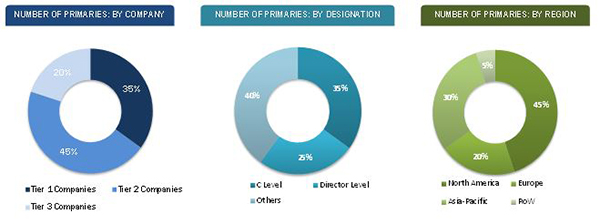
2.1.2.2 Breakdown of Primary Interviews: By Company Type, Designation, & Region
2.2 Factor Analysis
2.2.1 Introduction
2.2.2 Demand-Side Indicators
2.2.2.1 Growing Emphasis on Improving Surveillance to Counter Terrorism
2.2.3 Supply-Side Indicators
2.2.3.1 Decreasing Production of Helium
2.2.3.2 Advancements in EO/IR Technology and Integration
2.3 Market Size Estimation
2.3.1 Bottom-Up Approach
2.3.2 Top-Down Approach
2.4 Market Breakdown and Data Triangulation
2.5 Research Assumptions & Limitations
2.5.1 Assumptions
2.5.2 Limitations
3 Executive Summary (Page No. - 28)
4 Premium Insights (Page No. - 32)
4.1 Attractive Market Opportunities in Aerostat Systems Market
4.2 Aerostat Systems Market, By Sub-System
4.3 Global Aerostat System Market, By Product Type
4.4 Global Aerostat System Market, By Propulsion System
4.5 Global Aerostat System Market , By Class
4.6 Global Aerostat System Market, By Payload
4.7 Global Aerostat System Market, By Region
4.8 Life Cycle Analysis, By Region
5 Market Overview (Page No. - 36)
5.1 Introduction
5.2 Market Segmentation
5.2.1 By Sub-System
5.2.2 By Product Type
5.2.3 By Propulsion System
5.2.4 By Class
5.2.5 By Payload
5.3 Market Dynamics
5.3.1 Drivers
5.3.1.1 Increasing Ability of Aerostats to Provide Persistent Surveillance for A Longer Duration
5.3.1.2 Ability to Provide Vital Geospatial Evidence
5.3.1.3 Increasing Focus on Using Economical Solutions for Surveillance
5.3.2 Restraints
5.3.2.1 Payload Related Restrictions
5.3.2.2 Limitations Pertaining to Operational Altitude
5.3.3 Opportunities
5.3.3.1 Development of New Sensor Related Technologies
5.3.3.2 Use of Aerostats in Coordinating Missile Defense
5.3.4 Challenges
5.3.4.1 Vulnerability to Adverse Weather Conditions
5.3.4.2 Survivability Related Issues
5.3.4.3 Concerns Regarding Flight Safety and Privacy
6 Industry Trends (Page No. - 43)
6.1 Introduction
6.2 Technology Trends
6.2.1 Use of More Advanced Aerostat Material
6.2.2 Development of Smaller Aerostats and Helikites
6.2.3 Application of Aerostats in Power Generation
6.2.4 Development of Cargo Airships for Carrying A Heavier Payload
6.2.5 Extension of Communication Range of Aerostats
6.3 Porters’s Five Forces Analysis
6.3.1 Threat of New Entrants
6.3.2 Threat of Substitutes
6.3.3 Bargaining Power of Suppliers
6.3.4 Bargaining Power of Buyers
6.3.5 Intensity of Competitive Rivalry
6.4 List of Recent Patents Granted
7 Aerostat Systems Market, By Sub-System (Page No. - 48)
7.1 Introduction
7.2 Aerostat
7.3 Ground Control Station(GCS)
7.4 Payload
8 Aerostat Systems Market, By Product Type (Page No. - 51)
8.1 Introduction
8.2 Balloon
8.3 Airship
8.4 Hybrid
9 Aerostat Systems Market, By Propulsion System (Page No. - 54)
9.1 Introduction
9.2 Powered Aerostats
9.3 Unpowered Aerostats
10 Aerostat Systems Market, By Class (Page No. - 57)
10.1 Introduction
10.2 Compact-Sized Aerostats
10.3 Mid-Sized Aerostats
10.4 Large-Sized Aerostats
11 Aerostat Systems Market, By Payload (Page No. - 60)
11.1 Introduction
11.2 Surveillance Radar
11.3 Inertial Navigation Systems
11.4 Camera
11.5 Communication Intelligence (Comint)
11.6 Electro-Optic/Infrared Sensor (EO/IR)
11.7 Electronic Intelligence (Elint)
12 Regional Analysis (Page No. - 66)
12.1 Introduction
12.2 North America
12.2.1 By Product Type
12.2.2 By Propulsion System
12.2.3 By Class
12.2.4 By Country
12.2.4.1 U.S.
12.2.4.1.1 By Product Type
12.2.4.1.2 By Propulsion System
12.2.4.1.3 By Class
12.2.4.2 Canada
12.2.4.2.1 By Product Type
12.2.4.2.2 By Propulsion System
12.2.4.2.3 By Class
12.3 Europe
12.3.1 By Product Type
12.3.2 By Propulsion System
12.3.3 By Class
12.3.4 By Country
12.3.4.1 Germany
12.3.4.1.1 By Product Type
12.3.4.1.2 By Propulsion System
12.3.4.1.3 By Class
12.3.4.2 Russia
12.3.4.2.1 By Product Type
12.3.4.2.2 By Propulsion System
12.3.4.2.3 By Class
12.3.4.3 U.K.
12.3.4.3.1 By Product Type
12.3.4.3.2 By Propulsion System
12.3.4.3.3 By Class
12.4 Asia-Pacific
12.4.1 By Product Type
12.4.2 By Propulsion System
12.4.3 By Class
12.4.4 By Country
12.4.4.1 India
12.4.4.1.1 By Product Type
12.4.4.1.2 By Propulsion System
12.4.4.1.3 By Class
12.4.4.2 China
12.4.4.2.1 By Product Type
12.4.4.2.2 By Propulsion System
12.4.4.2.3 By Class
12.4.4.3 Australia
12.4.4.3.1 By Product Type
12.4.4.3.2 By Propulsion System
12.4.4.3.3 By Class
12.5 Middle-East
12.5.1 By Product Type
12.5.2 By Propulsion System
12.5.3 By Class
12.5.4 By Country
12.5.4.1 U.A.E.
12.5.4.1.1 By Product Type
12.5.4.1.2 By Propulsion System
12.5.4.1.3 By Class
12.5.4.2 Israel
12.5.4.2.1 By Product Type
12.5.4.2.2 By Propulsion System
12.5.4.2.3 By Class
12.6 Rest of the World (RoW)
12.6.1 By Product Type
12.6.2 By Propulsion System
12.6.3 By Class
12.6.4 By Country
12.6.4.1 Brazil
12.6.4.1.1 By Product Type
12.6.4.1.2 By Propulsion System
12.6.4.1.3 By Class
12.6.4.2 South Africa
12.6.4.2.1 By Product Type
12.6.4.2.2 By Propulsion System
12.6.4.2.3 By Class
13 Competitive Landscape (Page No. - 124)
13.1 Introduction
13.2 Key Player Analysis of the Global Aerostat Systems Market
13.3 Competitive Situation and Trends
13.3.1 Contracts
13.3.2 New Product Launches
13.3.3 Partnerships, Agreements, Collaborations, and Joint Ventures
13.3.4 Others
14 Company Profiles (Page No. - 135)
14.1 Introduction
(Overview, Financials, Products & Services, Strategy, and Developments)*
14.2 Raytheon Company
14.3 Lockheed Martin Corporation
14.4 Tcom L.P.
14.5 Raven Industries Inc.
14.6 Exelis Inc.
14.7 Allsopp Helikites Ltd.
14.8 ILC Dover, L.P.
14.9 Israel Aerospace Industries (IAI)
14.10 Lindstrand Technologies Limited
*Details on Overview, Financials, Product & Services, Strategy, and Developments Might Not Be Captured in Case of Unlisted Companies.
15 Appendix (Page No. - 153)
15.1 Discussion Guide
15.2 Knowledge Store: Marketsandmarkets’ Subscription Portal
15.3 Introducing RT: Real Time Market Intelligence
15.4 Available Customizations
15.4.1 By Application
15.4.1.1 Defense
15.4.1.2 Civil
15.4.1.3 Commercial
15.4.2 Company Information
15.4.2.1 Detailed Analysis and Profiling of Additional Players (Up to 5).
15.5 Related Reports
List of Tables (67 Tables)
Table 1 Aerostat Systems Market Size, By Sub-System, 2014–2021 (USD Million)
Table 2 Functional Components for GCS
Table 3 Aerostat System Market Size, By Product Type, 2014–2021 (USD Million)
Table 4 Aerostat System Market Size, By Propulsion System, 2014–2021 (USD Million)
Table 5 Aerostat System Market Size, By Class, 2014–2021 (USD Million)
Table 6 Aerostat System Market, By Payload, 2014–2021 (USD Million)
Table 7 Aerostat System Market, By Region, 2014–2021 (USD Million)
Table 8 North America: Aerostat System Market, By Product Type, 2016-2021 (USD Million)
Table 9 North America: Aerostat System Market, By Propulsion System, 2014-2021 (USD Million)
Table 10 North America: Aerostat System Market, By Class, 2014-2021 (USD Million)
Table 11 North America: Aerostat System Market, By Country, 2014-21 (USD Million)
Table 12 U.S.: Aerostat System Market, By Product Type, 2014-2021 (USD Million)
Table 13 U.S.: Aerostat System Market, By Propulsion System, 2014-2021 (USD Million)
Table 14 U.S.: Aerostat System Market, By Class, 2014-2021 (USD Million)
Table 15 Canada: Aerostat System Market, By Product Type, 2014-2021 (USD Million)
Table 16 Canada: Aerostat System Market, By Propulsion System, 2014-2021 (USD Million)
Table 17 Canada: Aerostat System Market, By Class, 2014-2021 (USD Million)
Table 18 Europe: Aerostat System Market, By Product Type, 2014-2021 (USD Million)
Table 19 Europe: Aerostat System Market, By Propulsion System, 2014-2021 (USD Million)
Table 20 Europe: Aerostat System Market, By Class, 2014-2021 (USD Million)
Table 21 Europe: Aerostat System Market, By Country, 2014-2021 (USD Million)
Table 22 Germany: Aerostat System Market, By Product Type, 2014-2021 (USD Million)
Table 23 Germany: Aerostat System Market, By Propulsion System, 2014-2021 (USD Million)
Table 24 Germany: Aerostat System Market, By Class, 2014-2021 (USD Million)
Table 25 Russia: Aerostat System Market, By Product Type, 2014-2021 (USD Million)
Table 26 Russia: Aerostat System Market, By Propulsion System, 2014-2021 (USD Million)
Table 27 Russia: Aerostat System Market, By Class, 2014-2021 (USD Million)
Table 28 U.K .: Aerostat System Market, By Product Type, 2014-2021 (USD Million)
Table 29 U.K.: Aerostat System Market, By Propulsion System, 2014-2021 (USD Million)
Table 30 U.K.: Aerostat System Market, By Class, 2014-2021 (USD Million)
Table 31 APAC: Aerostat System Market, By Product Type, 2014-2021 (USD Million)
Table 32 APAC: Aerostat System Market, By Propulsion System, 2014-2021 (USD Million)
Table 33 APAC: Aerostat System Market, By Class, 2014-2021 (USD Million)
Table 34 APAC: Aerostat System Market, By Country, 2014-2021 (USD Million)
Table 35 India Market, By Product Type, 2014-2021 (USD Million)
Table 36 India: Market, By Propulsion System, 2014-2021 (USD Million)
Table 37 India: Market, By Class, 2014-2021 (USD Million)
Table 38 China Market, By Product Type, 2014-2021 (USD Million)
Table 39 China: Market, By Propulsion System, 2014-2021 (USD Million)
Table 40 China: Market, By Class, 2014-2021 (USD Million)
Table 41 Australia: Aerostat Systems Market, By Product Type, 2014-2021 (USD Million)
Table 42 Australia: Aerostat Systems Market, By Propulsion System, 2014-2021 (USD Million)
Table 43 Australia Aerostat Systems Market, By Class, 2014-2021 (USD Million)
Table 44 Middle-East: Aerostat Systems Market, By Product Type, 2014-2021 (USD Million)
Table 45 Middle-East: Aerostat Systems Market, By Propulsion System, 2014-2021 (USD Million)
Table 46 Middle-East: Aerostat System Market, By Class, 2014-2021 (USD Million)
Table 47 Middle-East: Aerostat System Market, By Country, 2014-2021 (USD Million)
Table 48 U.A.E.: Market, By Product Type, 2014-2021 (USD Million)
Table 49 U.A.E.: Market, By Propulsion System, 2014-2021 (USD Million)
Table 50 U.A.E.: Market, By Class, 2014-2021 (USD Million)
Table 51 Israel: Market, By Product Type, 2014-2021 (USD Million)
Table 52 Israel: Market, By Propulsion System, 2014-2021 (USD Million)
Table 53 Israel: Market, By Class, 2014-2021 (USD Million)
Table 54 RoW: Market, By Product Type, 2014-2021 (USD Million)
Table 55 RoW: Market, By Propulsion System, 2014-2021 (USD Million)
Table 56 RoW: Aerostat System , By Class, 2014-2021 (USD Million)
Table 57 RoW: Market, By Country, 2014-2021 (USD Million)
Table 58 Brazil: Market, By Product Type, 2014-2021 (USD Million)
Table 59 Brazil: Market, By Propulsion System, 2014-2021 (USD Million)
Table 60 Brazil: Market, By Class, 2014-2021 (USD Million)
Table 61 South Africa Market, By Product Type, 2014-2021 (USD Million)
Table 62 South Africa: Market, By Propulsion System, 2014-2021 (USD Million)
Table 63 South Africa: Market, By Class, 2014-2021 (USD Million)
Table 64 Contracts, 2010-2016
Table 65 New Product Launches, 2010-2016
Table 66 Partnerships, Collaborations, and Joint Ventures, 2010–2016
Table 67 Others, 2010–2016
List of Figures (112 Figures)
Figure 1 Markets Covered
Figure 2 Study Years
Figure 3 Limitations of the Research Study
Figure 4 Research Design
Figure 5 Projected Decline in the Production of Helium
Figure 6 Evolution of Sensor Technology
Figure 7 Bottom-Up Approach
Figure 8 Top-Down Approach
Figure 9 Market Breakdown and Data Triangulation
Figure 10 Geographic Analysis: Aerostat Systems Market, 2016
Figure 11 Demand for Large-Sized Aerostats That Can Carry A Heavier Payload is Fuelling the Growth of Market
Figure 12 Demand for Airships is Expected to Bolster the Growth of Market
Figure 13 Powered Aerostats Market is Expected to Witness the Highest Growth Rate During the Forecast Period
Figure 14 Rising Need for Enhanced Situational Awareness is Expected to Drive the Growth of the Communication Intelligence Segment
Figure 15 Contracts Comprised the Key Strategy Adopted By Market Players
Figure 16 Increasing Demand for Global Aerostat Systems
Figure 17 The Market for Aerostats is Expected to Witness Significant Growth
Figure 18 Airship Segment is Anticipated to Drive Market During 2016--2021
Figure 19 Unpowered Segment Will Drive the Market During 2016-2021
Figure 20 The Market for Large-Sized Aerostats is Expected to Register Significant CAGR During the Forecast Period
Figure 21 Surveillance Radar is Estimated to Account for A Major Share of the Market
Figure 22 North America is Expected to Account for the Highest Share of the Aerostat Market in 2021
Figure 23 Middle-East to Witness Remarkable Growth in the Coming Years
Figure 24 Aerostat Systems Market Segmentation: By Sub-System
Figure 25 Aerostat Systems Market Segmentation: By Product Type
Figure 26 Aerostat Systems Market Segmentation: By Propulsion System
Figure 27 Aerostat Systems Market Segmentation: By Class
Figure 28 Aerostat Systems Market Segmentation: By Payload
Figure 29 Market Dynamics for the Aerostat Systems Market
Figure 30 Porter’s Five Forces Analysis: Market
Figure 31 Global Market, By Sub-System, 2016-2021
Figure 32 Global Market, By Product Type, 2016-2021
Figure 33 Global Market, By Propulsion System, 2016-2021
Figure 34 Global Market, By Class, 2016-2021
Figure 35 Global Market, By Payload, 2016-2021
Figure 36 Surveillance Radar Payload in Aerostat Systems Market, 2016 vs 2021 (USD Million)
Figure 37 Inertial Navigation Systems Payload in Aerostat Systems Market, 2016 vs 2021 (USD Million)
Figure 38 Camera Payload in Market, 2016 vs 2021 (USD Million)
Figure 39 Communication Intelligence Payload in Market, 2016 vs 2021 (USD Million)
Figure 40 E0/IR Payload in Market, 2016 vs 2021 (USD Million)
Figure 41 Elint Payload in Aerostat System Market, 2016 vs 2021 (USD Million)
Figure 42 North America: Aerostat Systems Market, By Product Type, 2016-2021
Figure 43 North America: Market, By Propulsion System, 2016-2021
Figure 44 North America: Market, By Class, 2016-2021
Figure 45 North America: Market, By Country, 2016-2021
Figure 46 U.S.: Aerostat Systems Market, By Product Type, 2016-2021
Figure 47 U.S.: Aerostat Systems Market, By Propulsion System, 2016-2021
Figure 48 U.S.: Aerostat Systems Market, By Class, 2016-2021
Figure 49 Cananda: Aerostat System Market, By Product Type, 2016-2021
Figure 50 Canada: Aerostat System Markey, By Propulsion System, 2016-2021
Figure 51 Canada: Market, By Class, 2016-2021
Figure 52 Europe: Market, By Product Type, 2016-2021
Figure 53 Europe: Market, By Propulsion System, 2016-2021
Figure 54 Europe: Market, By Class, 2016-2021
Figure 55 Europe: Market, By Country, 2016-2021
Figure 56 Germany: Aerostat System Market, By Product Type, 2016-2021
Figure 57 Germany: Market, By Propulsion System, 2016-2021
Figure 58 Germany: Market, By Class, 2016-2021
Figure 59 Russia: Market, By Product Type, 2016-2021
Figure 60 Russia: Market, By Propulsion System, 2016-2021
Figure 61 Russia: Market, By Class, 2016-2021
Figure 62 U.K.: Market, By Product Type, 2016-2021
Figure 63 U.K Aerostat Systems Market, By Propulsion System, 2016-2021
Figure 64 U.K.: Aerostat Systems Market, By Class, 2016-2021
Figure 65 APAC: Market, By Product Type, 2016-2021
Figure 66 APAC: Market, By Propulsion System, 2016-2021
Figure 67 APAC: Market, By Class, 2016-2021
Figure 68 APAC: Aerostat System Market, By Country, 2016-2021
Figure 69 India: Aerostat Systems Market, By Product Type, 2016-2021
Figure 70 India Aerostat Systems, By Propulsion System, 2016-2021
Figure 71 India: Market, By Class, 2016-2021
Figure 72 China: Market, By Product Type, 2016-2021
Figure 73 China: Market, By Propulsion System, 2016-2021
Figure 74 China: Market, By Class, 2016-2021
Figure 75 Australia: Market, By Product Type, 2016-2021
Figure 76 Australia: Market, By Propulsion System, 2016-2021
Figure 77 Australia: Market, By Class, 2016-2021
Figure 78 Middle-East: Market, By Product Type, 2014-2021
Figure 79 Middle-East: Market, By Propulsion System, 2014-2021
Figure 80 Middle-East: Market, By Class, 2014-2021 (USD Million)
Figure 81 Middle-East: Market, 2016-2021
Figure 82 U.A.E.: Market, By Product Type, 2016-2021
Figure 83 U.A.E.: AerostaMarket, By Propulsion System, 2016-2021
Figure 84 U.A.E.: Market, By Class, 2016-2021
Figure 85 Israel: Market, By Product Type, 2016-2021
Figure 86 Israel: Market, By Propulsion System, 2016-2021
Figure 87 Israel: Market, By Class, 2016-2021
Figure 88 RoW: Market, By Product Type, 2016-2021
Figure 89 RoW: Market, By Propulsion System, 2016-2021
Figure 90 RoW: Market, By Class, 2016-2021
Figure 91 RoW: Market, By Country, 2016-2021
Figure 92 Brazil: Market, By Product Type, 2014-2021
Figure 93 Brazil: Market, By Propulsion System, 2014-2021
Figure 94 Brazil: Market, By Class, 2014-2021
Figure 95 South Africa: Market, By Product Type, 2014-2021
Figure 96 South Africa: Market, By Propulsion System, 2014-2021
Figure 97 South Africa: Market, By Class, 2014-2021
Figure 98 Companies Adopted New Product Launches & Expansions as Key Growth Strategies From 2010 to 2016
Figure 99 Lockheed Martin Corporation Holds the Leading Position in the Global Aerostat System Market in 2015
Figure 100 Global Aerostat System Market has Witnessed Significant Growth From 2013 to 2015
Figure 101 Contracts are One of the Key Growth Strategies
Figure 102 U.S. D.O.D Funding for Major Programs From 2007-2012
Figure 103 Geographic Revenue Mix of Key Market Players
Figure 104 Raytheon Company : Company Snapshot
Figure 105 Raytheon Company: SWOT Analysis
Figure 106 Lockheed Martin Corporation : Company Snapshot
Figure 107 Lockheed Martin Corporation : SWOT Analysis
Figure 108 Tcom L.P.: SWOT Analysis
Figure 109 Raven Industries Inc. : Company Snapshot
Figure 110 Raven Industries : SWOT Analysis
Figure 111 Exelis Inc.: Company Snapshot
Figure 112 Israel Aerospace Industries : Company Snapshot
The research methodology used to estimate and forecast the aerostat systems market begins with capturing data on key aerostat systems revenues through secondary research. The bottom-up procedure was employed to arrive at the overall market size of the aerostat systems market from the revenue of the key players in the market. After arriving at the overall market size, the total market was split into several segments and subsegments, which were then verified through primary research by conducting extensive interviews with key people, such as CEOs, VPs, Directors and executives. This data triangulation and market breakdown procedures were employed to complete the overall market engineering process and arrive at the exact statistics for all segments and subsegments. The breakdown of profiles of primary discussion participants is depicted in the below figure:
Scope of the Report
The ecosystem of the aerostat system market comprises defense departments, equipment suppliers, and regulatory authorities, among others. The aerostat system market is characterized by direct distribution channels and the presence of OEMs as well as Tier 1 & Tier 2 companies. Some of the key players of the aerostat system market include Lockheed Martin (U.S.), Raytheon Company (U.S.), TCOM L.P. (U.S.), and Raven Industries Inc. (U.S.), among others. These players are adopting strategies such as new product developments, long-term contracts, and expansions to strengthen their positions in the commercial avionics systems market. They are also focusing on developing new products by investing considerable amount of their revenues into research and development.
This report would help the aerostat systems equipment manufacturers, suppliers, and sub-component manufacturers to identify hot revenue pockets in this market.
“Furthermore, this study answers several questions for the stakeholders; primarily which segments to focus over the next five years for prioritizing efforts and investments”.
Target Audience
- Aerostat Systems Equipment Manufacturers
- Original Equipment Manufacturers
- Sub-component Manufacturers
- Technology Support Providers
Aerostat systems Market, By Product Type
- Balloon
- Airship
- Hybrid
Aerostat systems Market, By Propulsion System
- Powered
- Unpowered
Aerostat systems Market, By Class
- Compact-sized
- Mid-sized
- Large sized
Aerostat systems Market, By Payload
- Electro-optic/Infrared sensors (EO/IR)
- Communication intelligence
- Cameras
- Electronic intelligence
- Surveillance radar
- Inertial navigation system
Aerostat systems Market, By Region
- North America
- Europe
- Asia-Pacific
- Rest of the World
Aerostat Market, By Application
- Defense
- Commercial
- Civil
Available Customization
With the given market data, MarketsandMarkets offers customizations in accordance to company-specific needs. The following customization options are available for the report:












Growth opportunities and latent adjacency in Aerostat Systems Market