Airborne Telemetry Market by Application, Technology (Wired, Wireless), Platform, Component (Receiver, Transmitter, Antenna), Sensor (GPS, Load Cell, Torque, Weather Prediction) And Region - Global Forecast to 2035


Airborne Telemetry Market
Airborne Telemetry Market Summary
The global Airborne Telemetry Market is estimated to reach approximately USD 2.40 billion in 2025 and is projected to grow to USD 5.30 billion by 2035, registering a CAGR of 8.3% during the forecast period. The market is expanding due to the increasing demand for real-time data transmission in aerospace testing, defense operations, and unmanned aerial systems. Airborne telemetry systems are essential for collecting and transmitting critical flight data, including speed, altitude, engine performance, and structural integrity, enabling enhanced safety, performance evaluation, and mission success. The integration of artificial intelligence (AI), Internet of Things (IoT), and automation is transforming telemetry systems into intelligent, data-driven platforms capable of predictive analytics, real-time decision-making, and autonomous operations. The growing adoption of digital flight testing, network-centric warfare, and advanced UAV technologies is significantly accelerating market growth globally.
Key Market Trends & Insights
The Airborne Telemetry Market is evolving rapidly as aerospace and defense sectors prioritize real-time data acquisition and communication. North America leads the market due to its strong defense infrastructure, extensive flight testing activities, and presence of major aerospace companies. Asia Pacific is the fastest-growing region, driven by increasing investments in defense modernization, expanding UAV deployments, and growing aerospace capabilities.
RF telemetry systems dominate the market, particularly due to their reliability and ability to transmit data over long distances during flight tests. However, satellite-based telemetry and networked telemetry systems are gaining traction as advanced alternatives for long-range and global operations.
Emerging trends include the adoption of software-defined radios (SDRs), miniaturized telemetry systems, and integration with unmanned systems. AI and automation are enhancing telemetry capabilities by enabling real-time data analysis, anomaly detection, and predictive maintenance. IoT integration is facilitating seamless connectivity between airborne systems, ground stations, and control centers.
Market Size & Forecast
-
Base year market size (2025): USD 2.40 billion
-
Forecast value by 2035: USD 5.30 billion
-
CAGR (2025–2035): 8.3%
-
Growth is driven by increasing demand for real-time data transmission, advancements in UAV technologies, integration of AI and IoT, and rising defense and aerospace investments
Airborne Telemetry Market Top 10 key takeaway
-
The market is expected to more than double by 2035
-
RF telemetry systems dominate the product segment
-
North America leads with strong aerospace and defense infrastructure
-
Asia Pacific is the fastest-growing region globally
-
AI-driven analytics is improving telemetry performance
-
IoT integration enables real-time connectivity and data sharing
-
UAV applications are driving market growth
-
Software-defined radios are gaining traction
-
Miniaturization of systems is enhancing efficiency
-
Continuous innovation is intensifying competition
Product Insights
RF telemetry systems represent the leading product segment in the Airborne Telemetry Market, primarily due to their ability to provide reliable and real-time data transmission during flight testing and operational missions. These systems are widely used in both manned and unmanned aircraft to transmit critical performance data to ground stations.
Satellite telemetry systems are gaining momentum, particularly for long-range and beyond-line-of-sight operations. These systems enable global connectivity and are increasingly used in advanced defense and space applications.
Emerging product categories include miniaturized telemetry devices and integrated telemetry systems designed for UAVs and next-generation aircraft. AI integration is enabling advanced data analytics, real-time decision-making, and predictive maintenance, enhancing system efficiency and reliability.
Technology / Component Insights (Rename based on keyword if needed)
Technological advancements are at the core of the Airborne Telemetry Market, with innovations in communication systems, data processing, and system integration driving significant improvements. Key technologies include RF communication, satellite communication, and software-defined radios (SDRs), which provide flexibility and adaptability in telemetry operations.
AI is playing a transformative role by enabling real-time data analysis, anomaly detection, and predictive maintenance. Machine learning algorithms are used to process large volumes of telemetry data, improving accuracy and operational efficiency. IoT integration is facilitating seamless communication between airborne systems, sensors, and ground stations, enabling coordinated operations.
Cloud-based platforms are supporting data storage and analytics, enabling centralized monitoring and management of telemetry systems. Automation technologies are improving system efficiency and reducing human intervention. Future innovation trends include advanced encryption technologies, cognitive telemetry systems, and integration with autonomous platforms.
Application Insights
The defense segment dominates the Airborne Telemetry Market, driven by the increasing need for real-time data in military operations, missile testing, and UAV missions. Telemetry systems are essential for monitoring system performance, ensuring mission success, and enhancing operational efficiency.
The aerospace segment is also significant, with telemetry systems being used in aircraft testing, development, and certification processes. These systems provide critical data for improving aircraft design and performance.
Space and research applications are emerging as key growth areas, with telemetry systems being used in satellite communication, space exploration, and scientific research. Future opportunities lie in the integration of telemetry systems with autonomous platforms and digital ecosystems.
Regional Insights
North America leads the Airborne Telemetry Market, supported by its strong aerospace and defense industries, advanced technological capabilities, and significant investments in research and development. The region continues to adopt next-generation telemetry technologies.
Europe is experiencing steady growth, driven by increasing defense collaboration, modernization of aerospace infrastructure, and adoption of advanced communication technologies. Countries in this region are focusing on enhancing their telemetry capabilities.
Asia Pacific is the fastest-growing region, fueled by expanding defense budgets, rising UAV deployments, and increasing investments in aerospace and space programs. Countries such as China, India, and Japan are key contributors to regional growth.
-
North America dominates due to strong aerospace infrastructure
-
Europe shows steady growth with modernization initiatives
-
Asia Pacific is the fastest-growing region globally
-
Rising UAV adoption is driving demand
-
Technological advancements are accelerating adoption
[Country]-Specific Market Trends
In Asia Pacific, China is witnessing a CAGR of approximately 9.2%, driven by large-scale investments in defense and aerospace technologies. Japan is also experiencing steady growth, supported by technological innovation and increased research activities.
In North America, the United States remains the largest market, with a CAGR of around 8.0%, driven by continuous investment in advanced telemetry systems. Canada and Mexico are also contributing to market growth through aerospace development.
In Europe, Germany and France are key markets, with CAGRs of approximately 7.8% and 7.6%, respectively. These countries are focusing on enhancing their aerospace capabilities and adopting advanced telemetry technologies.
-
China leads growth in Asia Pacific with strong investments
-
Japan focuses on innovation and advanced technologies
-
The United States dominates the global market
-
Germany and France drive growth in Europe
-
Government policies are key growth drivers
Key Airborne Telemetry Market Company Insights
The Airborne Telemetry Market is highly competitive, with leading players focusing on innovation, technological integration, and strategic partnerships. Companies such as L3Harris Technologies, Curtiss-Wright Corporation, BAE Systems, Leonardo S.p.A., Safran, and Honeywell International are actively shaping the market landscape.
These companies are investing heavily in research and development to introduce advanced telemetry systems with AI-enabled capabilities, improved data transmission, and enhanced system integration. Strategic collaborations with defense agencies and aerospace organizations are enabling them to expand their market presence and deliver innovative solutions.
The focus on integrating AI, improving communication technologies, and enhancing system interoperability is shaping competitive strategies. Continuous innovation and technological advancement are expected to remain key drivers of competition in the market.
-
Companies are investing in AI-driven telemetry technologies
-
Strategic partnerships are enhancing market reach
-
Focus on advanced communication systems is increasing
-
R&D investments are driving innovation
-
Global expansion strategies are strengthening market presence
Recent Developments
Recent developments in the Airborne Telemetry Market highlight the growing emphasis on advanced technologies and digital transformation. Several companies have introduced next-generation telemetry systems with enhanced data transmission capabilities and AI-powered analytics.
In addition, partnerships between aerospace companies and technology providers are enabling the integration of IoT-based solutions, improving connectivity and operational efficiency. Governments are also increasing investments in advanced telemetry technologies.
Market Segmentation
The Airborne Telemetry Market is segmented based on product, technology/component, application, and region. By product, the market includes RF telemetry systems, satellite telemetry systems, and networked telemetry systems, with RF systems dominating due to their reliability.
In terms of technology, the market encompasses RF communication, satellite communication, software-defined radios, AI-enabled systems, and IoT-integrated platforms. These technologies are driving improvements in performance, accuracy, and connectivity.
Applications are categorized into defense, aerospace, space, and research. Regionally, the market is divided into North America, Europe, Asia Pacific, and the rest of the world.
-
RF telemetry systems dominate the product segment
-
AI and IoT technologies are driving innovation
-
Defense represents the largest application segment
-
Aerospace and space applications show strong growth potential
-
Asia Pacific is emerging as a key growth region
Conclusion
The Airborne Telemetry Market is poised for strong growth through 2035, driven by increasing demand for real-time data transmission and advancements in communication technologies. The integration of AI, IoT, and automation is transforming telemetry systems into intelligent platforms capable of delivering real-time insights and enhancing operational efficiency.
As aerospace and defense sectors continue to evolve, the demand for advanced telemetry solutions will remain strong. Companies that invest in innovation and align their strategies with emerging trends will be well-positioned to capitalize on future opportunities. The market’s growth trajectory underscores its critical role in modern aerospace and defense systems.
FAQs
1. What is the current market size of the Airborne Telemetry Market?
The market size is estimated at USD 2.40 billion in 2025.
2. What is the expected growth rate of the market?
The market is projected to grow at a CAGR of 8.3% from 2025 to 2035.
3. What are the key drivers of market growth?
Key drivers include increasing demand for real-time data, advancements in UAV technologies, and integration of AI and IoT.
4. Which region leads the Airborne Telemetry Market?
North America is the leading region due to its strong aerospace and defense infrastructure.
5. Who are the major players in the market?
Major players include L3Harris Technologies, Curtiss-Wright Corporation, BAE Systems, Leonardo S.p.A., Safran, and Honeywell International.
 Exclusive indicates content/data unique to MarketsandMarkets and not available with any competitors.
Table of Contents
1 Introduction (Page No. - 15)
1.1 Objectives of the Study
1.2 Market Definition
1.3 Study Scope
1.3.1 Markets Covered
1.3.2 Regional Scope
1.3.3 Years Considered for the Study
1.4 Currency & Pricing
1.5 Study Limitations
1.6 Market Stakeholders
2 Research Methodology (Page No. - 19)
2.1 Research Data
2.1.1 Secondary Data
2.1.1.1 Key Data From Secondary Sources
2.1.2 Primary Data
2.1.2.1 Key Data From Primary Sources
2.1.2.2 Breakdown of Primaries
2.2 Factor Analysis
2.2.1 Introduction
2.2.2 Demand Side Indicators
2.2.2.1 Increase in Global Air Traffic
2.2.2.2 Increase in Defense Expenditure and Military Modernization By Emerging Economies
2.2.3 Supply Side Indicators
2.2.3.1 Increase Demand of Telemetry Systems for Drones
2.2.3.2 Increase in Research & Development of Modern Airborne Telemetry System
2.3 Market Size Estimation
2.3.1 Bottom-Up Approach
2.3.2 Top-Down Approach
2.4 Market Breakdown & Data Triangulation
2.5 Research Assumptions
2.5.1 Assumptions
3 Executive Summary (Page No. - 30)
4 Premium Insights (Page No. - 35)
4.1 Huge R&D Investments for Technological Advancements in Defense Operations to Provide Growth Opportunities to Market Players
4.2 Airborne Telemetry Market, By Technology
4.3 Market, By Region
4.4 Market, By Platform
4.5 Market, By Component
4.6 Market, By Sensor
4.7 Life Cycle Analysis, By Region
5 Market Overview (Page No. - 39)
5.1 Introduction
5.2 Market Segmentation
5.2.1 By Application
5.2.2 By Technology
5.2.3 By Platform
5.2.4 By Component
5.2.5 By Sensor
5.2.6 By Application
5.3 Market Dynamics
5.3.1 Drivers
5.3.1.1 Huge R&D Investments for Technological Advancements in Defense Operations
5.3.1.2 Network-Centric Military Communication
5.3.1.3 Increasing Use of Cloud Computing in Telemetry
5.3.1.4 Increase in Demand for Unmanned Aircraft Systems
5.3.2 Restraints
5.3.2.1 Defense Budget Cuts
5.3.3 Challenges
5.3.3.1 Ensuring Interoperability of Disparate Communication Technologies
5.3.3.2 Ensuring Seamless Connectivity in A Limited Bandwidth
5.3.4 Opportunities
5.3.4.1 Integration of Smart Devices With Big Data
6 Industry Trends (Page No. - 50)
6.1 Introduction
6.2 Critical Success Factors vs Key Performance Indicators
6.3 Emerging Technology Trends
6.3.1 Optoelectronics Solutions
6.3.2 Analog to Digital Converters (Adc) in Telemetry Systems
6.3.3 Increasing Use of Open Architecture Software
6.3.4 Advanced Computer Operated Radio Frequency
6.3.5 Increase in Use of Software Defined Radio
6.4 Innovation and Patent Registrations
7 Airborne Telemetry Systems Market, By Application (Page No. - 56)
7.1 Introduction
7.2 Unmanned Avionics
7.3 Air Vehicle Test
7.4 Flight Test Instrumentation
7.5 Distributed Data Acquisition System
8 Airborne Telemetry Systems Market, By Technology (Page No. - 58)
8.1 Introduction
8.2 Wired Telemetry
8.2.1 Electrical Cables
8.2.2 Fiber Optic Cables
8.3 Wireless Telemetry
8.3.1 Short Range Radio Telemetry
8.3.2 Microwave Telemetry
9 Airborne Telemetry Systems Market, By Platform (Page No. - 63)
9.1 Introduction
9.2 Rotary Wing
9.3 Fixed Wing
9.4 Unmanned Aerial Vehicle
9.5 Parachutes
10 Airborne Telemetry Systems Market, By Component (Page No. - 67)
10.1 Introduction
10.2 Receiver
10.2.1 Demodulator
10.2.2 Recording Devices
10.2.3 Display Systems
10.3 Transmitter
10.3.1 Encoder
10.3.2 Modulator
10.4 Antenna
11 Airborne Telemetry Systems Market, By Sensor (Page No. - 73)
11.1 Introduction
11.2 Global Positioning System
11.3 Load Cell
11.4 Torque
11.5 Weather Prediction
11.6 Others
12 Regional Analysis (Page No. - 77)
12.1 Introduction
12.1.1 By Technology
12.1.2 By Component
12.1.3 By Sensor
12.1.4 By Region
12.2 North America
12.2.1 By Technology
12.2.2 By Component
12.2.3 By Sensor
12.2.4 By Country
12.2.4.1 U.S.
12.2.4.2 Canada
12.3 Europe
12.3.1 By Technology
12.3.2 By Component
12.3.3 By Sensor
12.3.4 By Country
12.3.4.1 U.K.
12.3.4.2 Germany
12.3.4.3 France
12.3.4.4 Russia
12.4 Asia-Pacific
12.4.1 By Technology
12.4.2 By Component
12.4.3 By Sensor
12.4.4 By Country
12.4.4.1 China
12.4.4.2 India
12.4.4.3 Japan
12.5 Rest of the World
12.5.1 By Technology
12.5.2 By Component
12.5.3 By Sensor
13 Competitive Landscape (Page No. - 108)
13.1 Introduction
13.2 Competitive Analysis of the Airborne Telemetry Systems Market
13.3 Competitive Situations and Trends
13.3.1 Contracts
13.3.2 New Product Launches & Developments
13.3.3 Mergers & Acquisitions
13.3.4 Agreements & Partnerships
14 Company Profiles (Page No. - 120)
14.1 Introduction
(Business Overview, Products & Services, Key Insights, Recent Developments, SWOT Analysis, Ratio Analysis, MnM View)*
14.2 BAE Systems PLC.
14.3 Honeywell International Inc.
14.4 L-3 Communications Holdings, Inc.
14.5 Rockwell Collins, Inc.
14.6 Cobham PLC
14.7 Kongsberg Gruppen ASA
14.8 Leonardo-Finmeccanica
14.9 Orbit Technologies Ltd.
14.10 Zodiac Aerospace
*Details on Business Overview, Products & Services, Key Insights, Recent Developments, SWOT Analysis, MnM View Might Not Be Captured in Case of Unlisted Companies.
15 Appendix (Page No. - 155)
15.1 Discussion Guide
15.2 Knowledge Store: Marketsandmarkets’ Subscription Portal
15.3 Introducing RT: Real-Time Market Intelligence
15.4 Available Customizations
15.5 Related Reports
15.6 Author Details
List of Tables (68 Tables)
Table 1 R&D Investment Budget for Technological Developments in U.S. (USD Million)
Table 2 Military Expenditure of Developed Economies, 2011-2015 (USD Billion)
Table 3 Military Expenditure of Emerging Economies, 2011-2015 (USD Billion)
Table 4 Innovation & Patent Registration ,December 2011-January 2016
Table 5 Market Size, By Technology Type, 2014-2021 (USD Million)
Table 6 Wireless Telemetry Market Size, By Region, 2014-2021 (USD Million)
Table 7 Market Size, By Wired Telmetry, 2014-2021 (USD Million)
Table 8 Wired Technology Market Size, By Region, 2014-2021 (USD Million)
Table 9 Airborne Telemetry Market Size, By Wireless Telementry, 2014-2021 (USD Million)
Table 10 Wireless Technology Market Size, By Region, 2014-2021 (USD Million)
Table 11 Airborne Telemetry Market Size, By Platform, 2014-2021 (USD Million)
Table 12 Airborne Telemetry Systems Platform Market Size, By Region, 2014-2021 (USD Million)
Table 13 Airborne Telemetry Systems Market Size, By Component, 2014-2021 (USD Million)
Table 14 Airborne Telemetry Systems Platform Market Size, By Region, 2014-2021 (USD Million)
Table 15 Airbourne Telemetry Systems Market Size, By Receiver, 2014-2021 (USD Million)
Table 16 Receiver Component Market Size, By Region, 2014-2021 (USD Million)
Table 17 Market Size, By Transmitter, 2014-2021 (USD Million)
Table 18 Market Size, By Sensor, 2014-2021 (USD Million)
Table 19 Airborne Telemetry Market Size, By Technology, 2014–2021 (USD Million)
Table 20 Market Size, By Component, 2014–2021 (USD Million)
Table 21 Airborne Telemetry Market Size, By Sensor, 2014–2021 (USD Million)
Table 22 Market Size, By Region, 2014-2021 (USD Million)
Table 23 North America: Airborne Telemetry Market Size, By Technology, 2014–2021 (USD Million)
Table 24 North America: Market Size, By Component, 2014–2021 (USD Million)
Table 25 North America: Airborne Telemetry Market Size, By Sensor, 2014–2021 (USD Million)
Table 26 North America: Airborne Telemetry Market Size, By Country, 2014-2021 (USD Million)
Table 27 U.S.: Market Size, By Technology, 2014–2021 (USD Million)
Table 28 U.S.: Airborne Telemetry Market Size, By Component, 2014–2021 (USD Million)
Table 29 U.S.: Market Size, By Sensor, 2014–2021 (USD Million)
Table 30 Canada: Airborne Telemetry Market Size, By Technology, 2014–2021 (USD Million)
Table 31 Canada: Market Size, By Component, 2014–2021 (USD Million)
Table 32 Canada: Airborne Telemetry Market Size, By Sensor, 2014–2021 (USD Million)
Table 33 Europe: Market Size, By Technology, 2014–2021 (USD Million)
Table 34 Europe: Airborne Telemetry Market Size, By Component, 2014–2021 (USD Million)
Table 35 Europe: Market Size, By Sensor, 2014–2021 (USD Million)
Table 36 Europe: Airborne Telemetry Market Size, By Country, 2014-2021 (USD Million)
Table 37 U.K.: Market Size, By Technology, 2014–2021 (USD Million)
Table 38 U.K.: Airborne Telemetry Market Size, By Component, 2014–2021 (USD Million)
Table 39 U.K.: Airborne Telemetry Market Size, By Sensor, 2014–2021 (USD Million)
Table 40 Germany: Market Size, By Technology, 2014–2021 (USD Million)
Table 41 Germany: Airborne Telemetry Market Size, By Component, 2014–2021 (USD Million)
Table 42 Germany: Airborne Telemetry Market Size, By Sensor, 2014–2021 (USD Million)
Table 43 France: Airborne Telemetry Market Size, By Technology, 2014–2021 (USD Million)
Table 44 France: Market Size, By Component, 2014–2021 (USD Million)
Table 45 France: Market Size, By Sensor, 2014–2021 (USD Million)
Table 46 Russia: Airborne Telemetry Market Size, By Technology, 2014–2021 (USD Million)
Table 47 Russia: Market Size, By Component, 2014–2021 (USD Million)
Table 48 Russia: Airborne Telemetry Market Size, By Sensor, 2014–2021 (USD Million)
Table 49 Asia-Pacific: Market Size, By Technology, 2014–2021 (USD Million)
Table 50 Asia-Pacific:Market Size, By Component, 2014–2021 (USD Million)
Table 51 Asia-Pacific: Market Size, By Sensor, 2014–2021 (USD Million)
Table 52 Asia-Pacific: Airborne Telemetry Systems Market Size, By Country, 2014-2021 (USD Million)
Table 53 China: Airborne Telemetry Systems Market Size, By Technology, 2014–2021 (USD Million)
Table 54 China: Airborne Telemetry Market Size, By Component, 2014–2021 (USD Million)
Table 55 China: Market Size, By Sensor, 2014–2021 (USD Million)
Table 56 India: Airborne Telemetry Market Size, By Technology, 2014–2021 (USD Million)
Table 57 India: Market Size, By Component, 2014–2021 (USD Million)
Table 58 India: Market Size, By Sensor, 2014–2021 (USD Million)
Table 59 Japan: Airborne Telemetry Systems Market Size, By Technology, 2014–2021 (USD Million)
Table 60 Japan: Market Size, By Component, 2014–2021 (USD Million)
Table 61 Japan: Airborne Telemetry Systems Market Size, By Sensor, 2014–2021 (USD Million)
Table 62 RoW: Market Size, By Technology, 2014–2021 (USD Million)
Table 63 RoW: Market Size, By Component, 2014–2021 (USD Million)
Table 64 RoW: Market Size, By Sensor, 2014–2021 (USD Million)
Table 65 Contracts: December 2013-October 2016
Table 66 New Product Launches & Developments: December 2014-October 2016
Table 67 Mergers & Acquisitions: December 2013- October 2016
Table 68 Agreements & Partnerships: August 2015 and September 2016
List of Figures (61 Figures)
Figure 1 Airborne Telemetry Systems Market: Market Segmentation
Figure 2 Airborne Telemetry Systems Market: Research Flow
Figure 3 Market: Research Design
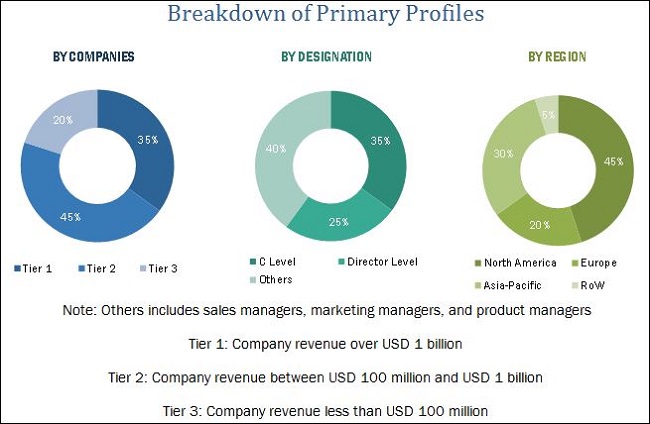
Figure 4 Breakdown of Primary Interviews: By Company Type, Designation, and Region
Figure 5 Global Military Expenditure: By Top Ten Countries (2015)
Figure 6 Market Size Estimation Methodology: Bottom-Up Approach
Figure 7 Market Size Estimation Methodology: Top-Down Approach
Figure 8 Data Triangulation
Figure 9 Airborne Telemetry Systems Market, By Technology, 2016 & 2021 (USD Million)
Figure 10 Market, By Component, 2016 & 2021 (USD Million)
Figure 11 Fixed Wing Platform Segment Projected to Grow at the Highest CAGR During the Forecast Period
Figure 12 Load Cell Segment Projected to Grow at the Highest CAGR During the Forecast Period
Figure 13 Asia-Pacific Projected to Account for the Highest Growth Rate During the Forecast Period
Figure 14 Contracts: the Dominant Strategy Among Market Players From December 2013 and October 2016
Figure 15 Attractive Market Opportunities in the Airborne Telemetry Systems Market
Figure 16 Airborne Telemetry Systems Market, By Technology, 2016 & 2021 (USD Million)
Figure 17 Asia Pacific Projected to Lead Airborne Telemetry Systems Market During the Forecast Period
Figure 18 Fixed Wing Segment Expected to Lead Airborne Telemetry Systems Market in 2016
Figure 19 Market, By Component, 2016 & 2021 (USD Million)
Figure 20 GPS Segment Projected to Dominate Market During the Forecast Period
Figure 21 Asia-Pacific Projected to Grow at the Highest Rate During the Forecast Period
Figure 22 Market Segmentation: By Application
Figure 23 Market Segmentation: By Technology
Figure 24 Market Segmentation: By Platform
Figure 25 Airborne Telemetry Systems Market Segmentation: By Component
Figure 26 Market Segmentation: By Sensor
Figure 27 Market Segmentation: By Application
Figure 28 Airborne Telemetry Systems Market: Drivers, Restraints, Opportunities and Challenges
Figure 29 Network Centric Warfare Market Size, By Application, (2016 vs 2021)
Figure 30 Public Cloud Infrastructure Spending in Hardware & Software (2016 - 2021)
Figure 31 North America Projected to Lead the UAV Market From 2016 to 2021
Figure 32 Global Big Data Market Projected to Grow in Future (2016-2025)
Figure 33 Market Analysis Comparing Critical Success Factors and Key Performance Indicators
Figure 34 Wireless Segment Estimated to Lead the Airborne Telemetry Systems Market in 2016
Figure 35 Fixed Wing Segment Projected to Dominate the Market During the Forecast Period
Figure 36 Receiver Segment Estimated to Lead the Airborne Telemetry Systems Market in 2016
Figure 37 Global Positioning System Segment Estimated to Lead the Airborne Telemetry Systems Market in 2016
Figure 38 Market in Asia-Pacific Projected to Witness Highest Growth During the Forecast Period
Figure 39 North America Airborne Telemetry Systems Market Snapshot (2016)
Figure 40 Europe Airborne Telemetry Systems Market Snapshot (2016)
Figure 41 Asia-Pacific Airborne Telemetry Systems Segment Snapshot (2016)
Figure 42 RoW Airborne Telemetry Systems Market Snapshot (2016)
Figure 43 Companies Adopted Contracts as the Key Growth Strategy Between December 2013-October 2016
Figure 44 Market, By Region, December 2013-October 2016
Figure 45 Airborne Telemetry Systems Market has Witnessed Significant Developments From December 2013 to October 2016
Figure 46 Contracts: the Key Growth Strategy Adopted in Market From December 2013 to October 2016
Figure 47 Regional Revenue Mix of Top 5 Market Players (2015)
Figure 48 BAE Systems PLC. : Company Snapshot
Figure 49 BAE Systems PLC: SWOT Analysis
Figure 50 Honeywell International Inc.: Company Snapshot
Figure 51 Honeywell International Inc.: SWOT Analysis
Figure 52 L-3 Communications Holdings, Inc.: Company Snapshot
Figure 53 L-3 Communications Holdings, Inc.: SWOT Analysis
Figure 54 Rockwell Collins, Inc.: Company Snapshot
Figure 55 Rockwell Collins, Inc.: SWOT Analysis
Figure 56 Cobham PLC: Company Snapshot
Figure 57 Cobham PLC: SWOT Analysis
Figure 58 Kongsberg Gruppen ASA: Company Snapshot
Figure 59 Leonardo-Finmeccanica: Company Snapshot
Figure 60 Orbit Technologies: Company Snapshot
Figure 61 Zodiac Aerospace: Company Snapshot
Research Methodology:
Market size estimation for various segments and subsegments of the airborne telemetry market has been arrived through extensive secondary research sources, such as annual report; and publications such as Stockholm International Peace Research Institute (SIPRI), and Boeing Business Outlook, among others; corroboration with primaries, and further market triangulation with the help of statistical techniques using econometric tools. All percentage shares, splits, and breakdowns were determined using secondary sources and verified through primary sources. All possible parameters that affect the market have been accounted for, viewed in extensive detail, verified through primary research, and analyzed to acquire the final quantitative and qualitative data. This data is consolidated with detailed inputs and analysis from MarketsandMarkets, and presented in this report.
To know about the assumptions considered for the study, download the pdf brochure
The airborne telemetry market comprises of chip service providers, such as BAE Systems (U.K.) Rockwell Collins, Inc. (U.S.) as well as component manufacturers such as Honeywell International, Inc. (U.S.), L-3 Communications Holdings, Inc., and Cobham PLC. (U.K.), among others. The major customers of the airborne telemetry systems are government organization, aircraft manufacturers, and civil aviation departments.
Key Target Audience
- Aircraft Manufacturers
- Airborne Telemetry Systems Suppliers
- Airborne Telemetry Systems Manufacturers
- Service and Solution Providers
- Regulatory Bodies
Scope of the Report
This research report categorizes the airborne telemetry market into the following segments and subsegments:
-
Airborne telemetry market, by Technology
- Wireless Telemetry
- Wired Telemetry
-
Airborne telemetry market, by Component
- Receiver
- Transmitter
- Antenna
-
Airborne telemetry market, by Platform
- Fixed Wing
- Rotary Wing
- Unmanned Aerial Vehicle
- Parachute
-
Airborne telemetry market, by Sensor
- GPS
- Load Cell
- Torque
- Weather Prediction
- Others
-
Airborne telemetry market, by Region
- North America
- Europe
- Asia-Pacific
- Rest of the World
Customizations available for the report:
Along with the given market data, MarketsandMarkets offers customizations as per the specific needs of the company. The following customization options are available for the report:
-
Regional Analysis
- Further breakdown of the Rest of the World into the Middle East, Africa, and Latin America
-
Company Information
- Detailed analysis and profiling of additional market players (up to five)












Growth opportunities and latent adjacency in Airborne Telemetry Market