Aircraft Oxygen System Market by System (Passenger Oxygen System, Crew Oxygen System,) Component (Oxygen Storage, Oxygen Delivery, Oxygen Mask), Mechanism (Chemical Oxygen Generator, Compressed Oxygen System), Technology and Geography - Global Forecast to 2034


The Aircraft Oxygen System Market is witnessing steady growth as aviation safety standards, fleet modernization programs, and long-range mission requirements converge to elevate onboard oxygen delivery technology. In 2025, the market is estimated at USD 4.2 billion and is projected to reach approximately USD 6.8 billion by 2034, registering a compound annual growth rate (CAGR) of about 5.3%.

Source: MarketsandMarkets Analysis, Primary Interviews, Secondary Research
Oxygen systems are a vital safety and operational component across commercial, business, and military aircraft. They ensure crew and passenger survival during cabin depressurization events and support specialized missions at high altitudes. In recent years, technological advancement in onboard oxygen generation systems (OBOGS), weight-optimized cylinders, and real-time monitoring systems has transformed aircraft oxygen supply from a static emergency feature to an integrated life-support ecosystem.
Rising production of narrow- and wide-body aircraft, the modernization of military fleets, and retrofit programs for aging civil aircraft are primary demand catalysts. Simultaneously, stringent airworthiness regulations by FAA, EASA, and ICAO Annex 6 have reinforced the adoption of advanced oxygen storage, generation, and distribution architectures.
Market Dynamics
Key Growth Drivers
- Commercial Fleet Expansion: A growing number of commercial aircraft deliveries worldwide are increasing linefit oxygen system demand.
- Military and High-Altitude Missions: Increased use of fighter, transport, and surveillance aircraft operating above 10,000 ft is driving next-generation OBOGS adoption.
- Regulatory Mandates: Mandatory inclusion of oxygen systems for both crew and passengers as per FAR 121.333 and EASA CS-25 enhances retrofit and aftermarket demand.
- Advances in Materials & Weight Optimization: Use of composite oxygen cylinders and titanium alloys reduces system mass and enhances performance.
- Cabin Safety and Passenger Experience: Airlines are adopting more reliable and ergonomic passenger oxygen systems to improve safety compliance.
Challenges
- High maintenance cost of OBOGS and mask systems.
- Complex certification and validation procedures for oxygen delivery components.
- Limited lifespan and frequent inspection requirements for stored oxygen cylinders.
Opportunities
- Increasing demand for modular and smart oxygen systems in electric and hybrid-electric aircraft.
- Development of automated oxygen flow control integrated with cabin pressure sensors.
- Growth of regional MRO capabilities for servicing oxygen systems in Asia Pacific and the Middle East.
Market Segmentation

Source: MarketsandMarkets Analysis, Primary Interviews, Secondary Research
By System Type
-
Stored Gaseous Oxygen Systems (GOX):
Use high-pressure oxygen cylinders for both cockpit and cabin. Widely used in commercial and regional aircraft. -
Chemical Oxygen Generators (COG):
Rely on sodium chlorate-based oxygen generation; common in passenger cabin emergency masks. Compact and low-maintenance, used in short-haul aircraft. -
Onboard Oxygen Generation Systems (OBOGS):
Use molecular sieve technology to separate oxygen from engine bleed air or cabin air. Increasingly adopted in fighter jets, military transports, and new-generation business jets. -
Portable Oxygen Systems (POS):
Compact units for crew use during emergencies, maintenance, or high-altitude operations.
By Component
-
Oxygen Storage Tanks & Cylinders:
High-pressure aluminum, carbon-fiber, or titanium tanks for gaseous oxygen. Key advancements include composite-wrapped designs and improved leak resistance. -
Oxygen Masks:
- Crew Masks: Quick-donning, pressure-demand masks with microphones and regulators.
- Passenger Masks: Drop-down systems triggered by cabin depressurization sensors.
-
Regulators & Valves:
Maintain consistent oxygen pressure and flow to individual users. -
Distribution Systems & Plumbing:
Pipelines, manifolds, and control valves ensuring oxygen delivery throughout the aircraft. -
Sensors, Indicators & Monitoring Units:
Smart systems enabling cockpit-level monitoring of oxygen purity, pressure, and flow rate.
By Technology
-
Continuous Flow Systems:
Provide constant oxygen delivery — standard in passenger systems. -
Demand Flow Systems:
Deliver oxygen only during inhalation, optimizing gas usage; preferred for crew systems. -
Pressure Demand Systems:
Designed for high-altitude and military applications, providing oxygen under pressure to maintain normal breathing levels. -
Molecular Sieve Separation (OBOGS):
Advanced generation technology enabling onboard oxygen production without external refill cycles.
By Application
-
Commercial Aviation:
Oxygen systems for cockpit, cabin, and crew stations in narrow-body, wide-body, and regional aircraft. -
Military Aviation:
Fighter and bomber aircraft with high-performance OBOGS for extended endurance and mission flexibility. -
General Aviation:
Light aircraft, turboprops, and business jets utilizing stored or portable systems for high-altitude operations. -
Helicopters & Rotorcraft:
Specialized lightweight oxygen solutions for high-altitude search and rescue (SAR) or tactical missions. -
Unmanned Aerial Vehicles (UAVs):
Emerging demand in high-altitude long-endurance (HALE) UAVs requiring oxygen-assisted payload cooling and avionics safety.
By End User
- OEM (Linefit): Installed during aircraft production for certified airframes.
- Aftermarket (Retrofit & Maintenance): Replacement of cylinders, masks, regulators, and cabin distribution lines during scheduled maintenance cycles.
By Aircraft Type
- Fixed-Wing: Commercial, business, and military aircraft.
- Rotary-Wing: Helicopters for civil and defense sectors.
- Unmanned Platforms: High-altitude and research UAVs.
Technology Landscape
Recent developments highlight a shift toward lightweight composite cylinders, digital oxygen monitoring, and modular OBOGS architectures.
- Smart Oxygen Control Units (SOCUs) now interface directly with aircraft avionics for automated flow regulation.
- Composite overwrapped pressure vessels (COPVs) are replacing metallic tanks, reducing weight by up to 40%.
- Electrochemical oxygen sensors improve reliability over mechanical gauges.
- Dual-mode OBOGS units capable of switching between onboard generation and stored supply enhance mission flexibility.
Key manufacturers such as Collins Aerospace, Zodiac Aerospace (Safran Group), Cobham Mission Systems, and Aviation Oxygen Systems Inc. are driving innovation through integrated life-support ecosystems combining oxygen, air, and pressure management functions.
Regulatory Framework
- FAA FAR 25.1443 & FAR 121.333: Define requirements for oxygen availability and mask performance.
- EASA CS-25.1443: Establishes equivalent standards for European operators.
- MIL-DTL-83133 & MIL-STD-3050: Govern oxygen purity and component specifications for military aircraft.
- ICAO Annex 6: Sets global obligations for oxygen provision for crew and passengers above 10,000 ft.
Compliance to these standards is mandatory for airworthiness certification and forms the foundation of OEM integration and aftermarket retrofit validation.
Sustainability and Safety Outlook
Sustainability efforts are focusing on recyclable cylinder materials, green manufacturing of chemical generators, and reduced oxygen leakage rates. Digital maintenance tracking also minimizes waste by predicting component life and reducing unscheduled replacements. Future systems aim to eliminate disposable chemical generators entirely through renewable air-separation technologies.
Enhanced passenger safety is achieved through real-time cabin oxygen analytics, automated emergency deployment sensors, and predictive maintenance of crew masks.
Regional Outlook

Source: MarketsandMarkets Analysis, Primary Interviews, Secondary Research
North America:
Dominates the market due to a large fleet base, continuous modernization, and strong regulatory enforcement by FAA. Major OEMs like Boeing and Collins Aerospace drive high-value integration.
Europe:
Focuses on lightweight and energy-efficient systems, led by Airbus programs and Safran Group innovations. Compliance with EASA and REACH materials regulations influences design choices.
Asia Pacific:
Fastest-growing region, driven by aircraft procurement in China, India, and Southeast Asia. Indigenous manufacturing under “Make in India” and “China Civil Aviation Equipment” initiatives strengthens regional supply chains.
Middle East & Africa:
Investments in commercial fleet expansion (Emirates, Etihad, Qatar Airways) and military programs create sustained oxygen system demand.
Latin America:
Moderate growth driven by regional carrier fleet renewals and MRO facility upgrades in Brazil and Mexico.
Competitive Landscape
Leading participants include:

Source: MarketsandMarkets Analysis, Primary Interviews, Secondary Research
- Collins Aerospace (RTX): Integrated oxygen and life-support systems.
- Safran Aerosystems (Zodiac Aerospace): Full-suite OBOGS and passenger mask systems.
- Cobham Mission Systems (Eaton Corporation): Tactical OBOGS for military aircraft.
- Aviation Oxygen Systems Inc.
- Precise Flight Inc.
- Technodinamika (Russia)
- Essex Industries
- Air Liquide Aerospace
Competition focuses on certification readiness, reliability, modular retrofit kits, and sensor integration.
Market Outlook and Key Takeaways
- Base Year: 2025
- Forecast Year: 2034
- Market Size: USD 4.2 Bn → USD 6.8 Bn
- CAGR: 5.3%
The aircraft oxygen system market will remain essential for fleet safety, defense endurance, and future air mobility. Growth will be sustained by lightweight materials, onboard generation technologies, and digital diagnostics that reduce lifecycle cost and enhance operational reliability.
FAQs
1. What is the current size of the aircraft oxygen system market?
Around USD 4.2 billion in 2025, expected to reach USD 6.8 billion by 2034.
2. Which system type is gaining traction?
Onboard Oxygen Generation Systems (OBOGS) are the fastest-growing due to adoption in military and next-generation commercial aircraft.
3. What standards govern oxygen systems?
FAA FAR 25.1443, EASA CS-25, and ICAO Annex 6 define design, certification, and operational standards.
4. Which region is growing fastest?
Asia Pacific, driven by new aircraft deliveries, fleet expansion, and local manufacturing policies.
5. What is driving innovation?
Material science advancements, digital maintenance analytics, and sustainability-focused modular OBOGS architectures.
 Exclusive indicates content/data unique to MarketsandMarkets and not available with any competitors.
Table of Contents
-
INTRODUCTION
- OBJECTIVES OF THE STUDY
- MARKET DEFINITION
-
STUDY SCOPE
- MARKETS COVERED
- REGIONAL SCOPE
- YEARS CONSIDERED FOR THE STUDY
- CURRENCY AND PRICING
- MARKET STAKEHOLDERS
- SUMMARY OF CHANGES
-
EXECUTIVE SUMMARY
- KEY INSIGHTS AND MARKET HIGHLIGHTS
- KEY MARKET PARTICIPANTS: SHARE INSIGHTS AND STRATEGIC DEVELOPMENTS
- DISRUPTIVE TRENDS SHAPING THE MARKET
- HIGH GROWTH SEGMENTS AND EMERGING FRONTIERS
- SNAPSHOT: GLOBAL MARKET SIZE, GROWTH RATE, AND FORECAST
- BUSINESS MODELS
- TOTAL COST OF OWNERSHIP
- BILL OF MATERIALS
- PREMIUM INSIGHTS
-
MARKET OVERVIEW
- INTRODUCTION
-
MARKET DYNAMICS
- DRIVERS
- RESTRAINTS
- OPPORTUNITIES
- Challenges
- UNMET NEEDS AND WHITE SPACE
- INTERCONNECTED MARKETS AND CROSS-SECTOR OPPORTUNITIES
- STRATEGIC MOVES BY TIER-1/2/3 PLAYERS
-
INDUSTRY TRENDS
- INTRODUCTION
-
MACROECONOMIC OUTLOOK
- INTRODUCTION
- GDP TRENDS AND FORECAST
- Trends in the AIRCRAFT oxygen system INDUSTRY
- VALUE CHAIN ANALYSIS
- Ecosystem Analysis
- Pricing ANALYSIS
-
Trade and tariff Analysis
- export scenario
- import scenario
- tariff data
- key conferences & events in 2026-2027
- Trends/disruptions impacting customer business
- Investment and funding scenario
- CASE STUDY ANALYSIS
-
STRATEGIC DISRUPTION THROUGH TECHNOLOGY, PATENTS, AND AI ADOPTION
- KEY EMERGING TECHNOLOGIES
- COMPLEMENTARY TECHNOLOGIES
-
TECHNOLOGY ROADMAP
- TECHNOLOGY ROADMAP
- EMERGING TECHNOLOGY TRENDS
- Patent Analysis
- FUTURE APPLICATIONS
- IMPACT OF AI on the AIRCRAFT oxygen system MARKET
- Success Stories and Real-World Applications
-
SUSTAINABILITY AND REGULATORY LANDSCAPE
-
regional regulations and compliance
- REGULATORY BODIES, GOVERNMENT AGENCIES, AND OTHER ORGANIZATIONS
- Industry Standards
-
Sustainability Initiatives
- Global & Regulatory Sustainability Initiatives
- Corporate & Industry-Led Sustainability Programs
- Sustainability Impact and Regulatory Policy Initiatives
- CERTIFICATIONS, LABELING, ECO-STANDARDS
-
regional regulations and compliance
-
CUSTOMER LANDSCAPE & BUYER BEHAVIOR
- Decision-making process
- BUYER STAKEHOLDERS AND BUYING EVALUATION CRITERIA
- ADOPTION BARRIERS & INTERNAL CHALLENGES
- Market profitability
-
AIRCRAFT OXYGEN SYSTEM MARKET, BY TECHNOLOGY (MARKET SIZE & FORECAST TO 2031 – IN VALUE, USD MILLION)
- introduction
- Onboard Oxygen Generation Systems
- Chemical Oxygen Generators
- Gaseous Oxygen Systems
- Liquid Oxygen Systems
-
AIRCRAFT OXYGEN SYSTEM MARKET, BY SYSTEM (MARKET SIZE & FORECAST TO 2031 – IN VALUE, USD MILLION)
- INTRODUCTION
- Storage System
- Delivery SYSTEM
- Control & Monitoring SYSTEM
- Deployment assemblies
-
AIRCRAFT OXYGEN SYSTEM MARKET, BY APPLICATION (MARKET SIZE & FORECAST TO 2031 – IN VALUE, USD MILLION)
- INTRODUCTION
- PASSENGER OXYGEN SYSTEM
- Crew Oxygen Systems
- Portable/Emergency Systems
-
AIRCRAFT OXYGEN SYSTEM MARKET, BY PLATFORM (MARKET SIZE & FORECAST TO 2031 – IN VALUE, USD MILLION)
- Introduction
-
commercial aircraft
- Narrow-body aircraft
- Wide-body aircraft
- regional transport aircraft (RTA)
- Business Jet Aircraft
- Commercial Helicopters
-
military aircraft
- fighter aircraft
- Transport aircraft
- military Helicopters
- advanced air mobility (EVTOL aircraft)
-
AIRCRAFT OXYGEN SYSTEM MARKET, BY END-USE (MARKET SIZE & FORECAST TO 2031 – IN VALUE, USD MILLION)
- INTRODUCTION
- oEM
- AFTERMARKET
- AIRCRAFT OXYGEN SYSTEM MARKET, BY REGION (MARKET SIZE & FORECAST TO 2031 – IN VALUE, USD MILLION)
ASSESSING GROWTH PATTERNS, INDUSTRY FORCES, REGULATORY LANDSCAPE, AND MARKET POTENTIAL ACROSS KEY GEOGRAPHIES AND COUNTRIES
- INTRODUCTION
-
NORTH AMERICA
- US
- CANADA
-
EUROPE
- UK
- GERMANY
- FRANCE
- ITALY
- SPAIN
- REST OF EUROPE
-
ASIA PACIFIC
- JAPAN
- INDIA
- CHINA
- AUSTRALIA
- REST OF ASIA PACIFIC
-
MIDDLE EAST & AFRICA
-
GCC COUNTRIES
- SAUDI ARABIA
- UAE
- REST OF THE MIDDLE EAST
- AFRICA
-
GCC COUNTRIES
-
LATIN AMERICA
- BRAZIL
- MEXICO
- COMPETITIVE LANDSCAPE
STRATEGIC ASSESSMENT OF LEADING PLAYERS, MARKET SHARE, REVENUE ANALYSIS, COMPANY POSITIONING, AND COMPETITIVE BENCHMARKS INFLUENCING MARKET POTENTIAL
- INTRODUCTION
- KEY PLAYER STRATEGIES/RIGHT TO WIN
- MARKET SHARE ANALYSIS OF LEADING PLAYERS, 2025
- REVENUE ANALYSIS 2021–2025
- BRAND COMPARISON
- COMPANY VALUATION AND FINANCIAL METRICS
-
COMPANY EVALUATION MATRIX: KEY PLAYERS, 2025
- STARS
- EMERGING LEADERS
- PERVASIVE PLAYERS
- PARTICIPANTS
- COMPANY FOOTPRINT, KEY PLAYERS, 2025
-
COMPANY EVALUATION MATRIX: STARTUPS/SMES, 2025
- PROGRESSIVE COMPANIES
- RESPONSIVE COMPANIES
- DYNAMIC COMPANIES
- STARTING BLOCKS
-
COMPETITIVE BENCHMARKING: START-UPS/SMES, 2025
- DETAILED LIST OF KEY STARTUPS/SMES
- COMPETITIVE BENCHMARKING OF KEY STARTUPS/SMES
-
COMPETITIVE SCENARIO
- PRODUCT LAUNCHES
- DEALS
- OTHERS
- COMPANY PROFILE
IN-DEPTH REVIEW OF COMPANIES, PRODUCTS, SERVICES, RECENT INITIATIVES, AND POSITIONING STRATEGIES IN THE AIRCRAFT OXYGEN SYSTEM MARKET
- INTRODUCTION
-
KEY PLAYERS
- COLLINS AEROSPACE
- SAFRAN AEROSYSTEMS
- HONEYWELL INTERNATIONAL
- AIR LIQUIDE AEROSPACE
- DIEHL AVIATION
- EATON CORPORATION
- PARKER HANNIFIN
- ESSEX INDUSTRIES
- EAST/WEST INDUSTRIES INC.
- TECHNODINAMIKA
- AEROX AVIATION OXYGEN SYSTEMS
- PRECISE FLIGHT INC.
- ADAMS RITE AEROSPACE
- AVIATION OXYGEN SYSTEMS INC.
- MOUNTAIN HIGH EQUIPMENT & SUPPLY
- OTHER PLAYERS
-
RESEARCH METHODOLOGY
-
RESEARCH DATA
-
SECONDARY DATA
- KEY DATA FROM SECONDARY SOURCES
-
PRIMARY DATA
- KEY DATA FROM PRIMARY SOURCES
- KEY PRIMARY PARTICIPANTS
-
MARKET SIZE ESTIMATION
- BOTTOM-UP APPROACH
- TOP-DOWN APPROACH
-
MARKET FORECAST APPROACH
- SUPPLY SIDE
- DEMAND SIDE
- DATA TRIANGULATION
- FACTOR ANALYSIS
- RESEARCH ASSUMPTIONS
- RESEARCH LIMITATIONS AND RISK ASSESSMENT
-
SECONDARY DATA
-
RESEARCH DATA
-
APPENDIX
- DISCUSSION GUIDE
- KNOWLEDGE STORE: MARKETSANDMARKETS’ SUBSCRIPTION PORTAL
- CUSTOMIZATION OPTIONS
- RELATED REPORTS
- AUTHOR DETAILS
- ANNEXURE: COMPANY LONG LIST
*Details on Business Overview, Products Offered, Recent Developments, SWOT Analysis, MnM View might not be captured in case of unlisted companies.
** Only a few key players are mentioned above; however top 15 key players will be profiled during the course of the research study, along with Other SME’s and Start-Ups
*** The above tentative TOC is based on preliminary secondary data and could improve based on primary data in the course of research study
**** All segments above will be further assessed & considered to be a part of market breakdown. The breakdown of segments will be finalized during the course of research.
***** Request for addition of company profiles or countries in the scope can be considered and included post feasibility
An aircraft oxygen system provides oxygen supply to passengers and crew of an aircraft when it is in operation. These systems are used when the cabin air pressure reduces due to the aircraft operating above 12,000 ft., or in emergency situations. Some of the major players in the aircraft manufacturing business, requiring AOS, have partnerships with leading players for replacement.
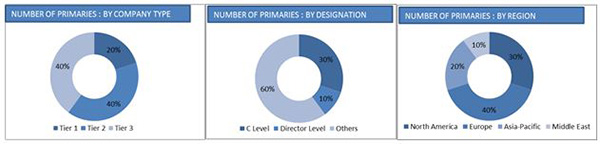
The market size estimations for the various segments and subsegments of this market were arrived at through extensive secondary research, corroboration with primaries, and further market triangulation with the help of statistical techniques using econometric tools. This research study involved the usage of both primary and secondary sources. Secondary sources include directories and databases, such as Hoovers, Bloomberg Businessweek, and Factiva to identify and collect relevant information on the AOS market. Major players of the AOS market were identified across regions and their offerings, distribution channel, and regional presence was understood through in-depth discussions. Also, average revenue generated by these companies segmented by region was used to arrive at the overall market size.
To know about the assumptions considered for the study, download the pdf brochure
The ecosystem of the AOS market comprises various component suppliers of for oxygen systems. The various AOS component manufacturers and suppliers, such as B/E Aerospace, Inc. (U.S.) and Cobham Plc (U.K.) that sell various components to AOS manufacturers are an important part of the AOS ecosystem. These companies also manufacture AOS in-house. This study answers several questions for the stakeholders; primarily which segments to focus over the next five years for prioritizing efforts and investments.
Target Audience
- Aircraft Oxygen system Manufacturers
- Aviation Regulatory Authorities
- Sub-component Manufacturers
- Technology Support Providers
Scope of the Report
Aircraft Oxygen Systems Market, By System
- Passenger Oxygen System
- Crew Oxygen System
Aircraft Oxygen Systems Market, By Component
-
Oxygen Storage System
- Oxygen Delivery System
- Oxygen Mask
Aircraft Oxygen Systems Market, By Mechanism
- Chemical Oxygen Generator
- Compressed Oxygen System
Aircraft Oxygen Systems Market, By Technology
Aircraft Oxygen Systems Market, By Region
- North America
- Europe
- Asia-Pacific
- The Middle East
- Rest of the World
Paid Customization
With the given market data, MarketsandMarkets offers customizations in accordance to company-specific needs. The following customization options are available for the report:
- Market Analysis
Aircraft Oxygen Systems Market, By Fit
- Line Fit
- Retrofit
Aircraft Oxygen Systems Market, By Aircraft Type
- Narrow Body
- Wide Body
- Very Large Aircraft
- Regional Transport Aircraft












Growth opportunities and latent adjacency in Aircraft Oxygen System Market