Emergency Shutdown System Market by Components (Switches, Sensors, Programmable Safety Systems, Safety Valves, Actuators), by Control Method (Pneumatic, Electrical, Fiber optic, Radio Telemetry), by Application, and Region - Global Forecast to 2035


Emergency Shutdown System Market Summary
The global Emergency Shutdown System Market is undergoing steady expansion as oil & gas, chemical, petrochemical, power generation, pharmaceuticals, mining, and other process industries increase investments in functional safety, industrial automation, and risk-management infrastructure. The market is estimated at approximately USD 2 billion in 2025 and is projected to reach around USD 3 billion by 2035, registering a CAGR of approximately 6% during the forecast period. Rising concerns regarding industrial accidents, stricter functional-safety requirements, modernization of aging process facilities, and increasing deployment of automated control systems are among the primary factors supporting market growth. The growing integration of AI, IoT, edge computing, cloud connectivity, and industrial automation is also transforming emergency shutdown architectures by enabling faster monitoring, diagnostics, and predictive maintenance.
Emergency shutdown systems are designed to bring industrial processes or equipment to a safe state when predetermined hazardous conditions occur. These systems can automatically isolate equipment, stop machinery, close valves, shut down pumps, or interrupt fuel and energy supplies to minimize the consequences of abnormal operating conditions. As industrial facilities become more complex and highly automated, reliable shutdown functionality is becoming increasingly important for protecting personnel, assets, production continuity, and the environment.
The adoption of Industry 4.0 technologies is creating new opportunities for emergency shutdown system manufacturers. IoT-enabled sensors can continuously monitor temperature, pressure, flow, vibration, gas concentration, and other process parameters. Advanced analytics can identify deviations before they escalate into critical events, while AI-supported diagnostics can assist operators in identifying potential equipment failures. However, emergency shutdown functions remain safety-critical systems and are typically designed around deterministic, validated safety architectures rather than relying solely on AI decision-making.
Key Market Trends & Insights
The North American market is expected to remain a leading regional market due to the region's extensive oil & gas infrastructure, process manufacturing base, industrial automation adoption, and emphasis on workplace and process safety. The modernization of refineries, chemical plants, pipelines, and power facilities is generating continuing demand for safety instrumented systems and emergency shutdown solutions.
Asia Pacific is expected to register the fastest growth through 2035. Rapid industrialization, expanding refining and petrochemical capacity, increasing power generation investments, and the development of new manufacturing facilities across China, India, Japan, South Korea, and Southeast Asia are supporting demand.
The oil & gas industry remains a dominant application segment, particularly across upstream, midstream, and downstream facilities. Refineries, LNG facilities, offshore platforms, pipelines, and petrochemical plants operate under demanding conditions where automated emergency shutdown capabilities are essential for risk reduction.
A major technology trend is the integration of emergency shutdown systems with safety instrumented systems (SIS), distributed control systems (DCS), programmable logic controllers (PLCs), and industrial communication networks. This integration provides operators with improved visibility while maintaining separation between safety and basic process-control functions where required.
AI and analytics are increasingly being applied to predictive maintenance and system diagnostics. While the final emergency shutdown action generally relies on validated safety logic, AI can help identify deteriorating sensors, valves, actuators, or other components before they compromise system availability.
Market Size & Forecast
-
Base year market size (2025): USD 2 billion.
-
Forecast market value (2035): USD 3 billion.
-
Expected CAGR (2025–2035): 6%.
-
Major growth drivers: Industrial automation, functional-safety requirements, process-plant modernization, expansion of oil & gas infrastructure, and increasing emphasis on worker and environmental safety.
-
Technology outlook: IoT-enabled sensing, advanced diagnostics, edge computing, digital twins, industrial cybersecurity, and automation will increasingly influence system development.
-
Demand outlook: Replacement of legacy shutdown systems and new installations in greenfield industrial projects are expected to generate sustained opportunities.
Emergency Shutdown System Market Top 10 key takeaway
-
The global Emergency Shutdown System Market is projected to reach approximately USD 3 billion by 2035.
-
The market is expected to expand at approximately 6% CAGR between 2025 and 2035.
-
North America is expected to remain one of the leading regional markets.
-
Asia Pacific is projected to record the fastest growth during the forecast period.
-
Oil & gas remains one of the most important application industries.
-
Process-plant modernization is creating demand for advanced emergency shutdown architectures.
-
Safety instrumented systems are increasingly integrated with industrial automation platforms.
-
IoT sensors are improving monitoring and diagnostic capabilities around shutdown systems.
-
AI is increasingly used for predictive maintenance and anomaly detection rather than replacing deterministic safety logic.
-
Industrial cybersecurity, functional safety, and lifecycle management will become increasingly important competitive factors.
Product Insights
The Emergency Shutdown System Market includes safety controllers, emergency shutdown valves, sensors and transmitters, actuators, logic solvers, relays, communication interfaces, and integrated safety instrumented system platforms. Among these, safety controllers and logic-solving platforms represent a critical product category because they execute validated shutdown logic when hazardous process conditions are detected.
Emergency shutdown valves are also highly important in process industries because they physically isolate process flows during dangerous conditions. Their use is particularly widespread in oil & gas production facilities, refineries, LNG terminals, chemical plants, and pipeline infrastructure. Demand is increasing for high-reliability valves capable of operating under extreme pressure, temperature, corrosive environments, and demanding maintenance conditions.
Modern emergency shutdown systems increasingly feature redundant controllers, diagnostics, fail-safe architectures, remote monitoring, and improved communication capabilities. Manufacturers are also developing modular safety platforms that can be scaled according to plant size and process complexity.
Emerging products include intelligent valve positioners, smart sensors, remote I/O systems, cybersecurity-enabled safety controllers, and diagnostic software. These technologies can provide information about equipment health without compromising the fundamental safety architecture.
AI and analytics are becoming increasingly relevant at the product level. Intelligent diagnostics can monitor valve stroke times, sensor health, actuator performance, and controller conditions. This enables maintenance teams to identify degradation earlier and reduce the probability of hidden failures.
Technology / Component Insights
Technology is a fundamental differentiator in the Emergency Shutdown System Market. Modern systems combine sensors, logic solvers, final control elements, communication networks, engineering software, and human-machine interfaces to create a coordinated safety architecture.
Safety instrumented systems (SIS) remain central to modern emergency shutdown applications. SIS architectures are designed to detect hazardous conditions and initiate predetermined safety actions independently or with an appropriate level of separation from conventional process-control systems.
IoT technologies are improving the ability of maintenance teams to monitor safety-system components. Connected sensors can provide condition information related to pressure, temperature, vibration, valve position, and equipment status. This information can be analyzed through centralized industrial platforms.
Cloud computing is increasingly used for engineering data, asset management, reporting, and predictive maintenance applications, although critical shutdown logic generally remains within validated local or appropriately engineered safety infrastructure.
Edge computing is particularly relevant because it allows data to be analyzed close to industrial equipment. Edge-based analytics can support rapid diagnostics and reduce communication dependency.
Digital twins are another emerging technology. A digital representation of a process facility can help engineers evaluate equipment behavior, simulate abnormal conditions, and optimize maintenance strategies.
Industrial cybersecurity is becoming equally important. As safety systems become more connected, organizations must protect controllers, engineering workstations, communication networks, and remote-access interfaces against unauthorized access and cyber threats.
Application Insights
The oil & gas sector is expected to remain the leading application segment in the Emergency Shutdown System Market. Oil & gas facilities involve flammable materials, high pressures, extreme temperatures, and complex process operations, making reliable shutdown capabilities essential.
Upstream applications include offshore platforms, drilling facilities, production installations, and gathering systems. Midstream applications include pipelines, compressor stations, storage terminals, and LNG infrastructure. Downstream applications include refineries and petrochemical plants.
The chemical industry is another significant application area because chemical processes can involve toxic, corrosive, reactive, or combustible materials. Emergency shutdown systems help operators respond quickly to abnormal conditions and limit the scale of potential incidents.
Power generation facilities also require safety shutdown mechanisms across turbines, boilers, fuel systems, and other critical equipment. Pharmaceutical, food processing, mining, and industrial manufacturing facilities represent additional opportunities.
Future growth is expected to come from modernization projects, expansion of process industries, new energy infrastructure, and the increasing adoption of automated safety systems. Hydrogen, carbon capture, LNG, battery materials, and other emerging industrial applications could create new demand for advanced shutdown technologies.
Regional Insights
North America is expected to remain a major market due to its mature industrial infrastructure, large oil & gas sector, and strong emphasis on process safety. The United States accounts for a significant share of regional demand, supported by refinery modernization, shale-gas infrastructure, LNG investments, chemical manufacturing, and automation upgrades. Canada also represents an important market because of its oil sands, pipeline infrastructure, petrochemical facilities, and mining activities.
Europe has a mature Emergency Shutdown System Market supported by established process industries, stringent safety practices, and ongoing modernization of industrial facilities. Germany, France, the UK, Italy, and the Netherlands remain important industrial markets. European companies are increasingly focused on lifecycle optimization, digital safety management, and industrial cybersecurity.
Asia Pacific is expected to experience the fastest growth. China and India are expanding refining, petrochemical, power generation, and manufacturing capacity, while Japan and South Korea continue investing in sophisticated industrial automation. Southeast Asia is also creating opportunities through LNG, petrochemical, and industrial infrastructure projects.
-
North America: Mature process industries and infrastructure modernization support strong demand.
-
Europe: Functional-safety practices and industrial modernization maintain steady market opportunities.
-
Asia Pacific: Industrialization and new process facilities are driving the fastest growth.
-
Middle East & Africa: Oil & gas projects remain major sources of demand.
-
Latin America: Refinery, mining, and energy infrastructure investments are creating emerging opportunities.
Country-Specific Market Trends
Country-level adoption varies according to industrial capacity, safety regulations, infrastructure investments, and modernization cycles. China is expected to grow at approximately 8% CAGR, supported by petrochemical expansion, manufacturing automation, and energy infrastructure development. Japan could grow at around 5% CAGR, reflecting its mature process industries, advanced automation capabilities, and continued modernization.
In North America, the United States is projected to expand at approximately 6% CAGR, supported by oil & gas, chemicals, LNG, refining, and industrial automation investments. Canada could grow at around 5% CAGR, driven by energy infrastructure and process-industry modernization, while Mexico could achieve approximately 6% CAGR as manufacturing and energy infrastructure continue to develop.
In Europe, Germany could grow at approximately 5% CAGR, supported by industrial automation and chemical manufacturing, while France could expand at around 5% CAGR through investments in energy, chemicals, pharmaceuticals, and industrial safety.
Government regulations and industry standards remain central to adoption. Operators are increasingly focused not only on installing safety systems but also on ensuring their lifecycle performance, testing, documentation, cybersecurity, and functional reliability.
-
China: Petrochemical expansion and industrial automation support rapid adoption.
-
Japan: Mature process industries and advanced automation drive replacement demand.
-
United States: Oil & gas, LNG, chemicals, and refinery investments remain key growth drivers.
-
Germany: Process manufacturing and industrial modernization sustain demand.
-
France: Energy, chemical, pharmaceutical, and industrial safety investments support market expansion.
Key Emergency Shutdown System Company Insights
The competitive landscape includes major industrial automation, process-control, safety-system, valve, and instrumentation companies. Key participants include Emerson, Honeywell International, Siemens, Schneider Electric, ABB, Rockwell Automation, Yokogawa Electric, Baker Hughes, SLB, and HIMA.
These companies are increasingly focusing on integrated safety platforms, modular controllers, high-reliability final control elements, advanced diagnostics, and industrial cybersecurity. Product strategies increasingly emphasize interoperability between safety systems and broader automation architectures while maintaining the required independence and reliability of safety functions.
AI and analytics are primarily being applied to asset health, diagnostics, predictive maintenance, and operational insights. Companies are also investing in digital lifecycle-management platforms that enable engineering teams to monitor system performance and maintenance requirements over long operating periods.
-
Emerson: Focuses on integrated automation, safety, process control, and digital plant technologies.
-
Honeywell: Combines safety systems with process automation and industrial digitalization.
-
Siemens: Emphasizes integrated industrial automation, safety, and digital engineering.
-
Schneider Electric: Focuses on industrial automation, safety, energy management, and connected operations.
-
ABB: Develops automation and safety technologies for process industries and critical infrastructure.
Recent Developments
The market is increasingly witnessing the integration of advanced diagnostics into safety instrumented systems. Manufacturers are enhancing controller and final-element monitoring to identify potential failures before scheduled proof testing or unexpected shutdown events.
Another important development is the expansion of digital lifecycle-management platforms. These platforms combine engineering information, safety-system diagnostics, maintenance records, and asset data to help operators manage safety systems throughout their operating lifecycle.
Industrial automation providers are also increasing investments in cybersecurity-enabled safety architectures. As industrial facilities become more connected, security features such as secure communications, access management, network segmentation, and continuous monitoring are becoming important components of modern safety-system deployments.
Market Segmentation
The Emergency Shutdown System Market can be segmented by product, technology/component, application, and region. By product, the market includes safety controllers, sensors, emergency shutdown valves, actuators, logic solvers, relays, and related software and communication components. Safety controllers and final control elements represent critical segments because they directly participate in detecting and executing shutdown actions.
By technology/component, the market includes safety instrumented systems, programmable safety controllers, sensors and transmitters, emergency shutdown valves, industrial communication technologies, and diagnostic platforms. By application, major sectors include oil & gas, chemical and petrochemical, power generation, pharmaceuticals, mining, manufacturing, and other process industries. By region, the market covers North America, Europe, Asia Pacific, Latin America, and the Middle East & Africa.
-
By Product: Safety controllers, valves, sensors, and actuators represent key product categories.
-
By Technology: SIS, safety PLCs, intelligent sensors, diagnostics, and industrial networking are major technologies.
-
By Application: Oil & gas and chemical industries account for substantial demand.
-
By Region: North America leads in market maturity, while Asia Pacific offers strong growth potential.
-
Future segmentation: Connected diagnostics, cybersecurity, digital twins, and predictive maintenance will gain importance.
The Emergency Shutdown System Market is positioned for steady expansion as industrial operators prioritize functional safety, asset protection, regulatory compliance, and operational resilience. With the global market estimated at approximately USD 2 billion in 2025 and projected to approach USD 3 billion by 2035, demand will remain closely linked to process-industry investment, plant modernization, and the replacement of legacy safety infrastructure.
AI, IoT, edge computing, digital twins, and industrial analytics will increasingly enhance emergency shutdown system lifecycle management. However, the future of safety automation will depend on combining these technologies with deterministic, validated safety architectures rather than treating AI as a replacement for safety logic. Predictive diagnostics can help identify sensor, valve, actuator, and controller degradation before it affects system availability.
Through 2035, businesses are expected to prioritize scalable, interoperable, cybersecure, and diagnostically capable emergency shutdown solutions. For oil & gas, chemicals, power generation, and other process industries, investment in advanced shutdown systems will remain strategically important for reducing operational risk, protecting personnel and assets, and supporting reliable production in increasingly automated industrial environments.
FAQs
1. What is the market size of the Emergency Shutdown System Market?
The global Emergency Shutdown System Market is estimated at approximately USD 2 billion in 2025 and is projected to reach around USD 3 billion by 2035.
2. What is the growth rate of the Emergency Shutdown System Market?
The market is expected to grow at approximately 6% CAGR from 2025 to 2035, driven by industrial automation, plant modernization, process-safety requirements, and expansion of energy and chemical infrastructure.
3. What are the key drivers of the Emergency Shutdown System Market?
Key drivers include increasing industrial safety requirements, modernization of aging facilities, expansion of oil & gas and chemical infrastructure, adoption of industrial automation, functional-safety practices, IoT-enabled diagnostics, and growing focus on operational risk management.
4. Which region is expected to lead the Emergency Shutdown System Market?
North America is expected to remain a leading market due to its mature oil & gas, chemical, and process industries. Asia Pacific is expected to record the fastest growth because of rapid industrialization and expansion of refining, petrochemical, manufacturing, and energy infrastructure.
5. Who are the key companies in the Emergency Shutdown System Market?
Major companies include Emerson, Honeywell International, Siemens, Schneider Electric, ABB, Rockwell Automation, Yokogawa Electric, Baker Hughes, SLB, and HIMA, among other industrial automation and safety-system providers.
To speak to our analyst for a discussion on the above findings, click Speak to Analyst
 Exclusive indicates content/data unique to MarketsandMarkets and not available with any competitors.
Table of Contents
1 Introduction (Page No. - 13)
1.1 Objectives of the Study
1.2 Market Definition
1.3 Study Scope
1.3.1 Markets Covered
1.3.2 Years Considered for the Study
1.4 Currency
1.5 Limitations
1.6 Stakeholders
2 Reserach Methodology (Page No. - 16)
2.1 Introduction
2.1.1 Secondary Data
2.1.1.1 Key Data From Secondary Sources
2.1.2 Primary Data
2.1.2.1 Key Data From Primary Sources
2.1.2.2 Key Industry Insights
2.1.2.3 Breakdown of Primary Interviews
2.2 Market Size Estimation
2.2.1 Bottom-Up Approach
2.2.2 Top-Down Approach
2.3 Market Breakdown & Data Triangulation
2.4 Research Assumptions
3 Executive Summary (Page No. - 25)
4 Premium Insights (Page No. - 30)
4.1 Emergency Shutdown System Market, 2013–2022 (USD Million)
4.2 Market, By Component
4.3 Market
4.4 The APAC Market Expected to Grow at the Highest Rate Between 2016 and 2022
4.5 Market, By Application
4.6 Market, By Region
5 Market Overview (Page No. - 34)
5.1 Introduction
5.2 Market Segmentation
5.2.1 ESD Market, By Component
5.2.2 ESD System Market, By Application
5.2.3 ESD System Market, By Geography
5.3 Working of an ESD System
5.3.1 Sensors
5.3.2 Logic Solvers
5.3.3 Final Control Elements
5.4 Safety Integrity Level (SIL)
5.5 Communication Protocols Used in Process Industries
5.5.1 Communication Protocols
5.5.1.1 Profibus
5.5.1.2 Profinet
5.5.1.3 Modbus
5.5.1.4 Open Platform Communications (OPC)
5.6 Market Dynamics
5.6.1 Drivers
5.6.1.1 Rising Demand for Safety Systems in the Oil & Gas Industry
5.6.1.2 Implementation of Regulatory Measures By Several Governments for Industrial Safety
5.6.2 Restraints
5.6.2.1 Complexity of Safety Designs and Lack of Awareness Regarding Standards
5.6.2.2 Additional Cost to an Organization Due to the ESD System
5.6.3 Opportunities
5.6.3.1 Rising Usage of Industrial Internet of Things (IIOT) Creating Opportunities for the Market
5.6.3.2 Growing Emphasis on Industrial Safety Measures
5.6.4 Challenges
5.6.4.1 Lack of Common Standards in the Market
5.6.4.2 Increasing Complexity of Safety Applications
6 Industry Trends (Page No. - 46)
6.1 Introduction
6.2 Value Chain Analysis
6.3 Porter’s Five Forces Analysis
6.3.1 Intensity of Competitive Rivarly
6.3.2 Threat of Substitutes
6.3.3 Threat of New Entrants
6.3.4 Bargaining Power of Suppliers
6.3.5 Bargaining Power of Buyers
7 Control Methods Used in Emergency Shutdown Systems (Page No. - 54)
7.1 Introduction
7.2 Pneumatic
7.3 Electrical/Hardwired
7.4 Fiber Optic
7.5 Radio Telemetry
8 Emergency Shutdown System Market, By Component (Page No. - 56)
8.1 Introduction
8.2 Safety Switches
8.3 Emergency Stop Devices
8.4 Safety Controllers/Modules/Relays
8.5 Safety Sensors
8.6 Logic Solvers/Programmable Safety Systems
8.7 Safety Valves
8.7.1 Water Valves/Hydraulic Valves
8.7.2 Gas Valves
8.7.3 Fusible Plugs
8.7.4 Plastic Tubing
8.7.5 Shape-Memory Alloys
8.8 Actuators
8.9 Others
9 Emegency Shutdown System Market, By Application (Page No. - 77)
9.1 Introduction
9.2 Power Generation
9.2.1 Fossil Fuel
9.2.2 Nuclear
9.2.3 Renewable
9.3 Oil & Gas
9.3.1 Upstream Sector
9.3.2 Midstream Sector
9.3.3 Downstream Sector
9.4 Refining
9.5 Chemical
9.6 Metal & Mining
9.7 Paper & Pulp
9.8 Pharmaceutical
9.9 Food & Beverages
9.10 Water & Wastewater
9.11 Others
10 Emergency Shutdown System Market, By Geography (Page No. - 102)
10.1 Introduction
10.2 Americas
10.2.1 North America
10.2.1.1 U.S.
10.2.1.2 Canada
10.2.1.3 Mexico
10.2.2 South America
10.3 Europe
10.3.1 U.K.
10.3.2 Germany
10.3.3 France
10.3.4 Italy
10.3.5 Rest of Europe (RoE)
10.4 APAC
10.4.1 China
10.4.2 Japan
10.4.3 India
10.4.4 South Korea
10.4.5 Rest of APAC (RoAPAC)
10.5 Rest of the World (RoW)
10.5.1 Middle East
10.5.2 Africa
11 Competitive Landscape (Page No. - 123)
11.1 Overview
11.2 Market Share Analysis - ESD System Market
11.3 Competitive Situations and Trends
11.3.1 New Product Launches
11.3.2 Acquisitions
11.3.3 Partnerships & Contracts
12 Company Profiles (Page No. - 130)
12.1 Introduction
12.2 ABB Ltd.
12.3 Emerson Electric Co.
12.4 General Electric Company
12.5 Honeywell International Inc.
12.6 Schneider Electric SE
12.7 Rockwell Automation, Inc.
12.8 Siemens AG
12.9 Yokogawa Electric Corp.
12.10 Omron Corporation
12.11 Proserv Ingenious Simplicity
12.12 Hima Paul Hildebrandt GmbH
13 Appendix (Page No. - 157)
13.1 Insights of Industry Experts
13.2 Discussion Guide
13.3 Knowledge Store: Marketsandmarkets’ Subscription Portal
13.4 Introducing RT: Real-Time Market Intelligence
13.5 Available Customizations
13.6 Related Reports
List of Tables (69 Tables)
Table 1 SIL-Related Measures
Table 2 Rising Demand for Safety Systems in the Oil & Gas Industry is Driving the Growth of the ESD System Market
Table 3 Complexity of Safety Designs and Lack of Awareness Regarding Standards is Expected to Affect the Growth of the Market
Table 4 Rising Usage of Industrial Internet of Things (IIOT) Creating Opportunities for the ESD System Market
Table 5 Increasing Complexity of Safety Applications is A Challenge for the Emergency Shutdown System Market
Table 6 SIL Level and Performance Ranges for On-Demand Mode
Table 7 Market Size, By Component, 2013–2022 (USD Million)
Table 8 Market, By Component, 2013–2022 (Thousand Units)
Table 9 ESD System Market for Safety Switches , By Application, 2013–2022 (USD Million)
Table 10 ESD System Market for Safety Switches , By Region, 2013–2022 (USD Million)
Table 11 ESD System Market for Emergency Stop Devices, By Application, 2013–2022 (USD Million)
Table 12 ESD System Market for Emergency Stop Devices, By Region, 2013–2022 (USD Million)
Table 13 ESD System Market for Safety Controllers/Modules/Relays, By Application, 2013–2022 (USD Million)
Table 14 ESD System Market for Safety Controllers/Modules/Relays, By Region, 2013–2022 (USD Million)
Table 15 ESD System Market for Safety Sensors, By Application, 2013–2022 (USD Million)
Table 16 ESD System Market for Safety Sensors, By Region, 2013–2022 (USD Million)
Table 17 ESD System Market for Programmable Safety Systems, By Application, 2013–2022 (USD Million)
Table 18 ESD System Market for Programmable Safety Systems, By Region, 2013–2022 (USD Million)
Table 19 ESD System Market for Valves, By Application, 2013–2022 (USD Million)
Table 20 ESD System Market for Valves, By Region, 2013–2022 (USD Million)
Table 21 ESD System Market for Actuators, By Application, 2013–2022 (USD Million)
Table 22 ESD System Market for Actuators, By Region, 2013–2022 (USD Million)
Table 23 ESD System Marketfor Other Components, By Application, 2013–2022 (USD Million)
Table 24 ESD System Market for Othercomponents, By Region, 2013–2022 (USD Million)
Table 25 Emergency Shutdown System Market Size, By Application, 2013–2022 (USD Million)
Table 26 ESD System Marketfor Power Generation, By Component, 2013–2022 (USD Million)
Table 27 ESD System Marketfor Power Generation, By Region, 2013–2022 (USD Million)
Table 28 ESD System Market for Power Generation in Americas, By Region, 2013–2022 (USD Million)
Table 29 ESD System Market Size, By Power Generation Type, 2013–2022 (USD Million)
Table 30 ESD System Market for Oil & Gas, By Component, 2013–2022 (USD Million)
Table 31 ESD System Market for Oil & Gas, By Region, 2013–2022 (USD Million)
Table 32 ESD System Market for Oil & Gas in Americas, By Region, 2013–2022 (USD Million)
Table 33 ESD System Market for Upstream Sector for Oil & Gas, By Region, 2013–2022 (USD Million)
Table 34 ESD Marketfor Midstream Sector for Oil & Gas, By Region, 2013–2022 (USD Million)
Table 35 ESD Market Size for Downstream Sector for Oil & Gas, By Region, 2013–2022 (USD Million)
Table 36 Market, By Oil & Gas Sector, 2013–2022 (USD Million)
Table 37 ESD System Marketfor Refining, By Component, 2013–2022 (USD Million)
Table 38 ESD System Marketfor Refining, By Region, 2013–2022 (USD Million)
Table 39 ESD System Marketfor Chemical, By Component, 2013–2022 (USD Million)
Table 40 ESD System Marketfor Chemical, By Region, 2013–2022 (USD Million)
Table 41 ESD System Marketfor Metal & Mining, By Component, 2013–2022 (USD Million)
Table 42 ESD System Marketfor Metal & Mining, By Region, 2013–2022 (USD Million)
Table 43 ESD System Market for Paper & Pulp, By Component, 2013–2022 (USD Million)
Table 44 ESD System Marketfor Paper & Pulp, By Region, 2013–2022 (USD Million)
Table 45 ESD System Marketfor Pharmaceutical, By Component, 2013–2022 (USD Million)
Table 46 ESD System Marketfor Pharmaceutical, By Region, 2013–2022 (USD Million)
Table 47 ESD System Market for Food & Beverages, By Component, 2013–2022 (USD Million)
Table 48 ESD System Marketfor Food & Beverages, By Region, 2013–2022 (USD Million)
Table 49 ESD System Market for Water & Wastewater, By Component, 2013–2022 (USD Million)
Table 50 ESD System Market for Water & Wastewater, By Region, 2013–2022 (USD Million)
Table 51 ESD System Marketfor Other Applications, By Component, 2013–2022 (USD Million)
Table 52 ESD System Market for Other Applications, By Region, 2013–2022 (USD Million)
Table 53 Emergency Shutdown System Market, By Region, 2013–2022 (USD Million)
Table 54 ESD System Market in Americas, By Component, 2013–2022 (USD Million)
Table 55 EDS System Market in Americas, By Application, 2013–2022 (USD Million)
Table 56 ESD System Market in Americas, By Region, 2013–2022 (USD Million)
Table 57 ESD System Market in North America, By Country, 2013–2022 (USD Million)
Table 58 ESD System Market in Europe, By Component, 2013–2022 (USD Million)
Table 59 ESD System Market in Europe, By Application, 2013–2022 (USD Million)
Table 60 ESD System Market in Europe, By Country, 2013–2022 (USD Million)
Table 61 EDS System Market in APAC, By Component, 2013–2022 (USD Million)
Table 62 EDS System Market in APAC, By Application, 2013–2022 (USD Million)
Table 63 ESD System Market in APAC, By Country, 2013–2022 (USD Million)
Table 64 ESD System Market in RoW, By Component, 2013–2022 (USD Million)
Table 65 ESD System Market in RoW, By Application, 2013–2022 (USD Million)
Table 66 ESD System Market in RoW, By Region, 2013–2022 (USD Million)
Table 67 New Product Launches, 2014–2015
Table 68 Acquisitions, 2014–2016
Table 69 Partnerships & Contracts in 2014-2015
List of Figures (60 Figures)
Figure 1 Emergency Shutdown System Market Segmentation
Figure 2 ESD System Market: Research Design
Figure 3 Market Size Estimation Methodology: Bottom-Up Approach
Figure 4 Market Size Estimation Methodology: Top-Down Approach
Figure 5 Data Triangulation
Figure 6 Emergency Shutdown System Market Size, 2013–2022 (USD Million)
Figure 7 Market for Programmable Safety Systems Expected to Grow at the Highest Rate During the Forecast Period
Figure 8 Emergency Shutdown System Market, By Application, 2015
Figure 9 APAC Market Expected to Grow at the Highest Rate During the Forecast Period
Figure 10 Rising Demand for Safety Systems in Process Industries is Driving the Emergency Shutdown System Market During the Forecast Period
Figure 11 Market for Programmable Safety Systems Expected to Grow at the Highest Rate During the Forecast Period
Figure 12 Safety Sensors Held the Largest Share of the Emergency Shutdown System Market in 2015
Figure 13 Europe Expected to Hold the Largest Share During the Forecast Period
Figure 14 Oil & Gas Application Dominated the Emergency Shutdown System Market in 2015
Figure 15 Europe Would Dominate the ESD Market During the Forecast Period
Figure 16 Market Segmentation, By Geography
Figure 17 Implementation of Regulatory Measures By Several Governments for Industrial Safety Expected to Bring Opportunities in the ESD System Market
Figure 18 Major Value is Added During the Design of an ESD System and Its Validation Phase
Figure 19 Porter’s Five Forces Analysis, 2015
Figure 20 Intensity of Competitive Rivarly Had A High Impact on the ESD System Market in 2015
Figure 21 Threat of Substitutes Had Low Impact and Would Remain Low in the Future
Figure 22 Threat of New Entrants has Medium Impact Due to the Requirement of Huge Investment
Figure 23 Bargaining Power of Suppliers is Medium as Stringent Safety Standards are Required to Be Followed for Designing ESD Systems
Figure 24 Bargaining Power of Buyers in the ESD System Market is Medium
Figure 25 Components of the ESD System
Figure 26 Programmable Safety Systems Market Expected to Grow at the Highest Rate During the Forecast Period
Figure 27 Europe Expected to Hold the Largest Size of the ESD System Market for Safety Switches During the Forecast Period
Figure 28 Power Generation Expected to Grow at the Highest Rate in the ESD System Market for Safety Controllers/Modules/Relays During the Forecast Period
Figure 29 APAC ESD System Market for Programmable Safety Systems Expected to Grow at the Highest Rate During the Forecast Period
Figure 30 Power Generation Application Expected to Dominate the ESD System Market for Safety Valves By 2022
Figure 31 ESD System Market, By Application
Figure 32 Power Generation Application Expected to Grow at the Highest Rate in the ESD System Market During the Forecast Period
Figure 33 Safety Sensors in ESD Systems for the Oil & Gas Application Expected to Hold the Largest Market Size By 2022
Figure 34 ESD System Market for the Chemical Application in APAC Expected to Grow at the Highest Rate During the Forecast Period
Figure 35 Market for Safety Sensors Used in ESD Systems for the Food & Beverages Application Expected to Grow at the Highest Rate During the Forecast Period
Figure 36 Emergency Shutdown System Market, Geographic Snapshot, 2016–2022
Figure 37 The APAC Market for ESD Systems Expected to Grow at the Highest Rate During the Forecast Period
Figure 38 Power Generation Application Expected to Dominate the ESD System Market in the Americas During the Forecast Period
Figure 39 Emergency Shutdown System Market Overview in Europe
Figure 40 Emergency Shutdown System Market Overview in APAC
Figure 41 Safety Sensors Expected to Lead the ESD System Market in APAC During the Forecast Period
Figure 42 Companies Adopted Acquisitions and New Product Launches as Key Growth Strategies During 2013–2016
Figure 43 ESD System Market Share Analysis, 2015
Figure 44 Market Evaluation Framework - New Product Launches Fueled Growth and Innovation in 2014 and 2015
Figure 45 Battle for Market Share: New Product Launches Was the Key Strategy During 2013–2015
Figure 46 Geographic Revenue Mix of Top 5 Market Players
Figure 47 ABB Ltd.: Company Snapshot
Figure 48 ABB Ltd: SWOT Analysis
Figure 49 Emerson Electric Co.: Company Snapshot
Figure 50 Emerson Electric Co.: SWOT Analysis
Figure 51 General Electric Co.: Company Snapshot
Figure 52 Honeywell International Inc.: Company Snapshot
Figure 53 Honeywell International Inc.: SWOT Analysis
Figure 54 Schneider Electric SE: Company Snapshot
Figure 55 Schneider Electric SE: SWOT Analysis
Figure 56 Rockwell Automation, Inc.: Company Snapshot
Figure 57 Rockwell Automation, Inc.: SWOT Analysis
Figure 58 Siemens AG: Company Snapshot
Figure 59 Yokogawa Electric Corp.: Company Snapshot
Figure 60 Omron Corporation: Company Snapshot
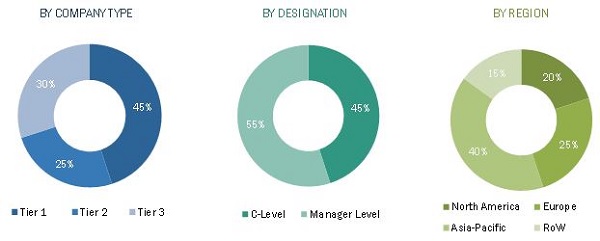
The research methodology used to estimate and forecast this market begins with capturing data on key vendor revenue through the secondary research. The vendor offerings are also taken into consideration to determine the market segmentation. The bottom-up procedure has been employed to arrive at the overall size of the ESD system market from the revenue of key players in the market. After arriving at the overall market size, the total market has been split into several segments and subsegments which have been verified through the primary research by conducting extensive interviews of people holding key positions such as CEOs, VPs, directors, and executives. These market breakdown and data triangulation procedures have been employed to complete the overall market engineering process and arrive at the exact statistics for all segments and subsegments. The breakdown of profiles of primary respondents is depicted in the figure below:
To know about the assumptions considered for the study, download the pdf brochure
The stakeholders of this report include technology providers; semiconductor product designers & fabricators; raw material & manufacturing equipment suppliers; research organizations & consulting companies;, associations, forums, and alliances related to process instrumentation; government bodies such as regulating authorities & policy makers; and investors. Key players profiled in the report are Rockwell Automation (U.S.), Schneider Electric SE (France), Emerson Electric Company (U.S.), Siemens AG (Germany), Honeywell International (U.S.).
The Target Audience:
- Emergency shutdown system manufactures
- Safety system solution providers
- Software providers
- Research organizations and consulting companies
- Associations, forums, and alliances related to safety systems
- Investors
Scope of the Report:
This research report categorizes the emergency shutdown system market based on method, industry, and region.
Global Emergency Shutdown System Market, by Method:
- Safety switches
- Emergency stop devices
- Safety controllers/modules/relays
- Safety sensors
- Logic solver/programmable safety systems
- Valves
- Actuators
Global Emergency Shutdown System Market, by Industry:
- Power generation
- Oil & gas
- Refining
- Chemical
- Pharmaceutical
- Paper & pulp
- Metal & mining
- Food & beverages
- Water & wastewater
Available Customizations:
With the given market data, MarketsandMarkets offers customizations according to a company’s specific needs. The following customization options are available for the report.
Company Information
Detailed analysis and profiling of additional market players (up to five)













Growth opportunities and latent adjacency in Emergency Shutdown System Market