Gas Mixtures Market

Gas Mixtures Market by Type (O2, N2, CO2, AR, H2, and Specialty Gas), End-Use Industry (Metal Manufacturing & Fabrication, Healthcare, Food & Beverages, Electronics), Storage & Distribution, Manufacturing Process, and Region - Global Forecast to 2030




OVERVIEW
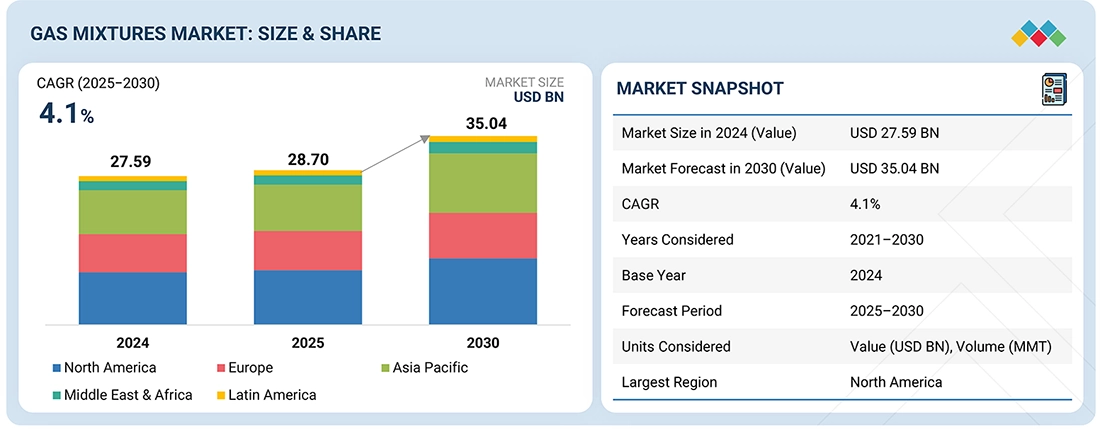
Source: Secondary Research, Interviews with Experts, MarketsandMarkets Analysis
The gas mixtures market is projected to grow from USD 28.70 billion in 2025 to USD 35.04 billion by 2030, representing a compound annual growth rate (CAGR) of 4.1% during this period. The demand for gas mixtures is driven by the rapid growth of specialized industrial applications, stringent quality and safety standards, and the increasing adoption of these mixtures in healthcare, electronics manufacturing, and advanced chemical processes.
KEY TAKEAWAYS
-
By RegionAsia Pacific accounted for a significant share of 29.6% in 2024.
-
By TypeBy type, the nitrogen mixtures segment is projected to register the highest CAGR of 4.9% during the period.
-
By End-Use IndustryBy end-use industry, the metal manufacturing & fabrication segment dominated the market in 2024, accounting for a share of 36.1%.
-
By Storage, Distribution, and TransportationBy storage, distribution, and transportation, the merchant liquid/bulk segment is projected to register the highest CAGR of 4.7% during the period.
-
By Manufacturing ProcessBy manufacturing process, the air separation technologies segment is projected to dominate the market, accounting for a 59.9% revenue share in 2024.
-
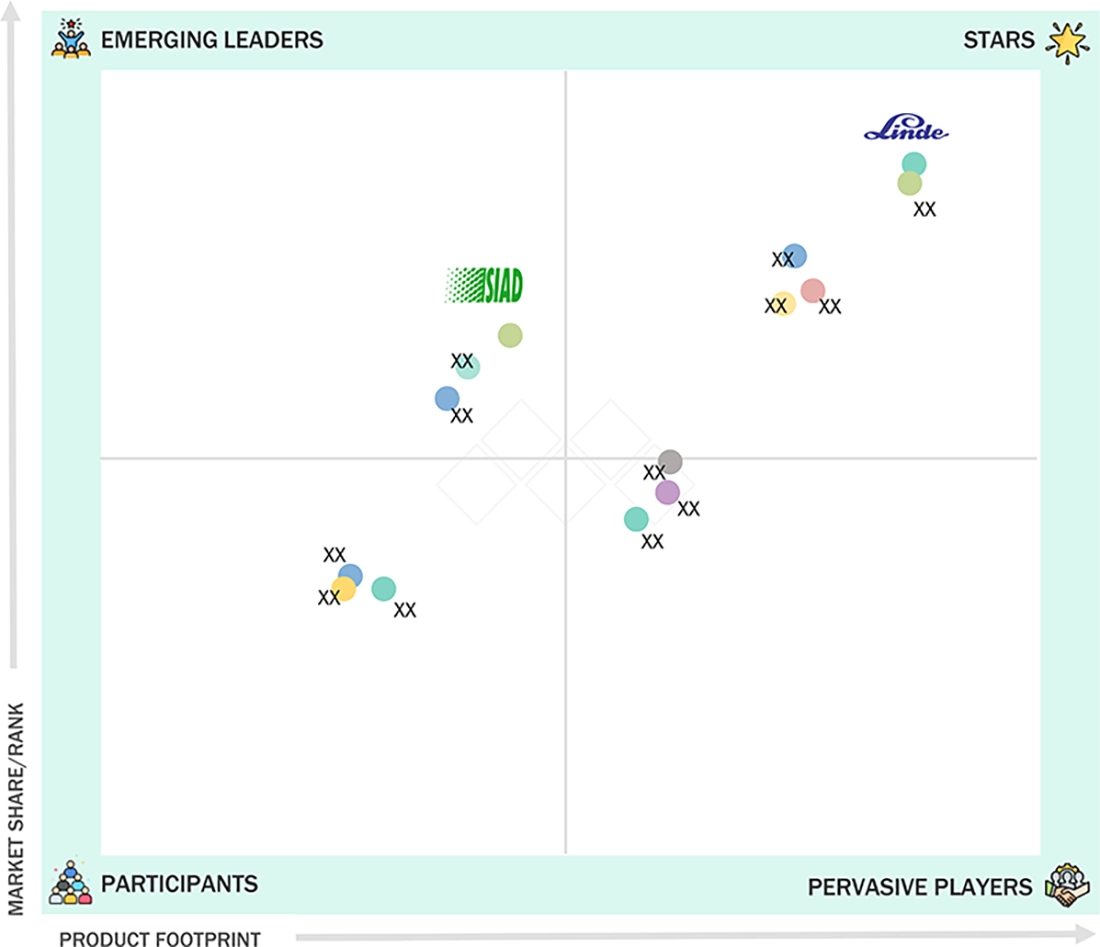
Competitive Landscape - Key PlayersLinde PLC (Ireland), Air Liquide (France), Air Products and Chemicals, Inc. (US), Messer SE & Co. KGaA (Germany), and Iwatani Corporation (Japan) were identified as star players in the gas mixtures market (global), given their strong market share and product footprint.
-
Competitive Landscape - Startups/SMEsPT Samator Indo Gas Tbk (Indonesia), Axcel Gases (India), Ellenbarrie Industrial Gases Ltd (India), Chemix Specialty Gases and Equipment (India), and Specgas, Inc. (US) have distinguished themselves among startups and SMEs by securing strong footholds in specialized niche areas, underscoring their potential as emerging market leaders.
The shift toward gas mixtures is increasingly popular as users prefer to move away from managing multiple standalone gases or complex on-site blending systems. Instead, they are choosing a single, pre-engineered solution that meets their precision and operational efficiency needs. At the same time, advancements in blending accuracy, purity control, and cylinder treatment technologies are enhancing the stability of gas mixtures. These improvements ensure consistent composition, increased safety during handling, and reliable applications across various sectors, including industrial, healthcare, laboratory, and energy fields.
TRENDS & DISRUPTIONS IMPACTING CUSTOMERS' CUSTOMERS
The gas mixture industry is undergoing significant changes as industrial and scientific users move away from managing multiple standalone gases or complex on-site blending systems. Instead, they are adopting a pre-engineered, application-specific mixture approach that simplifies supply chains and enhances process control. The emergence of integrated gas mixtures is resulting in improved compositional accuracy, better safety management, increased operational efficiency, and more effective gas handling systems across manufacturing, healthcare, energy production, and laboratory settings. As precision requirements continue to rise and the regulatory landscape evolves, companies must ensure they have reliable, consistent, and compliant integrated gas mixtures to support a diverse range of industrial and specialty applications.
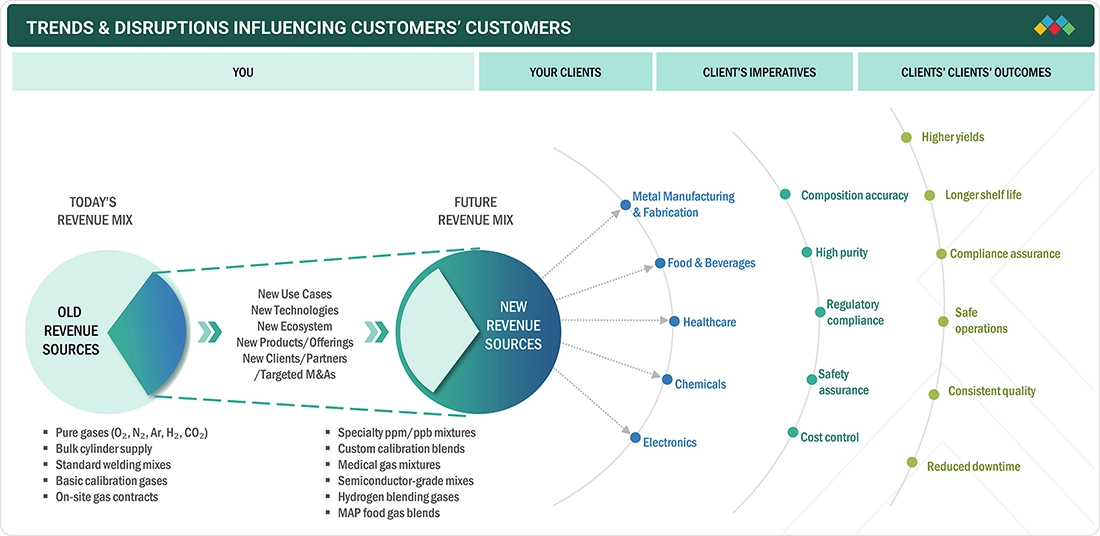
Source: Secondary Research, Interviews with Experts, MarketsandMarkets Analysis
MARKET DYNAMICS

Level
-
Increased demand from semiconductor & electronics manufacturers

-
Retail shift toward extended food & beverage shelf-life products


Level
-
Raw gas feedstock volatility in rare and specialty components

-
High cost of gravimetric precision blending infrastructure


Level
-
On-site micro-blending units for high consumption industrial clusters

-
High-margin low-volume specialty blend portfolios


Level
-
Maintaining composition stability at ppb and ppm levels

-
Scaling customization without sacrificing throughput

Source: Secondary Research, Interviews with Experts, MarketsandMarkets Analysis
Driver: Increased demand from semiconductor & electronics manufacturers
The gas mixtures market is driven by the growing demand for semiconductor and electronics production. The fabrication of these devices requires highly controlled atmospheres and ultra-pure environments. The production processes for semiconductor wafers—including etching, deposition, doping, and cleaning of chips—heavily rely on precisely controlled specialty gas mixtures. These mixtures often include hydrogen, nitrogen, argon, and helium, along with very small quantities of other reactive gases, measured in parts per million (ppm) or parts per billion (ppb). Even minor deviations from the specified composition can adversely affect yield, performance, and overall device reliability. As chip architectures advance and nodes shrink, process tolerances are becoming increasingly stringent, leading to greater dependency on certified and accurate gas blending. Additionally, the rise of data centers, electric vehicles, artificial intelligence hardware, and consumer electronics is further boosting the global production capacity for semiconductors. New manufacturing facilities require long-term, high-volume contracts to ensure that the specialty and electronic gas mixtures meet strict purity and stability standards. Therefore, the manufacture and use of engineered gas mixtures will continue to be vital in helping companies achieve production efficiencies, optimize yield, and ensure consistent product quality throughout the electronics value chain.
Restraint: Raw gas feedstock volatility in rare and specialty components
Gas mixture manufacturers are increasingly struggling to establish long-term contracts, accurately forecast costs, and effectively manage their inventory due to uncertain supply chains. This challenge is especially pronounced for non-stable formulations that require adherence to certification standards in calibration, semiconductor, and medical applications. Additionally, the inability to consistently procure adequate volumes of feedstock could negatively impact the reliability of delivery for blended specialty gas mixtures. Furthermore, rising input costs for these gases will likely squeeze manufacturers' profit margins, forcing them to pass on these price increases to end-users. This, in turn, could reduce the competitiveness of specialty gases in the industrial marketplace, ultimately slowing their acceptance in the broader market.
Opportunity: On-site micro-blending units for high consumption industrial clusters
The presence of micro-blending systems located at the source within large, consumer-driven industrial clusters will significantly boost the gas mixture industry. Major facilities such as petrochemical manufacturing plants, steel mills, semiconductor manufacturing sites, and pharmaceutical manufacturing facilities use large volumes of specialty gas mixtures daily. On-site micro-blending enables the production of large, customized mixtures directly at or near the end users, which reduces transportation and cylinder handling costs while enhancing supply chain security. Additionally, on-site micro-blending allows for real-time adjustments to mixture formulations, offers tighter control over process operations, and lessens dependence on long-haul logistics. This is particularly important in areas that may face infrastructure challenges or other disruptions along the supply chain. On-site micro-blending also provides a highly responsive solution to fluctuating production levels, reducing the amount of inventory that needs to be maintained. This model presents suppliers with opportunities for long-term service contracts, technical partnerships, and value-added services, such as remote monitoring and performance optimization. As companies increasingly pursue operational efficiency, stable pricing, and resilience in localized supply chains, on-site micro-blending systems can help strengthen long-term customer relationships and create new recurring revenue streams within concentrated industrial markets.
Challenge: Maintaining composition stability at ppb and ppm levels
A primary technical challenge in gas mixtures is maintaining composition stability over time at parts per million (ppm) and parts per billion (ppb) levels. Achieving accurate measurements at such low concentrations is extremely difficult because even minor contamination, adsorption effects, and interactions with cylinder surfaces can impact the accuracy of the mixture over time. Instability at trace levels can lead to incorrect calibrations, invalid analytical results, compromised manufacturing yields, and potential regulatory non-compliance. In addition to the presence of reactive trace components within each mixture, stability issues are exacerbated by moisture ingress, temperature fluctuations, and pressure variations that occur during storage and transport. Certain specialty gases can degrade, separate from one another, or react with cylinder materials if they are not properly passivated or treated before use.
GAS MIXTURES MARKET: COMMERCIAL USE CASES ACROSS INDUSTRIES
| COMPANY | USE CASE DESCRIPTION | BENEFITS |
|---|---|---|
 |
Heat-treating facility needed precise furnace atmosphere control | Endogas variations caused inconsistent carbon potential | Ensured stable carburizing | Optimized ratios | Improved efficiency |
 |
Industrial operator required accurate emissions monitoring | Traceable calibration gas mixtures were essential for compliance | Ensured documented accuracy | Improved regulatory compliance and monitoring confidence |
 |
Powder metallurgy producer needed consistent nitrogen-hydrogen atmospheres during sintering | Gas fluctuations affected quality | Improved nitrogen-hydrogen control boosted product consistency | Reduced scrap rates, and enhanced operational stability |
Logos and trademarks shown above are the property of their respective owners. Their use here is for informational and illustrative purposes only.
MARKET ECOSYSTEM
The gas mixtures market ecosystem comprises raw material suppliers, such as Chevron, Sinopec, and QatarEnergy; manufacturers, such as Linde plc, Air Liquide, Messer, Air Products, and Taiyo Nippon Sanso; distributors, such as MCG Industrial and Sigma Scientific Glass Pvt. Ltd.,; and end users, such as ArcelorMittal, BASF, Nestlé, Apollo Hospitals, and Samsung Electronics. Raw materials, including nitrogen, argon, hydrogen, oxygen, and specialty gases, are produced and purified before being precisely blended by manufacturers into application-specific gas mixtures. Distributors play a vital role in storage, transportation, and supply to various industries. End users across sectors such as metal manufacturing, chemicals, food processing, healthcare, and electronics rely on these gas mixtures for controlled atmospheres, process stability, and regulatory compliance. Collaboration among all players in the ecosystem ensures consistent quality, reliable supply chains, and ongoing innovation to meet the increasing demand across industrial and high-technology sectors.
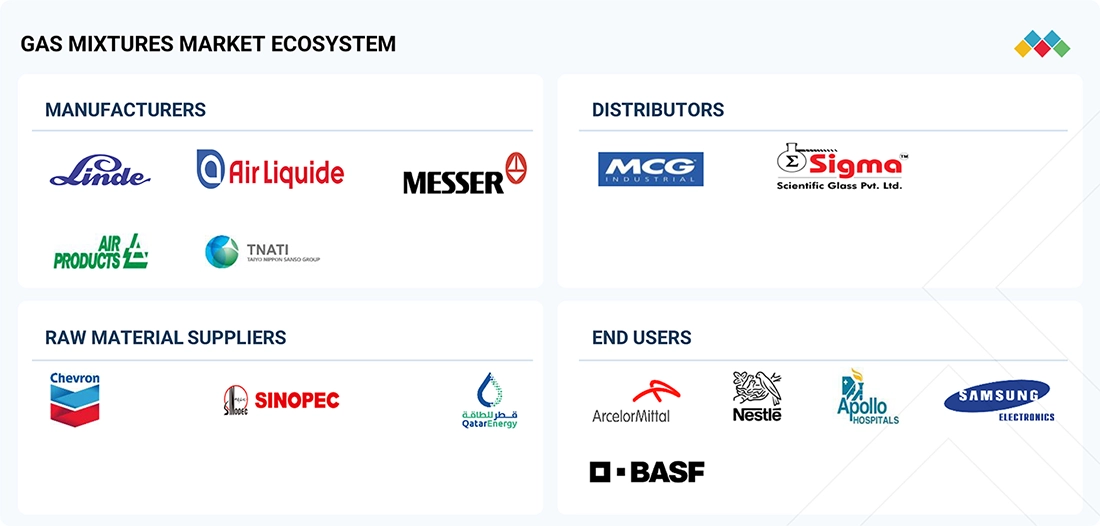
Logos and trademarks shown above are the property of their respective owners. Their use here is for informational and illustrative purposes only.
MARKET SEGMENTS
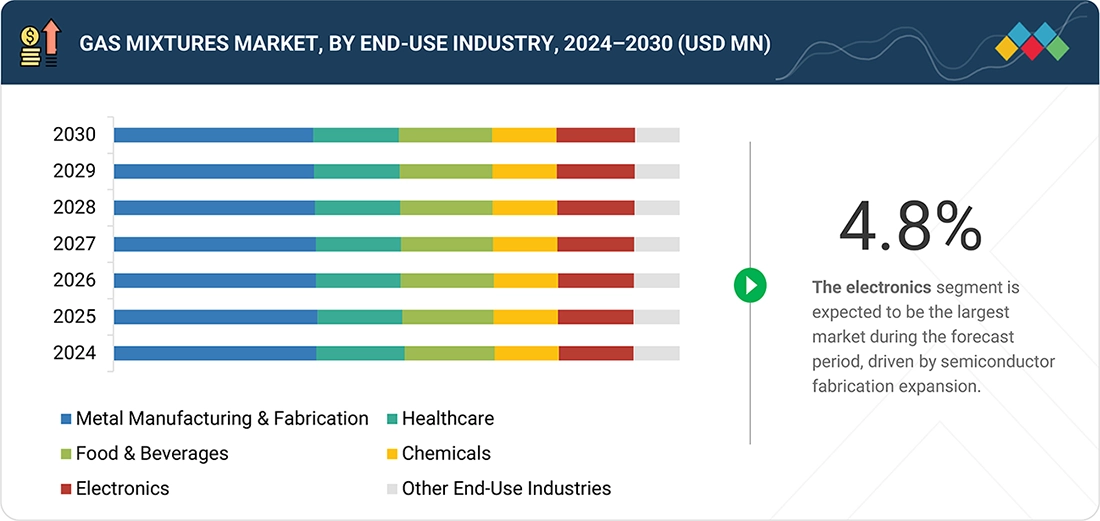
Source: Secondary Research, Interviews with Experts, MarketsandMarkets Analysis
Gas Mixtures Market, By Type
The nitrogen mixtures segment is anticipated to be the largest part of the gas mixtures market during the forecast period. Nitrogen is widely used across various high-volume industries due to its extensive applications. It primarily serves functions such as inerting, blanketing, purging, and as a diluent gas. In manufacturing, nitrogen-based mixtures are utilized in several sectors, including metal processing, heat treatment, chemical production, and the oil and gas industries, where they provide controlled atmospheres and enhance safety. In the food & beverage industry, nitrogen mixtures are used for modified atmosphere packaging, which helps extend product shelf life. Similarly, the electronics and semiconductor sectors use nitrogen mixtures to maintain process stability and prevent product contamination. Additionally, nitrogen-hydrogen and nitrogen-argon mixtures are commonly employed in processes like sintering, annealing, and welding. The overall availability and lower cost of nitrogen compared to rare gases, along with its compatibility with various reactive and inert materials, reinforce nitrogen’s dominant position in the market. As industrial growth continues globally, nitrogen mixtures are expected to remain a foundational element driving demand across diverse end-user markets.
Gas Mixtures Market, By End-Use Industry
The metal manufacturing & fabrication segment represents the largest market during the forecast period due to the sector's ongoing need for controlled atmospheres and process stability. Gas mixtures are crucial for various applications, including welding, cutting, heat treating, brazing, and sintering. Specific and precise mixtures of gases such as argon, carbon dioxide, nitrogen, hydrogen, and helium are vital for achieving optimal performance in these processes. They help in firing the arc, controlling oxidation levels, and obtaining the desired metallurgical properties. Shielding gases play a crucial role in welding by ensuring optimal penetration of welds, minimizing spatter, and providing the necessary structural integrity. These gases are widely used across several industries, including automotive, construction, heavy equipment, and shipbuilding. Additionally, protective gas mixtures, often composed of nitrogen and hydrogen, are utilized during heat treating and furnace operations to achieve consistent carbon potential and uniform surface quality. The extensive scale of global infrastructure, industrial machinery, and automobile manufacturing generates a high volume of demand for these protective gas mixtures, ensuring their continued use and importance in these industries.
Gas Mixtures Market, By Storage, Distribution, and Transportation
The merchant liquid/bulk segment represents the largest market during the forecast period. Large manufacturing facilities, refineries, steel mills, semiconductor production plants, and chemical manufacturing operations require continuous and reliable supplies of blended gases in significant quantities, which is driving the growth of the segment. Bulk storage systems, such as cryogenic tanks and insulated vessels, allow for cost-effective delivery while minimizing the need for cylinder disposal and frequent refills. This distribution model enables stable long-term supply agreements and ensures a consistent composition of gases for large-scale operations, where process disruptions can lead to substantial costs. Merchant liquid/bulk systems offer logistical advantages through scheduled tanker deliveries, centralized production, and efficient transportation networks. Furthermore, they reduce the cost of gas per unit and enhance the safe management of gas in locations with high overall gas consumption compared to using packaged gas cylinders.
Gas Mixtures Market, By Manufacturing Process
The air separation technologies segment represents the largest market during the forecast period due to the role of these technologies in providing the essential base gases required for various industrial and specialty gas blending applications. Air separation units employ cryogenic distillation and other advanced separation techniques to produce high-purity nitrogen, oxygen, and argon (99.9% purity or higher) on a large scale. This production forms the foundation for creating industrial and specialty gas mixtures. The base gases generated by air separation units are crucial for a wide array of sectors, including metals production, healthcare, chemicals, electronics, and energy, thereby establishing a vital infrastructure for the entire market supply. These units ensure a continuous supply of feedstock, enabling the precise preparation of downstream blended and formulated gases. The high efficiency and scalability of air separation units, combined with their ability to provide ultra-high-purity gases, make them suitable for demanding industrial processes, such as semiconductor manufacturing and medical applications. Furthermore, integrating air separation units with user facilities reduces transportation costs and enhances supply reliability. As global industrialization and advanced manufacturing continue to expand, air separation technologies will remain essential in providing the base capacity for gas mixtures within the overall value chain.
REGION
Asia Pacific to be fastest-growing region in global gas mixtures market during forecast period
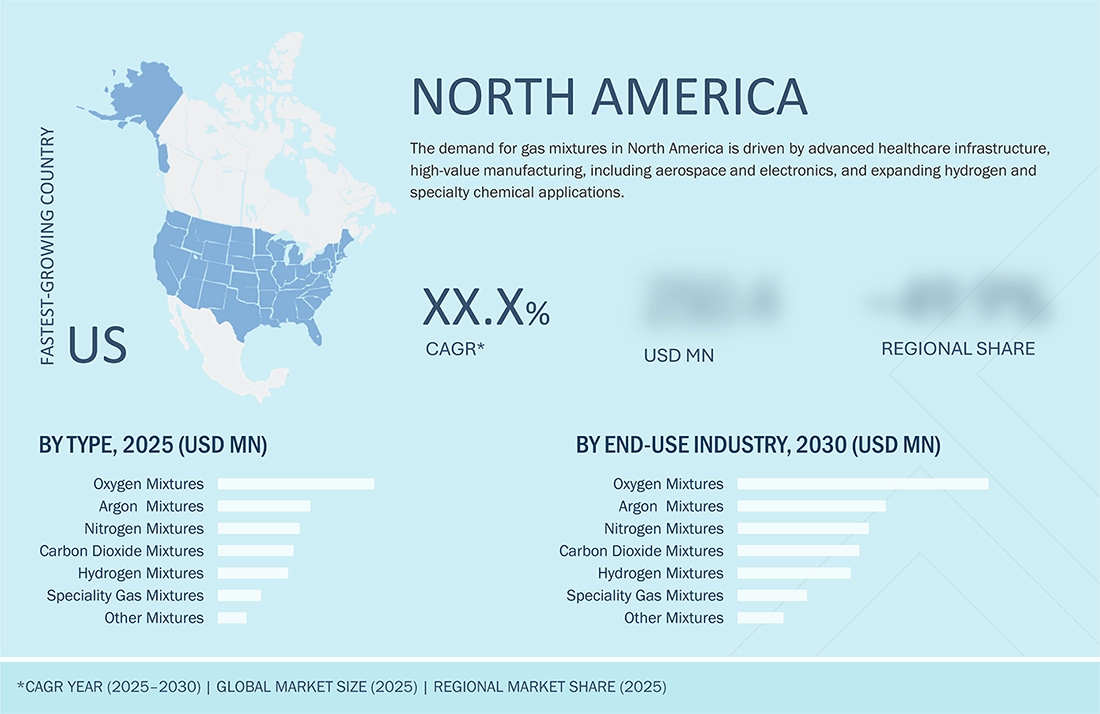
North America is expected to be the largest regional market for gas mixtures, driven by its robust industrial infrastructure, efficient manufacturing processes, and the presence of numerous specialty gas suppliers. A wide variety of industries utilize precisely formulated gas mixtures. These industries include metal fabrication, oil and gas refining, chemical production, healthcare, food processing, and semiconductor production. Additionally, there is a consistent demand for calibration gases, shielding gas blends, medical-grade mixtures, and electronic-grade mixtures, which leads to steady consumption of gas mixtures across North America. The US is the largest market within the region due to its extensive industrial zones, the rise of semiconductor fabrication plants, and stringent environmental regulations that require certified gas mixtures for emissions testing and laboratory analysis. Additionally, ongoing investments in renewable energy sources, hydrogen distribution systems, and advanced manufacturing technologies support long-term growth in this sector. The pursuit of quality standards and regulatory compliance also creates a continuous need for traceable, high-purity gas blends. Established distribution systems, bulk gas supply channels, and the technical expertise developed by major gas suppliers enable the efficient production and distribution of these gas mixtures.
GAS MIXTURES MARKET: COMPANY EVALUATION MATRIX
Linde plc (Star) is a leader in the gas mixtures market. The company boasts a unique global production base and advanced air separation infrastructure, along with a significant market capitalization in specialty and electronic gases. Linde is well-positioned due to its integrated supply chain and proprietary blending technology, allowing it to provide ultra-pure (99.999%) and certified gas mixtures for customers in various industries, including semiconductors, healthcare, metal fabrication, chemicals, and environmental monitoring. Additionally, Linde has a robust distribution network, offers on-site solutions, and has established long-term industrial contracts, all of which strengthen its leadership position in high-value and precision-driven gas mixture segments. On the other hand, SIAD Group (Emerging Leader) is actively expanding its specialty gas portfolio and investing in advanced blending and analytical technology. The company is building on its focused regional presence while increasing its reach in industrial, medical, and laboratory gas mixtures. SIAD is leveraging its technical expertise and customized solutions to capture a larger share of higher-margin market segments. With the rising demand for precision gas mixtures in electronics, healthcare, and advanced manufacturing sectors, SIAD Group has the potential to pursue market leadership through ongoing geographic expansion and technology-driven differentiation.
Source: Secondary Research, Interviews with Experts, MarketsandMarkets Analysis
KEY MARKET PLAYERS
- Linde PLC (Ireland)
- Air Liquide (France)
- Air Products and Chemicals, Inc. (US)
- Messer SE & Co. KGaA (Germany)
- Iwatani Corporation (Japan)
- TAIYO NIPPON SANSO CORPORATION (Japan)
- Westfalen AG (Germany)
- Gulf Cryo (UAE)
- The SIAD Group (Italy)
- Holston Gases (US)
- Axcel Gases (India)
- PT Samator Indo Gas Tbk (Indonesia)
- Ellenbarrie Industrial Gases Ltd (India)
- Specgas, Inc. (US)
- Bhoruka Specialty Gases Pvt Ltd (India)
MARKET SCOPE
| REPORT METRIC | DETAILS |
|---|---|
| Market Size in 2024 (Value) | USD 27.59 Billion |
| Market Forecast in 2030 (Value) | USD 35.04 Billion |
| Growth Rate | CAGR of 4.1% from 2025–2030 |
| Years Considered | 2021–2030 |
| Base Year | 2024 |
| Forecast Period | 2025–2030 |
| Units Considered | Value (USD Billion), Volume (MMT) |
| Report Coverage | Revenue forecast, company ranking, competitive landscape, growth factors, and trends |
| Segments Covered |
|
| Regions Covered | North America, Asia Pacific, Europe, South America, Middle East & Africa |
WHAT IS IN IT FOR YOU: GAS MIXTURES MARKET REPORT CONTENT GUIDE
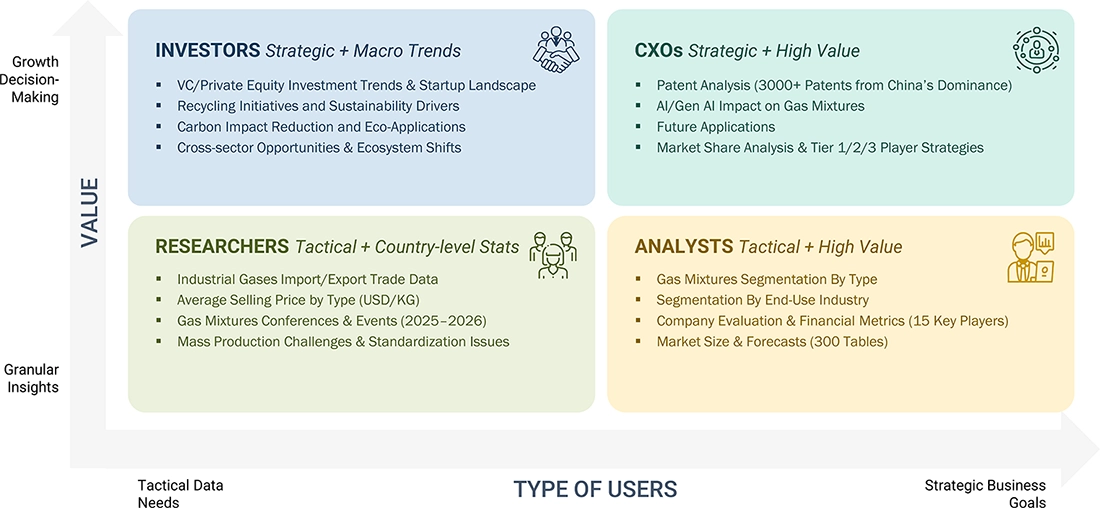
DELIVERED CUSTOMIZATIONS
We have successfully delivered the following deep-dive customizations:
| CLIENT REQUEST | CUSTOMIZATION DELIVERED | VALUE ADDS |
|---|---|---|
| Industrial Gas Manufacturer |
|
|
| Specialty Gas Mixture Supplier |
|
|
RECENT DEVELOPMENTS
- November 2025 : Messer SE & Co. KGaA (Germany) formed a joint venture with Petrovietnam Chemical & Services (Vietnam) to build a new industrial gas plant with 200,000-ton annual capacity. It would support broader gas mixture and industrial gas supply in Vietnam.
- October 2025 : Air Liquide (France) entered an agreement to acquire India’s NovaAir to expand its footprint in bulk, critical specialty gases, and onsite services to East and South Indian industrial regions.
- August 2025 : Air Liquide (France) signed an agreement to acquire DIG Airgas. It aimed to expand its industrial gas operations in South Korea’s key semiconductor and clean energy markets.
Table of Contents
 Exclusive indicates content/data unique to MarketsandMarkets and not available with any competitors.
Methodology
The study involved four major activities to estimate the current size of the global gas mixtures market. Exhaustive secondary research was carried out to collect information on the market, the peer product market, and the parent product group market. The next step was to validate these findings, assumptions, and sizes with the industry experts across the value chain of gas mixtures through primary research. The top-down and bottom-up approaches were employed to estimate the overall size of the gas mixtures market. After that, market breakdown and data triangulation procedures were used to determine the size of different segments of the market.
Secondary Research
The market for companies offering gas mixtures was arrived at by studying the secondary data available through paid and unpaid sources, analyzing the product portfolios of the major companies in the ecosystem, and rating the companies by their performance and quality. Various secondary sources, such as Business Standard, Bloomberg, World Bank, and Factiva, were referred to identify and collect information for this study on the gas mixtures market. In the secondary research process, various secondary sources were referred to identify and collect information related to the study. Secondary sources included annual reports, press releases, investor presentations, gas mixture vendors, forums, certified publications, and white papers. The secondary research was used to obtain critical information on the industry’s value chain, the total pool of key players, market classification, and segmentation from the market and technology-oriented perspectives.
Primary Research
In the primary research process, various primary sources from the supply and demand sides were interviewed to obtain qualitative and quantitative information for this report. The primary sources from the supply side included industry experts, such as Chief Executive Officers (CEOs), Vice Presidents (VPs), marketing directors, technology and innovation directors, and related key executives from several key companies and organizations operating in the gas mixtures market. After the complete market engineering (calculations for market statistics, market breakdown, market size estimations, market forecasting, and data triangulation), extensive primary research was conducted to gather information and verify and validate the critical numbers arrived at. Primary research was also conducted to identify the segmentation types, industry trends, competitive landscape of gas mixtures offered by various market players, and key market dynamics, such as drivers, restraints, opportunities, challenges, industry trends, and key player strategies. In the complete market engineering process, the top-down and bottom-up approaches and several data triangulation methods were extensively used to perform the market estimation and market forecasting for the overall market segments and subsegments listed in this report. Extensive qualitative and quantitative analysis was performed on the complete market engineering process to list the key information/insights throughout the report.
The following is the breakdown of primary respondents:
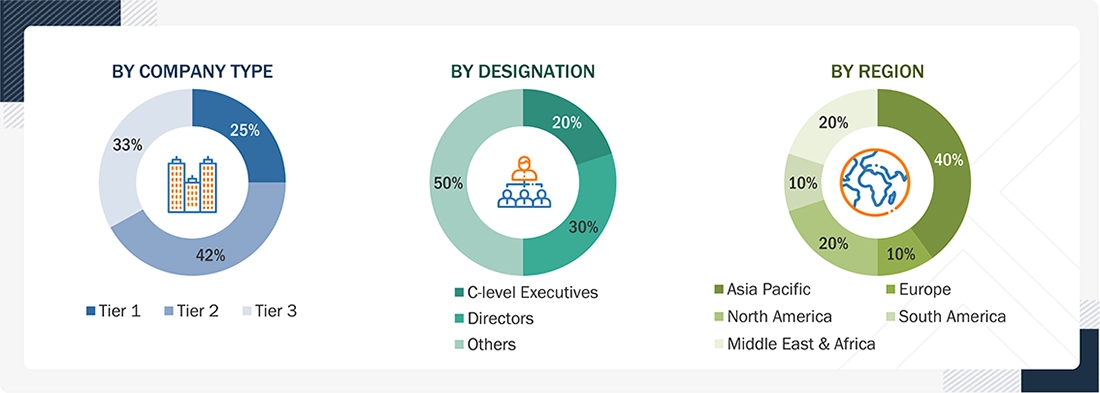
Others include Sales, Marketing, and Product Managers.
Tier 1: > USD 1 Billion; Tier 2: USD 500 million–1 Billion; and Tier 3: < USD 500 million
To know about the assumptions considered for the study, download the pdf brochure
Market Size Estimation
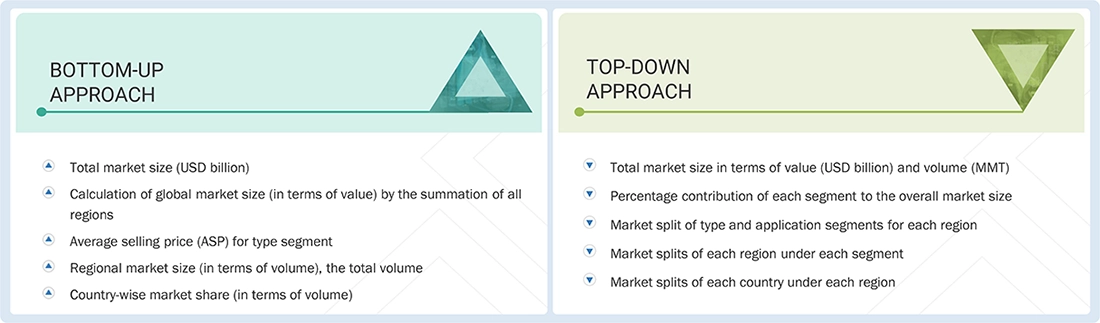
The top-down and bottom-up approaches were used to estimate and validate the size of the global gas mixtures market. These approaches were also used extensively to estimate the size of various dependent market segments.
The research methodology used to estimate the market size included the following approaches:
Data Triangulation
After arriving at the overall market size using the market size estimation processes, the market was split into several segments and subsegments. The data triangulation and market breakup procedures were employed, wherever applicable, to complete the overall market engineering process and arrive at the exact statistics of each market segment and subsegment. The data was triangulated by studying various factors and trends from both the demand and supply sides.
Market Definition
Gas mixtures are controlled blends of multiple gases combined in specific ratios to achieve defined chemical or physical properties for targeted applications. They are manufactured under strict quality standards to ensure uniformity, stability, and accuracy in composition. These mixtures are essential in processes requiring controlled atmospheres, analytical precision, or performance enhancement across industries, such as electronics, healthcare, energy, environmental testing, and advanced manufacturing.
Stakeholders
- To define, describe, and forecast the size of the global gas mixtures market based on type, end-use industry, storage, distribution, & transportation, manufacturing process, and region in terms of value and volume
- To provide detailed information on the significant drivers, restraints, opportunities, and challenges influencing the market
- To analyze and forecast the market based on type; end-use industry; storage, distribution, and transportation; and manufacturing process
- To strategically analyze micromarkets concerning individual growth trends, prospects, and their contribution to the market
- To assess the growth opportunities in the market for stakeholders and provide details on the competitive landscape for market leaders
- To forecast the market size of segments for North America, Europe, Asia Pacific, South America, and the Middle East & Africa
- To strategically profile key players and comprehensively analyze their market shares and core competencies
- To analyze competitive developments, such as product launches, expansions, partnerships, and acquisitions in the gas mixtures market
- To provide the impact of AI on the gas mixtures market
Report Objectives
- Raw Material Suppliers
- Regulatory Bodies
- Government and Consulting Firms
- End Users
- Research and Development Organizations
- Gas Mixture Manufacturers, Dealers, Traders, and Suppliers


Personalize This Research
- Triangulate with your Own Data
- Get Data as per your Format and Definition
- Gain a Deeper Dive on a Specific Application, Geography, Customer or Competitor
- Any level of Personalization
Let Us Help You
- What are the Known and Unknown Adjacencies Impacting the Gas Mixtures Market
- What will your New Revenue Sources be?
- Who will be your Top Customer; what will make them switch?
- Defend your Market Share or Win Competitors
- Get a Scorecard for Target Partners

Custom Market Research Services
We Will Customise The Research For You, In Case The Report Listed Above Does Not Meet With Your Requirements
Get 10% Free CustomisationTESTIMONIALS

We at Nissan Chemicals Corporation have been clients of MarketsandMarkets for more than a year now. We recently consulted MarketsandMarkets for a study, the team at MarketsandMarkets was extremely professional and organized. The business insights were very detailed and aligned well with our expectations that really helped us formulate the Business Plans and device new strategies for development themes. MarketsandMarkets offers a unique combination of expertise and dedicated engagement model. Their research findings have helped us in designing our Pricing Strategy which will make it easier for us to predict the future sales and profits for the next ten years. We look forward to working with MarketsandMarkets in the future.
VP of Strategy & New Business Development
Leading Specialty Chemical Company
The MarketsandMarkets Engagement Model, composed of both the Knowledge Store and advisory custom research, has greatly helped us in understanding our markets and making strategic decisions. The Knowledge Store is a fast way to allow everyone in our organization to understand more about most any market they are interested in. The ability to then get custom research done and get answers to specific strategic questions and market insight has been spectacular. The Markets and Markets team feel more like colleagues than vendors and their services have helped us change our culture where statements of things like growth opportunities and competitive position are always backed by industry research.

Rich Gibson,
Director, Corporate Strategy
Milliken & Company,
Leading Industrial Manufacturer of specialty chemical, floor covering, performance and protective textile materials, and healthcaremilliken.com
MarketsandMarkets is a trusted resource that helps us to better understand markets that are near-adjacencies-whether its technology, value chain or geography. Their Knowledge Store platform provides a dashboard of markets and their characteristics which is easy to use and saves us time.
Adam Shaw,
Market Development and Strategy Manager
AdvanSix Inc. USA,
An American Leader in Chemicalswww.advansix.com
The Knowledge Store from MarketsandMarkets is a valuable tool which has helped my team acquire greater insight in to the end markets that our business serves. This has enabled us to help our company build stronger strategies throughout our planning process.
TOSHIO KINOSHITA
Senior Chif Consultion Research & Consulting Division
Mitsubishi Chemical Research Corporation,
Leading Manufacturer of Chemical Productswww.mitsubishichem-res.co.jp/en/

We recently engaged with MarketsandMarkets for a study, the team not only clearly understood our business objectives but was also extremely professional in the way they handled the entire project. The study was efficiently conducted in a phase-wise manner, and the engagement model furnished us with high-quality business insights that far exceeded our expectations at each phase. We were especially happy that MarketsandMarkets could provide us with both, an English as well as a Japanese version of the study. A special thanks to the Analyst Team and Client Services Team, whose fluency in Japanese enhanced our comfort level, as we could converse with them in our preferred language.
Independent entrepreneurs
Arrow Precision
We approached MarketsandMarkets for study on Proppants Market, and their work exceeded our expectations. The study conducted was comprehensive and enabled us to view the market through the various dimensions. In addition, the team was extraordinarily responsive throughout the process and resolved our queries on time. I strongly recommend MarketsandMarkets and will certainly consider them for additional market assessments we will need in the future.
Global engineering company, Japan
Deputy Manager,
Strategic Planning OfficeThe high-quality insights shared by the MarketsandMarkets team helped us understand the pharmaceutical plant designers in a specific geography. It also captured the risks that we may likely face in communicating with our potential partners. The study would enable us identify partners, which would impact our future growth.
- US Gas Mixtures Market
- Canada Gas Mixtures Market
- Mexico Gas Mixtures Market
- Germany Gas Mixtures Market
- France Gas Mixtures Market
- UK Gas Mixtures Market
- Belgium Gas Mixtures Market
- China Gas Mixtures Market
- India Gas Mixtures Market
- Japan Gas Mixtures Market
- South Korea Gas Mixtures Market
- South Africa Gas Mixtures Market
- Brazil Gas Mixtures Market
- Argentina Gas Mixtures Market
- Rest Of Europe Gas Mixtures Market
- Rest Of Asia Pacific Gas Mixtures Market
- GCC Countries Gas Mixtures Market
- –Rest Of The GCC Gas Mixtures Market






Growth opportunities and latent adjacency in Gas Mixtures Market