Ventilators Market

Ventilators Market by Mobility (Intensive Care Ventilators, Transportable Ventilators), Type (Adult & Pediatric Ventilators), Interface (Invasive Ventilation), Mode (Combined Mode Ventilation), Care Setting (Hospitals & Clinics)- Global Forecast to 2031



VENTILATORS MARKET SIZE, SHARE & GROWTH SNAPSHOT
Source: Secondary Research, Interviews with Experts, MarketsandMarkets Analysis
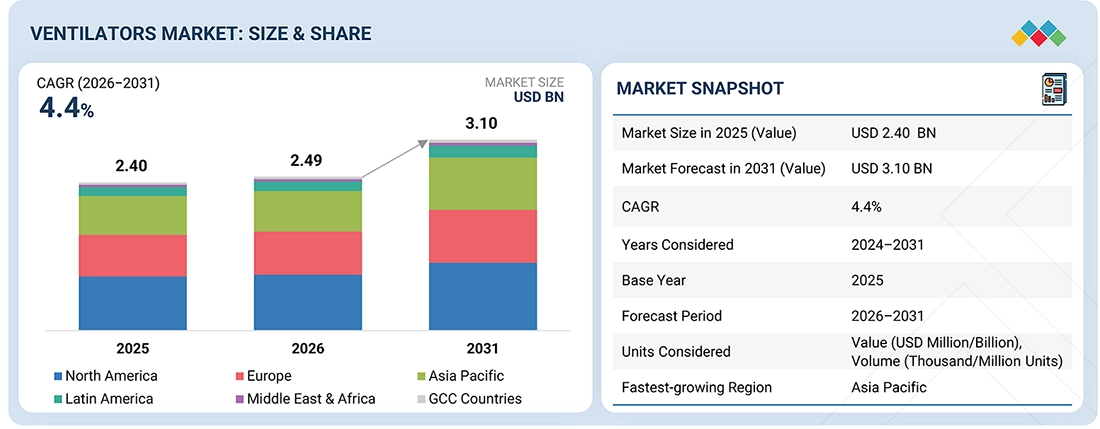
The global ventilators market is projected to grow from USD 2.49 billion in 2026 to USD 3.10 billion by 2031, at a CAGR of 4.4% during the forecast period. The market was valued at USD 2.40 billion in 2025. Market growth is supported by rising respiratory and critical-care admissions, aging populations, continued ICU and NICU capacity upgrades, and stronger emergency preparedness. Demand is also shifting toward portable and transport systems, neonatal-capable platforms, dual invasive/non-invasive devices, and connected ventilators with automated or closed-loop decision support. High acquisition and lifecycle costs, long hospital replacement cycles, complex regulatory requirements, and shortages of trained respiratory-care personnel restrain adoption. Vendor exits and portfolio consolidation since 2024 are accelerating replacement opportunities for active global suppliers.
KEY TAKEAWAYS
-
MARKET SNAPSHOT:
Base Year Market Size (2025): USD 2.40 Billion
Current Market Size (2026): USD 2.49 Billion
Forecast Market Size (2031): USD 3.10 Billion
CAGR (2026–2031): 4.4% -
SEGMENT LEADERSHIP:
Product Type Leader: Portable and transportable ventilators are projected to grow at a CAGR of 5.5% and are expected to reach USD 857.1 million by 2031.
Patient Type Leader: Adult & pediatric ventilators account for the largest share.
Capability Leader: Dual-capability ventilators hold the largest share.
Ventilation Mode Leader: Combined-mode ventilation represents the largest segment.
End User Leader: Hospitals and clinics dominate the market.
Regional Leader: North America holds the largest market share, while Asia Pacific is expected to record the fastest growth. -
MARKET OUTLOOK & COMPETITIVE LANDSCAPE:
Dräger, Getinge, Mindray, Hamilton Medical, and ZOLL are the key players in the ventilators market, supported by broad portfolios, global reach, strong clinical credibility, and robust financial strength.
CorVent Medical, Noccarc, Magnamed, and Ventinova have distinguished themselves through portable solutions, specialized ventilation technologies, local manufacturing, and lower lifecycle costs.
The ventilators market is being reshaped by ICU modernization, rising respiratory disease burden, expansion of neonatal and emergency-care capacity, and a growing preference for connected, versatile ventilation platforms. Capital-budget constraints, long device replacement cycles, regulatory complexity, and workforce shortages remain key restraints. Growth opportunities are concentrated in portable and transport ventilation, emerging markets, dual invasive/non-invasive systems, automated modes, and the replacement demand created by supplier exits and industry consolidation.
TRENDS & DISRUPTIONS IMPACTING CUSTOMERS' CUSTOMERS
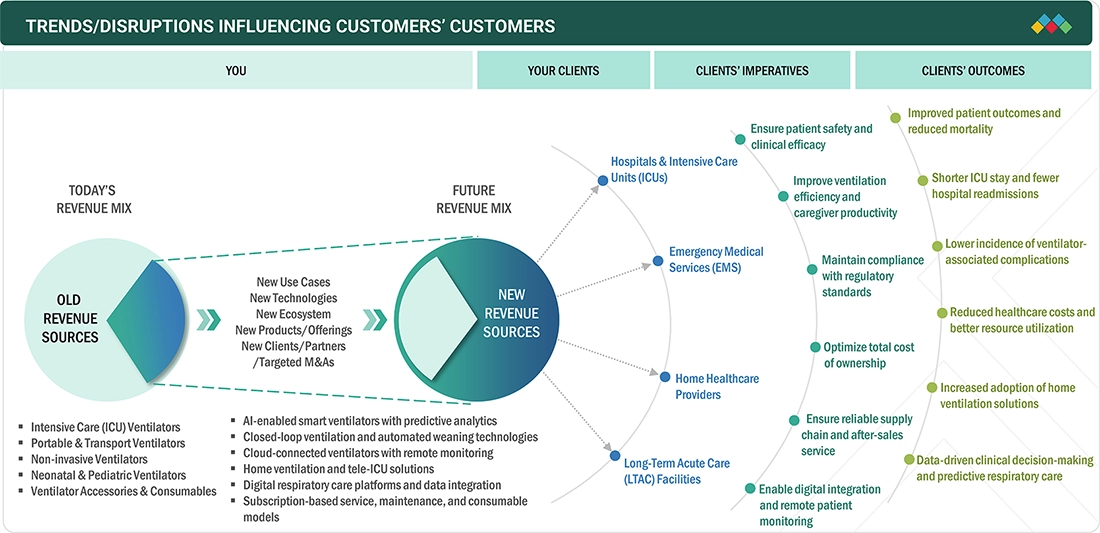
The ventilators market is undergoing a structural transition driven by supplier consolidation and rapid technology evolution. Medtronic's decision to wind down its ventilator product line and Philips' contraction in parts of its hospital and home respiratory portfolio created replacement opportunities, while ZOLL's acquisition of selected Vyaire product lines preserved and consolidated the Bellavista, LTV, Fabian, and 3100 HFOV platforms. Active manufacturers are responding with broader universal platforms, neonatal options, compact transport systems, remote software updates, interoperable data exchange, and automated lung-protective or weaning functions. Hospitals are increasingly evaluating vendors on installed-base support, cybersecurity, service continuity, consumable availability, and integration with patient monitoring and clinical information systems. The result is a shift from stand-alone breathing machines toward connected respiratory-care ecosystems that support ICU, transport, emergency, and step-down workflows.
Source: Secondary Research, Interviews with Experts, MarketsandMarkets Analysis
MARKET DYNAMICS

Level
-
Rising incidence of respiratory failure and critical-care admissions

-
Aging population and higher surgical volumes


Level
-
High acquisition, maintenance, and training costs

-
Long replacement cycles and constrained hospital capital budgets


Level
-
Replacement opportunities created by vendor exits and portfolio consolidation

-
Rapid growth of portable, transport, and neonatal ventilation


Level
-
Shortage of respiratory therapists and critical-care professionals

-
Interoperability, software validation, and cybersecurity requirements

Source: Secondary Research, Interviews with Experts, MarketsandMarkets Analysis
Driver: Rising incidence of respiratory failure and critical-care admissions
The rising burden of acute respiratory failure, pneumonia, COPD exacerbations, sepsis, trauma, and complex surgical cases is increasing the need for mechanical ventilation. Hospitals are expanding ICU and NICU capacity and strengthening emergency preparedness, while ambulance and air-medical providers are investing in portable systems. These trends support demand for high-performance ventilators capable of serving multiple patient types and care pathways.
Restraint:High acquisition, maintenance, and training costs
Ventilators require substantial upfront investment as well as expenditure for preventive maintenance, calibration, staff training, accessories, and service contracts. Hospitals often operate ventilators for many years, extending replacement cycles when budgets are constrained. These factors slow fleet renewal, particularly in public hospitals and lower-income markets, even when newer systems offer better automation and connectivity.
Opportunity: Replacement opportunities created by vendor exits and portfolio consolidation
The withdrawal or contraction of established suppliers has created opportunities for active manufacturers to replace legacy fleets, secure multi-year hospital contracts, and standardize customers on new platforms. Getinge, Dräger, Mindray, Hamilton Medical, ZOLL, and selected home-ventilation specialists can benefit by offering migration support, clinical training, compatible workflows, and reliable long-term service.
Challenge: Shortage of respiratory therapists and critical-care professionals
Advanced ventilators can only deliver their full value when clinicians are trained to configure modes, interpret waveforms, manage alarms, and implement lung-protective protocols. Shortages of respiratory therapists and critical-care staff, variation in clinical practice, and the need to retrain teams when switching vendors can delay adoption and reduce utilization of sophisticated features.
VENTILATORS MARKET: COMMERCIAL USE CASES ACROSS INDUSTRIES
| COMPANY | USE CASE DESCRIPTION | BENEFITS |
|---|---|---|
 |
Deploys ICU and neonatal ventilators within connected acute-care environments, integrating ventilation data with patient monitoring and clinical workflow systems | Supports standardized critical-care workflows | Remote visibility | Lung-protective ventilation | Long-term fleet serviceability |
 |
Provides Servo ventilators for adult, pediatric, and neonatal care, with advanced synchrony, monitoring, and automated support across high-acuity settings | Improves patient-ventilator interaction | Enables one-platform use across patient groups | Supports efficient ICU standardization |
 |
Combines ventilators with patient monitors, infusion systems, anesthesia equipment, and digital ICU solutions for hospital-wide critical-care deployments | Enables bundled procurement | Competitive lifecycle economics | Integrated data and alarm management across care areas |
 |
Offers ventilation-focused platforms for ICU, neonatal, MRI, emergency, and transport settings with automated modes and compact mobility options | Reduces clinician workload | Supports consistent therapy during transport | Enables fleet continuity from prehospital to ICU care |
 |
Provides a broad respiratory portfolio spanning critical-care, transport, neonatal, and high-frequency ventilation following the acquisition of selected Vyaire product lines | Maintains continuity for legacy fleets | Expands patient-range coverage | Supports hospitals and EMS providers with multiple ventilation technologies |
Logos and trademarks shown above are the property of their respective owners. Their use here is for informational and illustrative purposes only.
MARKET ECOSYSTEM
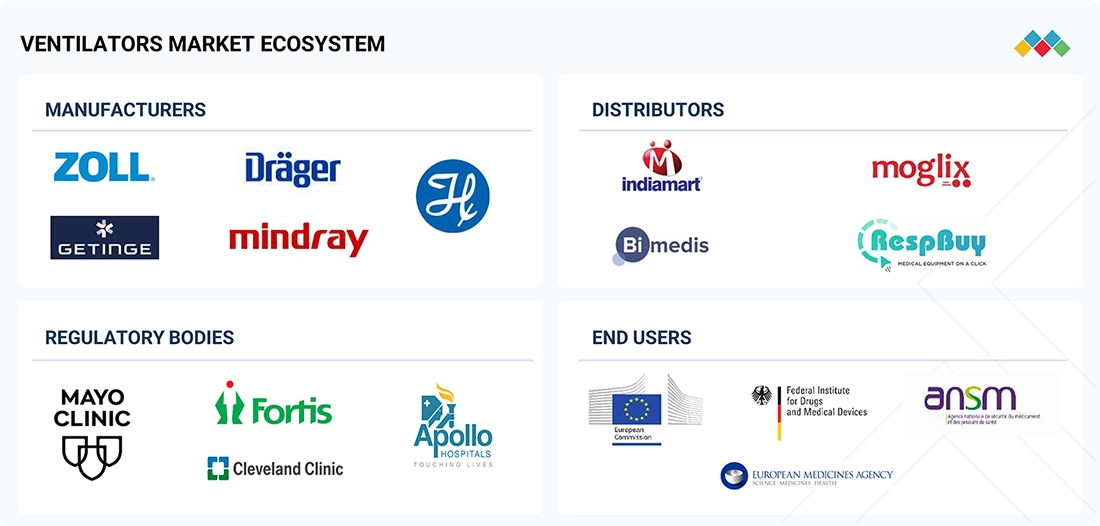
The ventilators market ecosystem begins with suppliers of blowers and turbines, flow and pressure sensors, valves, oxygen-control modules, microprocessors, displays, batteries, humidification components, breathing-circuit interfaces, and embedded software. Global manufacturers such as Dräger, Getinge, Mindray, Hamilton Medical, ZOLL, Löwenstein Medical, GE HealthCare, Nihon Kohden, and Air Liquide Medical Systems integrate these components into ICU, neonatal, transport, emergency, and home life-support ventilators. Products reach customers through direct hospital sales organizations, specialist respiratory distributors, government tenders, group purchasing organizations, and emergency-care channels. Clinical engineering teams, respiratory therapists, service partners, software providers, and consumable suppliers support the installed base throughout the device lifecycle. Key end users include hospitals and clinics, ambulatory care centers, ambulance and air-medical services, long-term care providers, and selected home-care programs.
Logos and trademarks shown above are the property of their respective owners. Their use here is for informational and illustrative purposes only.
MARKET SEGMENTS
Source: Secondary Research, Interviews with Experts, MarketsandMarkets Analysis
Ventilators Market, By Mobility
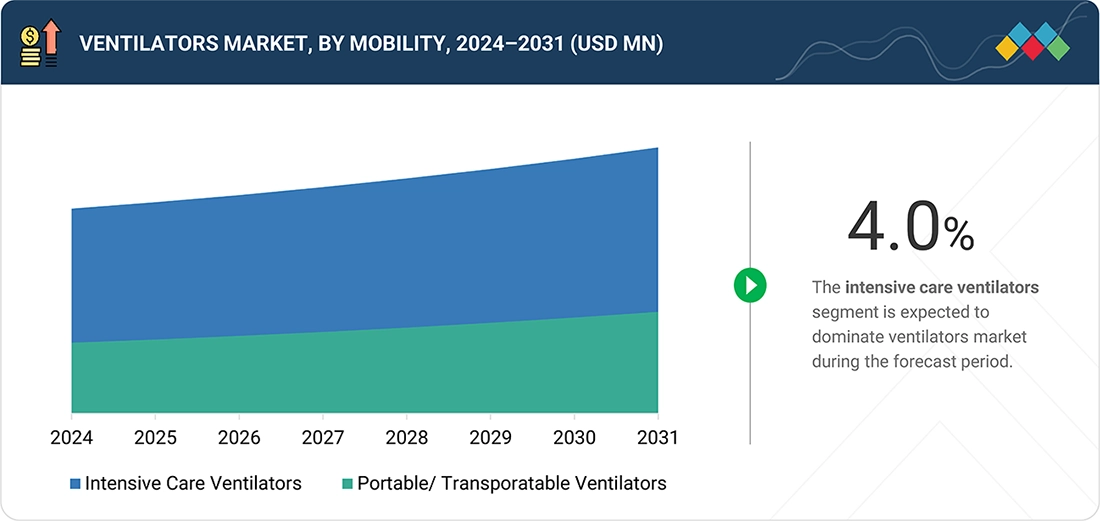
Intensive care ventilators hold the largest share due to their high selling prices, broad use across ICUs and NICUs, and advanced clinical capabilities. High-end and mid-end ICU systems provide integrated monitoring, multiple modes, automated support, and connectivity. Portable and transportable ventilators are expected to grow faster as hospitals, EMS providers, air ambulances, and disaster-response organizations expand mobile respiratory-care capacity.
Ventilators Market, By Patient Type
Adult & pediatric ventilators dominate revenue because adult critical-care admissions represent the largest treatment volume and require a wide range of invasive and non-invasive support. Neonatal and infant systems remain a specialized high-value segment, driven by premature births, NICU investment, and the need for precise low-volume, low-pressure ventilation.
Ventilators Market, By Interface Capability
Dual-capability ventilation holds the largest share because modern ICU and transport platforms generally support both invasive and non-invasive interfaces. This versatility allows hospitals to use the same device during escalation, stabilization, and weaning, improving utilization and lowering the need for separate equipment fleets.
Ventilators Market, By Mode
Combined-mode ventilation leads the market as contemporary systems integrate volume, pressure, assisted, spontaneous, and automated ventilation modes. The ability to switch between modes or apply hybrid targeting helps clinicians personalize therapy and respond to changing lung mechanics, while dedicated pressure and volume modes remain important for defined protocols.
Ventilators Market, By Care Setting
Hospitals and clinics account for most revenue because ventilators are essential in ICUs, NICUs, emergency departments, recovery areas, and high-dependency units. Emergency medical services are expected to expand rapidly with demand for rugged, portable, battery-powered ventilators, while ambulatory centers use ventilation primarily for procedural and short-duration respiratory support.
REGION
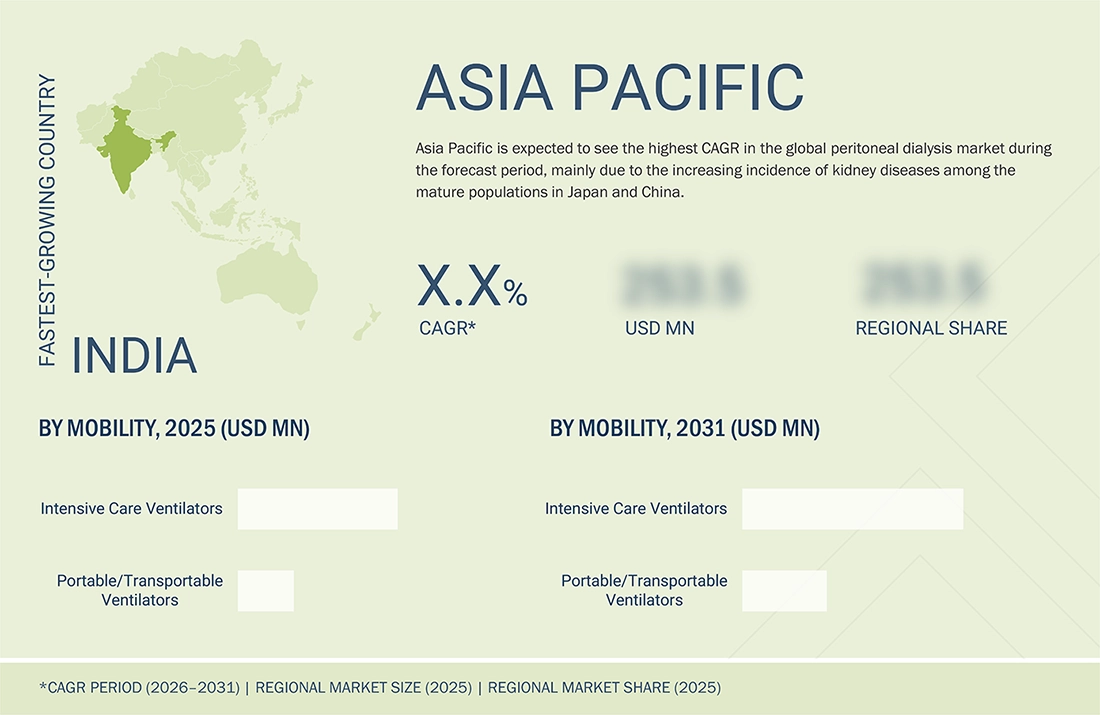
Asia Pacific to be the fastest-growing region in the global ventilators market during the forecast period
Asia Pacific is projected to register the fastest growth in the global ventilators market during the forecast period. Expansion of hospital and ICU infrastructure, government investment in emergency preparedness, increasing critical-care admissions, and rising local production are supporting adoption across China, India, Southeast Asia, and other developing markets. Regional manufacturers are improving affordability, while global suppliers are expanding localized sales, service, and manufacturing capabilities. North America is expected to remain the largest market by value due to its high installed base, advanced clinical infrastructure, premium product mix, and ongoing replacement of legacy ventilator fleets.
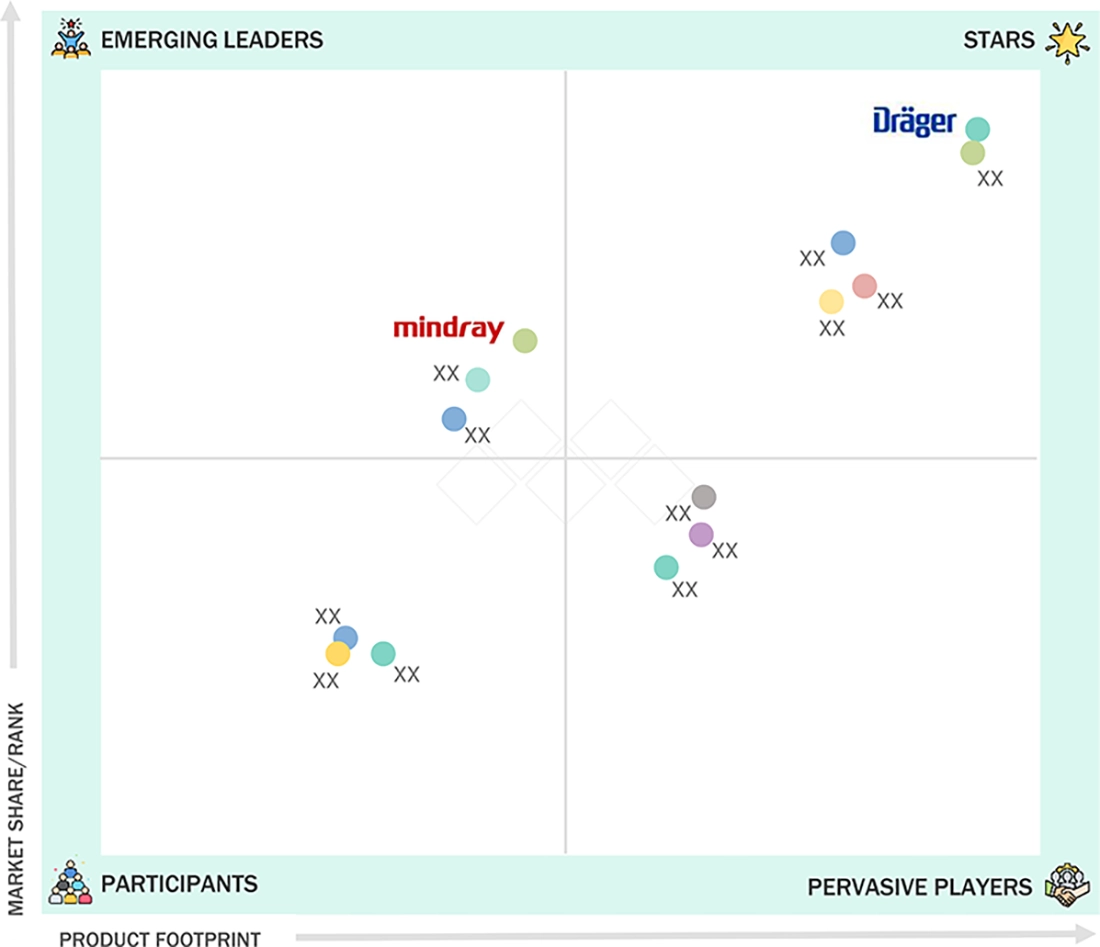
VENTILATORS MARKET: COMPANY EVALUATION MATRIX
In the ventilators market matrix, Dräger is positioned as a Star Player due to its broad ICU, neonatal, transport, and connected acute-care portfolio, established global service network, and strong hospital installed base. Mindray is positioned as an Emerging Leader, supported by rapid international expansion, competitive pricing, integrated ICU solutions, and growing penetration of high-end hospitals.
Source: Secondary Research, Interviews with Experts, MarketsandMarkets Analysis
KEY MARKET PLAYERS
- Drägerwerk AG & Co. KGaA (Germany)
- Getinge AB (Sweden)
- Shenzhen Mindray Bio-Medical Electronics Co., Ltd. (China)
- Hamilton Medical AG (Switzerland)
- ZOLL Medical Corporation (US)
- Löwenstein Medical SE & Co. KG (Germany)
- ResMed Inc. (US)
- Nihon Kohden Corporation (Japan)
- Air Liquide Medical Systems (France)
- WEINMANN Emergency Medical Technology GmbH + Co. KG (Germany)
- Breas Medical AB (Sweden)
- Beijing Aeonmed Co., Ltd. (China)
- Shenzhen Comen Medical Instruments Co., Ltd. (China)
- Magnamed Tecnologia Médica S/A (Brazil)
- Siare Engineering International Group s.r.l. (Italy)
MARKET SCOPE
| REPORT METRIC | DETAILS |
|---|---|
| Market Size Value in 2026 (Value) | USD 2.49 BN |
| Revenue Forecast in 2031 (Value) | USD 3.10 BN |
| Growth Rate | CAGR of 4.4% |
| Years Considered | 2024–2031 |
| Base Year | 2025 |
| Forecast Period | 2026-2031 |
| Units Considered | Value (USD Million/Billion), Volume (Thousand Units) |
| Report Coverage | Revenue and Volume Forecast, Company Ranking, Competitive Landscape, Growth Factors, Market Dynamics, Technology Trends, and Recent Developments |
| Segments Covered | Modality, Patient Type, Interface Capability, Mode, Care Settings, and Region |
| Country Region | North America, Europe, Asia Pacific, Latin America, and the Middle East & Africa |
WHAT IS IN IT FOR YOU: VENTILATORS MARKET REPORT CONTENT GUIDE
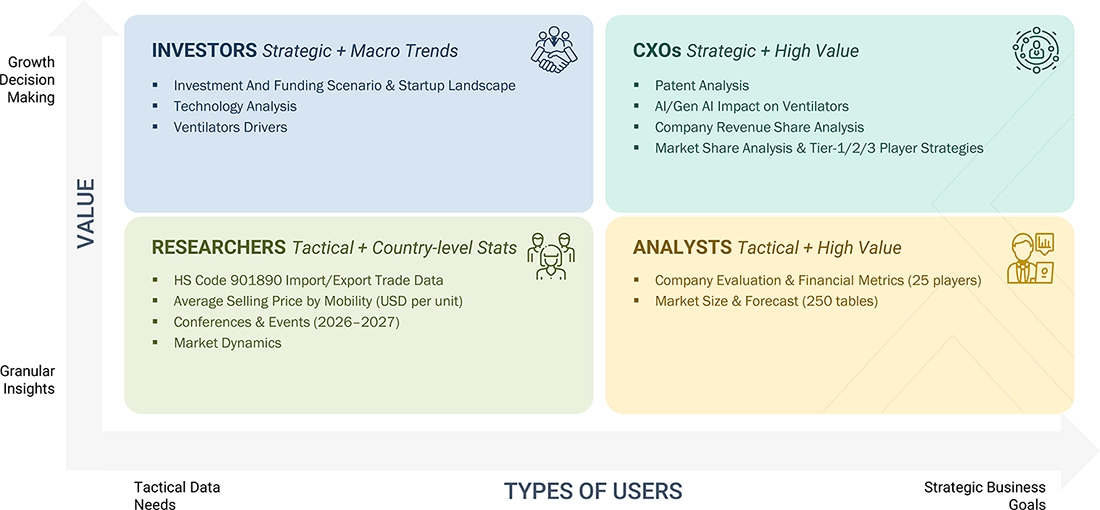
DELIVERED CUSTOMIZATIONS
We have successfully delivered the following deep-dive customizations:
| CLIENT REQUEST | CUSTOMIZATION DELIVERED | VALUE ADDS |
|---|---|---|
| Product and Segment Analysis |
|
Supports prioritization of high-value and high-growth product categories, portfolio planning, pricing strategy, and identification of underserved clinical applications |
| Company Information |
|
Provides visibility into competitive positioning and helps assess which suppliers are capturing demand following vendor exits and industry consolidation |
| Geographic Analysis | Regional analysis covering North America, Europe, Asia Pacific, Latin America, and the Middle East & Africa, with emphasis on ICU/NICU infrastructure, installed-base replacement, local manufacturing, procurement models, and emergency-care investment | Supports market-entry and channel planning, identifies high-growth countries, and helps prioritize distribution, service, and localization investments |
RECENT DEVELOPMENTS
- September 2026: Getinge AB introduced the Servo-c, a next-generation mechanical ventilator for pediatric and adult patients. The system is designed around personalized lung-protective ventilation and weaning strategies, with a new clinician-focused interface and architecture intended to meet current acute-care requirements.
- May 2026: Hamilton Medical AG officially launched the HAMILTON-EM7, a new emergency ventilation system for pre-hospital and transport care. The ventilator incorporates dedicated CPR and RSI workflows, guided navigation, and a lightweight, rugged design specifically developed for time-critical emergency medicine. This represents a direct new ventilator launch.
- April 2026: Drägerwerk AG & Co. KGaA introduced the Oxylog 600, a new generation of transport ventilators for intensive-care and emergency transport. The system combines invasive and non-invasive ventilation, high-flow oxygen therapy, automatic tube compensation, and a turbine drive that allows flexible gas management without dependence on a fixed compressed-air supply. This is a direct new-product development in transport ventilation.
- July 2025 : Dräger introduced a new software version for the Connectivity Converter CC300, enabling selected therapeutic devices including Evita ventilators to connect with the SDC ecosystem and hospital information systems.
- June 2025: Getinge expanded the Servo-c platform with a neonatal option, increasing its ability to serve adult, pediatric, and neonatal patients on a universal ventilator platform.
Table of Contents
 Exclusive indicates content/data unique to MarketsandMarkets and not available with any competitors.
Methodology
This research study involved the extensive use of both primary and secondary sources. It examined various factors affecting the industry to identify segmentation types, industry trends, key players, the competitive landscape of market players, and key market dynamics such as drivers, opportunities, challenges, restraints, and key player strategies.
Secondary Research
This research study involved the wide use of secondary sources, directories, databases such as Dun & Bradstreet, Bloomberg Businessweek, and Factiva, white papers, and companies’ in-house documents. Secondary research was undertaken to identify and collect information for this extensive, technical, market-oriented, and commercial study of the ventilators market. It was also used to obtain important information about the top players, market classification, and segmentation according to industry trends to the bottom-most level, geographic markets, and key developments related to the market. A database of the key industry leaders was also prepared using secondary research.
Primary Research
In the primary research process, various supply-side and demand-side sources were interviewed to obtain qualitative and quantitative information for this report. Primary sources from the supply side included industry experts such as CEOs, vice presidents, marketing and sales directors, technology & innovation directors, engineers, and related key executives from various companies and organizations operating in the ventilators market. Primary sources from the demand side included hospitals, clinics, researchers, lab technicians, purchase managers, and stakeholders in corporate & government bodies.
The following is a breakdown of the primary respondents:
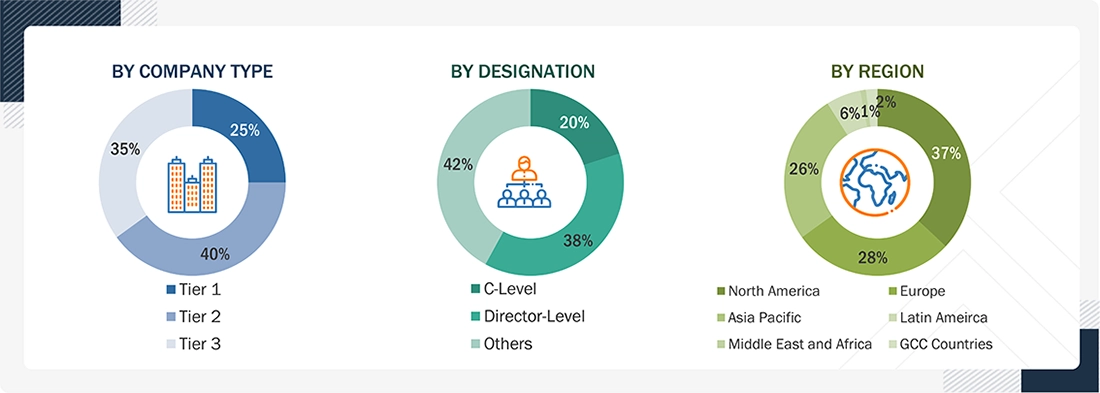
Note 1: Companies are classified into tiers based on their total revenue. As of 2025: Tier 1 = >USD 1 billion, Tier 2 = USD 500 million to USD 1 billion, and Tier 3 = <USD 500 million.
Note 2: C-level executives include CEOs, COOs, CTOs, and VPs.
Note 3: Other primaries include sales managers, marketing managers, and product managers.
To know about the assumptions considered for the study, download the pdf brochure
Market Size Estimation
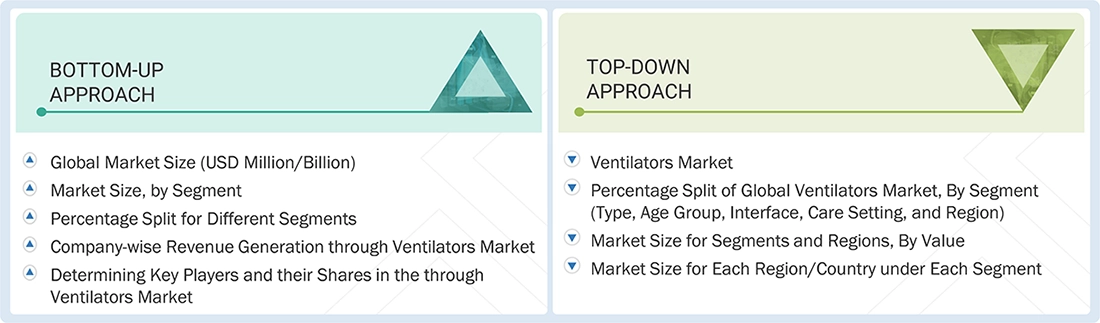
Both top-down and bottom-up approaches were used to estimate and validate the total size of the ventilators market. These methods were also used extensively to estimate the size of various subsegments in the market. The research methodology used to estimate the market size includes the following:
Ventilators Market: Top-Down and Bottom-Up Approach
Data Triangulation
The entire market was split up into five segments when the market size was determined. Data triangulation and market breakdown processes were used, wherever necessary, to complete the entire market engineering process and arrive at the precise statistics for all segments.
Approach to derive the market size and estimate market growth.
Using secondary data from both paid and unpaid sources, the market rankings for the major players were determined following a thorough analysis of their sales of ventilators. Due to data restrictions, the revenue share in certain cases was determined after a thorough analysis of the product portfolio of big corporations and their individual sales performance. This information was verified at each stage by in-depth interviews with professionals in the field.
Market Definition
Ventilators are medical devices that assist or replace spontaneous breathing in patients with respiratory failure by mechanically delivering air and oxygen to the lungs. They can operate invasively—via intubation—or non-invasively using masks, and are essential in settings like intensive care units, emergency departments, and home care for improving patient oxygenation and respiratory support.
Key Stakeholders
- Manufacturers of ventilators
- Original equipment manufacturing companies
- Suppliers and distributors of ventilators
- Healthcare service providers
- Teaching hospitals and academic medical centers
- Health insurance players
- Government bodies/Municipal corporations
- Regulatory bodies
- Business research and consulting service providers
- Authorities framing reimbursement policies for ventilators
- Venture capitalists
- Market research and consulting firms
Report Objectives
- To define, describe, and forecast the ventilators market based on mobility, type, age group, interface, mode, care setting, and region
- To provide detailed information about the major factors influencing the market growth (such as drivers, restraints, challenges, and opportunities)
- To strategically analyze micromarkets with respect to individual growth trends, prospects, and contributions to the overall ventilators market
- To analyze market opportunities for stakeholders and provide details of the competitive landscape for key players
- To forecast the size of the ventilator market in North America, Europe, the Asia Pacific, Latin America, Middle East & Africa, and GCC countries
- To profile the key players and comprehensively analyze their market shares and core competencies in the ventilators market
- To track and analyze competitive developments such as partnerships, expansions, acquisitions, collaborations, product launches, agreements, and other developments in the ventilators market
- To benchmark players within the ventilators market using the Company Evaluation Quadrant framework, which analyzes market players on various parameters within the broad categories of business strategy, market share, and product offerings
Available customizations:
With the given market data, MarketsandMarkets offers customizations as per your company’s specific needs. The following customization options are available for the report:
Company Information
- Detailed analysis and profiling of additional market players (up to 5)
Geographic Analysis
-
Further breakdown of the Rest of Europe ventilators market into Denmark, Norway, and others
-
Further breakdown of the Rest of Asia Pacific ventilators market into Vietnam and others
Key Questions Addressed by the Report


Personalize This Research
- Triangulate with your Own Data
- Get Data as per your Format and Definition
- Gain a Deeper Dive on a Specific Application, Geography, Customer or Competitor
- Any level of Personalization
Let Us Help You
- What are the Known and Unknown Adjacencies Impacting the Ventilators Market
- What will your New Revenue Sources be?
- Who will be your Top Customer; what will make them switch?
- Defend your Market Share or Win Competitors
- Get a Scorecard for Target Partners

Custom Market Research Services
We Will Customise The Research For You, In Case The Report Listed Above Does Not Meet With Your Requirements
Get 10% Free CustomisationTESTIMONIALS

JAYANT RAJPUROHIT
Director of Market Insights, Data and Analytics
SFI Health,
Leading Pharmaceutical Companywww.sfihealth.com/

We at SFI Health approached MarketsandMarkets for an Opportunity Assessment on "Incidence and Prevalence of Focus Indications" as we wanted to know the most attractive HCPs like Physician, Functional MD, Naturopath and Pharmacist. The project was critical for us to ensure our focus on the right target which would enable sustainable growth and profitability for SFI Health. The business insights provided exceeded our expectations and we were extremely impressed. The team at MarketsandMarkets is highly professional and detail oriented and very well understood our business needs. MarketsandMarkets offers a unique combination of expertise and dedicated engagement model. We identified 2 new products to be launched in coming months, based on the research findings provided by MarketsandMarkets. We are happy with the services and would strongly recommend MarketsandMarkets to my peers in the industry.

BEATRIZ DE LA CALLE
Head of Commercial Analytics
Qualicaps,
Leading Pharmaceutical Companywww.qualicaps.com/

We partnered with MarketsandMarkets for an assessment study on hard empty capsules. The team was extremely professional in understanding our business requirements and we received timely responses to all our queries. The market intelligence and the recommendations has met our business requirements. We were extremely impressed to see the final study results; it really exceeded our expectations. The market intelligence offered by MarketsandMarkets, and clarity on next steps will help us achieve our business objective for the Year 2021. We are happy with the services and would strongly recommend MarketsandMarkets to my peers in the industry.

Bob Williams,
Senior Director Business Development & Innovation
Bracco Diagnostics Inc.,
Italian Multinational in life sciences sector and a World Leader in imaging diagnosticsimaging.bracco.com/us-en
We were pleased with targeted insights that MarketsandMarkets identified from a custom study on the 'Radiation Dose Management Solutions Market'. Your team identified and characterized the market participants as well as underlying trends accurately. This study was useful to Bracco in formulating business strategies for our dose monitoring product lines and we thank MarketsandMarkets for the job well done.
Cody Coonradt,
Market Development and Strategy Manager
3M Health Information Systems,
Leader in Health care Coding, Payment & Analytics Solutions.www.3m.com/3M/en_US/health-information-systems-us
The value for our organization comes from three things: depth of research, specificity of segments and being easy to work with. As important as the first two are, the third can't be underestimated. MarketsandMarkets, maybe more than any other research vendor, wants to know what is top of mind for our team and what big questions we are grappling to answer.
Their customer first approach and high value engagement model, have given us great analysis and excellent value for money
- Canada Ventilators Market
- US Ventilators Market
- Germany Ventilators Market
- France Ventilators Market
- UK Ventilators Market
- Italy Ventilators Market
- Spain Ventilators Market
- Netherlands Ventilators Market
- China Ventilators Market
- Japan Ventilators Market
- India Ventilators Market
- Australia Ventilators Market
- Brazil Ventilators Market
- Mexico Ventilators Market
- Argentina Ventilators Market
- GCC Countries Ventilators Market
- Rest Of Europe Ventilators Market
- Rest Of Asia Pacific Ventilators Market
- Rest Of Latin America Ventilators Market






Growth opportunities and latent adjacency in Ventilators Market