Workflow Automation Market by Process (Automated Solution, Decision Support & Management Solution, and Interaction Solution), Operations, Deployment (Cloud, and On-Premise), Organization Size, Offering, Industry, and Geography - Global Forecast to 2035


Workflow automation market
Summary
The workflow automation market is projected to grow from approximately US$ 23.0 Billion - US$ 25.0 Billion in 2025 to US$ 70.0 Billion - US$ 75.0 Billion by 2035 at a CAGR of 11.5% - 12.5% from 2025 to 2035. The market is being driven by the rapid adoption of artificial intelligence (AI), robotic process automation (RPA), cloud computing, low-code/no-code platforms, digital transformation initiatives, and the growing need to reduce repetitive manual work. Organizations across banking, healthcare, manufacturing, retail, telecommunications, logistics, and government are increasingly automating workflows to improve operational efficiency, accelerate decision-making, reduce errors, and optimize workforce productivity. The integration of generative AI with workflow platforms is further transforming automation from rule-based task execution into intelligent, context-aware process management.
Key Market Trends & Insights
The workflow automation market is undergoing a major transition from traditional rule-based automation toward AI-powered intelligent workflow orchestration. Organizations are increasingly combining RPA, business process management, AI, machine learning, APIs, and cloud-native technologies to automate end-to-end business processes.
North America is expected to remain the leading regional market, supported by high enterprise software spending, early adoption of AI, strong cloud infrastructure, and the presence of major technology providers. Asia Pacific is projected to be the fastest-growing region, supported by digital transformation initiatives, expanding cloud adoption, manufacturing automation, and the rapid development of technology-enabled businesses.
AI-enabled workflow automation is emerging as a major differentiator. Generative AI can interpret unstructured documents, summarize information, classify requests, generate responses, and initiate downstream processes. This expands automation beyond structured data and predefined business rules.
Low-code and no-code platforms are also gaining traction because they enable business users to create automated workflows without extensive programming expertise. This trend is helping enterprises address developer shortages while accelerating automation deployment.
Another important trend is the convergence of workflow automation with IoT and industrial automation. Connected devices can generate real-time events that automatically trigger maintenance requests, inventory updates, alerts, purchase orders, or production workflows.
Market Size & Forecast
-
Base year market size: Approximately US$ 23.0 Billion - US$ 25.0 Billion in 2025
-
Forecast market value: Approximately US$ 70.0 Billion - US$ 75.0 Billion by 2035
-
CAGR: Approximately 11.5% - 12.5% from 2025 to 2035
-
Growth factors: AI adoption, cloud migration, RPA deployment, low-code/no-code development, enterprise digitalization, and increasing demand for automated decision-making are expected to accelerate market growth.
AI-Powered Military Transformation: The Future of Smart Combat and Defense Top 10 Key Takeaway
-
The workflow automation market is expected to expand substantially between 2025 and 2035 as enterprises automate increasingly complex business processes.
-
Generative AI is transforming workflow automation by enabling systems to understand documents, conversations, requests, and unstructured business information.
-
North America is expected to maintain market leadership because of strong enterprise technology adoption and established cloud and AI ecosystems.
-
Asia Pacific is projected to record the fastest growth as businesses accelerate digital transformation and cloud migration.
-
Low-code/no-code workflow platforms are expanding automation access to non-technical business users.
-
RPA remains an important technology for automating repetitive, rule-based activities across finance, HR, customer service, and operations.
-
IoT-connected workflows are enabling real-time automation in manufacturing, logistics, energy, and smart infrastructure.
-
Cloud-based workflow automation is gaining preference because it offers scalability, integration flexibility, remote accessibility, and lower infrastructure requirements.
-
Intelligent process automation is increasingly combining AI, analytics, RPA, APIs, and business process management within unified platforms.
-
Organizations are increasingly treating workflow automation as a strategic technology for improving productivity, reducing operating costs, and building more agile digital enterprises.
Product Insights
The workflow automation software segment represents the core of the market and includes workflow management platforms, business process automation tools, RPA solutions, intelligent process automation platforms, and low-code/no-code automation software. Enterprise workflow management solutions remain highly relevant because they allow organizations to digitize approval processes, employee onboarding, customer service, procurement, compliance, document processing, and other repetitive activities.
Cloud-based workflow automation platforms are gaining significant traction because enterprises increasingly prefer software-as-a-service deployment models. Cloud platforms simplify implementation, support distributed workforces, facilitate integrations, and allow organizations to scale automation according to business requirements.
Low-code/no-code products are another rapidly expanding category. These platforms allow users to design workflows through visual interfaces, drag-and-drop components, templates, connectors, and prebuilt automation modules. AI-assisted development is making these products even more accessible by allowing users to describe desired workflows using natural language.
The next generation of workflow products is expected to incorporate AI agents capable of planning and executing multi-step processes. Instead of simply triggering predefined actions, intelligent systems can evaluate business context, select appropriate actions, interact with enterprise applications, and escalate exceptions to human employees.
Technology / Component Insights
The market is being shaped by a combination of artificial intelligence, robotic process automation, APIs, cloud computing, machine learning, process mining, business process management, and low-code development. These technologies increasingly operate together rather than as independent solutions.
AI is becoming particularly important for handling unstructured information. Traditional workflow automation performs well when inputs are predictable and rules are clearly defined. Generative AI expands automation opportunities by processing emails, contracts, invoices, customer conversations, reports, and other documents.
IoT connectivity is creating another layer of automation. Sensors embedded in industrial equipment can continuously transmit information to workflow platforms. For example, an abnormal temperature or vibration reading can automatically generate a maintenance ticket, notify an engineer, check spare-part availability, and initiate a procurement workflow.
Cloud infrastructure provides the scalability required for enterprise automation. APIs allow workflow platforms to connect CRM, ERP, HR, finance, supply-chain, cybersecurity, and customer-service applications. Process mining helps organizations identify bottlenecks before automating them.
Future innovation will focus on agentic AI, autonomous workflow orchestration, real-time analytics, digital twins, AI governance, intelligent document processing, and human-in-the-loop automation. Enterprises will increasingly seek platforms capable of managing entire processes rather than individual tasks.
Application Insights
Business process management and operations represent major application areas for workflow automation. Organizations use workflow platforms to automate approvals, data entry, employee onboarding, procurement, invoice processing, customer requests, compliance procedures, and internal communications.
Financial services is a major adopter because banks and insurance companies manage large volumes of structured and unstructured information. Workflow automation can accelerate loan processing, claims management, fraud investigation, customer onboarding, and regulatory reporting.
Healthcare organizations are also increasing adoption for patient administration, claims processing, appointment management, documentation, and back-office operations. In manufacturing, automation connects production systems with procurement, maintenance, quality management, inventory, and logistics.
The future opportunity is particularly strong in AI-assisted customer service, autonomous IT operations, supply-chain orchestration, smart manufacturing, intelligent finance, and enterprise-wide decision automation.
Regional Insights
North America is expected to remain the leading workflow automation market through 2035. Enterprises in the US and Canada have made substantial investments in cloud platforms, AI, cybersecurity, analytics, and digital transformation. Large enterprises are increasingly integrating workflow automation into existing enterprise software environments rather than deploying isolated automation tools.
Europe is also a significant market, supported by industrial digitalization, automation investments, regulatory compliance requirements, and demand for efficient business processes. Germany, France, the UK, and other European economies are increasingly adopting automation across manufacturing, financial services, healthcare, and public-sector operations.
Asia Pacific is expected to experience the fastest growth. China, Japan, India, South Korea, Singapore, and other economies are investing in cloud infrastructure, AI, smart manufacturing, digital public services, and enterprise modernization. The region's large technology workforce and rapidly expanding digital economy provide favorable conditions for workflow automation.
-
North America: Leading adoption driven by AI, cloud computing, and enterprise digital transformation.
-
Europe: Strong demand from manufacturing, financial services, healthcare, and regulatory-driven automation.
-
Asia Pacific: Fastest-growing region due to digitalization, cloud adoption, and expanding automation.
-
China: Manufacturing automation and enterprise digital transformation are major growth contributors.
-
India: Growing technology services, digital enterprises, and AI adoption are expanding the addressable market.
Country Specific Market Trends
In Asia Pacific, China is expected to register approximately 13.0% - 14.0% CAGR from 2025 to 2035, supported by smart manufacturing, enterprise software adoption, AI investment, and government-backed digitalization. Japan is expected to grow at approximately 10.0% - 11.0%, with labor productivity, robotics, manufacturing automation, and aging-workforce challenges supporting automation demand.
In North America, the United States remains the largest country-level market and is expected to grow at approximately 11.0% - 12.0% CAGR. Adoption is supported by large enterprise investments in generative AI, cloud computing, RPA, and intelligent business process management. Canada could record approximately 10.0% - 11.0% CAGR, while Mexico is expected to grow at approximately 12.0% - 13.0%, supported by manufacturing digitalization and nearshoring.
Within Europe, Germany is expected to grow at approximately 9.5% - 10.5% CAGR, driven by Industry 4.0, manufacturing automation, and enterprise digitalization. France could register approximately 9.0% - 10.0% CAGR, supported by public-sector modernization, financial services, healthcare automation, and AI adoption.
Government digital-transformation programs, cloud infrastructure investments, smart-factory initiatives, and AI strategies are expected to strengthen country-level adoption. Enterprises are increasingly moving from isolated task automation toward integrated, cross-functional workflows.
-
China: Smart manufacturing and AI investment accelerate enterprise automation.
-
Japan: Robotics, labor productivity, and industrial digitalization support demand.
-
United States: Generative AI and cloud-native enterprise automation remain major growth engines.
-
Mexico: Manufacturing modernization and nearshoring increase workflow automation adoption.
-
Germany: Industry 4.0 and connected manufacturing create strong automation opportunities.
Key Company Insights
The competitive landscape includes major enterprise software, RPA, cloud, and automation providers such as Microsoft, Salesforce, ServiceNow, UiPath, Automation Anywhere, SAP, IBM, Pegasystems, Appian, and Workato. Companies are increasingly positioning workflow automation as part of broader AI and enterprise transformation platforms.
Microsoft is integrating AI capabilities throughout its business automation ecosystem, while Salesforce is connecting AI agents and CRM workflows to automate customer and sales processes. ServiceNow continues to focus on AI-powered enterprise workflows spanning IT, customer service, HR, and operations.
UiPath and Automation Anywhere remain strongly associated with RPA and intelligent automation, while SAP is integrating automation and AI into enterprise resource planning and business processes. Companies such as Appian and Pegasystems emphasize low-code development, process orchestration, and intelligent decision management.
The competitive focus is shifting toward AI agents, enterprise data integration, process intelligence, automation governance, and end-to-end orchestration.
-
Microsoft: Integrating AI and automation across productivity and enterprise workflows.
-
Salesforce: Expanding AI-powered customer and CRM workflow automation.
-
ServiceNow: Building intelligent workflows across enterprise operations.
-
UiPath: Combining RPA with AI, process mining, and intelligent automation.
-
SAP: Embedding automation and AI capabilities into enterprise business processes.
Recent Developments
Workflow automation vendors are increasingly introducing AI-agent and generative-AI capabilities that can execute multi-step business processes. These developments enable employees to use natural-language instructions to initiate, modify, and monitor workflows.
Another major development is the integration of automation platforms with enterprise data and application ecosystems. New connectors and APIs allow workflow engines to interact with CRM, ERP, HR, financial, cybersecurity, and collaboration systems.
Strategic partnerships between cloud providers, AI companies, enterprise software vendors, and automation specialists are also increasing. These collaborations are focused on combining generative AI, business data, process intelligence, and automation into unified enterprise platforms.
Market Segmentation
The workflow automation market can be segmented by Product, Technology / Component, Application, and Region. By product, the market includes workflow management platforms, RPA software, business process management solutions, intelligent process automation, low-code/no-code platforms, and related services. By technology/component, segmentation includes AI and machine learning, RPA, APIs, cloud computing, process mining, analytics, IoT connectivity, and integration technologies. By application, major areas include IT operations, finance and accounting, human resources, customer service, supply chain, manufacturing, healthcare, banking, retail, and government. Regionally, the market covers North America, Europe, Asia Pacific, and Rest of the World, with adoption varying according to digital maturity, infrastructure investment, regulatory requirements, and enterprise technology spending.
-
By Product: Workflow management, RPA, intelligent automation, and low-code/no-code platforms represent key product categories.
-
By Technology / Component: AI, cloud, APIs, process mining, and machine learning are reshaping automation platforms.
-
By Application: Finance, IT, HR, customer service, manufacturing, and supply chain are major application areas.
-
By Region: North America leads, while Asia Pacific is expected to grow at the fastest rate.
-
By Emerging Opportunity: AI agents, autonomous workflows, IoT-triggered automation, and intelligent process orchestration offer significant future potential.
Conclusion
The workflow automation market is moving beyond traditional task automation toward AI-driven, intelligent, and increasingly autonomous business process orchestration. The combination of generative AI, RPA, low-code development, cloud computing, IoT, APIs, and process intelligence is allowing enterprises to automate increasingly complex processes while maintaining human oversight where required.
The market is projected to expand from approximately US$ 23.0 Billion - US$ 25.0 Billion in 2025 to US$ 70.0 Billion - US$ 75.0 Billion by 2035 at a CAGR of 11.5% - 12.5% from 2025 to 2035. AI will remain one of the most influential forces shaping this expansion, particularly through intelligent document processing, AI agents, predictive decision-making, and autonomous workflow execution.
For businesses, workflow automation is increasingly becoming a strategic capability rather than simply an IT productivity tool. Organizations that successfully connect automation with enterprise data, AI, IoT, and analytics will be better positioned to reduce operational costs, improve customer experiences, increase employee productivity, and respond faster to changing market conditions through 2035.
FAQs
1. What is the projected market size of the workflow automation market?
The workflow automation market is estimated at approximately US$ 23.0 Billion - US$ 25.0 Billion in 2025 and is projected to reach approximately US$ 70.0 Billion - US$ 75.0 Billion by 2035.
2. What is the expected growth rate of the workflow automation market?
The market is expected to grow at approximately 11.5% - 12.5% CAGR from 2025 to 2035, driven by AI adoption, cloud migration, RPA, low-code/no-code platforms, and enterprise digital transformation.
3. What are the key drivers of the workflow automation market?
Key growth drivers include generative AI, RPA, cloud computing, enterprise digitalization, demand for productivity improvements, low-code/no-code development, IoT connectivity, and the need to reduce repetitive manual processes.
4. Which region is expected to lead the workflow automation market?
North America is expected to remain the leading regional market because of its mature enterprise software ecosystem, high AI adoption, cloud infrastructure, and strong digital-transformation investments. Asia Pacific is expected to be the fastest-growing region.
5. Who are the key companies in the workflow automation market?
Major companies include Microsoft, Salesforce, ServiceNow, UiPath, Automation Anywhere, SAP, IBM, Pegasystems, Appian, and Workato.
10 Meta Titles
-
Workflow Automation Market Growth, Trends and Forecast 2035
-
Workflow Automation Market Size and AI Trends Through 2035
-
Workflow Automation Industry: AI and Cloud Growth Outlook
-
Workflow Automation Market Analysis and Future Opportunities
-
Workflow Automation Market: AI, RPA and IoT Trends
-
Workflow Automation Market Growth Driven by Generative AI
-
Workflow Automation Market Outlook for Enterprises Through 2035
-
Workflow Automation Industry Trends and Regional Insights
-
Workflow Automation Market Opportunities and Technology Trends
-
Intelligent Workflow Automation Market Growth and Forecast 2035
10 Meta Descriptions
-
Explore workflow automation market growth through 2035, including AI, RPA, cloud, IoT, regional trends, key applications, competitive insights, and future opportunities.
-
Discover how generative AI, RPA, cloud computing, and low-code platforms are driving workflow automation market growth across industries through 2035.
-
Analyze workflow automation market size, CAGR, technology trends, applications, regional growth, major companies, AI adoption, and future business opportunities.
-
The workflow automation market is expanding with AI, cloud, RPA, and IoT. Explore market forecasts, emerging technologies, applications, regions, and key players.
-
Learn how AI agents, intelligent process automation, low-code platforms, and cloud technologies are transforming the global workflow automation market through 2035.
-
Explore the future of workflow automation across finance, healthcare, manufacturing, retail, IT, and supply chains, driven by AI, RPA, cloud, and enterprise digitalization.
-
Workflow automation is becoming an enterprise priority. Discover market growth, AI integration, regional trends, applications, competitive strategies, and opportunities through 2035.
-
Get insights into workflow automation market trends driven by generative AI, RPA, IoT, process mining, low-code development, cloud platforms, and intelligent workflows.
-
Discover workflow automation market opportunities as enterprises adopt AI-powered workflows, autonomous agents, cloud platforms, IoT connectivity, and intelligent process management.
-
Analyze the workflow automation industry's 2035 outlook, including market size, CAGR, AI impact, RPA adoption, regional growth, applications, technology trends, and key companies.
 Exclusive indicates content/data unique to MarketsandMarkets and not available with any competitors.
Table of Contents
1 Introduction (Page No. - 14)
1.1 Objectives of the Study
1.2 Definition
1.3 Study Scope
1.3.1 Markets Covered
1.3.2 Years Considered for Study
1.4 Currency
1.5 Limitations
1.6 Stakeholders
2 Research Methodology (Page No. - 17)
2.1 Research Data
2.1.1 Secondary Data
2.1.1.1 Key Data From Secondary Sources
2.1.2 Primary Data
2.1.2.1 Key Data From Primary Sources
2.1.2.2 Key Industry Insights
2.1.2.3 Breakdown of Primaries
2.2 Market Size Estimation
2.2.1 Bottom-Up Approach
2.2.1.1 Approach for Capturing Market Share By Bottom-Up Analysis (Demand Side)
2.2.2 Top-Down Approach
2.2.2.1 Approach for Capturing Market Share By Top-Down Analysis (Supply Side)
2.3 Market Breakdown and Data Triangulation
2.4 Assumptions
3 Executive Summary (Page No. - 26)
4 Premium Insights (Page No. - 33)
4.1 Workflow Automation Market
4.2 Market, By Offering
4.3 Market, By Process
4.4 Market: Key Industries to Invest in Different Regions
4.5 Market, By Industry and Region
4.6 Market, By Region
5 Market Overview (Page No. - 38)
5.1 Introduction
5.2 Market Dynamics
5.2.1 Drivers
5.2.1.1 Ease in Business Processes With the Installation of Workflow Automation Tools
5.2.1.2 Convergence of Workflow Automation With Traditional Business Processes
5.2.1.3 Focus on Streamlining Business Processes
5.2.1.4 Cost Efficiency Through Workflow Automation
5.2.2 Restraints
5.2.2.1 Data Insecurity Hindering the Implementation of Workflow Automation in the Financial Sector
5.2.3 Opportunities
5.2.3.1 Integration of New Technologies With Workflow Automation
5.2.3.2 High Demand for Workflow Automation in the Logistics Industry
5.2.3.3 Expected Adoption of Workflow Automation in the Bpo Sector
5.2.3.4 Increased Focus on Digital Transformation Initiatives
5.2.4 Challenges
5.2.4.1 Lack of Awareness Regarding Workflow Automation
5.2.4.2 High Implementation Cost and Difficulty in Integrating New and Existing Systems Through Workflows
6 Industry Trends (Page No. - 44)
6.1 Introduction
6.2 Types of Workflow Automation
6.2.1 Production Workflow Systems
6.2.2 Messaging-Based Workflow Systems
6.2.3 Web-Based Workflow Systems
6.2.4 Suite-Based Workflow Systems
6.3 Workflow Automation Architecture
6.4 Evolution of Cognitive Process With Business Workflow
6.5 Cognitive Process Within Workflow Automation
6.6 Applications of Cognitive Process and Artificial Intelligence in Workflow Automation
6.6.1 BFSI
6.6.1.1 Wealth Management
6.6.1.2 Fraud Detection
6.6.1.3 Automated Virtual Assistants
6.6.2 Healthcare
6.6.2.1 Health Assistance and Medical Management
6.6.2.2 Drug Development
6.6.3 Others (Law and Education)
6.7 Value Chain Analysis
6.7.1 Workflow Automation Software Providers
6.7.2 Workflow Automation Service Providers
6.7.3 Implementation
6.7.4 Industry Verticals
7 Workflow Automation Market, By Process (Page No. - 52)
7.1 Introduction
7.2 Automated Solution
7.3 Decision Support and Management Solution
7.4 Interaction Solution
8 Workflow Automation Market, By Operation (Page No. - 56)
8.1 Introduction
8.2 Rule Based
8.3 Knowledge Based
8.4 Robotic Process Automation Based
9 Workflow Automation Market, By Deployment (Page No. - 60)
9.1 Introduction
9.2 On-Premise
9.3 Cloud-Based
10 Market Analysis, By Organization Size (Page No. - 63)
10.1 Introduction
10.2 Large Enterprises
10.3 SMES
11 Workflow Automation Market, By Offering (Page No. - 66)
11.1 Introduction
11.2 Software
11.2.1 Model-Based Application
11.2.2 Process-Based Application
11.3 Services
11.3.1 Consulting
11.3.2 Integration and Development
11.3.3 Training
12 Workflow Automation Market, By Industry (Page No. - 82)
12.1 Introduction
12.2 Banking, Financial Services, & Insurance
12.3 Telecom & IT Industry
12.4 Travel, Hospitality, & Transportation Industry
12.5 Retail & Consumer Goods
12.6 Manufacturing & Logistics Industry
12.7 Healthcare & Pharmaceuticals
12.8 Energy & Utilities
12.9 Other Industries
13 Geographic Analysis (Page No. - 100)
13.1 Introduction
13.2 North America
13.2.1 US
13.2.2 Canada
13.2.3 Mexico
13.3 Europe
13.3.1 Germany
13.3.2 UK
13.3.3 France
13.3.4 Italy
13.3.5 Rest of Europe
13.4 Asia Pacific
13.4.1 China
13.4.2 Japan
13.4.3 India
13.4.4 Rest of Asia Pacific
13.5 Rest of World
13.5.1 Middle East and Africa
13.5.2 South America
14 Competitive Landscape (Page No. - 116)
14.1 Overview
14.2 Market Ranking Analysis of the Top Players of Workflow Automation Market
14.3 Competitive Situation and Trends
14.3.1 Battle for Market Share: Product Launches Was the Key Strategy Adopted Between 2015 and 2017
14.3.2 Product Launches
14.3.3 Agreements, Collaborations, and Partnerships
14.3.4 Acquisitions
14.3.5 Expansions
15 Company Profiles (Page No. - 123)
(Overview, Strength of Product Portfolio, Business Strategy Excellence, Products Offering, and Recent Developments)*
15.1 Introduction
15.2 IBM Corporation
15.3 Oracle Corporation
15.4 Pegasystems Inc.
15.5 Software AG
15.6 Xerox Corporation
15.7 Appian
15.8 Bizagi
15.9 Ipsoft, Inc.
15.10 Newgen Software Technologies Limited
15.11 Nintex Global Limited
15.12 Key Innovators
15.12.1 Opentext Corp.
15.12.2 Tibco Software Inc.
15.12.3 Uipath SRL
15.12.4 Sourcecode Technology Holdings, Inc.
15.12.5 Thoughtonomy Ltd.
*Details on Overview, Strength of Product Portfolio, Business Strategy Excellence, Products Offering, and Recent Developments Might Not Be Captured in Case of Unlisted Companies.
16 Appendix (Page No. - 159)
16.1 Insights of Industry Experts
16.2 Discussion Guide
16.3 Knowledge Store: Marketsandmarkets’ Subscription Portal
16.4 Introducing RT: Real-Time Market Intelligence
16.5 Available Customizations
16.6 Related Reports
16.7 Author Details
List of Tables (65 Tables)
Table 1 Workflow Automation Market, By Process, 2014–2023 (USD Million)
Table 2 Workflow Automation Market, By Operation, 2014–2023 (USD Million)
Table 3 Market for Robotic Process Automation, By Region, 2014–2023 (USD Million)
Table 4 Workflow Automation Market, By Deployment, 2014–2023 (USD Million)
Table 5 Workflow Automation Market, By Organization Size, 2014–2023 (USD Million)
Table 6 Workflow Automation Market, By Offering, 2014–2023 (USD Million)
Table 7 Market for Software, By Region, 2014–2023 (USD Million)
Table 8 Market for Software, By Industry, 2014–2023 (USD Million)
Table 9 Market for BFSI Based on Software, By Region, 2014–2023 (USD Million)
Table 10 Market for Telecom and IT Based on Software, By Region, 2014–2023 (USD Million)
Table 11 Market for Travel, Hospitality, and Transportation Based on Software, By Region, 2014–2023 (USD Million)
Table 12 Market for Retail and Consumer Goods Based on Software, By Region, 2014–2023 (USD Million)
Table 13 Market for Manufacturing and Logistics Based on Software, By Region, 2014–2023 (USD Million)
Table 14 Market for Healthcare and Pharmaceuticals Based on Software, By Region, 2014–2023 (USD Million)
Table 15 Market for Energy and Utilities Based on Software, By Region, 2014–2023 (USD Million)
Table 16 Workflow Automation Market for Others Based on Software, By Region, 2014–2023 (USD Million)
Table 17 Market for Services, By Region, 2014–2023 (USD Million)
Table 18 Market for Services, By Industry, 2014–2023 (USD Million)
Table 19 Market for BFSI Based on Service, By Region, 2014–2023 (USD Million)
Table 20 Market for Telecom and IT Based on Service, By Region, 2014–2023 (USD Million)
Table 21 Workflow Automation Market for Travel, Hospitality, and Transportation Based on Service, By Region, 2014–2023 (USD Million)
Table 22 Market for Retail and Consumer Goods Based on Service, By Region, 2014–2023 (USD Million)
Table 23 Market for Manufacturing and Logistics Based on Service, By Region, 2014–2023 (USD Million)
Table 24 Market for Healthcare and Pharmaceuticals Based on Service, By Region, 2014–2023 (USD Million)
Table 25 Market for Energy and Utilities Based on Service, By Region, 2014–2023 (USD Million)
Table 26 Market for Other Industries Based on Service, By Region, 2014–2023 (USD Million)
Table 27 WFA Market, By Industry, 2014–2023 (USD Million)
Table 28 WFA Market for BFSI Industry, By Region, 2014–2023 (USD Million)
Table 29 WFA Market for BFSI Industry, By Offering, 2014–2023 (USD Million)
Table 30 WFA Market for BFSI Industry, By Process, 2014–2023 (USD Million)
Table 31 WFA Market for Telecom & IT Industry, By Region, 2014–2023 (USD Million)
Table 32 WFA Market for Telecom & IT Industry, By Offering, 2014–2023 (USD Million)
Table 33 WFA Market for Telecom & IT Industry, By Process, 2014–2023 (USD Million)
Table 34 WFA Market for Travel, Hospitality, & Transportation Industry, By Region, 2014–2023 (USD Million)
Table 35 WFA Market for Travel, Hospitality, & Transportation Industry, By Offering, 2014–2023 (USD Million)
Table 36 WFA Market for Travel, Hospitality, & Transportation Industry, By Process, 2014–2023 (USD Million)
Table 37 WFA Market for Retail & Consumer Goods Industry, By Region, 2014–2023 (USD Million)
Table 38 WFA Market for Retail & Consumer Goods Industry, By Offering, 2014–2023 (USD Million)
Table 39 WFA Market for Retail & Consumer Goods Industry, By Process, 2014–2023 (USD Million)
Table 40 WFA Market for Manufacturing & Logistics Industry, By Region, 2014–2023 (USD Million)
Table 41 WFA Market for Manufacturing & Logistics Industry, By Offering, 2014–2023 (USD Million)
Table 42 WFA Market for Manufacturing & Logistics Industry, By Process, 2014–2023 (USD Million)
Table 43 WFA Market for Healthcare & Pharmaceuticals Industry, By Region, 2014–2023 (USD Million)
Table 44 WFA Market for Healthcare & Pharmaceuticals Industry, By Offering, 2014–2023 (USD Million)
Table 45 WFA Market for Healthcare & Pharmaceuticals Industry, By Process, 2014–2023 (USD Million)
Table 46 WFA Market for Energy & Utilities Industry, By Region, 2014–2023 (USD Million)
Table 47 WFA Market for Energy & Utilities Industry, By Offering, 2014–2023 (USD Million)
Table 48 WFA Market for Energy & Utilities Industry, By Process, 2014–2023 (USD Million)
Table 49 WFA Market for Other Industries, By Region, 2014–2023 (USD Million)
Table 50 WFA Market for Other Industries, By Offering, 2014–2023 (USD Million)
Table 51 WFA Market for Other Industries, By Process, 2014–2023 (USD Million)
Table 52 Market, By Region, 2014–2023 (USD Million)
Table 53 Market in North America, By Industry, 2014–2023 (USD Million)
Table 54 Market in North America, By Country, 2014–2023 (USD Million)
Table 55 Workflow Automation Market in Europe, By Industry, 2014–2023 (USD Million)
Table 56 Market in Europe, By Country, 2014–2023 (USD Million)
Table 57 Market in Asia Pacific, By Industry, 2014–2023 (USD Million)
Table 58 Market in Asia Pacific, By Country, 2014–2023 (USD Million)
Table 59 Market in RoW, By Industry, 2014–2023 (USD Million)
Table 60 Market in RoW, By Region, 2014–2023 (USD Million)
Table 61 Ranking of Top 5 Players: Workflow Automation Market, 2016
Table 62 Product Launches, 2015–2017
Table 63 Agreements, Collaborations, and Partnerships, 2015–2017
Table 64 Acquisitions, 2015–2017
Table 65 Expansions, 2015–2017
List of Figures (45 Figures)
Figure 1 Market Segmentation
Figure 2 Research Design
Figure 3 Market Size Estimation Methodology: Bottom-Up Approach
Figure 4 Market Size Estimation Methodology: Top-Down Approach
Figure 5 Market Breakdown and Data Triangulation
Figure 6 Automated Solution Expected to Hold the Largest Size of Workflow Automation Process Market in 2017
Figure 7 Market for Robotic Process Automation (RPA)-Based Operation Expected to Grow at Highest CAGR During Forecast Period
Figure 8 On-Premise Deployment Expected to Hold Larger Market Size Between 2017 and 2023
Figure 9 Market for SMES Expected to Grow at Higher CAGR During Forecast Period
Figure 10 Software Expected to Hold Larger Size of Workflow Automation Market By 2023
Figure 11 Workflow Automation Market for BFSI Industry Expected to Grow at Highest CAGR Between 2017 and 2023
Figure 12 North America Expected to Hold Largest Share of Workflow Automation Market in 2017
Figure 13 Attractive Opportunities in Workflow Automation Market Between 2017 and 2023
Figure 14 Market for Services Expected to Grow at Higher CAGR Between 2017 and 2023
Figure 15 Automated Solution Expected to Hold Largest Market Share in 2017
Figure 16 Telecom & IT Industry and China Expected to Hold Largest Share of APAC Workflow Automation Market in 2017
Figure 17 US Expected to Account for Largest Share of Workflow Automation Market in 2017
Figure 18 Drivers, Restraints, Opportunities, and Challenges in the Workflow Automation Market
Figure 19 Value Chain Analysis: Major Value Addition Done During the Implementation Phase
Figure 20 Automated Solution Expected to Hold Largest Size of Workflow Automation Market By 2023
Figure 21 Rule-Based Operation Expected to Hold Largest Size of Workflow Automation Market By 2023
Figure 22 On-Premise to Hold Larger Size of Workflow Automation Market By 2023
Figure 23 Large Enterprises to Hold Larger Size of Workflow Automation Market By 2023
Figure 24 Market for Services to Grow at Higher CAGR Between 2017 and 2023
Figure 25 APAC to Lead Market for Retail and Consumer Goods Based on Software Between 2017 and 2023
Figure 26 Market for Telecom and IT Based on Service in APAC to Grow at Highest CAGR Between 2017 and 2023
Figure 27 North America to Hold Largest Size of Market for Other Industries Based on Service Between 2017 and 2023
Figure 28 BFSI Sector Expected to Hold the Largest Size of the Market By 2023
Figure 29 Automated Solution Expected to Hold the Largest Size of the Market in the BFSI Industry By 2023
Figure 30 Europe Expected to Hold the Largest Market Size of the Workflow Automation in Travel, Hospitality, & Transportation Industry By 2023
Figure 31 Software Expected to Hold the Largest Market Size of the Workflow Automation in Manufacturing & Logistics Industry By 2023
Figure 32 Market for the Energy & Utilities Industry in Asia Pacific Expected to Hold the Largest Size By 2023
Figure 33 Market in India to Grow at the Highest Rate During the Forecast Period
Figure 34 Snapshot of the Workflow Automation Market in North America
Figure 35 Snapshot of Market in Europe
Figure 36 Germany Likely to Dominate the Workflow Automation Market in Europe During the Forecast Period
Figure 37 Snapshot of the Market in Asia Pacific
Figure 38 Market in the Middle East and Africa to Hold A Higher Share in RoW During the Forecast Period
Figure 39 Product Launches Was the Key Growth Strategy Adopted By the Companies Between 2015 and 2017
Figure 40 Market Evolution Framework: Product Launches Fuelled the Growth of the Market
Figure 41 IBM Corporation: Company Snapshot
Figure 42 Oracle Corporation: Company Snapshot
Figure 43 Pegasystems Inc.: Company Snapshot
Figure 44 Software AG: Company Snapshot
Figure 45 Xerox Corporation: Company Snapshot
The adoption of workflow automation in various business processes has increased the number of strategic partnerships between workflow automation tool vendors, and BPO and other service providers. For instance, BluePrism (US) partnered with IBM (US) and HCL Technologies Limited (India). Using BluePrism’s workflow automation tools, HCL serves retail banking, investment banking, insurance, and telecom industries. Moreover, there are plans to implement workflow automation in the utilities sector, supply chain management, and finance and accounting. In addition to fueling its business process outsourcing capabilities, IBM is planning to leverage BluePrism as part of its management toolset and business process management portfolio. This integration of workflow automation in different business functions and processes drive its market growth.
The objective of the report is to provide a detailed analysis of the workflow automation market based on offering, process, operation, organization size, deployment, industry, and geography. The report provides detailed information regarding the major factors influencing the growth of the market. The report also gives a detailed overview of the value chain in the workflow automation market and analyzes the market trends.
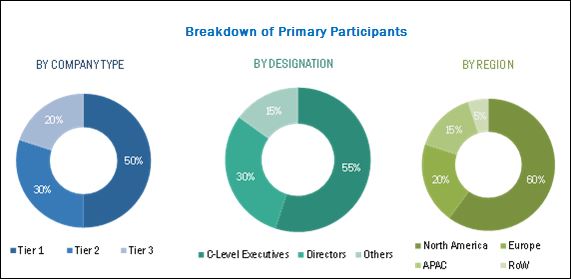
The research methodology used to estimate and forecast the workflow automation market begins with capturing data on key vendor revenue through the secondary research such as Institute for Robotic Process Automation (IRPA), press releases, investor relation presentations, and annual reports. The vendor offerings are also considered to determine the market segmentation. The bottom-up procedure has been employed to arrive at the overall size of the global market from the revenue of key players. After arriving at the overall market size, the total market has been split into several segments and subsegments, which have been verified through primary research by conducting extensive interviews with people holding key positions such as CEOs, VPs, directors, and executives. The market breakdown and data triangulation procedures have been employed to complete the overall market engineering process and arrive at the exact statistics for all segments and subsegments. The breakdown of the profiles of primaries is depicted in the figure below:
To know about the assumptions considered for the study, download the pdf brochure
The workflow automation ecosystem comprises system integrators, software providers, and distributors. The players involved in the development of workflow automation include IBM Corporation (US), Oracle Corporation (US), Pegasystems Inc. (US), Software AG (Germany), Xerox Corporation (US), Appian Corporation (US), Bizagi (UK), Ipsoft Inc. (US), Newgen Software Technologies Limited (India), and Nintex Global Limited (US).
Scope of the Report:
|
Report Metric |
Details |
|
Base year |
2016 |
|
Forecast period |
2017–2023 |
|
Units |
Value (USD) |
|
Segments covered |
Type, End User, Offerings, and Region |
|
Geographic regions covered |
North America, APAC, Europe, and RoW |
|
Companies covered |
IBM Corporation (US), Oracle Corporation (US), Pegasystems Inc. (US), Software AG (Germany), Xerox Corporation (US), Appian Corporation (US), Bizagi (UK), Ipsoft Inc. (US), Newgen Software Technologies Limited (India), and Nintex Global Limited (US) |
Target Audience of the Report:
- Government and research organizations
- Workflow automation software vendors
- Workflow automation consulting companies
- Workflow automation service providers
- System integrators
- Value-added resellers
- Workflow automation investors
- Technology consultants
“This study answers several questions for the stakeholders, primarily which market segments to focus on in the next two to five years for prioritizing efforts and investments”
Scope of the Report:
This research report categorizes the overall workflow automation market segmented on the basis of offering, process, operation, organization size, deployment, industry, and geography.
Workflow Automation Market, by Offering
- Software
- Services
Workflow Automation Market, by Process
- Automated solution
- Decision support and Management solution
- Interaction solution
Workflow Automation Market, by Operation:
- Rule-based
- Knowledge-based
- Robotic Process Automation-based
Workflow Automation Market, by Organization Size
- Large Enterprises
- SMEs
Workflow Automation Market, by Deployment
- Cloud
- On-Premise
Workflow Automation Market, by Industry
- Banking, Financial Services, & Insurance
- Telecom & IT
- Travel, Hospitality, & Transportation
- Retail & Consumer Goods
- Manufacturing & Logistics
- Healthcare & Pharmaceuticals
- Energy & utilities
- Others (government and academics)
Workflow Automation Market, by Geography
- North America
- Europe
- Asia Pacific (APAC)
- Rest of the World (RoW)
Available Customizations:
With the given market data, MarketsandMarkets offers customizations according to the companies’ specific needs. The following customization options are available for the report:
Company Information:
Detailed analysis and profiling of additional market players (up to 5)













Growth opportunities and latent adjacency in Workflow Automation Market