Interactive Projector Market by Technology (DLP, LCD), Projection Distance (Ultra short throw, short throw, and standard throw), Dimension (2D, and 3D), Application (Education, Corporate, and Government), Resolution, and Region - Global Growth Driver and Industry Forecast to 2035


Interactive Projector Market Summary
The global Interactive Projector Market is moving from conventional presentation equipment toward intelligent, connected, and collaborative visualization systems used across education, corporate training, government facilities, healthcare, and immersive learning environments. Based on a synthesis of recent market estimates, the market is estimated at approximately USD 4-5 billion in 2025 and is projected to reach around USD 9-13 billion by 2035, reflecting an estimated 10-13% CAGR during the forecast period. Published studies differ substantially in market definition and methodology: recent estimates place the market around USD 4.4 billion in the near term, while longer-range forecasts indicate double-digit growth as interactive projection becomes increasingly integrated with digital classrooms and collaboration platforms.
The core growth drivers are digital transformation in education, hybrid work, smart classrooms, interactive training, and demand for large-format visual experiences without the footprint of traditional interactive flat panels. Modern interactive projectors combine high-resolution projection, touch or pen-based interaction, wireless connectivity, cloud platforms, and increasingly intelligent image optimization. AI is becoming a differentiating technology, supporting automatic calibration, content optimization, voice-enabled functions, user recognition, and intelligent classroom workflows. IoT connectivity further allows projectors to become managed endpoints within smart buildings and connected learning environments.
The market is also benefiting from the development of ultra-short-throw and laser projection systems. These products can create large interactive images from short distances, reducing shadows and minimizing installation constraints. As education providers, enterprises, and public institutions prioritize flexible digital infrastructure, interactive projection is increasingly positioned as an alternative or complement to large interactive displays.
Key Market Trends & Insights
North America remains a leading regional market. Strong adoption of education technology, enterprise collaboration platforms, BYOD practices, and digital workplace infrastructure supports demand for interactive projection. Grand View Research previously estimated North America as the largest regional market, accounting for approximately 39% of the global market in 2022.
Asia Pacific is expected to record the fastest growth. Large education systems, expanding corporate infrastructure, digital-learning initiatives, electronics manufacturing capabilities, and smart-classroom investment are creating a significant addressable market. China, Japan, India, and Southeast Asian countries are increasingly important demand centers.
Education remains the dominant application segment. Schools, universities, vocational institutes, and training centers use interactive projectors to turn conventional walls and screens into collaborative learning surfaces. Government-backed digital education programs and investments in connected classrooms are supporting long-term adoption.
Ultra-short-throw laser projectors are gaining momentum. Laser illumination provides longer operating life, reduced maintenance, rapid startup, and consistent brightness compared with traditional lamp-based systems. Ultra-short-throw designs also reduce shadows and make interactive classroom installations more practical.
AI is becoming a product differentiator. Manufacturers are increasingly integrating intelligent features such as automatic focus, keystone correction, wall detection, brightness optimization, content recognition, and AI-assisted classroom tools. Recent industry reporting highlights AI-enabled projectors and interactive classroom products as emerging areas of competition.
IoT and cloud management are expanding the market beyond hardware. Network-connected projectors can support centralized device management, remote diagnostics, firmware updates, usage monitoring, and integration with digital learning or conferencing platforms. This creates recurring software and service opportunities alongside projector hardware.
Market Size & Forecast
- Base year market size: Approximately USD 4-5 billion in 2025, based on a range of recent industry estimates and market definitions.
- Forecast value by 2035: Approximately USD 9-13 billion, reflecting continued adoption in education, corporate collaboration, and immersive applications.
- CAGR: Approximately 10-13% through the forecast period, consistent with recent estimates ranging from roughly 11% to more than 12%.
- Growth factors: Digital classrooms, hybrid work, laser light sources, ultra-short-throw technology, AI-enabled functionality, wireless collaboration, IoT-based device management, and growing demand for immersive learning will support market expansion.
Interactive Projector Market Top 10 key takeaway
- The global Interactive Projector Market is estimated at approximately USD 4-5 billion in 2025.
- The market is projected to reach approximately USD 9-13 billion by 2035.
- Market expansion is expected at approximately 10-13% CAGR through the forecast period.
- Education remains the largest application area for interactive projection.
- North America is a leading market because of mature education and enterprise technology infrastructure.
- Asia Pacific is expected to register the fastest growth during the forecast period.
- Ultra-short-throw laser projectors are becoming increasingly important in new installations.
- AI is improving automated setup, image optimization, content interaction, and classroom functionality.
- IoT and cloud connectivity are expanding remote projector management and analytics.
- Corporate collaboration, immersive training, healthcare simulation, and interactive entertainment provide additional growth opportunities.
Product Insights
The interactive projector segment based on ultra-short-throw and short-throw configurations is expected to remain one of the strongest product categories. These systems address a major limitation of traditional projectors: the need for significant space between the projector and projection surface. Ultra-short-throw models can generate large images from very short distances, making them particularly attractive for classrooms, meeting rooms, training centers, and compact collaborative environments.
Laser-based interactive projectors are also gaining share because organizations increasingly evaluate total cost of ownership rather than only purchase price. Laser light sources typically provide longer operating life and lower maintenance requirements than conventional lamps. These characteristics are valuable for schools and enterprises operating large fleets of devices across multiple rooms.
The product landscape includes interactive laser projectors, lamp-based interactive projectors, ultra-short-throw projectors, short-throw projectors, and standard-throw systems. Resolution is another important differentiator, with Full HD and 4K-capable systems increasingly used where detailed diagrams, engineering models, medical visualization, and multimedia content are important.
Interactive functionality is evolving beyond simple pen input. Modern systems can support multiple users, gesture interaction, wireless screen sharing, annotation, collaborative applications, and integration with productivity software. These capabilities are making projectors more comparable to interactive flat-panel systems in terms of collaboration functionality while retaining the ability to display very large images.
AI is becoming an emerging product-level differentiator. Intelligent projectors can automatically adjust focus, geometry, brightness, and color based on room conditions. AI-enabled software can also assist with classroom content, presentation workflows, voice interaction, and automated configuration. Recent market reporting identifies AI-enabled presentation software and smart classroom technologies as significant areas of future opportunity.
Technology / Component Insights (Rename based on keyword if needed)
The technology foundation of the Interactive Projector Market is evolving around DLP, LCD, LCoS, laser illumination, optical engines, interactive sensing, wireless connectivity, embedded processors, and cloud software. DLP and LCD remain the two most commercially important projection technologies, while LCoS serves selected applications requiring specific image-quality characteristics.
Laser projection is one of the most important technology shifts. It supports longer service life, stable brightness, reduced maintenance, and increasingly compact optical designs. Laser technology is particularly well suited to educational and enterprise environments where projectors may operate for several hours every day.
Interactive sensing technologies are equally important because the projector must translate physical interaction into digital input. Depending on the product architecture, systems can use infrared sensing, camera-based tracking, stylus detection, optical sensors, or touch-enabled surfaces. Advances in sensing allow multiple users to interact with projected content simultaneously.
AI is becoming increasingly relevant to the embedded technology stack. Intelligent image processing can identify projection surfaces, automatically correct geometry, optimize brightness, and compensate for environmental changes. AI-based algorithms can potentially identify presentation content, optimize readability, and assist with accessibility.
IoT connectivity is changing projector fleet management. Network-connected systems can communicate with centralized management platforms, allowing administrators to monitor operating conditions, schedule maintenance, update firmware, and analyze usage. In large school districts, universities, and corporate campuses, this capability can substantially reduce the administrative burden associated with managing numerous devices.
Cloud integration also supports hybrid learning and collaboration. Interactive projectors can connect with cloud-based content repositories, conferencing systems, classroom-management software, and collaboration platforms. As digital transformation continues, future products are likely to function increasingly as intelligent visualization hubs rather than standalone projection devices.
Application Insights
Education is the leading application segment and will remain the central demand generator for the Interactive Projector Market. Interactive projectors enable teachers to display multimedia lessons, annotate content, conduct collaborative exercises, and create large-scale visual learning experiences. They can be particularly attractive to institutions seeking large interactive surfaces without installing a permanent flat-panel display.
The transition toward smart classrooms is strengthening demand. IoT, AI, cloud platforms, digital textbooks, learning-management systems, and interactive content are changing how classrooms are designed. Research on smart education identifies AI and IoT as important technologies for creating connected learning environments and improving learner engagement.
Corporate applications represent another major growth opportunity. Companies use interactive projectors for meetings, training, brainstorming, product demonstrations, workshops, and hybrid collaboration. As organizations support distributed workforces, wireless collaboration and cloud connectivity become increasingly important.
Government facilities and professional training centers are also adopting interactive projection for presentations, skills development, public communication, and simulation. Healthcare organizations can use large-format interactive projection for medical training, visualization, simulation, and collaborative planning.
Industrial applications provide a smaller but potentially high-value opportunity. Interactive projection can support operator training, manufacturing visualization, engineering collaboration, and spatial guidance. Research into projector-camera systems has demonstrated the potential of interactive projection for task guidance and real-world human-computer interaction.
Future opportunities are likely to emerge around immersive classrooms, AI-assisted education, corporate experience centers, interactive museums, simulation environments, and large-format digital entertainment.
Regional Insights
North America remains a leading market because education institutions and corporations have relatively mature digital infrastructure and established adoption of collaboration technologies. The United States is particularly important because of significant investment in classroom technology, enterprise AV systems, cloud collaboration, and digital learning. Historical market analysis has identified North America as the largest regional market.
Europe represents a substantial market supported by digital education programs, corporate modernization, public-sector technology investment, and demand for energy-efficient projection. Germany, France, the United Kingdom, and other Western European markets offer opportunities for laser-based interactive systems.
Asia Pacific is expected to be the fastest-growing region. The region combines a large student population, expanding education infrastructure, rapid urbanization, growing enterprise technology spending, and strong electronics manufacturing capabilities. China and Japan have mature technology ecosystems, while India and Southeast Asia provide significant expansion opportunities as smart classrooms and digital learning initiatives grow.
The region's manufacturing capabilities also provide an advantage for projector component supply chains, helping manufacturers develop competitive products across multiple price tiers.
- North America: Leading market supported by digital education and enterprise collaboration.
- Europe: Strong demand for energy-efficient and connected classroom technologies.
- Asia Pacific: Fastest-growing region due to education investment and digitalization.
- China: Major opportunity from smart classrooms, enterprise AV, and electronics manufacturing.
- India and Southeast Asia: Emerging markets supported by education modernization and expanding digital infrastructure.
[Country]-Specific Market Trends
In APAC, China is estimated to grow at approximately 12-15% CAGR, while Japan is expected to expand at approximately 8-10% CAGR. China's growth is supported by smart-education programs, large-scale school infrastructure, corporate digitalization, and strong local electronics manufacturing. Japan is a more mature market, but demand remains supported by advanced education technology, corporate presentation systems, robotics-related training, and high-quality projection requirements.
In North America, the United States is estimated to grow at approximately 9-11% CAGR, Canada at around 8-10%, and Mexico at approximately 10-12%. The United States remains the largest opportunity because of established digital classrooms, enterprise AV spending, and hybrid collaboration. Canada is benefiting from educational technology modernization, while Mexico represents an emerging opportunity as corporate and education infrastructure develops.
In Europe, Germany is estimated to expand at approximately 9-11% CAGR, while France is expected to grow at approximately 8-10%. Germany's industrial base and education infrastructure create demand for interactive training and collaboration. France is supported by digital learning, government modernization, enterprise technology investment, and professional training.
Government funding for smart classrooms and digital education remains an important adoption catalyst. At the same time, enterprises are increasingly prioritizing flexible meeting-room infrastructure that can support both in-person and remote participants.
- China: Strongest APAC opportunity due to smart education and digital infrastructure investment.
- Japan: Mature market with continued demand for advanced projection technologies.
- United States: Leading North American market for education and enterprise applications.
- Germany: Strong industrial and education technology adoption supports interactive training.
- France: Digital transformation and public-sector modernization create steady demand.
Key Interactive Projector Company Insights
The competitive landscape includes Seiko Epson Corporation, BenQ Corporation, Panasonic Holdings, NEC Display Solutions, Optoma, ViewSonic, Casio Computer, Boxlight, Ricoh, and Delta Electronics/Vivitek. Recent market research identifies Epson as a leading participant, with one estimate attributing approximately 22% market share to the company, while another recent study places Epson at approximately 16% and BenQ at approximately 13%, illustrating the differences that arise from market definitions and reporting methodologies.
Epson's strategy emphasizes 3LCD technology, laser projection, education-focused products, and global distribution. Its interactive projector portfolio targets classrooms and corporate environments where high brightness, installation flexibility, and reliability are priorities.
BenQ competes through DLP projection, education solutions, collaboration features, and increasingly intelligent classroom products. Recent reporting indicates that the company is expanding its AI focus in education while also exploring broader opportunities in home entertainment.
Panasonic, NEC, and Optoma emphasize professional AV, corporate environments, education, and high-quality projection. ViewSonic combines projection with interactive displays and classroom collaboration software. Boxlight focuses strongly on education and collaborative learning environments, while Casio differentiates through compact and energy-efficient projection technologies.
- Epson: Focuses on 3LCD, laser projection, education, and global AV distribution.
- BenQ: Emphasizes DLP, smart classrooms, wireless collaboration, and AI-enabled experiences.
- Panasonic and NEC: Target professional AV, corporate, government, and education installations.
- Optoma and ViewSonic: Compete through interactive projection, image quality, connectivity, and classroom solutions.
- Boxlight and Casio: Focus on education collaboration and differentiated compact or energy-efficient products.
Recent Developments
In 2025, BenQ expanded its AI-oriented education strategy, including interactive classroom solutions designed to incorporate intelligent teaching functionality. The company's broader strategy illustrates the industry's shift from projection hardware toward integrated education technology ecosystems.
Recent product development across the industry has also emphasized ultra-short-throw laser projection, wireless collaboration, cloud management, and automated setup. These technologies are reducing installation complexity while improving usability in classrooms and corporate meeting rooms. Market research identifies laser light-source transition, wireless collaboration, and software ecosystem integration as key competitive priorities.
Manufacturers are also increasingly integrating projectors with AI-enabled image optimization. Automatic wall calibration, focus correction, brightness adjustment, and intelligent content handling are emerging as important features as vendors seek to make projectors easier for non-specialist users to deploy.
Market Segmentation
The Interactive Projector Market can be segmented By Product into interactive projectors, ultra-short-throw interactive projectors, short-throw interactive projectors, and standard-throw interactive projectors. Ultra-short-throw systems are gaining importance because they reduce shadows, minimize installation distance, and provide a more practical interactive experience. Laser-based products are increasingly favored for high-utilization environments because of their operating life and lower maintenance requirements.
By Technology / Component, the market includes DLP, LCD, LCoS, laser light sources, lamp-based systems, infrared sensing, camera-based interaction, optical sensors, embedded processors, wireless connectivity, and cloud-management software. DLP and LCD remain the principal projection architectures, while laser illumination and intelligent sensing are among the fastest-evolving technologies.
By Application, the market covers education, corporate, government, healthcare, industrial training, entertainment, and other professional environments. Education remains the largest application, while corporate collaboration and specialized training are important secondary growth areas.
By Region, the market includes North America, Europe, Asia Pacific, Latin America, and the Middle East & Africa. North America remains a leading market, while Asia Pacific is expected to deliver the strongest growth.
- By Product: Ultra-short-throw interactive projectors represent a major growth opportunity.
- By Technology: Laser projection and intelligent sensing are gaining strategic importance.
- By Application: Education leads, with corporate and professional training expanding.
- By Connectivity: Wireless, cloud, and IoT-enabled systems are increasingly preferred.
- By Region: North America leads established demand while Asia Pacific offers the fastest growth.
Conclusion
The global Interactive Projector Market is positioned for strong expansion through 2035, supported by the convergence of education technology, enterprise collaboration, AI, IoT, and digital transformation. With an estimated market size of approximately USD 4-5 billion in 2025 and a potential value of USD 9-13 billion by 2035, the industry is expected to maintain approximately 10-13% CAGR under a broad range of current forecasts.
AI will increasingly influence the competitive landscape by making projectors easier to install, operate, and manage. Automated calibration, intelligent image optimization, voice interaction, content recognition, and AI-assisted educational functions can shift projectors from passive display devices into intelligent collaboration platforms.
IoT and cloud connectivity will further expand the market's value proposition. Schools and enterprises with hundreds of installed projectors can benefit from centralized monitoring, predictive maintenance, remote configuration, analytics, and software updates. This creates opportunities for recurring service revenues and stronger customer relationships.
The most significant long-term opportunity lies in the convergence of laser projection, ultra-short-throw optics, interactive sensing, wireless collaboration, AI, and cloud software. Education will remain the market's foundation, but corporate training, healthcare simulation, industrial visualization, immersive experiences, and government applications can diversify revenue streams.
For businesses, the strategic importance of interactive projectors extends beyond display hardware. Vendors that develop complete ecosystems encompassing projection, software, collaboration, device management, and AI-enabled functionality will be better positioned to capture value through 2035. As institutions continue replacing conventional classrooms and meeting spaces with connected digital environments, interactive projection should remain an important component of the broader smart-space technology landscape.
FAQs
1. What is the market size of the Interactive Projector Market?
The global Interactive Projector Market is estimated at approximately USD 4-5 billion in 2025. Published estimates vary according to market definition, with recent studies placing the market in a broadly similar range.
2. What is the growth rate of the Interactive Projector Market?
The market is expected to grow at approximately 10-13% CAGR through 2035. Recent industry forecasts have reported growth rates around 11-13%, although the exact estimate varies by study scope and forecast period.
3. What are the key drivers of the Interactive Projector Market?
Key drivers include smart classrooms, digital education, hybrid work, enterprise collaboration, laser projection, ultra-short-throw technology, AI-enabled features, IoT connectivity, cloud-based device management, and demand for immersive learning and training environments.
4. Which region leads the Interactive Projector Market?
North America is a leading regional market, supported by mature education technology and enterprise AV infrastructure. Asia Pacific is expected to experience the fastest growth due to education digitalization, expanding corporate infrastructure, smart-classroom investment, and strong electronics manufacturing.
5. Who are the key companies in the Interactive Projector Market?
Major companies include Seiko Epson Corporation, BenQ Corporation, Panasonic Holdings, NEC Display Solutions, Optoma, ViewSonic, Casio Computer, Boxlight, Ricoh, and Delta Electronics/Vivitek. Competition is increasingly focused on laser projection, ultra-short-throw optics, wireless collaboration, AI functionality, cloud management, and integrated education solutions.
To speak to our analyst for a discussion on the above findings, click Speak to Analyst
 Exclusive indicates content/data unique to MarketsandMarkets and not available with any competitors.
Table of Contents
1 Introduction (Page No. - 15)
1.1 Objectives of the Study
1.2 Market Definition
1.3 Study Scope
1.3.1 Markets Covered
1.3.2 Years Considered for the Study
1.4 Currency
1.5 Limitations
1.6 Stakeholders
2 Research Methodology (Page No. - 19)
2.1 Research Data
2.1.1 Secondary Data
2.1.1.1 Key Data From Secondary Sources
2.1.2 Primary Data
2.1.2.1 Key Data From Primary Sources
2.1.2.2 Key Industry Insights
2.1.2.3 Breakdown of Primary Interviews
2.2 Market Size Estimation
2.2.1 Bottom-Up Approach
2.2.2 Top-Down Approach
2.3 Market Breakdown and Data Traingulation
2.4 Assumptions
3 Executive Summary (Page No. - 27)
4 Premium Insights (Page No. - 31)
4.1 Interactive Projector Market, 2016 –2022 (USD Million)
4.2 Market, By Projection Distance
4.3 Market, By Region and Application
4.4 Market: Geographical Snapshot (2015)
5 Market Overview (Page No. - 34)
5.1 Introduction
5.2 Market Segmentation
5.2.1 By Technology
5.2.2 By Projection Distance
5.2.3 By Dimension
5.2.4 By Resolution
5.2.5 By Application
5.2.6 By Region
5.3 Market Dynamics
5.3.1 Drivers
5.3.1.1 Significant Advantages of Interactive Projectors Over Conventional Projectors
5.3.1.2 Increasing Adoption of Interactive Projectors in Education Segment
5.3.1.3 Low Cost of Interactive Projectors Compared to Interactive Whiteboard Systems
5.3.2 Restraints
5.3.2.1 Low Awareness of the Consumers Regarding Interactive Projectors in Developing Countries
5.3.3 Opportunities
5.3.3.1 Growing Demand for Ultra Short Throw Interactive Projectors
5.3.4 Challenges
5.3.4.1 Growing Adoption of Interactive Flat Panel Displays
6 Industry Trends (Page No. - 43)
6.1 Introduction
6.2 Value Chain Analysis
6.3 Porter’s Five Forces Analysis: Interactive Projector Market
6.3.1 Bargaining Power of Suppliers
6.3.2 Bargaining Power of Buyers
6.3.3 Threat of Substitutes
6.3.4 Threat of New Entrants
6.3.5 Intensity of Competitive Rivalry
7 Market, By Technology (Page No. - 50)
7.1 Introduction
7.2 Digital Light Processing (DLP) Technology
7.3 Liquid Crystal Display (LCD) Technology
7.4 Liquid Crystal on Silicon (LCoS) Technology
8 Market, By Projection Distance (Page No. - 61)
8.1 Introduction
8.2 Ultra-Short Throw
8.3 Short Throw
8.4 Standard Throw
9 Market By Dimension (Page No. - 66)
9.1 Introduction
9.2 2D Interactive Projectors
9.3 3D Interactive Projectors
10 Market, By Resolution (Page No. - 70)
10.1 Introduction
10.2 1920*1024 and 1920*720
10.3 1280*800
10.4 1024*768
10.5 Others (854*480)
11 Market, By Application (Page No. - 76)
11.1 Introduction
11.2 Education
11.3 Corporate
11.4 Government
11.5 Malls and Retail Shops
11.6 Restaurants, Nightclubs, Hotels, and Casinos
11.7 Healthcare
11.8 Museums and Exhibitions
11.9 Fun and Games
12 Geographic Analysis (Page No. - 96)
12.1 Introduction
12.2 North America
12.2.1 U.S.
12.2.2 Canada
12.2.3 Mexico
12.3 Europe
12.3.1 Germany
12.3.2 U.K.
12.3.3 France
12.3.4 Italy
12.3.5 Rest of Europe (RoE)
12.4 APAC
12.4.1 China
12.4.2 Japan
12.4.3 Australia
12.4.4 India
12.4.5 Rest of APAC (RoAPAC)
12.5 Rest of the World
12.5.1 Latin America
12.5.2 Middle East and Africa (MEA)
13 Competitive Landscape (Page No. - 128)
13.1 Market Player Ranking Analysis of the Interactive Projector Market
13.2 New Product Launches
13.3 Agreements/ Contracts/Collaborations/ Partnerships
13.4 Expansions
13.5 Mergers & Acquisitons
14 Company Profiles (Page No. - 134)
14.1 Introduction
(Business Overview, Products & Services, Key Insights, Recent Developments, SWOT Analysis, Ratio Analysis, MnM View)*
14.2 Seiko Epson Corp.
14.3 Panasonic Corp.
14.4 Benq Corp.
14.5 Dell Technologies Inc.
14.6 Mimio Boxlight
14.7 Casio Computer Co. Ltd.
14.8 NEC Display Solutions, Ltd.
14.9 Optoma Technology, Inc.
14.10 Touchjet, Inc.
14.11 Delta Electronics, Inc. ( Vivitek)
*Details on Business Overview, Products & Services, Key Insights, Recent Developments, SWOT Analysis, MnM View Might Not Be Captured in Case of Unlisted Companies.
15 Appendix (Page No. - 154)
15.1 Insights From Industry Experts
15.2 Discussion Guide
15.3 Knowledge Store: Marketsandmarkets’ Subscription Portal
15.4 Introducing RT: Real-Time Market Intelligence
15.5 Available Customization
15.6 Related Reports
15.7 Author Details
List of Tables (74 Tables)
Table 1 Currency Table
Table 2 Interactive Projector Market, By Technology
Table 3 Market, By Projection Distance
Table 4 Market, By Dimension
Table 5 Market, By Resolution
Table 6 Market, By Application
Table 7 Price for Interactive Projector (2015)
Table 8 Price for Interactive Whiteboard System
Table 9 Interactive Projector Market in Terms of Value and Volume (2013–2022)
Table 10 Market, By Technology, 2013–2022 (USD Million)
Table 11 Market for DLP Technology, By Dimension, 2013–2022 (USD Million)
Table 12 Interactive Projector Market for DLP Technology, By Resolution, 2013–2022 (USD Million)
Table 13 Market for DLP Technology, By Projection Distance, 2013–2022 (USD Million)
Table 14 Market for DLP Technology, By Application, 2013–2022 (USD Million)
Table 15 Market for LCD Technology, By Resolution, 2013–2022 (USD Million)
Table 16 Interactive Projector Market for LCD Technology, By Projection Distance, 2013–2022 (USD Million)
Table 17 Market for LCD Technology, By Application, 2013–2022 (USD Million)
Table 18 Market, By Projection Distance, 2013–2022 (USD Million)
Table 19 Market for Ultra-Short Throw Projectors, By Technology, 2013–2022 (USD Million)
Table 20 Market for Short Throw Projectors, By Technology, 2013–2022 (USD Million)
Table 21 Market for Standard Throw Projectors, By Technology, 2013–2022 (USD Million)
Table 22 Interactive Projector Market, By Dimension, 2013–2022 (USD Million)
Table 23 Market for 2D Dimension, By Technology, 2013–2022 (USD Million)
Table 24 Market, By Resolution, 2013–2022 (USD Million)
Table 25 Market for 1280*800 Resolution, By Technology, 2013–2022 (USD Million)
Table 26 Interactive Projector Market for 1024*768 Resolution, By Technology, 2013–2022 (USD Million)
Table 27 Market, By Application, 2013–2022 (USD Million)
Table 28 Market for Education Application, By Technology, 2013–2022 (USD Million)
Table 29 Interactive Projector Market for Education Application. By Region, 2013–2022 (USD Million)
Table 30 Market for Education Application in North America, By Country, 2013–2022 (USD Million)
Table 31 Market for Education Application, By Country, 2013–2022 (USD Million)
Table 32 Market for Education Application in APAC, By Country, 2013–2022 (USD Million)
Table 33 Interactive Projector Market for Education Application in RoW, By Country, 2013–2022 (USD Million)
Table 34 Market for Corporate Application, By Technology, 2013–2022 (USD Million)
Table 35 Interactive Projector Market for Corporate Application, By Region, 2013–2022 (USD Million)
Table 36 Market for Corporate Application, By Country, 2013–2022 (USD Million)
Table 37 Market for Corporate Application in Europe, By Country, 2013–2022 (USD Million)
Table 38 Market for Corporate Application in APAC, By Country, 2013–2022 (USD Million)
Table 39 Interactive Projector Market for Corporate Application in RoW, By Region, 2013–2022 (USD Million)
Table 40 Market for Government Application, By Technology, 2013–2022 (USD Million)
Table 41 Interactive Projector Market for Government Application, By Region, 2013–2022 (USD Million)
Table 42 Market for Government Application in North America, By Country, 2013–2022 (USD Million)
Table 43 Market for Government Application in Europe, By Country, 2013–2022 (USD Million)
Table 44 Interactive Projector Market for Government Application, By Country, 2013–2022 (USD Million)
Table 45 Market for Government Application in RoW, Byregion, 2013–2022 (USD Million)
Table 46 Interactive Projector Market, By Region, 2013–2022 (USD Million)
Table 47 Market in North America, By Country, 2013–2022 (USD Million)
Table 48 Market in North America, By Application, 2013–2022 (USD Million)
Table 49 Market in U.S., By Application, 2013–2022 (USD Million)
Table 50 Market in Canada, By Application, 2013–2022 (USD Million)
Table 51 Interactive Projector Market in Mexico, By Application, 2013–2022 (USD Million)
Table 52 Market in Europe, By Country, 2013–2022 (USD Million)
Table 53 Market in Europe, By Application, 2013–2022 (USD Million)
Table 54 Market in Germany, By Application, 2013–2022 (USD Million)
Table 55 Interactive Projector Market in U.K., By Application, 2013–2022 (USD Million)
Table 56 Market in France, By Application, 2013–2022 (USD Million)
Table 57 Interactive Projector Market in Italy, By Application, 2013–2022 (USD Million)
Table 58 Market in RoE, By Application, 2013–2022 (USD Million)
Table 59 Market in APAC, By Country, 2013–2022 (USD Million)
Table 60 Market in APAC, By Application, 2013–2022 (USD Million)
Table 61 Interactive Projector Market in China, By Application, 2013–2022 (USD Million)
Table 62 Market in Japan, By Application, 2013–2022 (USD Million)
Table 63 Interactive Projector Market in Australia, By Application, 2013–2022 (USD Million)
Table 64 Market in India, By Application, 2013–2022 (USD Million)
Table 65 Interactive Projector Market in RoAPAC, By Application, 2013–2022 (USD Million)
Table 66 Market in RoW, By Application, 2013–2022 (USD Million)
Table 67 Interactive Projector Market in RoW, By Region, 2013–2022 (USD Million)
Table 68 Market in Latin America, By Application, 2013–2022 (USD Million)
Table 69 Market in MEA, By Application, 2013–2022 (USD Million)
Table 70 Key Player Rank for Market
Table 71 New Product Launches, 2014–2016
Table 72 Agreements/Joint Ventures/Partnerships , 2013–2016
Table 73 Expansions, 2014–2016
Table 74 Mergers & Acquisitions, 2016
List of Figures (77 Figures)
Figure 1 Interactive Projector Market
Figure 2 Global Market: Research Design
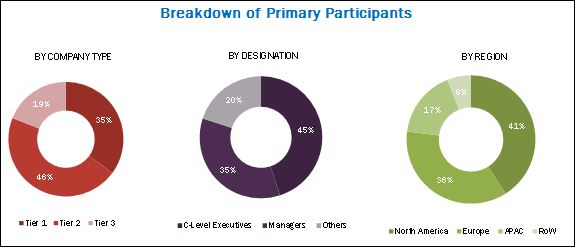
Figure 3 Breakdown of Primary Interviews: By Company Type, Designation, and Region
Figure 4 Market Size Estimation Methodology: Bottom-Up Approach
Figure 5 Market Size Estimation Methodology: Top-Down Approach
Figure 6 Data Traingulation
Figure 7 DLP Projectors Dominated the Interactive Projector Market in 2015
Figure 8 Market, By Application (2016–2022)
Figure 9 Market, By Region, 2015
Figure 10 Attractive Growth Opportunities for the Market Between 2016 and 2022
Figure 11 Ultra Short Throw Interactive Projectors are Expected to Grow at the Highest Rate During the Forecast Period
Figure 12 North America Held the Major Share of the Global Market in 2015
Figure 13 U.S. Held the Largest Share of the Market in 2015
Figure 14 Market, By Region
Figure 15 Increased Adopttion of Interactive Projectors in Education Segment Drives the Market
Figure 16 Value Chain Analysis of the Market: Major Value Added By Component Manufacturers and Product Manufacturers
Figure 17 Porter’s Five Forces Analysis: Market (2015)
Figure 18 Porter’s Five Forces Analysis: Market
Figure 19 Impact Analysis of Bargaining Power of Suppliers
Figure 20 Impact Analysis of Bargaining Power of Buyers
Figure 21 Impact Analysis of Threat of Substitutes
Figure 22 Threat of New Entrants
Figure 23 Impact Analysis of Intensity of Competitive Rivalry
Figure 24 DLP Projectors are Expected to Dominate the Interactive Projectors Market During Forecast Period
Figure 25 3D Projectors are Expected to Lead DLP Interactive Projectors Market During Forecast Period
Figure 26 Projectors With 1920*1080 Resolution to Grow at the Highest Rate in the Market for DLP Technology During Forecast Period
Figure 27 Ultrashort Throw Projectors Expected to Grow at the Highest Rate in the Market for DLP Technology During Forecast Period
Figure 28 Education Segment to Dominate the Interactive Projectors Market for DLP Technology During the Forecast Period
Figure 29 Projectors With 1280*800 Resolution to Dominate the Interactive Projectors Market for LCD Technology During Forecast Period
Figure 30 Education Application to Lead the Market During Forecast Period
Figure 31 Short Throw Projectors to Dominate the Market During Forecast Period
Figure 32 LCD Technology Expected to Dominate the Interactive Projector Market for Ultra-Short Throw During the Forecast Period
Figure 33 DLP Technology is Expected to Lead the Market for Short Throw During Forecast Period
Figure 34 2D Interactive Projectors Lead the Market During Forecast Period
Figure 35 LCD Interactive Projectors to Dominate the Market for 2D Dimension During the Forecast Period
Figure 36 Interactive Projectors With 1280*800 Resolution Expected to Dominate the Market During the Forecast Period
Figure 37 LCD Projectors Expected to Dominate in Interactive Projectors Market With 1280*800 Resolution During the Forecast Period
Figure 38 DLP Projectors Play Vital Role for 1024*768 Resolution Interactive Projectors Market During the Forecast Period
Figure 39 Education Application to Dominate the Interactive Projector Market During the Forecast Period
Figure 40 DLP Technology is Expected to Lead the Market for Education Application During the Forecast Period
Figure 41 North America to Lead the Market for Education Application During the Forecast Period
Figure 42 U.S. is Expected to Lead the North American Interactive Projector Market for Education Application During Forecast Period
Figure 43 China is Expected to Lead the Market for Education Application During Forecast Period
Figure 44 DLP Technology is Expected to Dominate the Market for Corporate Application During the Forecast Period
Figure 45 North America Expected to Dominate Market for Corporate Segment During Forecast Period
Figure 46 U.S. to Dominate the Interactive Projector Market for Corporate Application in North America During the Forecast Period
Figure 47 Germany is Expected to Lead the Market for Corporate Segment in Europe During the Forecast Period
Figure 48 Latin America is Expected to Lead Market for Corporate Application in RoW During Forecast Period
Figure 49 LCD Technology to Grow at Higher Rate for Interactive Projectors Market for Government Application During the Forecast Period
Figure 50 APAC Expected to Grow at the Highest Rate in the Interactive Projector Market for Government Application During the Forecast Period
Figure 51 China to Dominate Market for Government Application in APAC During the Forecast Period
Figure 52 Geographic Snapshot for the Market (2016–2022)
Figure 53 North America is Expected to Dominate the Interactive Projector Market During Forecast Period
Figure 54 North America: Market Snapshot (2016–2022)
Figure 55 U.S. to Dominate the Market in North America During the Forecast Period
Figure 56 Education Application to is Expected to Lead the Market in North America During the Forecast Period
Figure 57 Corporate Application is Expected to Grow at the Highest Rate in the Interactive Projectot Market in the U.S. Between 2016 and 2022
Figure 58 Germany is Expected to Dominate the Market in Europe During Forecast Period
Figure 59 Education is Expected to Dominate the Market in Europe During Forecast Period
Figure 60 Corporate Application is Expected to Grow at the Highest Rate in the Market in Germany Between 2016 and 2022
Figure 61 APAC: Market Snapshot (2016–2022)
Figure 62 China is Expected to Dominate the Interactive Projector Market in APAC During the Forecast Period
Figure 63 Education Application is Expected to Lead for the Market in APAC During Forecast Period
Figure 64 Education Application is Expected to Lead the Market in China Between 2016 and 2022
Figure 65 Euducation Application to Dominate the Market in Japan Between 2016 and 2022
Figure 66 Education Application is Expected to Dominate the Market in RoW Between 2016 and 2022
Figure 67 Latin America to Lead the Market in RoW During Forecast Period
Figure 68 New Product Launches Was the Key Growth Strategy Over the Last Four Years (2011–2015)
Figure 69 Battle for Market Share: Agreement/Collaboration/Strategic Partnership Was the Key Strategy
Figure 70 Seiko Epson Corp.: Company Snapshot
Figure 71 SWOT Analysis: Seiko Epson Corp.
Figure 72 Panasonic Corp.: Company Snapshot
Figure 73 SWOT Analysis: Panasonic Corp.
Figure 74 SWOT Analysis: BENQ Corp.
Figure 75 SWOT Analysis: Dell Technologies, Inc
Figure 76 SWOT Analysis: Mimio Boxlight
Figure 77 Casio Computer Co., Ltd: Company Snapshot
The research methodology used to estimate and forecast the interactive projectors market begins with capturing data on key vendor revenue through the secondary research such as Projectorcentral, Projector Reviews, The Journal. The vendor offerings are also taken into consideration to determine the market segmentation. The bottom-up procedure has been employed to arrive at the overall size of the global interactive projector market from the revenue of key players. After arriving at the overall market size, the total market has been split into several segments and subsegments which have been verified through the primary research by conducting extensive interviews of people holding key positions such as CEOs, VPs, directors, and executives. The market breakdown and data triangulation procedures have been employed to complete the overall market engineering process and arrive at the exact statistics for all segments and subsegments. The breakdown of the profiles of primaries has been depicted in the figure below:
To know about the assumptions considered for the study, download the pdf brochure
The interactive projector ecosystem comprises raw material and component providers, product manufacturers, distributors, and end users. The players involved in the interactive projectors include Seiko Epson Corp. (Japan), BenQ Corp. (Taiwan), Mimio Boxlight (U.S.), Dell Technologies Inc. (U.S.), Panasonic Corp. (Japan),CASIO COMPUTER Co., Ltd. (Japan), NEC Display Solutions, Ltd. (Japan), Optoma Technology Inc. (U.S.), Touchjet Inc. (Singapore), and Delta Electronics Inc. (Taiwan).
Target audience of the report:
- Raw material vendors
- Component providers
- Product and accessories manufacturers
- Distributors
- End users such as education institutes, corporate customers, or government bodies
- Research organizations
This study answers several questions for the stakeholders, primarily which market segments to focus on in the next two to five years for prioritizing efforts and investments.
Scope of the report:
This research report categorizes the global interactive projector market on the basis of technology, projection distance, dimension, resolution, application and geography.
Interactive projector market, by Technology:
- DLP
- LCD
- LCoS
Interactive projector market, by Projection Distance:
- Ultra short throw
- Short throw
- Standard throw
Interactive projector market, by Dimension:
- 2D
- 3D
Interactive projector market, by Resolution:
- 1920*1080 and 1920*720
- 1280*800
- 1024*768
- Others (854*480)
Interactive projector market, by Application:
- Education
- Corporate
- Government
Interactive projector market, by Geography:
- North America
- Europe
- Asia-Pacific (APAC)
- Rest of the World (RoW)
Available Customizations:
With the given market data, MarketsandMarkets offers customizations according to the companies’ specific needs. The following customization options are available for the report:
Company Information:
Detailed analysis and profiling of additional market players (up to five)













Growth opportunities and latent adjacency in Interactive Projector Market
India Market Size in 2018 and Growth Trend, target customer segmentation, dealers, distributors for mini, wireless, Pico DLP Projectors.