Light Sensors Market by Function (Ambient Light Sensing, Proximity Detection, RGB Color Sensing, Gesture Recognition, UV/Infrared Light (IR) Detection), by Output, by Integration (Discrete, Combination), by Application and Region - Global Forecast to 2035


Light Sensors Market Summary
The Light Sensors Market is witnessing robust growth as industries increasingly adopt intelligent sensing technologies to enable automation, smart connectivity, and energy-efficient operations. The market is estimated to be valued at USD 3–4 billion in 2025 and is projected to reach approximately USD 8–10 billion by 2035, expanding at a CAGR of 10%–12% during the forecast period. Rising deployment of IoT-enabled devices, smart consumer electronics, automotive safety systems, industrial automation, and AI-powered smart infrastructure continues to accelerate market expansion. The growing adoption of ambient light sensors, photodiodes, and image sensors in smartphones, autonomous vehicles, smart homes, and healthcare devices is creating significant growth opportunities. Furthermore, digital transformation initiatives, Industry 4.0 adoption, and advancements in semiconductor technologies are enabling manufacturers to develop highly sensitive, energy-efficient, and miniaturized light sensors capable of supporting next-generation connected ecosystems.
Key Market Trends & Insights
The North American region continues to lead the global Light Sensors Market owing to strong investments in smart electronics, industrial automation, and automotive innovation.
Asia Pacific is projected to register the fastest growth due to expanding semiconductor manufacturing, increasing smartphone production, and government support for digital infrastructure.
Ambient light sensors remain the dominant product segment because of their widespread integration into consumer electronics, automotive displays, and smart lighting systems.
AI-powered image recognition, IoT-enabled smart buildings, and autonomous systems are significantly increasing demand for advanced optical sensing technologies.
Miniaturization of semiconductor components and MEMS-based sensing technologies is improving sensor accuracy while reducing power consumption.
Growing investments in smart cities, wearable healthcare devices, and intelligent manufacturing are expanding application opportunities worldwide.
Market Size & Forecast
-
Base Year Market Size (2025): USD 3–4 billion
-
Forecast Market Size (2035): USD 8–10 billion
-
CAGR (2025–2035): 10%–12%
-
Growth Outlook: Market expansion is supported by AI-enabled automation, IoT deployment, electric vehicles, smart consumer electronics, industrial digitalization, and increasing adoption of intelligent sensing technologies across multiple industries.
Light Sensors Market Top 10 key takeaway
-
North America remains the largest regional market.
-
Asia Pacific is expected to achieve the highest CAGR during the forecast period.
-
Ambient light sensors continue to dominate product demand.
-
Consumer electronics remain the leading application segment.
-
Automotive ADAS systems are creating substantial growth opportunities.
-
AI-powered smart devices are increasing sensor deployment globally.
-
Industrial automation is driving demand for high-precision optical sensing.
-
Miniaturized semiconductor technologies are improving product performance.
-
Smart cities and intelligent lighting solutions are boosting adoption.
-
Continuous innovation in MEMS and CMOS technologies supports long-term market growth.
Product Insights
Ambient light sensors account for the largest share of the Light Sensors Market due to their extensive utilization in smartphones, tablets, laptops, televisions, wearable electronics, and automotive infotainment systems. These sensors automatically adjust display brightness according to environmental lighting conditions, improving energy efficiency while enhancing user comfort. Their low power consumption and cost-effectiveness make them ideal for high-volume consumer electronics manufacturing.
Image sensors are emerging as one of the fastest-growing product categories owing to increasing adoption in autonomous vehicles, industrial vision systems, robotics, medical imaging, and surveillance applications. The growing popularity of AI-enabled cameras and machine vision technologies is further accelerating demand.
Photodiodes and photoelectric sensors continue to gain traction in industrial automation, optical communication, manufacturing inspection systems, and healthcare monitoring devices. These products provide highly accurate light detection capabilities while supporting real-time monitoring and predictive maintenance.
Manufacturers are increasingly integrating artificial intelligence with optical sensing platforms to improve object recognition, adaptive sensing, environmental monitoring, and intelligent decision-making. AI-based calibration algorithms also enhance measurement accuracy under varying lighting conditions, enabling broader industrial applications.
Technology / Component Insights
Technological innovation remains the primary driver of the Light Sensors Market. CMOS technology dominates the industry because it enables compact design, lower manufacturing costs, improved energy efficiency, and seamless integration with digital electronics. CMOS image sensors have become standard components across smartphones, automotive cameras, and industrial inspection systems.
MEMS technology is gaining widespread acceptance because it supports miniaturization while maintaining high sensitivity and reliability. MEMS-based optical sensors are increasingly utilized in wearable electronics, healthcare monitoring systems, and IoT devices.
Artificial intelligence significantly enhances the capabilities of modern light sensors by enabling adaptive calibration, intelligent image processing, predictive diagnostics, and automated environmental analysis. Machine learning algorithms improve detection accuracy while reducing false readings in dynamic lighting environments.
Cloud computing and IoT connectivity allow organizations to remotely monitor sensor networks, collect operational data, and optimize energy consumption across smart buildings and industrial facilities. Real-time analytics also support predictive maintenance and operational efficiency.
Future innovations are expected to focus on ultra-low-power sensors, quantum photonics, integrated optical processors, edge AI, and advanced semiconductor materials capable of delivering higher precision, faster response times, and improved environmental resilience.
Application Insights
Consumer electronics represent the largest application segment because virtually every modern smartphone, tablet, smartwatch, television, and laptop incorporates ambient light sensing technologies to improve display efficiency and battery performance.
Automotive applications are experiencing exceptional growth as advanced driver assistance systems (ADAS), autonomous vehicles, adaptive headlights, driver monitoring systems, and intelligent cockpit displays increasingly depend on sophisticated optical sensing technologies.
Industrial automation also contributes significantly to market expansion through machine vision systems, robotic inspection, production quality control, warehouse automation, and predictive maintenance solutions.
Healthcare applications continue to expand as wearable medical devices, diagnostic equipment, pulse oximeters, and patient monitoring systems increasingly utilize advanced light sensing technologies.
Smart buildings, intelligent lighting systems, environmental monitoring, agriculture automation, and security surveillance present substantial future opportunities as governments and enterprises invest heavily in connected infrastructure.
Regional Insights
North America dominates the Light Sensors Market due to its strong semiconductor industry, widespread adoption of AI technologies, advanced manufacturing capabilities, and significant investments in industrial automation. High penetration of smart consumer electronics and autonomous vehicle development further strengthens regional demand.
Europe maintains a substantial market share supported by automotive innovation, Industry 4.0 initiatives, energy-efficient building regulations, and growing deployment of smart manufacturing technologies. Countries across the region continue investing in sustainable digital infrastructure.
Asia Pacific represents the fastest-growing regional market owing to rapid urbanization, expanding semiconductor manufacturing, increasing smartphone production, and strong government initiatives supporting digital transformation. Rising industrial automation and smart city projects further accelerate market growth.
Latin America and the Middle East & Africa are gradually adopting intelligent sensing technologies across industrial automation, smart infrastructure, and healthcare sectors, creating new long-term growth opportunities.
Regional Highlights
-
North America remains the largest revenue contributor.
-
Asia Pacific records the highest projected CAGR.
-
Europe benefits from automotive and industrial innovation.
-
Smart city investments support regional demand worldwide.
-
Semiconductor manufacturing expansion strengthens Asia Pacific growth.
Country-Specific Market Trends
China (CAGR: 12%–14%) continues leading regional production through its massive semiconductor manufacturing ecosystem, growing consumer electronics exports, and government investments in AI and smart manufacturing.
Japan (CAGR: 10%–12%) maintains strong market growth supported by robotics, automotive electronics, industrial automation, and continuous innovation in precision semiconductor technologies.
United States (CAGR: 10%–11%) dominates North America with extensive adoption of AI-powered industrial automation, autonomous vehicles, aerospace technologies, healthcare devices, and smart infrastructure investments.
Canada (CAGR: 9%–10%) experiences steady growth due to increasing digital transformation initiatives, renewable energy projects, and expanding industrial automation.
Mexico (CAGR: 10%–11%) benefits from expanding automotive manufacturing, electronics assembly facilities, and cross-border industrial investments.
Germany (CAGR: 9%–10%) leads European innovation through advanced manufacturing, Industry 4.0 implementation, automotive engineering, and smart factory modernization.
France (CAGR: 8%–10%) continues investing in digital infrastructure, aerospace technologies, healthcare innovation, and intelligent transportation systems, supporting increased deployment of optical sensing solutions.
Country Highlights
-
China leads semiconductor manufacturing expansion.
-
United States drives AI-powered sensor innovation.
-
Japan excels in robotics and automotive applications.
-
Germany remains Europe's industrial technology leader.
-
Mexico experiences rapid electronics manufacturing growth.
Key Light Sensors Market Company Insights
Leading companies continue investing heavily in research and development to improve sensor accuracy, reduce power consumption, and enable AI-powered intelligent sensing capabilities. Strategic priorities include semiconductor innovation, advanced image processing, MEMS integration, edge computing compatibility, and cloud-connected sensor platforms. Partnerships with automotive manufacturers, consumer electronics companies, and industrial automation providers continue expanding commercialization opportunities.
Major market participants include Hamamatsu Photonics, ams-OSRAM, STMicroelectronics, ROHM Semiconductor, Texas Instruments, Broadcom, ON Semiconductor, Vishay Intertechnology, Panasonic Industry, and Analog Devices. These companies are expanding product portfolios through advanced CMOS technologies, AI-enabled sensing platforms, and strategic collaborations supporting next-generation connected devices.
Company Strategy Highlights
-
Increased investment in AI-enabled sensing platforms.
-
Expansion of MEMS and CMOS sensor portfolios.
-
Strategic partnerships with automotive OEMs.
-
Focus on energy-efficient semiconductor innovation.
-
Greater emphasis on industrial IoT integration.
Recent Developments
In 2025, several leading semiconductor manufacturers introduced next-generation ambient light sensors featuring AI-assisted adaptive calibration, enabling greater accuracy in dynamic lighting environments while reducing overall power consumption.
Multiple automotive technology companies expanded collaborations with semiconductor suppliers to integrate advanced optical sensing solutions into autonomous driving platforms, intelligent cockpit systems, and driver monitoring technologies.
Industrial automation providers introduced cloud-connected optical sensing platforms capable of supporting predictive maintenance, machine vision inspection, and real-time production monitoring across smart manufacturing facilities.
Market Segmentation
The Light Sensors Market is segmented by Product, including ambient light sensors, image sensors, photodiodes, photoelectric sensors, and proximity light sensors. Ambient light sensors currently generate the highest revenue because of widespread adoption across smartphones, consumer electronics, and automotive displays.
Based on Technology/Component, the market includes CMOS technology, MEMS technology, photodiode technologies, optical semiconductor components, and integrated sensing modules. CMOS technology remains dominant due to its superior efficiency, scalability, and compatibility with modern electronic devices.
By Application, the market serves consumer electronics, automotive, industrial automation, healthcare, smart buildings, security systems, aerospace, and environmental monitoring. Consumer electronics remain the largest segment, while automotive applications demonstrate the fastest future growth.
Regionally, the market covers North America, Europe, Asia Pacific, Latin America, and the Middle East & Africa, with Asia Pacific expected to record the strongest expansion throughout the forecast period.
Segmentation Highlights
-
Ambient light sensors dominate product demand.
-
CMOS technology leads technology adoption.
-
Consumer electronics remain the largest application.
-
Automotive applications deliver the fastest growth.
-
Asia Pacific offers the strongest future opportunities.
Conclusion
The global Light Sensors Market is positioned for sustained expansion through 2035, supported by rapid advancements in artificial intelligence, IoT connectivity, industrial automation, and digital transformation across multiple industries. Growing demand for intelligent consumer electronics, autonomous vehicles, smart manufacturing systems, healthcare monitoring devices, and connected infrastructure continues to strengthen market fundamentals. Continuous innovation in semiconductor technologies, MEMS design, AI-powered sensing algorithms, and cloud-connected platforms will further enhance product capabilities while opening new commercial opportunities. Organizations investing in intelligent optical sensing solutions, strategic partnerships, and next-generation semiconductor innovation are expected to maintain strong competitive advantages as the market evolves over the coming decade.
FAQs - Light Sensors Market
1. What is the current size of the Light Sensors Market?
The Light Sensors Market is estimated at USD 3–4 billion in 2025.
2. What is the expected growth rate of the market?
The market is projected to grow at a CAGR of 10%–12% between 2025 and 2035.
3. What are the primary drivers of market growth?
Major growth drivers include AI adoption, IoT expansion, industrial automation, smart consumer electronics, autonomous vehicles, digital transformation, and semiconductor innovation.
4. Which region leads the global Light Sensors Market?
North America currently leads the market, while Asia Pacific is expected to register the fastest growth during the forecast period.
5. Who are the major companies operating in the Light Sensors Market?
Key companies include Hamamatsu Photonics, ams-OSRAM, STMicroelectronics, ROHM Semiconductor, Texas Instruments, Broadcom, ON Semiconductor, Vishay Intertechnology, Panasonic Industry, and Analog Devices.
 Exclusive indicates content/data unique to MarketsandMarkets and not available with any competitors.
Table of Contents
1 Introduction (Page No. - 14)
1.1 Objectives of the Study
1.2 Market Definition
1.3 Scope of the Study
1.3.1 Markets Covered
1.3.2 Years Considered for the Study
1.4 Currency & Pricing
1.5 Limitations
1.6 Stakeholders
2 Research Methodology (Page No. - 18)
2.1 Research Data
2.1.1 Secondary Data
2.1.1.1 Key Data From Secondary Sources
2.1.2 Primary Data
2.1.2.1 Key Data From Primary Sources
2.1.2.2 Key Industry Insights
2.1.2.3 Breakdown of Primaries
2.2 Market Size Estimation
2.2.1 Bottom-Up Approach
2.2.2 Top-Down Approach
2.3 Market Breakdown & Data Triangulation
2.4 Research Assumptions
3 Executive Summary (Page No. - 27)
4 Premium Insights – Light Sensors Market (Page No. - 31)
4.1 Light Sensors Market, 2016–2022 (USD Million)
4.2 Market for Key Applications (2016–2022)
4.3 Light Sensors Market, By Function and Region – 2016
4.4 Market, By Geography – 2016
4.5 Market, By Output (2016–2022)
4.6 Light Sensor Market, By Integration, 2020
5 Market Overview (Page No. - 35)
5.1 Introduction
5.2 Market Segmentation
5.2.1 By Function
5.2.2 By Application
5.2.3 By Output
5.2.4 By Integration
5.2.5 By Region
5.3 Market Dynamics
5.3.1 Drivers
5.3.1.1 Growing Implementation of Light Sensors in Smartphones and Pc Tablets Spurs the Growth of This Market
5.3.1.2 Advancements in the Automotive Sector Fuel the Market
5.3.1.3 Adoption of Smart Home Technology is Expected to Drive the Market
5.3.1.4 Exterior Building Lighting and Outdoor Lighting is Driving the Growth of the Market
5.3.2 Restraints
5.3.2.1 Low Light Sensing Capabilities Act as A Restraining Factor
5.3.2.2 Low-Cost Sensors are Increasing the Threat to Scale Down the Quality
5.3.3 Opportunities
5.3.3.1 Industrial Sector Expected to Create Opportunities for the Market
5.3.3.2 Automation in Machine Vision is Expected to Create Huge Opportunities
5.3.4 Challenges
5.3.4.1 Increasing Demand for Miniaturization of Sensors
6 Industry Trends (Page No. - 46)
6.1 Introduction
6.2 Value Chain Analysis
6.3 Porter’s Five Forces Analysis
6.3.1 Intensity of Competitive Rivalry
6.3.2 Threat of Substitutes
6.3.3 Bargaining Power of Buyers
6.3.4 Bargaining Power of Suppliers
6.3.5 Threat of New Entrants
7 Market Analysis, By Function (Page No. - 53)
7.1 Introduction
7.2 Ambient Light Sensing
7.3 Proximity Detection
7.4 Rgb Color Sensing
7.5 Gesture Recognition
7.6 UV/Infrared Light (IR) Detection
8 Market Analysis, By Output (Page No. - 71)
8.1 Introduction
8.2 Analog
8.3 Digital
9 Market Analysis, By Integration (Page No. - 76)
9.1 Introduction
9.2 Discrete
9.3 Combination
10 Market Analysis, By Application (Page No. - 82)
10.1 Introduction
10.2 Consumer Electronics
10.3 Automotive
10.4 Industrial
10.5 Home Automation
10.6 Healthcare
10.7 Entertainment
10.8 Security
11 Market, By Region (Page No. - 100)
11.1 Introduction
11.2 North America
11.3 Europe
11.4 Asia-Pacific
11.5 Rest of the World
12 Competitive Landscape (Page No. - 115)
12.1 Overview
12.2 Market Ranking Analysis: Light Sensors Market
12.3 Competitive Situations and Trends
12.3.1 New Product Launches
12.3.2 Acquisition, Agreements, and Strategic Alliances
12.3.3 Collaborations and Patents
13 Company Profiles (Page No. - 120)
(Overview, Products and Services, Financials, Strategy & Development)*
13.1 Introduction
13.2 AMS AG
13.3 Avago Technologies Inc.
13.4 Sharp Corporation
13.5 Stmicroelectronics NV.
13.6 Vishay Intertechnology, Inc.
13.7 Apple, Inc.
13.8 Elan Microelectronic Corp.
13.9 Everlight Electronics Co., Ltd.
13.10 Heptagon
13.11 Maxim Integrated Products, Inc.
13.12 Samsung Electronics Co., Ltd.
13.13 Sitronix Technology Corporation
13.14 ROHM Co., Ltd.
*Details on Overview, Products and Services, Financials, Strategy & Development Might Not Be Captured in Case of Unlisted Companies
14 Appendix (Page No. - 151)
14.1 Insights of Industry Experts
14.2 Discussion Guide
14.3 Introducing RT: Real-Time Market Intelligence
14.4 Available Customizations
14.5 Related Reports
List of Tables (77 Tables)
Table 1 Light Sensors Market Size, 2013–2022 (USD Million)
Table 2 Light Sensor Market, By Function
Table 3 Market, By Application
Table 4 Market, By Output
Table 5 Market, By Integration
Table 6 Growing Implementation of Light Sensor in Smartphones and Pc Tablets Expected to Boost the Market Growth
Table 7 Low Light Sensing Capabilities Limit the Growth of This Market
Table 8 Light Sensors Expected to Have A Large Application Area in Industrial and Machine Vision
Table 9 Rising Demand for Small-Sized Sensors is Challenging
Table 10 Market Size, By Function, 2013–2022 (USD Million)
Table 11 Market Size for Ambient Light Sensing Function, By Output, 2013–2022 (USD Million)
Table 12 Market Size for Ambient Light Sensing Function, By Integration, 2013–2022 (USD Million)
Table 13 Market Size for Ambient Light Sensing Function, By Application, 2013–2022 (USD Million)
Table 14 Market Size for Ambient Light Sensing Function, By Region, 2013–2022 (USD Million)
Table 15 Market Size for Proximity Detection Function, By Output, 2013–2022 (USD Million)
Table 16 Market Size for Proximity Sensing Function, By Integration, 2013–2022 (USD Million)
Table 17 Light Sensor Market Size for Proximity Sensing Function, By Application, 2013–2022 (USD Million)
Table 18 Market Size for Proximity Sensing Function, By Region, 2013–2022 (USD Million)
Table 19 Market Size for Rgb Color Sensing Function, By Output, 2013–2022 (USD Million)
Table 20 Market Size for Rgb Color Sensing Function, By Integration, 2013–2022 (USD Million)
Table 21 Market Size for Colour Sensing Function, By Application, 2013–2022 (USD Million)
Table 22 Market Size for Rgb Color Sensing Function, By Region, 2013–2022 (USD Million)
Table 23 Market Size for Gesture Recognition Function, By Output, 2013–2022 (USD Million)
Table 24 Market Size for Gesture Recognition Function, By Integration, 2013–2022 (USD Million)
Table 25 Market Size for Gesture Recognition Function, By Application, 2013–2022 (USD Million)
Table 26 Light Sensor Market Size for Gesture Recognition Function, By Region, 2013–2022 (USD Million)
Table 27 Market Size for UV/IR Detection Function, By Output, 2013–2022 (USD Million)
Table 28 Market Size for UV/IR Detection Function, By Integration, 2013–2022 (USD Million)
Table 29 Market Size for UV/IR Detection Function, By Application, 2013–2022 (USD Million)
Table 30 Market Size for UV/IR Detection Function, By Region, 2013–2022 (USD Million)
Table 31 Market Size, By Output, 2013–2022 (USD Million)
Table 32 Market Size for Analog Output, By Function, 2013–2022 (USD Million)
Table 33 Market Size for Digital Output, By Function, 2013–2022 (USD Million)
Table 34 Market Size, By Integration, 2013–2022 (USD Million)
Table 35 Market Size for Discrete Integration, By Function, 2013–2022 (USD Million)
Table 36 Market Size for Discrete Integration, By Application, 2013–2022 (USD Million)
Table 37 Light Sensor Market Size for Combination Integration, By Function, 2013–2022 (USD Million)
Table 38 Market Size for Combination Integration, By Application, 2013–2022 (USD Million)
Table 39 Market Size, By Application, 2013–2022 (USD Million)
Table 40 Market Size for Consumer Electronics Sector, By Function, 2013–2022 (USD Million)
Table 41 Market Size for Consumer Electronics Sector, By Integration, 2013–2022 (USD Million)
Table 42 Market Size for Consumer Electronics Sector, By Region, 2013–2022 (USD Million)
Table 43 Market Size for Automotive Sector, By Function, 2013–2022 (USD Million)
Table 44 Market Size for Automotive Sector, By Integration, 2013–2022 (USD Million)
Table 45 Market Size for Automotive Sector, By Region, 2013–2022 (USD Million)
Table 46 Market Size for Industrial Sector, By Function, 2013–2022 (USD Million)
Table 47 Market Size for Industrial Sector, By Integration, 2013–2022 (USD Million)
Table 48 Market Size for Industrial Sector, By Region, 2013–2022 (USD Million)
Table 49 Market Size for Home Automation Sector, By Function, 2013–2022 (USD Million)
Table 50 Market Size for Home Automation Sector, By Integration, 2013–2022 (USD Million)
Table 51 Market Size for Home Automation Sector, By Region, 2013–2022 (USD Million)
Table 52 Market Size for Healthcare Sector, By Function, 2013–2022 (USD Million)
Table 53 Market Size for Healthcare Sector, By Integration, 2013–2022 (USD Million)
Table 54 Market Size for Healthcare Sector, By Region, 2013–2022 (USD Million)
Table 55 Market Size for Entertainment Sector, By Function, 2013–2022 (USD Million)
Table 56 Market Size for Entertainment Sector, By Integration, 2013–2022 (USD Million)
Table 57 Market Size for Entertainment Sector, By Region, 2013–2022 (USD Million)
Table 58 Light Sensor Market Size for Security Sector, By Function, 2013–2022 (USD Million)
Table 59 Market Size for Security Sector, By Integration, 2013–2022 (USD Million)
Table 60 Market Size for Security Sector, By Region, 2013–2022 (USD Million)
Table 61 Market Size, By Region, 2013–2022 (USD Million)
Table 62 Market Size in North America, By Function, 2013–2022 (USD Million)
Table 63 Market Size in North America, By Application, 2013–2022 (USD Million)
Table 64 Market Size in North America, By Country, 2013–2022 (USD Million)
Table 65 Market Size in Europe, By Function, 2013–2022 (USD Million)
Table 66 Light Sensor Market Size in Europe, By Application, 2013–2022 (USD Million)
Table 67 Light Sensor Market Size in Europe, By Country, 2013–2022 (USD Million)
Table 68 Market Size in APAC, By Function, 2013–2022 (USD Million)
Table 69 Market Size in APAC, By Application, 2013–2022 (USD Million)
Table 70 Market Size in APAC, By Country, 2013–2022 (USD Million)
Table 71 Market Size in Row, By Function, 2013–2022 (USD Million)
Table 72 Market Size in Row, By Application, 2013–2020 (USD Million)
Table 73 Market Size in Row, By Country, 2013–2022 (USD Million)
Table 74 Market Ranking, By Key Player, 2014
Table 75 New Product Launches, 2012–2015
Table 76 Acquisitions, Agreements, and Strategic Alliances (2012–2015)
Table 77 Collaborations and Patents (2012–2015)
List of Figures (81 Figures)
Figure 1 Market Covered
Figure 2 Market: Research Design
Figure 3 Light Sensor Market: Bottom-Up Approach
Figure 4 Light Sensor Market: Top-Down Approach
Figure 5 Data Triangulation
Figure 6 Light Sensor Market Segmentation
Figure 7 Snapshot of Market, By Function 2016–2022: Light Sensors Market for Ambient Light Sensing Expected to Account for A Large Market Share During the Forecast Period
Figure 8 Light Sensor Market, By Application (2016)
Figure 9 Light Sensor Market, By Region (2016)
Figure 10 Attractive Growth Opportunities for the Market
Figure 11 Consumer Electronics Would Hold the Largest Share of the Market Based on Applications During the Forecast Period
Figure 12 Ambient Light Sensoning Function Expected to Dominate the Global Market in 2016
Figure 13 U.S. Expected to Hold the Largest Share of the North America Market
Figure 14 Market for Digital Output Expected to Grow at the Highest Rate Between 2016 and 2022
Figure 15 Market for Combination Integration Expected to Show A Potential Growth in Terms of Value By 2022
Figure 16 Market, By Region
Figure 17 Increasing Demand From Smartphones and Pc Tablets Would Support the Market Growth in the Consumer Electronics Sector
Figure 18 Value Chain Analysis: Maximum Value is Added During the Manufacturing Stage
Figure 19 Bargaining Power of Buyers Expected to Have A High Impact
Figure 20 Porter’s Five Forces Analysis
Figure 21 Light Sensor Market: Intensity of Competitive Rivalry
Figure 22 Market: Threat of Substitutes
Figure 23 Market: Bargaining Power of Buyers
Figure 24 Market: Bargaining Power of Suppliers
Figure 25 Market: Threat of New Entrants
Figure 26 Market for Light Sensors With Ambient Light Sensing Function Expected to Grow at the Highest Rate Between 2016 and 2022
Figure 27 Digital Output Expected to Hold the Largest Market Size in Terms of Value By 2022
Figure 28 Market for Light Sensors With Ambient Light Sensing Function in the Automotive Sector Expected to Grow at the Highest Rate During the Forecast Period
Figure 29 Light Sensors With Digital Output Expected to Hold A Large Market Size By 2022
Figure 30 Market in the Automotive Sector Expected to Show Exponential Growth By 2020
Figure 31 The Market in Asia-Pacific Expected to Grow at A High Rate Between 2013 and 2022
Figure 32 Combination Integration of Color Sensors Expected to Fuel the Market By 2022
Figure 33 Market for Light Sensors With Digital Output Expected to Grow at A High Rate Between 2013 and 2022
Figure 34 Consumer Electronics Sector Expected to Lead the Market By 2022
Figure 35 Market for Light Sensors With Combination Integration of IR/UV Sensors Expected to Grow at A High CAGR During the Forecast Period
Figure 36 Market for Light Sensors With UV/IR Detection Function in the Automotive Sector Expected to Grow at the Highest Rate During the Forecast Period
Figure 37 Market for Digital Light Sensors Expected to Grow at A High Rate During the Forecast Period
Figure 38 Market for Analog Light Sensors With Ambient Light Sensing Function Expected to Grow at the Highest Rate During the Forecast Period
Figure 39 Market for Digital Light Sensors With Ambient Light Sensing Function Expected to Grow at the Hightest Rate During the Forecast Period
Figure 40 Market for the Combination Integration Expected to Grow at High Rate During the Forecast Period
Figure 41 Market for Light Sensors With Ambient Light Sensing Funcion Expected to Witness Potential Growth During the Forecast Period
Figure 42 Automotive Sector to Boost the Growth of the Market Based on Combination Integration During the Forecast Period
Figure 43 Market for Automotive Sector Expected to Grow at the Highest Rate Between 2016 and 2022
Figure 44 Market for Light Sensors With Ambient Light Sensing Function Expected to Show Potential Growth By 2022
Figure 45 Light Sensors With Combination Integration Expected to Lead the Market for Automotive Sector By 2022
Figure 46 Market for Light Sensors With Proximity Detection Function Expected to Grow at the Highest Rate in Industrial Sector During the Forecast Period
Figure 47 Market for Light Sensors With Combination Integration Expected to Grow at A High Rate Between 2016 and 2022
Figure 48 Market for Light Sensors With Ambient Light Sensing Function Expected to Witness Potential Growth in Healthcare Sector During the Forecast Period
Figure 49 Light Sensors With Ambient Light Sensing Function Expected to Hold A Large Market Share By 2022
Figure 50 Market for Light Sensors With Combination Integration Expected to Witness Potential Growth in Security Sector By 2022
Figure 51 Geographic Snapshot – Global Market, By Geography
Figure 52 Market in APAC Expected to Grow at the Highest Rate Between 2015 and 2020
Figure 53 North American Market Snapshot (2016–2022): Demand for Light Sensors Would Be Driven By the Consumer Electronics Sector
Figure 54 Market in the Automotive Sector Expected to Grow at the Highest Rate Between 2016 and 2022
Figure 55 U.S. Market Expected to Grow at the Highest Rate During the Forecast Period
Figure 56 The European Market for the Automotive Sector Expected to Grow at the Highest Rate During the Forecast
Figure 57 Asia-Pacific Market Snapshot: India Expected to Be the Most Lucrative Market By 2022
Figure 58 Market for the Automotive Sector Expected to Grow at the Highest Rate in APAC During the Forecast Period
Figure 59 Indian Market for Light Sensors Expected to Grow at the Highest Rate During the Forecast Period
Figure 60 Market in the Middle East Expected to Grow at the Highest Rate During the Forecast Period
Figure 61 Companies Adopted New Product Launches as the Key Growth Strategy Between 2013 and 2015
Figure 62 Market Evolution Framework: New Product Launches Fuelled Growth in the Market
Figure 63 Battle for Market Share: New Product Launches—The Key Strategy
Figure 64 Geographic Revenue Mix of Top Five Players
Figure 65 AMS AG: Company Snapshot
Figure 66 AMS AG: SWOT Analysis
Figure 67 Avago Technologies Inc.: Company Snapshot
Figure 68 Avago Technologies Inc.: SWOT Analysis
Figure 69 Sharp Corporation: Company Snapshot
Figure 70 Sharp Corporation: SWOT Analysis
Figure 71 Stmicroelectronics: Company Snapshot
Figure 72 Stmicroelectronics NV: SWOT Analysis
Figure 73 Vishay Intertechnology, Inc.: Company Snapshot
Figure 74 Vishay Intertechnology: SWOT Analysis
Figure 75 Apple, Inc.: Company Snapshot
Figure 76 Elan Microelectronics Corp.: Company Snapshot
Figure 77 Everlight Electronics Co., Ltd.: Company Snapshot
Figure 78 Maxim Integrated Products, Inc.: Company Snapshot
Figure 79 Samsung Electronics Co., Ltd.: Company Snapshot
Figure 80 Sitronix Technology Corp.: Company Snapshot
Figure 81 ROHM Co.,Ltd.: Company Snapshot
The research methodology used to estimate and forecast the light sensors market begins with capturing data on key vendor revenues through secondary research. The vendor offerings are also taken into consideration to determine the market segmentation. The bottom-up procedure was employed to arrive at the overall light sensor market size of the global market from the revenue of the key players in the market. After arriving at the overall market size, the total market was split into several segments and subsegments which are then verified through primary research by conducting extensive interviews with key people such as CEOs, VPs, directors, and executives. This data triangulation and market breakdown procedures were employed to complete the overall market engineering process and arrive at the exact statistics for all segments and subsegments. The breakdown of profiles of primary is depicted in the figure below:
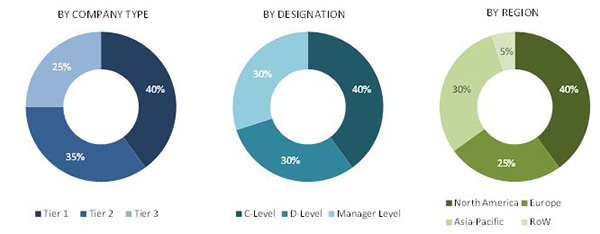
To know about the assumptions considered for the study, download the pdf brochure
The ecosystem of the light sensors market includes the raw material and sensor component suppliers, sensing ICs manufacturers, distributors/OEMs which include manufacturers of electronic devices and industry automation companies. The key players in the market include ams AG (Germany), Avago Technologies Inc. (Singapore), Elan Microelectronics Corp. (Taiwan), Everlight Electronics Co. (Taiwan), Heptagon (Singapore), Maxim Integrated Products Inc. (U.S.), ROHM Co., Ltd. (Japan), Sharp Corporation (Japan), Sitronix Technology Corp. (Taiwan), STMicroelectronics NV (Switzerland), Samsung Electronics Co., Ltd. (South Korea), and Vishay Intertechnology, Inc. (U.S.) among others.
Key Target Audience:
- Foundry players,
- Light sensor developers
- ODM and OEM technology solution providers
- Research organizations
- Technology investors
- Technology standards organizations
- Associations, forums, and alliances related to light sensor
- Government bodies such as regulating authorities and policy makers
“Study answers several questions for the stakeholders, primarily which market segments to focus in the next two to five years for prioritizing the efforts and investments.”
Scope of the Report
The research report segments the light sensors market into the following submarkets:
Light Sensors Market, by Function:
- Ambient light sensing
- Proximity detection
- RGB Color sensing
- Gesture recognition
- UV/IR detection
Light Sensors Market, by Output:
- Analog
- Digital
Light Sensors Market, by Integration:
- Discrete
- Combination
Light Sensors Market, by Application:
- Automotive
- Consumer electronics
- Healthcare
- Industrial
- Entertainment
- Home automation
- Security
Light Sensors Market, by Region:
- Americas
- Europe
- Asia-Pacific
- Rest of the World
Available Customizations:
With the given market data, MarketsandMarkets offers customizations according to the company’s specific needs. The following customization options are available for the report:
Company Information
- Detailed analysis and profiling of additional market players













Growth opportunities and latent adjacency in Light Sensors Market