Medical Plastics Market

Medical Plastics Market by Type (Standard Plastics, Engineering Plastics, High-performance Plastics), Application (Medical Disposables, Medical Instruments & Devices, Prosthetics & Implants, Drug Delivery, Medical Packaging) - Global Forecast to 2031




MEDICAL PLASTICS MARKET
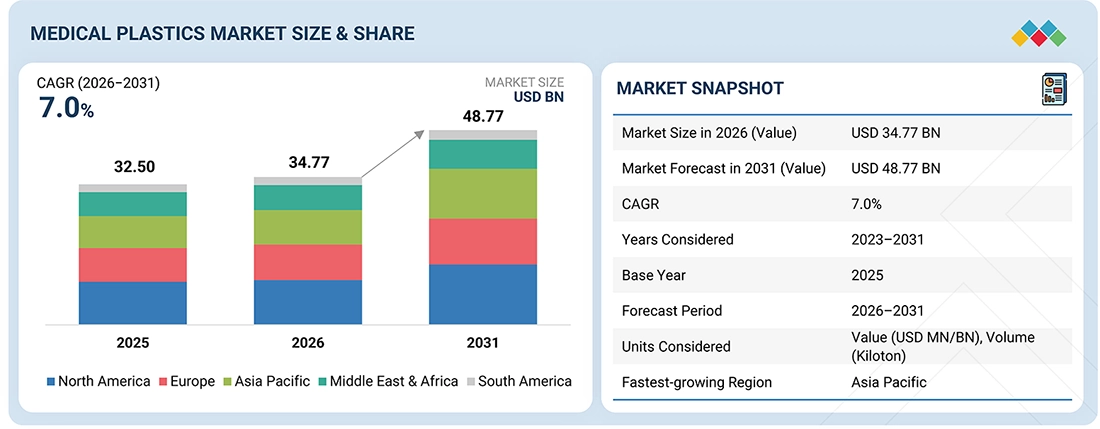
Source: Secondary Research, Interviews with Experts, MarketsandMarkets Analysis | Updated on : September 21, 2026
Medical Plastics Market is projected to reach USD 48.77 billion by 2031 from USD 34.77 billion in 2026, growing at a CAGR of 7.0% from 2026 to 2031. The market is experiencing strong growth, owing to the rising demand for advanced medical devices, the increasing adoption of minimally invasive procedures, the growing preference for single-use and disposable medical products, and expanding pharmaceutical and biotechnology industries. Rising healthcare expenditure, continuous advancements in medical-grade polymer technologies, and increasing investments in healthcare infrastructure across developed and emerging economies are further supporting market growth worldwide.
KEY TAKEAWAYS
-
By RegionBy region, North America accounted for a 30.4% share of the medical plastics market in 2025, driven by advanced healthcare infrastructure, high healthcare spending, and the strong presence of leading medical device manufacturers.
-
By TypeBy type, the high-performance plastics segment is estimated to grow at an 8.1% CAGR between 2026 and 2031, owing to its excellent flexibility, biocompatibility, cost-effectiveness, and extensive use in a range of medical applications.
-
By ApplicationBy application, the prosthetics & implants segment is anticipated to record a CAGR of 8.5% during the forecast period, driven by the increasing surgical procedure volumes and expanding demand from hospitals, diagnostic laboratories, and home healthcare settings.
-
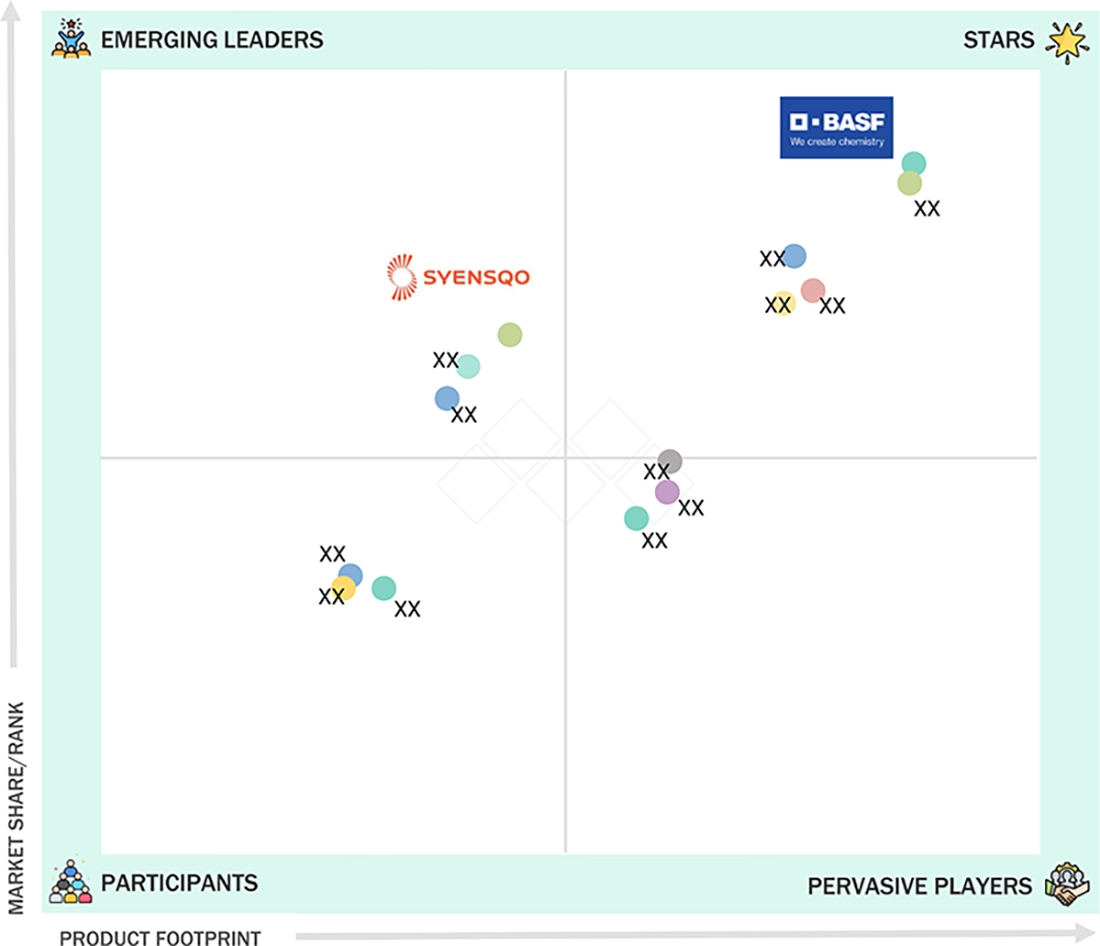
Competitive Landscape - Key PlayersBASF, Celanese Corporation, and SABIC were identified as some of the star players in the medical plastics market, given their strong market share and product footprint.
-
Competitive Landscape - Startups/SMEsTrinseo, Biomerics, and Geon Performance Solutions LLC, among others, have distinguished themselves among startups and SMEs by securing strong footholds in specialized niche areas, underscoring their potential as emerging market leaders.
The global medical plastics market is growing due to the expanding healthcare infrastructure and rising demand for advanced medical devices. North America is witnessing strong demand, fueled by high healthcare expenditure, a well-established medical device manufacturing industry, and the increasing adoption of minimally invasive procedures. Europe is supported by stringent regulatory standards, growing demand for high-quality medical devices, and investments in healthcare modernization. Asia Pacific is the fastest-growing market, driven by expanding healthcare infrastructure, increasing medical device manufacturing, rising healthcare expenditure, and rapid growth across China, India, Japan, South Korea, and Southeast Asia. Meanwhile, South America and the Middle East & Africa are seeing gradual growth, supported by improving healthcare infrastructure, increasing government healthcare investments, and expanding access to advanced medical technologies.
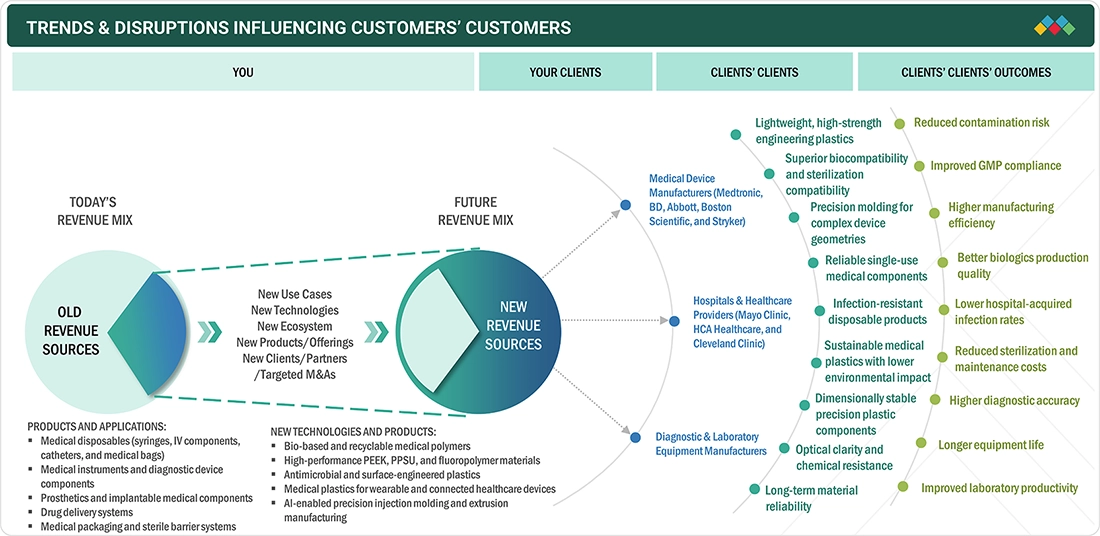
TRENDS & DISRUPTIONS IMPACTING CUSTOMERS' CUSTOMERS
Due to the progress in technology and the increasing requirements of healthcare, there are significant changes occurring in the medical device, pharmaceutical, and biotechnology sectors. More efforts are made to develop technologies with a focus on minimally invasive surgeries, patient safety, targeted drug delivery, personalized medicine, and next-generation medical devices. The transition from traditional commodity plastic materials to advanced polymer engineering, biobased and recyclable plastics, antimicrobial materials, polymers compatible with sterilizing procedures, and highly compatible, durable, and sustainable polymer innovations is influencing the competitive situation.
Source: Secondary Research, Interviews with Experts, MarketsandMarkets Analysis
MEDICAL PLASTICS MARKET DYNAMICS

Level
-
Rising demand for single-use and disposable medical devices

-
Growing Global Aging Population and Rising Chronic Disease Burden


Level
-
Stringent regulatory and material validation requirements

-
Environmental concerns related to plastic waste


Level
-
Growing adoption of bio-based and sustainable medical plastics

-
Expanding healthcare infrastructure in emerging economies


Level
-
Issues in balancing sustainability requirements with stringent medical performance standards

-
Supply chain complexity for high-performance medical-grade polymers

Source: Secondary Research, Interviews with Experts, MarketsandMarkets Analysis
Driver: Rising demand for single-use and disposable medical devices
The growing use of single-use and disposable medical instruments has become one of the major factors driving the medical plastics sector. The healthcare systems worldwide are focused on preventing infections, achieving operational efficiencies, meeting regulatory obligations, and minimizing costs. Thus, the industry is witnessing the steady movement away from reusable medical devices to disposable medical devices made of plastic. Medical plastics have critical properties including biocompatibility, sterilization capability, lightweight, resistance to chemicals, transparency plus cost effectiveness characteristics that are essential to ensuring disposable medical devices have high volume usage. Thus, polymer materials such as polypropylene (PP), polyethylene (PE), polyvinyl chloride (PVC), polycarbonate (PC), thermoplastic elastomers (TPE), thermoplastic polyurethane (TPU), silicone, as well as engineering plastics have become an integral part of modern healthcare systems. The materials are extensively utilized in syringes, different IV components, blood collection systems, catheters, diagnostic cartridges, surgical consumables, respiratory devices, medical packaging, and drug delivery systems. Single-use design minimizes the risks of cross-contamination while allowing simple functioning of clinical processes.
Restraint: Stringent regulatory and material validation requirements
Strict regulatory requirements and long material validation procedures are among the biggest limitations influencing the global medical plastics market. Medical polymers intended for use in healthcare are required to meet strict international standards in regard to biocompatibility, compatibility with sterilization procedures, chemical safety, mechanical performance, and durability prior to being used in any medical devices or pharmaceutical products. Regulatory bodies such as the US Food and Drug Administration (FDA), European Medicines Agency (EMA), European Union Medical Device Regulation (EU MDR), ISO, and other national health institutions demand extensive testing and documentation throughout the product lifecycle. Material vendors and producers of medical devices need to prove compliance with numerous biological tests, extractables and leachables tests, validation of sterilization, traceability, and quality management systems.
Opportunity: Growing adoption of bio-based and sustainable medical plastics
The intensity with which sustainability is taken into account in the healthcare market is giving rise to new opportunities for the medical plastics market as companies are seeking to develop eco-friendly polymer materials. Governments, healthcare companies, medical instruments producers, and drug manufacturers are looking for eco-solutions to reduce carbon emissions and plastic waste and contribute to the circular economy, while abiding by patient’s safety and regulations. This change is leading to the swift repurposing of polymer materials and their effective commercialization, such as bio-based and recyclable polymers, and cPVC compound materials. The progress in polymer science is promoting sustainable medical materials that have the following properties: bio-compatibility, compatibility with sterilization, chemical resistance, mechanical properties, and stability of dimensions.
Challenge: Issues in balancing sustainability requirements with stringent medical performance standards
The balance between the need for sustainability and the rigorous quality, safety, and regulatory standards in the healthcare sector is one of the most important challenges faced by the global medical plastics industry. Growing awareness seems to be developing among politicians, health practitioners, and manufacturers of healthcare products concerning the need to eliminate the problem of plastic waste, reduce the carbon footprint, and promote sustainable development. However, it should be noted that medical plastic must actually comply with established requirements in terms of biocompatibility, sterilization, resistance to unfavorable environments, etc. In contrast to conventional plastics, medical-grade polymers are subject to stringent regulations and require the use of specially tested materials.
MEDICAL PLASTICS MARKET: COMMERCIAL USE CASES ACROSS INDUSTRIES
| COMPANY | USE CASE DESCRIPTION | BENEFITS |
|---|---|---|
 |
Lubrizol develops medical-grade thermoplastic polyurethanes (TPUs), specialty polymers, and engineered materials for catheters, wearable medical devices, drug delivery systems, wound care products, prosthetics, and other high-performance medical components. | Outstanding flexibility | Biocompatibility | Abrasion resistance | Chemical resistance | Sterilization compatibility while enabling miniaturization, patient comfort, and long-term device durability in demanding healthcare applications |
 |
Celanese manufactures high-performance medical polymers including acetal (POM), thermoplastic elastomers (TPEs), engineered nylons, and specialty compounds used in surgical instruments, inhalers, insulin pens, diagnostic equipment, implant components, and reusable medical devices. | Excellent mechanical strength | Dimensional stability | Wear resistance | Low friction | Sterilization compatibility, enabling lightweight, durable, and precision-engineered medical products with long service life |
 |
SABIC supplies medical-grade polycarbonate (PC), polypropylene (PP), polyethylene (PE), and specialty copolymers for medical disposables, diagnostic equipment, pharmaceutical packaging, respiratory devices, laboratory consumables, and healthcare electronics. | High impact strength | Optical clarity | Chemical resistance | Gamma and EtO sterilization compatibility | Excellent processability | Comprehensive regulatory documentation, making them ideal for high-volume medical manufacturing |
 |
Covestro provides Makrolon® polycarbonate, thermoplastic polyurethane (TPU), and other specialty medical polymers for medical device housings, diagnostic equipment, infusion systems, surgical instruments, wearable healthcare devices, and pharmaceutical packaging. | Exceptional toughness | Transparency | Design flexibility | Repeated sterilization capability | Biocompatibility while supporting lightweight, durable, and sustainable medical product development |
Logos and trademarks shown above are the property of their respective owners. Their use here is for informational and illustrative purposes only.
MEDICAL PLASTICS MARKET ECOSYSTEM
An analysis of the medical plastics ecosystem shows the existing link between the different participants, such as raw material suppliers, manufacturers of plastic products, distributors of medical appliances such as medical plastics, producers of medical devices, governing bodies, as well as healthcare providers. Products offered by suppliers include PVC, PE, PP, PA, PC, silicone, PEEK, PTFE, and TPE that are to undergo the process of compounding so that they can gain such necessary properties as biocompatibility, chemical resistance, mechanical strength, and compatibility with the sterilization process. Manufacturers prepare the materials for the process of injection molding, extrusion, blow molding, and others to produce disposable products and medical devices. Then, the material components are assembled into one medical appliance by the medical device producers who follow strict standard requirements. Distributors and suppliers make sure that the appliances are always on hand at the hospitals and clinics. In general, the increasing demand for medical products contributes to the cooperation of the participants in the medical plastics ecosystem.
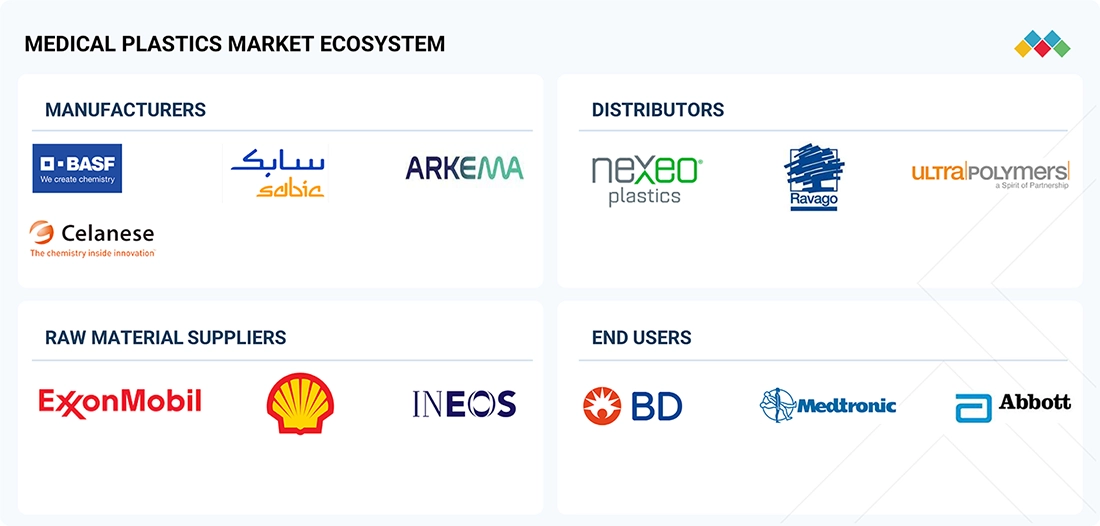
Logos and trademarks shown above are the property of their respective owners. Their use here is for informational and illustrative purposes only.
MARKET SEGMENTS
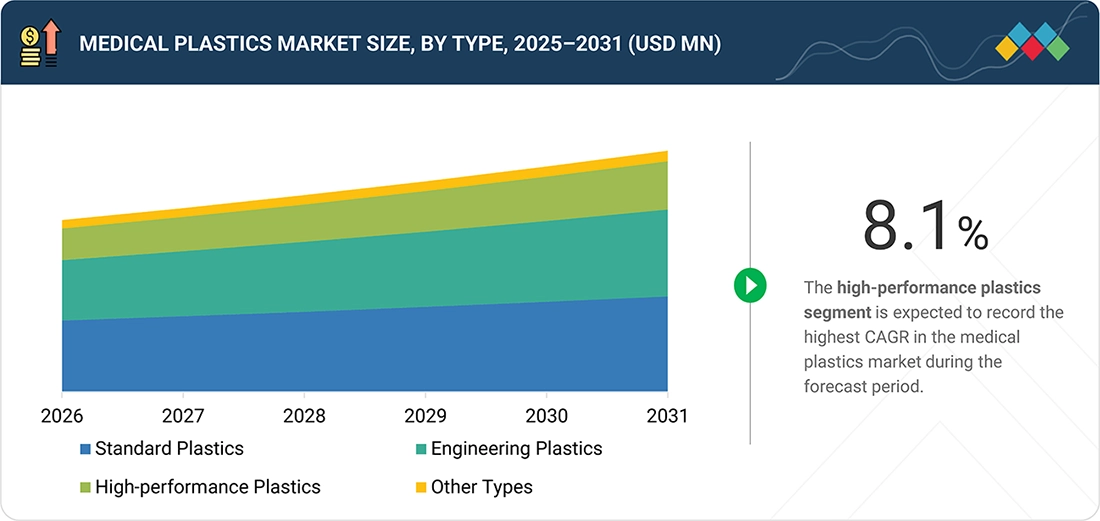
Source: Secondary Research, Interviews with Experts, MarketsandMarkets Analysis
Medical Plastics Market, By Type
It is predicted that the fastest-growing type segment in the medical plastics market will be high-performance plastics, which feature remarkable mechanical strength, combined with superior chemical resistance, excellent thermal stability, and exceptional biocompatibility. This segment is represented by high-tech materials like PEEK, PTFE, and PPSU, and is being embraced in high-end medical applications looking for high reliability and performance under demanding medical conditions. Orthopedic and spinal implants, surgical instruments, catheter parts, drug delivery systems, dental devices, and tools used in repeated sterilization are among the key applications of these materials due to their low weight, dimensional stability, resistance to wear, and repeated sterilization ability. In addition, they can replace metals in the field while being radiolucent and offering corrosion resistance and design flexibility. All these factors will facilitate further widespread use of next-generation medical devices.
Medical Plastics Market, By Application
Prosthetics & implants are anticipated to see the most rapid growth as part of the medical plastics market as demand for more advanced implants for orthopedic, dental, cardiovascular, spinal, and craniofacial applications increases, along with the increase in cases of musculoskeletal disorders and with an aging population worldwide. Medical plastics are being widely used for the production of prostheses for joints, spinal implants, prosthetics, etc., owing to their superior properties such as biocompatibility and strength-to-weight ratio as well as chemical resistance and durability. State-of-the-art polymers such as PEEK and PPSU are being used instead of traditional materials in certain implants or applications.
REGION
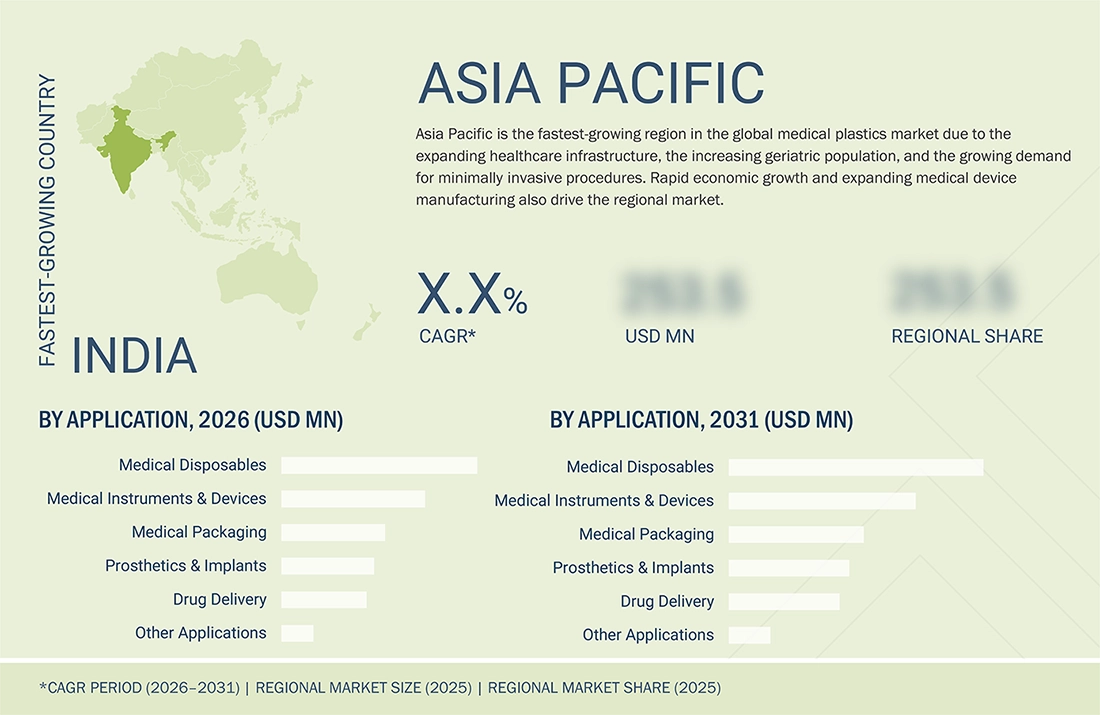
Asia Pacific to be fastest-growing region in medical plastics market during forecast period
Asia Pacific is the fastest-growing region in the global medical plastics market due to expanding healthcare infrastructure, an aging population, and rising demand for minimally invasive procedures. Rapid economic growth and the expansion of medical device manufacturing also drive the regional market.
MEDICAL PLASTICS MARKET: COMPANY EVALUATION MATRIX
BASF (Star), a Germany-based company in the medical plastics market matrix, has emerged as one of the market leaders due to its strong portfolio of medical-grade engineering and high-performance polymers, such as Ultrason polyarylsulfones, Ultramid polyamides, and various other specialty materials utilized in medical devices, medical disposables, drug delivery systems, diagnostic devices, and medical packaging. The company’s strong global manufacturing presence, continuous innovations in material science, regulatory assistance, and collaboration with medical manufacturing companies have helped to secure its leadership position in the industry. Syensqo (Emerging Leader) is also establishing its foothold in the market mainly owing to its rich portfolio of advanced specialty polymers, such as high-performance polyamides, PEEK, PPSU, and biomaterials suited for a variety of demanding medical applications. The company aims to increase its growth rate in the field of minimally invasive devices, prosthetics & implants, surgical instruments, and drug delivery systems by forging strategic partnerships with leading medical device producers worldwide.
Source: Secondary Research, Interviews with Experts, MarketsandMarkets Analysis
KEY MARKET PLAYERS
- BASF (Germany)
- Celanese Corporation (US)
- SABIC (Saudi Arabia)
- Covestro AG (Germany)
- Syensqo (Belgium)
- Evonik Industries (Germany)
- Arkema (France)
- Lubrizol (US)
- Ensinger (Germany)
- Dow (US)
MEDICAL PLASTICS MARKET SCOPE
| REPORT METRIC | DETAILS |
|---|---|
| Market Size in 2025 (Value) | USD 32.50 Billion |
| Market Size in 2026 (Value) | USD 34.77 Billion |
| Market Forecast in 2031 (Value) | USD 48.77 Billion |
| Growth Rate | CAGR of 7.0% from 2026-2031 |
| Years Considered | 2023-2031 |
| Base Year | 2025 |
| Forecast Period | 2026-2031 |
| Units Considered | Value (USD Million/Billion), Volume (Kiloton) |
| Report Coverage | Revenue forecast, company ranking, competitive landscape, growth factors, and trends |
| Segments Covered |
|
| Regions Covered | North America, Asia Pacific, Europe, South America, and the Middle East & Africa |
WHAT IS IN IT FOR YOU: MEDICAL PLASTICS MARKET REPORT CONTENT GUIDE
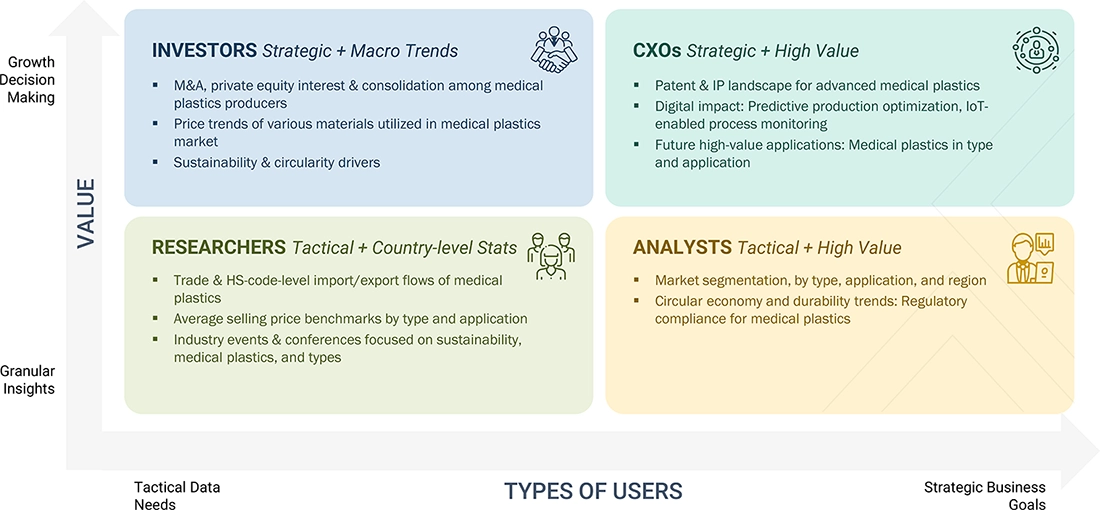
DELIVERED CUSTOMIZATIONS
We have successfully delivered the following deep-dive customizations:
| CLIENT REQUEST | CUSTOMIZATION DELIVERED | VALUE ADDS |
|---|---|---|
| Leading Medical Plastics Supplier |
|
Supported go-to-market strategy and positioning vs. competitors |
| Country-level insights for high-growth regions | Provided detailed market sizing and forecasts for the Asia Pacific and North American markets | Helped the client identify region-specific growth hotspots and investment opportunities |
| Identify emerging waterproofing technologies | Conducted technology scouting and feasibility analysis for self-healing membranes and IoT-enabled monitoring systems | Supported investment decisions and innovation roadmap for clients |
| Evaluate regulatory compliance for new market entry | Compiled local VOC emission, building code, and green certification standards per country | Ensured smooth market entry and minimized legal risks |
RECENT DEVELOPMENTS
- April 2026 : Syensqo introduced a Zeniva PEEK biomaterial solution for Shanghai REACH Medical Instrument's spinal fusion cage incorporating calcium silicate to improve bone integration.
- March 2026 : SABIC introduced next-generation medical thermoplastics, including PFAS-free fluoropolymer alternatives and specialty healthcare materials for drug delivery, diagnostics, and medical plastics.
- November 2025 : BASF expanded local production of Ultradur specialty PBT grades in India, strengthening regional supply of engineering plastics, including grades supporting medical applications.
- September 2025 : Evonik Industries launched a clinical-grade recombinant collagen platform for orthopedic, sports medicine, and medical device applications.
- January 2025 : Arkema expanded the distribution partnership for Arkema's medical-grade polymers across Europe, North Africa, and the Middle East.
Table of Contents
 Exclusive indicates content/data unique to MarketsandMarkets and not available with any competitors.
Methodology
The study involved four major activities to estimate the current size of the global medical plastics market. Exhaustive secondary research was carried out to collect information on the market, the peer product market, and the parent product group market. The next step was to validate these findings, assumptions, and sizes with the industry experts across the value chain of medical plastics through primary research. The top-down and bottom-up approaches were employed to estimate the overall size of the market. After that, market breakdown and data triangulation procedures were used to determine the size of different segments and sub-segments of the market.
Secondary Research
The market for companies offering medical plastics was derived from secondary data available through paid and unpaid sources, by analyzing the product portfolios of the major companies in the ecosystem, and by rating the companies based on their performance and quality. Various secondary sources, such as Business Standard, Bloomberg, World Bank, and Factiva, were referred to for identifying and collecting information for this study on the medical plastics market. In the secondary research process, various secondary sources were referred to for identifying and collecting information related to the study. Secondary sources included annual reports, press releases, and investor presentations of door vendors, forums, certified publications, and whitepapers. The secondary research was used to obtain critical information on the industry’s value chain, the total pool of key players, market classification, and segmentation from the market and technology-oriented perspectives.
Primary Research
In the primary research process, various primary sources from the supply and demand sides were interviewed to obtain qualitative and quantitative information for this report. The primary sources from the supply side included industry experts, such as Chief Executive Officers (CEOs), Vice Presidents (VPs), marketing directors, technology and innovation directors, and related key executives from several key companies and organizations operating in the medical plastics market. After the complete market engineering (calculations for market statistics, market breakdown, market size estimations, market forecasting, and data triangulation), extensive primary research was conducted to gather information and verify and validate the critical numbers arrived at.
Primary research was also conducted to identify the segmentation, industry trends, competitive landscape of medical plastics offered by various market players, and key market dynamics, such as drivers, restraints, opportunities, challenges, trends, and key player strategies. In the complete market engineering process, the top-down and bottom-up approaches and several data triangulation methods were extensively used to perform the market estimation and market forecasting for the overall market segments and subsegments listed in this report. Extensive qualitative and quantitative analysis was performed on the complete market engineering process to list the key information/insights throughout the report.
The following is the breakdown of primary respondents:
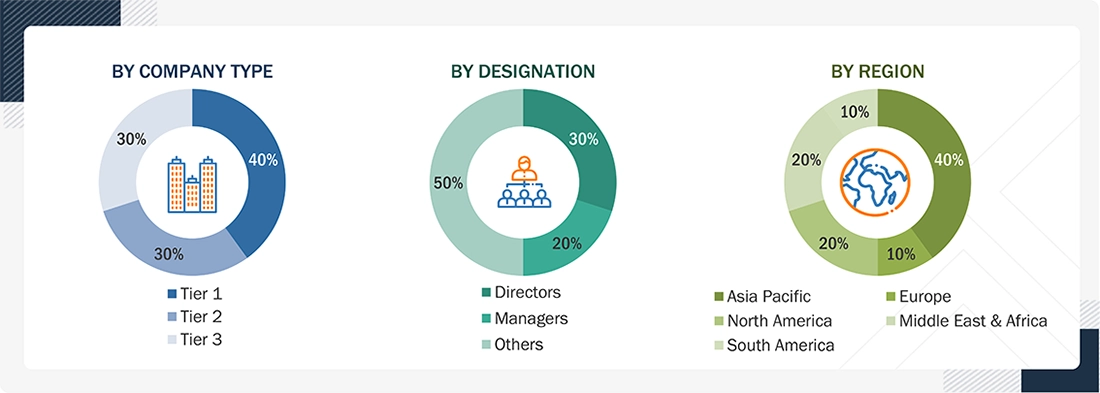
Notes: Other designations include sales, marketing, and product managers.
Tier 1: >USD 1 Billion; Tier 2: USD 500 million–1 Billion; and Tier 3: <USD 500 million.
To know about the assumptions considered for the study, download the pdf brochure
Market Size Estimation
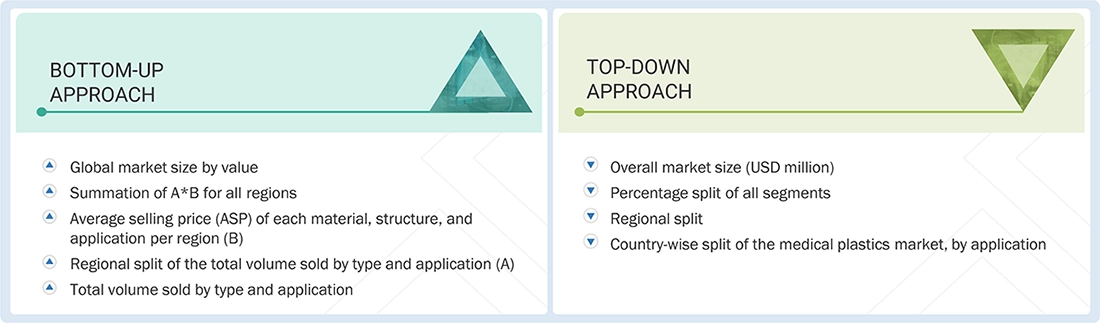
The top-down and bottom-up approaches were used to estimate and validate the size of the global medical plastics market. These approaches were also used extensively to estimate the size of various dependent market segments. The research methodology used to estimate the market size included the following:
Medical Plastics Market : Top-Down and Bottom-Up Approach
Data Triangulation
After arriving at the overall market size using the market size estimation processes, the market was split into several segments and subsegments. The data triangulation and market breakup procedures were employed, wherever applicable, to complete the overall market engineering process and arrive at the exact statistics of each market segment and subsegment. The data was triangulated by studying various factors and trends from the demand and supply sides.
Market Definition
Medical plastics refer to polymer materials that are designed specifically for use in medical and life science applications where certain performance parameters such as procedure compatibility, mechanical properties, sterilization, and compliance with regulations are of utmost importance. These materials are widely used to make medical devices such as medical disposables, medical instruments, implants, and drug delivery systems. Generally used plastics are classified as basic plastics, engineering plastics, high-performance plastics, and silicone plastics, and the appropriate plastic type is chosen on the basis of the functional performance required for a particular application. Medical plastics are manufactured with the use of sophisticated processes that include but are not limited to injection molding, extrusion, blow molding, thermoforming, compression molding, and additive manufacturing.
Key Stakeholders
- Medical plastics manufacturers
- Medical-grade polymer and resin suppliers
- Medical device manufacturers
- Pharmaceutical and biotechnology companies
- Healthcare providers (hospitals, clinics, and ambulatory surgical centers)
- Regulatory bodies and industry associations
- Research institutes and diagnostic laboratories
Report Objectives
- To describe and forecast the size of the global medical plastics market, by type and application, in terms of value and volume
- To forecast the market size of segments and subsegments for five regions: North America, Europe, Asia Pacific, South America, and the Middle East & Africa, in terms of value
- To provide detailed information on the significant drivers, restraints, opportunities, and challenges influencing the market
- To strategically analyze micro-markets concerning individual growth trends, prospects, and their contribution to the market
- To assess the growth opportunities in the market for stakeholders and provide details on the competitive landscape for market leaders
- To strategically profile key players and comprehensively analyze their market shares and core competencies
- To analyze competitive developments such as product launches, acquisitions, expansions, partnerships, and agreements in the market
- To analyze the impact of AI on the market
Available customizations:
With the given market data, MarketsandMarkets offers customizations according to client-specific needs.
The following customization options are available for the medical plastics market report:
Product analysis
-
A product matrix that gives a detailed comparison of the product portfolio of each company
Geographic analysis
-
A further breakdown of the medical plastics market for additional countries
Company information
- Detailed analysis and profiling of additional market players (up to five)


Personalize This Research
- Triangulate with your Own Data
- Get Data as per your Format and Definition
- Gain a Deeper Dive on a Specific Application, Geography, Customer or Competitor
- Any level of Personalization
Let Us Help You
- What are the Known and Unknown Adjacencies Impacting the Medical Plastics Market
- What will your New Revenue Sources be?
- Who will be your Top Customer; what will make them switch?
- Defend your Market Share or Win Competitors
- Get a Scorecard for Target Partners

Custom Market Research Services
We Will Customise The Research For You, In Case The Report Listed Above Does Not Meet With Your Requirements
Get 10% Free CustomisationTESTIMONIALS

We at Nissan Chemicals Corporation have been clients of MarketsandMarkets for more than a year now. We recently consulted MarketsandMarkets for a study, the team at MarketsandMarkets was extremely professional and organized. The business insights were very detailed and aligned well with our expectations that really helped us formulate the Business Plans and device new strategies for development themes. MarketsandMarkets offers a unique combination of expertise and dedicated engagement model. Their research findings have helped us in designing our Pricing Strategy which will make it easier for us to predict the future sales and profits for the next ten years. We look forward to working with MarketsandMarkets in the future.
VP of Strategy & New Business Development
Leading Specialty Chemical Company
The MarketsandMarkets Engagement Model, composed of both the Knowledge Store and advisory custom research, has greatly helped us in understanding our markets and making strategic decisions. The Knowledge Store is a fast way to allow everyone in our organization to understand more about most any market they are interested in. The ability to then get custom research done and get answers to specific strategic questions and market insight has been spectacular. The Markets and Markets team feel more like colleagues than vendors and their services have helped us change our culture where statements of things like growth opportunities and competitive position are always backed by industry research.

Rich Gibson,
Director, Corporate Strategy
Milliken & Company,
Leading Industrial Manufacturer of specialty chemical, floor covering, performance and protective textile materials, and healthcaremilliken.com
MarketsandMarkets is a trusted resource that helps us to better understand markets that are near-adjacencies-whether its technology, value chain or geography. Their Knowledge Store platform provides a dashboard of markets and their characteristics which is easy to use and saves us time.
Adam Shaw,
Market Development and Strategy Manager
AdvanSix Inc. USA,
An American Leader in Chemicalswww.advansix.com
The Knowledge Store from MarketsandMarkets is a valuable tool which has helped my team acquire greater insight in to the end markets that our business serves. This has enabled us to help our company build stronger strategies throughout our planning process.
TOSHIO KINOSHITA
Senior Chif Consultion Research & Consulting Division
Mitsubishi Chemical Research Corporation,
Leading Manufacturer of Chemical Productswww.mitsubishichem-res.co.jp/en/

We recently engaged with MarketsandMarkets for a study, the team not only clearly understood our business objectives but was also extremely professional in the way they handled the entire project. The study was efficiently conducted in a phase-wise manner, and the engagement model furnished us with high-quality business insights that far exceeded our expectations at each phase. We were especially happy that MarketsandMarkets could provide us with both, an English as well as a Japanese version of the study. A special thanks to the Analyst Team and Client Services Team, whose fluency in Japanese enhanced our comfort level, as we could converse with them in our preferred language.
Independent entrepreneurs
Arrow Precision
We approached MarketsandMarkets for study on Proppants Market, and their work exceeded our expectations. The study conducted was comprehensive and enabled us to view the market through the various dimensions. In addition, the team was extraordinarily responsive throughout the process and resolved our queries on time. I strongly recommend MarketsandMarkets and will certainly consider them for additional market assessments we will need in the future.
Global engineering company, Japan
Deputy Manager,
Strategic Planning OfficeThe high-quality insights shared by the MarketsandMarkets team helped us understand the pharmaceutical plant designers in a specific geography. It also captured the risks that we may likely face in communicating with our potential partners. The study would enable us identify partners, which would impact our future growth.
- US Medical Plastics Market
- Canada Medical Plastics Market
- Mexico Medical Plastics Market
- Germany Medical Plastics Market
- France Medical Plastics Market
- Spain Medical Plastics Market
- UK Medical Plastics Market
- Italy Medical Plastics Market
- China Medical Plastics Market
- Japan Medical Plastics Market
- India Medical Plastics Market
- South Korea Medical Plastics Market
- South Africa Medical Plastics Market
- Brazil Medical Plastics Market
- Argentina Medical Plastics Market
- Rest Of Europe Medical Plastics Market
- Rest Of Asia Pacific Medical Plastics Market
- GCC Medical Plastics Market
- -Rest Of GCC Medical Plastics Market
- Rest Of South America Medical Plastics Market
Growth opportunities and latent adjacency in Medical Plastics Market






Bill
Jun, 2016
Medical Equipment market and investment opportunities in adjacent market.
Carlos
May, 2017
looking for medical plastics developed from Poli isobutylene.
soontana
May, 2017
Information on the Medical plastic market.
James
Apr, 2018
Information on plastic disposable market in medical application.