Silicone Fluids Market

Silicone Fluids Market by Type (Straight, Modified), End-Use Industry (Personal Care & Beauty, Textiles, Automotive & Transportation, Industrial, Building & Construction), Region - Global Forecast to 2032




OVERVIEW
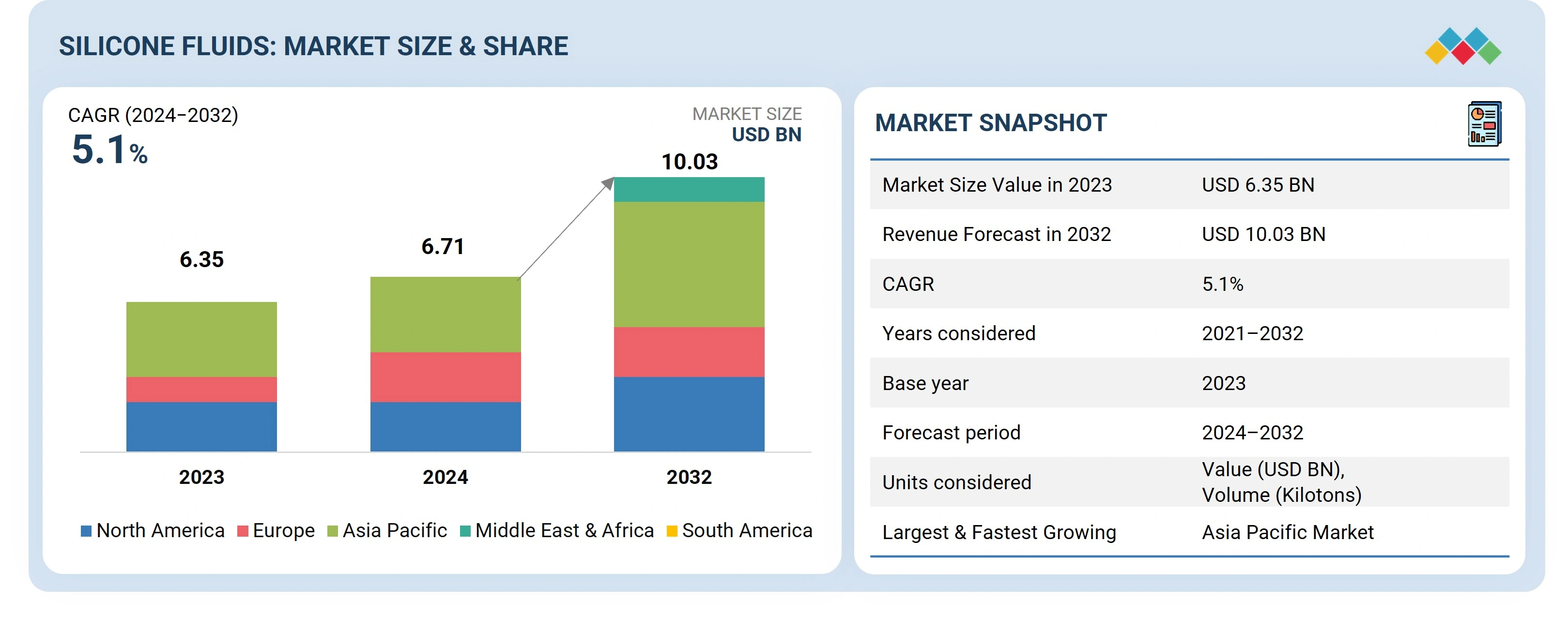
Source: Secondary Research, Interviews with Experts, MarketsandMarkets Analysis
The silicone fluids market is projected to see consistent development from the years 2024 to 2032, with a predicted CAGR of 5.1%. The main stimulus for market growth is rising demand for high-performance fluids in a variety of industries, including but not limited to automotive, personal care & beauty, textiles, and others. More industries are choosing silicone fluids due to their physical advantages, such as resistance to temperature, lubrication, and hydrophobicity (water-repelling ability). A growing tendency toward sustainability is facilitating the emergence of bio-based and environmentally friendly silicone fluids that will enrich market growth. More specifically, electric vehicles (EVs) and applications across the field of renewable energy are also causing increased demand for silicone fluids in very specialized areas. Since industries often look to advanced solutions to drive product durability and efficiency, the silicone fluids market will have its own growth because of fluid formulation and application technologies. The rise in the acceptance of silicone fluids in personal care products, including cosmetics and skincare products, is also a significant driver, as consumers leverage silicon fluids for their claims to produce smoother textures and long-lasting effects, respectively. In the automotive sector, silicone fluids are used for an enhancement of lubrication, thermal stability, and moisture resistance, making silicone fluids a necessity in contemporary manufacturing methods.
KEY TAKEAWAYS
-
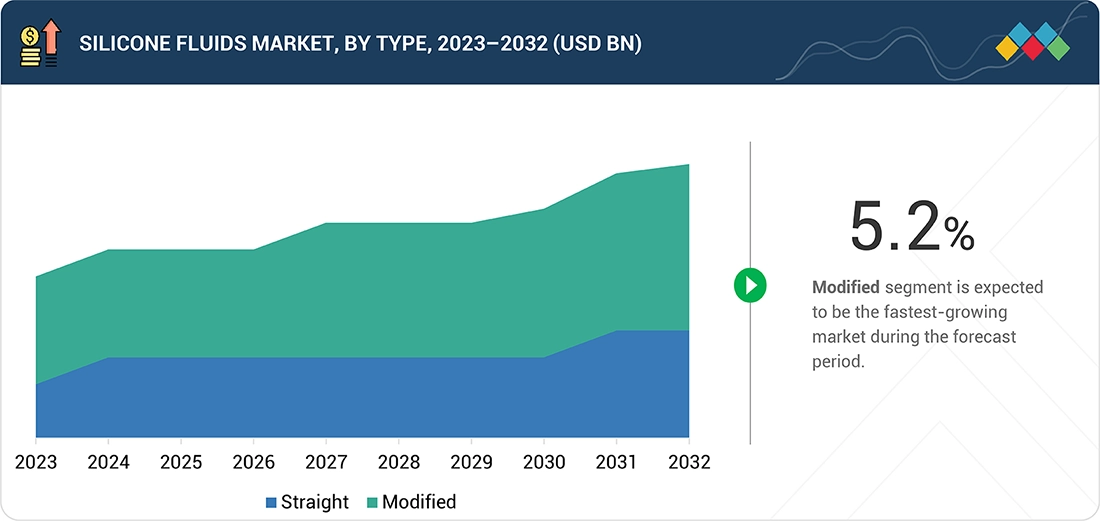
BY TYPEThe silicone fluids market by type includes modified and straight. The straight type segment holds the largest share in the silicone fluids market, due to its superior performance as compared to the conventional types, and excellent versatility. They are chemically modified or mixed with other materials to provide specialized properties to meet the specific needs of different industries, including automotive, personal care, textiles, and others.
-
BY END-USE INDUSTRYThe silicone fluids market by end-use industry includes textiles, automotive & transportation, building & construction, personal care & beauty, industrial, and other end-use industries. The personal care & beauty segment held the largest market share in the silicone fluids market due to its lightweight, non-greasy, silky, smooth texture, which enhances the sensory benefits of personal care products, like lotions, creams, hair conditioners, and makeup.
-
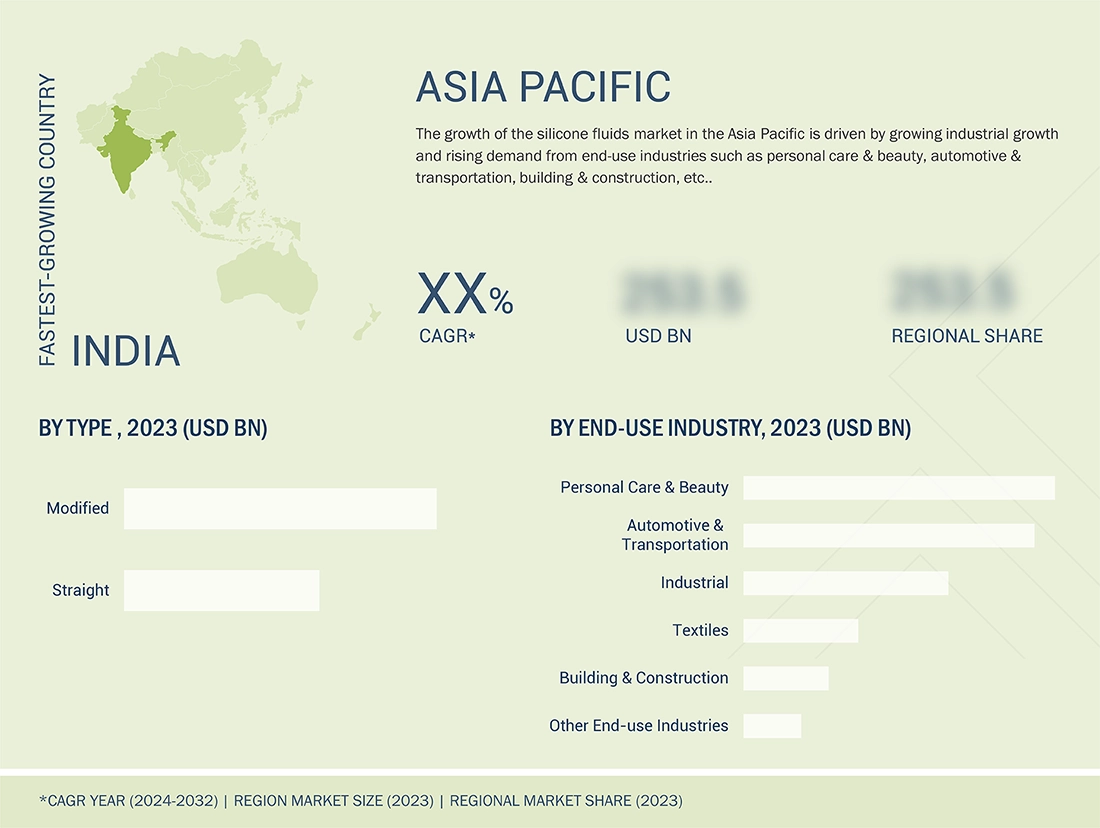
BY REGIONThe Asia Pacific is expected to grow fastest, with a CAGR of 6.8%, driven by growing urbanization, rising demand from end-use industries such as automotive & transportation, personal care & beauty, textiles, industrial, building & construction, and others.
-
COMPETITIVE LANDSCAPEDow (US), Wacker Chemie AG (Germany), Elkem ASA (Norway), KCC Corporation (South Korea), and Shin-Etsu Chemical Co., Ltd. (Japan) are leading companies of the silicone fluids market. These companies are pursuing both organic and inorganic growth strategies, such as product launches, acquisitions, and expansions, to increase their market presence.
The intumescent coating market will continue to increase at a high rate in the world market due to the high demand of the same in sectors where activities are growing very fast like construction, oil and gas, energy, transport and aerospace. Following the large-scale use of high-rise buildings, advanced infrastructure, and industrial structures, which utilize structural steel as construction material, there has been a massive demand of passive fire protection, which cannot be compromised. One of the solutions is the use of intumescent coating which has safety and aesthetic benefits. The thick-film finishes in energy-intensive industries are important because they can be used to protect equipment and pipelines in harsh environment, whereas the thin-film finishes are becoming increasingly popular in the architectural industries due to their capability of providing finishes with less fire resistance but smooth finish. The stricter building codes, insurance incentive and stricter regulations requiring greater fire safety standards further support the market. Asia Pacific is the most growth proponent due to urbanization, industrialization and government-sponsored infrastructure development. With the increased levels of sustainability pressure, manufacturers are directing investment towards environmentally friendly low-VOC formulations and water-based technologies. These advances make intumescent coatings necessary facilitators of safer and more sustainable infrastructure and essential assets of future industries
TRENDS & DISRUPTIONS IMPACTING CUSTOMERS' CUSTOMERS
The impact on consumers’ business emerges from customer trends or disruptions. Evolving revenue dynamics in the silicone fluids market, where future growth is expected to be driven by new applications, innovative ecosystems, and emerging end-use industries such as automotive, personal care, and construction. It highlights how client imperatives like sustainability, regulatory compliance, and product innovation are reshaping demand, leading to outcomes such as enhanced product durability, cost efficiency, and reduced environmental impact.
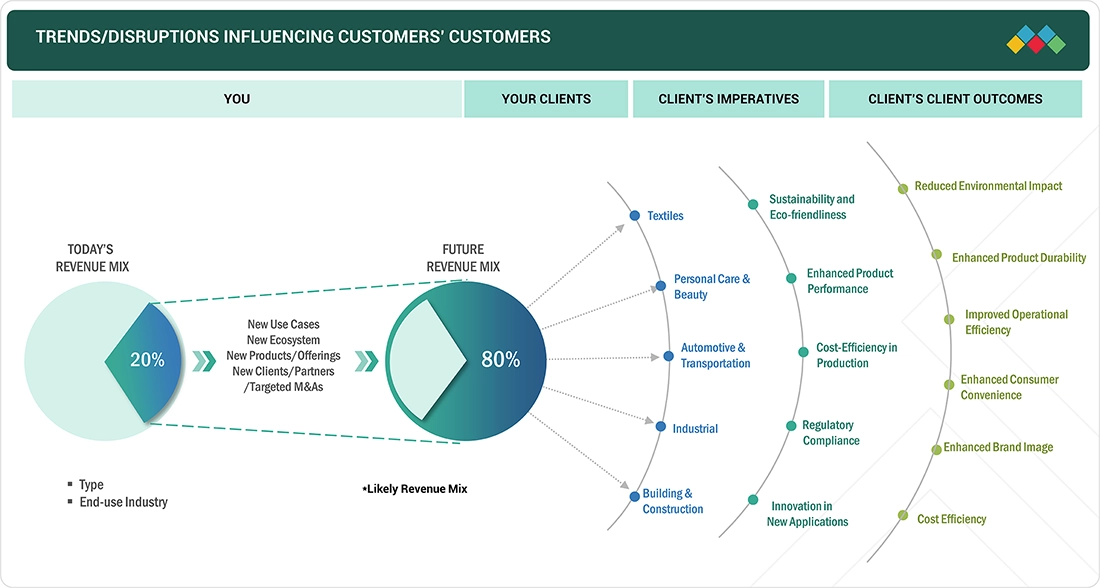
Source: Secondary Research, Interviews with Experts, MarketsandMarkets Analysis
MARKET DYNAMICS

Level
-
§Growth of automotive sector

-
§High demand for silicone fluids in personal care & beauty industry


Level
-
§Stringent regulatory policies for silicone fluids

-
§Higher production cost of silicone fluids


Level
-
§High potential in healthcare applications

-
§Increasing competition for silicone fluids


Level
-
§Fluctuating raw material prices

Source: Secondary Research, Interviews with Experts, MarketsandMarkets Analysis
Driver: Growth of automotive sector
The growing automotive industry drives the demand for silicone fluids for numerous automotive uses owing to their excellent thermal stability, lubrication, water repellency, and dielectric properties. Silicone fluids are critical in automotive vehicles, where systems are exposed to high levels of temperatures, as they assist with the operation of engine components, braking systems, and the fluid in transmissions. Silicone fluids are functionally stable in both high and low temperatures, lending them well to harsh operational environments, improving vehicle operation reliability and performance of the vehicle. The automotive industry continues pushing toward more efficient, lighter, and durable systems, which means there is increasing demand for specialized high-performance materials in a range of vehicles. Silicone fluids are used as lubricants, polishes, sealants, and in shock-absorbing fluids which improve both mechanical performance and vehicle aesthetics, as well as the in-vehicle experience for comfort. The quickly developing market for electric vehicles (EVs) has rapidly increased the demand for thermally stable and electrically insulating fluids where silicone fluids will continue to have a strong role to play in automotive design. The global push to reduce emissions and improve fuel efficiency is increasing adoption of silicone-based solutions that enhance efficiency and contribute to optimization. As automotive manufacturing increases in developing economies and mobility technologies in the auto industry continue to create categories of innovation, the automotive sector will remain a key driver of silicone fluids in the future.
Restraint: Stringent regulatory policies for silicone fluids
Strict regulations surrounding the manufacture, use, disposal, and environmental impact of silicone fluids represent a major constraint on the market, with regulatory bodies around the world--REACH (Registration, Evaluation, Authorisation and Restriction of Chemicals) in Europe, and EPA (Environmental Protection Agency) in the United States for example--developing stringent guidelines based on environmental impacts and toxicity ratings of silicone-based products. Volatile methylsiloxanes (VMS) such as D4 and D5, which are often used in personal care and commercial applications, have been called into question based on documented bioaccumulation, as well as their persistent nature in the environment. To comply with new regulations, manufacturers must undergo a costly, time-consuming process of reformulation, testing, and certification, which can raise the cost of production and delay market entry for products. Furthermore, some applications for silicones may be restricted, or specific silicones may be banned in certain geographic areas, causing reduced demand for common formulations in key markets. All of these regulatory risks pose operational barriers for manufacturers and uncertainty in the supply chain, causing risks in the product margins, costs, and delaying capacity to enter into new markets.
Opportunity: Development of bio-based silicone fluids
The evolution of bio-based silicone fluids offers a tremendous opportunity for the silicone fluids market, as consumers and brands shift toward sustainability and the use of more environmentally sound materials. Traditional silicone fluids have enjoyed wide-ranging uses based mainly on their effectiveness, but they are finding themselves increasingly constrained by regulatory pressures and consumer concerns about their non-biodegradable nature and potential for bioaccumulation. Manufacturers are investing in research and innovation to produce silicone alternatives that are bio-based but exhibit the thermal stability, lubricity, and water repellency of traditional silicones with an improved environmental picture. Their inclusion allows brands to launch eco-labeled and clean-label products without sacrificing performance. Governments and regulatory bodies worldwide are facilitating the development and use of sustainable chemicals through financial incentives and funding, which is the latest boost to the innovation of the industry. The demand for sustainable, yet high-performing materials will certainly expand as awareness of climate change and its impact matures.
Challenge: Fluctuating raw material prices
The silicone fluids sector faces considerable challenges with fluctuating raw material costs, as the price of critical ingredients that must be purchased from a limited base of suppliers can vary significantly depending on market conditions. If the raw materials do not become available, because of supply chain constraints or geopolitical problems, this can create price volatility for the manufacturers of silicone fluids. The price of silicon metal has been known to fluctuate, and this will have a direct impact on the costs of silicone-based products, as silicon metal is a key building block of silicone fluids. Simply put, if the price of raw materials rises, the manufacturers must either absorb the increased cost, which negatively affects their profit margin, or pass the increased price to their customers, which will affect the competitiveness of silicone-based products, particularly in markets where price is important. In addition, the uncertainty surrounding raw material prices complicates the manufacturers' long-term pricing strategy, resulting in uncertainty surrounding pricing of new products, managing inventory, and forecasting market demand.
Silicone Fluids Market: COMMERCIAL USE CASES ACROSS INDUSTRIES
| COMPANY | USE CASE DESCRIPTION | BENEFITS |
|---|---|---|
 |
Silicone release coatings are crucial for ensuring that adhesive products such as stickers, labels, and tapes can be easily peeled off. Traditionally, these coatings rely on platinum-based curing catalysts. However, the high cost and limited availability of platinum present significant challenges. This situation has led to a growing need to reduce the use of platinum in the curing process | Shin-Etsu Chemical Co., Ltd. developed the “Reduced-Platinum Reaction Curing System Technology,” incorporating a highly reactive silicone composition. This innovation enables effective curing with approximately half the platinum required in conventional methods. The company has initiated productization by integrating this technology into their silicone release coatings, with sample shipments already receiving positive customer feedback. |
|
|
In response to the European Union's REACH regulations, which proposed reducing the concentration of specific siloxanes in certain silicone products to less than 0.1%, Shin-Etsu Chemical Co., Ltd. recognized the need to adapt its silicone emulsions. Although these siloxanes were not identified as harmful to human health or the environment, compliance with evolving regulations and addressing customer concerns became imperative. | Leveraging advanced purification technologies, Shin-Etsu developed new silicone emulsion products with significantly reduced concentrations of the specified siloxanes, aligning with REACH regulatory trends. These emulsions meet the stringent regulatory requirements and offer enhanced stability compared to previous formulations. Silicone emulsions, which facilitate the mixing of silicone with water and other materials using emulsifying agents, are widely used in applications such as release agents, lubricants, and gloss enhancers. |
 |
A manufacturing company using silicone oil as a lubricant and heat transfer agent in its industrial equipment faced operational challenges due to contamination. The presence of particulate matter and water in the silicone oil led to equipment wear, reduced efficiency, and increased maintenance costs. The company needed an effective solution to purify the silicone oil, ensuring the longevity and optimal performance of their machinery. | The company implemented a regular filtration schedule to address the contamination issue using depth filtration with filter cartridges. This method involves passing the silicone oil through filter cartridges made of paper, fiberglass, or nylon, which trap impurities as the oil flows through. The company effectively removed particulate matter and water from the oil by selecting appropriate cartridge materials based on the size and type of contaminants. Regular replacement of these filters ensured consistent purification and maintained oil quality. |
Logos and trademarks shown above are the property of their respective owners. Their use here is for informational and illustrative purposes only.
MARKET ECOSYSTEM
The silicone fluids market is supported by its strong value chain structure that allows it to source raw materials, schedule production, and sell to various end-use markets, which include personal care & beauty, textiles, automotive & transportation, industrial, and building & construction. The most important quality of silicone fluids is their multifunctional performance attributes, including thermal stability, water repellence, lubricity, and dielectrics, which have made silicone fluids essential for many high-performance applications. Manufacturers are continually introducing product innovations to address changes in customer requirements, offering green, high-purity, or specialized grades of silicone fluids for enhanced performance and compliance with environmental regulations. Both technological innovation and product sustainability initiatives continue to drive silicone fluids into a wider range of market applications as demand for silicone solutions increases and new uses of silicone fluids emerge.
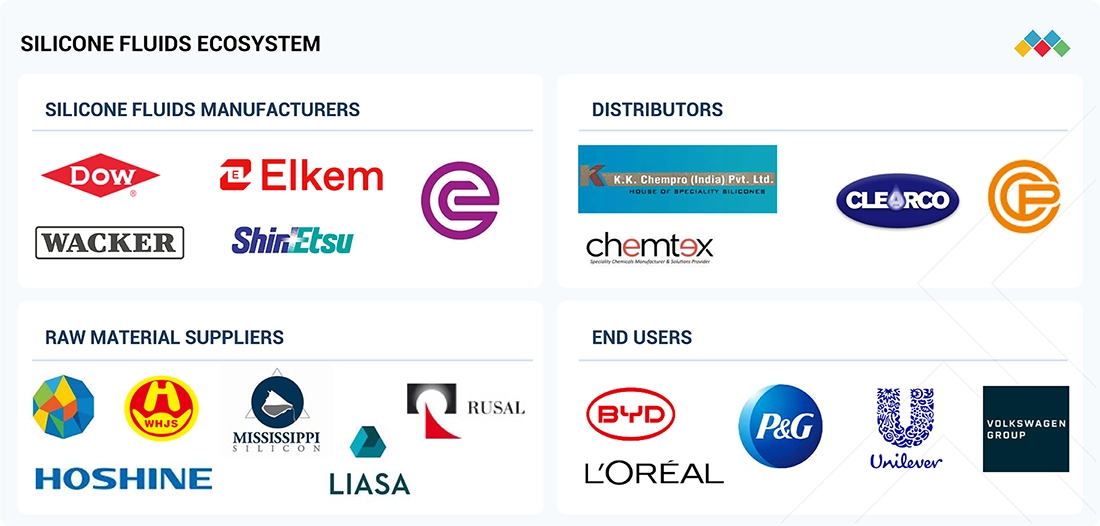
Logos and trademarks shown above are the property of their respective owners. Their use here is for informational and illustrative purposes only.
MARKET SEGMENTS
Source: Secondary Research, Interviews with Experts, MarketsandMarkets Analysis
Silicone Fluids Market, By Type
In 2023, modified silicone fluids hold the larger portion of the silicone fluids market, it is due to that these fluids are more versatile and perform better than conventional silicone fluids. They are chemically modified or mixed with other materials to provide specialized properties to meet the specific needs of different industries, including automotive, electronics, personal care, and textiles. They maintain better thermal stability, have increased hydrophobicity, have better lubrication, and are more compatible with other materials in demanding applications. In personal care products, modified silicone fluids provide a smooth, silky feel and improve spreadability, which enhances user experience. In automotive and industrial applications, the lubricating and anti-wear properties of modified silicone fluids enhance machinery performance and prolong equipment durability. Modified silicone fluids are also naturally sourced and deliver high performance which contributes to the demand as a viable replacement for traditional fluids containing negative environmental properties. Continued innovative development of new chemical modification techniques allows for additional innovations to develop new products and will keep the modified silicone fluid market current and dynamic. In summary, modified silicone fluids offer a combination of mult-functional benefits that meet both current and future industrial demands, and will continue to represent a rapidly expanding segment of the overall silicone fluids market globally.
Silicone Fluids Market, By End-Use Industry
The personal care and beauty segment holds the largest share in the silicone fluids market in 2023. It is attributed to some unique advantages that silicone fluids offer in cosmetic and skincare formulations. Silicone fluids provide a lightweight, non-greasy, silky, smooth texture which enhances the sensory benefits of personal care products, like lotions, creams, hair conditioners and makeup. Silicone fluids' ability to form spreadable yet breathable, water resistant films on skin and hair makes them appealing to consumers wanting improved performance of their products. Furthermore, silicone fluids provide long-lasting benefits, like moisture retention, shine and softness, which consumers are looking for in beauty. The growing consumer preference for premium quality personal care products, along with increasing awareness of skin health and grooming, has generated interest and demand for silicone-based formulations. The versatility of silicone fluids allow formulators to create an extensive range of products that accommodate different skin and hair types, which has led to an increase in adoption in the market segment. As well, growing trends in anti-aging, sun protection and natural beauty products have led to further uses of silicone fluids, as they are compatible with active ingredients and stable in a multitude of formulations.
REGION
Asia Pacific's urban growth and growing end-use industries in the region propel the demand for silicone fluids
The largest share of the silicone fluids market is held by the Asia-Pacific (APAC) region in 2023, which is being driven by swift industrialization, increasing manufacturing capabilities, and growing demand in key industries such as automotive, personal care, electronics, and construction. The countries contributing the most to this growth include China, Japan, South Korea, and India. China is the leader in this market due to its dominant position in the production and consumption of silicone fluids. The region's solid manufacturing base, particularly in the electronics and automotive industries, increases the fluid demand due to their excellent performance in lubrication, heat resistance, and moisture resistance. In addition to this, the growing middle class population in the region, has also driven growth in the personal care and beauty industry, which uses silicone fluids extensively in personal care products like skincare, haircare, and cosmetics due to their smooth texture and lasting effects. The demand for bio-based and eco-friendly silicone fluids has increased in the APAC region with a heightened focus on sustainability. As government regulations in various APAC countries continue to shift, their respective manufacturers are increasingly adopting sustainable options to meet compliance.
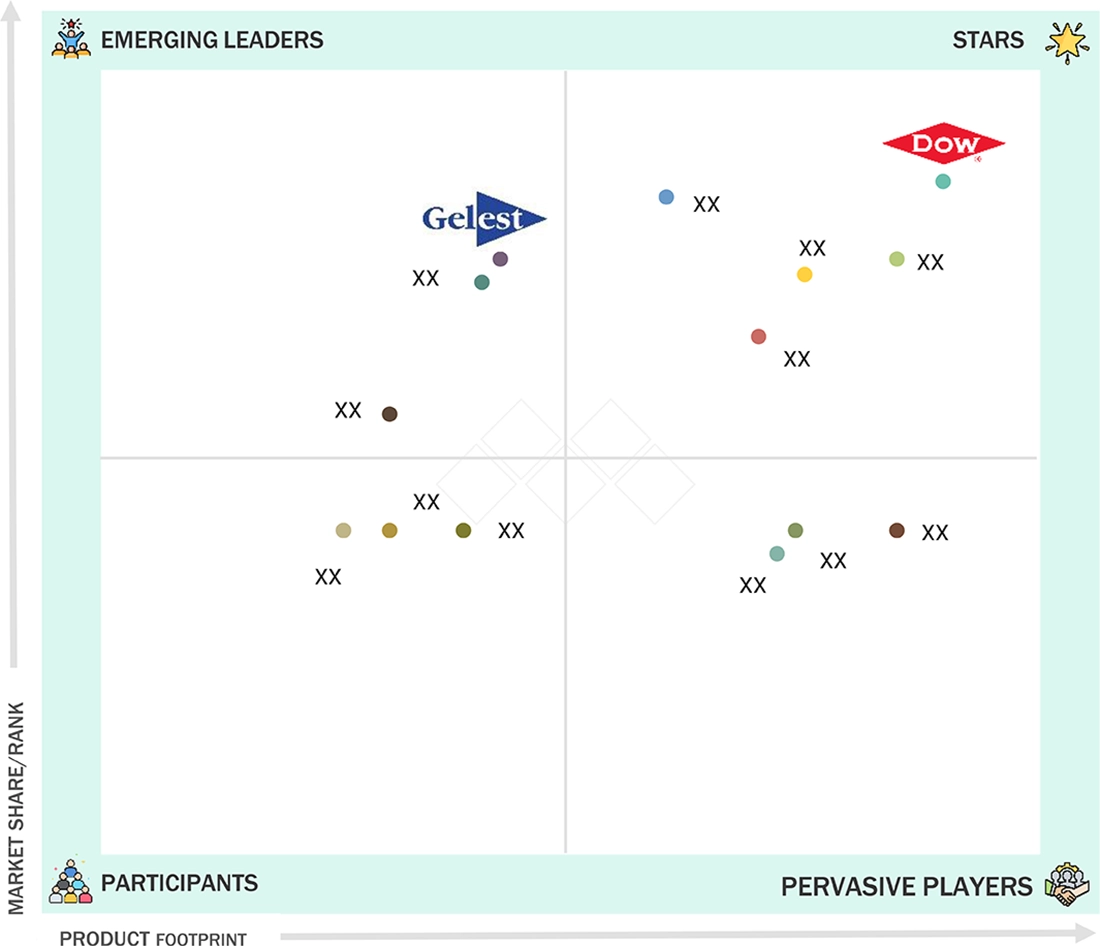
Silicone Fluids Market: COMPANY EVALUATION MATRIX
Dow dominates the silicone fluids market as a star player with its extensive product portfolio, strong global presence, and decades of expertise in advanced material science. The company leads the industry through continuous innovation in high-performance silicone fluids catering to diverse sectors such as personal care, automotive, construction, and others. Its focus on sustainability, customer collaboration, and technological excellence enables Dow to deliver tailored solutions that enhance product performance, durability, and efficiency. On the other hand, Gelest has emerged as a promising player with its specialized capabilities in custom silane and silicone chemistry, backed by robust R&D and agile manufacturing. The company’s focus on niche applications, collaborative partnerships, and environmentally responsible formulations is helping it gain a competitive edge and strengthen its position in the evolving silicone fluids market.
Source: Secondary Research, Interviews with Experts, MarketsandMarkets Analysis
KEY MARKET PLAYERS
MARKET SCOPE
| REPORT METRIC | DETAILS |
|---|---|
| Market Size in 2023 (Value) | USD 6.35 Billion |
| Market Forecast in 2032 (Value) | USD 10.03 Billion |
| Growth Rate | CAGR of 5.1% from 2024-2032 |
| Years Considered | 2021-2032 |
| Base Year | 2023 |
| Forecast Period | 2024-2032 |
| Units Considered | Value (USD Billion), Volume (Kiloton) |
| Report Coverage | Revenue forecast, company ranking, competitive landscape, growth factors, and trends. |
| Segments Covered | By Type: Straight, Modified By End-Use Industry: Personal care & Beauty, Textiles, Industrial, Automotive & Transportation, Building & Construction, and others. |
| Regions Covered | North America, Asia Pacific, Europe, South America, the Middle East & Africa |
WHAT IS IN IT FOR YOU: Silicone Fluids Market REPORT CONTENT GUIDE
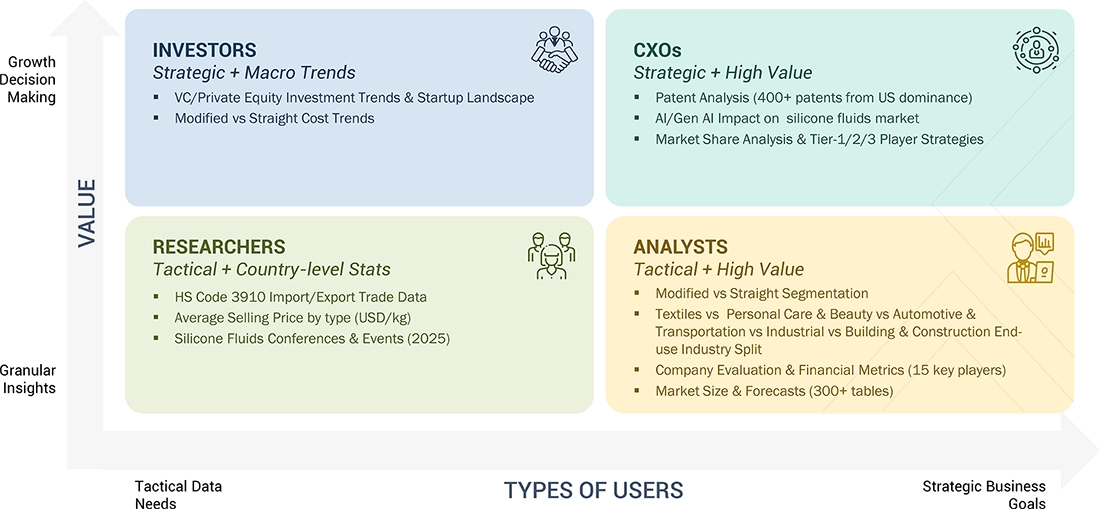
DELIVERED CUSTOMIZATIONS
We have successfully delivered the following deep-dive customizations:
| CLIENT REQUEST | CUSTOMIZATION DELIVERED | VALUE ADDS |
|---|---|---|
| Silicone Fluids | •Qualitative data related to regulations for D4, D5, and D6 silicones. • Insights on the alternatives for silicone fluids such as Linear Polydimethylsiloxane (PDMS), Hybrid Silicone Fluids, Bio-Based Silicone Fluids. | • Identified the consumption pattern related to D4, D5, D6 silicones in NA, Europe, APAC region. • Identified the usages of above mentioned silicones in multiple end-use industries such as personal care & beauty, building & construction, etc. |
RECENT DEVELOPMENTS
- January 2025 : KCC Silicone Corporation (a subsidiary of KCC Corporation) has launched a new product, i.e., SeraSense AG 21 (a silicone fluid)
- January 2025 : KCC Silicone Corporation (a subsidiary of KCC Corporation) has completed the merger with Momentive Performance Materials Korea, a globally renowned silicone manufacturer.
- December 2024 : KCC Silicone Corporation (a subsidiary of KCC Corporation) entered into a strategic collaboration in the field of cosmetic raw material research and development with Kolmar Wuxi, a Chinese subsidiary of Korea Kolmar
- June 2024 : Shin-Etsu Chemical Co., Ltd. has announced a price increment of more than 10% for all the silicone-based products in Japan, and globally
- May 2024 : Shin-Etsu Chemical Co., Ltd. has decided to establish a new company, Shin-Etsu Silicone (Pinghu) Co., Ltd., in Zhejiang Province, China, and construct a new silicone products plant to expand its silicone business
Table of Contents
 Exclusive indicates content/data unique to MarketsandMarkets and not available with any competitors.
Methodology
The study involved major activities for estimating the current size of the global silicone fluids market. Exhaustive secondary research was carried out to collect information on the market, the peer product market, and the parent product group market. The next step was to validate these findings, assumptions, and sizes with the industry experts across the value chain of silicone fluids through primary research. Both the top-down and bottom-up approaches were employed to estimate the overall size of the silicone fluids market. After that, market breakdown and data triangulation procedures were used to determine the size of different segments and sub-segments of the market.
Secondary Research
The market for the companies offering silicone fluids is arrived at by secondary data available through paid and unpaid sources, analyzing the product portfolios of the major companies in the ecosystem, and rating the companies by their performance and quality. Various secondary sources such as Business Standard, Bloomberg, World Bank, and Factiva were referred to, to identify and collect information for this study on the silicone fluids market. The secondary sources include annual reports, press releases, investor presentations of companies, white papers, journals, certified publications, and articles from recognized authors, directories, and databases. In the secondary research process, various secondary sources were referred to for identifying and collecting information related to the study. Secondary sources included annual reports, press releases, and investor presentations of silicone fluids vendors, forums, certified publications, and whitepapers. The secondary research was used to obtain critical information on the industry’s value chain, the total pool of key players, market classification, and segmentation from the market and technology-oriented perspectives.
Primary Research
In the primary research process, various primary sources from both the supply and demand sides were interviewed to obtain qualitative and quantitative information for this report. The primary sources from the supply side included industry experts, such as C-Level Executives, Directors, and related key executives from various key companies and organizations operating in the silicone fluids market. After the complete market engineering (calculations for market statistics, market breakdown, market size estimations, market forecasting, and data triangulation), extensive primary research was conducted to gather information and verify and validate the critical numbers arrived at. Primary research was also conducted to identify the segmentation types, industry trends, competitive landscape of silicone fluids offered by various market players, and key market dynamics, such as drivers, restraints, opportunities, challenges, industry trends, and key player strategies. In the complete market engineering process, the top-down and bottom-up approaches were extensively used, along with several data triangulation methods, to perform the market estimation and market forecasting for the overall market segments and subsegments listed in this report. Extensive qualitative and quantitative analysis was performed on the complete market engineering process to list the key information/insights throughout the report.
Following is the breakdown of primary respondents—
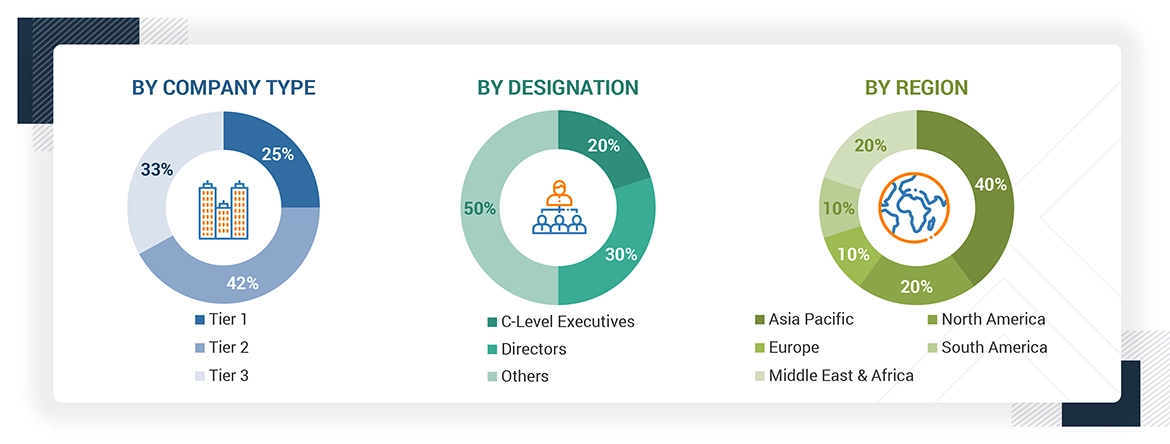
Notes: Others include sales, marketing, and product managers.
Tier 1: >USD 1 Billion; Tier 2: USD 500 million–1 Billion; and Tier 3: < USD 500 million.
To know about the assumptions considered for the study, download the pdf brochure
Market Size Estimation
Both the top-down and bottom-up approaches were used to estimate and validate the global size of the silicone fluids market. These approaches were also used extensively to estimate the size of various dependent segments of the market. The research methodology used to estimate the market size included the following:
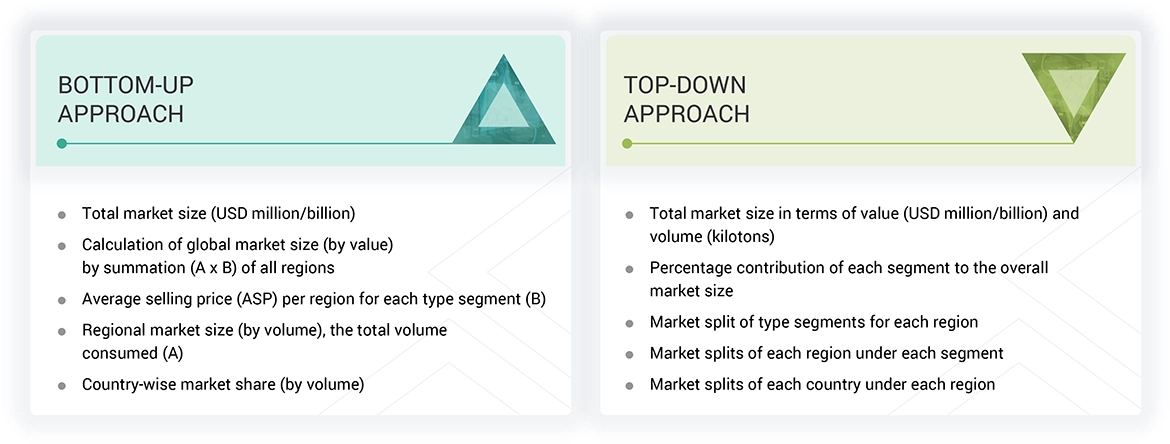
Data Triangulation
After arriving at the overall market size using the market size estimation processes explained above, the market was split into several segments and subsegments. The data triangulation and market breakup procedures were employed, wherever applicable, to complete the overall market engineering process and arrive at the exact statistics of each market segment and subsegment. The data was triangulated by studying various factors and trends from both the demand and supply sides.
Market Definition
Silicone fluids are a class of synthetic high performance polymers made from siloxane chains that manifests excellent thermal stability, lubricity and water repellency characteristics. These fluids exist in a range of viscosities and find applications in multiple industries owing to their uniquely beneficial chemical and physical properties. The primary classes of silicone fluids include dimethyl silicone fluids which are the most widely used providing good lubricity and heat resistance; phenyl modified silicone fluids, which have thermal and oxidative stability properties requisite for high-temperature operations; methyl hydrogen silicone fluids that come with water-repellent properties and crosslinking ability in coatings and textiles; and fluorosilicone fluids which have chemical and solvent resistance properties suited in extreme industrial environments. Major silicone fluid properties include high-temperature stability, low surface tension, water and moisture resistance, electrical insulation properties, oxidation resistance, and UV resistance. Such properties render them highly useful in personal and skin care and hair care applications, where their presence improves the spreadability and endurance of formulated creams; in automotive lubricants and coatings, where they reduce friction and provide sustained protection; construction products like sealants and adhesives, which enhance waterproofing and durability; electronics and semiconductors, where silicone fluids are used for dielectric and heat dissipation; medical devices and pharmaceuticals, where they provide lubricant and bio-compatible coatings; and general industrial manufacturing, where they are available as anti-foaming agents, release agents and hydraulic fluids. On a worldwide basis, the demand for silicone fluids is significantly on the upswing owing to fast-paced industrialization, improved technology, and starting traction for high-performance materials all over the industries. The Asia-Pacific region leads the silicone fluids market, followed by North America and Europe, because of growing end-use industries and innovation in silicone chemistry. With sustainability initiatives and several product developments, the silicone fluids market is expected to keep growing.
Stakeholders
- Silicone Fluids Manufacturers
- Raw Material Suppliers
- Service Providers
- Distributors and Retailers
- Research & Development Entities
- Industry Associations and Regulatory Bodies
- End Users
Report Objectives
- To estimate and forecast the silicone fluids market, in terms of value and volume
- To provide detailed information about the major factors (drivers, restraints, opportunities, and challenges) influencing the market growth
- To define, describe, and forecast the market type, end-use industry, and region
- To forecast the market size along with segments and submarkets, in key regions: North America, Europe, Asia Pacific (APAC), Middle East & Africa (MEA), and South America along with their key countries
- To strategically analyze micro markets, for individual growth trends, prospects, and their contribution to the total market
- To analyze growth opportunities in the market for stakeholders and provide details on the competitive landscape for market leaders
- To strategically profile key players and comprehensively analyze their market shares and core competencies
- To analyze competitive developments, such as acquisition, agreements, and expansions in the silicone fluids market
Key Questions Addressed by the Report


Personalize This Research
- Triangulate with your Own Data
- Get Data as per your Format and Definition
- Gain a Deeper Dive on a Specific Application, Geography, Customer or Competitor
- Any level of Personalization
Let Us Help You
- What are the Known and Unknown Adjacencies Impacting the Silicone Fluids Market
- What will your New Revenue Sources be?
- Who will be your Top Customer; what will make them switch?
- Defend your Market Share or Win Competitors
- Get a Scorecard for Target Partners

Custom Market Research Services
We Will Customise The Research For You, In Case The Report Listed Above Does Not Meet With Your Requirements
Get 10% Free CustomisationTESTIMONIALS
We at Nissan Chemicals Corporation have been clients of MarketsandMarkets for more than a year now. We recently consulted MarketsandMarkets for a study, the team at MarketsandMarkets was extremely professional and organized. The business insights were very detailed and aligned well with our expectations that really helped us formulate the Business Plans and device new strategies for development themes. MarketsandMarkets offers a unique combination of expertise and dedicated engagement model. Their research findings have helped us in designing our Pricing Strategy which will make it easier for us to predict the future sales and profits for the next ten years. We look forward to working with MarketsandMarkets in the future.
VP of Strategy & New Business Development
Leading Specialty Chemical Company
The MarketsandMarkets Engagement Model, composed of both the Knowledge Store and advisory custom research, has greatly helped us in understanding our markets and making strategic decisions. The Knowledge Store is a fast way to allow everyone in our organization to understand more about most any market they are interested in. The ability to then get custom research done and get answers to specific strategic questions and market insight has been spectacular. The Markets and Markets team feel more like colleagues than vendors and their services have helped us change our culture where statements of things like growth opportunities and competitive position are always backed by industry research.

Rich Gibson,
Director, Corporate Strategy
Milliken & Company,
Leading Industrial Manufacturer of specialty chemical, floor covering, performance and protective textile materials, and healthcaremilliken.com
MarketsandMarkets is a trusted resource that helps us to better understand markets that are near-adjacencies-whether its technology, value chain or geography. Their Knowledge Store platform provides a dashboard of markets and their characteristics which is easy to use and saves us time.
Adam Shaw,
Market Development and Strategy Manager
AdvanSix Inc. USA,
An American Leader in Chemicalswww.advansix.com
The Knowledge Store from MarketsandMarkets is a valuable tool which has helped my team acquire greater insight in to the end markets that our business serves. This has enabled us to help our company build stronger strategies throughout our planning process.
TOSHIO KINOSHITA
Senior Chif Consultion Research & Consulting Division
Mitsubishi Chemical Research Corporation,
Leading Manufacturer of Chemical Productswww.mitsubishichem-res.co.jp/en/

We recently engaged with MarketsandMarkets for a study, the team not only clearly understood our business objectives but was also extremely professional in the way they handled the entire project. The study was efficiently conducted in a phase-wise manner, and the engagement model furnished us with high-quality business insights that far exceeded our expectations at each phase. We were especially happy that MarketsandMarkets could provide us with both, an English as well as a Japanese version of the study. A special thanks to the Analyst Team and Client Services Team, whose fluency in Japanese enhanced our comfort level, as we could converse with them in our preferred language.
Independent entrepreneurs
Arrow Precision
We approached MarketsandMarkets for study on Proppants Market, and their work exceeded our expectations. The study conducted was comprehensive and enabled us to view the market through the various dimensions. In addition, the team was extraordinarily responsive throughout the process and resolved our queries on time. I strongly recommend MarketsandMarkets and will certainly consider them for additional market assessments we will need in the future.
Global engineering company, Japan
Deputy Manager,
Strategic Planning OfficeThe high-quality insights shared by the MarketsandMarkets team helped us understand the pharmaceutical plant designers in a specific geography. It also captured the risks that we may likely face in communicating with our potential partners. The study would enable us identify partners, which would impact our future growth.






Growth opportunities and latent adjacency in Silicone Fluids Market