UV Disinfection Equipment Market Size, Share & Trends

UV Disinfection Equipment Market Size, Share & Trends by UV Lamps (Mercury UV Lamps, UV LEDs), Reactor Chambers, Quartz Sleeves, Controller Units, Water and Wastewater Disinfection, Process Water Disinfection, Surface Disinfection, Air Disinfection - Global Forecast to 2030




UV DISINFECTION EQUIPMENT MARKET SIZE, SHARE & TRENDS
According to Marketsandmarkets, the global UV Disinfection Equipment Market size was valued at USD 3.87 billion in 2025 and is projected to reach USD 7.94 billion by 2030, growing at a CAGR of 15.4% from 2025 to 2030. Growth is driven by the rising demand for chemical-free and sustainable disinfection solutions across water treatment, healthcare, and industrial sectors. Advancements in UV-C LED technology, automated monitoring systems, and smart integration with IoT-based platforms are improving system efficiency, energy savings, and operational reliability. Increasing focus on safe drinking water, hospital hygiene, and air purification is further accelerating market adoption worldwide.
MARKET SNAPSHOT TABLE
| REPORT METRIC | DETAILS |
|---|---|
| Market Size in 2025 (Value) | USD 3.87 Billion |
| Market Forecast in 2030 (Value) | USD 7.94 Billion |
| Growth Rate | CAGR of 15.4% from 2025-2030 |
| Years Considered | 2021-2030 |
| Base Year | 2024 |
| Forecast Period | 2025-2030 |
| Units Considered | Value (USD Billion) and Volume (Million Units) |
| Report Coverage | Revenue forecast, company ranking, competitive landscape, growth factors, and trends |
| Segments Covered |
|
| Regional Scope | North America, Europe, Asia Pacific, and RoW |
| Top Companies |
|
| Growth Drivers |
|
KEY TAKEAWAYS
-
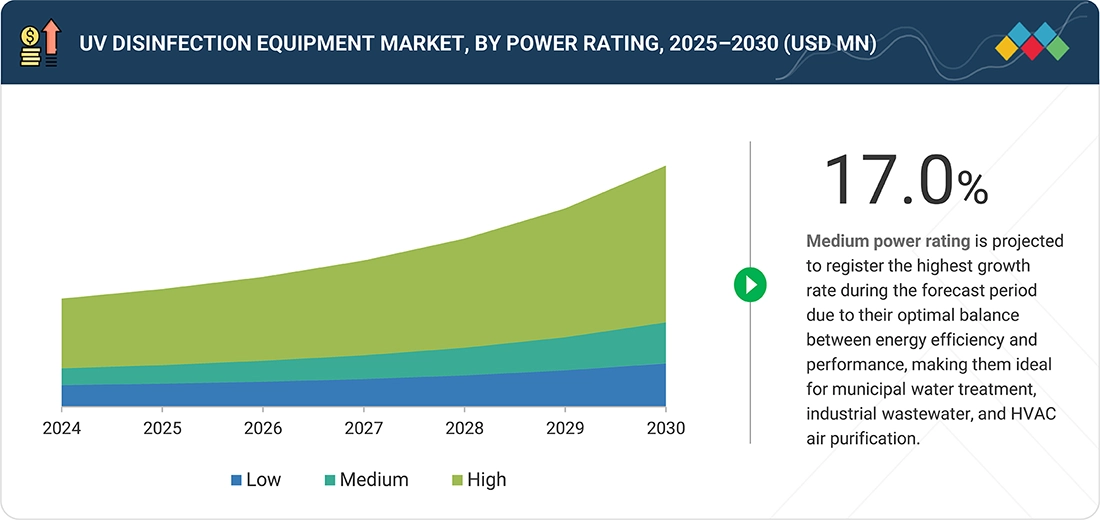
BY POWER RATINGHigh-power UV disinfection systems hold the largest market share as they offer greater microbial inactivation efficiency, making them ideal for large-scale municipal water treatment, industrial wastewater, and air purification applications. Their ability to handle high flow rates, continuous operation, and deep penetration drives adoption across sectors demanding reliable and rapid sterilization performance.
-
BY COMPONENTThe UV lamp segment holds the largest market share as it serves as the core component responsible for microorganism inactivation in UV disinfection systems. Continuous advancements in UV-C lamp efficiency, lifespan, and wavelength precision drive its dominance, ensuring high disinfection effectiveness, lower maintenance costs, and broad adoption across water, air, and surface treatment applications.
-
BY APPLICATIONThe water and wastewater disinfection segment holds the largest market share due to rising global concerns over waterborne diseases, tightening regulatory standards, and the need for chemical-free treatment methods. UV systems offer high disinfection efficiency, low maintenance, and environmental sustainability, making them the preferred choice for municipal water treatment, industrial reuse, and wastewater management.
-
BY END USERThe municipal segment holds the largest market share due to the increasing adoption of UV systems for water and wastewater treatment to meet stringent public health and safety regulations. Governments and municipalities are investing in chemical-free, low-maintenance disinfection technologies to ensure safe drinking water, reduce chlorine dependency, and improve sustainability in urban sanitation infrastructure.
-
BY REGIONThe Asia Pacific region holds the largest market share due to rapid urbanization, growing industrialization, and increasing investments in water and wastewater treatment infrastructure. Rising concerns over waterborne diseases, strict government regulations for sanitation, and expanding use of UV disinfection in municipal and industrial sectors are driving strong market growth across the region.
-
COMPETITIVE LANDSCAPEMajor players in the UV disinfection equipment market are adopting both organic and inorganic growth strategies, including partnerships, acquisitions, and product innovations to strengthen their global footprint. Xylem (US), Trojan Technologies Group ULC (UK), Halma Group (UK), Industrie De Nora S.p.A. (Italy), and Honle AG (Germany) are actively developing next-generation UV-C systems with LED-based, energy-efficient, and smart monitoring technologies. These initiatives focus on enhancing disinfection efficiency, operational safety, and scalability, addressing the growing demand for sustainable water, air, and surface disinfection solutions across municipal, industrial, and healthcare applications.
UV disinfection equipment are advanced sterilization systems that use ultraviolet (UV-C) light to inactivate microorganisms by disrupting their DNA and RNA. These systems provide chemical-free, rapid, and efficient disinfection for water, air, and surface applications across municipal, industrial, and healthcare sectors. With the rising demand for safe water treatment, air purification, and infection control, the market is witnessing strong growth. Technological advancements such as UV-C LEDs, automated sensors, and IoT-based monitoring enhance energy efficiency, durability, and operational reliability, making UV disinfection systems a sustainable and eco-friendly alternative for hygiene and environmental safety applications.
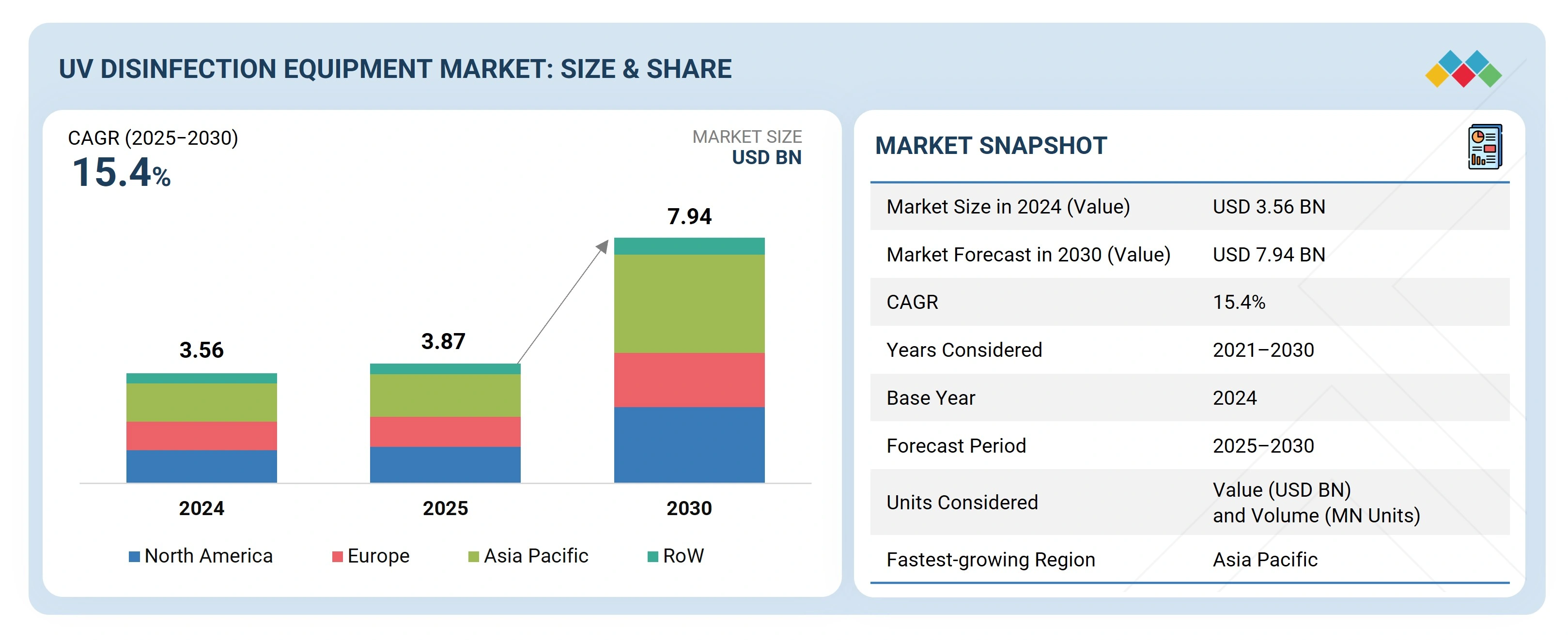
Source: Secondary Research, Interviews with Experts, MarketsandMarkets Analysis
TRENDS & DISRUPTIONS IMPACTING CUSTOMERS' CUSTOMERS
The impact on the UV disinfection equipment market trends is being shaped by evolving health, environmental, and regulatory demands. Over the next 4–5 years, companies’ revenue mix will shift from traditional mercury-based UV systems to LED-based, automated, and smart UV-C disinfection technologies. Two major trends are driving this change: the integration of IoT-enabled monitoring and control systems for real-time performance tracking, and the advancement of UV-C LED and low-pressure amalgam lamp technologies, enhancing efficiency, sustainability, and safety across municipal water treatment, healthcare sanitation, and industrial air purification applications.
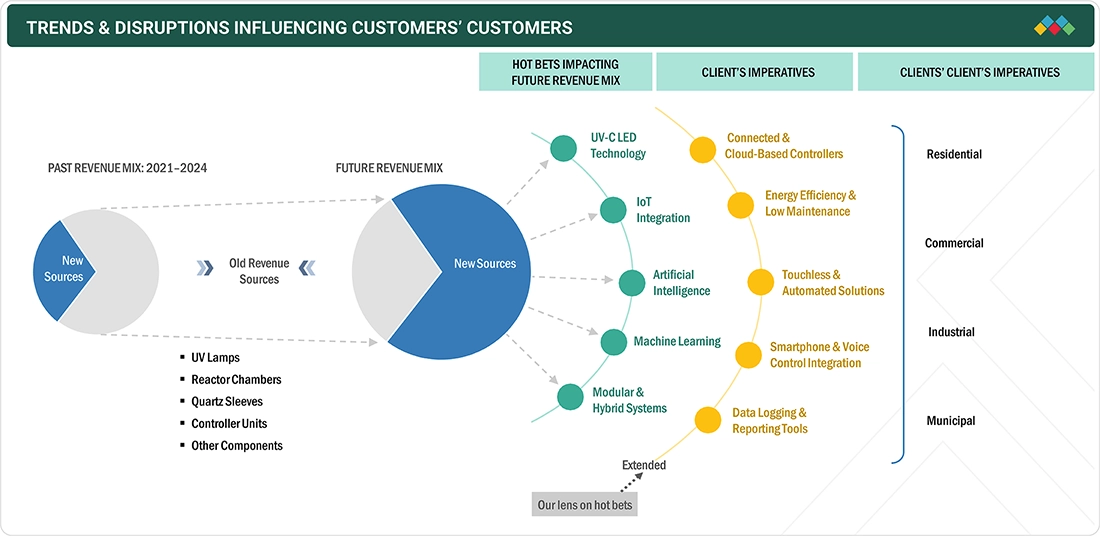
Source: Secondary Research, Interviews with Experts, MarketsandMarkets Analysis
MARKET DYNAMICS

Level
-
Rising demand for Non-Chemical Disinfection Methods

-
Increased awareness about waterborne and airborne diseases


Level
-
Preference of conventional disinfection methods due to low cost


Level
-
Growing adoption of UV disinfection equipment for water and wastewater treatment

-
Rising demand for surface disinfection


Level
-
Procurement of specialized components within short timeframe

-
Technological Limitations in UV-C LED efficiency

Source: Secondary Research, Interviews with Experts, MarketsandMarkets Analysis
Driver: Rising demand for Non-Chemical Disinfection Methods
The rising demand for non-chemical disinfection methods is a significant driver propelling the growth of the UV disinfection equipment market size. With increasing concerns over the environmental and health impacts of chemical-based disinfectants, industries and municipalities are increasingly shifting toward ultraviolet (UV) disinfection technologies that offer effective microbial inactivation without the use of harmful chemicals.
Restraint: Preference of conventional disinfection methods due to low cost
One of the key restraints hindering the widespread adoption of UV disinfection equipment is the continued preference for conventional disinfection methods, primarily due to their relatively low cost and established use across multiple sectors. Traditional chemical-based disinfection techniques, such as the use of chlorine or bleach solutions, remain economically attractive, especially for price-sensitive institutions in emerging markets, where upfront capital investment in UV systems can be prohibitive.
Opportunity: Growing adoption of UV disinfection equipment for water and wastewater treatment
The growing adoption of UV disinfection equipment for water and wastewater treatment worldwide presents a significant opportunity for market expansion, driven by increasing regulatory pressures, rising water scarcity, and growing awareness about waterborne diseases. Governments and municipalities across regions are increasingly investing in sustainable and chemical-free disinfection technologies to meet stringent water quality standards. Ultraviolet (UV) disinfection offers an effective, eco-friendly solution by inactivating a wide range of pathogens without producing harmful disinfection byproducts. In recent years, several industry players have introduced advanced UV solutions tailored for municipal and industrial wastewater treatment.
Challenge: Procurement of specialized components within short timeframe
One of the key challenges facing the UV disinfection equipment market is the expansion of manufacturing facilities within a short timeframe to meet the rapidly increasing global demand. The surge in adoption of UV technologies across water treatment, healthcare, and HVAC sectors has significantly strained existing production capacities. Rapid scaling poses operational and financial challenges, particularly in terms of procuring specialized components, ensuring quality control, and meeting international regulatory standards. Manufacturers are facing pressure to shorten lead times without compromising product reliability or performance. For instance, during the COVID-19 pandemic, companies such as American Ultraviolet and Atlantic Ultraviolet Corporation experienced a sharp spike in orders but encountered delays due to limitations in manufacturing throughput and supply chain disruptions.
UV DISINFECTION EQUIPMENT MARKET SIZE, SHARE & TRENDS: COMMERCIAL USE CASES ACROSS INDUSTRIES
| COMPANY | USE CASE DESCRIPTION | BENEFITS |
|---|---|---|
 |
Use of advanced carbon fiber composites in 787 Dreamliner fuselage and wings. | 20% weight reduction compared to traditional aluminum, improved fuel efficiency, and reduced maintenance cost. |
 |
Titanium alloys in A350 aircraft structures and landing gears. | High strength-to-weight ratio, superior corrosion resistance, extended service life. |
 |
Ceramic matrix composites (CMCs) in jet engine components. | Withstands higher operating temperatures, improves engine efficiency by 10–15%, reduces fuel burn. |
 |
Advanced aluminum-lithium alloys in military aircraft structures. | Enhanced durability, lower structural weight, and improved payload capacity. |
 |
Composite materials in unmanned aerial vehicles (UAVs). | Lightweight design, higher endurance, improved stealth capabilities. |
Logos and trademarks shown above are the property of their respective owners. Their use here is for informational and illustrative purposes only.
MARKET ECOSYSTEM
The UV Disinfection Equipment Market ecosystem consists of an interconnected network of manufacturers, system integrators, distributors, and end users that collectively drive innovation and adoption across municipal, industrial, and commercial applications. These stakeholders collaborate to deliver efficient, chemical-free, and automated disinfection systems ensuring reliable protection for water, air, and surface environments. Manufacturers such as Xylem, Trojan Technologies, and Halma design advanced UV-C systems integrating high-intensity lamps, UV-LEDs, and digital control platforms to achieve superior sterilization efficiency while minimizing operational costs. System Integrators, including JAGS Environmental, Medi-Chem Associates, and Winter Environmental, play a vital role in engineering customized UV treatment solutions. Distributors such as Fluidquip Australia, Sanipure, and Aquisense Technologies facilitate the supply chain by offering installation support, technical servicing, and after-sales maintenance. End Users, including Nestlé, Los Angeles Department of Water and Power (LADWP), and Unilever, deploy UV disinfection systems to maintain stringent hygiene standards.
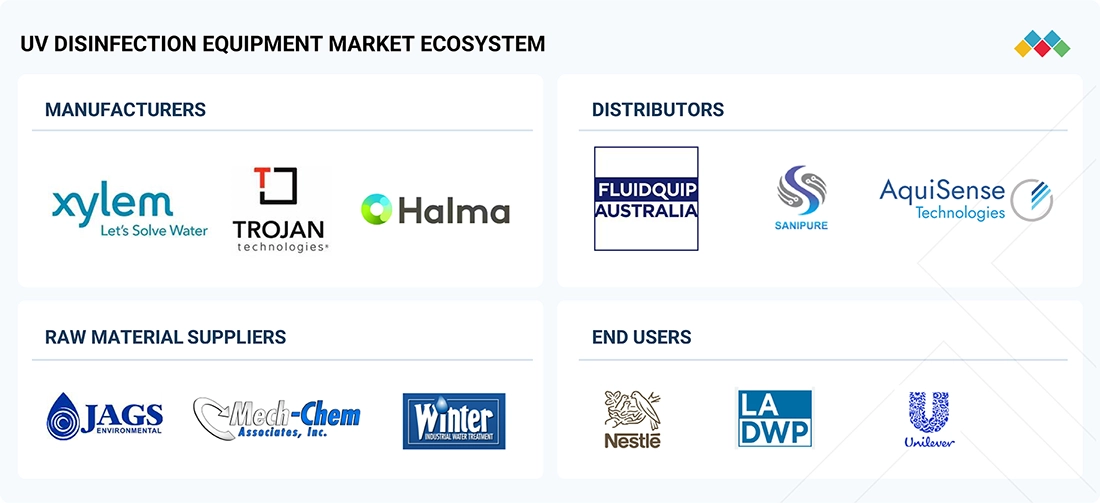
Logos and trademarks shown above are the property of their respective owners. Their use here is for informational and illustrative purposes only.
MARKET SEGMENTS
Source: Secondary Research, Interviews with Experts, MarketsandMarkets Analysis
UV Disinfection Equioment Market, By Power Rating
The high power rating segment holds the largest market share due to its widespread use in large-scale municipal and industrial water treatment plants. These systems deliver higher UV intensity, ensuring effective disinfection in high-flow applications. Their robust performance, long lifespan, and compliance with stringent safety standards drive strong global adoption.
UV Disinfection Equioment Market, By Component
The UV lamp segment holds the largest market share due to its crucial role as the primary disinfection component, responsible for emitting germicidal UV-C radiation that inactivates microorganisms effectively. Continuous advancements in low-pressure and LED-based UV lamps enhance energy efficiency, lifespan, and sterilization performance, driving widespread adoption across water, air, and surface disinfection applications.
UV Disinfection Equioment Market, By Application
Water and wastewater disinfection holds the largest market share due to the growing global demand for safe drinking water, stringent government regulations, and rising wastewater reuse initiatives. UV disinfection offers a chemical-free, cost-effective, and efficient solution for removing pathogens, making it widely adopted in municipal, industrial, and residential water treatment applications.
UV Disinfection Equioment Market, By End User
The municipal segment holds the largest market share due to the rising need for safe drinking water, wastewater treatment, and water reuse initiatives. Increasing government regulations on water quality, coupled with growing urban populations and infrastructure investments, is driving widespread adoption of UV disinfection systems in municipal water treatment facilities worldwide.
REGION
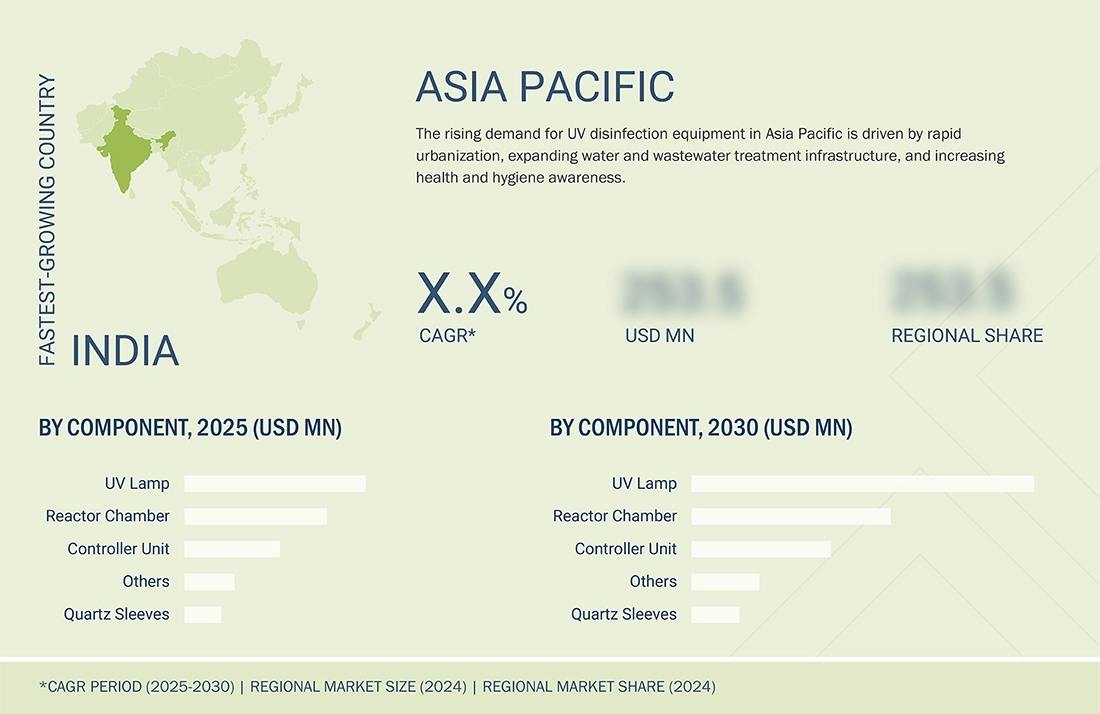
Asia Pacific is expected to be fastest-growing segment in the UV Disinfection Equipment market growth during the forecast period
The Asia Pacific region is expected to witness the highest CAGR in the UV disinfection equipment market due to rapid urbanization, expanding industrial and municipal water treatment infrastructure, and stringent government regulations on water safety. Increasing awareness of hygiene standards, rising healthcare investments, and adoption of UV-C LED technologies further drive regional growth.
UV DISINFECTION EQUIPMENT MARKET SHARE & TRENDS: COMPANY EVALUATION MATRIX
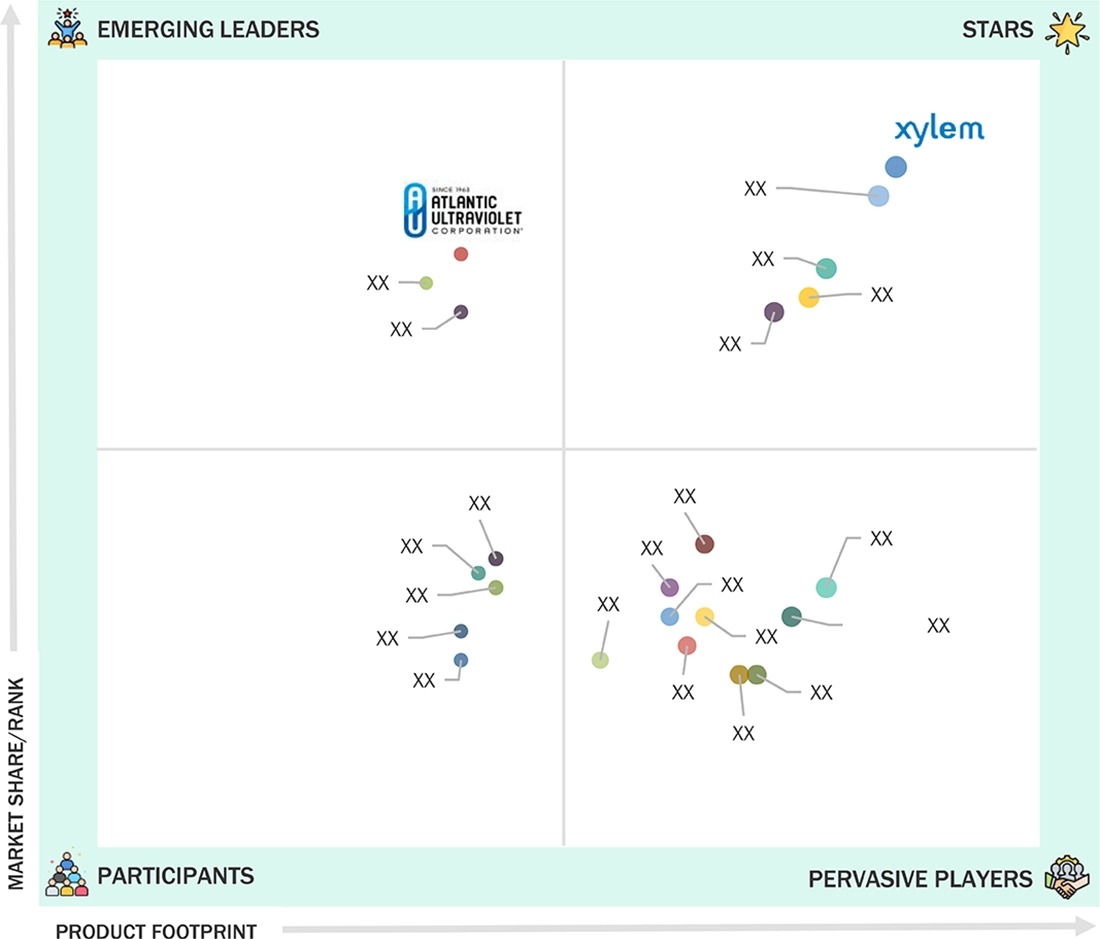
In the UV disinfection equipment market matrix, Xylem (Star) leads with a strong global presence and an extensive portfolio of advanced UV disinfection systems for municipal, industrial, and commercial water treatment. The company’s focus on energy-efficient technologies, digital control systems, and large-scale wastewater applications reinforces its leadership in sustainable disinfection solutions. Halma Group (Emerging Leader) is gaining traction through its subsidiaries like Hanovia and Aquionics, offering innovative UV-C and LED-based air, surface, and water sterilization systems.
Source: Secondary Research, Interviews with Experts, MarketsandMarkets Analysis
KEY MARKET PLAYERS
- Xylem (US)
- Halma Group (UK)
- Industrie De Nora S.p.A. (Italy)
- Honle AG (Germany)
- Trojan Technologies Group ULC (UK)
- Atlantic Ultraviolet Corporation (US)
- Lumalier Corporation (US)
- Advanced UV, Inc. (US)
- American Ultraviolet (US)
- Atlantium Technologies Ltd (Israel)
- Seoul Viosys Co. Ltd. (South Korea)
- Hitech Ultraviolet Pvt Ltd. (India)
- UVO3 Ltd (UK)
- SUEZ Water Technologies & Solutions (US)
- UV Pure (US)
WHAT IS IN IT FOR YOU: UV DISINFECTION EQUIPMENT MARKET SIZE, SHARE & TRENDS REPORT CONTENT GUIDE
DELIVERED CUSTOMIZATIONS
We have successfully delivered the following deep-dive customizations:
| CLIENT REQUEST | CUSTOMIZATION DELIVERED | VALUE ADDS |
|---|---|---|
| UV Equipment Manufacturer / OEM |
|
|
| System Integrator / Water Treatment Contractor |
|
|
| Government / Environmental Agency |
|
|
| Industrial / Commercial End User |
|
|
RECENT DEVELOPMENTS
- April 2025 : Atlantic Ultraviolet Corporation (US) launched the SaniUV-Cube in April 2025. It's a durable UV-C disinfection cabinet made of stainless steel with quartz shelves that let UV light disinfect all surfaces of small items.
- May 2023 : Xylem (US) acquired Evoqua Water Technologies (US).This strategic deal significantly enhances Xylem's capabilities in advanced water and wastewater treatment, including UV disinfection by combining complementary technologies and services.
- January 2022 : Xylem (US) partnered with Isle Utilities (UK), a water consultancy firm, for a new approach scaling breakthrough and funding water technologies, called the "Trial Reservoir.
- June 2021 : Industrie De Nora S.p.A. (Italy) acquired the UV Technologies Division (CCUV) from Calgon Carbon Corporation, a subsidiary of Kuraray Co., Ltd. The deal included key UV disinfection products such as Hyde GUARDIAN, SENTINEL, and C3 SERIES UV, along with Hyde Marine's ballast water treatment systems.
Table of Contents
 Exclusive indicates content/data unique to MarketsandMarkets and not available with any competitors.
Methodology
The research study involved four major activities in estimating the size of the UV disinfection equipment market. Exhaustive secondary research has been done to collect important information about the market and peer markets. The validation of these findings, assumptions, and sizing with the help of primary research with industry experts across the value chain has been the next step. Both top-down and bottom-up approaches have been used to estimate the market size. Post, the market breakdown and data triangulation have been adopted to estimate the market sizes of segments and sub-segments.
Secondary Research
In the secondary research process, various secondary sources were referred to identify and collect information required for this study. The secondary sources include annual reports, press releases, investor presentations of companies, white papers, and articles from recognized authors. Secondary research has been mainly done to obtain key information about the market’s value chain, the pool of key market players, market segmentation according to industry trends, regional outlook, and developments from both market and technology perspectives.
Primary Research
In primary research, various primary sources from both supply and demand sides have been interviewed to obtain qualitative and quantitative insights required for this report. Primary sources from the supply side include experts such as CEOs, vice presidents, marketing directors, manufacturers, technology and innovation directors, end users, and related executives from multiple key companies and organizations operating in the UV disinfection equipment market ecosystem. After interacting with industry experts, brief sessions were conducted with highly experienced independent consultants to reinforce the findings from our primary research. This, along with the in-house subject matter experts’ opinions, has led us to the findings as described in the report. The breakdown of primary respondents is as follows:
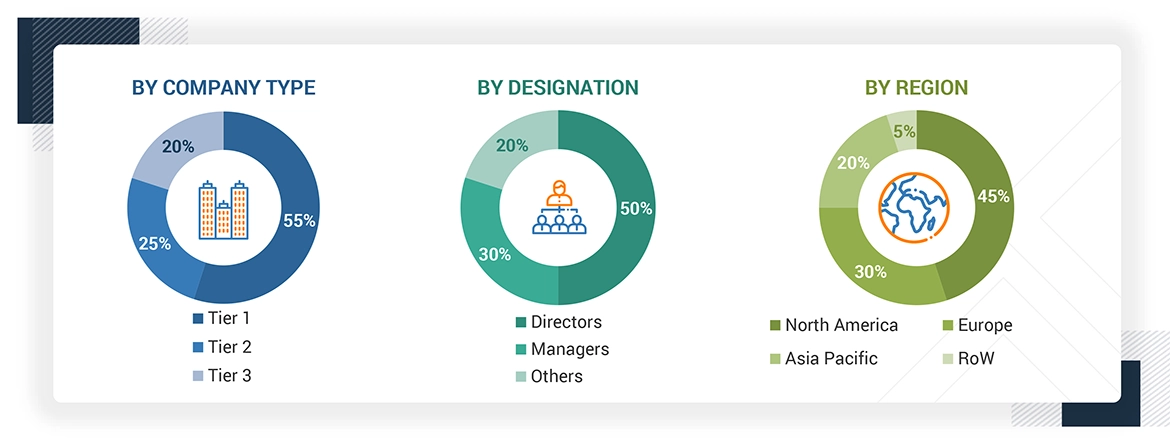
Note: “Others” includes sales, marketing, and product managers
To know about the assumptions considered for the study, download the pdf brochure
Market Size Estimation
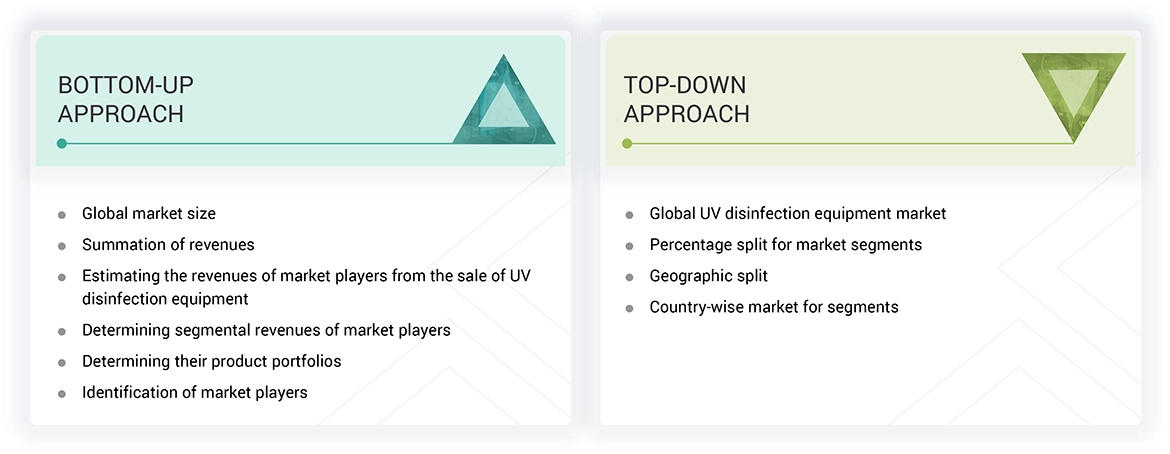
In the market engineering process, both top-down and bottom-up approaches, along with data triangulation methods, have been used to estimate and validate the size of the UV disinfection equipment market and other dependent submarkets. The research methodology used to estimate the market sizes includes the following:
The bottom-up procedure has been employed to arrive at the overall size of the UV disinfection equipment market.
- Major companies that provide UV Disinfection Equipment systems were identified. This included analyzing company product portfolios and presence across various regions.
- The segment-specific revenues of the companies, particularly those related to UV Disinfection Equipment, were determined.
- These individual revenue figures were compiled to determine the total revenue generated across the identified companies within the sector.
- Using this consolidated data, the global market size for UV Disinfection Equipment was obtained.
The top-down approach has been used to estimate and validate the total size of the UV disinfection equipment market.
- Identified top-line investments and spending in the ecosystem and major market developments to consider segment-level splits
- Estimated the overall UV disinfection equipment market size, then segmented the global market by allocating shares based on the segments considered
- Distributed the segment-level markets into regions and countries by aligning regional UV Disinfection activity with economic indicators, UV Disinfection Equipment manufacturing presence, and regional development initiatives
UV Disinfection Equipment Market : Top-Down and Bottom-Up Approach
Data Triangulation
After arriving at the overall market size using the market size estimation processes as explained above, the market has been split into several segments and subsegments. To complete the entire market engineering process and arrive at the exact statistics of each market segment and subsegment, data triangulation and market breakdown procedures have been employed, wherever applicable. The data has been triangulated by studying various factors and trends from the demand and supply sides of the UV disinfection equipment market.
Market Definition
The UV disinfection equipment involves the development, deployment, and integration of ultraviolet (UV) technology-based systems designed to inactivate or eliminate harmful microorganisms in water, air, and surface treatment applications. These systems are widely used across municipal, industrial, commercial, and residential sectors to ensure hygiene, safety, and regulatory compliance. The market focuses on delivering chemical-free, environmentally friendly disinfection solutions that enhance operational efficiency and public health outcomes. UV disinfection equipment utilizes a range of technologies, including low-pressure and medium-pressure UV lamps, quartz sleeves, ballasts, sensors, and advanced control panels, often integrated with IoT platforms, real-time monitoring, and data analytics. These components work together to provide targeted and effective disinfection by damaging the DNA of microorganisms, rendering them harmless. The UV disinfection industry offers diverse solutions tailored to drinking water treatment, wastewater management, air purification, and surface sterilization. Modern systems enable automation, remote monitoring, and predictive maintenance to reduce human intervention and operational costs. They are capable of detecting lamp performance, tracking UV intensity, and ensuring consistent dosage, thereby preventing microbial contamination and ensuring safe, clean environments across various applications.
Key Stakeholders
- Raw material and manufacturing equipment suppliers
- Component manufacturers
- Original equipment manufacturers (OEMS)
- Original design manufacturers (ODMS)
- ODM and OEM technology solution providers
- Technology, service, and solution providers
- Suppliers and distributors
- Government and other regulatory bodies
- Technology investors
- Research institutes and organizations
Report Objectives
- To define, describe, segment, and forecast the UV disinfection equipment market by component, power rating, application, and end user in terms of value
- To assess and forecast the market for various segments, with respect to four main regions: North America, Europe, Asia Pacific, and RoW, in terms of value
- To give detailed information regarding drivers, restraints, opportunities, and challenges influencing the growth of the UV disinfection equipment market
- To offer a detailed overview of the UV disinfection equipment market’s value chain, along with the ecosystem, technology trends, use cases, regulatory environment, and Porter’s five forces analysis.
- To understand industry trends, patents, innovations, and trade data (export and import data) related to UV disinfection equipment
- To strategically analyze the micromarkets with respect to individual growth trends, prospects, and contributions to the total market
- To identify the key players and comprehensively analyze their market share and core competencies
- To assess opportunities for stakeholders and provide a detailed competitive landscape of the market
- To investigate competitive developments, such as product launches/developments, collaborations, agreements, partnerships, acquisitions, and research & development (R&D), carried out by players in the UV disinfection equipment market
- To profile key players in the UV disinfection equipment market and comprehensively analyze their market ranking based on their revenue, market share, and core competencies
Available customizations:
With the given market data, MarketsandMarkets offers customizations according to the specific requirements of companies. The following customization options are available for the report:
Country-wise Information:
- Country-wise breakdown for North America, Europe, Asia Pacific, and Rest of the World
Company Information:
- Detailed analysis and profiling of additional market players (up to five)
Key Questions Addressed by the Report
What is the current size of the global UV disinfection equipment market?
The global UV disinfection equipment market was valued at USD 3.56 billion in 2024 and is estimated to reach USD 3.87 billion in 2025. (MarketsandMarkets)
What is the projected market value of the UV disinfection equipment market by 2030?
The market is projected to reach USD 7.94 billion by 2030, driven by increasing adoption of chemical-free disinfection technologies across water, air, and surface treatment applications. (MarketsandMarkets)
What is the expected CAGR of the UV disinfection equipment market during 2025–2030?
The UV disinfection equipment market is expected to grow at a CAGR of 15.4% from 2025 to 2030. (MarketsandMarkets)
What are the major growth drivers of the UV disinfection equipment market?
Key growth drivers include rising demand for chemical-free and sustainable disinfection solutions, increasing investments in water and wastewater treatment infrastructure, growing concerns over hospital hygiene, and expanding adoption of air purification systems. (MarketsandMarkets)
Which application segment holds the largest share of the UV disinfection equipment market?
The water and wastewater disinfection segment is expected to account for the largest market share due to increasing demand for safe drinking water and stricter environmental regulations. (MarketsandMarkets)
What are the key technology trends shaping the UV disinfection equipment market?
Major trends include the adoption of UV-C LED technology, integration of IoT-enabled monitoring systems, automated disinfection solutions, smart controls, and energy-efficient UV systems for industrial and municipal applications. (MarketsandMarkets)
Which end-user industry dominates the UV disinfection equipment market?
The municipal sector is expected to hold the largest market share due to extensive deployment of UV systems in public water treatment and sanitation infrastructure projects. (MarketsandMarkets)
Which region leads the global UV disinfection equipment market?
Asia Pacific holds the largest market share and is expected to remain the fastest-growing region due to rapid urbanization, industrialization, and increasing investments in water treatment infrastructure. (MarketsandMarkets)
Who are the leading companies operating in the UV disinfection equipment market?
Major companies include Xylem, Trojan Technologies Group ULC, Halma Group, Industrie De Nora S.p.A., and Honle AG. (MarketsandMarkets)
What opportunities exist for stakeholders in the UV disinfection equipment market?
Significant opportunities exist in smart water treatment systems, UV-C LED adoption, healthcare sterilization, industrial process water treatment, air purification solutions, and sustainable sanitation projects in emerging economies. (MarketsandMarkets)


Personalize This Research
- Triangulate with your Own Data
- Get Data as per your Format and Definition
- Gain a Deeper Dive on a Specific Application, Geography, Customer or Competitor
- Any level of Personalization
Let Us Help You
- What are the Known and Unknown Adjacencies Impacting the UV Disinfection Equipment Market
- What will your New Revenue Sources be?
- Who will be your Top Customer; what will make them switch?
- Defend your Market Share or Win Competitors
- Get a Scorecard for Target Partners

Custom Market Research Services
We Will Customise The Research For You, In Case The Report Listed Above Does Not Meet With Your Requirements
Get 10% Free CustomisationTESTIMONIALS

Tetsuya Ohhira
Business Development Manager-Technology Business
Nikon Corporation,
Leading Japanese MNC specializing in optics and imaging productswww.nikon.com
MarketsandMarkets™ response
is quick. Their attitude is flexible and positive. Analyst Insights are globally considered and
significant. Client Services quickly respond to our inquiry and demand. Their wide range of global
surveys help us make our strategic plan.
We hope Knowledge Store will be easier to search
for a report.
VP - Marketing & Business Development
Leading Provider of Process Control Solutions
We engaged with MarketsandMarkets on a study to perform an analysis and recommend a Go-To-Market strategy for metrology and process control in the semiconductor market. The study was tailored to our targets and needs with well-defined milestones. Our overall experience with the MarketsandMarkets team was very good throughout the project in all aspects including the analysis methodologies used, the quality and depth of primary and secondary data sets, the professionalism and flexibility of the team and the ability to meet the target schedule and milestones. We want to thank MarketsandMarkets team for a job well done.
- Canada UV Disinfection Equipment Market
- Mexico UV Disinfection Equipment Market
- US UV Disinfection Equipment Market
- UK UV Disinfection Equipment Market
- Germany UV Disinfection Equipment Market
- France UV Disinfection Equipment Market
- Italy UV Disinfection Equipment Market
- Netherlands UV Disinfection Equipment Market
- China UV Disinfection Equipment Market
- Japan UV Disinfection Equipment Market
- South Korea UV Disinfection Equipment Market
- India UV Disinfection Equipment Market
- Australia UV Disinfection Equipment Market
- Indonesia UV Disinfection Equipment Market
- Malaysia UV Disinfection Equipment Market
- Thailand UV Disinfection Equipment Market
- Vietnam UV Disinfection Equipment Market
- Nordics UV Disinfection Equipment Market
- Rest Of Europe UV Disinfection Equipment Market
- Rest Of Asia Pacific UV Disinfection Equipment Market
- Bahrain UV Disinfection Equipment Market
- Kuwait UV Disinfection Equipment Market
- Oman UV Disinfection Equipment Market
- Qatar UV Disinfection Equipment Market
- Rest Of Middle East UV Disinfection Equipment Market
- Saudi Arabia UV Disinfection Equipment Market
- UAE UV Disinfection Equipment Market
- Rest Of Africa UV Disinfection Equipment Market
- South Africa UV Disinfection Equipment Market
Growth opportunities and latent adjacency in UV Disinfection Equipment Market






Kyungkwan
Sep, 2022
I want a Sample Report of the global disinfection equipment market .