Bioinformatics Market

Bioinformatics Market by Offerings (Software (Genomics, Multiomics, Proteomics), Services (Analysis, Sequencing)), Function (Variant & Structural Analysis), Use Case (Drug Discovery, Biomarker), End User (Pharma & Biotech, CROs) - Global Forecast to 2031



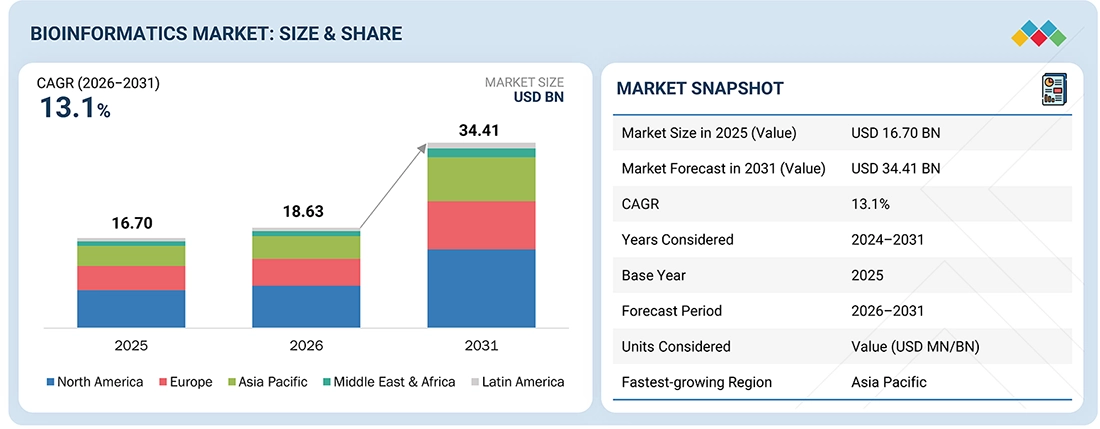
BIOINFORMATICS MARKET SIZE, SHARE & GROWTH SNAPSHOT
Source: Secondary Research, Interviews with Experts, MarketsandMarkets Analysis
The global bioinformatics market is projected to grow from USD 18.63 billion in 2026 to USD 34.41 billion by 2031, at a CAGR of 13.1% during the forecast period. The market was valued at USD 16.70 billion in 2025. This growth is driven by rising adoption of NGS technology, increasing incorporation of artificial intelligence and machine learning in biological data analysis, increased investment in precision medicine and omics research, and high demand for cloud-based bioinformatics tools. Growth in the bioinformatics market is also attributed to growing R&D activities in the pharmaceutical and biotechnology sector, increased application of bioinformatics in drug discovery, biomarker detection, and clinical trials, and the need to manage big biological data.
KEY TAKEAWAYS
-
MARKET SNAPSHOT:
Base Year Market Size (2025): USD 16.70 Billion
Current Market Size (2026): USD 18.63 Billion
Forecast Market Size (2031): USD 34.41 Billion
CAGR (2026–2031): 13.1% -
SEGMENT LEADERSHIP:
Regional Leader: North America accounted for the largest market share of 42.2% in 2025.
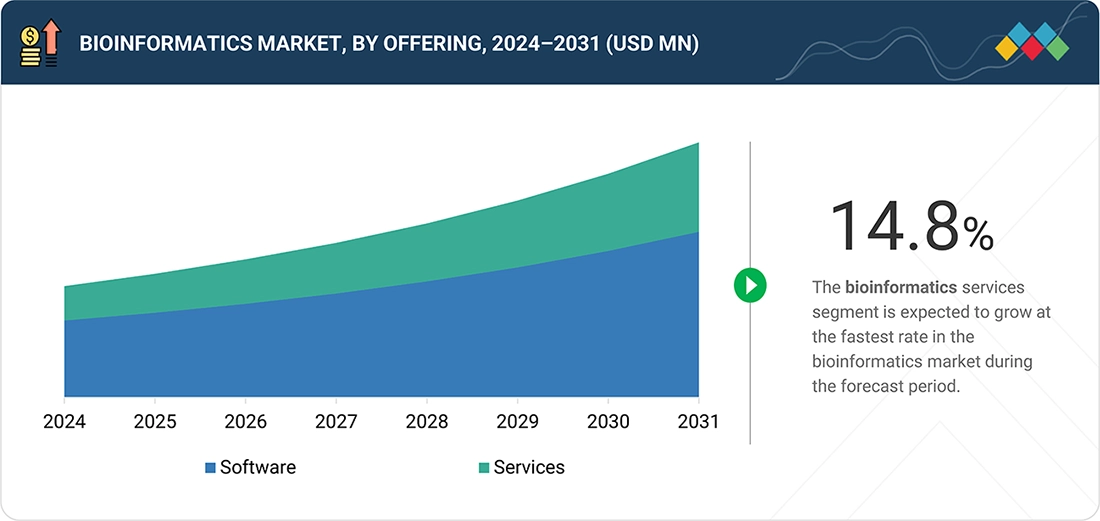
Fastest-Growing Offering: Bioinformatics services are projected to register the highest CAGR of 14.8% during the forecast period.
Fastest-Growing Technology: Multi-omics integration is projected to register the highest CAGR during the forecast period.
Application Leader: Drug discovery & development accounted for the largest market share of 34.0% in 2025. -
MARKET OUTLOOK & COMPETITIVE LANDSCAPE:
Leading companies include Thermo Fisher Scientific Inc., Illumina, Inc., QIAGEN N.V., and Agilent Technologies, Inc., which continue to strengthen their market positions through product innovation and expanding solution portfolios.
Emerging companies such as DEEP GENOMICS and DNASTAR have established strong positions in specialized niche areas, highlighting their potential as future market leaders.
The bioinformatics market is driven by the increased adoption of next-generation sequencing (NGS) technology, greater funding for genomics and precision medicine, and high demand for faster, large-scale biological data analysis. Moreover, the growing deployment of bioinformatics tools by pharmaceutical and biotech firms, clinical laboratories, hospitals, and research organizations for applications such as drug discovery, biomarker discovery, clinical genomics, and multi-omics studies is fueling the market by enhancing research efficiency and clinical decision-making.
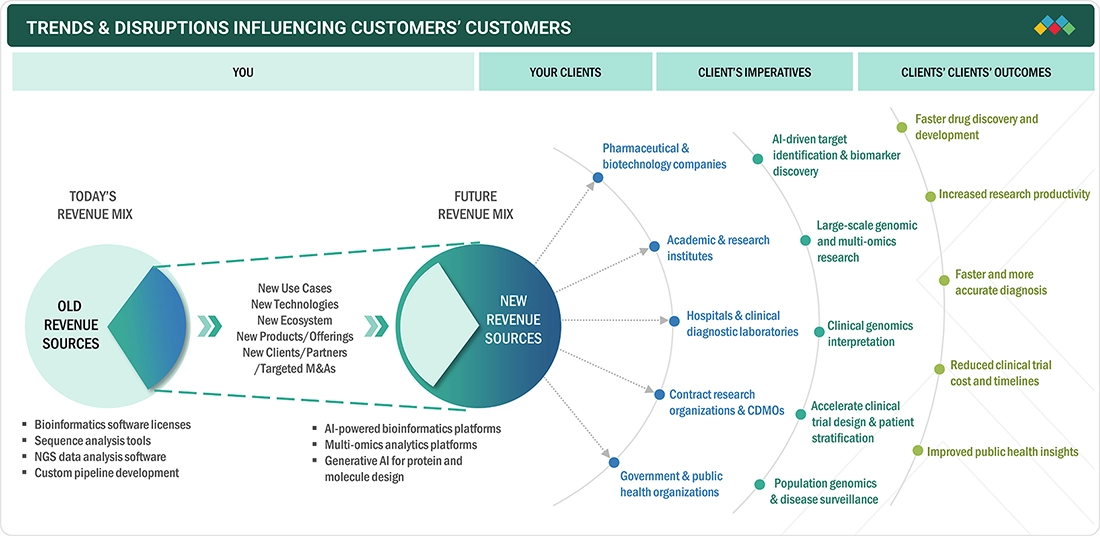
TRENDS & DISRUPTIONS IMPACTING CUSTOMERS' CUSTOMERS
There are major changes taking place in the bioinformatics industry, driven by advances in genomics, artificial intelligence (AI), and cloud technology, which have revolutionized biological data analysis and life science research. Next-generation sequencing (NGS), the rise of precision medicine, and the use of bioinformatics in drug discovery, biomarker discovery, and clinical genomics are among the factors fueling market growth. With the help of AI and machine learning technologies, bioinformatics solutions have become capable of analyzing large biological datasets rapidly and precisely, whereas cloud-based systems help with better data management and collaboration.
Source: Secondary Research, Interviews with Experts, MarketsandMarkets Analysis
MARKET DYNAMICS

Level
-
Increasing adoption of Next-Generation Sequencing (NGS)

-
Growing demand for personalized medicine


Level
-
High cost of bioinformatics infrastructure

-
Data privacy, security, and regulatory compliance concerns


Level
-
Expansion of clinical bioinformatics

-
Adoption of cloud and federated bioinformatics platforms


Level
-
Management of large data volumes

-
Lack of interoperability and multiplatform capabilities

Source: Secondary Research, Interviews with Experts, MarketsandMarkets Analysis
Driver: Increasing adoption of Next-Generation Sequencing (NGS)
The growing prevalence of next-generation sequencing (NGS) technology is another important driver of the global bioinformatics market. Compared with conventional sequencing technologies, NGS enables fast, low-cost sequencing of DNA and RNA. In addition to advances in sequencing technologies, there is an exponential increase in genomics, transcriptomics, and other omics data, which increases the need for bioinformatics tools for the storage, integration, analysis, and processing of such data. The growing number of applications of NGS in precision medicine, oncology, diagnostics of rare diseases, reproductive medicine, infectious disease surveillance, and pharmacogenomics contributes to the increased need for bioinformatics solutions and software. Numerous pharmaceutical and biotech companies are using NGS-powered bioinformatics solutions for biomarker discovery, target identification, patient stratification, and diagnostic development, whereas hospitals and medical centers use NGS-powered bioinformatics solutions for genome interpretation. Moreover, progress in artificial intelligence and cloud computing makes the processing of big omics data more efficient by automating variant interpretation and omics integration.
Restraint: High cost of bioinformatics infrastructure
Bioinformatics depends on sophisticated computing hardware, robust data storage infrastructure, and a platform for analyzing and processing biological data collected through genomics and sequencing approaches. The development and maintenance of bioinformatics software and databases require substantial research and development investment. In addition, the growing volume of data generated by genomics and molecular approaches increases costs for data management, cloud computing, and cybersecurity. High labor costs are another challenge for the bioinformatics industry, as it requires expertise in biology, computer science, statistics, and data analysis.
Opportunity: Expansion of clinical bioinformatics
Clinical bioinformatics is a major market opportunity in the bioinformatics industry, driven by the growing use of genomic medicine, precision medicine, and novel diagnostic techniques. Clinical bioinformatics enables the study and analysis of complex data from the genome, proteome, and clinical domains to support disease diagnosis, treatment selection, and patient management. The rising use of next-generation sequencing (NGS) for cancer and rare disease detection, as well as for infection monitoring, is driving demand for clinical bioinformatics tools and services. Moreover, the application of AI and machine learning for disease prediction and biomarker discovery will drive market opportunities going forward.
Challenge: Management of large data volumes
The handling of large amounts of data has posed a challenge in the bioinformatics industry due to the rapid increase in biological data produced by innovations in NGS, genomics, and proteomics. Biological data has made it hard to store, integrate, analyze, and interpret biological data effectively because of the advanced computational systems required. Furthermore, data storage, integration, analysis, and interpretation are made difficult due to the requirement to ensure data privacy and adherence to regulations. Another challenge in the management of biological data is related to the management of different types of biological data from different sources.
BIOINFORMATICS MARKET: COMMERCIAL USE CASES ACROSS INDUSTRIES
| COMPANY | USE CASE DESCRIPTION | BENEFITS |
|---|---|---|
 |
Provides bioinformatics solutions for genomic data analysis, next-generation sequencing (NGS) workflows, molecular diagnostics, and life science research. Its platforms support sequencing data interpretation, variant analysis, and clinical research applications. | Faster genomic data analysis, improved accuracy in variant interpretation, streamlined NGS workflows, enhanced research productivity, and support for precision medicine development. |
 |
Offers integrated sequencing and bioinformatics platforms for analyzing large-scale genomic data. Its solutions support applications in oncology, inherited disease research, population genomics, and clinical diagnostics through advanced sequencing data analysis. | Efficient management of complex genomic datasets, improved disease identification, faster biomarker discovery, enhanced clinical decision-making, and acceleration of personalized medicine. |
 |
Provides bioinformatics software and genomic analysis platforms for sample-to-insight workflows, molecular diagnostics, clinical research, and next-generation sequencing data interpretation. | Simplified data analysis, improved workflow automation, reliable genomic insights, reduced analysis time, and enhanced support for molecular testing and precision healthcare. |
 |
Develops bioinformatics tools for genomics, transcriptomics, and molecular analysis, supporting applications such as microarray analysis, NGS data interpretation, and biomarker discovery in research and clinical settings. | Improved data visualization and interpretation, increased research efficiency, accurate molecular profiling, faster discovery of biological insights, and optimized laboratory workflows. |
 |
Provides integrated bioinformatics solutions supporting clinical genomics, companion diagnostics, oncology research, and precision medicine. Its platforms enable genomic data analysis for targeted therapies and biomarker identification. | Enhanced biomarker assessment, faster treatment decisions, improved diagnostic accuracy, optimized clinical workflows, and support for personalized medicine approaches. |
Logos and trademarks shown above are the property of their respective owners. Their use here is for informational and illustrative purposes only.
MARKET ECOSYSTEM
The bioinformatics market ecosystem includes major players such as Thermo Fisher Scientific Inc. (US), Illumina, Inc. (US), QIAGEN N.V. (Netherlands), Agilent Technologies, Inc. (US), and F. Hoffmann-La Roche Ltd., which provide a range of bioinformatics platforms and genomic data analytics solutions. Companies such as Fios Genomics and DNASTAR are advancing bioinformatics through specialized data analysis platforms, genomic interpretation tools, and computational solutions for life science research. The FDA and other regulatory bodies, along with companies that standardize data, are essential for data security, proper analysis, clinical validity, and the regulation of bioinformatics solutions applied in health care and research. Customers of bioinformatics solutions include hospitals, diagnostic labs, pharmaceutical and biotech companies, universities, and government organizations that use these solutions for genomic analysis, precision medicine, biomarker discovery, drug discovery, diagnostics, and biological research.
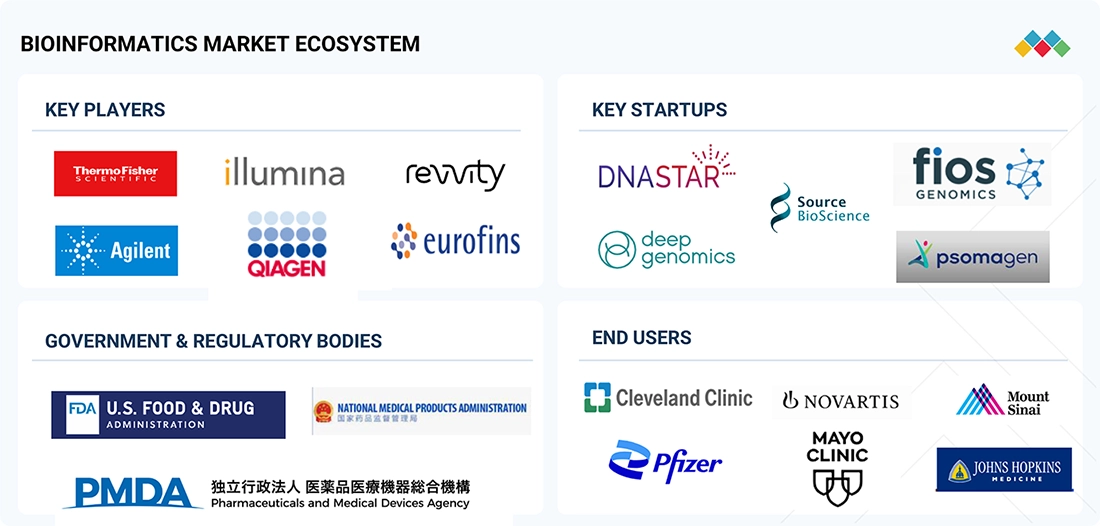
Logos and trademarks shown above are the property of their respective owners. Their use here is for informational and illustrative purposes only.
MARKET SEGMENTS
Source: Secondary Research, Interviews with Experts, MarketsandMarkets Analysis
Bioinformatics Market, By Offering
Among offerings, software held the largest share of the bioinformatics market in 2025. This is mainly due to the growing deployment of bioinformatics software, genomic analysis tools, databases, and workflows by pharma & biotech organizations, universities, hospitals, and research centers. With the rise in NGS, precision medicine, and multi-omics research, there is an increased need for advanced bioinformatics products that can help manage, analyze, and interpret massive biological data sets. Additionally, ongoing innovations in technologies such as AI-powered analysis, cloud platforms, and automation have made these bioinformatics products highly useful.
Bioinformatics Market, By Function
By function, the bioinformatics market is segmented into data analysis, structural and functional analysis, multi-omics integration, clinical interpretation, data visualization and reporting, among others. In this regard, the data analysis segment represented the largest share of the global market due to the growing volume of biological data generated by next-generation sequencing (NGS) and multi-omics technologies. Bioinformatics software has gained widespread acceptance for analyzing and interpreting complex biological data sets, generating meaningful information for drug discovery, disease research, and personalized medicine. With the adoption of AI and high-performance computing techniques in bioinformatics, the data analysis process has become more efficient. Looking ahead, with growing investments from pharmaceutical companies, biotechnology companies, and health care institutions in data-driven research and clinical applications, the segment is expected to maintain its dominance during the forecast period.
Bioinformatics Market, By Use Case
On the basis of use case, the segment for drug discovery and development accounted for the maximum share in the bioinformatics market. One of the major drivers driving the dominance of the segment is the increasing usage of bioinformatics tools in pharmaceutical and biotech firms for target identification, optimization of leads, molecular modeling, and pre-clinical research. With the developments taking place in next generation sequencing, artificial intelligence, and machine learning, researchers have been able to conduct analysis of big data sets from biological sources more quickly, resulting in faster drug discovery and better selections of candidates. In addition to that, increased investments in precision medicines, biologics, and computational drug discovery are also driving the demand.
Bioinformatics Market, By Sector
By sector, the bioinformatics market can be divided into medical biotechnology, animal biotechnology, plant biotechnology, environmental biotechnology, forensic biotechnology, and others. Medical biotechnology had the largest market share in the bioinformatics market. This is due to the high growth rate of this segment, driven by the growing applications of bioinformatics technologies in genomics, personalized medicine, molecular diagnostics, drug discovery, and biomarker discovery. Bioinformatics technology platforms are employed by pharmaceutical companies as well as biotechnology firms to analyze genomic and clinical data sets to develop treatments, carry out clinical trials, and make clinical decisions. The increasing number of chronic diseases, cancers, and rare diseases, along with the growing application of next-generation sequencing (NGS), multi-omics platforms, and companion diagnostics, has contributed to high demand for bioinformatics solutions in medical biotechnology. Advancements in artificial intelligence (AI), machine learning, cloud computing, and computational biology have helped speed up the process of biological data analysis.
Bioinformatics Market, By End User
Pharmaceutical and biotechnology companies held the largest market share segment within the bioinformatics market's end-user segments. The growing demand for rapid drug discovery and development, optimization of clinical development, new drug targets, and precision medicine strategies will drive the adoption of bioinformatics solutions by pharmaceutical and biotech companies in the coming years. These companies generate enormous amounts of genomic, proteomic, and clinical data, making it essential for them to have bioinformatics solutions that can handle such large volumes of biological data. Next-generation sequencing, AI analysis, and omics technologies make the research process faster and help in developing drugs and discovering biomarkers. Increasing research and development, an expanding pipeline of biologics, and collaboration between pharmaceutical and biotech companies and research institutions will give a boost to this segment in the global bioinformatics market.
REGION
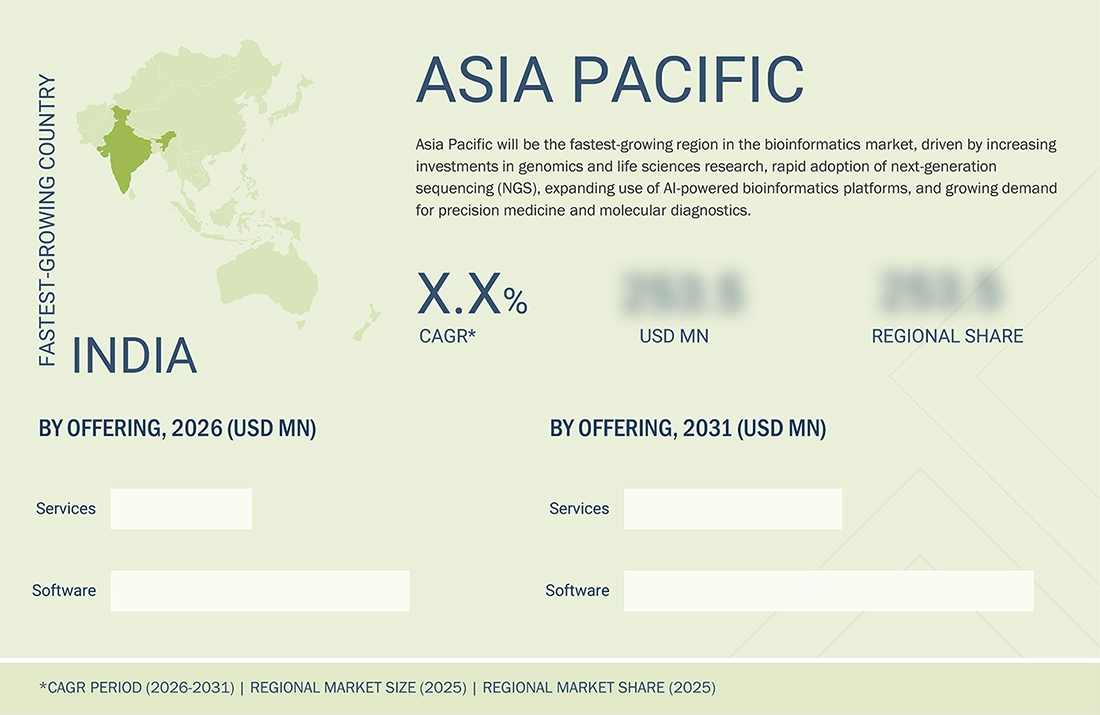
Asia Pacific will register the highest CAGR during the forecast period (2026-2031)
The global bioinformatics market has been classified into five regional markets, including North America, Europe, Asia Pacific, Latin America, and Middle East & Africa. Among these, Asia Pacific will be the fastest-growing, owing to significant investments in genomics, biotechnology, and precision medicine. Next-generation sequencing, artificial intelligence-based bioinformatics platforms, and cloud computing-based bioinformatics platforms are driving the bioinformatics market. Governments and publicly funded research institutions continue to fund genomics and life science projects to drive innovation in these areas within the region. In addition, increased research and development spending by pharmaceutical and biotech firms, along with growing partnerships among academia, healthcare organizations, and industry players, are also driving innovation within the region. Increased investment in genomics and multi-omics research, along with venture capital and strategic investments by various life sciences firms, are driving the Asia Pacific market for bioinformatics solutions.
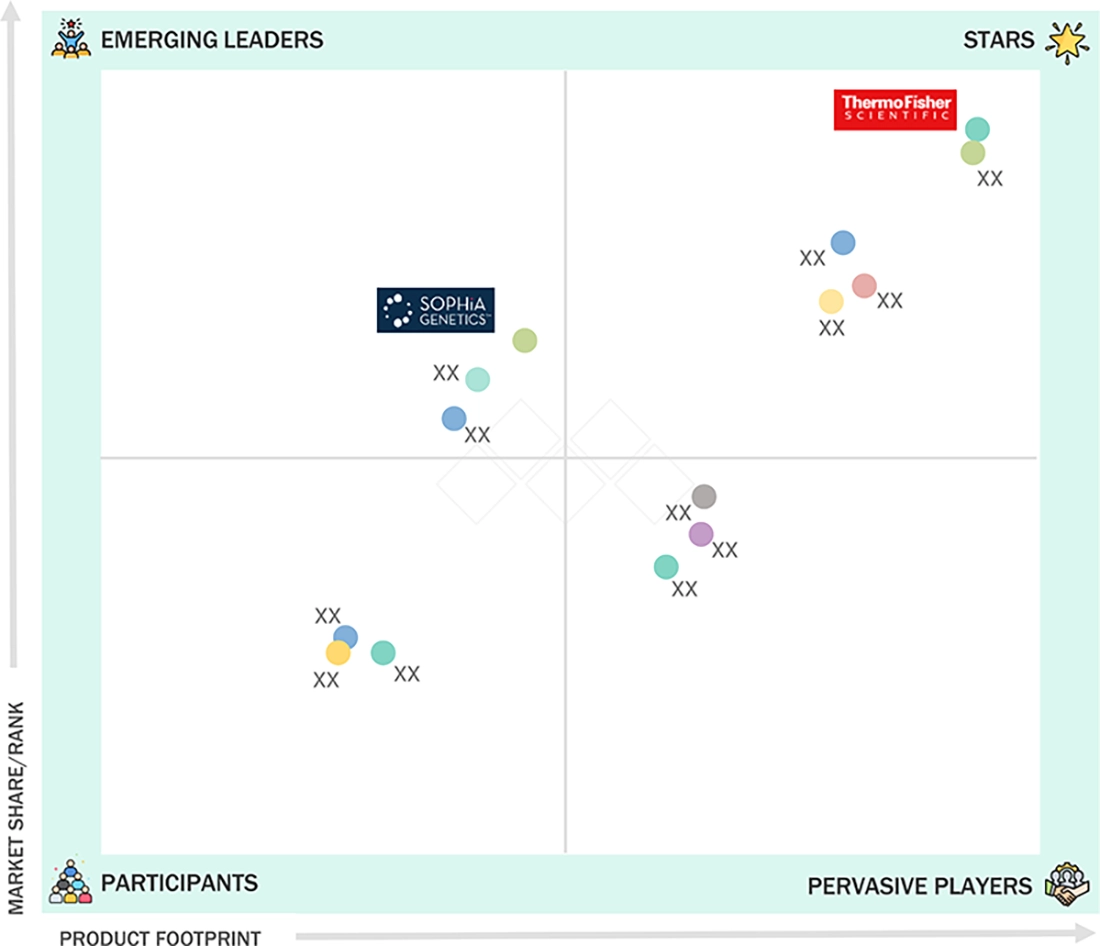
BIOINFORMATICS MARKET: COMPANY EVALUATION MATRIX
In the bioinformatics market matrix, Thermo Fisher Scientific (Star Player) leads with an extensive portfolio of bioinformatics solutions for NGS, genomics, transcriptomics, and multi-omics. The company provides integrated platforms, cloud-based analysis tools, and complete genomic workflows, serving pharmaceutical and biotechnology companies, clinical labs, and research organizations. With its vast international presence, installed base, and ongoing investment in genomics and precision medicine, Thermo Fisher Scientific helps its customers achieve better results in genomic data analysis and productivity, as well as in advanced translational and clinical research. SOPHiA GENETICS (Emerging Leader) has strengthened its position with its cloud-based bioinformatics platform enhanced with artificial intelligence. The SOPHiA DDM Platform supports genomic data analysis, variant interpretation, clinical decision support, and multi-omics applications in oncology, rare diseases, and hereditary conditions. Its growing network of healthcare organizations, use of AI-based analytics, and ongoing innovation in precision medicine make SOPHiA GENETICS an emerging player with significant growth potential in the field of bioinformatics.
Source: Secondary Research, Interviews with Experts, MarketsandMarkets Analysis
KEY MARKET PLAYERS
- Thermo Fisher Scientific Inc. (US)
- Illumina, Inc. (US)
- QIAGEN N.V. (Netherlands)
- Agilent Technologies, Inc. (US)
- F. Hoffmann-La Roche Ltd. (Switzerland)
- Revvity, Inc. (US)
- Eurofins Scientific (Luxembourg)
- BGI Genomics (China)
- Waters Corporation (US)
- DNAnexus, Inc. (US)
- Oxford Nanopore Technologies plc. (UK)
- 10x Genomics (US)
- PacBio (US)
- Dotmatics (US)
- SOPHiA GENETICS (US)
- Excelra (US)
- GENEWIZ (Azenta Life Sciences) (US)
- ONTOFORCE (Belgium)
- Velsera Inc. (US)
- Seqera (Spain)
MARKET SCOPE
| REPORT METRIC | DETAILS |
|---|---|
| Market Size in 2025 (Value) | USD 16.70 BN |
| Market Size in 2026 (Value) | USD 18.63 BN |
| Market Forecast in 2031 (Value) | USD 34.41 BN |
| Growth Rate | 13.1% |
| Years Considered | 2024–2031 |
| Base Year | 2025 |
| Forecast Period | 2026–2031 |
| Units Considered | Value (USD Million/Billion) |
| Report Coverage | Revenue forecast, company ranking, competitive landscape, growth factors, and trends |
| Segments Covered |
|
| Regions Covered | North America, Asia Pacific, Europe, Latin America, Middle East & Africa |
WHAT IS IN IT FOR YOU: BIOINFORMATICS MARKET REPORT CONTENT GUIDE
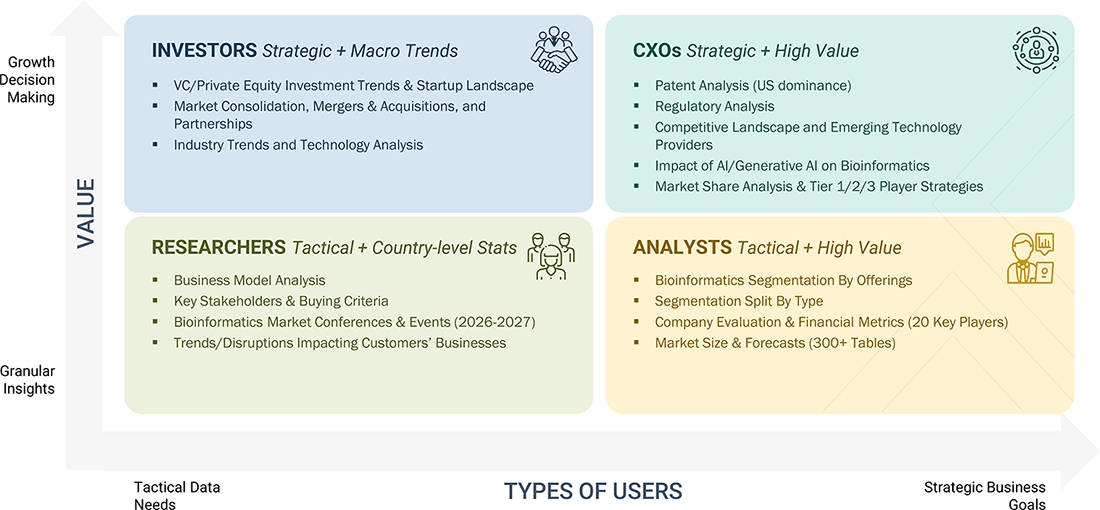
DELIVERED CUSTOMIZATIONS
We have successfully delivered the following deep-dive customizations:
| CLIENT REQUEST | CUSTOMIZATION DELIVERED | VALUE ADDS |
|---|---|---|
| Detailed Insights on Bioinformatics Products | Segmented analysis of niche point solutions, knowledge management tools & end-to-end solutions, including technology trends, adoption patterns, and market sizing | Facilitated targeted investment decisions across high-growth bioinformatics product and platform segments |
| Competitive Landscape Enhancement | Additional profiling of 15–20 regional bioinformatics vendors and emerging startups | Improved competitive benchmarking and partnership strategy development |
| Regional Market Breakout | Country-level data for the US, Canada, Germany, UK, China, India, and Japan with growth drivers | Supported market-entry prioritization based on market opportunity, funding landscape, and regulatory environment |
| End-User Workload & Adoption Insights | Detailed analysis of adoption trends for pharmaceutical & biotechnology companies, hospitals & clinical diagnostic laboratories, academic & research institutes, contract research organizations & contract development & manufacturing organizations, government & public health organizations | Strengthened go-to-market strategy through a deeper understanding of customer adoption patterns, unmet needs, and purchasing behavior |
| Bioinformatics Workflow Assessment | Comprehensive analysis of genomic data processing, NGS analysis, multi-omics integration, AI-driven variant interpretation, cloud-based data management, and clinical bioinformatics workflows | Enabled identification of workflow optimization opportunities, improved operational efficiency, and accelerated genomic data analysis |
RECENT DEVELOPMENTS
- July 2026 : Illumina, Inc. launched its Bioinformatics Mobile Workstation in Mainland China, bringing a localized, DRAGEN-powered high-performance computing and bioinformatics solution directly to research and clinical customers. Launched in Shanghai, the mobile workstation incorporates 10 DRAGEN V4 servers for secondary analysis and an analysis zone enabling on-site data processing while addressing China’s data-localization and compliance requirements. The deployment is a substantive new bioinformatics solution specifically designed to deliver localized genomic data analysis, making it directly relevant to the exact keyword.
- May 2026 : QIAGEN enhanced its bioinformatics portfolio by integrating NVIDIA-accelerated computing and the NVIDIA BioNeMo platform with QIAGEN Digital Insights, improving AI-enabled analysis of biological data and accelerating drug discovery workflows through advanced computational capabilities.
- March 2026 : BGI Genomics unveiled SIROmics, an AI-enabled bioinformatics solution designed to support high-throughput genetic testing by combining laboratory automation with advanced data analysis and reporting, improving workflow efficiency and accelerating genomic insights.
- January 2026 : Illumina launched Illumina Connected Multiomics, a cloud-based research platform designed to analyze and visualize large-scale multiomic and multimodal biological data, enabling researchers to generate deeper insights through scalable and integrated data analysis.
- November 2025 : QIAGEN announced a definitive agreement to acquire Parse Biosciences, a leading provider of scalable, instrument-free single-cell sequencing solutions. The acquisition strengthens QIAGEN's Sample Technologies portfolio and expands its presence in the rapidly growing single-cell sequencing market. It also enhances the capabilities of QIAGEN Digital Insights (QDI), enabling researchers to generate, analyze, and interpret AI-driven single-cell data more efficiently and at scale, supporting end-to-end workflows from sample preparation to actionable biological insights.
Table of Contents
 Exclusive indicates content/data unique to MarketsandMarkets and not available with any competitors.
Methodology
This research study involved the extensive use of both primary and secondary sources. It analyzed various factors affecting the industry to identify segmentation types, industry trends, key players, the competitive landscape of market players, and key market dynamics such as drivers, opportunities, challenges, restraints, and key player strategies.
Secondary Research
This research study extensively used secondary sources, including directories, databases such as Dun & Bradstreet, Bloomberg Businessweek, and Factiva, as well as white papers, annual reports, and companies' house documents. The secondary research aimed to gather and analyze information for a comprehensive, commercially focused study of the bioinformatics market, covering technical aspects and market dynamics. It also helped identify key players, market classifications, industry trends, geographic markets, and significant market developments. Additionally, a database of prominent industry leaders was compiled through secondary research.
Primary Research
In the primary research process, various supply-side and demand-side sources were interviewed to gather qualitative and quantitative information for this report. Primary supply-side sources included industry experts such as CEOs, VPs, managing directors, marketing and sales heads/directors, marketing managers, regional/area sales managers, and bioinformatics scientists. Primary demand-side sources included personnel from pharmaceutical and biotechnology companies, hospitals, diagnostic laboratories, and academic and research institutes.
A breakdown of the primary respondents is provided below:
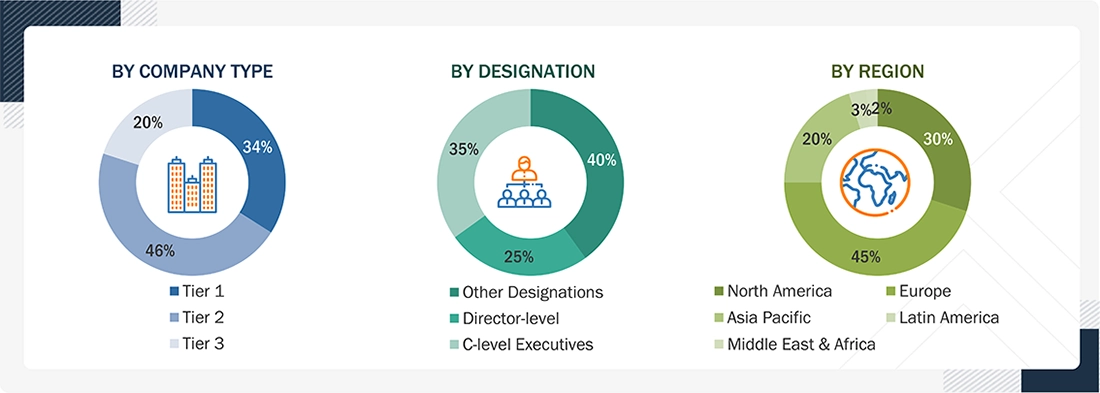
*Others include sales managers, marketing managers, and product managers.
Note: Tiers are defined based on a company’s total revenue, as of 2025: Tier 1 = >USD 1 billion, Tier 2 = USD 500 million to USD 1 billion, and Tier 3 = <USD 500 million.
To know about the assumptions considered for the study, download the pdf brochure
Market Size Estimation
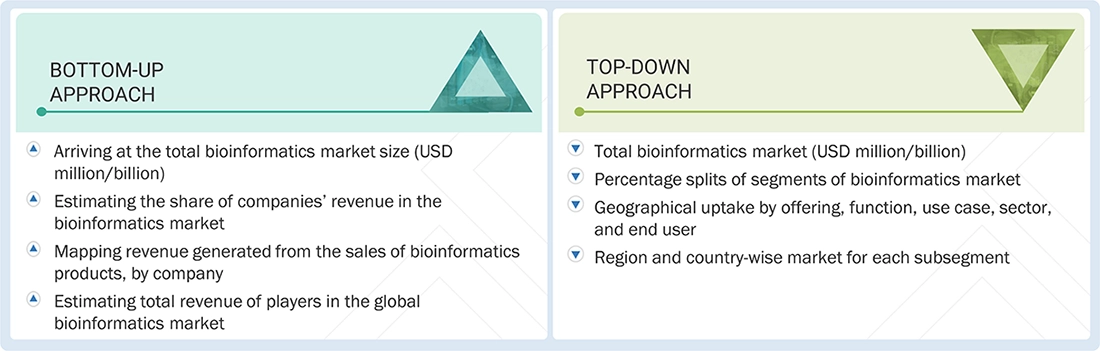
The total size of the bioinformatics market was determined after data triangulation using the two approaches outlined below. After each approach was completed, the weighted average of the two approaches was calculated based on the level of assumptions used in each approach.
Bioinformatics Market : Top-Down and Bottom-Up Approach
Data Triangulation
The size of the bioinformatics market was estimated through segmental extrapolation using the bottom-up approach. The methodology is as follows:
- Revenue information of individual companies was gathered from public sources and databases.
- The share of leading players in the bioinformatics market was obtained from secondary sources to the extent available. In certain cases, shares of bioinformatics businesses have been ascertained after a detailed analysis of various parameters, including product portfolios, market positioning, selling price, and geographic reach and strength.
- Individual shares or revenue estimates were validated through interviews with experts.
- The total revenue in the bioinformatics market was determined by extrapolating the market share data of major companies.
Market Definition
Bioinformatics is the application of computer technology to the management and analysis of biological data. It encompasses the storage, analysis, and dissemination of biological data. Bioinformatics uses computer programs for a variety of applications, including determining gene and protein functions, establishing evolutionary relationships, and predicting the three-dimensional shapes of proteins.
Key Stakeholders
- Bioinformatics software and service providers
- Academic & research institutes
- Clinical & diagnostic laboratories
- Hospitals & healthcare providers
- Contract research organizations (CROs)
- Distributors and suppliers of bioinformatics software and services
- Pharmaceutical & biotechnology companies
- Market research and consulting firms
- Venture capitalists
Report Objectives
- To define, describe, and forecast the bioinformatics market based on offering, function, use case, sector, end user, and region
- To provide detailed information regarding the major factors influencing the market growth (such as drivers, restraints, opportunities, and challenges)
- To analyze the micromarkets1 with respect to individual growth trends, prospects, and contributions to the overall bioinformatics market
- To analyze opportunities for stakeholders and provide details of the competitive landscape for market leaders
- To forecast the size of the market segments with respect to five main regions, namely, North America, Europe, the Asia Pacific, Latin America, the Middle East & Africa.
- To profile the key players and analyze their market share and core competencies2
- To track and analyze competitive developments such as product launches & approvals, partnerships, agreements, and collaborations in the overall bioinformatics market
- To benchmark players within the market using the proprietary "Competitive Leadership Mapping" framework, which analyzes market players on various parameters within the broad categories of business and product strategy.
Available customizations:
With the given market data, MarketsandMarkets offers customizations as per your company’s specific needs. The following customization options are available for the report:
- Company Information
- Detailed analysis and profiling of additional market players (up to 5)
Product Analysis
- Further breakdown of the Rest of Asia Pacific market into Taiwan, New Zealand, Thailand, Singapore, Malaysia, and other countries
- Further breakdown of the Rest of Europe bioinformatics market into Russia, Austria, Finland, Turkey, Norway, Poland, Portugal, Romania, Denmark, and other countries


Personalize This Research
- Triangulate with your Own Data
- Get Data as per your Format and Definition
- Gain a Deeper Dive on a Specific Application, Geography, Customer or Competitor
- Any level of Personalization
Let Us Help You
- What are the Known and Unknown Adjacencies Impacting the Bioinformatics Market
- What will your New Revenue Sources be?
- Who will be your Top Customer; what will make them switch?
- Defend your Market Share or Win Competitors
- Get a Scorecard for Target Partners

Custom Market Research Services
We Will Customise The Research For You, In Case The Report Listed Above Does Not Meet With Your Requirements
Get 10% Free CustomisationTESTIMONIALS

JAYANT RAJPUROHIT
Director of Market Insights, Data and Analytics
SFI Health,
Leading Pharmaceutical Companywww.sfihealth.com/

We at SFI Health approached MarketsandMarkets for an Opportunity Assessment on "Incidence and Prevalence of Focus Indications" as we wanted to know the most attractive HCPs like Physician, Functional MD, Naturopath and Pharmacist. The project was critical for us to ensure our focus on the right target which would enable sustainable growth and profitability for SFI Health. The business insights provided exceeded our expectations and we were extremely impressed. The team at MarketsandMarkets is highly professional and detail oriented and very well understood our business needs. MarketsandMarkets offers a unique combination of expertise and dedicated engagement model. We identified 2 new products to be launched in coming months, based on the research findings provided by MarketsandMarkets. We are happy with the services and would strongly recommend MarketsandMarkets to my peers in the industry.

BEATRIZ DE LA CALLE
Head of Commercial Analytics
Qualicaps,
Leading Pharmaceutical Companywww.qualicaps.com/

We partnered with MarketsandMarkets for an assessment study on hard empty capsules. The team was extremely professional in understanding our business requirements and we received timely responses to all our queries. The market intelligence and the recommendations has met our business requirements. We were extremely impressed to see the final study results; it really exceeded our expectations. The market intelligence offered by MarketsandMarkets, and clarity on next steps will help us achieve our business objective for the Year 2021. We are happy with the services and would strongly recommend MarketsandMarkets to my peers in the industry.

Bob Williams,
Senior Director Business Development & Innovation
Bracco Diagnostics Inc.,
Italian Multinational in life sciences sector and a World Leader in imaging diagnosticsimaging.bracco.com/us-en
We were pleased with targeted insights that MarketsandMarkets identified from a custom study on the 'Radiation Dose Management Solutions Market'. Your team identified and characterized the market participants as well as underlying trends accurately. This study was useful to Bracco in formulating business strategies for our dose monitoring product lines and we thank MarketsandMarkets for the job well done.
Cody Coonradt,
Market Development and Strategy Manager
3M Health Information Systems,
Leader in Health care Coding, Payment & Analytics Solutions.www.3m.com/3M/en_US/health-information-systems-us
The value for our organization comes from three things: depth of research, specificity of segments and being easy to work with. As important as the first two are, the third can't be underestimated. MarketsandMarkets, maybe more than any other research vendor, wants to know what is top of mind for our team and what big questions we are grappling to answer.
Their customer first approach and high value engagement model, have given us great analysis and excellent value for money
- Canada Bioinformatics Market
- US Bioinformatics Market
- Germany Bioinformatics Market
- UK Bioinformatics Market
- France Bioinformatics Market
- Italy Bioinformatics Market
- Spain Bioinformatics Market
- China Bioinformatics Market
- Japan Bioinformatics Market
- India Bioinformatics Market
- Australia Bioinformatics Market
- South Korea Bioinformatics Market
- Brazil Bioinformatics Market
- Mexico Bioinformatics Market
- Saudi Arabia Bioinformatics Market
- UAE Bioinformatics Market
- South Africa Bioinformatics Market
- Rest Of Europe Bioinformatics Market
- Rest Of Asia Pacific Bioinformatics Market
- Rest Of Latin America Bioinformatics Market
- GCC Countries Bioinformatics Market
- Rest Of GCC Bioinformatics Market




Growth opportunities and latent adjacency in Bioinformatics Market