
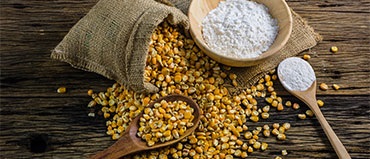
Lecithin and Phospholipids Market Overview: Growth Trends, Applications & Future Opportunities
Lecithin and phospholipids are essential lipid-based ingredients used extensively across the food & beverage, pharmaceuticals, nutraceuticals, cosmetics, and animal feed sectors. They act as natural emulsifiers, stabilizers, and bioactive carriers. With rising demand for clean-label ingredients and advanced delivery systems, global demand for high-quality lecithin and specialized phospholipids continues to grow steadily.
Plant-based lecithins—especially sunflower and non-GMO soy—are gaining traction, while purified fractions like phosphatidylcholine (PC) and phosphatidylserine (PS) are becoming increasingly important in nutraceutical and pharmaceutical applications.
Why Lecithin and Phospholipids Matter Today?
Lecithin and phospholipids are naturally occurring fatty compounds found in soy, sunflower, rapeseed, egg, and marine sources. They play a critical role as emulsifiers, stabilizers, and bioactive delivery agents across industries. With rising consumer demand for clean-label, plant-based, and functional products, these ingredients have become essential to food technologists, nutraceutical brands, cosmetics formulators, and pharmaceutical manufacturers.
Market Overview: Current Landscape & Rapid Expansion
The lecithin and phospholipids market is experiencing steady growth, driven by multiple high-demand industries and evolving consumer expectations. The market’s expansion is supported by:
- Rising consumption of processed food and ready-to-eat products
- Increasing R&D investments in drug delivery technologies
- Growing consumer preference for natural, non-GMO, and allergen-free emulsifiers
- Expansion of the cosmetics and personal care sector
- Continued demand from nutritional supplements and functional foods
Manufacturers that offer high-purity, fractionated, allergen-free, and traceable lecithin/phospholipid grades are capturing premium market segments. Sunflower lecithin, in particular, is witnessing higher demand due to its non-GMO and allergen-free positioning.
Why Demand Is Rising: Key Growth Drivers
- Clean-Label & Natural Ingredient Demand: Food and beverage manufacturers are transitioning from synthetic emulsifiers to natural, plant-based alternatives such as soy and sunflower lecithin.
- Growing Functional Foods & Nutraceuticals Segment: Phospholipids like phosphatidylcholine (PC) and phosphatidylserine (PS) are increasingly used in supplements targeting brain health, liver health, and cardiovascular support.
- Rapid Growth in Pharmaceutical & Drug Delivery Applications: Phospholipids are critical for liposomal formulations, biologics, and targeted drug-delivery systems—driving strong demand for high-purity lipid ingredients.
- Expanding Personal Care & Cosmetics Usage: Their emulsifying, skin-barrier-supporting, and sensory properties make lecithin and phospholipids essential in creams, serums, and hair-care products.
- Shift Toward Sustainable Sourcing: Sunflower lecithin is gaining preference due to its clean-label profile and lower allergen/GMO concerns.
Download PDF Brochure: https://www.marketsandmarkets.com/pdfdownloadNew.asp?id=259514839
Market Segmentation
By Product Type
- Crude/Liquid Lecithin
- Refined Lecithin (powder, granules)
- Concentrated Phospholipids (PC, PE, PS, etc.)
- Modified Lecithin’s (hydrolysed, enzymatically processed)
By Source
- Soy (traditionally dominant)
- Sunflower (fastest growing)
- Egg
- Marine/Algae-derived phospholipids
By Application
- Food & Beverages
- Nutraceuticals/Dietary Supplements
- Pharmaceuticals
- Personal Care & Cosmetics
- Animal Feed
- Industrial Applications (paints, lubricants, etc.)
By Region
- North America
- Europe
- Asia Pacific
- Latin America
- Middle East & Africa
Regional Insights
- North America: Home to strong pharmaceutical R&D capabilities, the region drives high demand for specialty phospholipids and advanced lipid-based formulations.
- Europe: A leader in clean-label movements, with rising adoption of sunflower lecithin and strict regulatory requirements guiding reformulation.
- Asia Pacific: The fastest-growing region, fueled by rising supplement consumption, expanding processed-food sectors, and increasing disposable incomes.
Leading Lecithin and Phospholipids Companies
The market is competitive, with global ingredient companies and specialty lipid manufacturers focusing on both large-scale production and high-value lipid innovations.
Key players typically include:
- Cargill (US)
- ADM (US)
- DuPont (US)
- IMCD Group B.V. (US)
- Bunge Limited (US)
- STERN-WYWIOL GRUPPE (Germany)
- Wilmar International Ltd. (Singapore)
- Sonic Biochem (India)
- Avril Group (France)
- American Lecithin Company (US)
- VAV Life Sciences Pvt. Ltd. (India)
These companies are increasingly investing in purification technologies, sustainable sourcing, and pharmaceutical-grade lipid production.
Future Outlook: Trends & Opportunities Ahead
- Rise of high-purity phospholipids for targeted nutrition and advanced drug delivery.
- Growth of allergen-free and vegan lecithin solutions, especially sunflower-based variants.
- Adoption of greener extraction technologies minimizing solvents and improving sustainability.
- Expansion in functional foods and personalized supplements, boosting demand for hydrolyzed and fractionated phospholipids.
- Greater use of phospholipids in skincare for premium anti-aging and dermatological solutions.
Overall, the lecithin and phospholipids market is moving toward high-value applications, traceability, and functional performance—creating a favorable landscape for innovators and manufacturers.
Key Takeaways
- The global Lecithin & Phospholipids Market is expanding rapidly across food, nutraceuticals, pharma, and personal care sectors.
- Clean-label and natural ingredient demand are major catalysts for growth.
- High-purity phospholipids offer significant value and strong margins.
- Sunflower lecithin is the fastest-growing source due to non-GMO preferences.
- Innovation in liposomal delivery systems will shape the next decade of growth.
Request New Version of this Report: https://www.marketsandmarkets.com/RequestNewVersion.asp?id=259514839
- Rising demand for clean-label and natural ingredients
- Increasing use in bakery, confectionery, and processed foods
- Growth in nutraceuticals and pharmaceutical formulations
- Expansion of the personal care and cosmetics industry
- Rising consumer awareness about health and functional ingredients
- Food & beverages
- Pharmaceuticals
- Cosmetics & personal care
- Nutraceuticals
- Animal feed
- Industrial applications (paints, coatings, and release agents)
- Soybeans (largest share globally)
- Sunflower (gaining popularity due to non-GMO concerns)
- Rapeseed
- Egg yolk
- Corn
- Drug delivery and formulation enhancement
- Improved nutrient absorption (e.g., omega-3, herbal extracts)
- Skin hydration and barrier support in cosmetics
- Functional foods and beverages
- Liposomal technology for targeted delivery
- North America – strong demand in food and nutraceuticals
- Europe – high usage in clean-label and non-GMO products
- Asia Pacific – rapidly growing due to expanding food processing and pharma industries
- Price fluctuations in raw materials such as soy and sunflower
- Allergen concerns with soy-based lecithin
- Limited availability of non-GMO and organic lecithin sources
- Regulatory differences across regions
80% of the Forbes Global 2000 B2B companies rely on MarketsandMarkets to identify growth opportunities in emerging technologies and use cases that will have a positive revenue impact.
- Food Packaging Market Size Set for Strong Growth Through 2030 Amid Rising Demand for Convenience Foods
- Crop Protection Chemical Market Size, Share & Growth Forecast (2025–2030)
- Mulch Films Market: Driving Sustainable Agriculture Through Innovation
- Agricultural Adjuvants Market Analysis, Trends, and Growth Outlook (2026–2031)
- Japan Enterprise Asset Management Market Growth: AI and Smart Infrastructure Drive Demand

Emerging Trends and Growth Opportunities in the Lecithin & Phospholipids Market
