Laboratory Glassware Market

Laboratory Glassware Market by Product Type (Glassware: Container, Pipette, Flask, Petridish; Plasticware: Pipette, Beaker, Rack), Material (Polypropylene, Polystyrene, Polyethylene), End User (Academia, Pharma-biopharma, CRO, F&B) Global Forecast to 2031



LABORATORY GLASSWARE MARKET SIZE, SHARE & GROWTH SNAPSHOT
Source: Secondary Research, Interviews with Experts, MarketsandMarkets Analysis
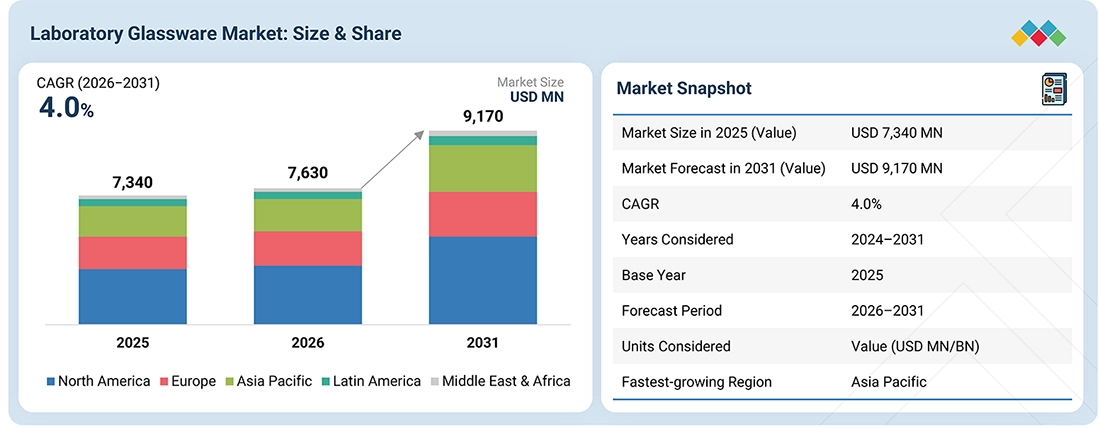
The global laboratory glassware market is projected to grow from USD 7,630 million in 2026 to USD 9,170 million by 2031, at a CAGR of 4.0% during the forecast period. The market was valued at USD 7,340 million in 2025. The market is experiencing steady growth, driven by increasing research and development activities in pharmaceutical, biotechnology, healthcare, and academic laboratories. Growing applications in drug discovery, diagnostics, vaccine development, disease research, and cell-based research are increasing demand for laboratory glassware and plasticware. In addition, the expansion of laboratory infrastructure and high-throughput workflows is supporting the adoption of reliable, application-specific products. Growing emphasis on sustainability is also encouraging manufacturers to develop biobased, recyclable, reusable, and material-efficient laboratory plasticware, further shaping the market.
KEY TAKEAWAYS
-
MARKET SNAPSHOT:
Base Year Market Size (2025): USD 7,340 Million
Current Market Size (2026): USD 7,630 Million
Forecast Market Size (2031): USD 9,170 Million
CAGR (2026–2031): 4.0% -
SEGMENT LEADERSHIP:
Regional Leader: North America accounted for the largest market share of 41% in 2025.
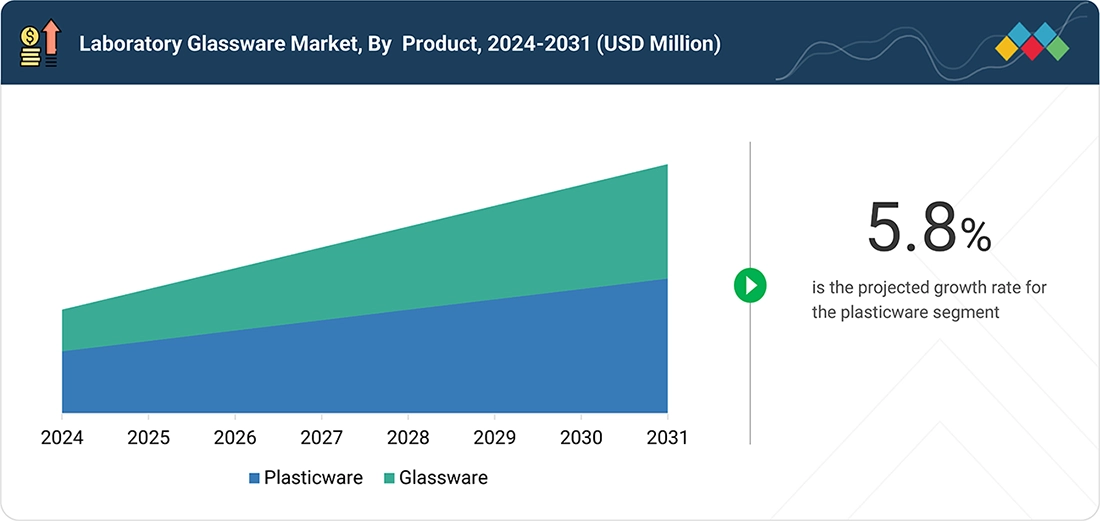
Product Leader: Plasticware segment accounted for the larger share of 68% of the market in 2025.
Material Leader: Polyethylene is projected to register the highest CAGR of 4.5% in the laboratory plasticware market between 2026 and 2031.
End User Leader: Research & academic institutes accounted for the largest share of 34% of the market in 2025. -
MARKET OUTLOOK & COMPETITIVE LANDSCAPE:
Companies such as Corning, Duran Group, Gerresheimer, Sartorius, Thermo Fisher Scientific, Eppendorf, Mettler Toledo, Bellco Glass, Crystalgen, and Technosklo are strengthening their positions through broad product portfolios, specialized laboratory products, and innovation focused on performance, sustainability, and application-specific requirements.
Emerging companies are focusing on sustainable laboratory consumables and circular material solutions. For example, Green Elephant Biotech develops plant-based laboratory consumables, including sustainable well plates and cell-culture products, while Polycarbin focuses on closed-loop recycling and recycled laboratory plastic consumables.
A key emerging driver of the laboratory glassware market is the expanding use of specialized labware across pharmaceutical, chemical, research, microbiology, food & beverage, environmental, and diagnostic applications. Increasing demand for precise liquid handling, sample preparation, storage, filtration, microbiological testing, and analytical workflows is supporting the use of pipettes, flasks, beakers, reagent bottles, vials, Petri dishes, culture tubes, and filtration assemblies. The expansion of pharmaceutical and biotechnology research, clinical diagnostics, microbiology, and food and environmental testing is further broadening applications for laboratory glassware and plasticware.
TRENDS & DISRUPTIONS IMPACTING CUSTOMERS' CUSTOMERS
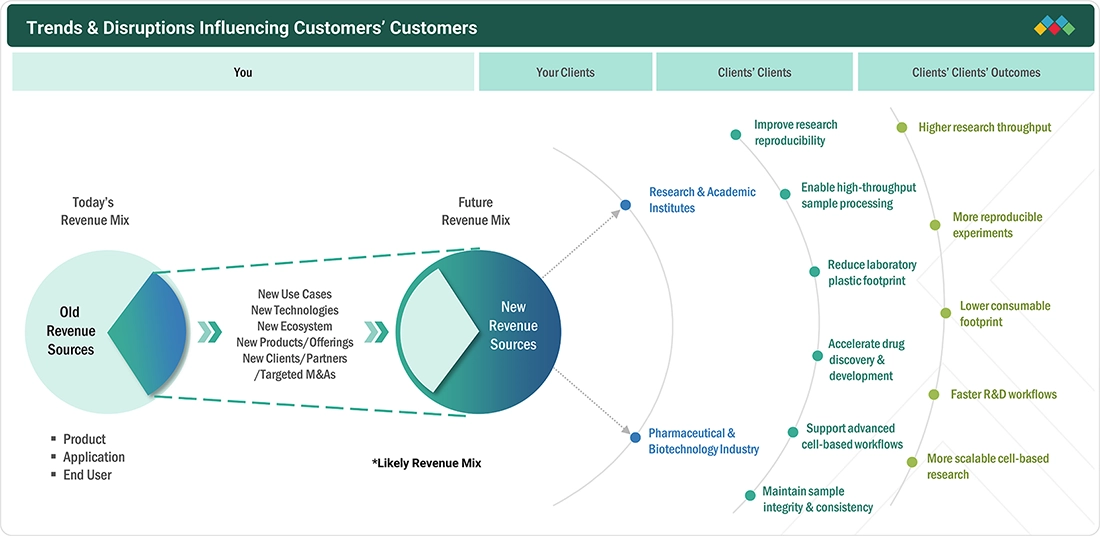
A key emerging trend in the laboratory glassware market is the shift toward sustainable, application-specific, and automation-compatible laboratory consumables. Laboratories are increasingly adopting biobased and recycled plasticware, material-efficient designs, and reusable solutions to reduce their environmental footprint, while high-throughput research is increasing demand for standardized, automation-compatible formats. At the same time, advanced pharmaceutical, biotechnology, molecular biology, and cell-based research is driving demand for specialized labware with improved chemical resistance, sample integrity, and reproducibility.
Source: Secondary Research, Interviews with Experts, MarketsandMarkets Analysis
MARKET DYNAMICS

Level
-
Expansion of cell culture, genomics, and molecular biology applications

-
Growing adoption of application-specific, traceable consumables


Level
-
Higher sustainability requirements for laboratory consumables

-
Material-specific limitations in chemical compatibility and temperature resistance


Level
-
Biobased and lower-carbon laboratory plasticware

-
Automation-compatible pipette tips, plates, and sample-processing consumables


Level
-
Balancing single-use convenience with plastic-waste reduction

-
Maintaining sterility and contamination control

Source: Secondary Research, Interviews with Experts, MarketsandMarkets Analysis
Driver: Expansion of cell culture, genomics, and molecular biology applications
Growing adoption of cell culture, genomics, molecular biology, and advanced life-science workflows is increasing demand for specialized laboratory consumables such as pipette tips, tubes, plates, flasks, and storage products. These applications require reliable, contamination-controlled, and reproducible labware, supporting demand for both glassware and plasticware.
Restraint: Higher sustainability requirements for laboratory consumables
Growing scrutiny of single-use laboratory plastics is pressuring manufacturers and laboratories to reduce material use and improve end-of-life management. However, sterility, contamination control, and workflow requirements limit substitution or reuse in many applications, creating a challenge in balancing sustainability with laboratory performance.
Opportunity: Biobased and lower-carbon laboratory plasticware
The shift toward sustainable laboratory practices is creating opportunities for biobased, recycled, reusable, and material-efficient plasticware. Manufacturers are increasingly developing sustainable alternatives while maintaining the performance required for demanding research workflows; recent portfolios include biobased tubes, pipette tips, PCR plates, and deepwell plates.
Challenge: Balancing single-use convenience with plastic-waste reduction
Single-use plasticware remains important for sterility, safety, convenience, and contamination control, particularly in biological and medical research. This makes it challenging for laboratories to reduce plastic consumption without compromising experimental reliability, while increasing waste-management and recycling requirements add further complexity.
LABORATORY GLASSWARE MARKET: COMMERCIAL USE CASES ACROSS INDUSTRIES
| COMPANY | USE CASE DESCRIPTION | BENEFITS |
|---|---|---|
 |
Provides laboratory glassware and plasticware for cell culture, 3D cell culture, genomics, filtration, cryogenic storage, and general laboratory workflows. Its cell-culture portfolio supports applications ranging from research to scale-up. | Supports consistent and reproducible cell growth, advanced cell-based research, sample storage, and research workflow efficiency |
 |
Provides plasticware for PCR, sequencing, cell culture, ELISA, genomic sample storage, and high-throughput screening, including 96- and 384-well formats and polypropylene storage plates. | Enables high-throughput processing, sample recovery, contamination control, and compatibility with molecular biology workflows |
 |
Provides precision volumetric glassware for quality control, validation, chromatography, analytical instrumentation, serial dilutions, standards, buffers, and analytes. | Delivers accuracy, repeatability, calibration, and traceability for analytical and regulated laboratory applications |
Logos and trademarks shown above are the property of their respective owners. Their use here is for informational and illustrative purposes only.
MARKET ECOSYSTEM
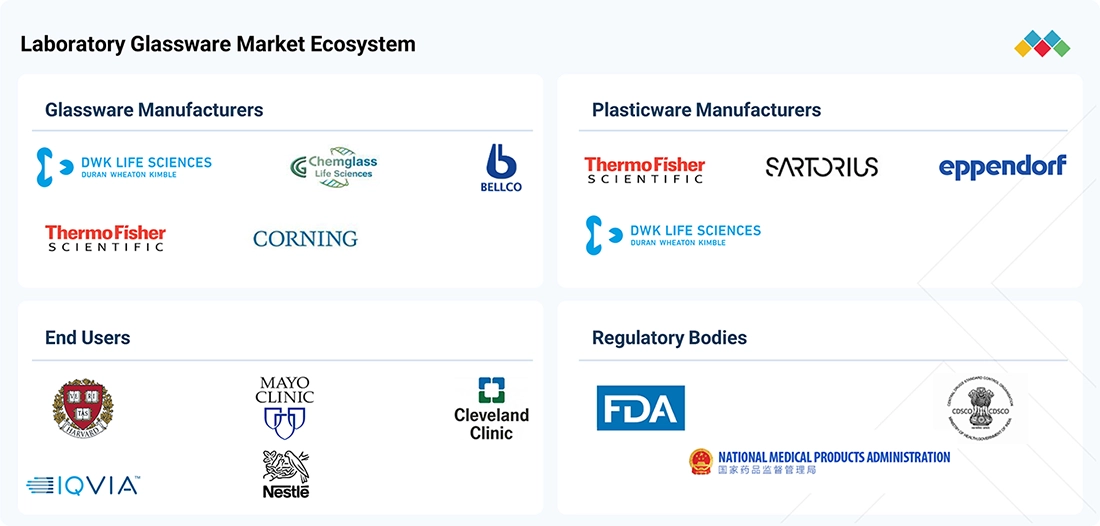
The laboratory glassware market ecosystem comprises manufacturers supplying glassware and plasticware for research, pharmaceutical, biotechnology, diagnostic, and other laboratory workflows. Key glassware and plasticware manufacturers include DWK Life Sciences, Chemglass Life Sciences, Corning, Bellco Glass, Thermo Fisher Scientific, Sartorius, and Eppendorf, while major end users include research and academic institutes, hospitals and diagnostic centers, pharmaceutical and biotechnology companies, CROs, and food & beverage laboratories. Regulatory and standards organizations such as the US FDA, Indian Pharmacopoeia Commission (IPC), and China’s NMPA influence requirements related to product quality, safety, material suitability, and laboratory use.
Logos and trademarks shown above are the property of their respective owners. Their use here is for informational and illustrative purposes only.
MARKET SEGMENTS
Source: Secondary Research, Interviews with Experts, MarketsandMarkets Analysis
Laboratory Glassware Market, By Product
By product, plasticware accounted for the largest share of the market. Plasticware is widely used for collecting, storing, and dispensing liquids, with common products including test tubes, microtubes, pipettes, storage bottles, measuring cylinders, flasks, plates, and freezer containers. Its increasing adoption over glassware is supported by sterilization capabilities, ease of disposal, safety, and the availability of single-use and sterile products.
Laboratory Glassware Market, By Material
Low-density polyethylene (LDPE) accounted for the largest share of the laboratory plasticware material segment in 2025. Its flexibility, lightweight nature, chemical resistance, and suitability for products such as bottles, wash bottles, carboys, and other liquid-handling products support its extensive laboratory use. Demand for LDPE is further supported by healthcare and pharmaceutical applications requiring durable and chemically resistant plastic laboratory products.
Laboratory Glassware Market, By End User
Research and academic institutes accounted for the largest share of the market in 2025. Extensive use of beakers, flasks, pipettes, test tubes, Petri dishes, and storage products across academic experimentation and scientific research supports this position. Growing investment in biotechnology, molecular biology, drug discovery, and other research activities continues to sustain demand for laboratory glassware and plasticware.
REGION
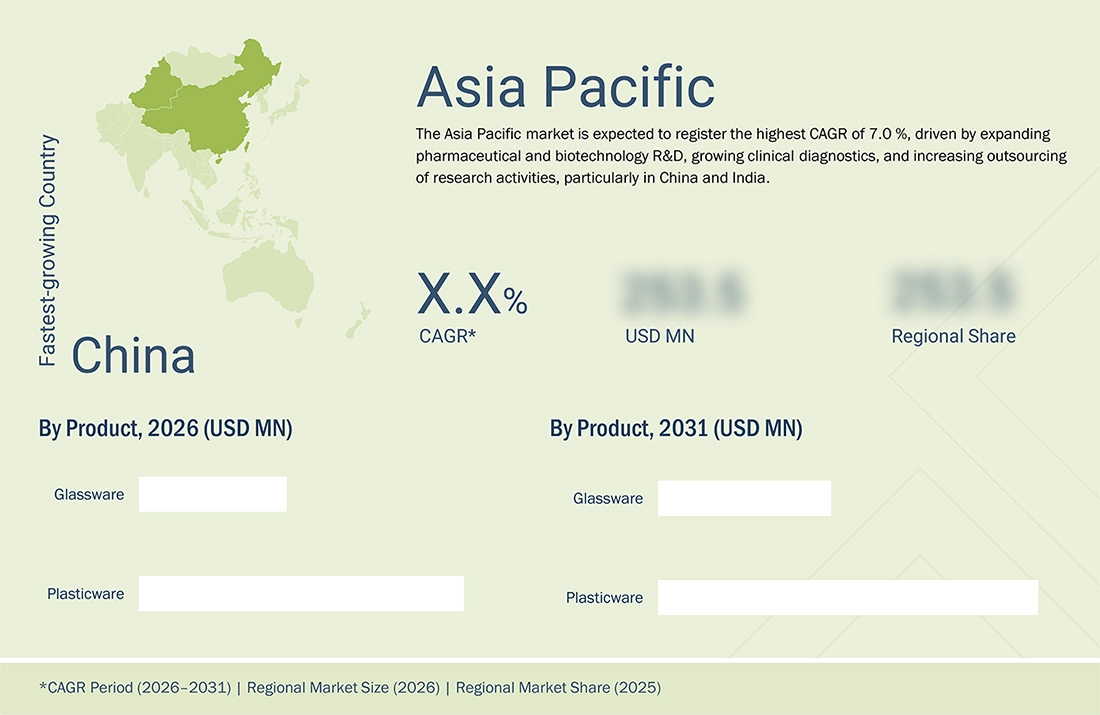
Asia Pacific is expected to register the highest growth in the laboratory glassware market during the forecast period.
Asia Pacific is expected to register the highest growth in the laboratory glassware market, supported by expanding pharmaceutical and biotechnology manufacturing, increasing investments in academic and scientific research, and the growth of diagnostic and clinical testing infrastructure. The region is also seeing greater adoption of single-use plasticware, high-throughput laboratory workflows, and contamination-controlled consumables, particularly across China, India, and Southeast Asia. Increasing biotechnology research, drug development, vaccine manufacturing, and laboratory capacity expansion are creating additional demand for pipettes, tubes, flasks, storage containers, and other laboratory consumables.
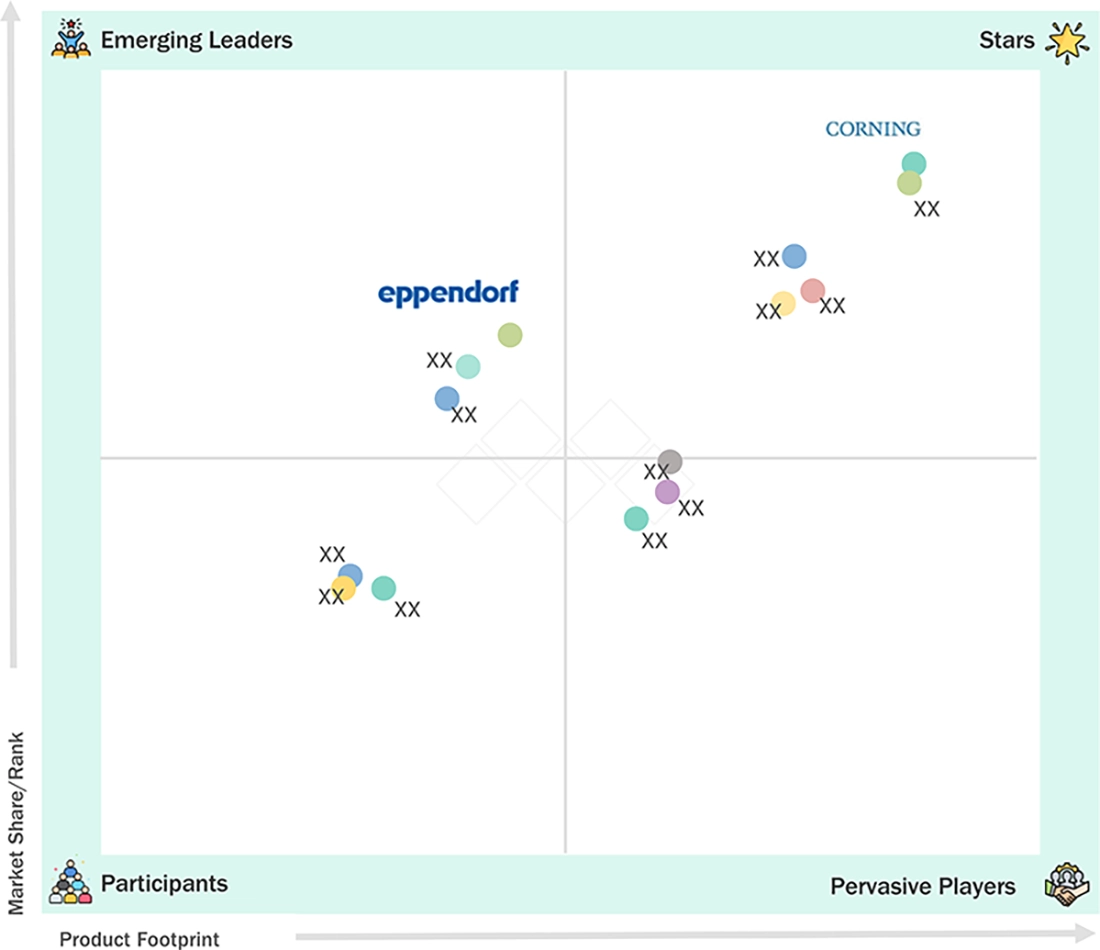
LABORATORY GLASSWARE MARKET: COMPANY EVALUATION MATRIX
The laboratory glassware market is highly competitive and fragmented, with established players competing through broad product portfolios, material expertise, product quality, customization, and global distribution. Leading companies offer complementary glassware and plasticware portfolios spanning pipettes, beakers, flasks, bottles, tubes, containers, and volumetric products. Competition is increasingly shaped by precision, traceability, chemical compatibility, contamination control, and application-specific solutions, particularly for pharmaceutical, biotechnology, diagnostic, and research workflows. For instance, manufacturers are expanding certified and serialized volumetric products, ready-to-process/sterilize solutions, and low-extractable materials, while also developing break-resistant and single-use alternatives to conventional glassware. Key players include Corning Inc., DWK Life Sciences GmbH, Gerresheimer AG, Thermo Fisher Scientific Inc., Eppendorf AG, Sartorius AG, SCHOTT AG, Bellco Glass, Inc., Chemglass Life Sciences LLC, and Borosil Ltd.
Source: Secondary Research, Interviews with Experts, MarketsandMarkets Analysis
KEY MARKET PLAYERS
- Bellco Glass, Inc. (US)
- Borosil Limited (India)
- Chemglass Life Sciences LLC (US)
- Corning Incorporated (US)
- Crystalgen Inc. (US)
- DWK Life Sciences GmbH (Germany)
- Eppendorf SE (Germany)
- Gerresheimer AG (Germany)
- Mettler-Toledo International Inc. (Switzerland)
- Sartorius AG (Germany)
- SCHOTT AG (Germany)
- Thermo Fisher Scientific Inc. (US)
MARKET SCOPE
| REPORT METRIC | DETAILS |
|---|---|
| Market Size in 2026 (Value) | USD 7,630 million |
| Market Forecast in 2031 (value) | USD 9,170 million |
| Growth Rate | CAGR of 4.0% from 2026–2031 |
| Years Considered | 2024–2031 |
| Base Year | 2025 |
| Forecast Period | 2026–2031 |
| Units Considered | Value (USD Billion) |
| Report Coverage | Revenue forecast, company ranking, competitive landscape, growth factors, and trends |
| Segments Covered |
|
| Country Covered | North America, Europe, Asia Pacific, Latin America, Middle East & Africa |
WHAT IS IN IT FOR YOU: LABORATORY GLASSWARE MARKET REPORT CONTENT GUIDE
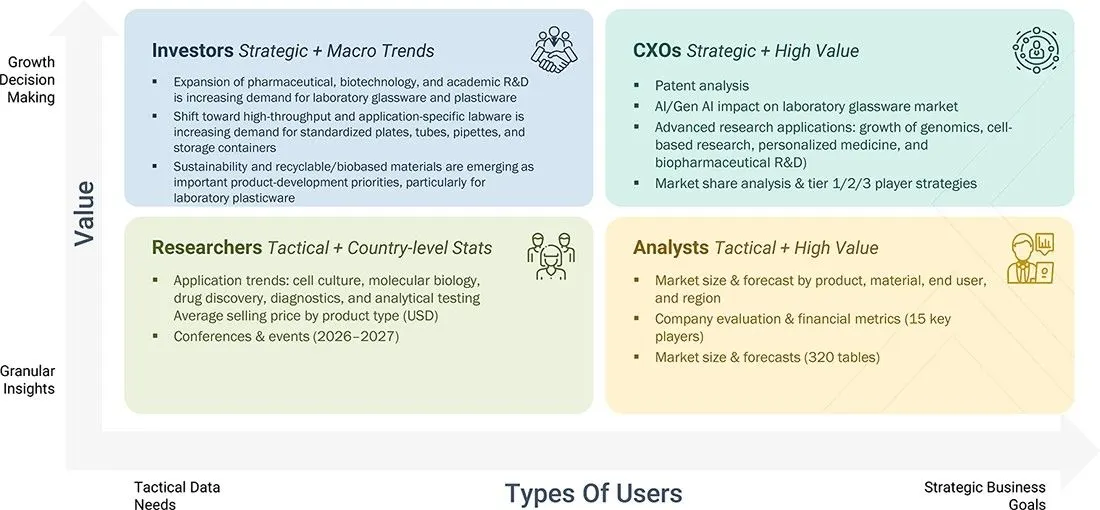
DELIVERED CUSTOMIZATIONS
We have successfully delivered the following deep-dive customizations:
| CLIENT REQUEST | CUSTOMIZATION DELIVERED | VALUE ADDS |
|---|---|---|
| Pharmaceutical & Biotechnology Company |
|
|
| Research & Academic Institute |
|
|
RECENT DEVELOPMENTS
- September 2025 : Eppendorf launched the Research 3 neo, its next-generation mechanical pipette, globally in September 2025. The pipette features faster and more precise volume adjustment, improved ergonomics, a volume-lock function, and adaptable settings for different liquid types, tip geometries, reverse pipetting, and altitude conditions.
- August 2025 : Corning and Revital Healthcare announced an intended collaboration to establish a life sciences manufacturing footprint in Africa. The collaboration aims to increase local production and availability of essential laboratory consumables, address supply-chain challenges, and diversify product offerings according to regional healthcare needs.
- October 2025 : DWK Life Sciences showcased ready-to-use (RTU) packaging solutions, including customized injection and diagnostic vials available in bulk and RTU formats. The vials are supported by automated manufacturing, 100% camera inspection, and ISO Class 8 cleanroom packaging.
- 2025 : Eppendorf expanded its portfolio of biobased laboratory plasticware with the addition of Eppendorf Safe-Lock Tubes BioBased.
Table of Contents
 Exclusive indicates content/data unique to MarketsandMarkets and not available with any competitors.
Methodology
The laboratory glassware market was assessed through a balanced combination of primary and secondary research, with a detailed evaluation of key market variables influencing small, medium, and large enterprises. Primary interviews with industry experts across the value chain were conducted to validate the research findings, assumptions, and market estimates. The overall market size was determined using both top-down and bottom-up estimation approaches, ensuring robust and reliable analysis. The study further evaluates market segments, emerging trends, regulatory developments, competitive landscape, and the strategic initiatives adopted by leading market participants. Finally, data triangulation was applied to reconcile findings from multiple sources and methodologies, resulting in accurate market size estimates, while primary research was used throughout the study to validate key assumptions and hypotheses.
Secondary Research
During the study, secondary research was conducted using a range of sources, including directories and databases such as Bloomberg Businessweek, D&B Hoovers, and Factiva. Additional materials included white papers, annual reports, SEC filings, and investor presentations. This research approach was adopted to collect and analyze data that provides comprehensive, technical, and market-focused insights into the laboratory glassware market. The findings offer insights into key players and market segmentation, informed by recent industry trends and significant developments. A database comprising leading industry figures was also created as part of this secondary research.
Primary Research
Primary research involved activities designed to gather both qualitative and quantitative data. A variety of individuals from both the supply and demand sides were interviewed during this phase. On the supply side, key figures such as CEOs, vice presidents, directors of marketing and sales, directors of technology and innovation, and other important leaders were interviewed by industry experts. On the demand side, primary sources included academic institutions and research organizations. This research aimed to validate market segmentation, identify prominent market participants, and gain insights into significant industry trends and market dynamics through a real-world primary study.
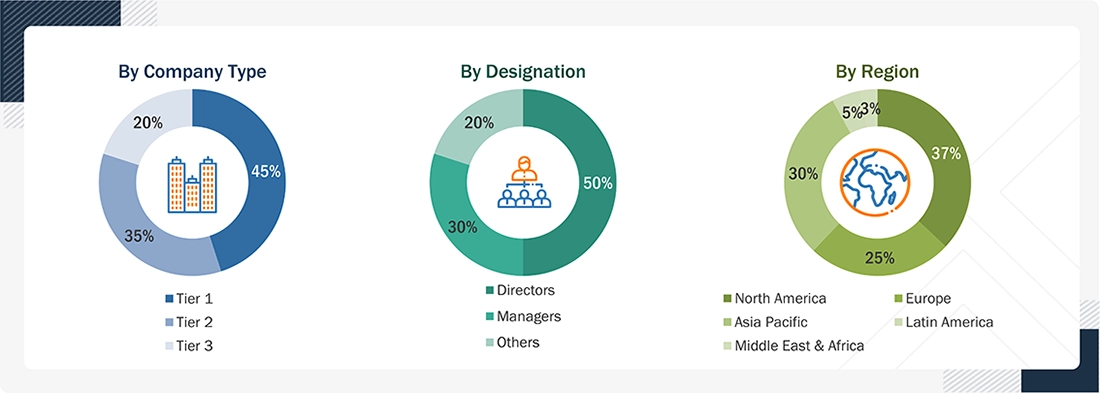
Notes: Others include distributors, suppliers, product managers, business development managers, marketing managers, and sales managers.
Companies are categorized into tiers based on their total revenue. As of 2025, Tier 1 = >USD 1,000 million, Tier 2 = USD 500–1,000 million, and Tier 3 = <USD 500 million.
To know about the assumptions considered for the study, download the pdf brochure
Market Size Estimation
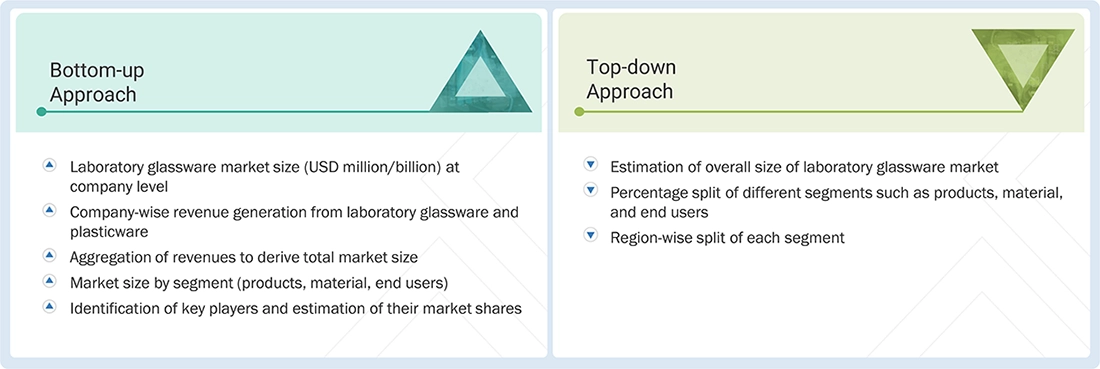
This report provides an analysis of the global laboratory glassware market size by reviewing the revenue shares of prominent companies. Key players with significant market shares were identified through secondary research, and their revenue from laboratory glassware and plasticware sales was calculated and subsequently validated through primary research. The secondary research included an analysis of annual and financial reports from leading market participants. Meanwhile, the primary research involved in-depth interviews with key thought leaders, such as directors, CEOs, and marketing executives.
To calculate the global market value, segmental revenues were determined based on the revenue mapping of service and product providers. The process involved the following steps:
- Generating a list of key players that operate in the laboratory glassware market at regional or global levels
- Mapping the products of manufacturers of glassware & plasticware and related product lines at the regional level
- Mapping the revenues of listed players through the sales of laboratory glassware and plasticware products
- Mapping the revenues of major players to cover at least ~40% of the global market share as of 2025
- Extrapolating the mapped revenues of players to arrive at the global market value for the respective segment
- Summing up the market value for all segments and subsegments to achieve the actual value of the global laboratory glassware market
Data Triangulation
Following the estimation of the overall market size, the laboratory glassware market was segmented into various subsegments. The market engineering process was completed through data triangulation and detailed market segmentation to generate accurate estimates for each segment and subsegment. This process involved evaluating key trends and factors from both the demand and supply sides. The market estimates were further validated using a combination of top-down and bottom-up approaches to ensure the accuracy and consistency of the findings.
Market Definition
The laboratory glassware market comprises laboratory products used for sample preparation, liquid handling, measurement, storage, containment, and other routine and specialized laboratory applications. The market includes glassware such as glass pipettes and pipette tips, storage containers, flasks, beakers, Petri dishes, burettes, and other glassware, as well as plasticware such as plastic pipettes and pipette tips, storage containers, flasks, beakers, and other plasticware. These products are used across research and academic institutes, hospitals and diagnostic centers, pharmaceutical and biotechnology industries, contract research organizations, and food & beverage laboratories.
Key Stakeholders
- Laboratory glassware and plasticware manufacturers, suppliers, and distributors
- Pharmaceutical and biotechnology companies
- Research and academic institutes
- Hospitals and diagnostic centers
- Contract research organizations (CROs)
- Food and beverage testing laboratories
- Quality control and quality assurance laboratories
- Laboratory testing and analytical service providers
- Regulatory and standards organizations
Report Objectives
- To define, describe, and forecast the size of the laboratory glassware market based on product, material, end user, and region
- To provide detailed information regarding the factors influencing the growth potential of the global laboratory glassware market (drivers, restraints, opportunities, challenges, and trends)
- To analyze micro markets with respect to individual growth trends, prospects, and contributions to the global laboratory glassware market
- To analyze key growth opportunities in the global laboratory glassware market for key stakeholders and provide details of the competitive landscape for market leaders
- To forecast the size of market segments and/or subsegments concerning five regions, namely, North America (US and Canada), Europe (Germany, France, the UK, Spain, Italy, and the rest of Europe), Asia Pacific (Japan, China, India, Australia, South Korea, and the rest of Asia Pacific), Latin America (Brazil, Mexico, and the rest of Latin America), and the Middle East & Africa (GCC Countries and the rest of the Middle East & Africa)
- To profile the key players in the laboratory glassware and plasticware industry and comprehensively analyze their market shares and core competencies
- To track and analyze the competitive developments undertaken in the market, such as product launches/approvals, agreements, expansions, collaborations, and acquisitions.
Available customizations:
With the given market data, MarketsandMarkets offers customizations based on your company’s specific needs. The following customization options are available for the present global Laboratory Glassware (PAT) market report:
Product Analysis
- Product matrix, which gives a detailed comparison of the product portfolios of the top 15 companies
Company Information
- Detailed analysis and profiling of additional market players (up to 13)
Geographic Analysis
- Further breakdown of the Rest of Europe Laboratory Glassware (PAT) market into Russia, Belgium, the Netherlands, Switzerland, Austria, Finland, Sweden, Poland, and Portugal
- Further breakdown of the Rest of Asia Pacific Laboratory Glassware (PAT)market into Singapore, Taiwan, New Zealand, the Philippines, Malaysia, and other Asia Pacific countries
- Further breakdown of the Rest of Latin America Laboratory Glassware (PAT) into Argentina, Chile, Peru, and Colombia


Personalize This Research
- Triangulate with your Own Data
- Get Data as per your Format and Definition
- Gain a Deeper Dive on a Specific Application, Geography, Customer or Competitor
- Any level of Personalization
Let Us Help You
- What are the Known and Unknown Adjacencies Impacting the Laboratory Glassware Market
- What will your New Revenue Sources be?
- Who will be your Top Customer; what will make them switch?
- Defend your Market Share or Win Competitors
- Get a Scorecard for Target Partners

Custom Market Research Services
We Will Customise The Research For You, In Case The Report Listed Above Does Not Meet With Your Requirements
Get 10% Free CustomisationTESTIMONIALS

JAYANT RAJPUROHIT
Director of Market Insights, Data and Analytics
SFI Health,
Leading Pharmaceutical Companywww.sfihealth.com/

We at SFI Health approached MarketsandMarkets for an Opportunity Assessment on "Incidence and Prevalence of Focus Indications" as we wanted to know the most attractive HCPs like Physician, Functional MD, Naturopath and Pharmacist. The project was critical for us to ensure our focus on the right target which would enable sustainable growth and profitability for SFI Health. The business insights provided exceeded our expectations and we were extremely impressed. The team at MarketsandMarkets is highly professional and detail oriented and very well understood our business needs. MarketsandMarkets offers a unique combination of expertise and dedicated engagement model. We identified 2 new products to be launched in coming months, based on the research findings provided by MarketsandMarkets. We are happy with the services and would strongly recommend MarketsandMarkets to my peers in the industry.

BEATRIZ DE LA CALLE
Head of Commercial Analytics
Qualicaps,
Leading Pharmaceutical Companywww.qualicaps.com/

We partnered with MarketsandMarkets for an assessment study on hard empty capsules. The team was extremely professional in understanding our business requirements and we received timely responses to all our queries. The market intelligence and the recommendations has met our business requirements. We were extremely impressed to see the final study results; it really exceeded our expectations. The market intelligence offered by MarketsandMarkets, and clarity on next steps will help us achieve our business objective for the Year 2021. We are happy with the services and would strongly recommend MarketsandMarkets to my peers in the industry.

Bob Williams,
Senior Director Business Development & Innovation
Bracco Diagnostics Inc.,
Italian Multinational in life sciences sector and a World Leader in imaging diagnosticsimaging.bracco.com/us-en
We were pleased with targeted insights that MarketsandMarkets identified from a custom study on the 'Radiation Dose Management Solutions Market'. Your team identified and characterized the market participants as well as underlying trends accurately. This study was useful to Bracco in formulating business strategies for our dose monitoring product lines and we thank MarketsandMarkets for the job well done.
Cody Coonradt,
Market Development and Strategy Manager
3M Health Information Systems,
Leader in Health care Coding, Payment & Analytics Solutions.www.3m.com/3M/en_US/health-information-systems-us
The value for our organization comes from three things: depth of research, specificity of segments and being easy to work with. As important as the first two are, the third can't be underestimated. MarketsandMarkets, maybe more than any other research vendor, wants to know what is top of mind for our team and what big questions we are grappling to answer.
Their customer first approach and high value engagement model, have given us great analysis and excellent value for money






Growth opportunities and latent adjacency in Laboratory Glassware Market