Dermatology Devices Market

Dermatology Devices Market by Type (Diagnostic (Dermatoscopes, Microscopes), Treatment (Laser, Cryotherapy), Application (Diagnostic, Medical Therapeutic, Aesthetic Therapeutic), Technology (Light), End User (Hospital) & Region - Global Forecast to 2031



DERMATOLOGY DEVICES MARKET SIZE, SHARE & GROWTH SNAPSHOT
Source: Secondary Research, Interviews with Experts, MarketsandMarkets Analysis
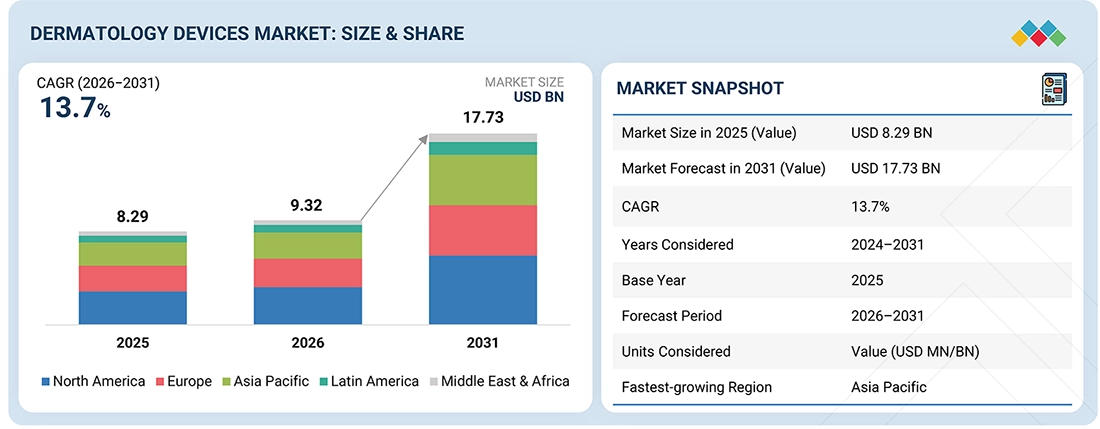
The global dermatology devices market is projected to grow from USD 9.32 billion in 2026 to USD 17.73 billion by 2031, at a CAGR of 13.7% during the forecast period. The market was valued at USD 8.29 billion in 2025. Market growth is primarily driven by the rising prevalence of skin disorders and skin cancer, increasing demand for minimally invasive and noninvasive aesthetic procedures, the growing aging population, and rising beauty consciousness influenced by social media and a greater emphasis on personal appearance. Technological advancements in dermatology devices, expanding dermatology services in emerging markets, and rising disposable incomes are further supporting market growth. However, stringent regulatory requirements, the high cost of advanced dermatology devices, limited reimbursement for aesthetic procedures, procedure-related risks, and pricing pressure from low-cost manufacturers are expected to restrain market growth.
KEY TAKEAWAYS
-
MARKET SNAPSHOT:
Base Year Market Size (2025): USD 8.29 Billion
Current Market Size (2026): USD 9.32 Billion
Forecast Market Size (2031): USD 17.73 Billion
CAGR (2026–2031): 13.7% -
SEGMENT LEADERSHIP:
Regional Leader: North America led the market in 2025.
Type Leader: Treatment devices segment held the largest market share of 61.0% in 2025.
Application Leader: Aesthetic therapeutic applications are expected to grow at the highest CAGR during the forecast period.
Technology Leader: Laser-based segment held the largest market share of 37.4% in 2025.
End User Leader: Beauty centers are expected to grow at the highest rate. -
MARKET OUTLOOK & COMPETITIVE LANDSCAPE:
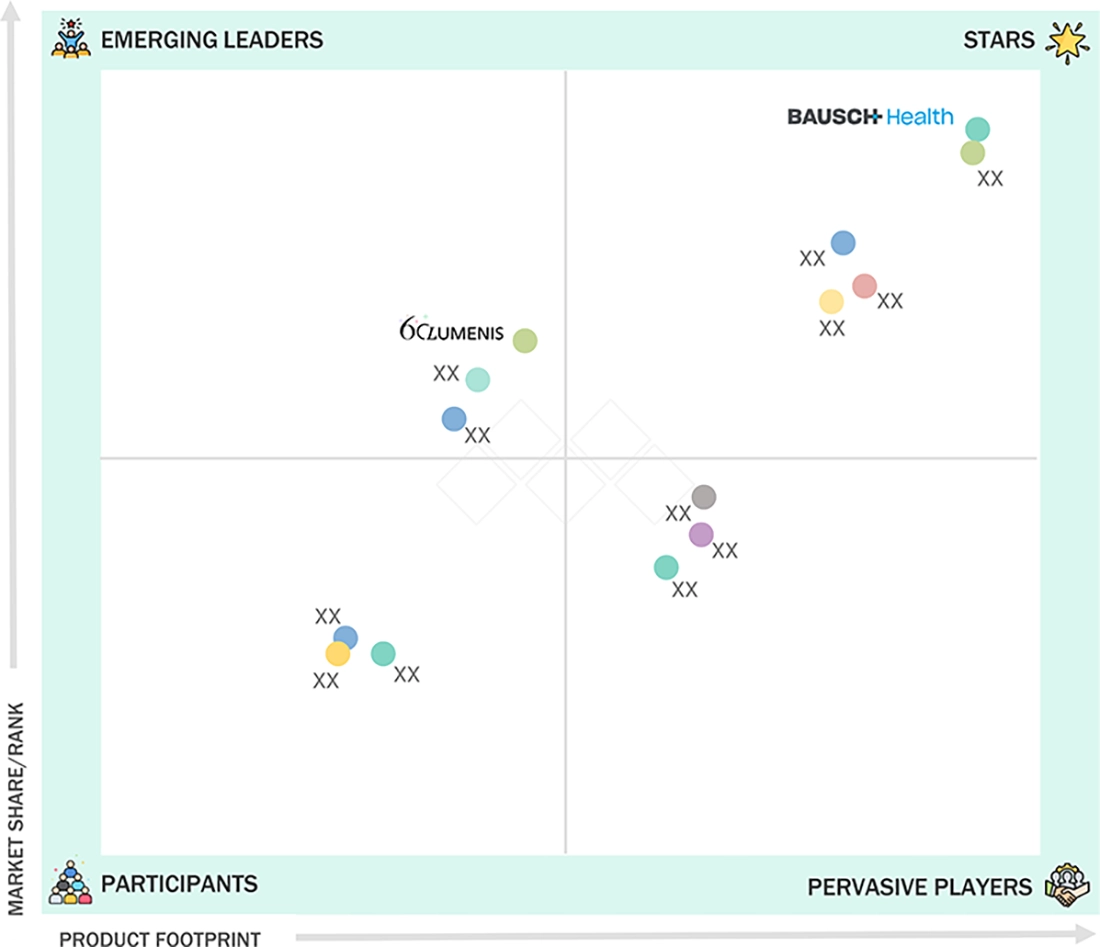
Bausch Health Companies Inc., Sisram Medical Ltd., AbbVie Inc., InMode Ltd., and BTL Group of Companies were identified as star players in the dermatology devices market due to their strong market presence and extensive product portfolios.
Dimed Laser, Sciton, Fotona, Lynton Lasers Ltd., Astanza Laser, and Courage+Khazaka Electronic GmbH have distinguished themselves among startups and SMEs by securing strong footholds in specialized niche areas.
The dermatology devices market is expected to grow significantly due to the rising prevalence of skin disorders and skin cancer, along with increasing demand for minimally invasive and noninvasive aesthetic procedures. Ongoing advancements in laser, radiofrequency, HIFU, and other energy-based technologies are improving treatment precision, safety, and clinical outcomes, thereby driving adoption of advanced dermatology devices. Furthermore, the growing aging population, rising beauty consciousness, increasing disposable incomes in emerging markets, and the expansion of dermatology and aesthetic care facilities are expected to support adoption of dermatology devices and drive market growth during the forecast period.
TRENDS & DISRUPTIONS IMPACTING CUSTOMERS' CUSTOMERS
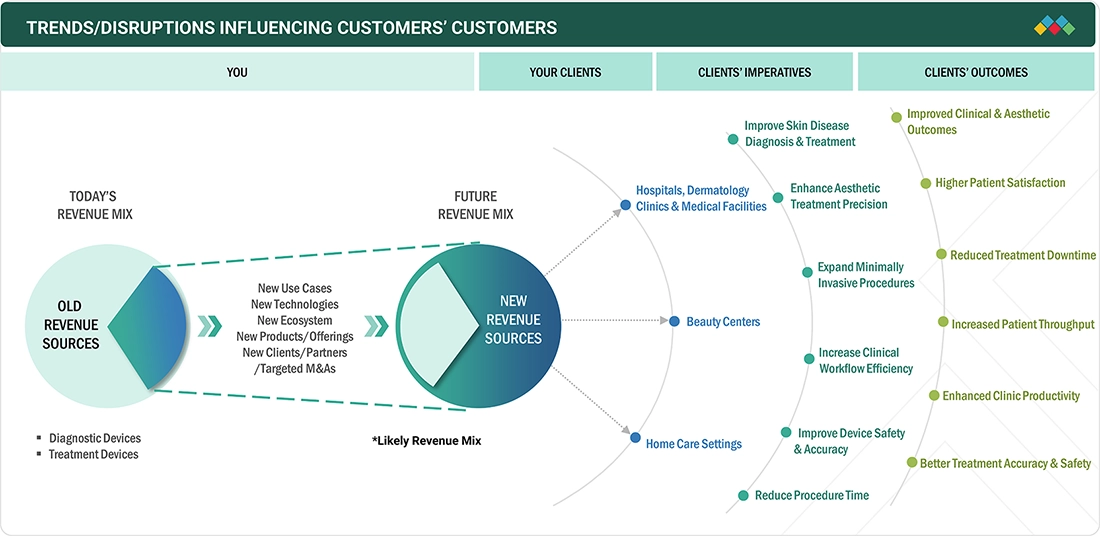
The rising prevalence of skin disorders and growing demand for aesthetic procedures have significantly increased the adoption of dermatology devices across healthcare and cosmetic settings. Technological advances in laser, radiofrequency, HIFU, light-based, and imaging technologies are improving the precision, safety, and effectiveness of diagnostic and treatment procedures, enabling better clinical outcomes and shorter recovery times. In addition, an aging population, rising beauty consciousness, expanding access to dermatology services in emerging markets, and rising disposable incomes are accelerating the adoption of advanced dermatology devices. Furthermore, ongoing product innovations and the expansion of dermatology clinics and aesthetic centers are expected to enhance the availability of advanced treatment options and support sustained market growth during the forecast period.
Source: Secondary Research, Interviews with Experts, MarketsandMarkets Analysis
MARKET DYNAMICS

Level
-
Growing Beauty Consciousness, Social Media Influence, and Emphasis on Personal Appearance

-
Increasing demand for minimally invasive and non-invasive aesthetic procedures


Level
-
Stringent regulatory requirements for medical devices

-
Risk of procedure-related adverse events and complications


Level
-
Expansion of dermatology services in emerging markets

-
Increasing disposable income and expanding middle-class population


Level
-
Competitive pricing by low-cost manufacturers

-
High cost of advanced dermatology devices and limited reimbursement for aesthetic procedures

Source: Secondary Research, Interviews with Experts, MarketsandMarkets Analysis
Driver: Growing beauty consciousness, social media influence, and emphasis on personal appearance
Growing beauty consciousness and a stronger focus on personal appearance are driving demand for dermatology devices as consumers increasingly seek professional solutions for acne, pigmentation, scars, uneven skin tone, and age-related skin concerns. The widespread adoption of social media platforms has further accelerated this trend by raising awareness of skincare, dermatological treatments, and before-and-after treatment outcomes. As consumers become more informed about advanced diagnostic and energy-based treatment options, demand for dermatoscopes, skin imaging systems, lasers, and other dermatology devices continues to grow. In addition, the rising preference for preventive skincare and minimally invasive aesthetic procedures is encouraging greater adoption of advanced dermatology devices across hospitals, dermatology clinics, and beauty centers.
Restraint: Risk of procedure-related adverse events and complications
Despite ongoing technological advances, dermatologic procedures using energy-based and minimally invasive devices are associated with adverse events that may limit market growth. Complications such as burns, skin irritation, erythema, edema, infection, scarring, blistering, prolonged healing, and post-inflammatory hyperpigmentation or hypopigmentation may arise from improper device settings, inadequate operator expertise, or patient-specific factors. For instance, laser-based procedures may cause temporary or permanent pigmentary changes, while light-based therapies may occasionally result in burns or blisters if devices are misused. These safety concerns can erode patient confidence, increase the need for specialized training and strict treatment protocols, and expose healthcare providers to medico-legal risks, thereby restraining the adoption of advanced dermatologic devices.
Opportunity: Increasing disposable income and expanding middle-class population
The expanding middle class and rising disposable incomes, particularly in emerging economies, are creating significant growth opportunities for the dermatology devices market. Higher purchasing power is enabling more consumers to access advanced healthcare services and choose professional dermatology and aesthetic procedures for conditions such as acne, pigmentation, scars, hair loss, and skin aging. This trend, coupled with growing awareness of skin health, greater emphasis on personal appearance, and a preference for minimally invasive treatments, is driving adoption of advanced diagnostic and treatment devices across hospitals, dermatology clinics, and beauty centers. As consumers continue to spend more on premium healthcare and aesthetic services, demand for technologically advanced dermatology devices is expected to increase, creating substantial growth opportunities for market players over the forecast period.
Challenge: High cost of advanced dermatology devices and limited reimbursement for aesthetic procedures
The high cost of advanced dermatology devices and limited reimbursement for many aesthetic procedures pose a significant challenge to the growth of the dermatology devices market. Advanced technologies such as laser systems, radiofrequency (RF), HIFU, and imaging devices require substantial capital investment, making them less affordable for smaller hospitals, dermatology clinics, and beauty centers, particularly in emerging markets. Additionally, many aesthetic dermatology procedures are considered elective and are therefore not covered by public or private health insurance in many countries, requiring patients to bear the full cost of treatment. This combination of high equipment costs, expensive procedures, and limited reimbursement reduces treatment accessibility, delays technology adoption by healthcare providers, and restrains the overall growth of the dermatology devices market.
DERMATOLOGY DEVICES MARKET: COMMERCIAL USE CASES ACROSS INDUSTRIES
| COMPANY | USE CASE DESCRIPTION | BENEFITS |
|---|---|---|
 |
Offers laser and radiofrequency systems for skin tightening and resurfacing, ultrasound-based systems for body contouring, and light-based systems for pigmentation and acne treatment, alongside a dermatology pharmaceutical portfolio | Broad device and drug portfolio, strong brand recognition, and combined pharma-plus-device offering |
 |
Provides laser, light-based, radiofrequency, and ultrasound energy-based devices for hair removal, skin rejuvenation, and body contouring, along with AI-powered skin diagnostics | Comprehensive multi-technology platform, AI-assisted treatment personalization, and a large global installed base |
 |
Offers laser, intense pulsed light, and radiofrequency-based devices for hair removal, skin resurfacing, tattoo removal, and cellulite and skin smoothing treatments | Wide-ranging energy-based technology portfolio, established brand credibility, and extensive clinical adoption across dermatology practices |
 |
Develops radiofrequency-based minimally and non-invasive platforms for skin tightening, resurfacing, and body contouring | Versatile multi-specialty use, minimally invasive procedures with reduced downtime, and strong clinical evidence |
 |
Offers non-invasive energy-based devices for body contouring, muscle building, skin tightening, and facial rejuvenation | Non-invasive treatment with minimal downtime, dual-action fat and muscle technology, and extensive clinical data |
Logos and trademarks shown above are the property of their respective owners. Their use here is for informational and illustrative purposes only.
MARKET ECOSYSTEM
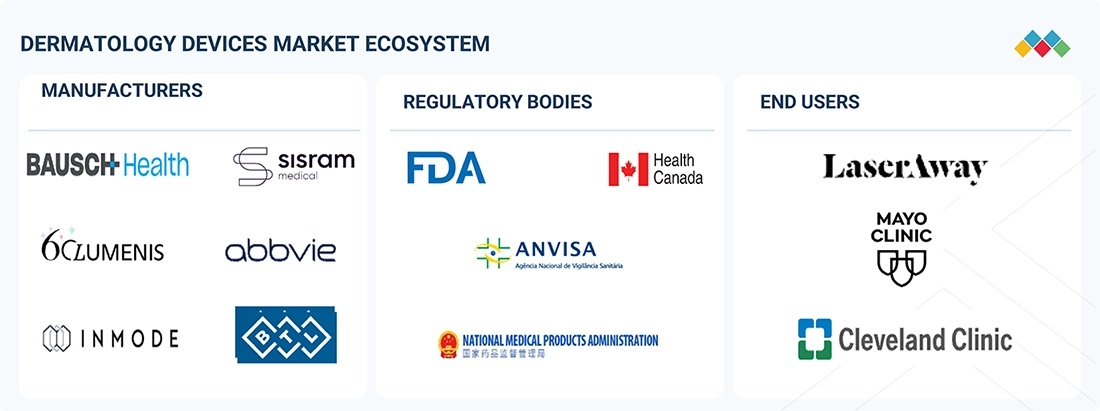
In the dermatology devices market, stakeholders—including device manufacturers, hospitals, dermatology clinics, aesthetic centers, healthcare providers, and dermatologists—collaborate to ensure effective diagnosis and treatment of skin disorders and aesthetic conditions. Manufacturers develop and supply a wide range of diagnostic and treatment devices, including dermatoscopes, imaging systems, lasers, radiofrequency, HIFU, cryotherapy, and light-based devices, used for applications such as skin cancer diagnosis, acne treatment, skin rejuvenation, hair removal, and body contouring. Dermatologists, plastic surgeons, and aesthetic practitioners rely on these technologies to deliver accurate diagnoses and safe, effective treatments that improve patient outcomes. The market is growing due to continuous technological advancements, rising demand for minimally invasive aesthetic procedures, expanding dermatology and cosmetic care facilities, supportive regulatory approvals for innovative devices, and strategic collaborations among industry participants.
Logos and trademarks shown above are the property of their respective owners. Their use here is for informational and illustrative purposes only.
MARKET SEGMENTS
Source: Secondary Research, Interviews with Experts, MarketsandMarkets Analysis
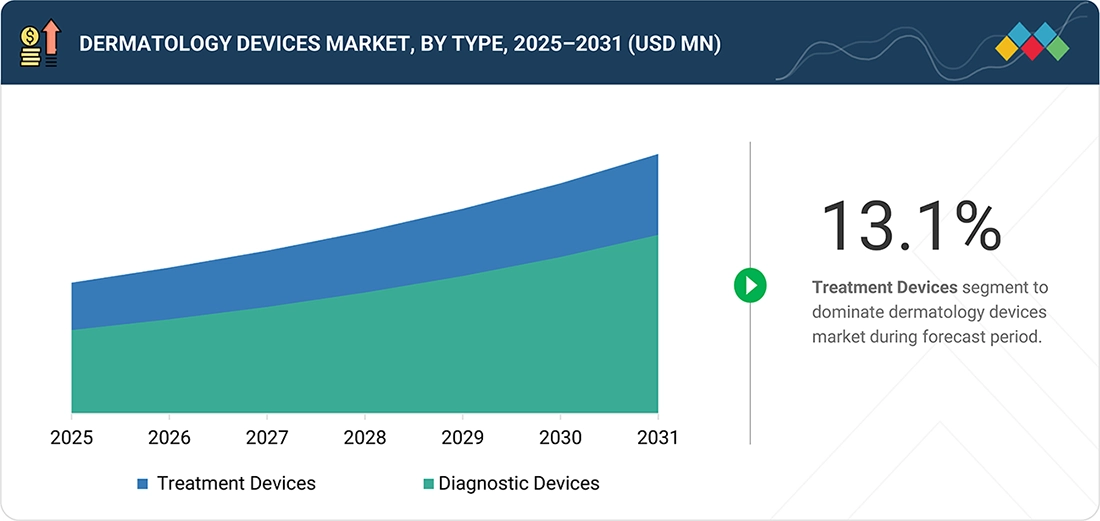
Dermatology Devices Market, by Type
By type, the dermatology devices market is segmented into diagnostic and treatment devices. In 2025, the treatment devices segment accounted for the larger share of the dermatology devices market. This dominance is primarily driven by rising demand for both aesthetic and therapeutic dermatology procedures, the growing prevalence of chronic and cosmetic skin conditions such as acne, psoriasis, skin cancer, and pigmentation disorders, and a growing preference for minimally invasive and non-invasive treatment options that deliver improved clinical outcomes and shorter recovery times. In addition, ongoing technological advancements in laser, radiofrequency, HIFU, cryotherapy, and other energy-based treatment devices have broadened the range of dermatological applications and enhanced treatment efficacy. Furthermore, the rapid expansion of dermatology and cosmetic clinics, rising consumer awareness of aesthetic procedures, and rising disposable incomes in emerging economies are further contributing to the growth of the treatment devices segment.
Dermatology Devices Market, by Application
By application, the dermatology devices market is segmented into diagnostic applications, medical therapeutic applications, and aesthetic therapeutic applications. In 2025, the diagnostic applications segment accounted for the largest share of the market, driven by the increasing prevalence of skin cancer and other dermatological disorders, a growing emphasis on early and accurate diagnosis, rising adoption of advanced diagnostic technologies such as dermatoscopy and optical coherence tomography (OCT), and the growing number of skin examinations performed in hospitals and dermatology clinics. Early diagnosis enables timely treatment decisions and improves clinical outcomes, supporting the segment's leading market position.
Dermatology Devices Market, by Technology
By technology, the dermatology devices market is segmented into laser-based, ultrasound-based, light-based, cryotherapy-based, radiofrequency (RF)-based, and other technologies. In 2025, the laser-based segment accounted for the largest share of the market, driven by its widespread use across medical and aesthetic dermatology. Laser-based devices are widely used for hair removal, skin rejuvenation, scar revision, tattoo removal, treatment of vascular and pigmented lesions, and certain skin cancer therapies. The segment's dominance is further supported by continuous technological advancements, growing preference for minimally invasive procedures, high precision and clinical efficacy, shorter recovery times, rising patient demand for cosmetic treatments, and the expanding number of dermatology and aesthetic clinics worldwide.
Dermatology Devices Market, by End User
By end user, the dermatology devices market is segmented into hospitals, dermatology clinics & medical facilities; beauty centers; and home care settings. In 2025, the hospitals, dermatology clinics, and medical facilities segment accounted for the largest share of the market due to the concentration of advanced diagnostic and therapeutic dermatology equipment in these settings, the availability of skilled dermatologists and multidisciplinary specialists, and the high volume of both medical and aesthetic procedures performed. These facilities also manage complex skin disorders, skin cancer diagnosis and treatment, and procedures requiring sophisticated technologies such as lasers, radiofrequency, and HIFU devices, which are generally not available in beauty centers or home care settings. In contrast, beauty centers primarily focus on basic aesthetic treatments, while home care settings are limited to a narrow range of portable, low-energy devices, resulting in a comparatively smaller market share.
REGION
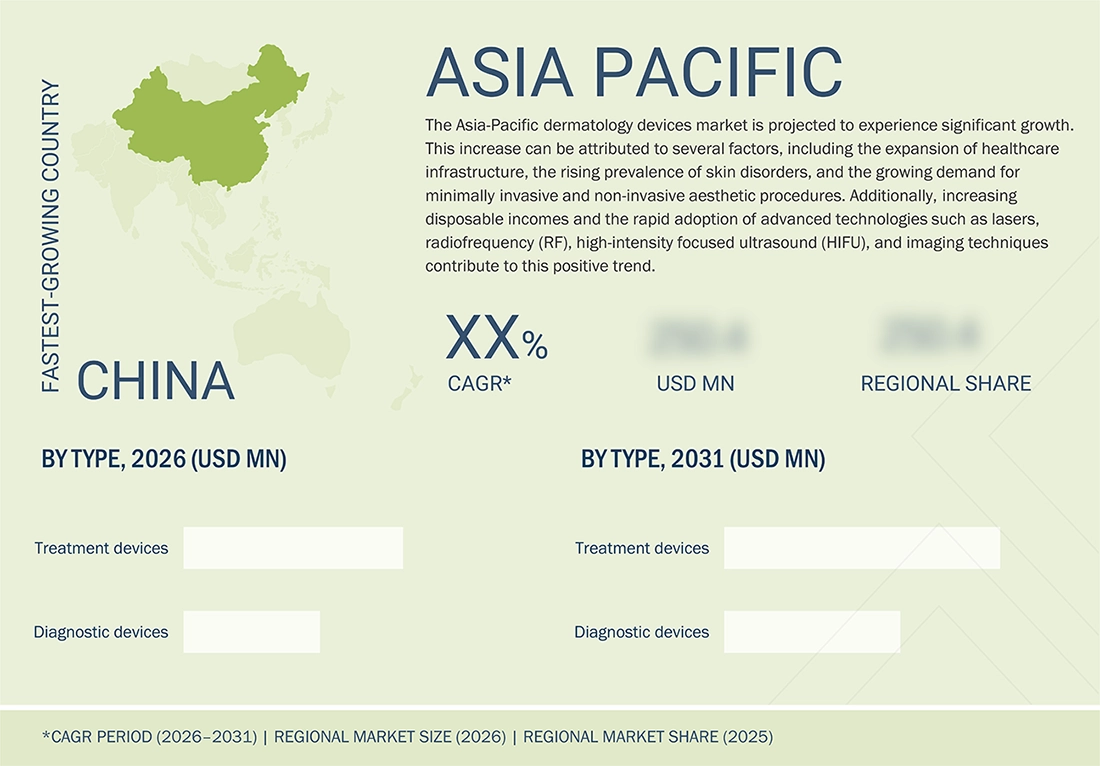
Asia Pacific accounted for largest share of global dermatology devices market during forecast period.
In Asia Pacific, several factors have contributed to the growth of the dermatology devices market. These include the high volume of both medical and aesthetic dermatology procedures performed across the region, the presence of a well-established healthcare infrastructure, and the widespread availability of advanced dermatology technologies. Other factors include the growing geriatric population, the rising prevalence of skin disorders and skin cancer, high disposable income, and increasing patient awareness regarding aesthetic treatments. Favorable reimbursement policies for selected medical dermatology procedures, continuous technological advancements, frequent product launches and regulatory approvals, increasing adoption of minimally invasive dermatology procedures, and the strong presence of leading dermatology device manufacturers are some of the other factors supporting market growth in the region.
DERMATOLOGY DEVICES MARKET: COMPANY EVALUATION MATRIX
Bausch Health Companies Inc. (Canada) is a key player in the dermatology devices market, offering a diverse range of energy-based aesthetic devices and dermatology treatment technologies. Its product lineup includes laser and radiofrequency systems for skin tightening and resurfacing, ultrasound systems for body contouring, and light-based devices for pigmentation and acne. These are complemented by a wide dermatology pharmaceutical portfolio addressing various skin conditions. The company has a strong presence in North America, Europe, and global markets, providing solutions to dermatology clinics, medical spas, hospitals, and aesthetic practitioners. Bausch Health prioritizes ongoing device innovation and clinical research to enhance treatment effectiveness, safety, and patient outcomes. Its extensive global sales network and integration with a broader specialty pharmaceutical business reinforce its leadership in the dermatology devices sector.
Source: Secondary Research, Interviews with Experts, MarketsandMarkets Analysis
KEY MARKET PLAYERS
- Bausch Health Companies Inc. (Canada)
- Sisram Medical Ltd (Israel)
- Lumenis Be Ltd.
- InMode Ltd. (Israel)
- BTL Group of Companies (Czech Republic)
- AbbVie Inc. (US)
- El.En. S.p.A. (Italy)
- Cutera, Inc. (US)
- Cynosure Lutronic (US)
- Fotona (US)
- Candela Corporation (US)
- Jeisys Medical Inc. (South Korea)
- HEINE Optotechnik GmbH & Co. KG (Germany)
- Canfield Scientific, Inc. (US)
- Michelson Diagnostics (UK)
- Genesis Biosystems, Inc (US)
- FotoFinder Systems GmbH (Germany)
- Beijing Toplaser Technology Co., Ltd. (China)
- Aerolase (US)
- GIGAAMEDICAL (China)
- Dimed Laser (China)
- Sciton (US)
- Lynton Lasers Ltd (UK)
- Astanza Laser (US)
- Courage+Khazaka electronic GmbH (Germany)
MARKET SCOPE
| REPORT METRIC | DETAILS |
|---|---|
| Market Size in 2025 (Value) | USD 8.29 Billion |
| Market Forecast in 2026 (Value) | USD 9.32 Billion |
| Market Forecast in 2031 (Value) | USD 17.73 Billion |
| CAGR | CAGR of 13.7% from 2026-2031 |
| Years Considered | 2024-2031 |
| Base Year | 2025 |
| Forecast Period | 2026-2031 |
| Units Considered | Value (USD Million/Billion) |
| Report Coverage | Revenue Forecast, Company Ranking, Competitive Landscape, Growth Factors, and Trends |
| Segments Covered |
|
| Regions Covered | North America, Europe, Asia Pacific, Latin America, Middle East & Africa |
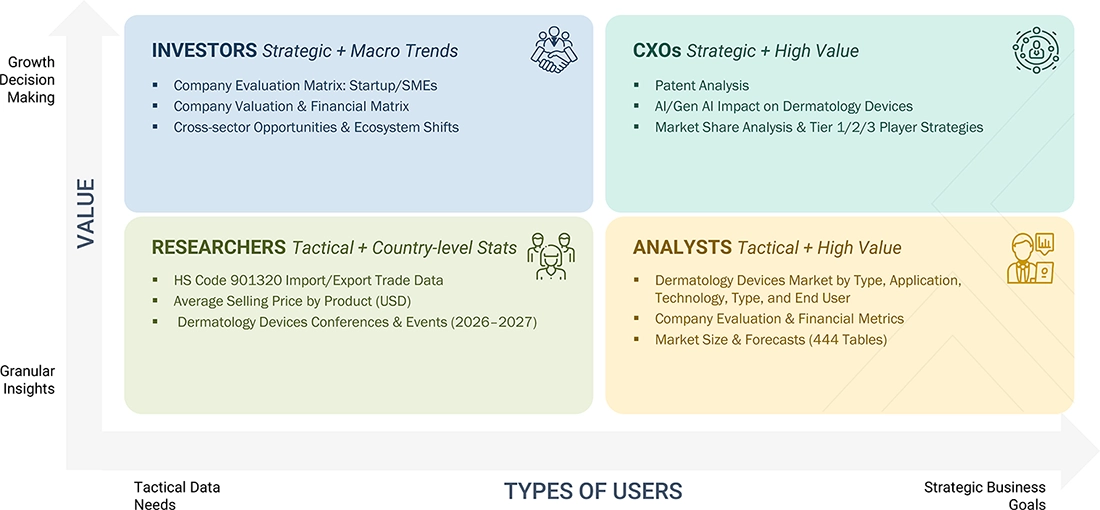
WHAT IS IN IT FOR YOU: DERMATOLOGY DEVICES MARKET REPORT CONTENT GUIDE
DELIVERED CUSTOMIZATIONS
We have successfully delivered the following deep-dive customizations:
| CLIENT REQUEST | CUSTOMIZATION DELIVERED | VALUE ADDS |
|---|---|---|
| Product Analysis | Product matrix, which provides a detailed comparison of the product portfolio of each company in the dermatology devices market | Enables easy comparison of competitors’ offerings, helping identify gaps, overlaps, and differentiation opportunities. |
| Company Information | Additional five company profiles of players operating in the dermatology devices market. | Provides insights into competitors’ strategies, innovation focus, and partnerships, supporting strategic planning. |
RECENT DEVELOPMENTS
- August 2026: Bausch Health Companies Inc., through its Solta Medical aesthetics business, announced the Australian availability of Fraxel FTX®, its next-generation skin-resurfacing laser platform, beginning September 1. The device combines 1,927 nm and 1,550 nm wavelengths, Intelligent Optical Tracking™ with AccuTRAC®, a redesigned ergonomic handpiece, integrated cooling, and an updated treatment interface. The Australian launch expands access to a substantially updated dermatology/aesthetic laser platform and represents a direct new-device market introduction.August 2026: Bausch Health Companies Inc., through its Solta Medical aesthetics business, announced the Australian availability of Fraxel FTX®, its next-generation skin-resurfacing laser platform, beginning September 1. The device combines 1,927 nm and 1,550 nm wavelengths, Intelligent Optical Tracking™ with AccuTRAC®, a redesigned ergonomic handpiece, integrated cooling, and an updated treatment interface. The Australian launch expands access to a substantially updated dermatology/aesthetic laser platform and represents a direct new-device market introduction.
- August 2026: Sisram Medical Ltd. launched the Titanium Prime treatment concept in Hong Kong SAR, adding another next-generation energy-based device/treatment offering to its medical-aesthetics portfolio. The company also reported the launch of its new “Black Gold Photofacial” EBD platform in mainland China during the same period, reinforcing its expansion of energy-based dermatology and aesthetic-device technologies across APAC. The Titanium Prime launch is a direct substantive device/treatment development within the dermatology-device category.
- July 2026: Cynosure Lutronic launched its next-generation XERF™ monopolar radiofrequency skin-tightening platform across Europe, following earlier adoption in the United States and Asia-Pacific. XERF uses two RF frequencies in a single treatment and is designed for non-invasive skin tightening, representing a substantive geographic launch of a new energy-based dermatology/aesthetic device technology.
- June 2026: El.En. S.p.A. reported continued development of a new dermatology laser platform for benign pigmented lesions, tattoo removal, and skin rejuvenation, based on 1,064 nm, 532 nm, and 780 nm wavelengths and next-generation applicators intended to improve treatment efficacy and reduce side effects. The company also reported an advanced high-power platform for vascular lesions that had already obtained FDA clearance, with marketing expected to begin in the second half of 2026. These represent substantive device-development activity directly within medical dermatology.
- March 2026: Lumenis Be Ltd. commercially launched triLIFT 2.0™, a next-generation facial and body muscle-stimulation platform combining Dynamic Muscle Stimulation technology™ and FibroBoost™. The system provides muscle stimulation, skin tightening, and volumization within a single treatment platform and was subsequently recognized as a new dermatology technology solution in the 2026 MedTech Breakthrough Awards. This represents a direct new-device development relevant to dermatology and aesthetic medical-device applications.
Table of Contents
 Exclusive indicates content/data unique to MarketsandMarkets and not available with any competitors.

Methodology
The objective of this study is to analyze key market dynamics, including drivers, opportunities, constraints, challenges, and the strategies employed by key players. We will track developments within companies, such as acquisitions, product launches, expansions, agreements, and partnerships, to assess the competitive landscape of the dermatology devices market. This analysis will evaluate market players across various parameters within the broader categories of business and product strategy.
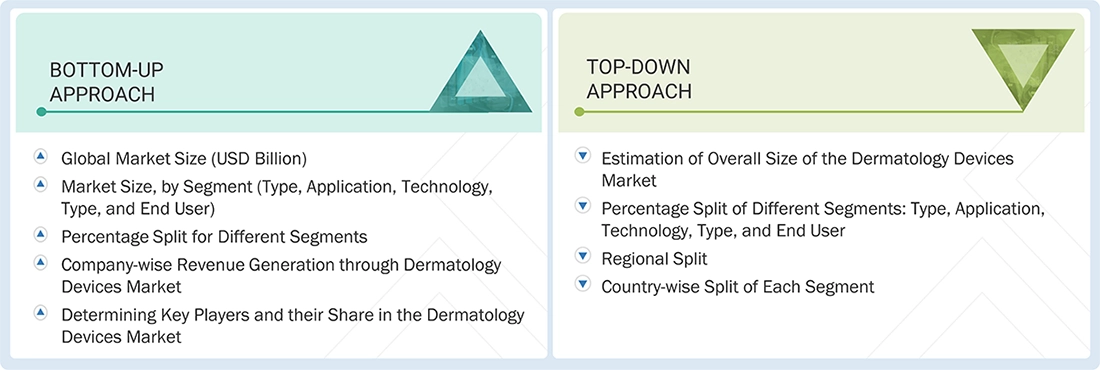
To estimate market size, both top-down and bottom-up approaches were used. Market breakdown and data triangulation were employed to determine the sizes of segments and subsegments.
The four steps involved in estimating the market size are:
Secondary Research
In the secondary research process, various secondary sources, including annual reports, press releases and investor presentations from companies, white papers, certified publications, articles by recognized authors, gold- and silver-standard websites, regulatory bodies, and databases (such as D&B Hoovers, Bloomberg Business, and Factiva), were consulted to identify and collect information for this study.
Primary Research
In the primary research process, interviews with sources from both the supply and demand sides were conducted to gather qualitative and quantitative information for this report. Primary sources were mainly industry experts from the core and related industries, as well as preferred suppliers, manufacturers, distributors, service providers, technology developers, researchers, and organizations across all segments of this industry’s value chain. In-depth interviews were conducted with key industry participants, subject-matter experts, C-level executives at key market players, and industry consultants to obtain and verify critical qualitative and quantitative information and to assess prospects.
The following is a breakdown of the primary respondents:
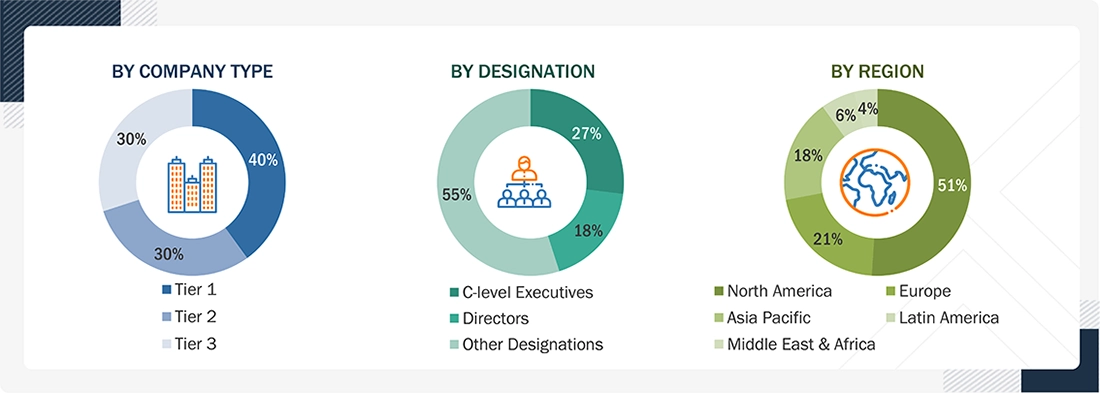
Note 1: Other designations include sales, marketing, and product managers.
Note 2: Companies are classified into tiers based on their total revenues. As of 2025, Tier 1 = >USD 100 million, Tier 2 = USD 10 million to USD 100 million, and Tier 3 = <USD 10 million.
|
COMPANY NAME |
DESIGNATION |
|
Bausch Health Companies Inc. (Canada) |
Sales Manager |
|
Sisram Medical Ltd (Israel) |
Product Manager |
To know about the assumptions considered for the study, download the pdf brochure
Market Size Estimation
Both top-down and bottom-up approaches were used to estimate and validate the total size of the dermatology devices market. These methods were also used extensively to estimate the size of various market subsegments. The research methodology used to estimate the market size includes the following:
- The key players in the industry have been identified through extensive secondary research.
- The revenue generated by leading players operating in the dermatology devices market have been determined through primary and secondary research.
- All percentage shares, splits, and breakdowns have been determined using secondary sources and verified through primary sources.
Dermatology Devices Market : Top-Down and Bottom-Up Approach
Data Triangulation
After determining the overall market size using the process described above, the total market was divided into several segments and subsegments. To complete the overall market engineering process and arrive at the exact statistics for all segments and subsegments, data triangulation and market breakdown procedures were employed wherever applicable. The data was triangulated by analyzing various factors and trends from both the demand and supply sides.
Market Definition
Dermatology devices assist dermatologists and surgeons in diagnosing and treating skin disorders. These devices increase the accuracy of dermatologists when diagnosing a particular type of skin disorder.
Key Stakeholders
- Dermatology Device Manufacturers
- Dermatology Device Distributors
- Healthcare Institutions (Hospitals, Medical Schools, Group Practices, Individual Surgeons, and Governing Bodies)
- Various Research and Consulting Companies
- Various Research Associations Related to Dermatology Devices
- Hospitals, Ambulatory Surgical Centers, and Clinics
- Consulting Firms
Report Objectives
- To define, segment, and forecast the dermatology devices market by type, application, technology, end user, and region
- To provide detailed information regarding the major factors influencing market growth (such as drivers, restraints, opportunities, and challenges)
- To analyze micromarkets with respect to individual growth trends, prospects, and contributions to the overall market
- To analyze market opportunities for stakeholders and provide details of the competitive landscape for key players
- To forecast the size of the market segments with respect to five regions: North America, Europe, the Asia Pacific, Latin America, and the Middle East & Africa.
- To profile key players and comprehensively analyze their product portfolios, market positions, and core competencies
- To benchmark players within the market using the proprietary Company Evaluation Matrix framework, which analyzes market players on various parameters within the broad categories of business and product excellence
- To study the impact of AI on the market, along with the macroeconomic outlook for each region
Available customizations:
MarketsandMarkets offers the following customizations for this market report.
Product Analysis
- Product matrix, which provides a detailed comparison of the product portfolio of each company in the dermatology devices market
Company Profiles
- Additional five company profiles of players operating in the dermatology devices market.
Country Information
-
Additional country-level analysis of the dermatology devices market


Personalize This Research
- Triangulate with your Own Data
- Get Data as per your Format and Definition
- Gain a Deeper Dive on a Specific Application, Geography, Customer or Competitor
- Any level of Personalization
Let Us Help You
- What are the Known and Unknown Adjacencies Impacting the Dermatology Devices Market
- What will your New Revenue Sources be?
- Who will be your Top Customer; what will make them switch?
- Defend your Market Share or Win Competitors
- Get a Scorecard for Target Partners

Custom Market Research Services
We Will Customise The Research For You, In Case The Report Listed Above Does Not Meet With Your Requirements
Get 10% Free CustomisationTESTIMONIALS

JAYANT RAJPUROHIT
Director of Market Insights, Data and Analytics
SFI Health,
Leading Pharmaceutical Companywww.sfihealth.com/

We at SFI Health approached MarketsandMarkets for an Opportunity Assessment on "Incidence and Prevalence of Focus Indications" as we wanted to know the most attractive HCPs like Physician, Functional MD, Naturopath and Pharmacist. The project was critical for us to ensure our focus on the right target which would enable sustainable growth and profitability for SFI Health. The business insights provided exceeded our expectations and we were extremely impressed. The team at MarketsandMarkets is highly professional and detail oriented and very well understood our business needs. MarketsandMarkets offers a unique combination of expertise and dedicated engagement model. We identified 2 new products to be launched in coming months, based on the research findings provided by MarketsandMarkets. We are happy with the services and would strongly recommend MarketsandMarkets to my peers in the industry.

BEATRIZ DE LA CALLE
Head of Commercial Analytics
Qualicaps,
Leading Pharmaceutical Companywww.qualicaps.com/

We partnered with MarketsandMarkets for an assessment study on hard empty capsules. The team was extremely professional in understanding our business requirements and we received timely responses to all our queries. The market intelligence and the recommendations has met our business requirements. We were extremely impressed to see the final study results; it really exceeded our expectations. The market intelligence offered by MarketsandMarkets, and clarity on next steps will help us achieve our business objective for the Year 2021. We are happy with the services and would strongly recommend MarketsandMarkets to my peers in the industry.

Bob Williams,
Senior Director Business Development & Innovation
Bracco Diagnostics Inc.,
Italian Multinational in life sciences sector and a World Leader in imaging diagnosticsimaging.bracco.com/us-en
We were pleased with targeted insights that MarketsandMarkets identified from a custom study on the 'Radiation Dose Management Solutions Market'. Your team identified and characterized the market participants as well as underlying trends accurately. This study was useful to Bracco in formulating business strategies for our dose monitoring product lines and we thank MarketsandMarkets for the job well done.
Cody Coonradt,
Market Development and Strategy Manager
3M Health Information Systems,
Leader in Health care Coding, Payment & Analytics Solutions.www.3m.com/3M/en_US/health-information-systems-us
The value for our organization comes from three things: depth of research, specificity of segments and being easy to work with. As important as the first two are, the third can't be underestimated. MarketsandMarkets, maybe more than any other research vendor, wants to know what is top of mind for our team and what big questions we are grappling to answer.
Their customer first approach and high value engagement model, have given us great analysis and excellent value for money
- Canada Dermatology Devices Market
- US Dermatology Devices Market
- Germany Dermatology Devices Market
- UK Dermatology Devices Market
- France Dermatology Devices Market
- Italy Dermatology Devices Market
- Spain Dermatology Devices Market
- China Dermatology Devices Market
- Japan Dermatology Devices Market
- India Dermatology Devices Market
- Brazil Dermatology Devices Market
- Mexico Dermatology Devices Market
- Rest Of Europe Dermatology Devices Market
- Rest Of Asia Pacific Dermatology Devices Market
- Rest Of Latin America Dermatology Devices Market






Growth opportunities and latent adjacency in Dermatology Devices Market