Medical Devices Market

Medical Devices Market Size by Type (In Vitro Diagnostic Devices, Cardiovascular, Imaging, Ophthalmology, Endoscopy, Orthopedic, Diabetes Care, Wound Care Devices, Kidney/Dialysis Devices, Respiratory Care), Region - Global Forecast to 2031



MEDICAL DEVICES MARKET SIZE, SHARE & GROWTH SNAPSHOT
Source: Secondary Research, Interviews with Experts, MarketsandMarkets Analysis
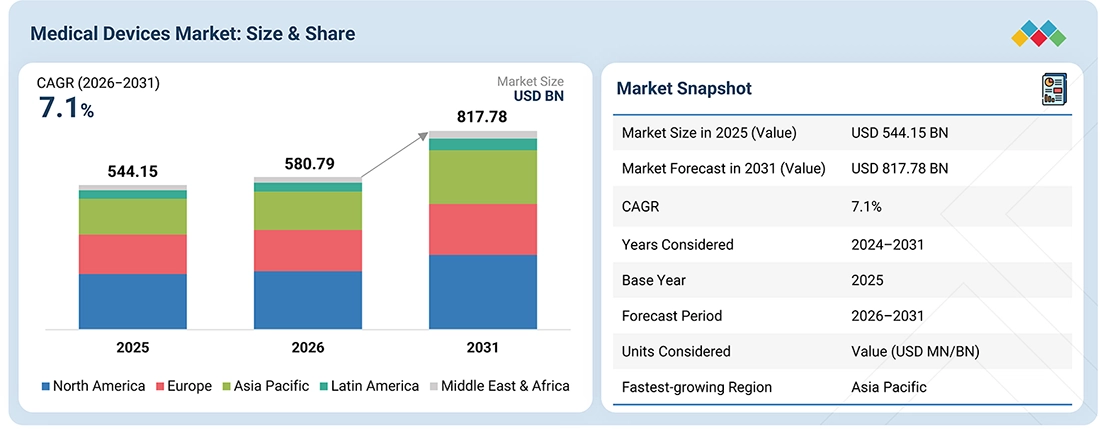
The global medical devices market size is projected to grow from USD 580.79 billion in 2026 to USD 817.78 billion by 2031, at a CAGR of 7.1% during the forecast period. The market was valued at USD 544.15 billion in 2025. This growth is due to the rising prevalence of chronic diseases, an aging population, the rising demand for minimally invasive procedures, continuous technological advancements, the expanding healthcare infrastructure, and increasing investments in medical innovation worldwide.
KEY TAKEAWAYS
-
MARKET SNAPSHOT:
Base Year Market Size (2025): USD 544.15 Billion
Current Market Size (2026): USD 580.79 Billion
Forecast Market Size (2031): USD 817.78 Billion
CAGR (2026–2031): 7.1% -
SEGMENT LEADERSHIP:
Regional Leader: North America accounted for the largest share of 38.4% of the global medical devices market in 2025.
Type Leader: In vitro diagnostic devices segment accounted for the largest share of 20.0% of the medical devices market in 2025. -
MARKET OUTLOOK & COMPETITIVE LANDSCAPE:
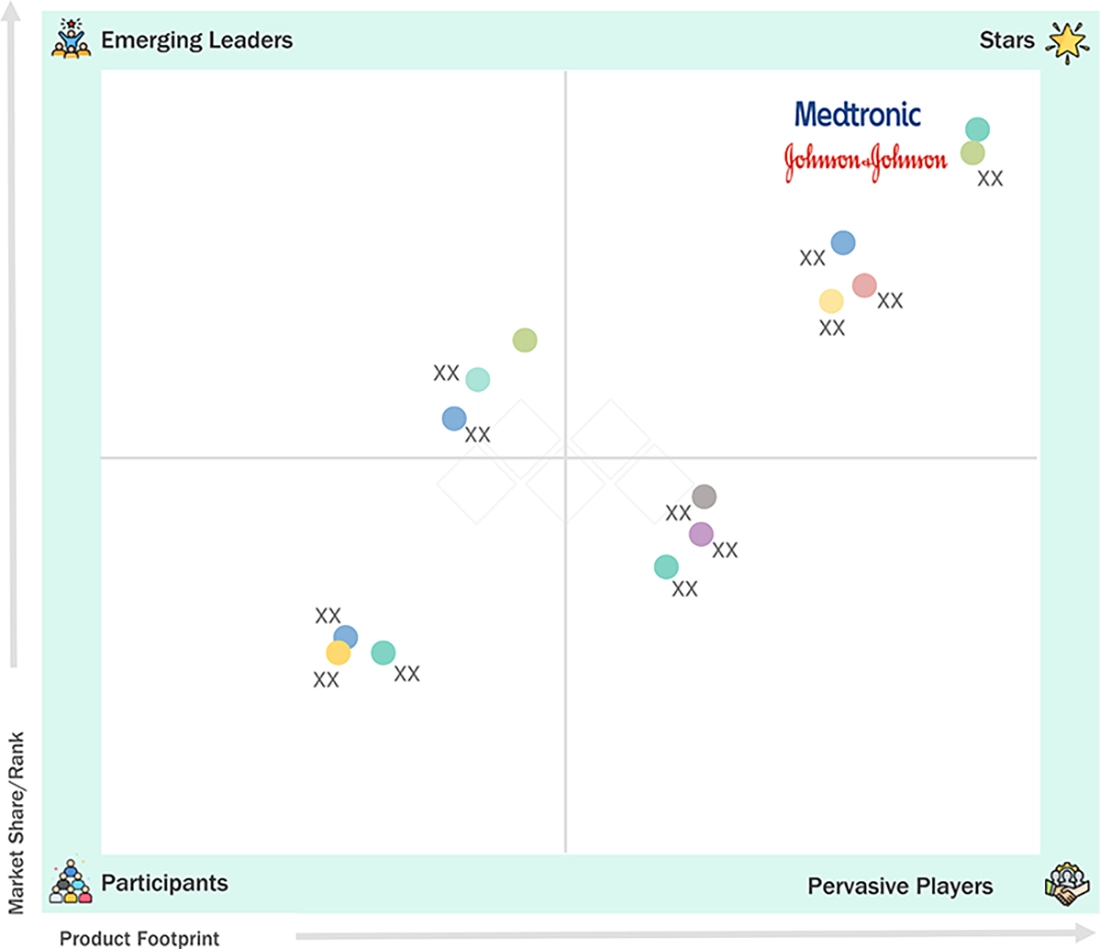
Johnson & Johnson (US) and Medtronic (Ireland) were recognized as star players due to their established strong product portfolios & geographic presence.
Canon Medical Systems Corporation (Japan), iVascular (Spain), and Lifetech Scientific Corporation (China) have established themselves among startups and SMEs, supported by strong product portfolios and effective business strategies.
The medical devices market is growing due to the rising prevalence of chronic diseases, an expanding aging population, and the increasing demand for minimally invasive procedures. Continuous technological advancements in AI-enabled, robotic, and connected medical devices, coupled with higher healthcare spending, expanding healthcare infrastructure, favorable reimbursement policies, and increasing investments in research and development, are further accelerating global market growth.
TRENDS & DISRUPTIONS IMPACTING CUSTOMERS' CUSTOMERS
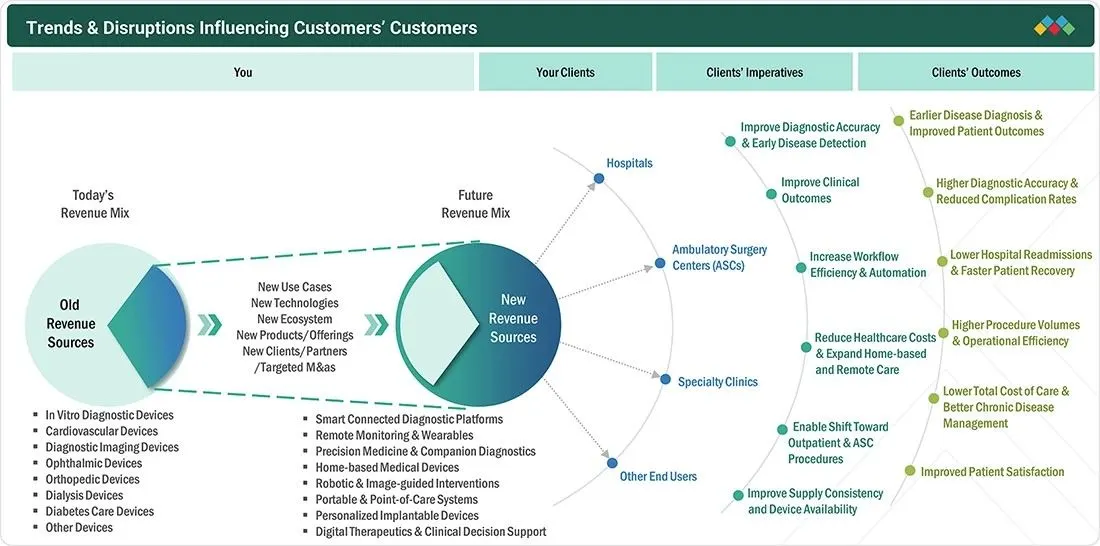
Customers of the medical devices market, including hospitals, ambulatory surgery centers, clinics, diagnostic laboratories, and home healthcare providers, are experiencing significant changes, driven by digital transformation and evolving care delivery models. The increasing adoption of AI-enabled diagnostics, robotic-assisted procedures, remote patient monitoring, and connected medical devices is improving clinical efficiency and patient outcomes. At the same time, the shift toward outpatient and home-based care is increasing demand for portable and minimally invasive technologies. However, healthcare providers also face disruptions from rising cost pressures, workforce shortages, cybersecurity risks associated with connected devices, stricter regulatory requirements, supply chain vulnerabilities, and growing expectations for value-based and personalized healthcare solutions.
Source: Secondary Research, Interviews with Experts, MarketsandMarkets Analysis
MARKET DYNAMICS

Level
-
Increasing prevalence of chronic diseases

-
Rising aging population


Level
-
High cost of various medical devices


Level
-
Rapidly developing healthcare sector in emerging economies


Level
-
Stringent regulatory framework

-
Shortage of skilled healthcare professionals

Source: Secondary Research, Interviews with Experts, MarketsandMarkets Analysis
Driver: Increasing prevalence of chronic diseases
The increasing burden of chronic diseases is a major driver of the medical devices market, as conditions such as cardiovascular diseases, diabetes, cancer, neurological disorders, and chronic respiratory diseases require continuous diagnosis, treatment, monitoring, and long-term disease management. The growing prevalence of these conditions has significantly increased demand for advanced diagnostic systems, minimally invasive surgical devices, implantable technologies, patient monitoring equipment, and in vitro diagnostic devices. Additionally, the expanding elderly population, which is more susceptible to chronic illnesses, further accelerates device adoption. Rising healthcare expenditure, improved access to healthcare services, and ongoing technological advancements in AI-enabled, connected, and wearable medical devices are enabling earlier diagnosis and more effective disease management, thereby supporting sustained growth of the global medical devices market.
Restraint: High cost of various medical devices
The high cost of advanced medical devices is a significant restraint to the growth of the medical devices market. Sophisticated cardiovascular devices, orthopedic implants, robotic surgical systems, diagnostic imaging equipment, and in vitro diagnostic platforms require substantial investments in research, manufacturing, regulatory compliance, and clinical validation, resulting in high purchase and maintenance costs. These expenses create financial challenges for hospitals, ambulatory surgery centers, and healthcare providers, particularly in low- and middle-income countries with limited healthcare budgets. Additionally, recurring costs associated with consumables, software upgrades, servicing, and staff training increase the total cost of ownership, limiting adoption and slowing the widespread deployment of advanced medical technologies.
Opportunity: Rapidly developing healthcare sector in emerging economies
The rapid development of healthcare infrastructure presents a significant opportunity for the growth of the medical devices market. Governments and private healthcare providers are investing heavily in new hospitals, specialty clinics, ambulatory surgery centers, diagnostic laboratories, and digital healthcare networks to improve access to quality care. These investments are increasing the demand for advanced diagnostic, surgical, cardiovascular, orthopedic, and patient monitoring devices. Emerging economies are also expanding healthcare coverage and modernizing medical facilities, creating favorable conditions for the adoption of innovative technologies. Furthermore, improvements in healthcare infrastructure support faster integration of AI-enabled, connected, and minimally invasive medical devices, enabling manufacturers to expand their market presence and drive long-term growth.
Challenge: Stringent regulatory framework
Stringent regulatory guidelines for product approval present a significant challenge to the growth of the medical devices market. Manufacturers must comply with rigorous regulatory requirements, including extensive preclinical testing, clinical evaluations, quality management standards, and post-market surveillance before obtaining approvals from regulatory authorities. These processes increase product development timelines, regulatory costs, and documentation requirements, delaying commercialization of innovative medical technologies. Regulatory standards also vary across countries, requiring manufacturers to meet multiple compliance frameworks for global market entry. Small and mid-sized companies are particularly affected due to limited financial and regulatory resources. As a result, lengthy approval processes and high compliance costs can slow product launches, reduce market accessibility, and limit the pace of innovation across the medical devices industry.
MEDICAL DEVICES MARKET: COMMERCIAL USE CASES ACROSS INDUSTRIES
| COMPANY | USE CASE DESCRIPTION | BENEFITS |
|---|---|---|
 |
Provides a broad portfolio of cardiovascular, neuroscience, medical surgical, diabetes, and patient monitoring devices used across hospitals, ambulatory surgery centers, specialty clinics, and home healthcare | Integrates AI-enabled technologies, digital health platforms, and minimally invasive solutions to support complex clinical workflows globally. | Improves clinical outcomes through advanced therapeutic technologies, enhances procedural efficiency, supports remote patient management, reduces hospital stay durations, and enables standardized care delivery across diverse healthcare settings worldwide. |
 |
Delivers orthopedic, cardiovascular, surgical, wound management, and vision care devices used in acute care hospitals, specialty centers, ambulatory surgery centers, and ophthalmology clinics | Combines advanced instrumentation, digital surgery technologies, and minimally invasive solutions to optimize surgical care globally. | Enhances surgical precision, improves patient safety, supports faster recovery, streamlines operating room workflows, and enables consistent clinical performance across multiple healthcare specialties and care environments. |
 |
Offers infusion therapy systems, surgical instruments, dialysis equipment, vascular access devices, anesthesia products, and infection prevention solutions for hospitals, dialysis centers, intensive care units, and outpatient facilities worldwide | Designed for seamless integration into modern healthcare infrastructure. | Improves patient safety through standardized therapy delivery, enhances treatment reliability, supports infection prevention initiatives, optimizes clinical workflows, and increases operational efficiency across healthcare institutions. |
 |
Provides orthopedic implants, surgical equipment, neurotechnology systems, medical beds, emergency care products, and robotic-assisted surgical platforms used across hospitals, trauma centers, orthopedic clinics, and ambulatory surgery centers globally | Integrates robotics, navigation, and smart operating room technologies. | Improves procedural accuracy, enhances surgical planning and workflow efficiency, supports minimally invasive procedures, shortens recovery times, and strengthens hospital productivity through advanced digital and robotic technologies. |
 |
Supplies orthopedic reconstruction systems, sports medicine devices, advanced wound management products, ENT technologies, and robotic-assisted surgical platforms for hospitals, wound care centers, orthopedic clinics, and ambulatory surgery centers worldwide | Focuses on minimally invasive and digital surgical solutions. | Accelerates wound healing, improves joint restoration outcomes, enhances surgical precision, supports faster patient rehabilitation, and increases procedural consistency through innovative technologies and integrated care solutions across healthcare networks. |
Logos and trademarks shown above are the property of their respective owners. Their use here is for informational and illustrative purposes only.
MARKET ECOSYSTEM
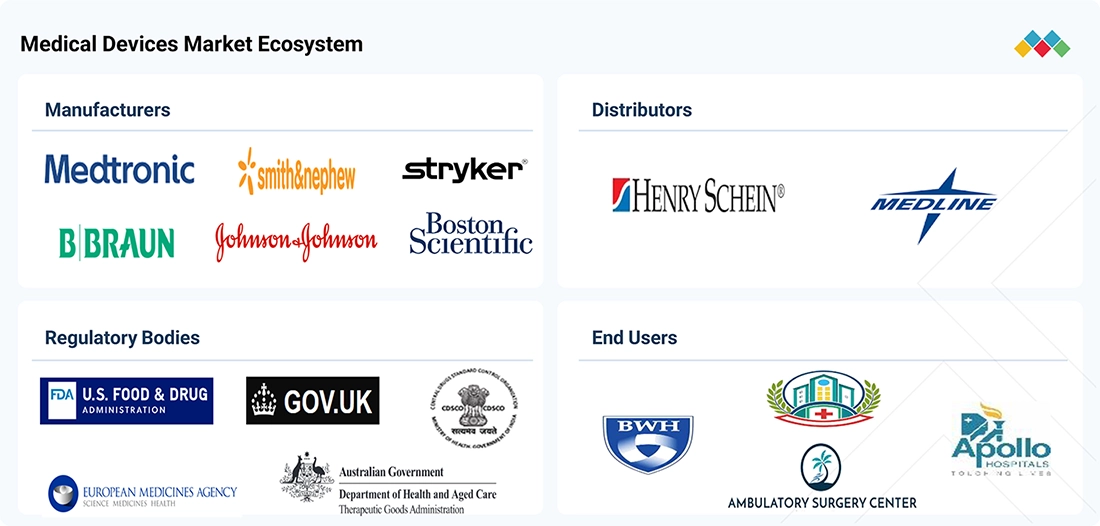
The ecosystem of the medical devices market comprises raw material suppliers, component manufacturers, contract manufacturers, medical device companies, regulatory authorities, distributors, healthcare providers, and end users. Suppliers provide electronic components, polymers, metals, sensors, and software that are integrated into medical devices by manufacturers. Regulatory agencies ensure product safety, quality, and compliance before commercialization. Distributors and logistics partners facilitate global product availability, while hospitals, ambulatory surgery centers, diagnostic laboratories, specialty clinics, and home healthcare providers drive device adoption. Collaboration among manufacturers, technology companies, research institutions, and healthcare organizations accelerates innovation, digital health integration, and the development of advanced, patient-centric medical technologies.
Logos and trademarks shown above are the property of their respective owners. Their use here is for informational and illustrative purposes only.
MARKET SEGMENTS
Source: Secondary Research, Interviews with Experts, MarketsandMarkets Analysis
Medical Devices Market, by Type
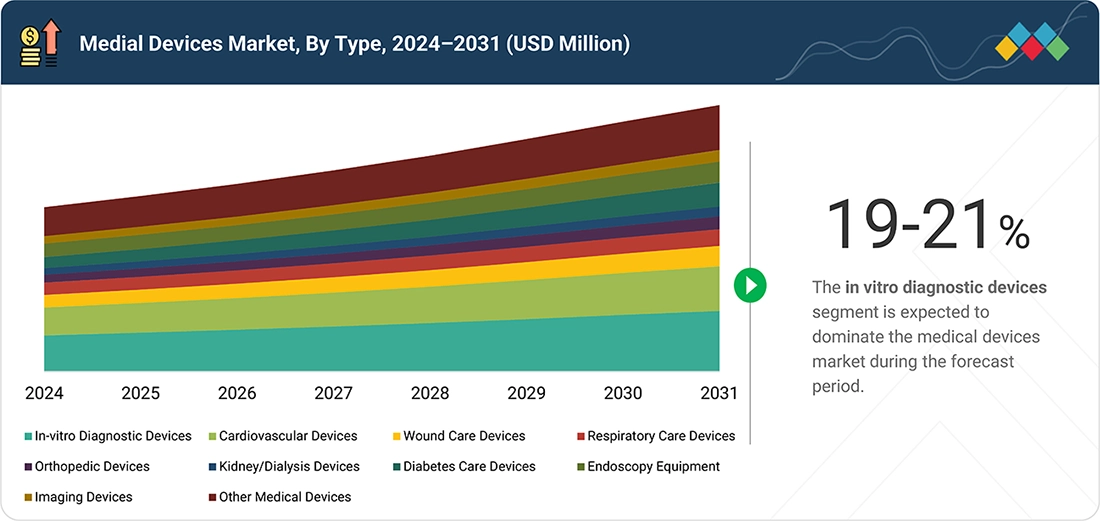
The in vitro diagnostic (IVD) devices segment held the largest share of the medical devices market due to its essential role in disease detection, diagnosis, prognosis, and treatment monitoring across virtually all healthcare settings. The rising incidence of chronic diseases, infectious diseases, and cancer has significantly increased the demand for laboratory-based and point-of-care diagnostic testing. Continuous advancements in molecular diagnostics, immunoassays, clinical chemistry, hematology, and automation have improved test accuracy, speed, and efficiency. Additionally, growing awareness of preventive healthcare, expanding diagnostic infrastructure, favorable reimbursement policies in developed countries, and increasing adoption of decentralized testing have further accelerated IVD utilization, enabling the segment to maintain its leading market position.
REGION
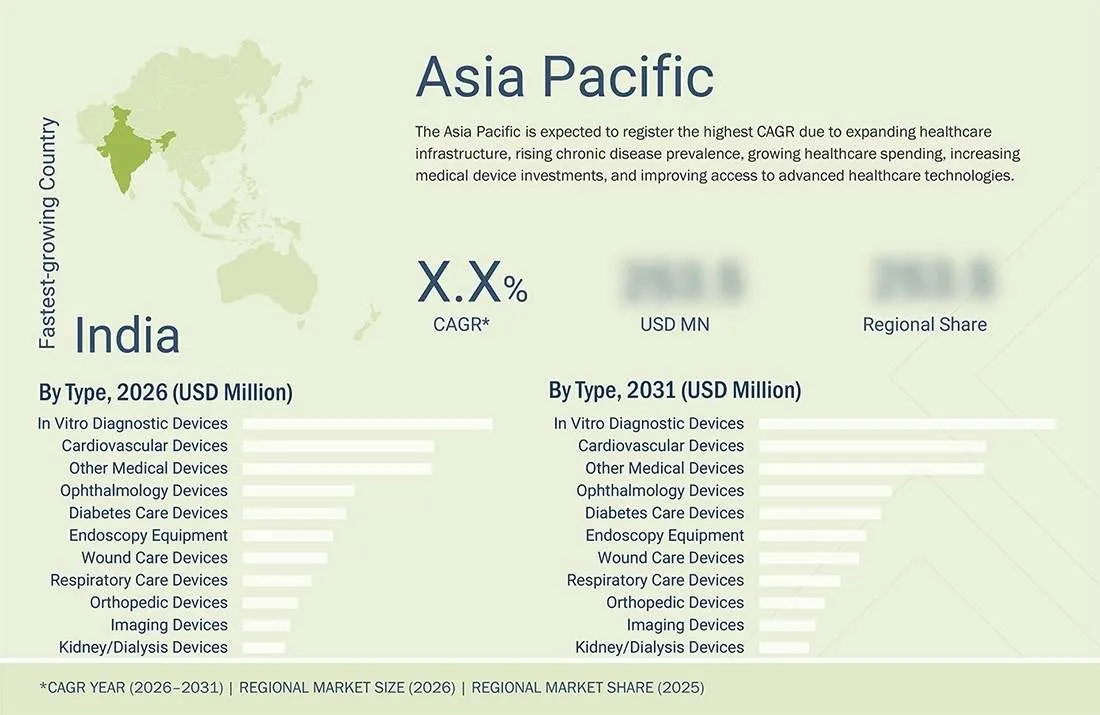
Asia Pacific to be fastest-growing regional segment in medical devices market during forecast period
The Asia Pacific region is expected to register the highest CAGR in the medical devices market during the forecast period due to its rapidly expanding healthcare infrastructure, rising healthcare expenditure, and increasing demand for advanced medical technologies. The growing prevalence of chronic diseases, a large and aging population, and improving access to healthcare services are driving demand for diagnostic, cardiovascular, orthopedic, and surgical devices. Governments across countries such as China, India, Japan, and South Korea are investing in healthcare modernization and encouraging domestic medical device manufacturing. Additionally, expanding medical tourism, increasing adoption of minimally invasive procedures, favorable regulatory reforms, and rising investments by global medical device manufacturers are further accelerating regional market growth.
MEDICAL DEVICES MARKET: COMPANY EVALUATION MATRIX
In the medical devices market matrix, Medtronic (Ireland) (Star) and Johnson & Johnson (US) (Star) lead with their unmatched global presence, strong brand recognition, and comprehensive portfolios of medical devices.
Source: Secondary Research, Interviews with Experts, MarketsandMarkets Analysis
KEY MARKET PLAYERS
- Medtronic (Ireland)
- Johnson & Johnson (US)
- B. Braun SE (Germany)
- Stryker Corporation (US)
- Smith+Nephew (UK)
- Boston Scientific (US)
- Olympus Corporation (Japan)
- Koninklijke Philips N.V. (Netherlands)
- GE Healthcare (US)
- Abbott (US)
- Zimmer Biomet (US)
MARKET SCOPE
| REPORT METRIC | DETAILS |
|---|---|
| Market Size in 2025 (Value) | USD 544.15 Billion |
| Market Forecast in 2026 (Value) | USD 580.79 Billion |
| Market Forecast in 2031 (Value) | USD 817.78 Billion |
| Growth Rate | CAGR of 7.1% from 2026–2031 |
| Years Considered | 2024–2031 |
| Base Year | 2025 |
| Forecast Period | 2026–2031 |
| Units Considered | Value (USD Million/Billion), Volume (Thousand Units) |
| Report Coverage | Revenue Forecast, Company Ranking, Competitive Landscape, Growth Factors, Trends |
| Segments Covered | By Type: In Vitro Diagnostic Devices, Cardiovascular Devices, Imaging Devices, Orthopedic Devices, Ophthalmology Devices, Endoscopy Devices, Diabetes Care Devices, Wound Care Devices, Kidney/Dialysis Devices, Respiratory Care Devices, Other Medical Devices |
| Regional Scope | North America, Asia Pacific, Europe, Latin America, Middle East & Africa |
WHAT IS IN IT FOR YOU: MEDICAL DEVICES MARKET REPORT CONTENT GUIDE
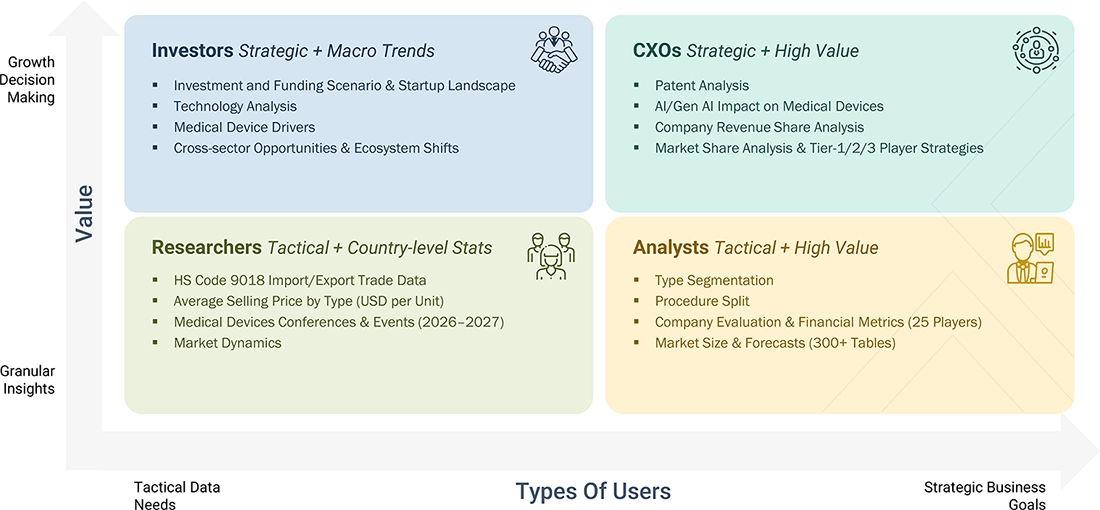
DELIVERED CUSTOMIZATIONS
We have successfully delivered the following deep-dive customizations:
| CLIENT REQUEST | CUSTOMIZATION DELIVERED | VALUE ADDS |
|---|---|---|
| Company Information |
|
Insights on market share analysis by country |
| Geographic Analysis |
|
Country-level demand mapping for new product launches and localization strategy planning |
RECENT DEVELOPMENTS
- June 2026 : Johnson & Johnson announced the commercial launch of the Dual Energy THERMOCOOL SMARTTOUCH SF (DE STSF) Platform in Europe, expanding access to a dual-energy catheter ablation solution that supports personalized treatment across diverse clinical workflows and procedural strategies.
- February 2026 : Medtronic announced the commercial launch of the MiniMed Go Smart MDI System with the Simplera sensor in Europe. The system integrates data from the InPen smart insulin pen and the Simplera continuous glucose sensor into a single mobile application, enabling people with diabetes who use multiple daily insulin injections (MDI) to make more informed treatment decisions and improve glycemic management.
- April 2025 : Medtronic Plc announced that it has received US Food and Drug Administration (FDA) approval for the Simplera Sync sensor, enabling its use with the MiniMed 780G system. The approval strengthens the company's diabetes management portfolio by expanding continuous glucose monitoring (CGM) integration with its advanced automated insulin delivery (AID) platform.
Table of Contents
 Exclusive indicates content/data unique to MarketsandMarkets and not available with any competitors.
Methodology
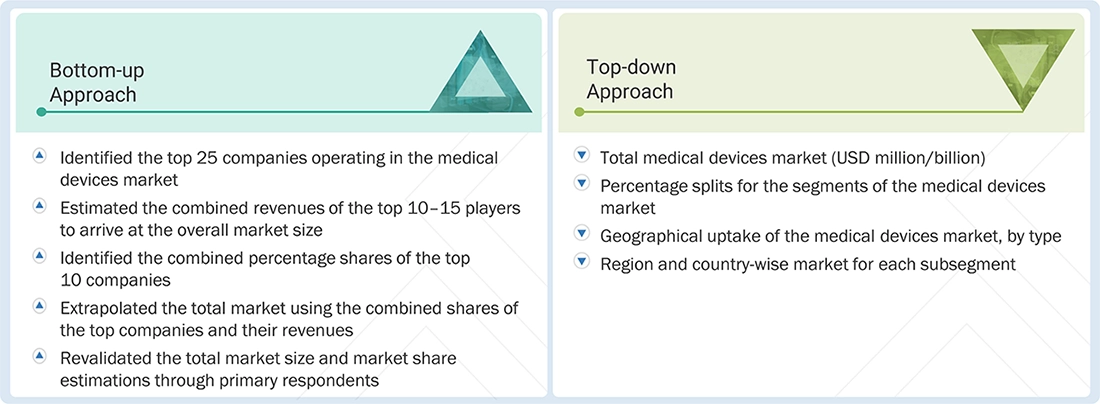
The research study aimed to estimate the current size of the medical devices market through several key activities. Comprehensive secondary research was conducted to gather information on the industry. The next step involved validating these findings, assumptions, and size estimates with industry experts across the value chain through primary research. To estimate the total market size, both top-down and bottom-up approaches were utilized. Following this, market segmentation and data triangulation procedures were employed to determine the sizes of different segments and subsegments within the medical devices market.
Secondary Research
The secondary research process involved the widespread use of secondary sources, directories, databases (such as Bloomberg Businessweek, Factiva, and D&B Hoovers), white papers, annual reports, investor presentations, SEC filings of companies and publications from government sources, such as National Institutes of Health (NIH), US FDA, US Census Bureau, World Health Organization (WHO), International Trade Administration (ITA), Global Burden of Disease Study, and Centers for Medicare and Medicaid Services (CMS) were referred to in order to identify and collect information for the global medical devices market study. It was also used to obtain important information on key players, market classification & segmentation aligned with industry trends, and key developments from market and technology perspectives, down to the bottom-most level. A database of the key industry leaders was also prepared using secondary research.
Primary Research
In the primary research process, various sources from both the supply and demand sides were interviewed to obtain qualitative and quantitative information for this report. The primary sources on the supply side include industry experts, such as CEOs, vice presidents, marketing and sales directors, technology & innovation directors, and other key executives from leading companies and organizations in the medical devices market. The primary demand-side sources include ambulatory surgical centers, hospitals, clinics, and other end users. Primary research was conducted to validate the market segmentation, identify key players and gather insights into key industry trends & key market dynamics.
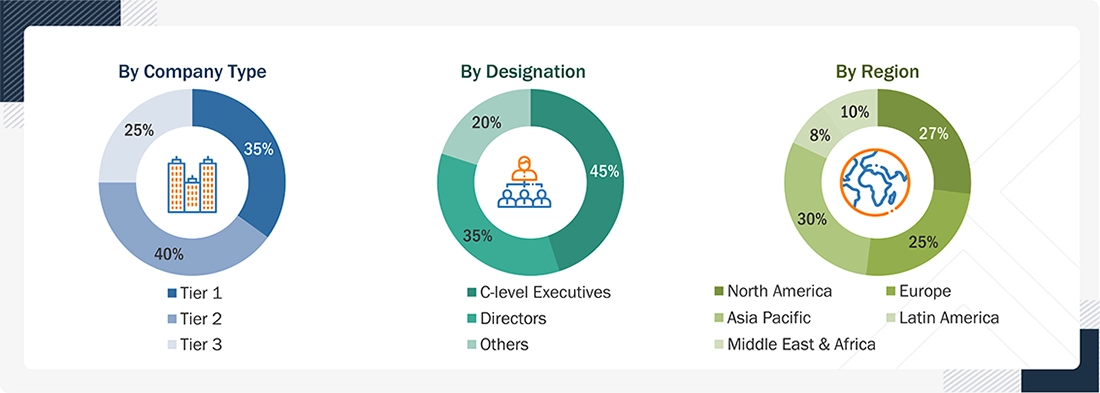
Note 1: C-level executives include CEOs, CFOs, COOs, and VPs.
Note 2: Others include sales managers, marketing managers, business development managers, product managers, distributors, and suppliers.
Note 3: Companies are classified into tiers based on their total revenue. The tiers are as follows:
Tier 1 = > USD 10 billion, Tier 2 = USD 1 billion to USD 10 billion, and Tier 3 = <USD 1 billion
To know about the assumptions considered for the study, download the pdf brochure
Market Size Estimation
For the global market value, annual revenue figures were calculated using revenue mappings of major product manufacturers and OEMs active in the medical devices market. All major product manufacturers were identified at the global/or country or regional level. Revenue mapping for respective business segments/subsegments was done for the major players. Also, the medical devices market was split into various segments and subsegments:
- List of major players operating in the products market at the regional and/or country level
- Product mapping of various medical device manufacturers at the regional and/or country level
- Mapping of annual revenue generated by listed major players from the medical devices market (or the nearest reported business unit/product category)
- Extrapolation of the revenue mapping of the listed major players to derive the global market value of the respective segments/subsegments
- Summation of the market value of all segments/subsegments to arrive at the global medical devices market
The data mentioned above was consolidated and added with detailed inputs and analysis from MarketsandMarkets and presented in this report.
Market Size Estimation (Bottom-up & Top-down Approaches)
Data Triangulation
After determining the overall size of the global medical devices market using the methodology described above, the market was segmented into several segments and subsegments. The data triangulation and market breakdown procedures were employed, as applicable, to complete the overall market engineering process and obtain exact market value data for the key segments and subsegments. The extrapolated market data was triangulated by studying various macroindicators and regional trends from both demand- and supply-side participants.
Market Definition
The Medical Devices Market comprises regulated capital medical equipment, instruments, implants, diagnostic systems, therapeutic devices, monitoring systems, surgical technologies, and associated capital healthcare equipment used for the prevention, diagnosis, monitoring, treatment, and management of medical conditions across hospitals, ambulatory surgical centers, specialty clinics, diagnostic laboratories, and home healthcare settings. The market encompasses durable medical devices across clinical specialties, including diagnostic imaging, in-vitro diagnostics, cardiovascular, orthopedic, ophthalmology, endoscopy, diabetes care, wound care, kidney care, respiratory care, patient monitoring, surgical technologies, robotic-assisted systems, urology, ENT, sterilization, infusion therapy, dermatology, and other specialty medical devices.
Key Stakeholders
- Application design and software developers
- Big data vendors
- Business analysts
- Cloud service providers
- Consulting service providers
- Data scientists
- Distributors and Value-added Resellers (VARs)
- Government agencies
- Independent Software Vendors (ISV)
- Managed service providers
- Market research and consulting firms
- Support and maintenance service providers
- System Integrators (SIs)/migration service providers
- Technology providers
- Value-added resellers (VARs)
Report Objectives
- Medical device manufacturing companies
- Component suppliers, raw material providers, and contract manufacturers
- Distributors, dealers, and commercial service providers
- Healthcare service providers
- Hospitals, clinics, and integrated healthcare systems
- Ambulatory surgery centers (ASCs) and specialty care centers
- Diagnostic laboratories and imaging centers
- Academic medical centers and universities
- Contract research organizations (CROs) and clinical research organizations
- Medical research laboratories and research institutes
- Government agencies and regulatory authorities
- Reimbursement agencies and insurance providers
- Group purchasing organizations (GPOs) and healthcare procurement organizations
- Digital health, AI, and medical software solution providers
- Home healthcare providers and remote patient monitoring service providers
- Dialysis centers, cardiac care centers, ophthalmology centers, and diabetes care centers
- Market research and consulting firms
- Investors, venture capital firms, and healthcare funding organizations
- Professional medical associations and surgical training centers
Available customizations:
Based on the market data provided, MarketsandMarkets offers customizations tailored to your company’s specific needs. The following customization options are available for the report:
GEOGRAPHIC ANALYSIS
- Further breakdown of the Rest of Europe medical devices market into Russia, Switzerland, Denmark, Austria, and others
- Further breakdown of the Rest of Asia Pacific medical devices market into South Korea, Taiwan, and others
- Further breakdown of the Rest of Latin America medical devices market into Argentina, Colombia, Chile, Ecuador, and others
- Further breakdown of the Southeast Asia medical devices market into Malaysia, Singapore, Australia, New Zealand, and others
COMPETITIVE LANDSCAPE ASSESSMENT
- Market share analysis, by region (North America and Europe), which provides the market share of the top 3 to 5 key players in the medical devices market
- Competitive leadership mapping for established players in the US
Key Questions Addressed by the Report
What is the current and projected global medical devices market size?
The global medical devices market size is valued at $580.79 billion in 2026 and is projected to reach $817.78 billion by 2031.
What is the expected growth rate (CAGR) of the market?
The market is expected to grow at a Compound Annual Growth Rate (CAGR) of 7.1% between 2026 and 2031.
Which market segment holds the largest share?
In vitro diagnostic (IVD) devices represent the largest segment, accounting for 20% of the market share, driven by increasing needs for early disease detection and diagnostic testing.
Which region leads the market, and which is growing the fastest?
North America holds the largest market share (38.4%), while the Asia Pacific region is expected to experience the fastest growth rate during the forecast period.
Who are the key market players and market drivers?
Industry leaders include Medtronic and Johnson & Johnson. Primary drivers for market expansion are the rising prevalence of chronic diseases, an aging global population, and the demand for minimally invasive procedures.


Personalize This Research
- Triangulate with your Own Data
- Get Data as per your Format and Definition
- Gain a Deeper Dive on a Specific Application, Geography, Customer or Competitor
- Any level of Personalization
Let Us Help You
- What are the Known and Unknown Adjacencies Impacting the Medical Devices Market
- What will your New Revenue Sources be?
- Who will be your Top Customer; what will make them switch?
- Defend your Market Share or Win Competitors
- Get a Scorecard for Target Partners

Custom Market Research Services
We Will Customise The Research For You, In Case The Report Listed Above Does Not Meet With Your Requirements
Get 10% Free CustomisationTESTIMONIALS

JAYANT RAJPUROHIT
Director of Market Insights, Data and Analytics
SFI Health,
Leading Pharmaceutical Companywww.sfihealth.com/
We at SFI Health approached MarketsandMarkets for an Opportunity Assessment on "Incidence and Prevalence of Focus Indications" as we wanted to know the most attractive HCPs like Physician, Functional MD, Naturopath and Pharmacist. The project was critical for us to ensure our focus on the right target which would enable sustainable growth and profitability for SFI Health. The business insights provided exceeded our expectations and we were extremely impressed. The team at MarketsandMarkets is highly professional and detail oriented and very well understood our business needs. MarketsandMarkets offers a unique combination of expertise and dedicated engagement model. We identified 2 new products to be launched in coming months, based on the research findings provided by MarketsandMarkets. We are happy with the services and would strongly recommend MarketsandMarkets to my peers in the industry.

BEATRIZ DE LA CALLE
Head of Commercial Analytics
Qualicaps,
Leading Pharmaceutical Companywww.qualicaps.com/

We partnered with MarketsandMarkets for an assessment study on hard empty capsules. The team was extremely professional in understanding our business requirements and we received timely responses to all our queries. The market intelligence and the recommendations has met our business requirements. We were extremely impressed to see the final study results; it really exceeded our expectations. The market intelligence offered by MarketsandMarkets, and clarity on next steps will help us achieve our business objective for the Year 2021. We are happy with the services and would strongly recommend MarketsandMarkets to my peers in the industry.

Bob Williams,
Senior Director Business Development & Innovation
Bracco Diagnostics Inc.,
Italian Multinational in life sciences sector and a World Leader in imaging diagnosticsimaging.bracco.com/us-en
We were pleased with targeted insights that MarketsandMarkets identified from a custom study on the 'Radiation Dose Management Solutions Market'. Your team identified and characterized the market participants as well as underlying trends accurately. This study was useful to Bracco in formulating business strategies for our dose monitoring product lines and we thank MarketsandMarkets for the job well done.
Cody Coonradt,
Market Development and Strategy Manager
3M Health Information Systems,
Leader in Health care Coding, Payment & Analytics Solutions.www.3m.com/3M/en_US/health-information-systems-us
The value for our organization comes from three things: depth of research, specificity of segments and being easy to work with. As important as the first two are, the third can't be underestimated. MarketsandMarkets, maybe more than any other research vendor, wants to know what is top of mind for our team and what big questions we are grappling to answer.
Their customer first approach and high value engagement model, have given us great analysis and excellent value for money
- Canada Top 10 Medical Device Technologies Market
- US Top 10 Medical Device Technologies Market
- Germany Top 10 Medical Device Technologies Market
- France Top 10 Medical Device Technologies Market
- UK Top 10 Medical Device Technologies Market
- Italy Top 10 Medical Device Technologies Market
- Spain Top 10 Medical Device Technologies Market
- China Top 10 Medical Device Technologies Market
- Japan Top 10 Medical Device Technologies Market
- India Top 10 Medical Device Technologies Market
- Brazil Top 10 Medical Device Technologies Market
- Mexico Top 10 Medical Device Technologies Market
- Rest Of Europe Top 10 Medical Device Technologies Market
- Rest Of Asia Pacific Top 10 Medical Device Technologies Market
- Rest Of Latin America Top 10 Medical Device Technologies Market
Growth opportunities and latent adjacency in Medical Devices Market






Natalia
Jun, 2022
TahatAksi is also a manufacturer and supplier of medical equipment. Is the company profiled in your study?.