
Beta-Glucan Market: Latest Trends, Key Players, Opportunities, and Recent Developments
The global beta-glucan market is estimated at USD 542 million in 2024 and is projected to reach USD 800 million by 2029, registering a CAGR of 8.1%. This robust growth is fueled by increasing consumer interest in natural and functional food ingredients that support immune health and overall well-being.
As urban lifestyles become more hectic, consumers are turning to nutritional supplements and functional foods to maintain their health. Food manufacturers are responding by incorporating natural additives like beta-glucan to enhance nutritional profiles without compromising on taste or safety.
Beta-Glucan Market Growth Drivers:
- Health and Immunity Focus: Post-pandemic health consciousness is pushing demand for ingredients like yeast beta-glucans, known for clinically supported immune benefits.
- Functional Food & Beverage Innovation: Manufacturers are fortifying cereals, bars, beverages, and dairy alternatives with beta-glucans for added fiber and heart-health claims.
- Clean Label Preference: As consumers shift toward natural and transparent ingredients, beta-glucans’ plant- and microbe-derived origin enhances product appeal.
- Expanding Applications: From cosmetics (skin repair and hydration) to animal nutrition, beta-glucans are diversifying across industries.
Beta-Glucan Market Opportunities:
- Develop functional foods with heart and immune health claims.
- Partner with clinically validated ingredient suppliers.
- Explore cosmetic and animal health applications for diversification.
- Invest in research-backed marketing to boost credibility.
Emerging Trends in the Beta-Glucan Market
- Clinical-backed marketing: Evidence-based claims drive consumer trust.
- Convenient formats: Beta-glucan gummies and drinks on the rise.
- Sustainability: Increased focus on natural sourcing and efficient extraction.
- Source-specific benefits: Oat beta-glucan for heart health; yeast beta-glucan for immunity.
Download PDF Brochure: https://www.marketsandmarkets.com/pdfdownloadNew.asp?id=5191796
Growing Demand for Natural Ingredients in Food Products
According to a 2022 BakeryandSnacks report, nearly 47% of global consumers actively seek natural products, while 55% consider “natural” a key purchase driver in at least one category. This consumer shift, combined with stringent EU regulations limiting synthetic additives, is significantly boosting demand for natural food enhancers like beta-glucan.
Beta-glucan, derived from cereals, grains, yeast, mushrooms, and seaweed, acts as a Biological Response Modifier (BRM) — naturally stimulating the immune system and improving health outcomes.
As a result, food and beverage companies are enriching products with beta-glucan to cater to consumers seeking clean-label, immune-supporting options.
Cereals and Grains Lead the Market Share
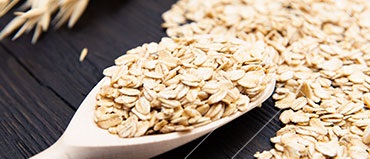
Among the major sources, cereals and grains dominate the beta-glucan market. Oats, barley, and rye — rich in dietary fiber — are increasingly used in functional food formulations due to their cholesterol-lowering, heart-health-enhancing, and immune-boosting properties.
The growing popularity of oat-based products such as oat milk and oat snacks highlights this trend. For example, Kellogg’s “Hi! Happy Inside” cereal, launched in 2019, contains beta-glucan from wheat to promote digestive wellness.
Post-pandemic consumer awareness has accelerated this shift, with health-conscious buyers prioritizing foods that strengthen immunity. Companies are now investing in R&D and product innovation to create new formulations blending beta-glucan with other bioactive ingredients.
Soluble Beta-Glucan Segment to Record the Fastest Growth
The soluble beta-glucan segment is forecasted to witness the highest CAGR during the projection period. Soluble beta-glucan — found in oats, barley, and mushrooms — offers numerous health benefits, including:
- Lowering LDL (“bad”) cholesterol
- Enhancing immune function
- Supporting cardiovascular health
- Reducing inflammation
A 2022 review in Nutrients highlighted that consuming beta-glucan from oats or barley helps reduce both total and LDL cholesterol levels — key factors in preventing cardiovascular diseases. The growing body of scientific evidence is encouraging wider adoption across functional foods, nutraceuticals, and dietary supplements.
Request Sample Pages: https://www.marketsandmarkets.com/requestsampleNew.asp?id=5191796
Asia-Pacific Dominates the Beta-Glucan Market
The Asia-Pacific region currently holds the largest market share for beta-glucan. Growth in the region is driven by innovation in food, beverage, healthcare, and industrial applications of beta-glucan.
Local manufacturers are diversifying their product portfolios, incorporating beta-glucan to meet the rising demand for functional and fortified foods. Increasing consumer awareness and rapid urbanization in countries like China, Japan, South Korea, and India are further accelerating regional expansion.
Leading Beta-Glucan Companies:
Key companies driving innovation and competition in the beta-glucan industry include:
- Kerry Group PLC (Ireland)
- Tate & Lyle PLC (UK)
- DSM Firmenich (Switzerland)
- Merck (US)
- Kemin Industries (US)
- Alltech (US)
- Lallemand Inc. (Canada)
- Leiber (Germany)
- Lesaffre (France)
- Associated British Foods Plc (UK)
These industry leaders are focusing on strategic partnerships, product innovation, and regional expansions to strengthen their market presence and address evolving consumer needs.
Frequently Asked Questions About Beta-glucan Market:
1. What is beta-glucan?
Beta-glucan is a natural polysaccharide found in the cell walls of cereals such as oats and barley, as well as in yeast, fungi, and certain algae. It is known for its health-promoting properties, including boosting the immune system, improving cholesterol levels, and supporting gut health.
2. What is the current size of the beta-glucan market?
The beta-glucan market is estimated at USD 542 million in 2024 and is projected to reach USD 800 million by 2029, at a CAGR of 8.1%.
What are the major applications of beta-glucan?
Beta-glucan is widely used in functional foods, dietary supplements, pharmaceuticals, and cosmetics. In food and beverages, it is added for its fiber content and health benefits. In cosmetics, it is valued for its skin-soothing and anti-aging properties.
4. Which industries drive the demand for beta-glucan?
The primary demand drivers include the nutraceutical, functional food and beverage, pharmaceutical, animal feed, and personal care industries. The growing consumer focus on preventive healthcare and natural ingredients is further boosting market adoption.
5. What are the health benefits associated with beta-glucan?
Scientific studies suggest that beta-glucan can help lower LDL cholesterol, regulate blood sugar, enhance immune response, promote gut health, and support overall cardiovascular well-being.
Get 10% Free Customization on this Report:
https://www.marketsandmarkets.com/requestCustomizationNew.asp?id=5191796
6. Which regions are leading the beta-glucan market growth?
North America and Europe are currently the dominant markets due to high consumer awareness and advanced food processing industries. However, the Asia-Pacific region is witnessing rapid growth, driven by rising health-consciousness and urbanization.
7. What are the key factors driving the beta-glucan market?
Key factors include increasing demand for functional and fortified foods, rising awareness about dietary fiber benefits, growing interest in plant-based and natural ingredients, and expanding applications in pharmaceuticals and personal care.
8. Who are the major players in the beta-glucan market?
Leading companies include Tate & Lyle PLC (UK), Kerry Group plc (Ireland), dsm-Firmenich (Switzerland), Merck (Germany), Lesaffre (France), Kemin Industries (US), Angel Yeast Co. Ltd (China), Lallemand (Canada), Associated British Foods Plc (UK), Bigrigin (Brazil), Ceapro, Inc. (Canada), NutriScience Innovations, LLC (US), Alltech (US), Garuda International Inc. (US), and Leiber (Germany) are the key players in the beta-glucan market.
9. What are the challenges facing the beta-glucan market?
Challenges include high production costs, limited consumer awareness in developing markets, and competition from other functional ingredients. Ensuring consistent quality and efficacy in formulations is also a concern.
10. What is the future outlook for the beta-glucan market?
The market is expected to grow steadily due to increasing incorporation in health-focused products, advancements in extraction and processing technologies, and rising demand for sustainable, plant-based solutions in food, pharma, and cosmetics.
80% of the Forbes Global 2000 B2B companies rely on MarketsandMarkets to identify growth opportunities in emerging technologies and use cases that will have a positive revenue impact.
- Food Packaging Market Size Set for Strong Growth Through 2030 Amid Rising Demand for Convenience Foods
- Crop Protection Chemical Market Size, Share & Growth Forecast (2025–2030)
- Mulch Films Market: Driving Sustainable Agriculture Through Innovation
- Agricultural Adjuvants Market Analysis, Trends, and Growth Outlook (2026–2031)
- Japan Enterprise Asset Management Market Growth: AI and Smart Infrastructure Drive Demand

Emerging Trends and Growth Opportunities in the Beta-Glucan Market
