4
MARKET OVERVIEW
Analytics investment shifts towards AI-driven, platform-centric architectures and consumption-based pricing models.
56
4.2.1.1
ALIGNMENT WITH AI SPENDING CYCLES IS RE-PRIORITIZING ANALYTICS INVESTMENT
4.2.1.2
PLATFORM-CENTRIC ENTERPRISE ARCHITECTURES ARE RESHAPING ANALYTICS PROCUREMENT
4.2.1.3
AGENTIC AND AUTONOMOUS ANALYTICS ENABLING SELF-DIRECTED INTELLIGENCE
4.2.2.1
ADVANCED ANALYTICS FAILS WITHOUT DATA ENGINEERING SPEND
4.2.2.2
DATA GOVERNANCE, SECURITY, AND COMPLIANCE OVERHEAD
4.2.3.1
SHIFT FROM DESCRIPTIVE TO PRESCRIPTIVE & DECISION AUTOMATION
4.2.3.2
VERTICAL-SPECIFIC ANALYTICS MONETIZATION
4.2.3.3
CONSUMPTION-BASED PRICING ALIGNS ANALYTICS SPEND WITH VALUE
4.2.4.1
ANALYTICS ROI DIFFICULT TO ATTRIBUTE AT ENTERPRISE SCALE
4.2.4.2
FRAGMENTATION OF ANALYTICS STACK
4.3
UNMET NEEDS AND WHITE SPACES
4.3.1
UNMET NEEDS IN ADVANCED ANALYTICS MARKET
4.3.2
WHITE SPACE OPPORTUNITIES
4.4
INTERCONNECTED MARKETS AND CROSS-SECTOR OPPORTUNITIES
4.4.1
INTERCONNECTED MARKETS
4.4.2
CROSS-SECTOR OPPORTUNITIES
4.5
STRATEGIC MOVES BY TIER-1/2/3 PLAYERS
4.5.1
STRATEGIC MOVES BY TIER-1/2/3 PLAYERS
5
INDUSTRY TRENDS
Navigate competitive landscapes with strategic insights from AI and big data analytics trends.
65
5.1
PORTER’S FIVE FORCES ANALYSIS
5.1.1
THREAT OF NEW ENTRANTS
5.1.2
THREAT OF SUBSTITUTES
5.1.3
BARGAINING POWER OF SUPPLIERS
5.1.4
BARGAINING POWER OF BUYERS
5.1.5
INTENSITY OF COMPETITION RIVALRY
5.2
MACROECONOMIC OUTLOOK
5.2.2
GDP TRENDS AND FORECAST
5.2.3
TRENDS IN GLOBAL AI INDUSTRY
5.2.4
TRENDS IN GLOBAL BIG DATA & ANALYTICS INDUSTRY
5.3.1.1
RULE-BASED & STATISTICAL ANALYTICS PROVIDERS
5.3.1.2
MACHINE LEARNING-DRIVEN ANALYTICS PROVIDERS
5.3.1.3
AUGMENTED & DECISION-CENTRIC ANALYTICS PROVIDERS
5.3.1.4
AGENTIC & AUTONOMOUS ANALYTICS PROVIDERS
5.3.2.1
PROFESSIONAL SERVICE PROVIDERS
5.3.2.2
MANAGED SERVICE PROVIDERS
5.4
SUPPLY CHAIN ANALYSIS
5.5.1
AVERAGE SELLING PRICE OF OFFERINGS, BY KEY PLAYER, 2026
5.5.2
AVERAGE SELLING PRICE OF SOLUTIONS, BY APPLICATION, 2026
5.6
INVESTMENT AND FUNDING SCENARIO
5.7.1
ZYNEX DRIVING 60% ANALYTICS COST SAVINGS THROUGH SAVANT LABS
5.7.2
HOLCIM ENABLING REAL-TIME PREDICTIVE MAINTENANCE ACROSS INDUSTRIAL ASSETS USING C3 AI
5.7.3
TRANSFORMING END-TO-END BUSINESS PROCESSES THROUGH PROCESS INTELLIGENCE
5.7.4
ROKU ENHANCING FINANCIAL PLANNING AGILITY WITH SCALABLE SCENARIO MODELING
5.7.5
STRENGTHENING FRAUD DETECTION WITH AGENTIC AI-DRIVEN DECISION INTELLIGENCE
5.8
KEY CONFERENCES AND EVENTS, 2025–2026
5.9
TRENDS/DISRUPTIONS IMPACTING CUSTOMERS’ BUSINESSES
6
STRATEGIC DISRUPTION: PATENTS, DIGITAL, AND AI ADOPTION
Unleash market potential by leveraging AI-driven patent strategies and interconnected technology ecosystems.
83
6.1.2
DATA STREAM PROCESSING
6.2
COMPLEMENTARY TECHNOLOGIES
6.2.1
BIG DATA TECHNOLOGIES
6.2.3
BUSINESS INTELLIGENCE
6.3
ADJACENT TECHNOLOGIES
6.3.2
ARTIFICIAL INTELLIGENCE (AI)
6.3.3
INTERNET OF THINGS (IOT)
6.4.3
INNOVATION AND PATENT APPLICATIONS
6.5
IMPACT OF AI/GEN AI ON ADVANCED ANALYTICS MARKET
6.5.1
BEST PRACTICES IN ADVANCED ANALYTICS MARKET
6.5.2
CASE STUDIES OF AI IMPLEMENTATION IN ADVANCED ANALYTICS MARKET
6.5.3
INTERCONNECTED ADJACENT ECOSYSTEM AND IMPACT ON MARKET PLAYERS
6.5.4
CLIENTS’ READINESS TO ADOPT GENERATIVE AI IN ADVANCED ANALYTICS MARKET
7
REGULATORY LANDSCAPE
Navigate global compliance challenges with insights on evolving data and AI regulations across regions.
91
7.1
REGIONAL REGULATIONS AND COMPLIANCE
7.1.1
REGULATORY BODIES, GOVERNMENT AGENCIES, AND OTHER ORGANIZATIONS
7.1.2.1.1
SECURITIES EXCHANGE ACT OF 1934 (SEC)
7.1.2.1.2
ARTIFICIAL INTELLIGENCE AND DATA ACT-AIDA (CANADA)
7.1.2.1.3
COMMODITY EXCHANGE ACT (CFTC)
7.1.2.1.4
PIPEDA (CANADA)
7.1.2.2.1
EUROPE ARTIFICIAL INTELLIGENCE ACT (EUROPEAN UNION)
7.1.2.2.2
GENERAL DATA PROTECTION REGULATION (EUROPEAN UNION)
7.1.2.2.3
DATA PROTECTION ACT 2018 (UK)
7.1.2.2.4
FEDERAL DATA PROTECTION ACT (GERMANY)
7.1.2.2.5
PERSONAL DATA PROTECTION CODE-LEGISLATIVE DECREE 196/2003 (ITALY)
7.1.2.3.1
PDPA (SINGAPORE)
7.1.2.3.2
DIGITAL PERSONAL DATA PROTECTION ACT, 2023 (INDIA)
7.1.2.3.3
ACT ON PROTECTION OF PERSONAL INFORMATION (JAPAN)
7.1.2.3.4
BASIC ACT ON ARTIFICIAL INTELLIGENCE (SOUTH KOREA)
7.1.2.4
MIDDLE EAST & AFRICA
7.1.2.4.1
FEDERAL DECREE-LAW NO. 45 OF 2021 ON PROTECTION OF PERSONAL DATA (UAE)
7.1.2.4.2
PERSONAL DATA PROTECTION LAW (KSA)
7.1.2.4.3
PROTECTION OF PERSONAL INFORMATION ACT (SOUTH AFRICA)
7.1.2.4.4
PERSONAL DATA PRIVACY PROTECTION LAW (QATAR)
7.1.2.4.5
LAW ON PROTECTION OF PERSONAL DATA NO. 6698 (TURKEY)
7.1.2.5.1
GENERAL DATA PROTECTION LAW - LGPD (BRAZIL)
7.1.2.5.2
FEDERAL LAW ON PROTECTION OF PERSONAL DATA HELD BY PRIVATE PARTIES (MEXICO)
7.1.2.5.3
PERSONAL DATA PROTECTION LAW NO. 25,326 (ARGENTINA)
8
CUSTOMER LANDSCAPE & BUYER BEHAVIOR
Understand stakeholder influence and unmet needs to optimize buyer engagement across key industry verticals.
100
8.1
DECISION-MAKING PROCESS
8.2
KEY STAKEHOLDERS INVOLVED IN BUYING PROCESS AND THEIR EVALUATION CRITERIA
8.2.1
KEY STAKEHOLDERS IN BUYING PROCESS
8.3
ADOPTION BARRIERS & INTERNAL CHALLENGES
8.4
UNMET NEEDS FROM VARIOUS INDUSTRY VERTICALS
9
ADVANCED ANALYTICS MARKET, BY OFFERING
Market Size & Growth Rate Forecast Analysis to 2031 in USD Million | 18 Data Tables
107
9.1.1
DRIVERS: ADVANCED ANALYTICS MARKET, BY OFFERING
9.2.1
RULE-BASED & STATISTICAL ANALYTICS
9.2.1.1
ENABLING FOUNDATIONAL INSIGHTS THROUGH STANDARDIZED REPORTING AND STATISTICAL ANALYSIS
9.2.1.2
REPORTING & DASHBOARDS TOOLS
9.2.1.3
SELF-SERVICE AND AD-HOC ANALYTICS
9.2.1.4
DESCRIPTIVE & DIAGNOSTIC ANALYTICS
9.2.2
MACHINE LEARNING-DRIVEN ANALYTICS
9.2.2.1
TAPPING INTO FORWARD-LOOKING INSIGHTS WITH IMPROVED SCALABILITY THROUGH DATA-DRIVEN LEARNING MODELS
9.2.2.2
PREDICTIVE ANALYTICS
9.2.2.3
PRESCRIPTIVE ANALYTICS
9.2.3
AUGMENTED & DECISION-CENTRIC ANALYTICS
9.2.3.1
ACCELERATING DECISION-MAKING THROUGH AI-ASSISTED INSIGHT GENERATION AND EXECUTION
9.2.3.2
AUGMENTED INSIGHT DISCOVERY
9.2.3.3
AUTOML-ASSISTED ANALYTICS
9.2.3.4
ANALYTICS AUTOMATION AND ORCHESTRATION
9.2.3.5
EMBEDDED AND IN-WORKFLOW ANALYTICS
9.2.4
AGENTIC & AUTONOMOUS ANALYTICS
9.2.4.1
ENABLING CONTINUOUS, SELF-DIRECTED DECISION-MAKING THROUGH AUTONOMOUS ANALYTICS SYSTEMS
9.2.4.2
ANALYTICS COPILOTS & ASSISTANTS
9.2.4.3
AUTONOMOUS ANALYTICS AGENTS
9.2.4.4
MULTI-AGENT DECISION EXECUTION
9.3.1
PROFESSIONAL SERVICES
9.3.1.1
ENABLING SUCCESSFUL ANALYTICS ADOPTION THROUGH EXPERT-LED STRATEGY AND EXECUTION
9.3.1.2
STRATEGY & CONSULTING
9.3.1.3
IMPLEMENTATION & INTEGRATION
9.3.1.4
ADVANCED MODELING & AI DEVELOPMENT
9.3.2.1
SUSTAINING ANALYTICAL PERFORMANCE THROUGH CONTINUOUS MANAGEMENT AND OPTIMIZATION
9.3.2.2
MANAGED DATA & INTELLIGENCE PLATFORMS
9.3.2.3
MODEL OPERATIONS & OPTIMIZATION
9.3.2.4
AUTONOMOUS & AI-DRIVEN OPERATIONS
10
ADVANCED ANALYTICS MARKET, BY DELIVERY MODE
Market Size & Growth Rate Forecast Analysis to 2031 in USD Million | 12 Data Tables
122
10.1.1
DRIVERS: ADVANCED ANALYTICS MARKET BY DELIVERY MODE
10.2
STANDALONE ANALYTICS SOFTWARE
10.2.1
ENABLING CONTROLLED AND CUSTOMIZABLE ANALYTICS THROUGH INDEPENDENT PLATFORMS
10.3
EMBEDDED & IN-APPLICATION DELIVERY
10.3.1
DRIVING ANALYTICS’ ADOPTION BY DELIVERING INSIGHTS DIRECTLY WITHIN BUSINESS WORKFLOWS
10.4
CLOUD-NATIVE & LAKEHOUSE-BASED DELIVERY
10.4.1
SCALING ADVANCED ANALYTICS THROUGH FLEXIBLE AND CLOUD-FIRST ARCHITECTURES
10.5
EDGE & DISTRIBUTED ANALYTICS DELIVERY
10.5.1
ENABLING REAL-TIME ANALYTICS CLOSER TO DATA SOURCES AND OPERATIONS
10.6
AGENT-BASED & AUTONOMOUS DELIVERY MODELS
10.6.1
AUTOMATING ENTERPRISE DECISIONS THROUGH SELF-DIRECTED AND INTELLIGENT ANALYTICS SYSTEMS
11
ADVANCED ANALYTICS MARKET, BY APPLICATION
Market Size & Growth Rate Forecast Analysis to 2031 in USD Million | 16 Data Tables
130
11.1.1
DRIVERS: ADVANCED ANALYTICS MARKET, BY APPLICATION
11.2
CUSTOMER & REVENUE INTELLIGENCE
11.2.1
OFFERING DATA-DRIVEN CUSTOMER UNDERSTANDING AND REVENUE OPTIMIZATION ACROSS SECTORS
11.2.2
CUSTOMER SEGMENTATION, CLV, AND CHURN
11.2.3
MARKETING ATTRIBUTION & CAMPAIGN EFFECTIVENESS
11.2.4
PRICING, PROMOTION, AND RECOMMENDATION
11.3
FINANCIAL RISK & PERFORMANCE MANAGEMENT
11.3.1
STRENGTHENING FINANCIAL STABILITY THROUGH ANALYTICS-DRIVEN RISK CONTROL AND PERFORMANCE OPTIMIZATION
11.3.2
FINANCIAL PLANNING, FORECASTING, AND PERFORMANCE
11.3.3
CREDIT, MARKET, AND OPERATIONAL RISK
11.3.4
FRAUD MANAGEMENT, AML, AND COMPLIANCE
11.4
SUPPLY CHAIN & OPERATIONS INTELLIGENCE
11.4.1
BUILDING RESILIENT AND ADAPTIVE SUPPLY CHAINS THROUGH ANALYTICS-DRIVEN OPERATIONAL VISIBILITY
11.4.2
DEMAND PLANNING & FORECASTING
11.4.3
SUPPLY CHAIN, LOGISTICS, AND NETWORK OPTIMIZATION
11.4.4
ASSET PERFORMANCE & MAINTENANCE PLANNING
11.5
PROCESS & QUALITY MANAGEMENT
11.5.1
IMPROVING OPERATIONAL EXCELLENCE THROUGH ANALYTICS-LED PROCESS VISIBILITY AND QUALITY CONTROL
11.5.2
PROCESS INTELLIGENCE & OPTIMIZATION
11.5.3
QUALITY MANAGEMENT & DEFECT REDUCTION
11.5.4
YIELD & THROUGHPUT OPTIMIZATION
11.6
HUMAN CAPITAL ANALYTICS
11.6.1
ENABLING DATA-DRIVEN WORKFORCE DECISIONS TO IMPROVE PRODUCTIVITY AND ORGANIZATIONAL RESILIENCE
11.6.2
WORKFORCE PLANNING & CAPACITY MANAGEMENT
11.6.3
EMPLOYEE PERFORMANCE & ENGAGEMENT
11.6.4
TALENT ACQUISITION, RETENTION, AND ATTRITION
11.7
PRODUCT, DIGITAL, AND IT OPERATIONS ANALYTICS
11.7.1
ENHANCING DIGITAL RELIABILITY AND PRODUCT PERFORMANCE THROUGH ANALYTICS-LED OPERATIONAL INTELLIGENCE
11.7.2
PRODUCT USAGE & PERFORMANCE
11.7.3
DIGITAL EXPERIENCE MONITORING
11.7.4
IT & PLATFORM OPERATIONS ANALYTICS
11.8
INTELLIGENT DECISION AUTOMATION
11.8.1
ACCELERATING BUSINESS OUTCOMES THROUGH ANALYTICS-DRIVEN AND AUTOMATED DECISION EXECUTION
11.8.2
AUTOMATED DECISION MANAGEMENT
11.8.3
CLOSED-LOOP BUSINESS PROCESS CONTROL
11.8.4
PREDICTIVE INTERVENTION & EXCEPTION MANAGEMENT
12
ADVANCED ANALYTICS MARKET, BY VERTICAL
Market Size & Growth Rate Forecast Analysis to 2031 in USD Million | 24 Data Tables
146
12.1.1
DRIVERS: ADVANCED ANALYTICS MARKET, BY VERTICAL
12.2.1
STRENGTHENING FINANCIAL TRUST AND PROFITABILITY THROUGH RISK-AWARE AND DATA-DRIVEN INTELLIGENCE
12.3
HEALTHCARE & LIFE SCIENCES
12.3.1
IMPROVING PATIENT OUTCOMES AND OPERATIONAL EFFICIENCY THROUGH ANALYTICS-ENABLED HEALTHCARE INTELLIGENCE
12.4.1
DRIVING REVENUE GROWTH AND PERSONALIZATION THROUGH CUSTOMER-CENTRIC ANALYTICS
12.5.1
DRIVING OPERATIONAL EXCELLENCE AND RESILIENCE THROUGH ANALYTICS-LED MANUFACTURING INTELLIGENCE
12.6.1
ENHANCING NETWORK PERFORMANCE AND CUSTOMER EXPERIENCE THROUGH ANALYTICS-DRIVEN TELECOM INTELLIGENCE
12.7.1
IMPROVING RELIABILITY AND SUSTAINABILITY THROUGH ANALYTICS-ENABLED ENERGY INTELLIGENCE
12.8
MEDIA & ENTERTAINMENT
12.8.1
MAXIMIZING AUDIENCE ENGAGEMENT AND MONETIZATION THROUGH ANALYTICS-DRIVEN CONTENT INTELLIGENCE
12.9
GOVERNMENT & PUBLIC SECTOR
12.9.1
ENHANCING TRANSPARENCY AND SERVICE DELIVERY THROUGH ANALYTICS-ENABLED PUBLIC SECTOR INTELLIGENCE
12.10
TRANSPORTATION & MOBILITY
12.10.1
IMPROVING SAFETY, EFFICIENCY, AND SUSTAINABILITY THROUGH ANALYTICS-LED MOBILITY INTELLIGENCE
12.11
TECHNOLOGY & SOFTWARE
12.11.1
SCALING DIGITAL INNOVATION AND PLATFORM PERFORMANCE THROUGH ANALYTICS-NATIVE SOFTWARE INTELLIGENCE
13
ADVANCED ANALYTICS MARKET, BY REGION
Comprehensive coverage of 7 Regions with country-level deep-dive of 15 Countries | 312 Data Tables.
161
13.2.1
NORTH AMERICA: ADVANCED ANALYTICS MARKET DRIVERS
13.2.2.1
SCALING GOVERNED, CLOUD-NATIVE ANALYTICS DRIVEN BY AI INVESTMENT, REGULATORY FOCUS, AND HYPERSCALE INFRASTRUCTURE EXPANSION
13.2.3.1
ADVANCING TRUSTED AND COMPLIANT ANALYTICS ADOPTION THROUGH STRONG AI RESEARCH, DATA SOVEREIGNTY FOCUS, AND PUBLIC-SECTOR LEADERSHIP
13.3.1
EUROPE: ADVANCED ANALYTICS MARKET DRIVERS
13.3.2.1
ACCELERATING ANALYTICS ADOPTION THROUGH STRONG DIGITAL REGULATION, CLOUD MATURITY, AND AI-FIRST ENTERPRISE STRATEGIES
13.3.3.1
DRIVING INDUSTRIAL AND MANUFACTURING ANALYTICS THROUGH INDUSTRY 4.0 LEADERSHIP AND DATA SOVEREIGNTY PRIORITIES
13.3.4.1
EXPANDING ANALYTICS ADOPTION THROUGH STRONG PUBLIC-SECTOR LEADERSHIP AND NATIONAL AI INVESTMENT PROGRAMS
13.3.5.1
ACCELERATING ANALYTICS ADOPTION THROUGH ENTERPRISE DIGITALIZATION, CLOUD MODERNIZATION, AND EU-BACKED INVESTMENT PROGRAMS
13.4.1
ASIA PACIFIC: ADVANCED ANALYTICS MARKET DRIVERS
13.4.2.1
SCALING ANALYTICS ADOPTION THROUGH STATE-LED DIGITAL INFRASTRUCTURE, AI INVESTMENT, AND PLATFORM-DRIVEN DATA ECOSYSTEMS
13.4.3.1
ACCELERATING ANALYTICS GROWTH THROUGH DIGITAL PUBLIC INFRASTRUCTURE, CLOUD ADOPTION, AND ENTERPRISE MODERNIZATION
13.4.4.1
ADVANCING ANALYTICS MATURITY THROUGH ENTERPRISE MODERNIZATION, PRODUCTIVITY FOCUS, AND INDUSTRIAL DATA INTEGRATION
13.4.6
REST OF ASIA PACIFIC
13.5
MIDDLE EAST & AFRICA
13.5.1
MIDDLE EAST & AFRICA: ADVANCED ANALYTICS MARKET DRIVERS
13.5.2.1
SCALING ADVANCED ANALYTICS THROUGH VISION 2030–DRIVEN DIGITAL TRANSFORMATION AND DATA-LED GOVERNANCE
13.5.3.1
ADVANCING ANALYTICS MATURITY THROUGH SMART GOVERNMENT LEADERSHIP AND AI-FIRST NATIONAL STRATEGIES
13.5.4.1
ADVANCING ANALYTICS ADOPTION THROUGH FINANCIAL-SECTOR LEADERSHIP AND ENTERPRISE DIGITAL TRANSFORMATION
13.5.5.1
ANCHORING ANALYTICS GROWTH THROUGH BFSI DOMINANCE, PUBLIC-SECTOR MODERNIZATION, AND RISK-FOCUSED USE CASES
13.5.6
REST OF MIDDLE EAST & AFRICA
13.6.1
LATIN AMERICA: ADVANCED ANALYTICS MARKET DRIVERS
13.6.2.1
DRIVING ANALYTICS ADOPTION THROUGH LARGE-SCALE ENTERPRISE DIGITALIZATION AND FINANCIAL-SECTOR INNOVATION
13.6.3.1
EXPANDING ANALYTICS USAGE THROUGH MANUFACTURING INTEGRATION AND CROSS-BORDER DIGITAL TRANSFORMATION
13.6.4
REST OF LATIN AMERICA
14
COMPETITIVE LANDSCAPE
Discover strategic insights and market dominance shifts among top analytics players through 2025.
275
14.2
KEY PLAYER STRATEGIES, 2021–2025
14.3
REVENUE ANALYSIS, 2021–2025
14.4
MARKET SHARE ANALYSIS, 2025
14.4.1
MARKET RANKING ANALYSIS, 2025
14.5
BRAND COMPARATIVE ANALYSIS
14.5.1
BRAND COMPARATIVE ANALYSIS (1/2)
14.5.1.4
SAS INSTITUTE (US)
14.5.2
BRAND COMPARATIVE ANALYSIS FOR BY AGENTIC & AUTONOMOUS ANALYTICS (2/2)
14.5.2.1
THOUGHTSPOT (US)
14.5.2.3
SAVANT LABS (US)
14.5.2.5
UNSUPERVISED (US)
14.6
COMPANY EVALUATION MATRIX: KEY PLAYERS (TIER 1)
14.6.5
COMPANY FOOTPRINT: KEY PLAYERS (TIER 1), 2025
14.6.5.1
COMPANY FOOTPRINT
14.6.5.2
REGIONAL FOOTPRINT
14.6.5.3
OFFERING FOOTPRINT
14.6.5.4
APPLICATION FOOTPRINT
14.6.5.5
VERTICAL FOOTPRINT
14.7
COMPANY EVALUATION MATRIX: KEY PLAYERS (TIER 2 & 3)
14.7.5
COMPANY FOOTPRINT: KEY PLAYERS (TIER 2 & 3), 2025
14.7.5.1
COMPANY FOOTPRINT
14.7.5.2
REGIONAL FOOTPRINT
14.7.5.3
OFFERING FOOTPRINT
14.7.5.4
APPLICATION FOOTPRINT
14.7.5.5
VERTICAL FOOTPRINT
14.8
COMPANY EVALUATION MATRIX: KEY PLAYERS (AGENTIC & AUTONOMOUS ANALYTICS)
14.8.1
ASSESSMENT PARAMETERS/METHODOLOGY
14.8.4
COMPANY FOOTPRINT: KEY PLAYERS (AGENTIC & AUTONOMOUS ANALYTICS), 2025
14.8.4.1
COMPANY FOOTPRINT
14.8.4.2
REGIONAL FOOTPRINT
14.8.4.3
OFFERING FOOTPRINT
14.8.4.4
APPLICATION FOOTPRINT
14.8.4.5
VERTICAL FOOTPRINT
14.9
COMPANY VALUATION AND FINANCIAL METRICS
14.10
COMPETITIVE SCENARIO
14.10.1
PRODUCT LAUNCHES AND ENHANCEMENTS
15
COMPANY PROFILES
In-depth Company Profiles of Leading Market Players with detailed Business Overview, Product and Service Portfolio, Recent Developments, and Unique Analyst Perspective (MnM View)
305
15.2.1.1
BUSINESS OVERVIEW
15.2.1.2
PRODUCTS/SOLUTIONS/SERVICES OFFERED
15.2.1.3
RECENT DEVELOPMENTS
15.2.1.3.1
PRODUCT LAUNCHES AND ENHANCEMENTS
15.2.1.4.2
STRATEGIC CHOICES
15.2.1.4.3
WEAKNESSES AND COMPETITIVE THREATS
15.2.19
INFOR (KOCH INDUSTRIES)
15.3.16
YELLOWFIN (IDERA)
15.4
AGENTIC & AUTONOMOUS ANALYTICS PLAYERS
16
RESEARCH METHODOLOGY
389
16.1.2.1
BREAKUP OF PRIMARY PROFILES
16.1.2.2
KEY INDUSTRY INSIGHTS
16.3
MARKET SIZE ESTIMATION
16.3.2
BOTTOM-UP APPROACH
16.5
RESEARCH ASSUMPTIONS
17.2
KNOWLEDGESTORE: MARKETSANDMARKETS’ SUBSCRIPTION PORTAL
17.3
CUSTOMIZATION OPTIONS
TABLE 1
INCLUSIONS AND EXCLUSIONS
TABLE 2
USD EXCHANGE RATE, 2021–2025
TABLE 3
STRATEGIC MOVES, BY TIER
TABLE 4
IMPACT OF PORTER’S FIVE FORCES ON ADVANCED ANALYTICS MARKET
TABLE 5
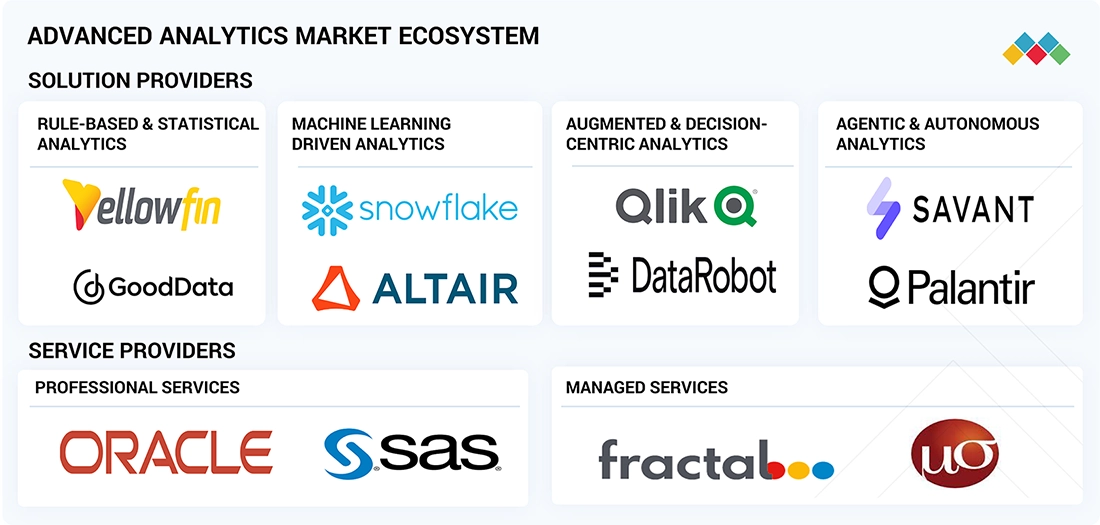
ADVANCED ANALYTICS MARKET: ROLE OF COMPANIES IN ECOSYSTEM
TABLE 6
AVERAGE SELLING PRICE OF OFFERINGS, BY KEY PLAYER, 2026
TABLE 7
AVERAGE SELLING PRICE OF SOLUTIONS, BY APPLICATION, 2026
TABLE 8
ADVANCED ANALYTICS MARKET: LIST OF KEY CONFERENCES AND EVENTS, 2026–2027
TABLE 9
PATENTS FILED, BY DOCUMENT TYPE, 2017–2026
TABLE 10
LIST OF TOP PATENTS IN ADVANCED ANALYTICS MARKET, 2024–2025
TABLE 11
TOP USE CASES AND MARKET POTENTIAL
TABLE 12
BEST PRACTICES: COMPANIES IMPLEMENTING USE CASES
TABLE 13
ADVANCED ANALYTICS MARKET: CASE STUDIES RELATED TO GEN AI IMPLEMENTATION
TABLE 14
INTERCONNECTED ADJACENT ECOSYSTEM AND IMPACT ON MARKET PLAYERS
TABLE 15
NORTH AMERICA: REGULATORY BODIES, GOVERNMENT AGENCIES, AND OTHER ORGANIZATIONS
TABLE 16
EUROPE: REGULATORY BODIES, GOVERNMENT AGENCIES, AND OTHER ORGANIZATIONS
TABLE 17
ASIA PACIFIC: REGULATORY BODIES, GOVERNMENT AGENCIES, AND OTHER ORGANIZATIONS
TABLE 18
MIDDLE EAST & AFRICA: REGULATORY BODIES, GOVERNMENT AGENCIES, AND OTHER ORGANIZATIONS
TABLE 19
LATIN AMERICA: REGULATORY BODIES, GOVERNMENT AGENCIES, AND OTHER ORGANIZATIONS
TABLE 20
INFLUENCE OF STAKEHOLDERS ON BUYING PROCESS FOR TOP THREE VERTICALS
TABLE 21
KEY BUYING CRITERIA FOR TOP THREE VERTICALS
TABLE 22
UNMET NEEDS IN ADVANCED ANALYTICS MARKET, BY INDUSTRY VERTICAL
TABLE 23
ADVANCED ANALYTICS MARKET, BY OFFERING, 2021–2025 (USD MILLION)
TABLE 24
ADVANCED ANALYTICS MARKET, BY OFFERING, 2026–2031 (USD MILLION)
TABLE 25
ADVANCED ANALYTICS MARKET, BY SOLUTION, 2021–2025 (USD MILLION)
TABLE 26
ADVANCED ANALYTICS MARKET, BY SOLUTION, 2026–2031 (USD MILLION)
TABLE 27
RULE-BASED & STATISTICAL ANALYTICS MARKET, BY REGION, 2021–2025 (USD MILLION)
TABLE 28
RULE-BASED & STATISTICAL ANALYTICS MARKET, BY REGION, 2026–2031 (USD MILLION)
TABLE 29
MACHINE LEARNING DRIVEN ANALYTICS MARKET, BY REGION, 2021–2025 (USD MILLION)
TABLE 30
MACHINE LEARNING DRIVEN ANALYTICS MARKET, BY REGION, 2026–2031 (USD MILLION)
TABLE 31
AUGMENTED & DECISION-CENTRIC ANALYTICS MARKET, BY REGION, 2021–2025 (USD MILLION)
TABLE 32
AUGMENTED & DECISION-CENTRIC ANALYTICS MARKET, BY REGION, 2026–2031 (USD MILLION)
TABLE 33
AGENTIC & AUTONOMOUS ANALYTICS MARKET, BY REGION, 2021–2025 (USD MILLION)
TABLE 34
AGENTIC & AUTONOMOUS ANALYTICS: ADVANCED ANALYTICS MARKET, BY REGION, 2026–2031 (USD MILLION)
TABLE 35
ADVANCED ANALYTICS MARKET, BY SERVICE, 2021–2025 (USD MILLION)
TABLE 36
ADVANCED ANALYTICS MARKET, BY SERVICE, 2026–2031 (USD MILLION)
TABLE 37
ADVANCED ANALYTICS PROFESSIONAL SERVICES MARKET, BY REGION, 2021–2025 (USD MILLION)
TABLE 38
ADVANCED ANALYTICS PROFESSIONAL SERVICES MARKET, BY REGION, 2026–2031 (USD MILLION)
TABLE 39
ADVANCED ANALYTICS MANAGED SERVICES MARKET, BY REGION, 2021–2025 (USD MILLION)
TABLE 40
ADVANCED ANALYTICS MANAGED SERVICES MARKET, BY REGION, 2026–2031 (USD MILLION)
TABLE 41
ADVANCED ANALYTICS MARKET, BY DELIVERY MODE, 2021–2025 (USD MILLION)
TABLE 42
ADVANCED ANALYTICS MARKET, BY DELIVERY MODE, 2026–2031 (USD MILLION)
TABLE 43
STANDALONE ANALYTICS SOFTWARE MARKET, BY REGION, 2021–2025 (USD MILLION)
TABLE 44
STANDALONE ANALYTICS SOFTWARE MARKET, BY REGION, 2026–2031 (USD MILLION)
TABLE 45
EMBEDDED & IN-APPLICATION DELIVERY SERVICES MARKET, BY REGION, 2021–2025 (USD MILLION)
TABLE 46
EMBEDDED & IN-APPLICATION DELIVERY SERVICES MARKET, BY REGION, 2026–2031 (USD MILLION)
TABLE 47
CLOUD-NATIVE & LAKEHOUSE-BASED DELIVERY SERVICES MARKET, BY REGION, 2021–2025 (USD MILLION)
TABLE 48
CLOUD-NATIVE & LAKEHOUSE-BASED DELIVERY SERVICES MARKET, BY REGION, 2026–2031 (USD MILLION)
TABLE 49
EDGE & DISTRIBUTED ANALYTICS DELIVERY SERVICES MARKET, BY REGION, 2021–2025 (USD MILLION)
TABLE 50
EDGE & DISTRIBUTED ANALYTICS DELIVERY SERVICES MARKET, BY REGION, 2026–2031 (USD MILLION)
TABLE 51
AGENT-BASED & AUTONOMOUS DELIVERY MODELS MARKET, BY REGION, 2021–2025 (USD MILLION)
TABLE 52
AGENT-BASED & AUTONOMOUS DELIVERY MODELS MARKET, BY REGION, 2026–2031 (USD MILLION)
TABLE 53
ADVANCED ANALYTICS MARKET, BY APPLICATION, 2021–2025 (USD MILLION)
TABLE 54
ADVANCED ANALYTICS MARKET, BY APPLICATION, 2026–2031 (USD MILLION)
TABLE 55
ADVANCED ANALYTICS MARKET IN CUSTOMER & REVENUE INTELLIGENCE, BY REGION, 2021–2025 (USD MILLION)
TABLE 56
ADVANCED ANALYTICS MARKET IN CUSTOMER & REVENUE INTELLIGENCE, BY REGION, 2026–2031 (USD MILLION)
TABLE 57
ADVANCED ANALYTICS MARKET IN FINANCIAL RISK & PERFORMANCE MANAGEMENT, BY REGION, 2021–2025 (USD MILLION)
TABLE 58
ADVANCED ANALYTICS MARKET IN FINANCIAL RISK & PERFORMANCE MANAGEMENT, BY REGION, 2026–2031 (USD MILLION)
TABLE 59
ADVANCED ANALYTICS MARKET IN SUPPLY CHAIN & OPERATIONS INTELLIGENCE, BY REGION, 2021–2025 (USD MILLION)
TABLE 60
ADVANCED ANALYTICS MARKET IN SUPPLY CHAIN & OPERATIONS INTELLIGENCE, BY REGION, 2026–2031 (USD MILLION)
TABLE 61
ADVANCED ANALYTICS MARKET IN PROCESS & QUALITY MANAGEMENT, BY REGION, 2021–2025 (USD MILLION)
TABLE 62
ADVANCED ANALYTICS MARKET IN PROCESS & QUALITY MANAGEMENT, BY REGION, 2026–2031 (USD MILLION)
TABLE 63
ADVANCED ANALYTICS MARKET IN HUMAN CAPITAL ANALYTICS, BY REGION, 2021–2025 (USD MILLION)
TABLE 64
ADVANCED ANALYTICS MARKET IN HUMAN CAPITAL ANALYTICS, BY REGION, 2026–2031 (USD MILLION)
TABLE 65
ADVANCED ANALYTICS MARKET IN PRODUCT, DIGITAL, AND IT OPERATIONS ANALYTICS, BY REGION, 2021–2025 (USD MILLION)
TABLE 66
ADVANCED ANALYTICS MARKET IN PRODUCT, DIGITAL, AND IT OPERATIONS ANALYTICS, BY REGION, 2026–2031 (USD MILLION)
TABLE 67
ADVANCED ANALYTICS MARKET IN INTELLIGENT DECISION AUTOMATION, BY REGION, 2021–2025 (USD MILLION)
TABLE 68
ADVANCED ANALYTICS MARKET IN INTELLIGENT DECISION AUTOMATION, BY REGION, 2026–2031 (USD MILLION)
TABLE 69
ADVANCED ANALYTICS MARKET, BY VERTICAL, 2021–2025 (USD MILLION)
TABLE 70
ADVANCED ANALYTICS MARKET, BY VERTICAL, 2026–2031 (USD MILLION)
TABLE 71
ADVANCED ANALYTICS MARKET IN BFSI, BY REGION, 2021–2025 (USD MILLION)
TABLE 72
ADVANCED ANALYTICS MARKET IN BFSI, BY REGION, 2026–2031 (USD MILLION)
TABLE 73
ADVANCED ANALYTICS MARKET IN HEALTHCARE & LIFE SCIENCES, BY REGION, 2021–2025 (USD MILLION)
TABLE 74
ADVANCED ANALYTICS MARKET IN HEALTHCARE & LIFE SCIENCES, BY REGION, 2026–2031 (USD MILLION)
TABLE 75
ADVANCED ANALYTICS MARKET IN RETAIL & E-COMMERCE, BY REGION, 2021–2025 (USD MILLION)
TABLE 76
ADVANCED ANALYTICS MARKET IN RETAIL & E-COMMERCE, BY REGION, 2026–2031 (USD MILLION)
TABLE 77
ADVANCED ANALYTICS MARKET IN MANUFACTURING, BY REGION, 2021–2025 (USD MILLION)
TABLE 78
ADVANCED ANALYTICS MARKET IN MANUFACTURING, BY REGION, 2026–2031 (USD MILLION)
TABLE 79
ADVANCED ANALYTICS MARKET IN TELECOMMUNICATIONS, BY REGION, 2021–2025 (USD MILLION)
TABLE 80
ADVANCED ANALYTICS MARKET IN TELECOMMUNICATIONS, BY REGION, 2026–2031 (USD MILLION)
TABLE 81
ADVANCED ANALYTICS MARKET IN ENERGY & UTILITIES, BY REGION, 2021–2025 (USD MILLION)
TABLE 82
ADVANCED ANALYTICS MARKET IN ENERGY & UTILITIES, BY REGION, 2026–2031 (USD MILLION)
TABLE 83
ADVANCED ANALYTICS MARKET IN MEDIA & ENTERTAINMENT, BY REGION, 2021–2025 (USD MILLION)
TABLE 84
ADVANCED ANALYTICS MARKET IN MEDIA & ENTERTAINMENT, BY REGION, 2026–2031 (USD MILLION)
TABLE 85
ADVANCED ANALYTICS MARKET IN GOVERNMENT & PUBLIC SECTOR, BY REGION, 2021–2025 (USD MILLION)
TABLE 86
ADVANCED ANALYTICS MARKET IN GOVERNMENT & PUBLIC SECTOR, BY REGION, 2026–2031 (USD MILLION)
TABLE 87
ADVANCED ANALYTICS MARKET IN TRANSPORTATION & MOBILITY, BY REGION, 2021–2025 (USD MILLION)
TABLE 88
ADVANCED ANALYTICS MARKET IN TRANSPORTATION & MOBILITY, BY REGION, 2026–2031 (USD MILLION)
TABLE 89
ADVANCED ANALYTICS MARKET IN TECHNOLOGY & SOFTWARE, BY REGION, 2021–2025 (USD MILLION)
TABLE 90
ADVANCED ANALYTICS MARKET IN TECHNOLOGY & SOFTWARE, BY REGION, 2026–2031 (USD MILLION)
TABLE 91
ADVANCED ANALYTICS MARKET IN OTHER VERTICALS, BY REGION, 2021–2025 (USD MILLION)
TABLE 92
ADVANCED ANALYTICS MARKET IN OTHER VERTICALS, BY REGION, 2026–2031 (USD MILLION)
TABLE 93
ADVANCED ANALYTICS MARKET, BY REGION, 2021–2025 (USD MILLION)
TABLE 94
ADVANCED ANALYTICS MARKET, BY REGION, 2026–2031 (USD MILLION)
TABLE 95
NORTH AMERICA: ADVANCED ANALYTICS MARKET, BY OFFERING, 2021–2025 (USD MILLION)
TABLE 96
NORTH AMERICA: ADVANCED ANALYTICS MARKET, BY OFFERING, 2026–2031 (USD MILLION)
TABLE 97
NORTH AMERICA: ADVANCED ANALYTICS MARKET, BY SOLUTION, 2021–2025 (USD MILLION)
TABLE 98
NORTH AMERICA: ADVANCED ANALYTICS MARKET, BY SOLUTION, 2026–2031 (USD MILLION)
TABLE 99
NORTH AMERICA: ADVANCED ANALYTICS MARKET, BY SERVICE, 2021–2025 (USD MILLION)
TABLE 100
NORTH AMERICA: ADVANCED ANALYTICS MARKET, BY SERVICE, 2026–2031 (USD MILLION)
TABLE 101
NORTH AMERICA: ADVANCED ANALYTICS MARKET, BY DELIVERY MODE, 2021–2025 (USD MILLION)
TABLE 102
NORTH AMERICA: ADVANCED ANALYTICS MARKET, BY DELIVERY MODE, 2026–2031 (USD MILLION)
TABLE 103
NORTH AMERICA: ADVANCED ANALYTICS MARKET, BY APPLICATION, 2021–2025 (USD MILLION)
TABLE 104
NORTH AMERICA: ADVANCED ANALYTICS MARKET, BY APPLICATION, 2026–2031 (USD MILLION)
TABLE 105
NORTH AMERICA: ADVANCED ANALYTICS MARKET, BY VERTICAL, 2021–2025 (USD MILLION)
TABLE 106
NORTH AMERICA: ADVANCED ANALYTICS MARKET, BY VERTICAL, 2026–2031 (USD MILLION)
TABLE 107
NORTH AMERICA: ADVANCED ANALYTICS MARKET, BY COUNTRY, 2021–2025 (USD MILLION)
TABLE 108
NORTH AMERICA: ADVANCED ANALYTICS MARKET, BY COUNTRY, 2026–2031 (USD MILLION)
TABLE 109
US: ADVANCED ANALYTICS MARKET, BY OFFERING, 2021–2025 (USD MILLION)
TABLE 110
US: ADVANCED ANALYTICS MARKET, BY OFFERING, 2026–2031 (USD MILLION)
TABLE 111
US: ADVANCED ANALYTICS MARKET, BY SOLUTION, 2021–2025 (USD MILLION)
TABLE 112
US: ADVANCED ANALYTICS MARKET, BY SOLUTION, 2026–2031 (USD MILLION)
TABLE 113
US: ADVANCED ANALYTICS MARKET, BY SERVICE, 2021–2025 (USD MILLION)
TABLE 114
US: ADVANCED ANALYTICS MARKET, BY SERVICE, 2026–2031 (USD MILLION)
TABLE 115
US: ADVANCED ANALYTICS MARKET, BY DELIVERY MODE, 2021–2025 (USD MILLION)
TABLE 116
US: ADVANCED ANALYTICS MARKET, BY DELIVERY MODE, 2026–2031 (USD MILLION)
TABLE 117
US: ADVANCED ANALYTICS MARKET, BY APPLICATION, 2021–2025 (USD MILLION)
TABLE 118
US: ADVANCED ANALYTICS MARKET, BY APPLICATION, 2026–2031 (USD MILLION)
TABLE 119
US: ADVANCED ANALYTICS MARKET, BY VERTICAL, 2021–2025 (USD MILLION)
TABLE 120
US: ADVANCED ANALYTICS MARKET, BY VERTICAL, 2026–2031 (USD MILLION)
TABLE 121
CANADA: ADVANCED ANALYTICS MARKET, BY OFFERING, 2021–2025 (USD MILLION)
TABLE 122
CANADA: ADVANCED ANALYTICS MARKET, BY OFFERING, 2026–2031 (USD MILLION)
TABLE 123
CANADA: ADVANCED ANALYTICS MARKET, BY SOLUTION, 2021–2025 (USD MILLION)
TABLE 124
CANADA: ADVANCED ANALYTICS MARKET, BY SOLUTION, 2026–2031 (USD MILLION)
TABLE 125
CANADA: ADVANCED ANALYTICS MARKET, BY SERVICE, 2021–2025 (USD MILLION)
TABLE 126
CANADA: ADVANCED ANALYTICS MARKET, BY SERVICE, 2026–2031 (USD MILLION)
TABLE 127
CANADA: ADVANCED ANALYTICS MARKET, BY DELIVERY MODE, 2021–2025 (USD MILLION)
TABLE 128
CANADA: ADVANCED ANALYTICS MARKET, BY DELIVERY MODE, 2026–2031 (USD MILLION)
TABLE 129
CANADA: ADVANCED ANALYTICS MARKET, BY APPLICATION, 2021–2025 (USD MILLION)
TABLE 130
CANADA: ADVANCED ANALYTICS MARKET, BY APPLICATION, 2026–2031 (USD MILLION)
TABLE 131
CANADA: ADVANCED ANALYTICS MARKET, BY VERTICAL, 2021–2025 (USD MILLION)
TABLE 132
CANADA: ADVANCED ANALYTICS MARKET, BY VERTICAL, 2026–2031 (USD MILLION)
TABLE 133
EUROPE: ADVANCED ANALYTICS MARKET, BY OFFERING, 2021–2025 (USD MILLION)
TABLE 134
EUROPE: ADVANCED ANALYTICS MARKET, BY OFFERING, 2026–2031 (USD MILLION)
TABLE 135
EUROPE: ADVANCED ANALYTICS MARKET, BY SOLUTION, 2021–2025 (USD MILLION)
TABLE 136
EUROPE: ADVANCED ANALYTICS MARKET, BY SOLUTION, 2026–2031 (USD MILLION)
TABLE 137
EUROPE: ADVANCED ANALYTICS MARKET, BY SERVICE, 2021–2025 (USD MILLION)
TABLE 138
EUROPE: ADVANCED ANALYTICS MARKET, BY SERVICE, 2026–2031 (USD MILLION)
TABLE 139
EUROPE: ADVANCED ANALYTICS MARKET, BY DELIVERY MODE, 2021–2025 (USD MILLION)
TABLE 140
EUROPE: ADVANCED ANALYTICS MARKET, BY DELIVERY MODE, 2026–2031 (USD MILLION)
TABLE 141
EUROPE: ADVANCED ANALYTICS MARKET, BY APPLICATION, 2021–2025 (USD MILLION)
TABLE 142
EUROPE: ADVANCED ANALYTICS MARKET, BY APPLICATION, 2026–2031 (USD MILLION)
TABLE 143
EUROPE: ADVANCED ANALYTICS MARKET, BY VERTICAL, 2021–2025 (USD MILLION)
TABLE 144
EUROPE: ADVANCED ANALYTICS MARKET, BY VERTICAL, 2026–2031 (USD MILLION)
TABLE 145
EUROPE: ADVANCED ANALYTICS MARKET, BY COUNTRY, 2021–2025 (USD MILLION)
TABLE 146
EUROPE: ADVANCED ANALYTICS MARKET, BY COUNTRY, 2026–2031 (USD MILLION)
TABLE 147
UK: ADVANCED ANALYTICS MARKET, BY OFFERING, 2021–2025 (USD MILLION)
TABLE 148
UK: ADVANCED ANALYTICS MARKET, BY OFFERING, 2026–2031 (USD MILLION)
TABLE 149
UK: ADVANCED ANALYTICS MARKET, BY SOLUTION, 2021–2025 (USD MILLION)
TABLE 150
UK: ADVANCED ANALYTICS MARKET, BY SOLUTION, 2026–2031 (USD MILLION)
TABLE 151
UK: ADVANCED ANALYTICS MARKET, BY SERVICE, 2021–2025 (USD MILLION)
TABLE 152
UK: ADVANCED ANALYTICS MARKET, BY SERVICE, 2026–2031 (USD MILLION)
TABLE 153
UK: ADVANCED ANALYTICS MARKET, BY DELIVERY MODE, 2021–2025 (USD MILLION)
TABLE 154
UK: ADVANCED ANALYTICS MARKET, BY DELIVERY MODE, 2026–2031 (USD MILLION)
TABLE 155
UK: ADVANCED ANALYTICS MARKET, BY APPLICATION, 2021–2025 (USD MILLION)
TABLE 156
UK: ADVANCED ANALYTICS MARKET, BY APPLICATION, 2026–2031 (USD MILLION)
TABLE 157
UK: ADVANCED ANALYTICS MARKET, BY VERTICAL, 2021–2025 (USD MILLION)
TABLE 158
UK: ADVANCED ANALYTICS MARKET, BY VERTICAL, 2026–2031 (USD MILLION)
TABLE 159
GERMANY: ADVANCED ANALYTICS MARKET, BY OFFERING, 2021–2025 (USD MILLION)
TABLE 160
GERMANY: ADVANCED ANALYTICS MARKET, BY OFFERING, 2026–2031 (USD MILLION)
TABLE 161
GERMANY: ADVANCED ANALYTICS MARKET, BY SOLUTION, 2021–2025 (USD MILLION)
TABLE 162
GERMANY: ADVANCED ANALYTICS MARKET, BY SOLUTION, 2026–2031 (USD MILLION)
TABLE 163
GERMANY: ADVANCED ANALYTICS MARKET, BY SERVICE, 2021–2025 (USD MILLION)
TABLE 164
GERMANY: ADVANCED ANALYTICS MARKET, BY SERVICE, 2026–2031 (USD MILLION)
TABLE 165
GERMANY: ADVANCED ANALYTICS MARKET, BY DELIVERY MODE, 2021–2025 (USD MILLION)
TABLE 166
GERMANY: ADVANCED ANALYTICS MARKET, BY DELIVERY MODE, 2026–2031 (USD MILLION)
TABLE 167
GERMANY: ADVANCED ANALYTICS MARKET, BY APPLICATION, 2021–2025 (USD MILLION)
TABLE 168
GERMANY: ADVANCED ANALYTICS MARKET, BY APPLICATION, 2026–2031 (USD MILLION)
TABLE 169
GERMANY: ADVANCED ANALYTICS MARKET, BY VERTICAL, 2021–2025 (USD MILLION)
TABLE 170
GERMANY: ADVANCED ANALYTICS MARKET, BY VERTICAL, 2026–2031 (USD MILLION)
TABLE 171
FRANCE: ADVANCED ANALYTICS MARKET, BY OFFERING, 2021–2025 (USD MILLION)
TABLE 172
FRANCE: ADVANCED ANALYTICS MARKET, BY OFFERING, 2026–2031 (USD MILLION)
TABLE 173
FRANCE: ADVANCED ANALYTICS MARKET, BY SOLUTION, 2021–2025 (USD MILLION)
TABLE 174
FRANCE: ADVANCED ANALYTICS MARKET, BY SOLUTION, 2026–2031 (USD MILLION)
TABLE 175
FRANCE: ADVANCED ANALYTICS MARKET, BY SERVICE, 2021–2025 (USD MILLION)
TABLE 176
FRANCE: ADVANCED ANALYTICS MARKET, BY SERVICE, 2026–2031 (USD MILLION)
TABLE 177
FRANCE: ADVANCED ANALYTICS MARKET, BY DELIVERY MODE, 2021–2025 (USD MILLION)
TABLE 178
FRANCE: ADVANCED ANALYTICS MARKET, BY DELIVERY MODE, 2026–2031 (USD MILLION)
TABLE 179
FRANCE: ADVANCED ANALYTICS MARKET, BY APPLICATION, 2021–2025 (USD MILLION)
TABLE 180
FRANCE: ADVANCED ANALYTICS MARKET, BY APPLICATION, 2026–2031 (USD MILLION)
TABLE 181
FRANCE: ADVANCED ANALYTICS MARKET, BY VERTICAL, 2021–2025 (USD MILLION)
TABLE 182
FRANCE: ADVANCED ANALYTICS MARKET, BY VERTICAL, 2026–2031 (USD MILLION)
TABLE 183
ITALY: ADVANCED ANALYTICS MARKET, BY OFFERING, 2021–2025 (USD MILLION)
TABLE 184
ITALY: ADVANCED ANALYTICS MARKET, BY OFFERING, 2026–2031 (USD MILLION)
TABLE 185
ITALY: ADVANCED ANALYTICS MARKET, BY SOLUTION, 2021–2025 (USD MILLION)
TABLE 186
ITALY: ADVANCED ANALYTICS MARKET, BY SOLUTION, 2026–2031 (USD MILLION)
TABLE 187
ITALY: ADVANCED ANALYTICS MARKET, BY SERVICE, 2021–2025 (USD MILLION)
TABLE 188
ITALY: ADVANCED ANALYTICS MARKET, BY SERVICE, 2026–2031 (USD MILLION)
TABLE 189
ITALY: ADVANCED ANALYTICS MARKET, BY DELIVERY MODE, 2021–2025 (USD MILLION)
TABLE 190
ITALY: ADVANCED ANALYTICS MARKET, BY DELIVERY MODE, 2026–2031 (USD MILLION)
TABLE 191
ITALY: ADVANCED ANALYTICS MARKET, BY APPLICATION, 2021–2025 (USD MILLION)
TABLE 192
ITALY: ADVANCED ANALYTICS MARKET, BY APPLICATION, 2026–2031 (USD MILLION)
TABLE 193
ITALY: ADVANCED ANALYTICS MARKET, BY VERTICAL, 2021–2025 (USD MILLION)
TABLE 194
ITALY: ADVANCED ANALYTICS MARKET, BY VERTICAL, 2026–2031 (USD MILLION)
TABLE 195
REST OF EUROPE: ADVANCED ANALYTICS MARKET, BY OFFERING, 2021–2025 (USD MILLION)
TABLE 196
REST OF EUROPE: ADVANCED ANALYTICS MARKET, BY OFFERING, 2026–2031 (USD MILLION)
TABLE 197
REST OF EUROPE: ADVANCED ANALYTICS MARKET, BY SOLUTION, 2021–2025 (USD MILLION)
TABLE 198
REST OF EUROPE: ADVANCED ANALYTICS MARKET, BY SOLUTION, 2026–2031 (USD MILLION)
TABLE 199
REST OF EUROPE: ADVANCED ANALYTICS MARKET, BY SERVICE, 2021–2025 (USD MILLION)
TABLE 200
REST OF EUROPE: ADVANCED ANALYTICS MARKET, BY SERVICE, 2026–2031 (USD MILLION)
TABLE 201
REST OF EUROPE: ADVANCED ANALYTICS MARKET, BY DELIVERY MODE, 2021–2025 (USD MILLION)
TABLE 202
REST OF EUROPE: ADVANCED ANALYTICS MARKET, BY DELIVERY MODE, 2026–2031 (USD MILLION)
TABLE 203
REST OF EUROPE: ADVANCED ANALYTICS MARKET, BY APPLICATION, 2021–2025 (USD MILLION)
TABLE 204
REST OF EUROPE: ADVANCED ANALYTICS MARKET, BY APPLICATION, 2026–2031 (USD MILLION)
TABLE 205
REST OF EUROPE: ADVANCED ANALYTICS MARKET, BY VERTICAL, 2021–2025 (USD MILLION)
TABLE 206
REST OF EUROPE: ADVANCED ANALYTICS MARKET, BY VERTICAL, 2026–2031 (USD MILLION)
TABLE 207
ASIA PACIFIC: ADVANCED ANALYTICS MARKET, BY OFFERING, 2021–2025 (USD MILLION)
TABLE 208
ASIA PACIFIC: ADVANCED ANALYTICS MARKET, BY OFFERING, 2026–2031 (USD MILLION)
TABLE 209
ASIA PACIFIC: ADVANCED ANALYTICS MARKET, BY SOLUTION, 2021–2025 (USD MILLION)
TABLE 210
ASIA PACIFIC: ADVANCED ANALYTICS MARKET, BY SOLUTION, 2026–2031 (USD MILLION)
TABLE 211
ASIA PACIFIC: ADVANCED ANALYTICS MARKET, BY SERVICE, 2021–2025 (USD MILLION)
TABLE 212
ASIA PACIFIC: ADVANCED ANALYTICS MARKET, BY SERVICE, 2026–2031 (USD MILLION)
TABLE 213
ASIA PACIFIC: ADVANCED ANALYTICS MARKET, BY DELIVERY MODE, 2021–2025 (USD MILLION)
TABLE 214
ASIA PACIFIC: ADVANCED ANALYTICS MARKET, BY DELIVERY MODE, 2026–2031 (USD MILLION)
TABLE 215
ASIA PACIFIC: ADVANCED ANALYTICS MARKET, BY APPLICATION, 2021–2025 (USD MILLION)
TABLE 216
ASIA PACIFIC: ADVANCED ANALYTICS MARKET, BY APPLICATION, 2026–2031 (USD MILLION)
TABLE 217
ASIA PACIFIC: ADVANCED ANALYTICS MARKET, BY VERTICAL, 2021–2025 (USD MILLION)
TABLE 218
ASIA PACIFIC: ADVANCED ANALYTICS MARKET, BY VERTICAL, 2026–2031 (USD MILLION)
TABLE 219
ASIA PACIFIC: ADVANCED ANALYTICS MARKET, BY COUNTRY, 2021–2025 (USD MILLION)
TABLE 220
ASIA PACIFIC: ADVANCED ANALYTICS MARKET, BY COUNTRY, 2026–2031 (USD MILLION)
TABLE 221
CHINA: ADVANCED ANALYTICS MARKET, BY OFFERING, 2021–2025 (USD MILLION)
TABLE 222
CHINA: ADVANCED ANALYTICS MARKET, BY OFFERING, 2026–2031 (USD MILLION)
TABLE 223
CHINA: ADVANCED ANALYTICS MARKET, BY SOLUTION, 2021–2025 (USD MILLION)
TABLE 224
CHINA: ADVANCED ANALYTICS MARKET, BY SOLUTION, 2026–2031 (USD MILLION)
TABLE 225
CHINA: ADVANCED ANALYTICS MARKET, BY SERVICE, 2021–2025 (USD MILLION)
TABLE 226
CHINA: ADVANCED ANALYTICS MARKET, BY SERVICE, 2026–2031 (USD MILLION)
TABLE 227
CHINA: ADVANCED ANALYTICS MARKET, BY DELIVERY MODE, 2021–2025 (USD MILLION)
TABLE 228
CHINA: ADVANCED ANALYTICS MARKET, BY DELIVERY MODE, 2026–2031 (USD MILLION)
TABLE 229
CHINA: ADVANCED ANALYTICS MARKET, BY APPLICATION, 2021–2025 (USD MILLION)
TABLE 230
CHINA: ADVANCED ANALYTICS MARKET, BY APPLICATION, 2026–2031 (USD MILLION)
TABLE 231
CHINA: ADVANCED ANALYTICS MARKET, BY VERTICAL, 2021–2025 (USD MILLION)
TABLE 232
CHINA: ADVANCED ANALYTICS MARKET, BY VERTICAL, 2026–2031 (USD MILLION)
TABLE 233
INDIA: ADVANCED ANALYTICS MARKET, BY OFFERING, 2021–2025 (USD MILLION)
TABLE 234
INDIA: ADVANCED ANALYTICS MARKET, BY OFFERING, 2026–2031 (USD MILLION)
TABLE 235
INDIA: ADVANCED ANALYTICS MARKET, BY SOLUTION, 2021–2025 (USD MILLION)
TABLE 236
INDIA: ADVANCED ANALYTICS MARKET, BY SOLUTION, 2026–2031 (USD MILLION)
TABLE 237
INDIA: ADVANCED ANALYTICS MARKET, BY SERVICE, 2021–2025 (USD MILLION)
TABLE 238
INDIA: ADVANCED ANALYTICS MARKET, BY SERVICE, 2026–2031 (USD MILLION)
TABLE 239
INDIA: ADVANCED ANALYTICS MARKET, BY DELIVERY MODE, 2021–2025 (USD MILLION)
TABLE 240
INDIA: ADVANCED ANALYTICS MARKET, BY DELIVERY MODE, 2026–2031 (USD MILLION)
TABLE 241
INDIA: ADVANCED ANALYTICS MARKET, BY APPLICATION, 2021–2025 (USD MILLION)
TABLE 242
INDIA: ADVANCED ANALYTICS MARKET, BY APPLICATION, 2026–2031 (USD MILLION)
TABLE 243
INDIA: ADVANCED ANALYTICS MARKET, BY VERTICAL, 2021–2025 (USD MILLION)
TABLE 244
INDIA: ADVANCED ANALYTICS MARKET, BY VERTICAL, 2026–2031 (USD MILLION)
TABLE 245
JAPAN: ADVANCED ANALYTICS MARKET, BY OFFERING, 2021–2025 (USD MILLION)
TABLE 246
JAPAN: ADVANCED ANALYTICS MARKET, BY OFFERING, 2026–2031 (USD MILLION)
TABLE 247
JAPAN: ADVANCED ANALYTICS MARKET, BY SOLUTION, 2021–2025 (USD MILLION)
TABLE 248
JAPAN: ADVANCED ANALYTICS MARKET, BY SOLUTION, 2026–2031 (USD MILLION)
TABLE 249
JAPAN: ADVANCED ANALYTICS MARKET, BY SERVICE, 2021–2025 (USD MILLION)
TABLE 250
JAPAN: ADVANCED ANALYTICS MARKET, BY SERVICE, 2026–2031 (USD MILLION)
TABLE 251
JAPAN: ADVANCED ANALYTICS MARKET, BY DELIVERY MODE, 2021–2025 (USD MILLION)
TABLE 252
JAPAN: ADVANCED ANALYTICS MARKET, BY DELIVERY MODE, 2026–2031 (USD MILLION)
TABLE 253
JAPAN: ADVANCED ANALYTICS MARKET, BY APPLICATION, 2021–2025 (USD MILLION)
TABLE 254
JAPAN: ADVANCED ANALYTICS MARKET, BY APPLICATION, 2026–2031 (USD MILLION)
TABLE 255
JAPAN: ADVANCED ANALYTICS MARKET, BY VERTICAL, 2021–2025 (USD MILLION)
TABLE 256
JAPAN: ADVANCED ANALYTICS MARKET, BY VERTICAL, 2026–2031 (USD MILLION)
TABLE 257
ASEAN: ADVANCED ANALYTICS MARKET, BY OFFERING, 2021–2025 (USD MILLION)
TABLE 258
ASEAN: ADVANCED ANALYTICS MARKET, BY OFFERING, 2026–2031 (USD MILLION)
TABLE 259
ASEAN: ADVANCED ANALYTICS MARKET, BY SOLUTION, 2021–2025 (USD MILLION)
TABLE 260
ASEAN: ADVANCED ANALYTICS MARKET, BY SOLUTION, 2026–2031 (USD MILLION)
TABLE 261
ASEAN: ADVANCED ANALYTICS MARKET, BY SERVICE, 2021–2025 (USD MILLION)
TABLE 262
ASEAN: ADVANCED ANALYTICS MARKET, BY SERVICE, 2026–2031 (USD MILLION)
TABLE 263
ASEAN: ADVANCED ANALYTICS MARKET, BY DELIVERY MODE, 2021–2025 (USD MILLION)
TABLE 264
ASEAN: ADVANCED ANALYTICS MARKET, BY DELIVERY MODE, 2026–2031 (USD MILLION)
TABLE 265
ASEAN: ADVANCED ANALYTICS MARKET, BY APPLICATION, 2021–2025 (USD MILLION)
TABLE 266
ASEAN: ADVANCED ANALYTICS MARKET, BY APPLICATION, 2026–2031 (USD MILLION)
TABLE 267
ASEAN: ADVANCED ANALYTICS MARKET, BY VERTICAL, 2021–2025 (USD MILLION)
TABLE 268
ASEAN: ADVANCED ANALYTICS MARKET, BY VERTICAL, 2026–2031 (USD MILLION)
TABLE 269
REST OF ASIA PACIFIC: ADVANCED ANALYTICS MARKET, BY OFFERING, 2021–2025 (USD MILLION)
TABLE 270
REST OF ASIA PACIFIC: ADVANCED ANALYTICS MARKET, BY OFFERING, 2026–2031 (USD MILLION)
TABLE 271
REST OF ASIA PACIFIC: ADVANCED ANALYTICS MARKET, BY SOLUTION, 2021–2025 (USD MILLION)
TABLE 272
REST OF ASIA PACIFIC: ADVANCED ANALYTICS MARKET, BY SOLUTION, 2026–2031 (USD MILLION)
TABLE 273
REST OF ASIA PACIFIC: ADVANCED ANALYTICS MARKET, BY SERVICE, 2021–2025 (USD MILLION)
TABLE 274
REST OF ASIA PACIFIC: ADVANCED ANALYTICS MARKET, BY SERVICE, 2026–2031 (USD MILLION)
TABLE 275
REST OF ASIA PACIFIC: ADVANCED ANALYTICS MARKET, BY DELIVERY MODE, 2021–2025 (USD MILLION)
TABLE 276
REST OF ASIA PACIFIC: ADVANCED ANALYTICS MARKET, BY DELIVERY MODE, 2026–2031 (USD MILLION)
TABLE 277
REST OF ASIA PACIFIC: ADVANCED ANALYTICS MARKET, BY APPLICATION, 2021–2025 (USD MILLION)
TABLE 278
REST OF ASIA PACIFIC: ADVANCED ANALYTICS MARKET, BY APPLICATION, 2026–2031 (USD MILLION)
TABLE 279
REST OF ASIA PACIFIC: ADVANCED ANALYTICS MARKET, BY VERTICAL, 2021–2025 (USD MILLION)
TABLE 280
REST OF ASIA PACIFIC: ADVANCED ANALYTICS MARKET, BY VERTICAL, 2026–2031 (USD MILLION)
TABLE 281
MIDDLE EAST & AFRICA: ADVANCED ANALYTICS MARKET, BY OFFERING, 2021–2025 (USD MILLION)
TABLE 282
MIDDLE EAST & AFRICA: ADVANCED ANALYTICS MARKET, BY OFFERING, 2026–2031 (USD MILLION)
TABLE 283
MIDDLE EAST & AFRICA: ADVANCED ANALYTICS MARKET, BY SOLUTION, 2021–2025 (USD MILLION)
TABLE 284
MIDDLE EAST & AFRICA: ADVANCED ANALYTICS MARKET, BY SOLUTION, 2026–2031 (USD MILLION)
TABLE 285
MIDDLE EAST & AFRICA: ADVANCED ANALYTICS MARKET, BY SERVICE, 2021–2025 (USD MILLION)
TABLE 286
MIDDLE EAST & AFRICA: ADVANCED ANALYTICS MARKET, BY SERVICE, 2026–2031 (USD MILLION)
TABLE 287
MIDDLE EAST & AFRICA: ADVANCED ANALYTICS MARKET, BY DELIVERY MODE, 2021–2025 (USD MILLION)
TABLE 288
MIDDLE EAST & AFRICA: ADVANCED ANALYTICS MARKET, BY DELIVERY MODE, 2026–2031 (USD MILLION)
TABLE 289
MIDDLE EAST & AFRICA: ADVANCED ANALYTICS MARKET, BY APPLICATION, 2021–2025 (USD MILLION)
TABLE 290
MIDDLE EAST & AFRICA: ADVANCED ANALYTICS MARKET, BY APPLICATION, 2026–2031 (USD MILLION)
TABLE 291
MIDDLE EAST & AFRICA: ADVANCED ANALYTICS MARKET, BY VERTICAL, 2021–2025 (USD MILLION)
TABLE 292
MIDDLE EAST & AFRICA: ADVANCED ANALYTICS MARKET, BY VERTICAL, 2026–2031 (USD MILLION)
TABLE 293
MIDDLE EAST & AFRICA: ADVANCED ANALYTICS MARKET, BY COUNTRY, 2021–2025 (USD MILLION)
TABLE 294
MIDDLE EAST & AFRICA: ADVANCED ANALYTICS MARKET, BY COUNTRY, 2026–2031 (USD MILLION)
TABLE 295
SAUDI ARABIA: ADVANCED ANALYTICS MARKET, BY OFFERING, 2021–2025 (USD MILLION)
TABLE 296
SAUDI ARABIA: ADVANCED ANALYTICS MARKET, BY OFFERING, 2026–2031 (USD MILLION)
TABLE 297
SAUDI ARABIA: ADVANCED ANALYTICS MARKET, BY SOLUTION, 2021–2025 (USD MILLION)
TABLE 298
SAUDI ARABIA: ADVANCED ANALYTICS MARKET, BY SOLUTION, 2026–2031 (USD MILLION)
TABLE 299
SAUDI ARABIA: ADVANCED ANALYTICS MARKET, BY SERVICE, 2021–2025 (USD MILLION)
TABLE 300
SAUDI ARABIA: ADVANCED ANALYTICS MARKET, BY SERVICE, 2026–2031 (USD MILLION)
TABLE 301
SAUDI ARABIA: ADVANCED ANALYTICS MARKET, BY DELIVERY MODE, 2021–2025 (USD MILLION)
TABLE 302
SAUDI ARABIA: ADVANCED ANALYTICS MARKET, BY DELIVERY MODE, 2026–2031 (USD MILLION)
TABLE 303
SAUDI ARABIA: ADVANCED ANALYTICS MARKET, BY APPLICATION, 2021–2025 (USD MILLION)
TABLE 304
SAUDI ARABIA: ADVANCED ANALYTICS MARKET, BY APPLICATION, 2026–2031 (USD MILLION)
TABLE 305
SAUDI ARABIA: ADVANCED ANALYTICS MARKET, BY VERTICAL, 2021–2025 (USD MILLION)
TABLE 306
SAUDI ARABIA: ADVANCED ANALYTICS MARKET, BY VERTICAL, 2026–2031 (USD MILLION)
TABLE 307
UAE: ADVANCED ANALYTICS MARKET, BY OFFERING, 2021–2025 (USD MILLION)
TABLE 308
UAE: ADVANCED ANALYTICS MARKET, BY OFFERING, 2026–2031 (USD MILLION)
TABLE 309
UAE: ADVANCED ANALYTICS MARKET, BY SOLUTION, 2021–2025 (USD MILLION)
TABLE 310
UAE: ADVANCED ANALYTICS MARKET, BY SOLUTION, 2026–2031 (USD MILLION)
TABLE 311
UAE: ADVANCED ANALYTICS MARKET, BY SERVICE, 2021–2025 (USD MILLION)
TABLE 312
UAE: ADVANCED ANALYTICS MARKET, BY SERVICE, 2026–2031 (USD MILLION)
TABLE 313
UAE: ADVANCED ANALYTICS MARKET, BY DELIVERY MODE, 2021–2025 (USD MILLION)
TABLE 314
UAE: ADVANCED ANALYTICS MARKET, BY DELIVERY MODE, 2026–2031 (USD MILLION)
TABLE 315
UAE: ADVANCED ANALYTICS MARKET, BY APPLICATION, 2021–2025 (USD MILLION)
TABLE 316
UAE: ADVANCED ANALYTICS MARKET, BY APPLICATION, 2026–2031 (USD MILLION)
TABLE 317
UAE: ADVANCED ANALYTICS MARKET, BY VERTICAL, 2021–2025 (USD MILLION)
TABLE 318
UAE: ADVANCED ANALYTICS MARKET, BY VERTICAL, 2026–2031 (USD MILLION)
TABLE 319
TURKEY: ADVANCED ANALYTICS MARKET, BY OFFERING, 2021–2025 (USD MILLION)
TABLE 320
TURKEY: ADVANCED ANALYTICS MARKET, BY OFFERING, 2026–2031 (USD MILLION)
TABLE 321
TURKEY: ADVANCED ANALYTICS MARKET, BY SOLUTION, 2021–2025 (USD MILLION)
TABLE 322
TURKEY: ADVANCED ANALYTICS MARKET, BY SOLUTION, 2026–2031 (USD MILLION)
TABLE 323
TURKEY: ADVANCED ANALYTICS MARKET, BY SERVICE, 2021–2025 (USD MILLION)
TABLE 324
TURKEY: ADVANCED ANALYTICS MARKET, BY SERVICE, 2026–2031 (USD MILLION)
TABLE 325
TURKEY: ADVANCED ANALYTICS MARKET, BY DELIVERY MODE, 2021–2025 (USD MILLION)
TABLE 326
TURKEY: ADVANCED ANALYTICS MARKET, BY DELIVERY MODE, 2026–2031 (USD MILLION)
TABLE 327
TURKEY: ADVANCED ANALYTICS MARKET, BY APPLICATION, 2021–2025 (USD MILLION)
TABLE 328
TURKEY: ADVANCED ANALYTICS MARKET, BY APPLICATION, 2026–2031 (USD MILLION)
TABLE 329
TURKEY: ADVANCED ANALYTICS MARKET, BY VERTICAL, 2021–2025 (USD MILLION)
TABLE 330
TURKEY: ADVANCED ANALYTICS MARKET, BY VERTICAL, 2026–2031 (USD MILLION)
TABLE 331
SOUTH AFRICA: ADVANCED ANALYTICS MARKET, BY OFFERING, 2021–2025 (USD MILLION)
TABLE 332
SOUTH AFRICA: ADVANCED ANALYTICS MARKET, BY OFFERING, 2026–2031 (USD MILLION)
TABLE 333
SOUTH AFRICA: ADVANCED ANALYTICS MARKET, BY SOLUTION, 2021–2025 (USD MILLION)
TABLE 334
SOUTH AFRICA: ADVANCED ANALYTICS MARKET, BY SOLUTION, 2026–2031 (USD MILLION)
TABLE 335
SOUTH AFRICA: ADVANCED ANALYTICS MARKET, BY SERVICE, 2021–2025 (USD MILLION)
TABLE 336
SOUTH AFRICA: ADVANCED ANALYTICS MARKET, BY SERVICE, 2026–2031 (USD MILLION)
TABLE 337
SOUTH AFRICA: ADVANCED ANALYTICS MARKET, BY DELIVERY MODE, 2021–2025 (USD MILLION)
TABLE 338
SOUTH AFRICA: ADVANCED ANALYTICS MARKET, BY DELIVERY MODE, 2026–2031 (USD MILLION)
TABLE 339
SOUTH AFRICA: ADVANCED ANALYTICS MARKET, BY APPLICATION, 2021–2025 (USD MILLION)
TABLE 340
SOUTH AFRICA: ADVANCED ANALYTICS MARKET, BY APPLICATION, 2026–2031 (USD MILLION)
TABLE 341
SOUTH AFRICA: ADVANCED ANALYTICS MARKET, BY VERTICAL, 2021–2025 (USD MILLION)
TABLE 342
SOUTH AFRICA: ADVANCED ANALYTICS MARKET, BY VERTICAL, 2026–2031 (USD MILLION)
TABLE 343
REST OF MIDDLE EAST & AFRICA: ADVANCED ANALYTICS MARKET, BY OFFERING, 2021–2025 (USD MILLION)
TABLE 344
REST OF MIDDLE EAST & AFRICA: ADVANCED ANALYTICS MARKET, BY OFFERING, 2026–2031 (USD MILLION)
TABLE 345
REST OF MIDDLE EAST & AFRICA: ADVANCED ANALYTICS MARKET, BY SOLUTION, 2021–2025 (USD MILLION)
TABLE 346
REST OF MIDDLE EAST & AFRICA: ADVANCED ANALYTICS MARKET, BY SOLUTION, 2026–2031 (USD MILLION)
TABLE 347
REST OF MIDDLE EAST & AFRICA: ADVANCED ANALYTICS MARKET, BY SERVICE, 2021–2025 (USD MILLION)
TABLE 348
REST OF MIDDLE EAST & AFRICA: ADVANCED ANALYTICS MARKET, BY SERVICE, 2026–2031 (USD MILLION)
TABLE 349
REST OF MIDDLE EAST & AFRICA: ADVANCED ANALYTICS MARKET, BY DELIVERY MODE, 2021–2025 (USD MILLION)
TABLE 350
REST OF MIDDLE EAST & AFRICA: ADVANCED ANALYTICS MARKET, BY DELIVERY MODE, 2026–2031 (USD MILLION)
TABLE 351
REST OF MIDDLE EAST & AFRICA: ADVANCED ANALYTICS MARKET, BY APPLICATION, 2021–2025 (USD MILLION)
TABLE 352
REST OF MIDDLE EAST & AFRICA: ADVANCED ANALYTICS MARKET, BY APPLICATION, 2026–2031 (USD MILLION)
TABLE 353
REST OF MIDDLE EAST & AFRICA: ADVANCED ANALYTICS MARKET, BY VERTICAL, 2021–2025 (USD MILLION)
TABLE 354
REST OF MIDDLE EAST & AFRICA: ADVANCED ANALYTICS MARKET, BY VERTICAL, 2026–2031 (USD MILLION)
TABLE 355
LATIN AMERICA: ADVANCED ANALYTICS MARKET, BY OFFERING, 2021–2025 (USD MILLION)
TABLE 356
LATIN AMERICA: ADVANCED ANALYTICS MARKET, BY OFFERING, 2026–2031 (USD MILLION)
TABLE 357
LATIN AMERICA: ADVANCED ANALYTICS MARKET, BY SOLUTION, 2021–2025 (USD MILLION)
TABLE 358
LATIN AMERICA: ADVANCED ANALYTICS MARKET, BY SOLUTION, 2026–2031 (USD MILLION)
TABLE 359
LATIN AMERICA: ADVANCED ANALYTICS MARKET, BY SERVICE, 2021–2025 (USD MILLION)
TABLE 360
LATIN AMERICA: ADVANCED ANALYTICS MARKET, BY SERVICE, 2026–2031 (USD MILLION)
TABLE 361
LATIN AMERICA: ADVANCED ANALYTICS MARKET, BY DELIVERY MODE, 2021–2025 (USD MILLION)
TABLE 362
LATIN AMERICA: ADVANCED ANALYTICS MARKET, BY DELIVERY MODE, 2026–2031 (USD MILLION)
TABLE 363
LATIN AMERICA: ADVANCED ANALYTICS MARKET, BY APPLICATION, 2021–2025 (USD MILLION)
TABLE 364
LATIN AMERICA: ADVANCED ANALYTICS MARKET, BY APPLICATION, 2026–2031 (USD MILLION)
TABLE 365
LATIN AMERICA: ADVANCED ANALYTICS MARKET, BY VERTICAL, 2021–2025 (USD MILLION)
TABLE 366
LATIN AMERICA: ADVANCED ANALYTICS MARKET, BY VERTICAL, 2026–2031 (USD MILLION)
TABLE 367
LATIN AMERICA: ADVANCED ANALYTICS MARKET, BY COUNTRY, 2021–2025 (USD MILLION)
TABLE 368
LATIN AMERICA: ADVANCED ANALYTICS MARKET, BY COUNTRY, 2026–2031 (USD MILLION)
TABLE 369
BRAZIL: ADVANCED ANALYTICS MARKET, BY OFFERING, 2021–2025 (USD MILLION)
TABLE 370
BRAZIL: ADVANCED ANALYTICS MARKET, BY OFFERING, 2026–2031 (USD MILLION)
TABLE 371
BRAZIL: ADVANCED ANALYTICS MARKET, BY SOLUTION, 2021–2025 (USD MILLION)
TABLE 372
BRAZIL: ADVANCED ANALYTICS MARKET, BY SOLUTION, 2026–2031 (USD MILLION)
TABLE 373
BRAZIL: ADVANCED ANALYTICS MARKET, BY SERVICE, 2021–2025 (USD MILLION)
TABLE 374
BRAZIL: ADVANCED ANALYTICS MARKET, BY SERVICE, 2026–2031 (USD MILLION)
TABLE 375
BRAZIL: ADVANCED ANALYTICS MARKET, BY DELIVERY MODE, 2021–2025 (USD MILLION)
TABLE 376
BRAZIL: ADVANCED ANALYTICS MARKET, BY DELIVERY MODE, 2026–2031 (USD MILLION)
TABLE 377
BRAZIL: ADVANCED ANALYTICS MARKET, BY APPLICATION, 2021–2025 (USD MILLION)
TABLE 378
BRAZIL: ADVANCED ANALYTICS MARKET, BY APPLICATION, 2026–2031 (USD MILLION)
TABLE 379
BRAZIL: ADVANCED ANALYTICS MARKET, BY VERTICAL, 2021–2025 (USD MILLION)
TABLE 380
BRAZIL: ADVANCED ANALYTICS MARKET, BY VERTICAL, 2026–2031 (USD MILLION)
TABLE 381
MEXICO: ADVANCED ANALYTICS MARKET, BY OFFERING, 2021–2025 (USD MILLION)
TABLE 382
MEXICO: ADVANCED ANALYTICS MARKET, BY OFFERING, 2026–2031 (USD MILLION)
TABLE 383
MEXICO: ADVANCED ANALYTICS MARKET, BY SOLUTION, 2021–2025 (USD MILLION)
TABLE 384
MEXICO: ADVANCED ANALYTICS MARKET, BY SOLUTION, 2026–2031 (USD MILLION)
TABLE 385
MEXICO: ADVANCED ANALYTICS MARKET, BY SERVICE, 2021–2025 (USD MILLION)
TABLE 386
MEXICO: ADVANCED ANALYTICS MARKET, BY SERVICE, 2026–2031 (USD MILLION)
TABLE 387
MEXICO: ADVANCED ANALYTICS MARKET, BY DELIVERY MODE, 2021–2025 (USD MILLION)
TABLE 388
MEXICO: ADVANCED ANALYTICS MARKET, BY DELIVERY MODE, 2026–2031 (USD MILLION)
TABLE 389
MEXICO: ADVANCED ANALYTICS MARKET, BY APPLICATION, 2021–2025 (USD MILLION)
TABLE 390
MEXICO: ADVANCED ANALYTICS MARKET, BY APPLICATION, 2026–2031 (USD MILLION)
TABLE 391
MEXICO: ADVANCED ANALYTICS MARKET, BY VERTICAL, 2021–2025 (USD MILLION)
TABLE 392
MEXICO: ADVANCED ANALYTICS MARKET, BY VERTICAL, 2026–2031 (USD MILLION)
TABLE 393
REST OF LATIN AMERICA: ADVANCED ANALYTICS MARKET, BY OFFERING, 2021–2025 (USD MILLION)
TABLE 394
REST OF LATIN AMERICA: ADVANCED ANALYTICS MARKET, BY OFFERING, 2026–2031 (USD MILLION)
TABLE 395
REST OF LATIN AMERICA: ADVANCED ANALYTICS MARKET, BY SOLUTION, 2021–2025 (USD MILLION)
TABLE 396
REST OF LATIN AMERICA: ADVANCED ANALYTICS MARKET, BY SOLUTION, 2026–2031 (USD MILLION)
TABLE 397
REST OF LATIN AMERICA: ADVANCED ANALYTICS MARKET, BY SERVICE, 2021–2025 (USD MILLION)
TABLE 398
REST OF LATIN AMERICA: ADVANCED ANALYTICS MARKET, BY SERVICE, 2026–2031 (USD MILLION)
TABLE 399
REST OF LATIN AMERICA: ADVANCED ANALYTICS MARKET, BY DELIVERY MODE, 2021–2025 (USD MILLION)
TABLE 400
REST OF LATIN AMERICA: ADVANCED ANALYTICS MARKET, BY DELIVERY MODE, 2026–2031 (USD MILLION)
TABLE 401
REST OF LATIN AMERICA: ADVANCED ANALYTICS MARKET, BY APPLICATION, 2021–2025 (USD MILLION)
TABLE 402
REST OF LATIN AMERICA: ADVANCED ANALYTICS MARKET, BY APPLICATION, 2026–2031 (USD MILLION)
TABLE 403
REST OF LATIN AMERICA: ADVANCED ANALYTICS MARKET, BY VERTICAL, 2021–2025 (USD MILLION)
TABLE 404
REST OF LATIN AMERICA: ADVANCED ANALYTICS MARKET, BY VERTICAL, 2026–2031 (USD MILLION)
TABLE 405
OVERVIEW OF STRATEGIES ADOPTED BY KEY ADVANCED ANALYTICS VENDORS, 2021–2025
TABLE 406
ADVANCED ANALYTICS MARKET: DEGREE OF COMPETITION
TABLE 407
ADVANCED ANALYTICS MARKET: REGIONAL FOOTPRINT (21 PLAYERS), 2025
TABLE 408
ADVANCED ANALYTICS MARKET: OFFERING FOOTPRINT (21 PLAYERS), 2025
TABLE 409
ADVANCED ANALYTICS MARKET: APPLICATION FOOTPRINT (21 PLAYERS), 2025
TABLE 410
ADVANCED ANALYTICS MARKET: VERTICAL FOOTPRINT (21 PLAYERS), 2025
TABLE 411
ADVANCED ANALYTICS MARKET: REGIONAL FOOTPRINT (22 PLAYERS), 2025
TABLE 412
ADVANCED ANALYTICS MARKET: OFFERING FOOTPRINT (22 PLAYERS), 2025
TABLE 413
ADVANCED ANALYTICS MARKET: APPLICATION FOOTPRINT (22 PLAYERS), 2025
TABLE 414
ADVANCED ANALYTICS MARKET: VERTICAL FOOTPRINT (22 PLAYERS), 2025
TABLE 415
ADVANCED ANALYTICS MARKET: REGIONAL FOOTPRINT (12 PLAYERS), 2025
TABLE 416
ADVANCED ANALYTICS MARKET: OFFERING FOOTPRINT (12 PLAYERS), 2025
TABLE 417
ADVANCED ANALYTICS MARKET: APPLICATION FOOTPRINT (12 PLAYERS), 2025
TABLE 418
ADVANCED ANALYTICS MARKET: VERTICAL FOOTPRINT (12 PLAYERS), 2025
TABLE 419
ADVANCED ANALYTICS MARKET: PRODUCT LAUNCHES AND ENHANCEMENTS, JANUARY 2022–JANUARY 2026
TABLE 420
ADVANCED ANALYTICS MARKET: DEALS, JANUARY 2022–JANUARY 2026
TABLE 421
IBM: COMPANY OVERVIEW
TABLE 422
IBM: PRODUCTS/SOLUTIONS/SERVICES OFFERED
TABLE 423
IBM: PRODUCT LAUNCHES AND ENHANCEMENTS
TABLE 425
GOOGLE: COMPANY OVERVIEW
TABLE 426
GOOGLE: PRODUCTS/SOLUTIONS/SERVICES OFFERED
TABLE 427
GOOGLE: PRODUCT LAUNCHES AND ENHANCEMENTS
TABLE 429
MICROSOFT: COMPANY OVERVIEW
TABLE 430
MICROSOFT: PRODUCTS/SOLUTIONS/SERVICES OFFERED
TABLE 431
MICROSOFT: PRODUCT LAUNCHES AND ENHANCEMENTS
TABLE 432
MICROSOFT: DEALS
TABLE 433
MOODY’S ANALYTICS: COMPANY OVERVIEW
TABLE 434
MOODY’S ANALYTICS: PRODUCTS/SOLUTIONS/SERVICES OFFERED
TABLE 435
MOODY’S ANALYTICS: PRODUCT LAUNCHES AND ENHANCEMENTS
TABLE 436
MOODY’S ANALYTICS: DEALS
TABLE 437
PALANTIR: COMPANY OVERVIEW
TABLE 438
PALANTIR: PRODUCTS/SOLUTIONS/SERVICES OFFERED
TABLE 439
PALANTIR: PRODUCT LAUNCHES AND ENHANCEMENTS
TABLE 440
PALANTIR: DEALS
TABLE 441
C3.AI: COMPANY OVERVIEW
TABLE 442
C3.AI: PRODUCTS/SOLUTIONS/SERVICES OFFERED
TABLE 443
C3.AI: PRODUCT LAUNCHES AND ENHANCEMENTS
TABLE 445
C3.AI: OTHER DEVELOPMENTS
TABLE 446
SALESFORCE: COMPANY OVERVIEW
TABLE 447
SALESFORCE: PRODUCTS/SOLUTIONS/SERVICES OFFERED
TABLE 448
SALESFORCE: PRODUCT LAUNCHES AND ENHANCEMENTS
TABLE 449
SALESFORCE: DEALS
TABLE 450
PEGASYSTEMS: COMPANY OVERVIEW
TABLE 451
PEGASYSTEMS: PRODUCTS/SOLUTIONS/SERVICES OFFERED
TABLE 452
PEGASYSTEMS: PRODUCT LAUNCHES AND ENHANCEMENTS
TABLE 453
PEGASYSTEMS: DEALS
TABLE 454
SNOWFLAKE: COMPANY OVERVIEW
TABLE 455
SNOWFLAKE: PRODUCTS/SOLUTIONS/SERVICES OFFERED
TABLE 456
SNOWFLAKE: PRODUCT LAUNCHES AND ENHANCEMENTS
TABLE 457
SNOWFLAKE: DEALS
TABLE 458
ORACLE: COMPANY OVERVIEW
TABLE 459
ORACLE: PRODUCTS/SOLUTIONS/SERVICES OFFERED
TABLE 460
ORACLE: PRODUCT LAUNCHES AND ENHANCEMENTS
TABLE 462
SAVANT LABS: COMPANY OVERVIEW
TABLE 463
SAVANT LABS: PRODUCTS/SOLUTIONS/SERVICES OFFERED
TABLE 464
SAVANT LABS: PRODUCT LAUNCHES AND ENHANCEMENTS
TABLE 465
SAVANT LABS: DEALS
TABLE 466
PROMINENT CASE STUDIES
TABLE 467
PRIMARY INTERVIEWS
TABLE 468
FACTOR ANALYSIS
FIGURE 1
ADVANCED ANALYTICS MARKET SEGMENTATION
FIGURE 2
STUDY YEARS CONSIDERED
FIGURE 4
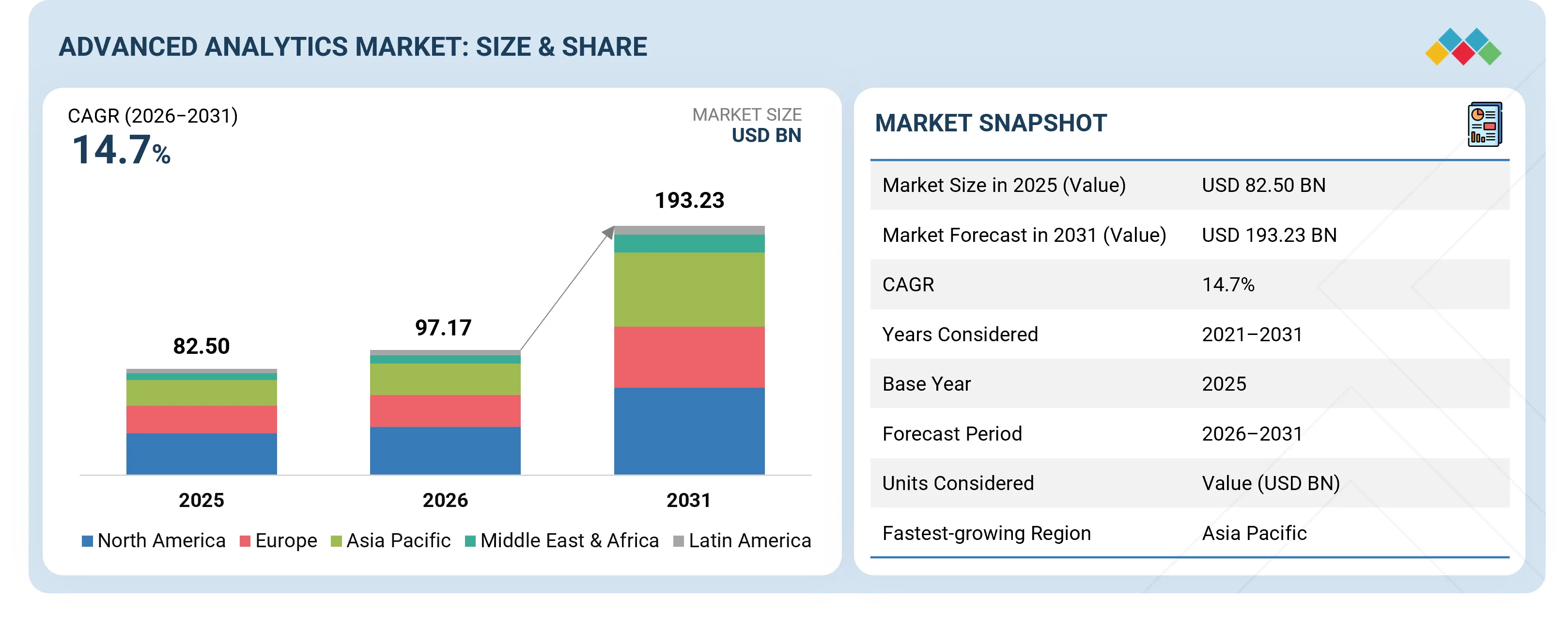
GLOBAL ADVANCED ANALYTICS MARKET, 2021 - 2031
FIGURE 5
MAJOR STRATEGIES ADOPTED BY KEY PLAYERS IN ADVANCED ANALYTICS MARKET, 2021–2026
FIGURE 6
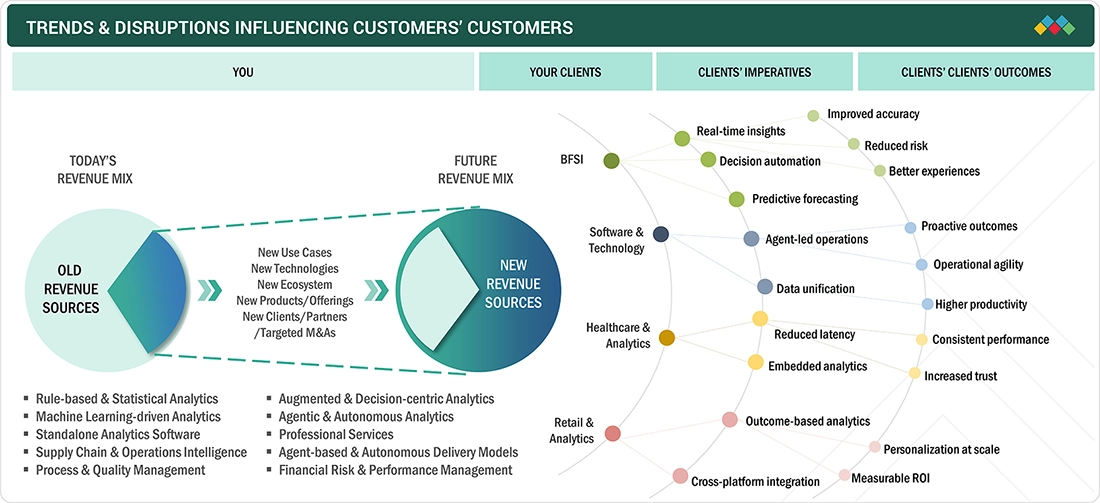
DISRUPTIONS INFLUENCING GROWTH OF ADVANCED ANALYTICS MARKET
FIGURE 7
HIGH-GROWTH SEGMENTS IN ADVANCED ANALYTICS MARKET, 2026–2031
FIGURE 8
ASIA PACIFIC TO REGISTER HIGHEST CAGR IN ADVANCED ANALYTICS MARKET, IN TERMS OF VALUE, DURING FORECAST PERIOD
FIGURE 9
RAPID SCALE-UP OF AGENTIC & AUTONOMOUS ANALYTICS, AND SMART DECISION AUTOMATION APPLICATIONS ACROSS ASIA PACIFIC TO POSITION IT AS KEY GROWTH HUB FOR ADVANCED ANALYTICS
FIGURE 10
ASIA PACIFIC TO DEPICT HIGHEST CAGR IN ADVANCED ANALYTICS MARKET DURING FORECAST PERIOD
FIGURE 11
AGENTIC & AUTONOMOUS ANALYTICS SOLUTION SEGMENT TO ACCOUNT FOR HIGHEST GROWTH RATE DURING FORECAST PERIOD
FIGURE 12
CLOUD-NATIVE & LAKEHOUSE-BASED DELIVERY MODE AND CUSTOMER & REVENUE INTELLIGENCE APPLICATION TO BE LARGEST SEGMENTS IN NORTH AMERICAN ADVANCED ANALYTICS MARKET IN 2026
FIGURE 13
NORTH AMERICA TO ACCOUNT FOR LARGEST MARKET SHARE IN 2026
FIGURE 14
ADVANCED ANALYTICS MARKET: DRIVERS, RESTRAINTS, OPPORTUNITIES, AND CHALLENGES
FIGURE 15
ADVANCED ANALYTICS MARKET: PORTER’S FIVE FORCES ANALYSIS
FIGURE 16
ADVANCED ANALYTICS MARKET: ECOSYSTEM ANALYSIS
FIGURE 17
ADVANCED ANALYTICS MARKET: SUPPLY CHAIN ANALYSIS
FIGURE 18
LEADING ADVANCED ANALYTICS STARTUPS, BY FUNDING VALUE (MILLION) AND FUNDING ROUND, UNTIL 2026
FIGURE 19
TRENDS/DISRUPTIONS IMPACTING CUSTOMERS’ BUSINESSES
FIGURE 20
NUMBER OF PATENTS GRANTED, 2017–2026
FIGURE 21
REGIONAL ANALYSIS OF PATENTS GRANTED, 2017–2026
FIGURE 22
ADVANCED ANALYTICS MARKET DECISION-MAKING FACTORS
FIGURE 23
INFLUENCE OF STAKEHOLDERS ON BUYING PROCESS FOR TOP THREE VERTICALS
FIGURE 24
KEY BUYING CRITERIA FOR TOP THREE VERTICALS
FIGURE 25
ADOPTION BARRIERS & INTERNAL CHALLENGES: ADVANCED ANALYTICS MARKET
FIGURE 26
SERVICES TO REGISTER HIGHER CAGR DURING FORECAST PERIOD
FIGURE 27
AMONG SOLUTIONS, AGENTIC & AUTONOMOUS ANALYTICS TO ACCOUNT FOR FASTEST GROWTH RATE
FIGURE 28
AMONG SERVICES, MANAGED SERVICES TO REGISTER HIGHER CAGR DURING FORECAST PERIOD
FIGURE 29
AGENT-BASED & AUTONOMOUS DELIVERY MODELS TO REGISTER HIGHER CAGR DURING FORECAST PERIOD
FIGURE 30
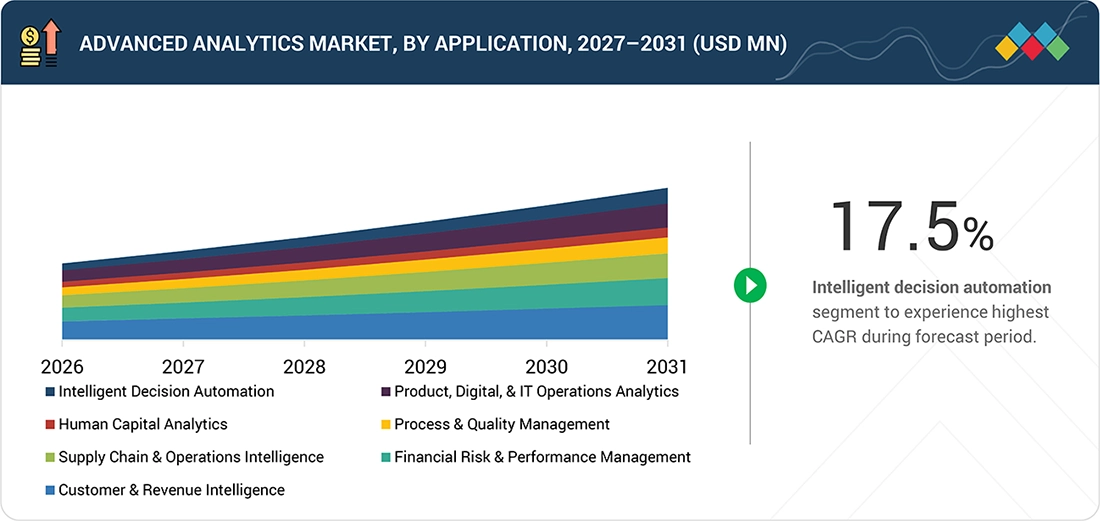
INTELLIGENT DECISION AUTOMATION TO REGISTER HIGHER CAGR DURING FORECAST PERIOD
FIGURE 31
ENERGY & UTILITIES TO REGISTER HIGHER CAGR DURING FORECAST PERIOD
FIGURE 32
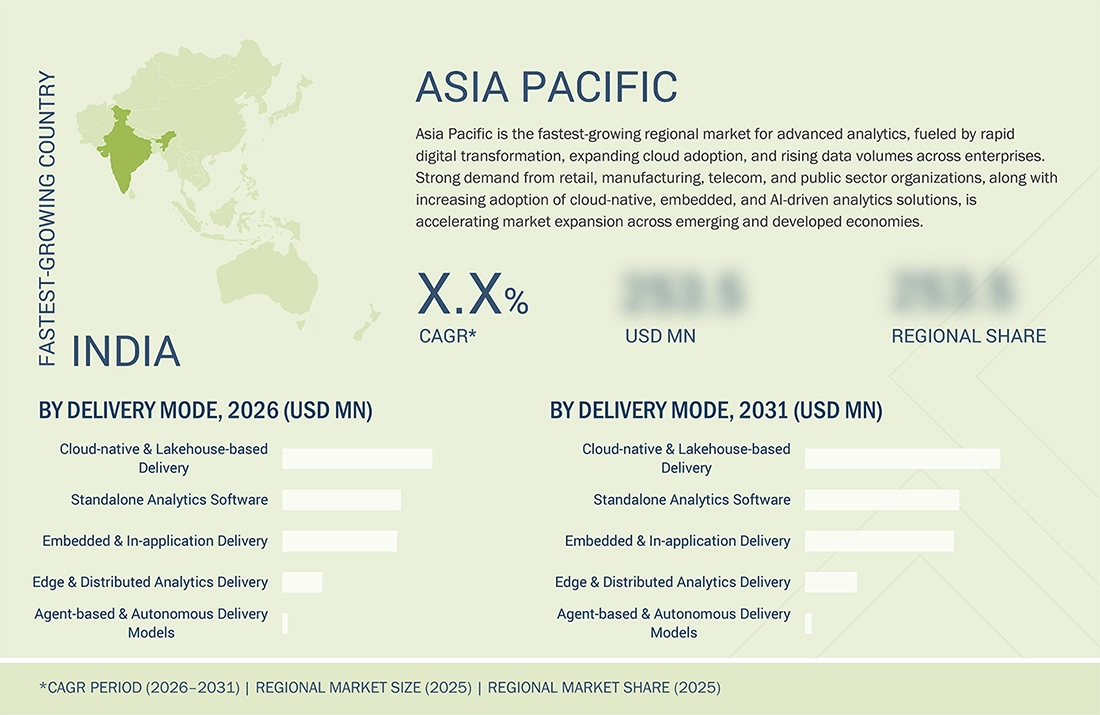
ASIA PACIFIC TO REGISTER HIGHEST CAGR DURING FORECAST PERIOD
FIGURE 33
INDIA TO REGISTER HIGHEST GROWTH RATE IN ADVANCED ANALYTICS MARKET DURING FORECAST PERIOD
FIGURE 34
NORTH AMERICA: ADVANCED ANALYTICS MARKET SNAPSHOT
FIGURE 35
ASIA PACIFIC: ADVANCED ANALYTICS MARKET SNAPSHOT
FIGURE 36
TOP FIVE PUBLIC PLAYERS DOMINATING MARKET OVER FIVE YEARS (USD MILLION)
FIGURE 37
SHARE OF LEADING COMPANIES IN ADVANCED ANALYTICS MARKET, 2025
FIGURE 38
BRAND COMPARATIVE ANALYSIS (1/2)
FIGURE 39
BRAND COMPARATIVE ANALYSIS FOR AGENTIC & AUTONOMOUS ANALYTICS (2/2)
FIGURE 40
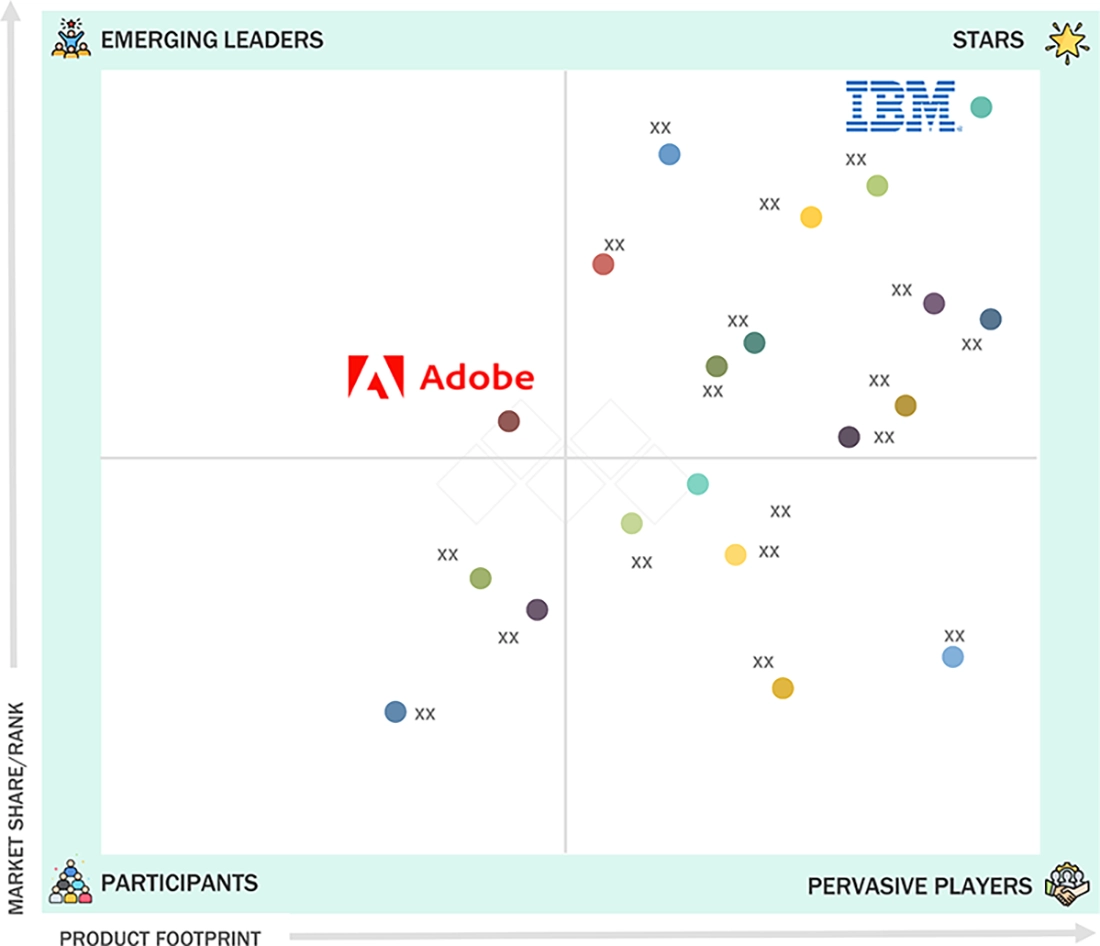
ADVANCED ANALYTICS MARKET: COMPANY EVALUATION MATRIX (KEY PLAYERS: TIER 1), 2025
FIGURE 41
ADVANCED ANALYTICS MARKET: COMPANY FOOTPRINT (21 PLAYERS), 2025
FIGURE 42
ADVANCED ANALYTICS MARKET: COMPANY EVALUATION MATRIX (KEY PLAYERS: TIER 2 & 3), 2025
FIGURE 43
ADVANCED ANALYTICS MARKET: COMPANY FOOTPRINT (22 PLAYERS), 2025
FIGURE 44
ADVANCED ANALYTICS MARKET: KEY PLAYERS (AGENTIC & AUTONOMOUS ANALYTICS), 2025
FIGURE 45
ADVANCED ANALYTICS MARKET: COMPANY FOOTPRINT (12 PLAYERS), 2025
FIGURE 46
FINANCIAL METRICS OF KEY VENDORS, 2026
FIGURE 47
YEAR-TO-DATE (YTD) PRICE TOTAL RETURN AND 5-YEAR STOCK BETA OF KEY VENDORS, 2026
FIGURE 48
IBM: COMPANY SNAPSHOT
FIGURE 49
GOOGLE: COMPANY SNAPSHOT
FIGURE 50
MICROSOFT: COMPANY SNAPSHOT
FIGURE 51
MOODY’S ANALYTICS: COMPANY SNAPSHOT
FIGURE 52
PALANTIR: COMPANY SNAPSHOT
FIGURE 53
C3.AI: COMPANY SNAPSHOT
FIGURE 54
SALESFORCE: COMPANY SNAPSHOT
FIGURE 55
PEGASYSTEMS: COMPANY SNAPSHOT
FIGURE 56
SNOWFLAKE: COMPANY SNAPSHOT
FIGURE 57
ORACLE: COMPANY SNAPSHOT
FIGURE 58
ADVANCED ANALYTICS MARKET: RESEARCH DESIGN
FIGURE 59
BREAKDOWN OF PRIMARY PROFILES, BY COMPANY TYPE, DESIGNATION, AND REGION
FIGURE 60
KEY INSIGHTS FROM INDUSTRY EXPERTS
FIGURE 61
DATA TRIANGULATION
FIGURE 62
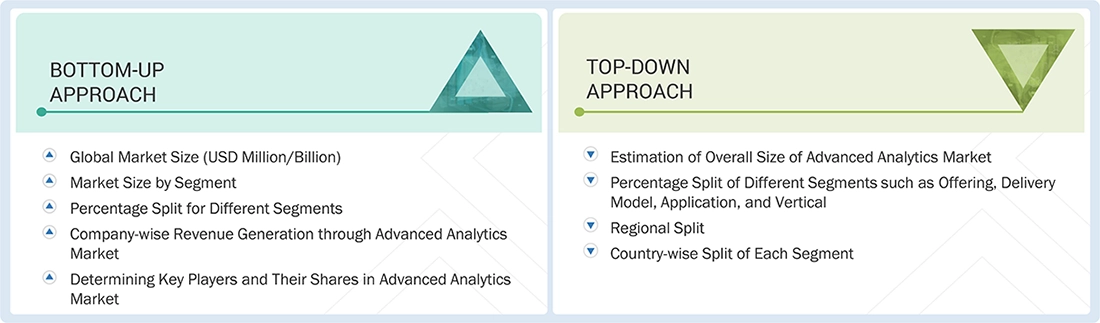
ADVANCED ANALYTICS MARKET: TOP-DOWN AND BOTTOM-UP APPROACHES
FIGURE 63
APPROACH 1, BOTTOM-UP (SUPPLY-SIDE): REVENUE FROM SOLUTIONS & SERVICES OF ADVANCED ANALYTICS MARKET
FIGURE 64
APPROACH 2, BOTTOM-UP (SUPPLY-SIDE): COLLECTIVE REVENUE FROM ALL SOLUTIONS & SERVICES OF ADVANCED ANALYTICS MARKET
FIGURE 65
APPROACH 3, BOTTOM-UP (SUPPLY-SIDE): COLLECTIVE REVENUE FROM ALL SOLUTIONS & SERVICES OF ADVANCED ANALYTICS MARKET
FIGURE 66
APPROACH 4, BOTTOM-UP (DEMAND-SIDE): SHARE OF ADVANCED ANALYTICS THROUGH OVERALL DATA MANAGEMENT & ANALYTICS SPENDING





















 Exclusive indicates content/data unique to MarketsandMarkets and not available with any competitors.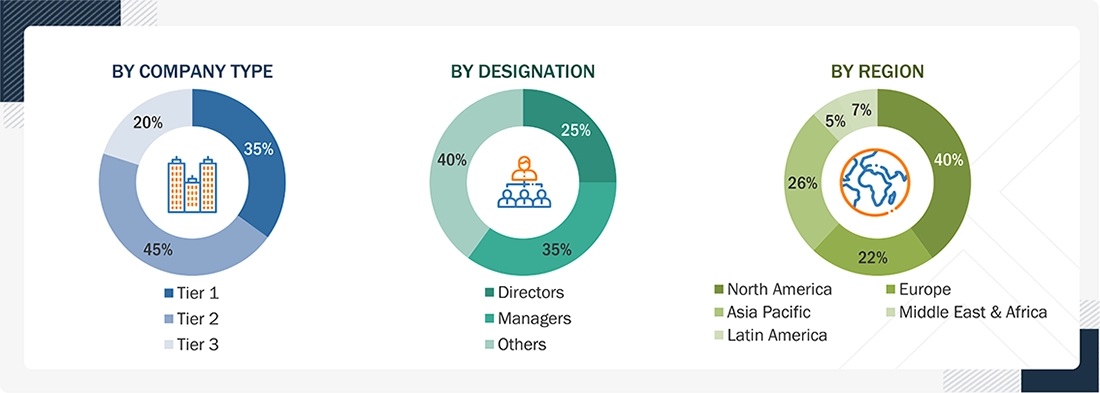









Jhungha
Jun, 2014
Interested in data analytics for UK market.
Anand
Apr, 2015
Interested in data science and analytics..
Bill
Feb, 2014
Interested in IaaS for Advanced Analytics infrastructure integration solution market.