AI Impact Analysis on Ground Support Equipment Industry
AI Impact on Ground Support Equipment Market
The global Ground Support Equipment (GSE) Market is experiencing a significant transformation due to the integration of Artificial Intelligence (AI). AI has become an essential component in enhancing the efficiency, safety, and sustainability of ground operations at airports. With the increasing demand for faster turnaround times, reduced operational costs, and a heightened focus on safety and sustainability, AI is proving to be a game-changer. This blog explores the impact of AI on the GSE market by focusing on various applications, including predictive maintenance, automation, fleet management, energy consumption optimization, and safety enhancements.
1. AI in Predictive Maintenance of Ground Support Equipment
Predictive maintenance powered by AI is one of the most transformative aspects of the GSE market. Historically, maintaining ground support equipment involved routine checks or reactive repairs after a breakdown occurred. However, AI is shifting this paradigm by enabling predictive analytics. AI-powered sensors installed on GSEs collect real-time data on equipment performance, such as engine temperature, pressure levels, and battery status. Machine learning algorithms analyze this data to predict potential failures before they happen, allowing operators to perform maintenance at optimal times, minimizing downtime, and reducing repair costs. This shift not only extends the lifespan of equipment but also ensures that GSE remains available for operations when needed most. Predictive maintenance thus enhances operational efficiency and reliability, contributing to the overall performance of airport ground operations.
2. AI for Automation of Ground Support Operations
Automation is transforming the way ground support operations are carried out. AI plays a pivotal role in automating many of the repetitive tasks involved in airport ground operations, such as fueling, baggage handling, and aircraft pushback. For example, AI-driven robotic systems can automatically refuel aircraft, improving the speed and accuracy of this critical process. Similarly, AI-powered baggage handling systems use robotic arms and autonomous vehicles to transport luggage from one point to another, reducing human error and increasing the efficiency of the process. The automation of these processes not only accelerates turnaround times but also enhances safety by reducing the risk of accidents caused by human oversight. As automation continues to grow, AI's ability to improve the efficiency and effectiveness of ground support operations will be crucial in managing increasing passenger traffic and tight schedules.
3. AI in Equipment Tracking and Fleet Management
AI also plays a crucial role in tracking and managing fleets of ground support equipment. Airports operate a wide range of GSE, including tow tractors, cargo loaders, and pushback tugs, all of which need to be managed efficiently to ensure smooth operations. AI-based fleet management systems track the location and status of each piece of equipment in real-time, optimizing usage and reducing unnecessary downtime. Machine learning algorithms can predict demand for specific equipment based on flight schedules, operational history, and real-time data, allowing operators to reassign equipment dynamically to meet changing needs. This real-time tracking and predictive scheduling result in more efficient use of equipment, lowering operational costs and increasing the overall productivity of ground support teams.
4. AI-Enhanced Safety in Ground Operations
Safety is a top priority in airport ground operations, where high volumes of people and equipment interact in a fast-paced environment. AI contributes to improving safety by enhancing hazard detection and accident prevention. AI-powered systems analyze data from cameras, sensors, and surveillance systems to detect unsafe conditions or potential risks, such as obstacles on runways or unauthorized personnel entering restricted areas. In addition, AI-driven safety protocols ensure that ground support equipment operates within safety parameters, alerting operators if equipment malfunctions or deviates from its expected behavior. With real-time AI monitoring, airport ground operations can proactively address potential safety risks, significantly reducing the likelihood of accidents and improving compliance with industry safety regulations.
5. AI in Optimizing Energy Consumption of Ground Support Equipment
With growing concerns about sustainability, AI is playing an essential role in optimizing the energy consumption of ground support equipment. Airports are increasingly relying on electric and hybrid vehicles for GSE operations to reduce carbon emissions and fuel costs. AI algorithms can analyze real-time data on equipment usage, weather conditions, and other variables to optimize energy consumption. For example, AI systems can control the charging cycles of electric GSE to ensure they are charged during off-peak hours when electricity is cheaper and more sustainable. Additionally, AI helps to optimize the performance of electric GSE, ensuring that energy is used efficiently, and operational costs are minimized. This energy optimization leads to a more sustainable and cost-effective operation, aligning with airports' environmental goals.
Get AI Impact Analysis on Ground Support Equipment Market, Request Pdf Brochure: https://www.marketsandmarkets.com/pdfdownloadNew.asp?id=264041553
6. AI in Real-Time Decision Making for Ground Operations
AI has become a crucial tool in supporting real-time decision-making during ground operations. With the increasing complexity of airport operations, timely decisions are essential to avoid delays and ensure efficient operations. AI-powered systems provide ground staff with real-time insights and recommendations based on data analysis, helping them make faster and more accurate decisions. For example, AI can predict delays in aircraft arrivals, allowing ground teams to make adjustments to their operations, such as changing the assignment of GSE or rescheduling crew members. AI can also anticipate equipment maintenance needs or identify bottlenecks in workflows, providing decision-makers with the information they need to take immediate corrective actions. This real-time decision-making capability enhances operational agility, ensuring that airports can adapt quickly to changes and disruptions.
7. AI in Enhancing Ground Support Equipment Design
AI also contributes to the design and development of more efficient, durable, and environmentally friendly ground support equipment. With AI-driven simulations and machine learning models, designers can test various prototypes and predict their performance under different conditions before the equipment is physically built. This helps manufacturers optimize the design for factors such as fuel efficiency, durability, and ease of operation. Additionally, AI models can analyze the long-term wear and tear on equipment to suggest design improvements that enhance the lifespan of GSE. This ability to improve equipment design not only leads to better performance but also reduces operational costs by creating more reliable and efficient equipment.
8. AI for Integration with Airport Management Systems
AI plays an important role in integrating ground support equipment with broader airport management systems. Airport operations are highly interconnected, and smooth communication between various departments is essential for effective coordination. AI allows ground support equipment to interact seamlessly with other airport systems, such as flight scheduling, baggage handling, and air traffic control. This integration ensures that GSE is deployed efficiently, coordinating with flight arrivals, passenger volumes, and other airport operations in real-time. For example, if a flight is delayed, AI can adjust the schedule for ground support operations, ensuring that equipment and personnel are ready when needed. This coordination enhances operational efficiency and reduces the risk of delays.
9. AI-Driven Monitoring of Ground Support Equipment Performance
Monitoring the performance of ground support equipment is essential for maintaining optimal operation and ensuring the safety and efficiency of airport operations. AI-driven systems monitor the real-time performance of GSE, collecting data on factors such as speed, fuel consumption, and load capacity. This data is analyzed to identify performance issues, track wear and tear, and predict when maintenance will be required. AI can also detect underperformance, alerting operators to take corrective actions before a breakdown occurs. By continuously analyzing equipment performance, AI helps operators ensure that GSE is functioning at peak efficiency, preventing costly repairs and minimizing downtime.
10. Cost Efficiency and ROI through AI in Ground Support Equipment
AI significantly impacts the cost structure of ground support equipment operations, driving cost efficiency and improving return on investment (ROI). By automating processes, optimizing fleet management, and improving energy efficiency, AI helps reduce operational costs across various aspects of GSE operations. Predictive maintenance, for example, lowers repair costs by identifying issues before they become major problems, extending the lifespan of equipment. Automation reduces the need for manual labor, while energy optimization ensures that electric and hybrid GSE operate at their most cost-effective levels. As a result, airports and ground service providers can expect improved financial performance, reduced operational expenses, and better ROI from their GSE investments.
The Future of AI in Ground Support Equipment
The integration of AI into the Ground Support Equipment market is transforming the way airports operate. AI enhances predictive maintenance, optimizes energy consumption, improves safety, and drives automation in critical ground operations. By improving the efficiency and performance of GSE, AI contributes to better overall airport operations and offers significant cost-saving opportunities. As the industry continues to evolve, the ongoing development of AI technologies will undoubtedly lead to even more breakthroughs, shaping the future of ground support equipment in ways we are only beginning to understand. The AI-driven transformation of the GSE market is a step towards smarter, safer, and more sustainable airport operations.
Related Reports:
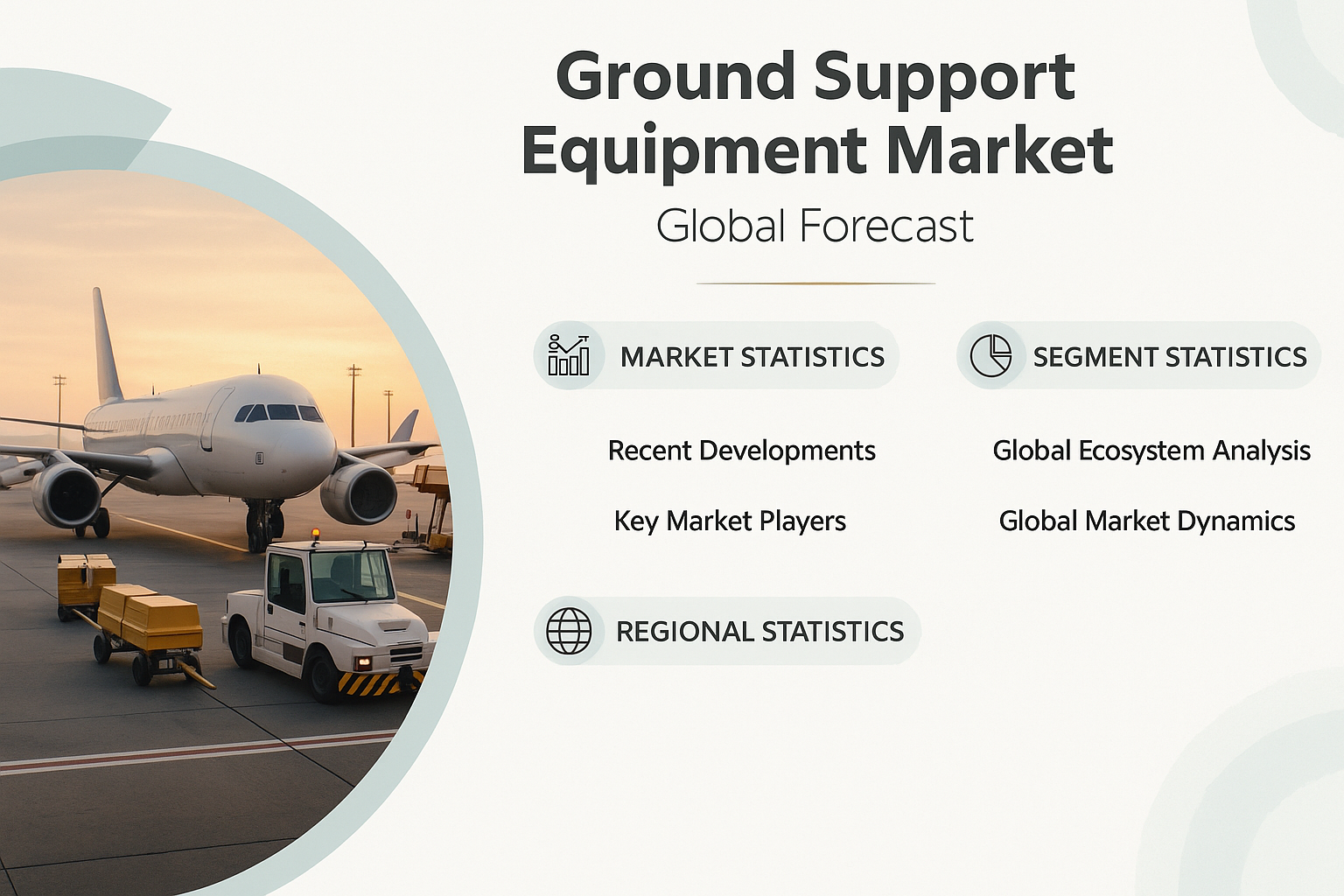
Ground Support Equipment Market by Platform (Commercial, Military), Point of Sale (Equipment, Maintenance), Type (Mobile, Fixed), Autonomy (Manned, Remotely Operated, Autonomous), Power Source, Ownership and Regions - Global Forecast to 2029

This FREE sample includes market data points, ranging from trend analyses to market estimates & forecasts. See for yourself.
SEND ME A FREE SAMPLE






