Aircraft Antenna Market Size, Share & Trends

Aircraft Antenna Market Size, Share & Trends by Aircraft Type (Fixed Wing, Rotary Wing, UAVs, Advanced Air Mobility), Antenna Type (Aperture Antenna, Microstrip Antenna, Array Antenna, Others), Frequency, Installation, Application, End User, Region -Global Forecast to 2030


Report Code: AS 5767 Sep, 2026, by marketsandmarkets.com

Aircraft Antenna Market Summary

The Aircraft Antenna Market is witnessing consistent growth as the aviation industry rapidly adopts next-generation communication, navigation, and surveillance technologies. The market is estimated at USD 1.45 billion in 2025 and is projected to reach USD 2.12 billion by 2030, expanding at a CAGR of 7.9% during the forecast period. Increasing commercial aircraft deliveries, modernization of military aircraft fleets, growing satellite communication (SATCOM) adoption, and rising demand for connected aircraft are the primary factors fueling market expansion. Airlines are increasingly investing in high-performance antennas that support uninterrupted in-flight connectivity, real-time aircraft monitoring, advanced weather tracking, and enhanced passenger entertainment systems.

The digital transformation of the aerospace industry is further accelerating demand for intelligent antenna technologies. Aircraft manufacturers are integrating advanced antennas with AI-powered communication systems, cloud-based fleet management platforms, and IoT-enabled predictive maintenance solutions to improve operational efficiency and safety. The deployment of 5G aviation communication, Low Earth Orbit (LEO) satellite constellations, electronically steered antennas (ESA), phased-array antennas, and software-defined avionics is revolutionizing airborne connectivity. These innovations enable faster data transmission, lower communication latency, and seamless connectivity across commercial, military, and business aviation platforms.

The defense sector also contributes significantly to market growth through increasing investments in electronic warfare, secure military communications, unmanned aerial vehicles (UAVs), and next-generation surveillance aircraft. Modern defense aircraft require multi-band antennas capable of supporting radar systems, satellite communications, intelligence gathering, and encrypted tactical communication. Government-funded aircraft modernization programs across North America, Europe, and Asia Pacific continue to strengthen demand for advanced aerospace antenna technologies.

Growing passenger expectations for uninterrupted broadband connectivity have become another major growth catalyst. Airlines worldwide are deploying satellite-based Wi-Fi systems supported by advanced Ku-band, Ka-band, and multi-orbit antennas that provide reliable high-speed internet services during flights. The emergence of artificial intelligence further enhances antenna performance through intelligent beam steering, automated signal optimization, adaptive frequency selection, and predictive fault diagnostics. As aviation continues transitioning toward autonomous operations and connected ecosystems, aircraft antennas are becoming strategic components supporting digital aviation infrastructure.

Key Market Trends & Insights

  • North America dominates the Aircraft Antenna Market due to strong aerospace manufacturing, defense modernization programs, and high commercial aircraft adoption.
  • Asia Pacific is projected to register the fastest growth through 2030, driven by expanding airline fleets, indigenous aircraft production, and increasing defense expenditures.
  • SATCOM antennas remain the largest product segment owing to growing demand for connected aircraft and in-flight broadband services.
  • Electronically Steered Antennas (ESA) and phased-array antenna technologies are emerging as next-generation solutions for high-speed airborne connectivity.
  • Artificial Intelligence is improving antenna diagnostics, beam management, predictive maintenance, and real-time communication optimization.
  • Increasing deployment of LEO satellite networks, 5G aviation communication, and cloud-connected avionics is transforming aircraft communication infrastructure.

Market Size & Forecast

  • Base Year Market Size (2025): USD 1.45 Billion
  • Forecast Market Size (2030): USD 2.12 Billion
  • Forecast Period: 2025–2030
  • Expected CAGR: 7.9%
  • Growth is driven by increasing aircraft production, satellite communication adoption, military aircraft modernization, AI-enabled avionics, digital aviation transformation, and growing investments in connected aircraft technologies worldwide.

Aircraft Antenna Market Top 10 Key Takeaway

  1. The Aircraft Antenna Market is projected to reach USD 2.12 billion by 2030.
  2. The market is expected to grow at a CAGR of 7.9% between 2025 and 2030.
  3. SATCOM antennas account for the largest market share due to increasing in-flight connectivity demand.
  4. North America remains the leading regional market, supported by strong aerospace and defense industries.
  5. Asia Pacific is expected to witness the highest growth driven by fleet expansion and aviation infrastructure investments.
  6. AI-enabled antenna management systems are improving communication reliability and predictive maintenance capabilities.
  7. LEO satellite constellations are enabling low-latency, high-speed airborne communication services.
  8. Military aircraft modernization programs continue generating significant demand for advanced multi-band antenna systems.
  9. Electronically Steered Antennas (ESA) are becoming increasingly popular for commercial and defense aviation applications.
  10. Strategic investments in connected aircraft, digital avionics, and autonomous aviation will continue driving long-term market growth. 

Product Insights

The Aircraft Antenna Market is segmented into SATCOM antennas, communication antennas, navigation antennas, surveillance antennas, transponder antennas, GPS/GNSS antennas, ELT antennas, and multifunction antennas. Among these, SATCOM (Satellite Communication) antennas account for the largest market share due to the rapid deployment of connected aircraft technologies across commercial, military, and business aviation. Airlines are increasingly equipping fleets with high-throughput satellite (HTS) communication systems to deliver high-speed in-flight internet, real-time aircraft monitoring, weather updates, cockpit communications, and passenger entertainment services. The proliferation of Low Earth Orbit (LEO) satellite constellations has further accelerated the adoption of advanced SATCOM antennas capable of delivering lower latency and higher bandwidth compared to conventional satellite communication systems.

Communication antennas continue to witness strong demand as aviation authorities modernize air traffic communication infrastructure and implement next-generation air navigation systems. These antennas support VHF, UHF, HF, and broadband communication required for continuous communication between pilots, air traffic controllers, and airline operation centers. Growing air traffic volumes worldwide are encouraging airlines and aircraft manufacturers to deploy highly reliable communication systems capable of supporting increasingly complex aviation networks.

Navigation antennas, including GPS, GNSS, and Instrument Landing System (ILS) antennas, represent another significant product segment. These antennas play a vital role in aircraft positioning, route optimization, precision landing, and flight safety. As airlines increasingly adopt Performance-Based Navigation (PBN) and satellite-based navigation technologies, demand for high-accuracy navigation antennas continues to rise. Integration with AI-enabled flight management systems further improves navigation precision while reducing fuel consumption and flight delays.

Surveillance and multifunction antennas are emerging as high-growth product categories. Modern aircraft increasingly utilize integrated antennas capable of supporting multiple communication frequencies and surveillance applications simultaneously. These compact multifunction antennas reduce aircraft weight, improve aerodynamic performance, simplify installation, and lower maintenance requirements. Military aircraft, unmanned aerial vehicles (UAVs), and next-generation commercial aircraft increasingly adopt multifunction antenna systems that support radar, electronic warfare, satellite communication, navigation, and secure tactical communication within a single platform.

Artificial Intelligence is becoming an important differentiator in antenna product development. AI-enabled antenna systems automatically optimize signal quality, dynamically adjust beam direction, identify communication interference, and predict component failures before they impact flight operations. These intelligent capabilities significantly improve aircraft communication reliability while reducing operational disruptions and maintenance costs.

Technology / Component Insights

Technological advancements are fundamentally reshaping the Aircraft Antenna Market as aerospace manufacturers increasingly adopt intelligent communication architectures, digital avionics, cloud connectivity, and AI-powered communication management systems. The transition from conventional mechanically steered antennas toward Electronically Steered Antennas (ESA) and phased-array antenna technologies represents one of the most significant technological developments in the aviation industry.

Electronically Steered Antennas enable rapid beam steering without mechanical movement, allowing aircraft to maintain uninterrupted communication with multiple satellites during flight. Compared to conventional antenna systems, ESAs offer higher reliability, lower maintenance requirements, reduced aerodynamic drag, and improved communication performance. These advantages are driving widespread adoption across commercial airlines, military aircraft, business jets, and emerging urban air mobility platforms.

The integration of Low Earth Orbit (LEO) satellite communication networks has become another major market driver. Unlike traditional geostationary satellites, LEO constellations provide lower communication latency, faster data transmission speeds, and improved global coverage. Aircraft equipped with advanced multi-orbit antennas can seamlessly switch between LEO, Medium Earth Orbit (MEO), and Geostationary Earth Orbit (GEO) satellites, ensuring uninterrupted connectivity throughout the flight.

Artificial Intelligence is significantly enhancing antenna performance through intelligent beamforming, adaptive frequency management, predictive diagnostics, and automated network optimization. AI algorithms continuously monitor communication quality, optimize signal strength, reduce interference, and dynamically allocate bandwidth according to operational requirements. These capabilities improve flight safety while enhancing passenger connectivity experiences.

The Internet of Things (IoT) is also transforming aircraft communication infrastructure. Smart antennas equipped with embedded sensors continuously monitor operational health, temperature, vibration, signal quality, and environmental conditions. Real-time data collected from these sensors is transmitted to cloud-based fleet management platforms, where predictive analytics identify potential maintenance issues before system failures occur. This proactive maintenance approach reduces aircraft downtime while improving fleet availability.

Cloud computing continues supporting digital aviation transformation by enabling centralized communication management, software updates, cybersecurity monitoring, and fleet-wide performance analytics. Meanwhile, advanced cybersecurity technologies have become increasingly important as connected aircraft exchange larger volumes of operational and passenger data. Aerospace companies are implementing encrypted communication protocols, secure software-defined networking, and AI-powered threat detection systems to protect aircraft communication networks against cyber threats.

Looking ahead, software-defined antennas, quantum-resistant communication technologies, 6G aviation connectivity, edge computing, digital twins, and autonomous communication management systems are expected to define the next generation of aircraft antenna technologies. These innovations will support increasingly autonomous aircraft while enabling safer, faster, and more intelligent global aviation networks.


Application Insights

The Aircraft Antenna Market serves a broad spectrum of aviation applications, including commercial aviation, military aviation, business aviation, general aviation, helicopters, and unmanned aerial vehicles (UAVs). Among these, commercial aviation accounts for the largest market share due to increasing global passenger traffic, rising aircraft deliveries, and the growing need for uninterrupted onboard connectivity. Airlines are rapidly deploying advanced antenna systems to support satellite communications (SATCOM), in-flight Wi-Fi, cockpit connectivity, aircraft health monitoring, weather data transmission, and real-time operational analytics. The adoption of connected aircraft solutions has made high-performance antennas an essential component of modern commercial fleets.

Military aviation represents the second-largest application segment and continues to generate substantial demand for advanced antenna technologies. Modern defense aircraft require highly secure, multi-band communication systems capable of supporting tactical communications, electronic warfare, intelligence, surveillance, reconnaissance (ISR), radar systems, and encrypted satellite communication. Governments across North America, Europe, and Asia-Pacific continue investing in military aircraft modernization programs, fighter aircraft upgrades, surveillance platforms, and unmanned combat aerial vehicles (UCAVs), significantly expanding opportunities for advanced aircraft antenna manufacturers.

Business aviation is witnessing steady growth as corporate aircraft operators increasingly invest in premium in-flight connectivity and digital cockpit technologies. Business jet manufacturers integrate compact high-gain antennas capable of delivering broadband internet, global satellite communications, and advanced navigation capabilities while maintaining aerodynamic efficiency. Passengers increasingly expect uninterrupted connectivity for business operations, driving adoption of high-speed Ka-band and Ku-band antenna systems.

The Unmanned Aerial Vehicle (UAV) segment is expected to register the fastest CAGR during the forecast period. Commercial drones, military UAVs, logistics drones, and surveillance platforms require lightweight, low-power antennas capable of supporting autonomous navigation, real-time video transmission, command-and-control communications, and beyond-visual-line-of-sight (BVLOS) operations. AI-enabled antenna systems improve communication reliability by automatically optimizing signal quality and adapting to changing flight environments.

Helicopters also represent an important application segment, particularly in emergency medical services (EMS), offshore transportation, defense operations, law enforcement, disaster management, and search-and-rescue missions. These aircraft require reliable communication and navigation antennas capable of maintaining continuous connectivity in challenging operational environments.

Future opportunities are emerging from Urban Air Mobility (UAM), electric aircraft, autonomous air taxis, and Advanced Air Mobility (AAM). These next-generation aviation platforms rely heavily on intelligent communication systems supported by compact electronically steered antennas, multi-orbit satellite connectivity, and AI-enabled communication management systems to ensure safe and efficient autonomous operations.

Regional Insights

North America dominates the global Aircraft Antenna Market due to its advanced aerospace manufacturing ecosystem, strong defense spending, and continuous investments in connected aviation technologies. The United States accounts for the largest regional market owing to the presence of leading aircraft manufacturers, avionics suppliers, satellite communication providers, and defense contractors. Increasing aircraft production, modernization of military fleets, and growing deployment of connected aircraft technologies continue driving demand for advanced antenna systems. Canada supports regional growth through its strong aerospace manufacturing capabilities and investments in regional aircraft production, while Mexico continues expanding its role as an important aerospace manufacturing hub supplying antenna components and avionics systems to global OEMs.

Europe remains a significant regional market supported by commercial aircraft manufacturing, defense modernization programs, and strict aviation safety standards. Countries including Germany, the United Kingdom, France, Italy, Spain, and the Nordic nations continue investing in digital aviation infrastructure, satellite communication systems, and next-generation avionics. Regulatory frameworks established by the European Union Aviation Safety Agency (EASA) encourage adoption of advanced communication technologies that improve aircraft safety, operational efficiency, and cybersecurity. Growing investments in sustainable aviation and next-generation air traffic management systems further strengthen regional market demand.

Asia Pacific is projected to record the fastest growth during the forecast period due to rapidly expanding airline fleets, increasing air passenger traffic, and significant investments in domestic aircraft manufacturing. China continues investing heavily in commercial aviation, military aircraft production, satellite communication infrastructure, and indigenous aerospace programs. Japan remains a global leader in precision aerospace engineering and avionics innovation. India is experiencing rapid growth through expanding aviation infrastructure, increasing defense procurement, and government initiatives promoting indigenous aerospace manufacturing. South Korea, Australia, and Singapore continue investing in advanced aerospace technologies, smart airports, and connected aviation ecosystems, creating strong opportunities for aircraft antenna suppliers.

Regional Insights Summary

  • North America leads the global Aircraft Antenna Market due to advanced aerospace manufacturing and defense investments.
  • Europe benefits from strong commercial aviation production and stringent aviation safety regulations.
  • Asia Pacific is expected to register the fastest CAGR driven by fleet expansion and indigenous aircraft manufacturing.
  • Growing investments in satellite communication, connected aircraft, and digital aviation infrastructure support regional market growth.
  • AI-enabled communication systems, LEO satellite networks, and electronically steered antennas are driving technology adoption across all major regions.

Country-Specific Market Trends

The United States remains the largest national market and is projected to grow at a CAGR of approximately 8.1% during 2025–2030. Growth is driven by commercial aircraft production, defense modernization, expanding satellite communication networks, and increasing adoption of connected aircraft technologies. Airlines continue investing in next-generation in-flight connectivity solutions, while defense organizations deploy advanced multi-band antenna systems for secure military communications and ISR operations.

Canada is expected to expand at a CAGR of around 7.3%, supported by strong aerospace manufacturing, regional aircraft production, and continued investment in digital avionics and satellite communication technologies. Canadian aerospace companies are increasingly integrating AI-powered communication management systems into modern aircraft platforms.

Mexico is forecast to register a CAGR of approximately 7.6%, benefiting from increasing foreign direct investment in aerospace manufacturing, expansion of aircraft component production facilities, and deeper integration into North America's aerospace supply chain.

In Asia Pacific, China is anticipated to record the fastest growth with a CAGR of nearly 9.4%, supported by indigenous aircraft manufacturing, expanding commercial aviation, military modernization programs, and large-scale investments in satellite communication infrastructure.

Japan is expected to grow at a CAGR of around 7.8%, driven by technological innovation in aerospace electronics, advanced avionics, and precision communication systems. The country's emphasis on smart aviation technologies continues strengthening demand for next-generation aircraft antennas.

Within Europe, Germany is projected to expand at a CAGR of approximately 7.5%, supported by its strong aerospace manufacturing base and increasing investment in commercial and defense aircraft technologies. France is forecast to grow at a CAGR of nearly 7.4%, driven by aircraft production, satellite communication advancements, and government-supported aerospace innovation initiatives.

Country-Level Insights Summary

  • The United States remains the largest national market for aircraft antennas.
  • China is projected to record the highest CAGR through 2030.
  • Canada continues investing in advanced aerospace communication technologies.
  • Germany and France lead European aircraft antenna innovation.
  • Government investments in satellite communication, AI, and connected aviation continue driving market growth across major countries.

Key Aircraft Antenna Market Company Insights

The Aircraft Antenna Market is highly competitive, with leading companies focusing on innovation, satellite communication technologies, AI-enabled communication systems, and lightweight antenna architectures. Major industry participants include Honeywell International Inc., Collins Aerospace (RTX Corporation), Cobham Aerospace Communications, Safran S.A., L3Harris Technologies, TE Connectivity, Amphenol Corporation, Smiths Interconnect, Rohde & Schwarz, and Thales Group.

These companies are investing heavily in electronically steered antennas (ESA), phased-array technology, multi-band SATCOM antennas, AI-powered network optimization, and software-defined communication platforms. Strategic collaborations with aircraft OEMs, satellite operators, and defense organizations enable these companies to strengthen product portfolios while addressing growing demand for connected aircraft. Continuous investments in research and development are accelerating innovations in LEO satellite connectivity, cybersecurity, predictive diagnostics, and intelligent communication management systems.

Company Strategy Summary

  • Companies prioritize AI-enabled satellite communication and intelligent antenna technologies.
  • Investment in electronically steered antennas and phased-array systems continues increasing.
  • Strategic partnerships with aircraft OEMs and satellite operators strengthen market positioning.
  • Cloud-based communication management and predictive maintenance remain major innovation areas.
  • LEO satellite integration and connected aircraft solutions are driving future product development.


Exclusive indicates content/data unique to MarketsandMarkets and not available with any competitors.

TABLE OF CONTENTS
  • INTRODUCTION
    • STUDY OBJECTIVES
    • MARKET DEFINITION
    • MARKET SCOPE
      • MARKET SEGMENTATION AND REGIONAL SCOPE
      • INCLUSIONS AND EXCLUSIONS
      • YEARS CONSIDERED
    • CURRENCY CONSIDERED
    • UNIT CONSIDERED
    • LIMITATIONS
    • STAKEHOLDERS
    • SUMMARY OF CHANGES
  • EXECUTIVE SUMMARY
    • MARKET HIGHLIGHTS AND KEY INSIGHTS
    • KEY MARKET PARTICIPANTS: MAPPING OF STRATEGIC DEVELOPMENTS
    • DISRUPTIVE TRENDS IN AIRCRAFT ANTENNA MARKET
    • HIGH-GROWTH SEGMENTS
    • REGIONAL SNAPSHOT: MARKET SIZE, GROWTH RATE, AND FORECAST
  • PREMIUM INSIGHTS
  • MARKET OVERVIEW
    • INTRODUCTION
    • MARKET DYNAMICS
      • DRIVERS
      • RESTRAINTS
      • OPPORTUNITIES
      • CHALLENGES
    • UNMET NEEDS AND WHITE SPACES
    • INTERCONNECTED MARKETS AND CROSS-SECTOR OPPORTUNTIES
    • STRATEGIC MOVES BY TIER-1/2/3 PLAYERS
  • INDUSTRY TRENDS
    • MACROECONOMIC OUTLOOK
      • INTRODUCTION
      • GDP TRENDS AND FORECAST
      • TRENDS IN GLOBAL ANTENNA INDUSTRY
      • TRENDS IN GLOBAL AIRCRAFT ANTENNA INDUSTRY
    • VALUE CHAIN ANALYSIS
    • ECOSYSTEM ANALYSIS
    • INVESTMENTS & FUNDING SCENARIO
    • PRICING ANALYSIS
      • INDICATIVE PRICING ANALYSIS OF AIRCRAFT ANTENNA, BY SEGMENT
      • INDICATIVE PRICING ANALYSIS, BY REGION
    • TRADE ANALYSIS
      • IMPORT SCENARIO
      • EXPORT SCENARIO
    • KEY CONFERENCES AND EVENTS, 2025-2026
    • TRENDS/DISRUPTIONS IMPACTING CUSTOMER BUSINESS
    • INVESTMENT AND FUNDING SCENARIO
    • CASE STUDY ANALYSIS
    • IMPACT OF 2025 US TARIFF – AIRCRAFT ANTENNA MARKET
      • INTRODUCTION
      • KEY TARIFF RATES
      • PRICE IMPACT ANALYSIS
      • IMPACT ON COUNTRIES/REGIONS
        • US
        • EUROPE
        • APAC
      • IMPACT ON DIFFERENT APPLICATIONS
  • TECHNOLOGICAL ADVANCEMENTS, AI-DRIVEN IMPACT, PATENTS, INNOVATIONS, AND FUTURE APPLICATIONS
    • KEY EMERGING TECHNOLOGIES
    • COMPLEMENTARY TECHNOLOGIES
    • ADJACENT TECHNOLOGIES
    • TECHNOLOGY/PRODUCT ROADMAP
    • PATENT ANALYSIS
    • FUTURE APPLICATIONS
    • IMPACT OF AI/GEN AI ON AIRCRAFT ANTENNA MARKET
  • SUSTAINABILITY AND REGULATORY LANDSCAPE
    • REGIONAL REGULATIONS AND COMPLIANCE
      • REGULATORY BODIES, GOVERNMENT AGENCIES, AND OTHER ORGANIZATIONS
      • INDUSTRY STANDARDS
    • SUSTAINABILITY INITIATIVES
      • CARBON IMPACT AND ECO-APPLICATIONS OF AIRCRAFT ANTENNA
    • SUSTAINABILITY IMPACT AND REGULATORY POLICY INITIATIVES
    • CERTIFICATIONS, LABELING, ECO-STANDARDS
  • CUSTOMER LANDSCAPE & BUYER BEHAVIOR
    • DECISION-MAKING PROCESS
    • BUYER STAKEHOLDERS AND BUYING EVALUATION CRITERIA
    • ADOPTION BARRIERS & INTERNAL CHALLENGES
    • UNMET NEEDS FROM VARIOUS END-USES
  • AIRCRAFT ANTENNA MARKET, BY FREQUENCY (MARKET SIZE & FORECAST TO 2030 - USD MILLION)
    • INTRODUCTION
    • VHF & UHF BAND
    • KA/KU/K BAND
    • HF BAND
    • X BAND
    • C BAND
    • L BAND
    • OTHERS
  • AIRCRAFT ANTENNA MARKET, BY APPLICATION (MARKET SIZE & FORECAST TO 2030 - USD MILLION)
    • INTRODUCTION
    • RADAR ANTENNA
    • INSTRUMENT LANDING SYSTEM (ILS)
    • TERMINAL WIRELESS LOCAL AREA NETWORK (TWLAN)
    • AIR TRAFFIC CONTROL (ATC)/ TRAFFIC COLLISION AVOIDANCE SYSTEM (TCAS)
    • RADIO ALTIMETER (RA)
    • GLOBAL POSITIONING SYSTEM (GPS)
    • VERY HIGH FREQUENCY (VHF)
    • TERMINAL CELLULAR SYSTEM (TCS)
    • AUTOMATIC DIRECTION FINDER (ADF)
    • SATCOM
    • CREW WIRELESS LAN UNIT (CWLU)
    • EMERGENCY LOCATER TRANSMITTER (ELT)
    • HIGH-FREQUENCY RADIO
    • VHF OMNIDIRECTIONAL RANGE (VOR)
    • TACTICAL AIR NAVIGATION SYSTEM (TACAN)
    • OTHERS
  • AIRCRAFT ANTENNA MARKET, BY ANTENNA TYPE (MARKET SIZE & FORECAST TO 2030-USD MILLION)
    • INTRODUCTION
    • APERTURE ANTENNAS
    • MICROSTRIP ANTENNA
    • ARRAY ANTENNAS
    • WIRE ANTENNAS
  • AIRCRAFT ANTENNA MARKET, BY INSTALLATION (MARKET SIZE & FORECAST TO 2030-USD MILLION)
    • INTRODUCTION
    • NOSE MOUNTED
    • TAIL MOUNTED
    • FUSELAGE MOUNTED
  • AIRCRAFT ANTENNA MARKET, BY END USER (MARKET SIZE & FORECAST TO 2030-USD MILLION)
    • INTRODUCTION
    • OEM
    • AFTERMARKET
  • AIRCRAFT ANTENNA MARKET, BY PLATFORM (MARKET SIZE & FORECAST TO 2030-USD MILLION)
    • INTRODUCTION
    • COMMERCIAL AIRCRAFT
      • NARROW-BODY AIRCRAFT
      • WIDE-BODY AIRCRAFT
      • REGIONAL TRANSPORT AIRCRAFT
    • MILITARY AVIATION
      • COMBAT AIRCRAFT
      • SPECIAL MISSION AIRCRAFT
      • TRANSPORT AIRCRAFT
      • UNMANNED AERIAL VEHICLES
    • BUSINESS & GENERAL AVIATION
      • LIGHT AIRCRAFT
      • BUSINESS JETS
      • HELICOPTER
    • ADVANCED AIR MOBILITY
  • AIRCRAFT ANTENNA MARKET, BY REGION (MARKET SIZE & FORECAST TO 2030-USD MILLION)
    • INTRODUCTION
    • NORTH AMERICA
      • US
      • CANADA
    • EUROPE
      • UK
      • GERMANY
      • FRANCE
      • NORWAY
      • RUSSIA
      • REST OF EUROPE
    • ASIA PACIFIC
      • CHINA
      • INDIA
      • JAPAN
      • AUSTRALIA
      • SOUTH KOREA
      • REST OF ASIA PACIFIC
    • MIDDLE EAST
      • GCC
        • UAE
        • SAUDI ARABIA
      • REST OF MIDDLE EAST
        • ISRAEL
        • TURKEY
      • REST OF THE WORLD
        • LATIN AMERICA
        • AFRICA
  • COMPETITIVE LANDSCAPE
    • INTRODUCTION
    • KEY PLAYER COMPETITIVE STRATEGIES/RIGHT TO WIN
    • REVENUE ANALYSIS
    • MARKET SHARE ANALYSIS
    • PRODUCT COMPARISON
    • COMPANY EVALUATION MATRIX: KEY PLAYERS, 2024
      • STARS
      • EMERGING LEADERS
      • PERVASIVE PLAYERS
      • PARTICIPANTS
      • COMPANY FOOTPRINT, KEY PLAYERS, 2024
        • COMPANY FOOTPRINT
        • REGION FOOTPRINT
        • FREQUENCY FOOTPRINT
        • ANTENNA TYPE FOOTPRINT
        • INSTALLATION TYPE FOOTPRINT
      • COMPANY EVALUATION MATRIX: STARTUPS/SMES, 2024
        • PROGRESSIVE COMPANIES
        • RESPONSIVE COMPANIES
        • DYNAMIC COMPANIES
        • STARTING BLOCKS
        • COMPETITIVE BENCHMARKING: STARTUPS/SMES, 2024
          • DETAILED LIST OF KEY STARTUPS/SMES
          • COMPETITIVE BENCHMARKING OF KEY STARTUPS/SMES
        • COMPETITIVE SCENARIO
          • PRODUCT LAUNCHES
          • DEALS
          • OTHER DEVELOPMENTS
  • COMPANY PROFILE
    • KEY PLAYERS
      • L3HARRIS TECHNOLOGIES, INC.
      • HONEYWELL INTERNATIONAL INC.
      • THE BOEING COMPANY
      • COBHAM LIMITED
      • RTX
      • ASTRONICS CORPORATION
      • AEROVIRONMENT INC
      • SMITHS INTERCONNECT
      • BALL CORPORATION
      • AZIMUT
      • HR SMITH GROUP OF COMPANIES
      • HEICO
      • HEXAGON AB
      • DYNON GROUP
      • BELL TEXTRON
  • OTHER PLAYERS
    • R A MILLER INDUSTRIES INC
    • STT-SYSTEMTECHNIK GMBH
    • BEIJING BDSTAR NAVIGATION CO LTD
    • JDA SYSTEMS
    • U B CORPORATION
    • SPECTRUM ANTENNA & AVIONICS SYSTEMS (P) LIMITED
    • VERDANT TELEMETRY & ANTENNA SYSTEMS PVT LTD
    • DAYTON-GRANGER, INC.
  • RESEARCH METHODOLOGY
    • RESEARCH DATA
      • SECONDARY DATA
        • KEY DATA FROM SECONDARY SOURCES
      • PRIMARY DATA
        • KEY DATA FROM PRIMARY SOURCES
        • KEY PRIMARY PARTICIPANTS
        • BREAKDOWN OF PRIMARIES
        • KEY INDUSTRY INSIGHTS
      • MARKET SIZE ESTIMATION
        • BOTTOM-UP APPROACH
        • TOP-DOWN APPROACH
        • BASE NUMBER CALCULATION
      • MARKET FORECAST APPROACH
        • SUPPLY SIDE
        • DEMAND SIDE
      • RESEARCH ASSUMPTIONS
      • RESEARCH LIMITATIONS AND RISK ASSESSMENT
  • APPENDIX
    • DISCUSSION GUIDE
    • KNOWLEDGESTORE: MARKETSANDMARKETS’ SUBSCRIPTION PORTAL
    • CUSTOMIZATION OPTIONS
    • RELATED REPORTS
    • AUTHOR DETAILS

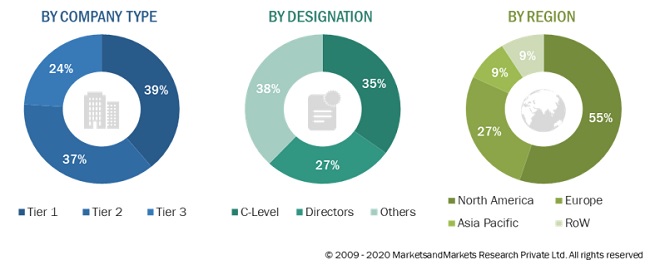
The research study involved the extensive use of secondary sources, directories, and databases such as D&B Hoovers, Bloomberg, and Factiva to identify and collect information relevant to the aircraft antenna market. Primary sources include industry experts from the aircraft antenna market as well as suppliers, manufacturers, solution providers, technology developers, alliances, and organizations related to all segments of the value chain of this market. In-depth interviews with various primary respondents, including key industry participants, subject matter experts (SMEs), industry consultants, and C-level executives, were conducted to obtain and verify critical qualitative and quantitative information pertaining to the aircraft antenna market as well as to assess the growth prospects of the market.

Secondary Research

In the secondary research process, various sources were referred to for identifying and collecting information for this study. The secondary sources included government sources, such as the International Air Transport Association (IATA); the Federal Aviation Administration (FAA); the General Aviation Manufacturers Association (GAMA); corporate filings such as annual reports, press releases, and investor presentations of companies; white papers, journals, and certified publications; and articles from recognized authors, directories, and databases.

Primary Research

In the primary research process, various primary sources from both supply and demand sides were interviewed to obtain qualitative and quantitative information on the market. The primary sources from the supply side included various industry experts, such as Chief X Officers (CXOs), Vice Presidents (VPs), Directors, from business development, marketing, product development/innovation teams, and related key executives from aircraft antenna manufacturers; system integrators; component providers; distributors; and key opinion leaders.

Primary interviews were conducted to gather insights such as market statistics, data of revenue collected from the products and services, market breakdowns, market size estimations, market forecasting, and data triangulation. Primary research also helped in understanding the various trends related to technology, product, end user, and region. Stakeholders from the demand side, such as CIOs, CTOs, and CSOs, and installation teams of the customer/end users who are using aircraft antenna were interviewed to understand the buyer’s perspective on the suppliers, products, component providers, and their current usage of aircraft antenna and future outlook of their business which will affect the overall market.

The breakup of Primary Research:
Aircraft Antenna Market Size, and Share

To know about the assumptions considered for the study, download the pdf brochure

Market Size Estimation

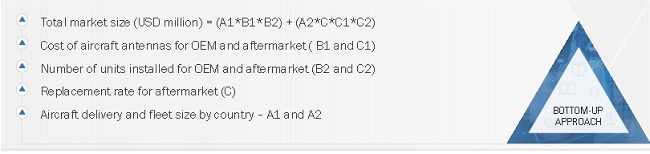
Both top-down and bottom-up approaches were used to estimate and validate the total size of the aircraft antenna market. These methods were also used extensively to estimate the size of various segments and subsegments of the market. The research methodology used to estimate the market size included the following:

  • Key players in the industry and market were identified through extensive secondary research of their product matrix and geographical presence and developments undertaken by them.
  • All percentage shares, splits, and breakdowns were determined using secondary sources and verified through primary sources.

Aircraft Antenna Market Size: Bottom-Up Approach
Aircraft Antenna Market Size, and Share

To know about the assumptions considered for the study, Request for Free Sample Report

Data Triangulation

After arriving at the overall size of the aircraft antenna market from the estimation process explained above, the total market was split into several segments and subsegments. The data triangulation and market breakdown procedures explained below were implemented, wherever applicable, to complete the overall market engineering process and arrive at the exact statistics for various market segments and subsegments. The data was triangulated by studying various factors and trends. Along with this, the market size was validated using the top-down and bottom-up approaches.

Report Objectives

  • To define, describe, segment, and forecast the aircraft antenna market based on frequency,  application, antenna type, aircraft type, installation, end user, and region.
  • To forecast the size of various segments of the aircraft antenna market based on five regions—North America, Europe, Asia Pacific, Middle East, Latin America, and Africa ?along with major countries in each region.
  • To identify and analyze key drivers, restraints, opportunities, and challenges influencing the growth of the market
  • To analyze technological advancements and product launches in the market
  • To analyze micromarkets with respect to their growth trends, prospects, and contribution to the overall market
  • To provide a detailed competitive landscape of the market, along with market share analysis of key players
  • To strategically profile key players and comprehensively analyze their market position in terms of shares and core competencies

Available Customizations

MarketsandMarkets offers the following customizations for this market report:

  • Additional country-level analysis of the aircraft antenna market
  • Profiling of additional market players (up to 5)

Product Analysis

  • Product matrix, which provides a detailed comparison of the product portfolio of each company in aircraft antenna market

Custom Market Research Services

We will customize the research for you, in case the report listed above does not meet with your exact requirements. Our custom research will comprehensively cover the business information you require to help you arrive at strategic and profitable business decisions.

Request Customization

Instant Answers with GPT - Ask Now!

Ask real questions. Get complete answers !

TESTIMONIALS

Report Code
AS 5767
Available for Pre-Book
Choose License Type
BUY NOW
  • SHARE
X
Request Customization
Speak to Analyst
Speak to Analyst
OR FACE-TO-FACE MEETING
PERSONALIZE THIS RESEARCH
  • Triangulate with your Own Data
  • Get Data as per your Format and Definition
  • Gain a Deeper Dive on a Specific Application, Geography, Customer or Competitor
  • Any level of Personalization
REQUEST A FREE CUSTOMIZATION
LET US HELP YOU!
  • What are the Known and Unknown Adjacencies Impacting the Aircraft Antenna Market
  • What will your New Revenue Sources be?
  • Who will be your Top Customer; what will make them switch?
  • Defend your Market Share or Win Competitors
  • Get a Scorecard for Target Partners
CUSTOMIZED WORKSHOP REQUEST
knowledgestore logo

Want to explore hidden markets that can drive new revenue in Aircraft Antenna Market?

Find Hidden Markets
  • Call Us
  • +1-888-600-6441 (Corporate office hours)
  • +1-888-600-6441 (US/Can toll free)
  • +44-800-368-9399 (UK office hours)
CONNECT WITH US
ABOUT TRUST ONLINE
©2026 MarketsandMarkets Research Private Ltd. All rights reserved
DMCA.com Protection Status
Website Feedback







