AI Impact Analysis on Airport Information Systems Industry
The aviation industry is undergoing a significant transformation, with Artificial Intelligence (AI) playing a pivotal role in modernizing airport information systems. From streamlining passenger flow to enhancing security measures, AI integration is redefining how airports operate, aiming for increased efficiency, safety, and passenger satisfaction.
AI-Driven Passenger Flow Management
Managing passenger flow efficiently is crucial for airport operations. AI technologies analyze real-time data to predict passenger volumes, enabling airports to allocate resources effectively and reduce congestion. By assessing factors such as flight schedules, weather conditions, and historical data, AI systems can forecast peak times and adjust staffing and services accordingly, ensuring a smoother experience for travelers.
Predictive Maintenance of Airport Infrastructure
Maintenance of airport infrastructure is vital for safety and operational continuity. AI facilitates predictive maintenance by monitoring equipment like escalators, elevators, and HVAC systems. Through continuous data analysis, AI can identify potential issues before they escalate, allowing for timely interventions and minimizing downtime. This proactive approach not only enhances safety but also optimizes maintenance costs.
AI-Powered Baggage Handling Optimization
Baggage handling is a complex process that significantly impacts passenger satisfaction. AI enhances this system by tracking luggage in real-time, reducing mishandling incidents, and expediting baggage claim processes. By analyzing data from RFID tags and sensors, AI systems can predict and resolve potential bottlenecks, ensuring efficient baggage movement throughout the airport.
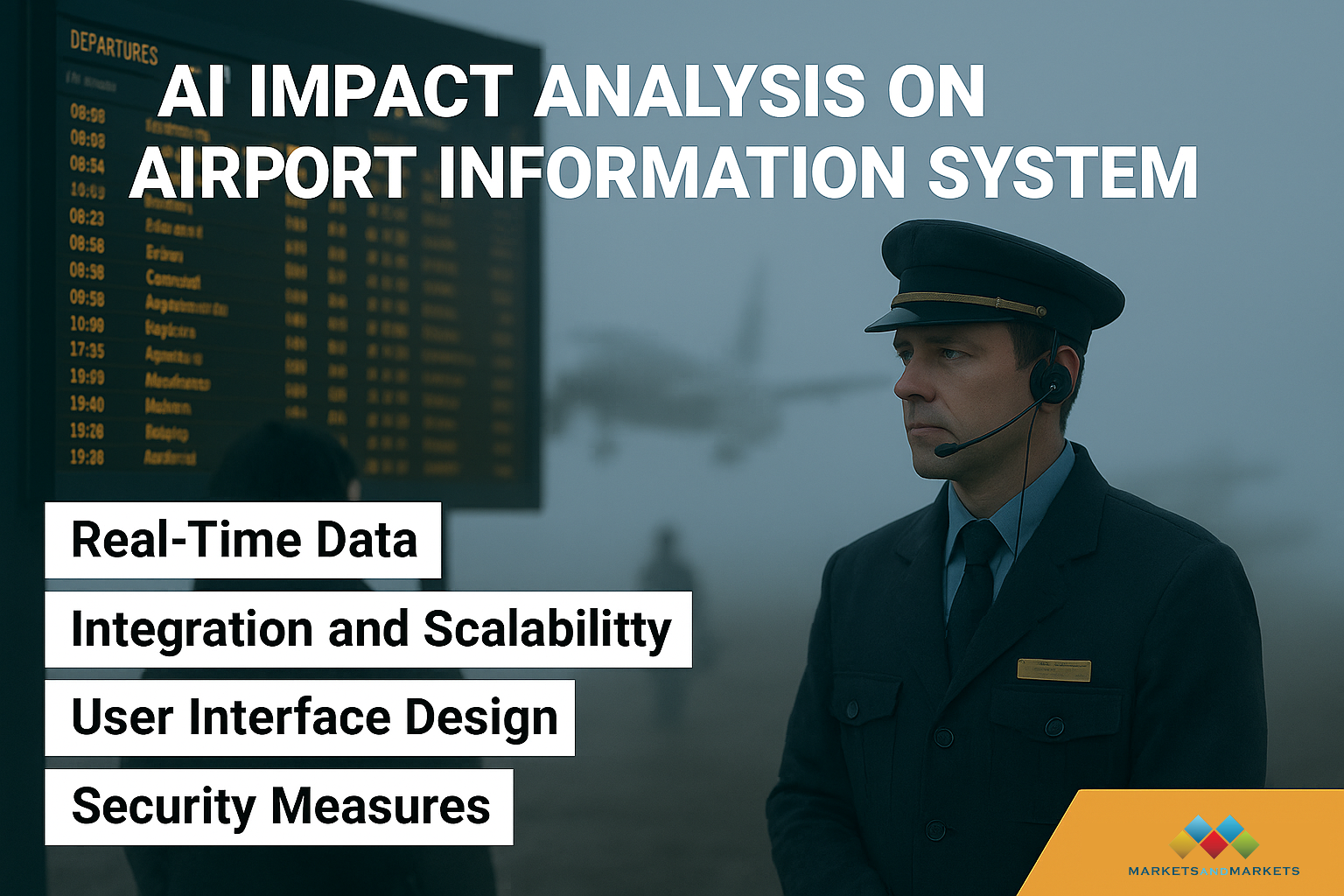
Enhanced Airport Security through AI Surveillance
Security is paramount in airport operations. AI-powered surveillance systems utilize facial recognition and behavioral analysis to detect potential threats and manage access control. These systems can identify suspicious activities and unauthorized access in real-time, enabling swift responses and enhancing overall airport security.
Real-Time Flight Information Systems
Providing accurate and timely flight information is essential for passenger convenience. AI algorithms process vast amounts of data to deliver real-time updates on flight statuses, gate changes, and delays. By integrating with various data sources, AI ensures that passengers receive the most current information, improving their travel experience.
AI Chatbots and Virtual Assistants for Passenger Services
AI-driven chatbots and virtual assistants are transforming passenger services by offering instant support and information. These systems can handle inquiries about flight details, directions within the airport, and service requests in multiple languages. By providing 24/7 assistance, AI enhances customer service and reduces the workload on airport staff.
Get AI Impact Analysis on Airport Information System Market, Request Pdf Brochure: https://www.marketsandmarkets.com/pdfdownloadNew.asp?id=978
AI in Air Traffic Management Integration
Integrating AI into air traffic management systems allows for more efficient coordination between airport operations and flight control. AI analyzes data from various sources to optimize flight schedules, manage runway usage, and reduce delays. This integration ensures smoother flight operations and improved communication between different airport departments.
Smart Parking and Ground Transportation Management
AI technologies are optimizing parking and ground transportation by predicting demand and managing availability. By analyzing traffic patterns and passenger data, AI systems can guide travelers to available parking spots and coordinate shuttle services effectively. This leads to reduced congestion and enhanced convenience for passengers.
Airport Retail and Concession Optimization Using AI
AI is revolutionizing airport retail by analyzing passenger behavior to personalize advertising and retail offers. By understanding shopping patterns and preferences, AI enables retailers to tailor their offerings, enhancing the shopping experience and increasing revenue. Additionally, AI can manage inventory and staffing based on predicted demand.
AI-Enabled Decision Support Systems for Airport Operators
AI-driven decision support systems assist airport operators in planning and resource allocation. By analyzing operational data, these systems provide insights into areas such as staffing needs, emergency response strategies, and facility management. This data-driven approach enables more informed decision-making, leading to improved efficiency and safety.
The integration of AI into airport information systems marks a significant advancement in the aviation industry. By enhancing various aspects of airport operations—from passenger flow and security to maintenance and retail—AI contributes to more efficient, secure, and customer-friendly airports. As technology continues to evolve, the role of AI in shaping the future of airport management will undoubtedly expand, offering new opportunities for innovation and improvement.
Related Report:

This FREE sample includes market data points, ranging from trend analyses to market estimates & forecasts. See for yourself.
SEND ME A FREE SAMPLE

