
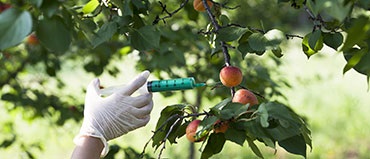
Biorational Pesticides Market: Growth Drivers, Trends, and Future Outlook
The global agricultural sector is undergoing a major shift toward safer, more sustainable crop-protection solutions—and biorational pesticides are at the forefront of this transformation. Once considered niche products, biorationals have now moved into the mainstream as farmers, food companies, and regulators increasingly demand alternatives to conventional chemical pesticides.
From stricter safety regulations to booming organic food markets, the conditions for rapid market expansion are stronger than ever. This blog explores the current landscape, growth drivers, opportunities, and emerging innovations shaping the biorational pesticides market through 2030.
What Are Biorational Pesticides?
Biorational pesticides—sometimes referred to as biopesticides—are pest-control products derived from natural sources such as:
- Microbes (bacteria, fungi, viruses, nematodes)
- Botanical extracts (e.g., neem, pyrethrum)
- Biochemical agents (pheromones, insect growth regulators)
- Naturally derived oils, soaps, and minerals
They are designed to target specific pests while minimizing harm to humans, beneficial insects, wildlife, and the environment. This makes them an essential tool in Integrated Pest Management (IPM) and regenerative agriculture practices.
Market Outlook & Growth Momentum
The market for biorational pesticides is experiencing rapid, steady growth, supported by strong demand from both developed and developing regions. Various market research firms estimate:
- High double-digit growth (15.2% CAGR) through 2028
- Microbial pesticides and plant-derived botanicals leading the demand
While estimates differ based on product definitions and regional scope, analysts agree on one thing: the biorational pesticides market will continue to expand rapidly as agriculture shifts toward low-impact pest control solutions.
Biorational Pesticides Market Growth Drivers
- Rising Demand for Sustainable & Residue-Free Food: Consumers worldwide are opting for food produced with fewer chemical residues. This trend is pushing retailers and food brands to promote eco-friendly farming inputs, directly fuelling the demand for biorational pesticides.
- Stricter Regulations on Synthetic Chemicals: Regulators in the U.S., Europe, and parts of Asia are tightening rules on conventional agrochemicals. As approvals become more difficult and costly, biorationals—known for their lower toxicity—are gaining market share.
- Strong R&D and Industry Investment: Large agrochemical multinationals and biologicals-focused companies are expanding their biological portfolios through acquisitions, partnerships, and new product development.
-
High Adoption of IPM & Organic Farming: IPM programs rely on selective, environmentally friendly pest-control tools. Biorationals integrate seamlessly and are increasingly used in:
- Organic farming
- High-value horticultural crops
- Greenhouse and protected cultivation systems
Market Trends: Why Biorationals Are the Future
Several forces are accelerating global adoption:
- Regulatory pressure on harmful chemical pesticides
- Growing investor interest in ag-biological technologies
- Climate-driven pest pressure, requiring diverse, flexible solutions
- Demand for residue-free and organic produce
- Corporate sustainability commitments from agribusinesses
Analysts expect the biorational pesticide market to grow at a double-digit CAGR over the next several years as farmers integrate them into mainstream crop production.
Make an Inquiry: https://www.marketsandmarkets.com/Enquiry_Before_BuyingNew.asp?id=57324225
Market Segmentation: What’s Growing Fastest
By Product Type
- Microbial pesticides (bacteria, fungi) – fastest growing
- Botanicals – high adoption due to long-standing use
- Biochemical/pheromones – expanding in specialty crops
- Oils, soaps, minerals – steady demand in horticulture
By Application
- Insecticides – largest revenue share
- Fungicides – rising adoption due to disease pressure
- Nematicides – strong demand in vegetables and row crops
- Herbicides – still emerging in the biorational category
By End Use
- Field crops
- Fruits & vegetables
- Greenhouse crops
- Turf, ornamentals & landscape applications
Regional Market Insights
North America & Europe
- These regions lead in technological adoption and regulatory support for biopesticides. The U.S. EPA’s streamlined approvals for microbial and biochemical pesticides significantly boost commercialization.
Asia-Pacific (India, China, Southeast Asia)
APAC is the fastest-growing region, driven by:
- Large agricultural populations
- Government programs promoting sustainable farming
- Rising awareness of input efficiency
- India, in particular, is becoming a growth hotspot for microbial-based products.
Latin America & Africa
- Growth is accelerating in key Latin American agricultural exporters such as Brazil and Mexico, although regulatory and distribution challenges remain. Africa shows early-stage adoption, with increasing NGO and government support.
Leading Biorational Pesticides Companies:
The sector includes both agritech innovators and large crop-protection giants. Major participants include:
- BASF SE (Germany)
- Bayer AG (Germany)
- UPL (India)
- FMC Corporation (US)
- Syngenta AG (Switzerland)
- Novozymes A/S (Denmark)
- Sumitomo Chemical Co., Ltd (Japan)
- Pro Farm Group Inc (US)
- Koppert (Netherlands)
- Valent BioSciences LLC (US)
These companies are investing heavily in new technologies, collaborative research, and farmer education programs.
Future Outlook: What’s Next for the Biorational Market?
The next five years will be defined by innovation and integration. Key trends to watch:
- Microbial consortia combining multiple beneficial organisms
- Pheromone-based mating disruption for targeted pest control
- Seed treatment biologicals offering early protection
- Precision agriculture tools that optimize application timing
- Biostimulant–biopesticide hybrids that enhance plant resilience
With sustainability becoming an agricultural priority, biorational pesticides will play a central role in modern, eco-friendly crop protection systems worldwide.
Request for New Version of this Report: https://www.marketsandmarkets.com/RequestNewVersion.asp?id=57324225
Frequently Asked Questions About Biorational Pesticides Market
1. What are biorational pesticides?
Biorational pesticides are pest control products derived from natural or biologically inspired sources, such as microbes, botanicals, minerals, or biochemical compounds. They are typically low in toxicity, target-specific, and environmentally friendly compared to conventional synthetic pesticides.
2. What factors are driving the growth of the biorational pesticides market?
Key drivers include:
- Rising demand for organic and residue-free food
- Increasing regulatory pressure on chemical pesticides
- Growing consumer awareness about environmental sustainability
- Technological advancements in microbial and botanical formulations
- Expansion of integrated pest management (IPM) practices
3. What are the main types of biorational pesticides?
The market is generally segmented into:
- Microbial pesticides (e.g., Bacillus thuringiensis, fungi, viruses)
- Botanical pesticides (e.g., neem extracts, pyrethrins)
- Biochemical pesticides (pheromones, plant extracts, growth regulators)
- Mineral-based pesticides (sulfur, diatomaceous earth)
4. Which crops commonly use biorational pesticides?
They are widely used in:
- Fruits and vegetables
- Cereals & grains
- Oilseeds & pulses
- Greenhouse crops
- Turf & ornamentals
5. What are the key benefits of biorational pesticides?
- Lower toxicity to humans and animal
- Minimal environmental impact
- Reduced risk of pest resistance
- Compatibility with organic farming
- Safer for pollinators and beneficial insects
6. What challenges does the biorational pesticides market face?
- Limited shelf life and storage stability
- Variable field performance
- Higher cost compared to synthetics
- Lack of farmer awareness in emerging markets
- Regulatory complexities in some regions
7. Which regions dominate the biorational pesticides market?
- North America leads due to strong organic agriculture and regulatory support
- Europe follows with strict pesticide regulations
- Asia-Pacific is the fastest-growing region due to expanding horticulture and organic g patterns
8. Who are the major players in the biorational pesticides market?
Typical key players include:
- Bayer AG
- BASF SE
- Syngenta
- FMC Corporation
- Koppert Biological Systems
- Certis Biologicals
- Valent BioSciences
9. How are regulations impacting the market?
Stringent regulations on synthetic pesticides and growing approval pathways for biologicals are accelerating market adoption. Governments are promoting IPM and organic certification programs, further boosting demand.
10. What is the market outlook for the next 5–10 years?
- The market is expected to grow at a strong CAGR due to:
- Expansion of organic agriculture
- Increased R&D investments in biocontrol agents
- Rising climate challenges requiring sustainable pest management solutions
80% of the Forbes Global 2000 B2B companies rely on MarketsandMarkets to identify growth opportunities in emerging technologies and use cases that will have a positive revenue impact.
- Food Packaging Market Size Set for Strong Growth Through 2030 Amid Rising Demand for Convenience Foods
- Crop Protection Chemical Market Size, Share & Growth Forecast (2025–2030)
- Mulch Films Market: Driving Sustainable Agriculture Through Innovation
- Agricultural Adjuvants Market Analysis, Trends, and Growth Outlook (2026–2031)
- Japan Enterprise Asset Management Market Growth: AI and Smart Infrastructure Drive Demand

Emerging Trends and Growth Opportunities in the Biorational Pesticides Market
