
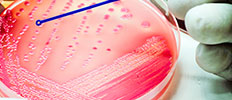
Exploring the Culture Microbiology Market: Innovations Powering Modern Research and Diagnostics
The global culture microbiology market plays a crucial role in advancing research, diagnostics, and industrial applications across diverse sectors. From identifying infectious agents to supporting biotechnological production, microbial culture techniques remain the backbone of laboratory science. As biotechnology, healthcare, and food safety sectors evolve, culture microbiology continues to witness rapid transformation through innovation and automation.
The Foundation of Modern Microbiology
At its core, culture microbiology focuses on isolating, growing, and identifying microorganisms under controlled laboratory conditions. These processes help researchers understand microbial behavior, test antimicrobial susceptibility, and develop new therapies. Whether it’s tracking pathogens in clinical samples or enhancing fermentation processes in industries, microbiological culture remains indispensable.
Key Growth Drivers
Several factors are contributing to the expansion of the culture microbiology industry. Increasing demand for diagnostic testing, the rise of infectious diseases, and the growing focus on food quality and safety are major drivers. Additionally, advancements in life sciences research and the adoption of cell culture techniques in drug discovery are opening new avenues for market growth.
Automation and digitalization are also transforming microbiology laboratories. High-throughput culture systems and AI-integrated analysis tools are reducing turnaround times while improving accuracy and reproducibility.
Emerging Trends in Culture Microbiology
The field is undergoing notable shifts, driven by technology and evolving needs across industries.
- Automation and Robotics: Automated culture systems are streamlining microbial detection and identification processes, minimizing human error and improving consistency.
- Integration of Molecular Techniques: Combining traditional culture methods with molecular diagnostics enhances accuracy and enables faster pathogen identification.
- Focus on Food and Environmental Microbiology: Increasing global emphasis on safety and sustainability is fueling demand for microbial testing in food production and environmental monitoring.
- Customized Media Development: The development of specialized media formulations for specific microbial strains or conditions is enhancing precision in research and industrial applications.
Request Custom Data to Address your Specific Business Needs
As the importance of microbial research grows, the culture microbiology market is set to expand its influence across healthcare, pharmaceuticals, and environmental science. The integration of digital tools, data analytics, and automation is revolutionizing how microbial cultures are managed and interpreted. Looking forward, laboratories that embrace these innovations will be better positioned to drive advancements in diagnostics, biotechnology, and sustainable production.
People Also Ask
1. What is the culture microbiology market?
The culture microbiology market refers to the segment of the life sciences industry focused on products, tools, and technologies used for growing and identifying microorganisms in laboratory settings. It supports applications in clinical diagnostics, food testing, pharmaceuticals, biotechnology, and environmental monitoring.
2. Why is microbial culture important in microbiology?
Microbial culture is essential because it allows scientists to isolate and study specific microorganisms under controlled conditions. This helps in understanding microbial physiology, detecting infections, testing antibiotic resistance, and developing new therapeutic and industrial products.
3. What factors are driving growth in the culture microbiology market?
Growth is driven by rising incidences of infectious diseases, increased demand for food safety testing, and the expansion of pharmaceutical research. Advancements in automation, molecular biology, and data-driven diagnostics are also contributing significantly to market development.
4. How is technology transforming culture microbiology?
Technology is revolutionizing the field through automation, AI-assisted analysis, and smart culture systems. These innovations enable faster results, higher precision, and improved reproducibility, enhancing laboratory efficiency and accuracy in microbial testing.
5. What industries benefit most from culture microbiology?
Industries such as healthcare, pharmaceuticals, food and beverage, agriculture, and environmental testing benefit significantly. Each relies on microbial culture techniques for safety assurance, quality control, and research innovation.
6. What are the latest trends in the culture microbiology market?
Key trends include automation in laboratory workflows, integration of culture methods with molecular diagnostics, growth in customized media formulations, and the increasing use of culture-based techniques in food and environmental safety testing.
7. What is the future outlook for the culture microbiology market?
The future looks promising, with growing investments in biotechnology, expanding diagnostic infrastructure, and rising awareness of microbial safety. As laboratories adopt advanced analytical tools and smart systems, the market is expected to evolve toward more efficient and data-integrated solutions.
80% of the Forbes Global 2000 B2B companies rely on MarketsandMarkets to identify growth opportunities in emerging technologies and use cases that will have a positive revenue impact.
- Food Packaging Market Size Set for Strong Growth Through 2030 Amid Rising Demand for Convenience Foods
- Crop Protection Chemical Market Size, Share & Growth Forecast (2025–2030)
- Mulch Films Market: Driving Sustainable Agriculture Through Innovation
- Agricultural Adjuvants Market Analysis, Trends, and Growth Outlook (2026–2031)
- Japan Enterprise Asset Management Market Growth: AI and Smart Infrastructure Drive Demand

