
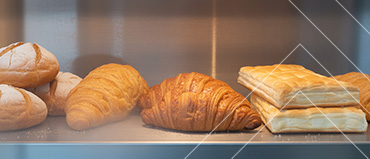
Frozen Bakery Products Market Size, Trends, Innovation, and Forecast 2030
The global frozen bakery products market is witnessing substantial growth as consumers increasingly seek convenient, ready-to-bake, and long-shelf-life food products. Rising urbanization, busy lifestyles, expansion of retail chains, and growing demand for premium bakery offerings are significantly driving market expansion worldwide. Frozen bakery products such as bread, pizza crusts, cakes, pastries, cookies, and croissants have become essential across households, foodservice chains, cafes, and quick-service restaurants.
What Are Frozen Bakery Products?
Frozen bakery products are partially or fully baked bakery items preserved through freezing technology to maintain freshness, texture, flavor, and nutritional value for extended periods. These products are stored at low temperatures and can be thawed, baked, or reheated before consumption.
Common frozen bakery products include:
- Frozen bread and buns
- Frozen cakes and pastries
- Frozen pizza crusts
- Frozen cookies and biscuits
- Frozen donuts
- Frozen croissants and puff pastries
- Frozen artisan bakery products
These products are widely used in supermarkets, convenience stores, hotels, restaurants, cafes, and institutional foodservice sectors.
Frozen Bakery Products Market Overview
The frozen bakery products market is expanding steadily due to the increasing popularity of convenience foods and rising consumer preference for premium baked goods with extended shelf life. Advancements in freezing technologies and cold-chain logistics have further improved product quality and distribution efficiency.
Manufacturers are also introducing healthier variants such as gluten-free, organic, vegan, and clean-label frozen bakery products to cater to evolving dietary preferences.
Frozen Bakery Products Market Drivers
- Growing Demand for Convenience Foods: Modern consumers prefer ready-to-cook and ready-to-eat products that save preparation time. Frozen bakery products offer convenience without compromising taste and quality, making them highly attractive among working professionals and urban households.
- Expansion of Quick-Service Restaurants and Cafes: The rapid growth of cafes, bakeries, and quick-service restaurant chains has increased the demand for frozen dough, frozen bread, and ready-to-bake bakery items. Foodservice operators prefer frozen products because they reduce labor costs and improve operational efficiency.
- Longer Shelf Life and Reduced Food Waste: Freezing technology helps preserve bakery products for extended periods, minimizing spoilage and reducing food waste. Retailers and foodservice providers benefit from improved inventory management and product consistency.
- Increasing Popularity of Premium and Artisan Bakery Products: Consumers are increasingly seeking premium-quality bakery items such as artisan breads, gourmet pastries, and European-style croissants. Frozen bakery technology allows manufacturers to deliver high-quality products while maintaining freshness and texture.
- Growth of Organized Retail and E-Commerce: The expansion of supermarkets, hypermarkets, and online grocery platforms has improved product accessibility. Consumers can now easily purchase frozen bakery products through retail stores and e-commerce channels.
Emerging Trends in the Frozen Bakery Products Market
- Rising Demand for Gluten-Free and Vegan Products: Health-conscious consumers are driving demand for gluten-free, dairy-free, vegan, and low-sugar frozen bakery items. Manufacturers are innovating with plant-based ingredients and alternative flours to meet changing dietary needs.
- Clean-Label Product Development: Consumers increasingly prefer bakery products made with natural ingredients and free from artificial preservatives, flavors, and additives. Clean-label frozen bakery products are becoming a major market trend.
- Technological Advancements in Freezing Processes: Innovations such as individual quick freezing (IQF), cryogenic freezing, and advanced cold-chain systems help preserve product texture, flavor, and nutritional quality more effectively.
- Growth in Frozen Dough Segment: Frozen dough products are gaining traction among bakeries and foodservice operators because they offer flexibility, consistency, and reduced preparation time.
- Sustainable Packaging Initiatives: Manufacturers are adopting eco-friendly and recyclable packaging materials to align with sustainability goals and consumer expectations.
Market Segmentation
By Product Type
- Bread and buns
- Cakes and pastries
- Pizza crusts
- Cookies and biscuits
- Donuts
- Croissants
- Others
By Distribution Channel
- Supermarkets and hypermarkets
- Convenience stores
- Online retail
- Foodservice channels
- Specialty stores
By End User
- Household consumers
- Hotels and restaurants
- Cafes and bakeries
- Institutional foodservice
Download PDF Brochure: https://www.marketsandmarkets.com/pdfdownloadNew.asp?id=789
Regional Analysis
- North America: North America holds a significant share of the Frozen Bakery Products Market due to strong demand for convenience foods, well-developed cold-chain infrastructure, and widespread consumption of bakery products.
- Europe: Europe remains a major market owing to high consumption of artisan bakery items and strong demand for premium frozen pastries and breads. Countries such as France, Germany, Italy, and the UK are key contributors.
- Asia Pacific: Asia Pacific is expected to witness the fastest growth during the forecast period. Rising disposable income, westernization of diets, rapid urbanization, and expanding retail infrastructure are fueling demand across countries such as China, India, Japan, and South Korea.
- Latin America and Middle East & Africa: These regions are experiencing growing demand due to expanding foodservice industries, increasing urban populations, and rising adoption of frozen convenience foods.
Challenges in the Frozen Bakery Products Market
- High Energy and Cold Storage Costs: Maintaining frozen storage and transportation infrastructure requires significant energy consumption and operational costs.
- Supply Chain Complexity: Frozen bakery products depend heavily on efficient cold-chain logistics. Temperature fluctuations during transportation can affect product quality and shelf life.
- Consumer Concerns About Processed Foods: Some consumers perceive frozen foods as less healthy compared to fresh bakery products, which may restrain market growth in certain regions.
Request Sample Pages: https://www.marketsandmarkets.com/requestsampleNew.asp?id=789
Competitive Landscape
The Frozen Bakery Products Market is highly competitive, with leading companies focusing on product innovation, mergers and acquisitions, regional expansion, and sustainable packaging solutions.
Major industry participants are investing in:
- New product launches
- Gluten-free and vegan product lines
- Advanced freezing technologies
- Strategic partnerships
- Expansion of manufacturing facilities
Future Outlook
The future of the Frozen Bakery Products Market appears highly promising due to increasing demand for convenience foods, rapid urbanization, and continuous innovation in frozen bakery technologies. The growing popularity of premium bakery products, coupled with expanding e-commerce grocery platforms and health-focused product development, is expected to create substantial growth opportunities in the coming years.
Manufacturers that focus on clean-label formulations, sustainable packaging, and premium-quality offerings are likely to gain a competitive advantage in the evolving global market.
Make an Inquiry: https://www.marketsandmarkets.com/Enquiry_Before_BuyingNew.asp?id=789
Frequently Asked Questions (FAQs) – Frozen Bakery Products Market
What is the current size of the global Frozen Bakery Products Market?
The global frozen bakery products market is projected to grow from approximately USD 26.8 billion in 2025 to USD 34.61 billion by 2030, registering a CAGR of 5.2% during the forecast period. Market growth is driven by rising demand for convenient ready-to-bake and ready-to-eat bakery products worldwide.
What are frozen bakery products?
Frozen bakery products are baked or partially baked food items preserved through freezing technology to extend shelf life while maintaining freshness, texture, and taste. These products include bread, cakes, pastries, pizza crusts, croissants, cookies, and savory bakery items that can be thawed, reheated, or baked before consumption.
What factors are driving the growth of the Frozen Bakery Products Market?
Key growth drivers include increasing urbanization, changing consumer lifestyles, growing demand for convenience foods, expansion of quick-service restaurants (QSRs), advancements in freezing technologies, and improved cold-chain logistics infrastructure. The rising popularity of ready-to-bake and ready-to-eat products is also accelerating market expansion.
Which product segment dominates the Frozen Bakery Products Market?
The bread segment holds the largest share of the market due to its widespread consumption across households and foodservice establishments. Frozen breads, buns, rolls, and loaves are highly preferred because of their extended shelf life, convenience, and consistent quality.
Which region dominates the Frozen Bakery Products Market?
Europe currently holds the largest market share in the global Frozen Bakery Products Market due to high consumption of frozen baked goods and strong bakery traditions. However, Asia Pacific is expected to register the fastest growth during the forecast period because of rising disposable incomes, urbanization, and increasing adoption of Western-style bakery products.
Why are frozen bakery products becoming increasingly popular?
Frozen bakery products are gaining popularity because they provide convenience, reduce food waste, ensure product consistency, and offer longer shelf life. They are widely used by retailers, cafés, hotels, restaurants, and institutional kitchens to streamline operations and improve efficiency.
What are the major distribution channels in the Frozen Bakery Products Market?
Major distribution channels include conventional retail stores, supermarkets, hypermarkets, specialty stores, online retail platforms, and foodservice providers such as cafés, restaurants, hotels, and quick-service restaurant chains.
Who are the key players in the Frozen Bakery Products Market?
Major companies operating in the market include Grupo Bimbo (Mexico), ARYZTA AG (Switzerland), Europastry (Spain), Lantmännen Unibake (Sweden), Vandemoortele (Belgium), Associated British Foods plc (UK), Kellogg Company (US), Conagra Brands, Inc. (US), Bakers Circle (India), Flowers Foods (US), Rich Products Corporation (US), Dr. Oetker KG (Germany), Sunbulah Group (Saudi Arabia), La Lorraine Bakery Group (Belgium), and Premier Foods Group Limited (UK). These companies focus on product innovation, automation, strategic partnerships, and geographic expansion to strengthen their market position.
80% of the Forbes Global 2000 B2B companies rely on MarketsandMarkets to identify growth opportunities in emerging technologies and use cases that will have a positive revenue impact.
- Food Packaging Market Size Set for Strong Growth Through 2030 Amid Rising Demand for Convenience Foods
- Mulch Films Market: Driving Sustainable Agriculture Through Innovation
- Agricultural Adjuvants Market Analysis, Trends, and Growth Outlook (2026–2031)
- Crop Protection Chemical Market Size, Share & Growth Forecast (2025–2030)
- Japan Enterprise Asset Management Market Growth: AI and Smart Infrastructure Drive Demand

Emerging Trends and Growth Opportunities in the Frozen Bakery Products Market
For In-depth Analysis on Frozen Bakery Products Market
