
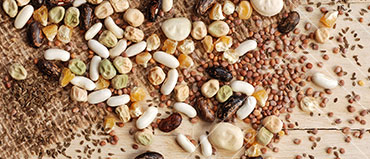
Seed Applied Technologies: Empowering the Next Generation of Agriculture
Seed applied technologies (SATs) are revolutionizing modern agriculture, driving sustainability, productivity, and efficiency on farms worldwide. These cutting-edge solutions involve applying protective and growth-enhancing treatments directly onto seeds before planting, ensuring that every seed—often a high-value genetic investment—gets the best possible start in the field.
What Are Seed Applied Technologies?
Seed applied technologies represent a suite of products—including chemical, biological, physical, and mechanical treatments—applied directly to seeds. The goal is to protect seeds during their vulnerable early-growth stage, boost germination rates, and promote uniform crop establishment. SATs can include:
- Insecticide and fungicide treatments
- Biological solutions like beneficial microbes or natural plant extracts
- Nutrients and micronutrients
- Growth regulators and biostimulants
- Seed coatings, polymers, or colorants for better handling and differentiation
Why SAT Matters Now
- Sustainability and regulation: Applying small, targeted amounts of actives to seeds reduces overall chemical load and farmer exposure versus foliar applications, aligning with evolving stewardship and regulatory expectations.
- Early-stage protection: Seeds have no redundancy; a small injury or infection can derail emergence and stand establishment. SAT protects seeds during the most vulnerable window right after planting.
- Biological momentum: Biological seed treatments are rapidly scaling due to their eco-friendly profile and compatibility with sustainability goals.
- Market growth: The seed technologies market is projected to expand from USD 9.35 billion in 2025 to USD 14.50 billion by 2030, at a CAGR of 9.2% during the forecast period.
Download PDF Brochure: https://www.marketsandmarkets.com/pdfdownloadNew.asp?id=25852111
SAT Market Trends to Watch
- Biologicals gaining share: Biological seed treatments are expected to command a leading share of treatment types of thanks to sustainability advantages and regulatory momentum.
- Coating innovation: Liquid polymers and coating systems are becoming standard to reduce dust emissions and enhance planter performance across seed sizes and crops.
- Data-driven decisions: AI-enabled seed selection, trait stacking, and treatment optimization are moving from R&D to practice, tightening the link between genetics, environment, and seed-applied recipes.
- High-value seeds, higher stakes: With hybrid and GM seeds representing larger investments per acre, SAT becomes essential insurance for stand establishment and uniformity.
Regional Dynamics
Asia-Pacific is one of the fastest-growing regions for SATs, supported by modernization, rising food demand, and policies promoting hybrid/GM seeds and sustainable practices. This growth is drawing investment and accelerating product localization and stewardship programs.
Request Sample Pages: https://www.marketsandmarkets.com/requestsampleNew.asp?id=25852111
Recent Innovations in the Seed Applied Technologies Market:
Technological advances have transformed basic seed coatings into sophisticated delivery platforms:
- Microencapsulation and Multi-Layer Coatings: Allow controlled release of active ingredients, improved adherence, and reduced dust-off.
- Biological Seed Treatments: Use natural microorganisms and biostimulants for disease resistance, stronger roots, and stress resilience—important for environmentally conscious producers.
- Precision Formulations: Integration with digital tools and data analytics enables farmers to customize treatments to soil and crop needs.
Real-World Examples
- Yoalo by Bayer (2025): A biostimulant corn treatment with Bacillus velezensis, enhancing early vigor while lowering agrochemical use.
- AtroForce by UPL (2025): A bionematicide for cotton protecting against nematodes, improving crop health.
- Pretium SDS by Nufarm (2025): Biological solution tackling soybean diseases, encouraging healthier, more resilient plants.
Challenges and Opportunities
While SATs are gaining traction, challenges remain, especially for smallholder farmers who may lack awareness, access to treated seeds, or application equipment. Bridging this gap requires extension services, education, and collaboration among the ag industry, governments, and cooperatives to highlight SATs’ long-term benefits
Make an Inquiry:
https://www.marketsandmarkets.com/Enquiry_Before_BuyingNew.asp?id=25852111
FAQs – Seed Applied Technologies Market
What are seed applied technologies (SAT)?
Seed applied technologies refer to a range of treatments and coatings applied directly to seeds before planting. These include seed protection (fungicides, insecticides, nematicides), seed enhancement (biostimulants, micronutrients, polymers), and precision seed coatings that improve seed performance, crop establishment, and yield potential.
What is the current market size and growth outlook?
The seed technologies market is projected to expand from USD 9.35 billion in 2025 to USD 14.50 billion by 2030, at a CAGR of 9.2% during the forecast period.
Why is the seed applied technologies market growing?
The market is expanding due to the rising demand for sustainable farming practices, higher crop yields, climate-resilient seeds, and the increasing adoption of advanced crop protection solutions. Farmers and agribusinesses are also investing in high-value seeds that require protection and enhancement.
Which factors are driving demand for SAT in agriculture?
Key drivers include:
- Rising global population and food demand.
- Need for sustainable crop protection solutions.
- Increasing prevalence of seed- and soil-borne diseases.
- Higher adoption of precision agriculture.
- Growth in commercial farming and use of hybrid & genetically modified (GM) seeds.
What are the major functions of seed applied technologies?
- Seed Protection: Guards seeds against pathogens, insects, and nematodes.
- Seed Enhancement: Improves seed vigor, germination, and resilience through micronutrients, biostimulants, and polymers.
- Seed Coatings: Adds polymers, colors, and biologicals for better seed handling, precision planting, and traceability.
Which crop types benefit most from seed applied technologies?
Cereals & grains (corn, wheat, rice), oilseeds & pulses (soybean, sunflower, canola), and fruits & vegetables are among the leading crop categories where SAT is applied.
What are the latest technology innovations?
Advances include microencapsulation and controlled-release systems, precision polymers and multi-layer coatings for targeted delivery, dust-off reduction, improved seed flow/plantability, and digital/data tools to tailor treatments to local soils and crop needs; companies are also developing microplastic-free and biodegradable coating platforms.
What regions are leading the seed applied technologies market?
- North America & Europe: High adoption due to advanced farming practices and regulatory standards.
- Asia-Pacific: Fastest-growing market driven by population growth, government support, and rising awareness among farmers.
- Latin America: Strong demand from soybean, corn, and sugarcane production.
Who are the key players in the seed applied technologies market?
The report profiles key players such as BASF SE (Germany), Bayer AG (Germany), UPL (India), Corteva (US), Croda (UK), FMC (US), Nufarm (Australia), Syngenta (US), Germains Seed (UK), and Sumitomo Chemicals (Japan).
How do seed applied technologies support sustainable agriculture?
By reducing the need for broadcast spraying, minimizing pesticide usage, improving seed germination, and enabling climate-resilient crops, SAT supports eco-friendly farming while improving productivity.
What challenges does the seed applied technologies market face?
- Regulatory restrictions on chemical seed treatments.
- Limited awareness among smallholder farmers.
- High development costs of advanced technologies.
- Variability in adoption rates across regions.
What is the future outlook for the seed applied technologies market?
The market is expected to grow steadily, driven by innovation in biological seed treatments, integration with digital farming, and rising investment in sustainable agriculture practices.
80% of the Forbes Global 2000 B2B companies rely on MarketsandMarkets to identify growth opportunities in emerging technologies and use cases that will have a positive revenue impact.
- Food Packaging Market Size Set for Strong Growth Through 2030 Amid Rising Demand for Convenience Foods
- Crop Protection Chemical Market Size, Share & Growth Forecast (2025–2030)
- Mulch Films Market: Driving Sustainable Agriculture Through Innovation
- Agricultural Adjuvants Market Analysis, Trends, and Growth Outlook (2026–2031)
- Japan Enterprise Asset Management Market Growth: AI and Smart Infrastructure Drive Demand

Emerging Trends and Growth Opportunities in the Seed Applied Technologies Market
For In-depth Analysis on Seed Applied Technologies Market
