
Seeds Market Growth 2028: Organic Farming & Biofuels Drive Expansion
The seeds market is undergoing a dynamic transformation, fueled by shifting agricultural trends and consumer preferences. According to a research report, the global seeds market is valued at USD 58.8 billion in 2023 and is projected to reach USD 83.3 billion by 2028, growing at a robust CAGR of 7.2%.
Organic Farming Boosts Demand for Certified Seeds
One of the major drivers shaping the market is the rising consumer demand for organic and pesticide-free food. Organic farming relies heavily on certified organic seeds, pushing seed manufacturers to expand their offerings. As awareness around sustainable and healthy food continues to grow, this trend will continue to support overall seeds market size expansion.
Biofuel Production Expands Seed Demand
The global shift toward renewable energy has also played a significant role in shaping the seeds industry. Crops such as maize, soybeans, and canola are widely used as feedstock for biofuel production. With governments and industries accelerating their renewable energy commitments, the demand for seeds suited for biofuel crops has surged, further fueling market growth.
Segment Insights
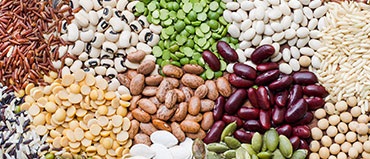
- Oilseeds & Pulses: This segment is projected to dominate during the forecast period. Rising global demand for edible oils—driven by population growth, urbanization, and changing dietary habits—is increasing the need for high-quality oilseed seeds. Similarly, pulses such as lentils, chickpeas, and beans are gaining traction as protein-rich alternatives, boosting demand for pulse seeds.
- Fruits & Vegetables: Demand for diverse, nutrient-rich, and specialty fruits and vegetables continues to rise, creating strong growth potential for seeds in this category.
- Herbicide Tolerance: Among traits, herbicide tolerance is projected to be the fastest-growing segment. These genetically modified seeds enable farmers to control resistant weeds more effectively, reducing manual labor and enhancing efficiency.
Request Personalized Data Insights for Your Business Goals
Regional Outlook
North America is estimated to be the largest seeds industry during the study period. The region has witnessed strong adoption of biotech crops, particularly genetically modified seeds, due to their advantages such as herbicide tolerance, insect resistance, and yield optimization. Additionally, the demand for specialty crops, including fruits, vegetables, and high-value commodities, is further fueling growth in the regional market.
Key Market Players
Several leading seeds companies are shaping the competitive landscape, including:
- BASF SE (Germany)
- Bayer AG (Germany)
- Syngenta Crop Protection AG (Switzerland)
- KWS SAAT SE & Co. KGaA (Germany)
- Corteva (US)
- Limagrain (France)
- Advanta Seeds (UPL) (India)
- SAKATA SEED CORPORATION (Japan)
- DLF Seed A/S (Denmark)
- Enza Zaden Beheer B.V. (Netherlands)
- Rallis India Limited (India)
- FMC Corporation (US)
- TAKII & CO., LTD. (Japan)
- Royal Barenbrug Group (Netherlands)
- Longping High-Tech (China)
These companies are actively investing in R&D, advanced breeding technologies, and strategic partnerships to expand their portfolios and strengthen global market presence.
Key Questions Addressed by Seeds Market Report
Q1. What is the current size of the global seeds market?
The global seeds market was valued at USD 58.8 billion in 2023 and is projected to reach USD 83.3 billion by 2028, growing at a CAGR of 7.2%.
Q2. What factors are driving the growth of the seeds industry?
Key drivers include the rising adoption of organic farming, increased demand for biofuel crops, growing consumer preference for protein-rich pulses, and advancements in genetically modified seeds offering higher yields and herbicide tolerance.
Q3. Which seed segments are expected to dominate in the coming years?
Oilseeds & pulses are expected to be the most prominent segment, while fruits & vegetables will also play a key role. Herbicide-tolerant seeds are projected to be the fastest-growing trait segment.
Q4. Which region holds the largest share in the seeds market?
North America is currently the largest regional market due to high adoption of biotech and genetically modified seeds, along with increasing demand for specialty crops.
Q5. Who are the leading seeds companies globally?
Some of the key players include BASF SE, Bayer AG, Syngenta Crop Protection AG, Corteva, Limagrain, Advanta Seeds (UPL), and SAKATA SEED CORPORATION, among others.
Q6. Why are pulses gaining more importance in the seeds market?
Pulses such as lentils, chickpeas, and beans are gaining traction as plant-based protein sources. With the rising popularity of plant-based diets, the demand for high-quality pulse seeds is growing rapidly.
Q7. How does biofuel production impact the seeds industry?
Biofuel production relies on crops like maize, soybeans, and canola as feedstock. As renewable energy adoption increases worldwide, the demand for seeds suitable for biofuel crops is also surging.
Q8. What are the challenges faced by the global seeds market?
Challenges include high R&D costs, regulatory hurdles around genetically modified seeds, climate variability impacting crop yields, and the growing issue of herbicide-resistant weeds.
80% of the Forbes Global 2000 B2B companies rely on MarketsandMarkets to identify growth opportunities in emerging technologies and use cases that will have a positive revenue impact.
- Food Packaging Market Size Set for Strong Growth Through 2030 Amid Rising Demand for Convenience Foods
- Crop Protection Chemical Market Size, Share & Growth Forecast (2025–2030)
- Mulch Films Market: Driving Sustainable Agriculture Through Innovation
- Agricultural Adjuvants Market Analysis, Trends, and Growth Outlook (2026–2031)
- Japan Enterprise Asset Management Market Growth: AI and Smart Infrastructure Drive Demand

