28 Leading Antibody Therapeutics Companies Shaping Innovation and Market Growth to 2035
Discover the top 28 companies driving innovation in the antibody therapeutics market. This in-depth analysis explores competitive advantages, transformative trends, and key players poised to influence biopharmaceutical research, targeted cancer treatments, immunology, and chronic disease management through 2035. The global market is projected to grow from USD 311.2 billion in 2026 to USD 597.1 billion by 2035, registering a CAGR of 7.5%.
Spotlights on the Industry's Top Antibody Therapeutics Companies
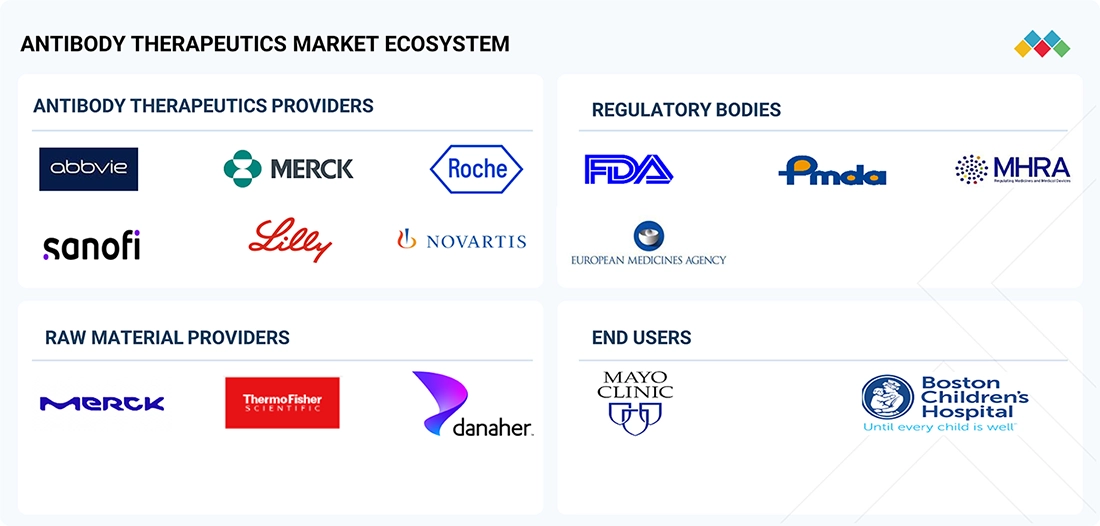
The antibody therapeutics market is evolving as pharmaceutical companies expand their biologics portfolios and develop more targeted treatments for cancer, autoimmune disorders, inflammatory diseases, neurological conditions, and rare diseases. Advances in monoclonal antibody engineering, bispecific and multispecific antibodies, antibody-drug conjugates (ADCs), and antibody fragments are creating new opportunities for therapeutic innovation. Companies are also investing in clinical development, manufacturing capabilities, subcutaneous delivery options, and biomarker-driven treatment strategies. At the same time, regulatory requirements, clinical trial outcomes, biosimilar competition, manufacturing complexity, and pricing pressures are influencing competitive positioning. Established pharmaceutical leaders and emerging biotechnology companies are strengthening their pipelines to address unmet medical needs and expand access to antibody-based medicines.
1. F. Hoffmann-La Roche Ltd.
F. Hoffmann-La Roche Ltd. is a major participant in the antibody therapeutics market, supported by its established biologics portfolio and research capabilities across oncology, immunology, and other therapeutic areas. Through Roche and its subsidiary Chugai Pharmaceutical, the group develops and commercializes antibody-based medicines, including cancer immunotherapies and targeted biologics. Its experience in antibody engineering, clinical development, diagnostics, and personalized healthcare supports the development of targeted treatment strategies. Continued pipeline investment and lifecycle development remain important to its competitive position.
2. AbbVie Inc.
AbbVie Inc. maintains a strong presence in antibody therapeutics through biologic medicines targeting immune-mediated and inflammatory diseases, as well as selected oncology indications. Its portfolio includes SKYRIZI (risankizumab), an interleukin-23 inhibitor, and HUMIRA (adalimumab), a tumor necrosis factor inhibitor. The company continues to develop next-generation immunology treatments and investigate additional indications for its medicines. Its established commercial infrastructure, biologics development experience, and investment in research and development support its position in the competitive antibody therapeutics landscape.
3. Amgen Inc.
Amgen Inc. is an important antibody therapeutics developer with capabilities spanning oncology, inflammation, cardiovascular disease, and other serious conditions. Its portfolio includes BLINCYTO (blinatumomab), a bispecific T-cell engager, and Vectibix (panitumumab), a monoclonal antibody used in certain colorectal cancer settings. The company also invests in bispecific antibody platforms and advanced biologic engineering to develop treatments against challenging disease targets. Its global commercialization capabilities, clinical development expertise, and biologics manufacturing infrastructure contribute to its competitive position.
4. Regeneron Pharmaceuticals, Inc.
Regeneron Pharmaceuticals, Inc. is recognized for its antibody discovery and engineering capabilities, supported by proprietary technologies such as VelociSuite. Its antibody therapeutics portfolio includes EYLEA (aflibercept), a biologic fusion protein rather than a monoclonal antibody, and Libtayo (cemiplimab), a PD-1-blocking antibody used in selected cancers. The company also develops antibody-based candidates for oncology, immunology, and other indications. Its research platforms, collaborations, and clinical development capabilities help support the discovery and advancement of differentiated biologic medicines.
5. AstraZeneca plc
AstraZeneca plc participates in antibody therapeutics through its oncology and immunology portfolios, including monoclonal antibodies and antibody-drug conjugates. Its products include Imfinzi (durvalumab), a PD-L1 inhibitor, and Enhertu (trastuzumab deruxtecan), an antibody-drug conjugate developed in collaboration with Daiichi Sankyo. The company continues to expand its biologics pipeline through clinical research, partnerships, and antibody-based drug development. Its focus on precision oncology, combination regimens, and targeted treatment approaches supports its role in the evolving global antibody therapeutics market.
6. Biogen Inc.
Biogen Inc. has experience developing antibody-based treatments, particularly for neurological and immunological conditions. Its portfolio includes QALSODY (tofersen), an antisense oligonucleotide rather than an antibody, and SKYCLARYS (omaveloxolone), a non-antibody small-molecule medicine, illustrating the importance of distinguishing its broader biotechnology portfolio from its antibody-specific activities. Biogen has also developed and commercialized antibody medicines, including LEQEMBI (lecanemab), an amyloid-beta-directed antibody developed with Eisai for early Alzheimer's disease. Its neuroscience expertise and clinical research capabilities support its relevance to antibody-based neurological therapies.
7. Merck & Co., Inc.
Merck & Co., Inc., known as MSD outside the United States and Canada, is a leading participant in antibody therapeutics, particularly cancer immunotherapy. Its flagship product, KEYTRUDA (pembrolizumab), is a PD-1-blocking monoclonal antibody approved for multiple cancer indications. The company continues to investigate additional indications, treatment combinations, and next-generation oncology approaches. Its global clinical trial network, research capabilities, and commercialization experience support the development of antibody-based cancer treatments and reinforce its position in the competitive immuno-oncology market.
8. Novartis AG
Novartis AG participates in the antibody therapeutics market through biologic medicines for oncology, immunology, and other serious diseases. Its portfolio includes Kesimpta (ofatumumab), an anti-CD20 monoclonal antibody used for relapsing forms of multiple sclerosis, and Fabhalta (iptacopan), a small-molecule complement inhibitor rather than an antibody. The company continues to invest in biologics research, precision medicine, and targeted treatment development. Its international commercialization network and established clinical development capabilities support the advancement of antibody-based therapies across multiple therapeutic areas.
9. Daiichi Sankyo Company, Limited
Daiichi Sankyo Company, Limited, has established a significant role in antibody therapeutics through its antibody-drug conjugate technology and oncology development programs. Its collaboration with AstraZeneca has advanced Enhertu (trastuzumab deruxtecan), a HER2-directed ADC used in several cancer settings. The company also develops other targeted ADC candidates, including datopotamab deruxtecan and patritumab deruxtecan, subject to their respective development and regulatory status. Its proprietary drug-linker technology, antibody engineering capabilities, and oncology research focus contribute to innovation in targeted cancer treatment.
10. GSK plc
GSK plc develops antibody-based medicines across oncology, respiratory and immunological conditions, and other disease areas. Its portfolio includes Jemperli (dostarlimab), a PD-1-blocking monoclonal antibody used in selected endometrial cancer and other approved settings. The company invests in immuno-oncology research, biologics development, and clinical programs targeting diseases with significant unmet medical needs. Its global research network and experience in pharmaceutical development support its participation in the antibody therapeutics market, particularly as targeted biologics and combination-based treatment approaches continue to evolve.
11. Sanofi
Sanofi is a major biopharmaceutical company with a substantial presence in antibody therapeutics, particularly immunology and inflammatory diseases. Its portfolio includes Dupixent (dupilumab), a monoclonal antibody that blocks IL-4 and IL-13 signaling, and Sarclisa (isatuximab), a CD38-directed antibody used in multiple myeloma. The company continues to invest in antibody discovery, clinical development, and additional indications for established biologics. Its research capabilities, international commercial network, and collaborations support the expansion of antibody-based treatment options across immune-mediated and oncological conditions.
12. Gilead Sciences, Inc.
Gilead Sciences, Inc., participates in antibody therapeutics primarily through its oncology subsidiary Kite and its investment in targeted cancer medicines. Trodelvy (sacituzumab govitecan), an antibody-drug conjugate directed against Trop-2, is an important product in its oncology portfolio. Gilead also develops cell therapies and other innovative treatments, although these modalities are distinct from antibody therapeutics. Its oncology research, clinical development infrastructure, and commercial capabilities support the development and delivery of targeted cancer medicines, including ADCs designed to deliver cytotoxic agents to tumor cells.
13. Jazz Pharmaceuticals plc
Jazz Pharmaceuticals plc is a biopharmaceutical company focused on areas including oncology, hematology, and neuroscience. Its relevance to antibody therapeutics includes Ziihera (zanidatamab), a HER2-targeted bispecific antibody developed through a licensing arrangement with Zymeworks and approved in the United States for certain adults with previously treated biliary tract cancer. Jazz's broader portfolio also includes medicines that do not use antibody technology. Its investment in targeted oncology treatments and commercialization capabilities supports its participation in the market for innovative antibody-based cancer therapies.
14. Pfizer Inc.
Pfizer Inc. has an established presence in antibody therapeutics across oncology, immunology, and other therapeutic areas. Its portfolio includes Bavencio (avelumab), a PD-L1-blocking antibody, and ADC products such as Adcetris (brentuximab vedotin), commercialized with regional and partner-specific arrangements. Pfizer also develops biologics and targeted medicines through internal research and external collaborations. Its global clinical development capabilities, manufacturing infrastructure, and commercialization network support the advancement of antibody-based treatments and enable the company to compete across established biologics and emerging targeted oncology formats.
15. Johnson & Johnson
Johnson & Johnson participates in antibody therapeutics through its Innovative Medicine business, with products spanning oncology, immunology, and hematology. Its portfolio includes Darzalex (daratumumab), a CD38-directed monoclonal antibody used in multiple myeloma, and Tremfya (guselkumab), an IL-23 inhibitor used for selected inflammatory diseases. The company continues to develop additional indications and treatment combinations while investing in research and clinical development. Its established biologics expertise, global commercialization network, and experience in complex disease management strengthen its position in the antibody therapeutics market.
16. Eli Lilly and Company
Eli Lilly and Company develops innovative medicines across oncology, immunology, diabetes, and other therapeutic areas. Its antibody therapeutics activities include products such as Omvoh (mirikizumab), an IL-23p19-directed monoclonal antibody used for certain inflammatory bowel diseases. Lilly also pursues biologic research and clinical programs designed to address significant unmet medical needs. Although much of its broader portfolio includes non-antibody medicines, its immunology research, biologics development capabilities, and global commercial infrastructure provide a foundation for expanding its role in antibody-based treatments.
17. H. Lundbeck A/S
H. Lundbeck A/S specializes in treatments for brain diseases, including psychiatric and neurological disorders. Its direct involvement in antibody therapeutics is more limited than that of large oncology and immunology-focused biologics developers, and its established commercial portfolio is primarily composed of medicines outside the antibody modality. The company is relevant to this market through its neuroscience expertise and potential application of biologic research to neurological conditions. Specific antibody candidates or programs should be verified against its current pipeline before attributing direct antibody therapeutics development to Lundbeck.
18. Chugai Pharmaceutical Co., Ltd.
Chugai Pharmaceutical Co., Ltd., is a research-driven Japanese biopharmaceutical company and a member of the Roche Group. It has developed antibody engineering capabilities, including its recycling antibody and sweeping antibody technologies, designed to improve target engagement and antibody behavior. Its portfolio includes Hemlibra (emicizumab), a bispecific antibody for hemophilia A, and Actemra (tocilizumab), an IL-6 receptor-blocking antibody used in inflammatory conditions. Chugai's biologics research, engineering platforms, and global collaborations contribute to the development of differentiated antibody therapeutics.
19. Akeso, Inc.
Akeso, Inc., is a biotechnology company focused on innovative biologic medicines, particularly monoclonal and bispecific antibodies for oncology and immunology. Its portfolio includes cadonilimab, a bispecific antibody targeting PD-1 and CTLA-4, and ivonescimab, a bispecific antibody targeting PD-1 and VEGF that has attracted attention for its clinical development in solid tumors. Akeso's proprietary antibody discovery platforms, clinical research programs, and focus on differentiated immune-based treatments support its position among emerging antibody therapeutics developers, particularly in China and international clinical markets.
20. Sichuan Kelun-Biotech Biopharmaceutical Co., Ltd.
Sichuan Kelun-Biotech Biopharmaceutical Co., Ltd., develops innovative biologic medicines with a strong focus on antibody-drug conjugates for cancer treatment. Its research programs emphasize targeted delivery technologies intended to direct cytotoxic payloads toward tumor-associated antigens. The company has advanced ADC candidates through clinical development and established partnerships that support the global development of selected assets. Its antibody engineering capabilities, oncology-focused pipeline, and experience with conjugate technologies contribute to the expanding role of Chinese biotechnology companies in the international antibody therapeutics market.
21. Celltrion, Inc.
Celltrion, Inc., is a South Korean biopharmaceutical company known for developing, manufacturing, and commercializing biologic medicines, including monoclonal antibodies and biosimilars. Its portfolio includes Remsima (infliximab), Truxima (rituximab), and Herzuma (trastuzumab), which address inflammatory diseases and selected cancers. The company also invests in next-generation biologics and antibody-based combination products. Its large-scale manufacturing expertise, international regulatory experience, and established biosimilar commercialization network strengthen its competitive position as healthcare systems seek effective biologic treatments and expanded treatment access.
22. CSL Behring
CSL Behring specializes in plasma-derived and recombinant therapies for bleeding disorders, immune deficiencies, and other serious conditions. Much of its core portfolio consists of plasma proteins, immunoglobulins, and replacement therapies rather than monoclonal antibodies, so its market role should be distinguished from that of antibody engineering companies. Its immunology expertise, biologics manufacturing infrastructure, and global distribution network provide relevant capabilities within the broader therapeutic antibody and immunoglobulin landscape. Its specific participation in a narrowly defined antibody therapeutics market depends on the products and modalities included in the market scope.
23. Otsuka America Pharmaceutical, Inc.
Otsuka America Pharmaceutical, Inc., is the United States pharmaceutical business of the Otsuka group, which develops medicines across neuroscience, nephrology, and other therapeutic areas. Its established portfolio is primarily associated with medicines that are not antibody therapeutics, making its direct involvement in this specific market more limited than that of major monoclonal antibody developers. The company's relevance is connected to its broader pharmaceutical development and commercialization activities. Any inclusion as a direct antibody therapeutics competitor should be validated against specific marketed antibody products or active antibody development programs.
24. Lepu Biopharma Co., Ltd.
Lepu Biopharma Co., Ltd., is a biotechnology company focused on innovative oncology medicines, including antibody-drug conjugates, immune checkpoint inhibitors, and other biologic treatments. Its research and development activities target cancer-associated antigens and immune pathways with the aim of improving tumor response and treatment selectivity. The company advances candidates through clinical development and evaluates opportunities for partnerships and broader commercialization. Its oncology-focused pipeline and antibody-based drug development programs make it relevant to the growing role of specialized biotechnology companies in the antibody therapeutics market.
25. SinoCellTech Group Ltd.
SinoCellTech Group Ltd. operates in China's biopharmaceutical sector, with activities associated with biologic medicines and biotechnology development. Its relevance to antibody therapeutics depends on the specific antibody products, development programs, and manufacturing capabilities attributable to the named corporate entity. Because company naming and corporate disclosures can vary across sources, individual products and clinical candidates should be verified before describing a particular antibody platform or commercial franchise. Confirmed involvement in biologics development or manufacturing can indicate potential relevance to the broader antibody therapeutics supply and innovation landscape.
26. Synermore Biologics
Synermore Biologics is associated with biologics research and development, making its precise role in the antibody therapeutics market dependent on its documented pipeline, technology platforms, and corporate activities. For an accurate competitive assessment, its antibody formats, target indications, clinical-stage candidates, and manufacturing capabilities should be confirmed through current company disclosures and relevant clinical trial records. Where direct evidence supports antibody development, the company may be assessed alongside specialized biotechnology firms contributing to innovation in biologic medicines. Unverified products or commercial claims should not be attributed to the company.
27. Shanghai Junshi Biosciences Co., Ltd.
Shanghai Junshi Biosciences Co., Ltd., is a biotechnology company focused on innovative medicines, particularly antibody-based immunotherapies and treatments for serious diseases. Its portfolio includes Tuoyi (toripalimab), a PD-1-blocking monoclonal antibody used in multiple cancer indications in China and selected international markets. The company also develops antibody candidates targeting additional tumor-associated and immune pathways. Its antibody discovery capabilities, oncology clinical programs, and international development activities support its participation in the competitive landscape for immuno-oncology and next-generation antibody therapeutics.
28. Jiangsu Hengrui Pharmaceuticals Co., Ltd.
Jiangsu Hengrui Pharmaceuticals Co., Ltd., is a major Chinese pharmaceutical company with research and development activities spanning oncology, immunology, and other therapeutic areas. Its biologics pipeline includes monoclonal antibodies and antibody-drug conjugates intended to address unmet needs in cancer treatment. The company invests in clinical research, biologics development, and international partnerships to advance innovative medicines. Its broad research infrastructure and expanding biologics portfolio support its potential to strengthen its position in the global antibody therapeutics market as clinical and regulatory milestones are achieved.
80% of the Forbes Global 2000 B2B companies rely on MarketsandMarkets to identify growth opportunities in emerging technologies and use cases that will have a positive revenue impact.
- Food Packaging Market Size Set for Strong Growth Through 2030 Amid Rising Demand for Convenience Foods
- Crop Protection Chemical Market Size, Share & Growth Forecast (2025–2030)
- Mulch Films Market: Driving Sustainable Agriculture Through Innovation
- Agricultural Adjuvants Market Analysis, Trends, and Growth Outlook (2026–2031)
- Japan Enterprise Asset Management Market Growth: AI and Smart Infrastructure Drive Demand

The antibody therapeutics market is positioned for continued expansion as advances in antibody engineering, bispecific antibodies, antibody-drug conjugates, and targeted biologics create new treatment opportunities. According to MarketsandMarkets, the global market is projected to increase from USD 311.2 billion in 2026 to USD 597.1 billion by 2035, at a CAGR of 7.5%. Competition will depend on clinical efficacy, safety, regulatory approvals, manufacturing scalability, intellectual property, and the ability to demonstrate meaningful benefits for patients. Established pharmaceutical leaders and emerging biotechnology companies will continue to shape the market through pipeline development, partnerships, and differentiated therapeutic platforms.