25 Leading Apheresis Companies Shaping Innovation and Market Growth to 2031
Discover the top 25 companies driving innovation in the apheresis market. This in-depth analysis explores competitive strengths, technological advancements, and key players shaping blood component separation, plasma collection, and therapeutic apheresis across healthcare applications through 2031. Rising demand for plasma-derived products, increasing prevalence of chronic and autoimmune diseases, and advances in blood separation technologies are influencing the competitive landscape. Access the comprehensive market research report for further insights.
Spotlights on the Industry's Top Apheresis Companies
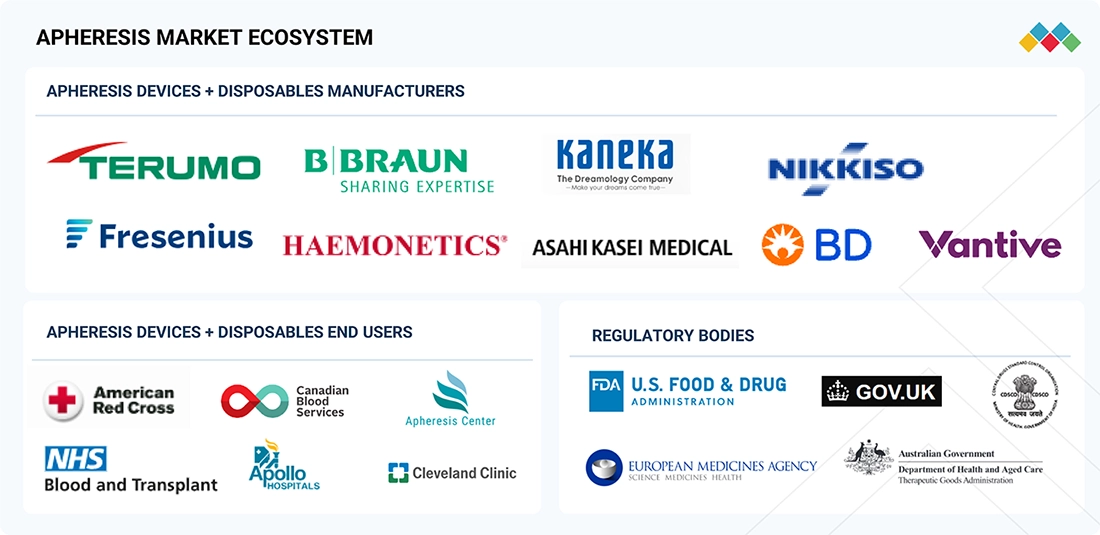
The global apheresis market is evolving as healthcare providers and blood collection organizations seek efficient technologies for separating blood components and collecting plasma, platelets, and other therapeutic components. Advances in automated apheresis systems, disposable separation sets, centrifugation, and membrane-based separation are expanding applications across donor collection and therapeutic procedures. Growing demand for plasma-derived medicines, increased awareness of blood donation, and the need to manage hematologic, autoimmune, and neurological conditions are supporting market development. Competition spans established medical technology manufacturers, blood management specialists, and companies focused on extracorporeal therapies and separation equipment. Product safety, operational efficiency, regulatory compliance, and reliable consumable supplies remain important considerations for market participants.
1. Terumo Corporation
Terumo Corporation is a major medical technology company with an established presence in blood management and apheresis-related technologies. Through its blood and cell collection portfolio, the company serves blood centers and healthcare organizations involved in collecting and processing blood components. Its capabilities in blood processing systems, collection technologies, and associated consumables support donor apheresis applications. Terumo's global commercial presence and experience in transfusion medicine position it as an important participant in the broader blood collection and component separation market.
2. Fresenius SE & Co. KGaA
Fresenius SE & Co. KGaA is a healthcare group with activities spanning medical products, services, and healthcare delivery. Its relevance to the apheresis market is primarily associated with the group's medical technology businesses and its relationship to Fresenius Medical Care, which has historically operated in extracorporeal therapies. Technologies used for blood treatment and extracorporeal circulation overlap with some technical requirements of therapeutic apheresis. However, the group's overall portfolio is broader than apheresis, and specific product ownership and current offerings should be distinguished from those of its subsidiaries.
3. Fresenius Medical Care AG
Fresenius Medical Care AG specializes in products and services for people with kidney disease, with expertise in dialysis and extracorporeal blood treatment. Its capabilities in blood purification, fluid management, extracorporeal circuits, and medical device engineering are relevant to the broader therapeutic blood processing ecosystem. Although dialysis and apheresis are distinct procedures with different clinical indications and equipment requirements, some underlying technologies overlap. The company's established healthcare infrastructure and experience in extracorporeal therapies provide adjacent relevance to therapeutic apheresis applications.
4. Haemonetics Corporation
Haemonetics Corporation is a medical technology company with a strong focus on blood management, plasma collection, and blood component processing. Its apheresis-related portfolio includes automated plasma collection systems and technologies used by plasma collection centers. These systems are designed to support donor comfort, collection efficiency, and operational consistency. Haemonetics also serves hospitals and blood centers through broader blood processing and transfusion management solutions. Its specialization in plasma collection technology and established customer base make it a significant participant in the apheresis market.
5. B. Braun SE
B. Braun SE develops medical devices, infusion and vascular access products, and technologies used in extracorporeal therapies. Its broader expertise in fluid management, medical disposables, and blood treatment equipment is relevant to healthcare settings that perform therapeutic procedures involving extracorporeal circulation. The company's medical technology capabilities support applications where reliable tubing systems, sterile consumables, and safe fluid handling are essential. Apheresis-specific product availability varies by portfolio and market, so its role should be evaluated alongside its more established activities in dialysis and related medical technologies.
6. BD
BD is a global medical technology company serving clinical laboratories, hospitals, and blood collection organizations. Its portfolio includes products for blood collection, specimen management, vascular access, and clinical workflow support. These capabilities are relevant to the broader apheresis ecosystem, where safe access to the circulation, sterile disposable components, and reliable blood handling are important. BD's extensive healthcare distribution network and experience in medical device manufacturing support its adjacent position in blood processing. Its specific apheresis role should be distinguished from its wider blood collection and diagnostic businesses.
7. Asahi Kasei Medical Co., Ltd.
Asahi Kasei Medical Co., Ltd. develops medical products and technologies for blood purification and extracorporeal treatment. Its portfolio includes therapeutic apheresis systems and related separation technologies used in selected clinical applications. The company's expertise in membrane materials, filtration, and blood treatment supports procedures intended to remove or separate specific components from blood. These technologies can be relevant to patients with certain autoimmune, neurological, and other conditions when clinically indicated. Its specialized focus on blood purification positions it as an important technology provider in therapeutic apheresis.
8. Otsuka Holdings Co., Ltd.
Otsuka Holdings Co., Ltd. is a diversified healthcare group with pharmaceutical and medical-related businesses. Its relevance to the apheresis market depends on the activities of its subsidiaries and affiliated operations rather than on a single group-wide apheresis platform. The company has a broader presence in pharmaceuticals and healthcare, including products and services addressing specialized medical needs. Because the supplied company name refers to the parent group, specific apheresis devices, separation systems, or consumables should not be attributed to Otsuka Holdings without confirming the responsible subsidiary and its current product portfolio.
9. Medica S.p.A.
Medica S.p.A. is an Italian medical technology company specializing in hollow-fiber membranes, membrane modules, and products used in blood purification and related medical applications. Its membrane engineering expertise is relevant to separation technologies used in extracorporeal treatment, including applications where selective filtration is required. Membrane-based approaches can support certain therapeutic apheresis procedures, depending on the clinical application and system design. Medica's manufacturing capabilities and experience in medical filtration make it relevant to the technology supply chain serving blood purification and extracorporeal treatment markets.
10. Sumitomo Bakelite Co., Ltd.
Sumitomo Bakelite Co., Ltd. manufactures advanced plastics, polymer materials, and healthcare-related products. Its expertise in medical-grade materials and precision molding is relevant to the broader medical device supply chain, where biocompatibility, dimensional consistency, and manufacturing quality are essential. Such capabilities can support components used in blood handling and extracorporeal medical equipment. However, the company is not primarily identified as a complete apheresis system manufacturer. Its direct participation in this market should therefore be verified at the level of specific products, components, and healthcare business units.
11. Kaneka Corporation
Kaneka Corporation operates across chemicals, materials, life sciences, and medical devices. Its medical business includes blood purification and therapeutic technologies, giving it relevance to extracorporeal treatment applications. The company's experience in polymer science, membrane technology, and medical product development can support systems designed for blood processing and selective removal of substances. Therapeutic apheresis applications depend on the particular device, separation mechanism, and clinical indication. Kaneka's combination of materials expertise and healthcare technology development provides a potential competitive advantage in specialized blood treatment markets.
12. Vantive
Vantive is a kidney care company established following the separation of Baxter's kidney care business. Its focus includes dialysis products, therapies, and services for patients requiring kidney support. Its experience with extracorporeal blood circulation, fluid management, and treatment disposables is relevant to adjacent areas of blood purification. However, dialysis is distinct from apheresis, which separates or removes selected blood components for specific therapeutic or collection purposes. Vantive's role in the apheresis market should be assessed through its current product portfolio rather than inferred solely from its kidney care expertise.
13. Miltenyi Biotec
Miltenyi Biotec develops technologies for cell separation, cell processing, and cellular therapy manufacturing. Its portfolio includes magnetic cell separation systems, reagents, and instruments used to isolate and enrich specific cell populations from biological samples. These technologies are relevant to selected apheresis-related workflows, particularly where collected blood components or cellular products undergo further processing. The company's expertise in cell isolation and closed-system processing supports applications in research, clinical development, and advanced therapies. Its role is strongest in specialized cell processing rather than conventional donor plasma collection.
14. Nikkiso Co., Ltd.
Nikkiso Co., Ltd. operates in industrial and medical technology markets, including medical equipment for extracorporeal therapies. Its medical business has expertise in dialysis systems, blood treatment equipment, and associated technologies. These capabilities are relevant to the wider blood purification market, where reliable pumps, fluid management, and extracorporeal circulation are important engineering requirements. However, dialysis equipment should not be treated as interchangeable with apheresis systems. Nikkiso's direct contribution to the apheresis market depends on the specific products and business activities applicable to blood component separation.
15. Toray Industries, Inc.
Toray Industries, Inc. develops advanced materials, including membranes and other technologies used in healthcare and medical treatment. Its medical materials expertise is relevant to blood purification and extracorporeal separation applications, where membrane performance, biocompatibility, and controlled filtration are important. Membrane-based separation technologies can support selected therapeutic apheresis procedures, depending on the system configuration and clinical indication. Toray's materials research and manufacturing capabilities provide a foundation for medical filtration applications. Its specific position in apheresis should be assessed according to the products and technologies directly intended for these procedures.
16. Macopharma SA
Macopharma SA specializes in transfusion medicine and blood collection technologies, supplying products used by blood centers, hospitals, and healthcare organizations. Its portfolio includes blood collection bags, transfusion products, and systems for processing and handling blood components. These solutions support the broader infrastructure required for blood donation and component management. Macopharma's experience in blood collection and sterile disposable products makes it relevant to the apheresis supply chain, particularly where collection systems and associated consumables are required. Its precise role depends on the availability of apheresis-specific products in individual markets.
17. Infomed SA
Infomed SA is a Swiss medical technology company associated with equipment for dialysis and extracorporeal blood treatment. Its capabilities in blood circulation, treatment monitoring, fluid management, and medical equipment engineering are relevant to the broader blood purification sector. These technologies share certain engineering requirements with therapeutic apheresis, although the procedures differ in their purposes and separation mechanisms. Infomed's experience in extracorporeal treatment provides adjacent relevance to specialized blood processing applications. Its direct participation in apheresis should be confirmed against its current product range and intended clinical uses.
18. Therakos LLC
THERAKOS LLC specializes in extracorporeal photopheresis, a treatment that involves collecting and processing a patient's white blood cells outside the body before returning them to the circulation following photoactivation. Its CELLEX Photopheresis System supports this specialized therapeutic procedure, which is used for selected immune-mediated conditions and certain complications associated with transplantation. Although extracorporeal photopheresis is distinct from conventional donor apheresis, it relies on specialized blood component collection and extracorporeal processing. THERAKOS's focused technology and established clinical application make it relevant to the therapeutic segment of the broader apheresis landscape.
19. Medicap GmbH
Medicap GmbH is included in the apheresis competitive landscape, but its specific current role in apheresis equipment, separation technologies, or consumables requires further verification. Establishing its market position requires confirmation of its current corporate identity, relevant medical technology business, and products intended specifically for blood component separation or therapeutic apheresis. This distinction is important because companies serving adjacent medical device or extracorporeal treatment markets may not manufacture complete apheresis systems. Its inclusion among leading market participants should be reviewed against reliable company documentation and product-level evidence before publication.
20. Haier Biomedical
Haier Biomedical develops medical and laboratory equipment, including solutions for blood safety, biobanking, sample storage, and cold-chain management. Its technologies support the preservation and handling of biological materials used in healthcare and life sciences. These capabilities are relevant to the broader blood collection and processing ecosystem, particularly where temperature-controlled storage and reliable biological sample management are required. However, blood storage equipment serves a different function from apheresis devices, which separate blood components during collection or treatment. Its direct participation in the apheresis market should be verified through product-specific evidence.
21. Sichuan Nigale Biotechnology Co., Ltd.
Sichuan Nigale Biotechnology Co., Ltd. is associated with blood component collection and apheresis equipment. Its relevance includes technologies designed to collect selected blood components while returning other components to the donor, supporting applications in plasma and platelet collection. Automated collection systems and their disposable sets are important to blood centers seeking consistent collection procedures and efficient operations. Nigale's specialization in blood processing technology positions it among manufacturers worth evaluating in the apheresis competitive landscape. Its market position can be assessed through its current device portfolio, regulatory clearances, and geographic distribution.
22. Jafron Biomedical Co., Ltd.
Jafron Biomedical Co., Ltd. specializes in blood purification technologies, including hemoperfusion products designed to remove selected substances from blood. Its expertise in adsorbent materials and extracorporeal treatment is relevant to therapeutic blood purification. Hemoperfusion and apheresis are distinct procedures: hemoperfusion uses adsorbent materials, whereas apheresis separates blood components or removes selected plasma constituents. Jafron's technologies therefore represent an adjacent segment of the broader extracorporeal treatment market rather than necessarily a direct substitute for conventional apheresis systems. Its specific participation should be evaluated according to the intended procedure and product classification.
23. Shanghai Dahua Medical Apparatus Co., Ltd.
Shanghai Dahua Medical Apparatus Co., Ltd. is included as a potential participant in the apheresis equipment landscape, but its current product-level involvement requires verification. Relevant evidence would include manufacturer documentation identifying blood component separators, plasma collection equipment, therapeutic apheresis systems, or associated disposable sets. Confirming the company's current product portfolio, regulatory registrations, and commercial presence is important before assigning specific technical capabilities or competitive strengths. Its inclusion among the leading companies should therefore be validated against reliable sources to distinguish direct apheresis manufacturing from participation in the broader medical apparatus market.
24. Kentec Medical
Kentec Medical is included in the supplied company list; however, its direct involvement in the apheresis market requires additional verification. A reliable profile would need to establish whether the company currently manufactures or distributes blood component separation systems, plasma collection equipment, therapeutic apheresis devices, or compatible consumables. The distinction matters because suppliers of general medical equipment may serve healthcare facilities without directly participating in apheresis technology. Before publication, the company's legal identity, current portfolio, and relevant regulatory documentation should be checked to substantiate its inclusion as a leading market participant.
25. Scinomed Ltd.
Scinomed Ltd. is included in the supplied list of apheresis companies, but its specific role in blood component separation and therapeutic apheresis requires further confirmation. Verification should establish its current corporate status, product offerings, and involvement in the manufacture or distribution of apheresis devices, separation technologies, or related consumables. Product-level evidence is particularly important when assessing specialized medical technology companies because adjacent clinical equipment does not necessarily qualify as an apheresis solution. Its position in the competitive landscape should be confirmed before attributing specific products, technical capabilities, or market advantages to the company.
80% of the Forbes Global 2000 B2B companies rely on MarketsandMarkets to identify growth opportunities in emerging technologies and use cases that will have a positive revenue impact.
- Food Packaging Market Size Set for Strong Growth Through 2030 Amid Rising Demand for Convenience Foods
- Crop Protection Chemical Market Size, Share & Growth Forecast (2025–2030)
- Mulch Films Market: Driving Sustainable Agriculture Through Innovation
- Agricultural Adjuvants Market Analysis, Trends, and Growth Outlook (2026–2031)
- Japan Enterprise Asset Management Market Growth: AI and Smart Infrastructure Drive Demand

The apheresis market is positioned for continued development as demand for plasma-derived therapies, blood component collection, and specialized extracorporeal treatments increases. Advances in automated collection systems, membrane separation, centrifugation, and therapeutic blood processing are expanding the technologies available to healthcare providers and blood collection organizations. Market participants compete through device performance, consumable availability, operational efficiency, patient and donor safety, and compliance with applicable regulatory requirements. Opportunities differ across donor apheresis, plasma collection, and therapeutic procedures, making product-level competitive assessment essential. To explore market dynamics, product and technology segments, competitive developments, and regional opportunities through 2031, access the full report: Apheresis Market by Product (Device, Disposable), Procedure [Donor, Therapeutic (Neurological, Blood)], Application (Plasmapheresis, Plateletpheresis), Technology (Centrifugation, Membrane Separation), End User (Clinic) - Global Forecast to 2031.