25 Leading Companion Diagnostics Companies Shaping Innovation and Market Growth to 2031
Discover the top 25 companies driving innovation in the companion diagnostics market. This in-depth analysis explores competitive capabilities, transformative trends, and key players shaping precision medicine, biomarker-guided treatment selection, and targeted therapies through 2031. Access the comprehensive market research report for further insights.
Spotlights on the Industry's Top Companion Diagnostics Companies
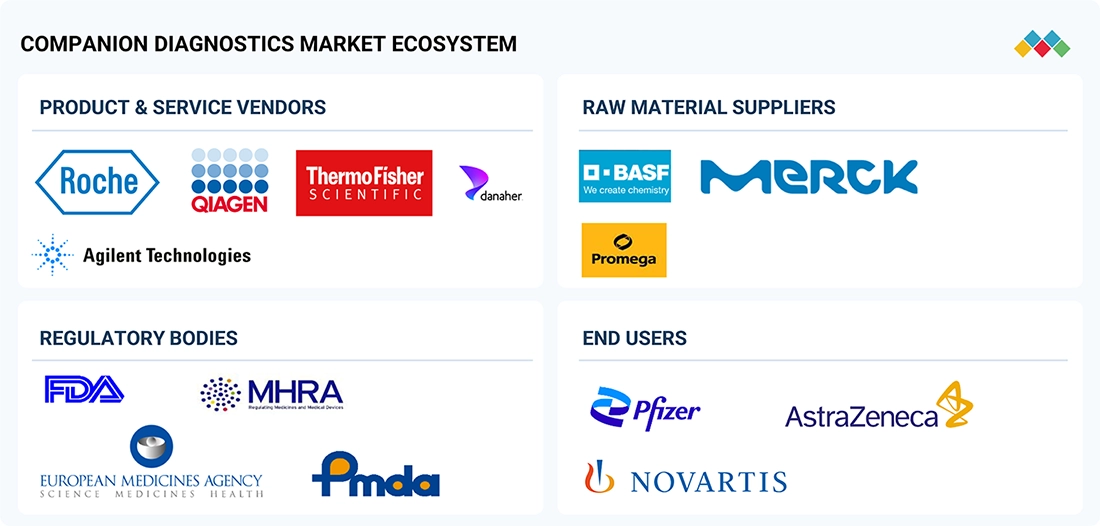
The companion diagnostics market is evolving as precision medicine and targeted therapies become increasingly important across oncology and other therapeutic areas. Companion diagnostics help identify patients who are more likely to benefit from specific medicines by detecting relevant biomarkers. Advances in next-generation sequencing (NGS), polymerase chain reaction (PCR), immunohistochemistry (IHC), in situ hybridization (ISH), and liquid biopsy are expanding testing options. Pharmaceutical developers, diagnostic manufacturers, and specialized laboratories are collaborating to support drug development and clinical implementation. Regulatory validation, analytical performance, turnaround time, and access to testing remain important competitive considerations as treatment decisions become more biomarker-driven.
1. F. Hoffmann-La Roche Ltd.
F. Hoffmann-La Roche Ltd. is a major participant in companion diagnostics through its pharmaceutical and diagnostics businesses. Roche develops diagnostic assays and platforms that help identify biomarkers relevant to targeted cancer therapies and other treatment decisions. Its capabilities span tissue-based testing, immunohistochemistry, molecular diagnostics, and sequencing-related technologies through its diagnostics portfolio. Roche's combination of drug development and diagnostic expertise supports the development of coordinated treatment-testing strategies. This integrated approach is particularly relevant in oncology, where identifying appropriate biomarkers can guide therapy selection and help advance personalized medicine.
2. Agilent Technologies, Inc.
Agilent Technologies, Inc. supplies diagnostic technologies and laboratory solutions relevant to companion diagnostics, including immunohistochemistry reagents, instruments, and molecular pathology tools. Its Dako portfolio has a strong presence in tissue-based cancer diagnostics, including assays used to assess biomarkers that can inform treatment decisions. Agilent's capabilities support pathology laboratories and diagnostic developers working to establish reliable biomarker testing workflows. Its role in the market is particularly relevant to immunohistochemistry-based testing, where consistent staining performance and validated assay procedures are important for identifying patients who may qualify for targeted therapies.
3. QIAGEN
QIAGEN provides sample preparation, molecular testing, and bioinformatics solutions used in biomarker analysis and companion diagnostic development. Its portfolio includes PCR-based assays and technologies for nucleic acid extraction and analysis, supporting clinical laboratories and pharmaceutical partners. QIAGEN has participated in developing and supplying companion diagnostic tests associated with targeted treatments, particularly in oncology. Its expertise in molecular workflows helps connect biological samples with actionable biomarker results. The company's combination of sample preparation, assay development, and diagnostic platforms makes it relevant to laboratories seeking reproducible testing for precision medicine applications.
4. Thermo Fisher Scientific Inc.
Thermo Fisher Scientific Inc. supports companion diagnostics through molecular diagnostic technologies, sequencing platforms, reagents, and clinical research services. Its technologies can be used to identify genetic alterations and other biomarkers associated with treatment response. The company also provides tools and services that support assay development and clinical research for pharmaceutical and biotechnology organizations. Its broad laboratory infrastructure and molecular testing capabilities are relevant to the development and implementation of biomarker-guided therapies. Specific companion diagnostic applications depend on the assay, platform, and applicable regulatory authorization in each market.
5. Abbott
Abbott develops diagnostic instruments, assays, and laboratory testing systems used across clinical care. Its molecular and immunodiagnostic capabilities are relevant to biomarker testing, although its direct participation in companion diagnostics varies by product and indication. The company's established diagnostic infrastructure supports laboratories conducting tests that inform disease management and treatment decisions. In the companion diagnostics landscape, Abbott's role should be assessed at the individual assay level, particularly where a test is specifically validated or authorized to guide the use of a corresponding therapy. Its wider diagnostics presence provides a foundation for clinical testing workflows.
6. Danaher
Danaher is a global science and technology group with life sciences and diagnostics businesses that contribute to biomarker analysis and clinical laboratory testing. Its operating companies offer technologies spanning molecular diagnostics, pathology, laboratory automation, and related analytical workflows. These capabilities can support the development, validation, and implementation of companion diagnostic assays. Danaher's role is best understood through its relevant operating businesses and specific products rather than as a single companion diagnostic test provider. Its broad diagnostic technology portfolio positions the group within the wider ecosystem supporting precision medicine and biomarker-driven treatment decisions.
7. Illumina, Inc.
Illumina, Inc. develops next-generation sequencing systems, consumables, and informatics solutions used to analyze genetic variation and other genomic features. These technologies can support companion diagnostic development by identifying biomarkers associated with treatment eligibility, response, or resistance. Illumina's sequencing platforms are used by research laboratories, clinical testing organizations, and diagnostic developers working in precision oncology and other genomic applications. The company's role may involve enabling technologies or specific diagnostic offerings, depending on the test and regulatory status. Its sequencing expertise is relevant as multiplex genomic profiling becomes increasingly important in targeted treatment strategies.
8. bioMérieux
bioMérieux develops in vitro diagnostic systems for infectious diseases and other clinical applications. Its portfolio includes molecular and immunoassay technologies used to detect pathogens and clinically relevant biomarkers. Although the company's core focus is broader clinical diagnostics rather than exclusively companion diagnostics, its technologies may be relevant where treatment selection depends on a specific infectious or biological marker. Its established diagnostic platforms and laboratory presence support clinical decision-making. Direct companion diagnostic relevance should be verified for each assay, including whether the test is specifically linked to a therapy and authorized for that intended use.
9. Myriad Genetics, Inc.
Myriad Genetics, Inc. specializes in molecular diagnostic testing and genetic insights that support clinical decision-making, particularly in oncology and hereditary disease. Its testing capabilities include analysis of genetic alterations that may inform treatment strategies and patient management. Myriad has experience in precision medicine and biomarker testing, making it relevant to the companion diagnostics ecosystem. The distinction between a clinical diagnostic test and a formally designated companion diagnostic depends on the specific assay and regulatory status. Myriad's molecular testing expertise supports the broader shift toward individualized treatment based on a patient's genetic and molecular profile.
10. Sysmex Corporation
Sysmex Corporation develops diagnostic instruments, reagents, and laboratory testing solutions, with established capabilities in hematology and other clinical diagnostic areas. Its molecular and specialized diagnostic activities may contribute to biomarker testing and precision medicine workflows, depending on the application. However, not every Sysmex product is a companion diagnostic, and direct participation should be assessed by assay and therapeutic indication. The company's laboratory technology expertise and global diagnostic presence make it relevant to the wider clinical testing environment in which companion diagnostics are used. Specific therapy-linked tests should be verified before attributing a direct market role.
11. Quest Diagnostics
Quest Diagnostics operates a large clinical laboratory network offering diagnostic testing services to healthcare providers, patients, and organizations. Its testing portfolio includes molecular and genetic analyses that can help inform diagnosis, prognosis, and treatment decisions. In the companion diagnostics ecosystem, Quest can contribute through laboratory-based testing and access to specialized diagnostic services, although a test's formal companion diagnostic status depends on its intended use and authorization. Its laboratory infrastructure and experience processing clinical specimens are relevant to expanding biomarker testing access and supporting personalized treatment decisions across healthcare settings.
12. Guardant Health
Guardant Health specializes in blood-based cancer testing and genomic profiling, including liquid biopsy technologies that analyze circulating tumor DNA. Its tests are designed to help identify genomic alterations that may inform treatment decisions for patients with cancer. Liquid biopsy can be especially useful when tissue samples are limited or when repeat sampling is needed to assess tumor characteristics. Guardant Health's oncology focus and genomic testing capabilities make it a significant participant in precision medicine. The companion diagnostic role of any individual test depends on the relevant therapy, indication, and regulatory authorization.
13. ICON plc
ICON plc is a clinical research organization that provides outsourced development and clinical trial services to pharmaceutical, biotechnology, and medical device companies. Its work can support companion diagnostic programs through clinical study design, trial execution, biomarker strategy, and coordination of diagnostic testing within drug development. These services are important when a therapy's clinical development depends on identifying patients with specific biomarkers. ICON is primarily a research services provider rather than a manufacturer of diagnostic assays. Its relevance lies in helping sponsors generate clinical evidence and coordinate the testing processes needed for precision medicine trials.
14. Tempus AI, Inc.
Tempus AI, Inc. applies data analytics and artificial intelligence to precision medicine, with capabilities in molecular profiling, clinical data, and oncology testing. Its genomic testing and data infrastructure can help identify biomarkers that inform treatment decisions and support research into therapy response. Tempus works within an ecosystem connecting diagnostic results, clinical information, and therapeutic development. Its role in companion diagnostics depends on the specific test, intended use, and regulatory status, as not all genomic profiling services are formally designated companion diagnostics. Its combination of testing and data analytics is relevant to biomarker-driven care.
15. Caris Life Sciences, Inc.
Caris Life Sciences, Inc. provides molecular profiling and precision medicine services, particularly for oncology. Its testing approaches analyze tumor biology using genomic and other molecular information to help clinicians understand disease characteristics and evaluate potential treatment options. These capabilities are relevant to companion diagnostics because biomarker data can guide the selection of targeted therapies and support clinical research. Caris also contributes to oncology research through its molecular data resources. Its broad profiling services should be distinguished from individual companion diagnostic assays that have been specifically linked to a therapy and authorized for a defined use.
16. The Almac Group
The Almac Group provides services spanning pharmaceutical development, clinical trial supply, diagnostics, and biomarker-related activities. Its diagnostics capabilities can support pharmaceutical companies developing targeted therapies that require patient selection based on molecular markers. Such support may include assay development, biomarker testing, and laboratory services connected to clinical trials. Almac's relevance is particularly associated with enabling diagnostic strategies during drug development rather than solely marketing standalone diagnostic instruments. Its combination of pharmaceutical services and diagnostic expertise can help sponsors coordinate testing requirements and generate evidence for biomarker-guided treatment programs.
17. Amoy Diagnostics Co., Ltd.
Amoy Diagnostics Co., Ltd. develops molecular diagnostic products, including PCR-based tests used to detect genetic alterations associated with cancer. Its portfolio supports biomarker analysis for precision oncology and includes assays intended to help identify patients who may benefit from targeted treatments. The company's expertise in molecular testing and oncology biomarkers makes it directly relevant to the companion diagnostics landscape. Its assays can support treatment-selection workflows where the test's intended use aligns with the relevant therapy and applicable regulatory requirements. Amoy's focus on cancer molecular diagnostics positions it within the growing market for personalized treatment strategies.
18. ARUP Laboratories
ARUP Laboratories is a national reference laboratory offering specialized diagnostic testing and laboratory services. Its capabilities include molecular pathology, genetic testing, and other analyses that may help clinicians characterize disease and guide treatment. ARUP can contribute to the companion diagnostics ecosystem by providing specialized testing services and supporting clinical implementation of biomarker assays. However, a laboratory test that informs treatment is not automatically a formally approved companion diagnostic. ARUP's relevance should be evaluated at the individual test level, considering the assay's intended use, validation, and any applicable therapy-specific authorization.
19. Abnova Corporation
Abnova Corporation develops and supplies research tools, antibodies, proteins, and related biological reagents used in life sciences research and assay development. These products can support biomarker discovery, assay optimization, and the development of diagnostic methods. Its contribution to companion diagnostics is therefore primarily enabling and may be indirect, depending on how its reagents are used in a particular test. Research-use products should not be confused with clinically validated or authorized companion diagnostic assays. Abnova's relevance lies in supplying biological tools that can support the research and development activities underlying biomarker-based diagnostics.
20. Inivata, Inc.
Inivata, Inc. has been associated with liquid biopsy technologies for cancer, including circulating tumor DNA analysis. Such technologies can help detect genomic alterations from blood samples and support research into treatment selection and disease monitoring. Inivata became part of NeoGenomics, Inc., so its current corporate status and product availability should be considered in the context of that ownership. Its historical technology focus remains relevant to the evolution of blood-based molecular testing. Any claim of direct companion diagnostic participation should be tied to a specific assay, therapeutic indication, and applicable regulatory authorization.
21. Q² Solutions
Q² Solutions is a global clinical trial laboratory services provider supporting pharmaceutical and biotechnology development programs. Its services include central laboratory testing and specialized capabilities that can support biomarker analysis and clinical trials involving targeted therapies. Companion diagnostic development often requires coordination between drug sponsors, assay developers, and laboratories to ensure samples are collected, processed, and tested consistently. Q² Solutions contributes through these clinical research and laboratory services rather than as a primary manufacturer of companion diagnostic platforms. Its role is relevant to generating evidence and implementing biomarker testing within drug development programs.
22. Creative Biolabs
Creative Biolabs provides research and development services and biological products for pharmaceutical, biotechnology, and life sciences organizations. Depending on the project, its capabilities may support biomarker research, assay development, and preclinical work related to diagnostic development. Its role in companion diagnostics is primarily service-oriented and should be distinguished from companies offering clinically authorized tests for treatment selection. Pharmaceutical sponsors evaluating providers should confirm the specific diagnostic development services, validation scope, and regulatory support available for their program. Creative Biolabs is most relevant where its documented capabilities align with early-stage research or assay development needs.
23. Pillar Biosciences
Pillar Biosciences develops next-generation sequencing-based molecular diagnostic technologies, with a focus on oncology testing. Its assay technologies are designed to identify clinically relevant genomic alterations from patient samples, supporting precision medicine and biomarker analysis. NGS-based assays can evaluate multiple genomic targets in a single workflow, helping laboratories assess molecular features relevant to treatment decisions. Pillar's role in companion diagnostics depends on the specific assay and its regulatory status for a particular therapy. Its focus on targeted sequencing makes it relevant to the continued development of multiplexed molecular testing for cancer care.
24. EntroGen, Inc.
EntroGen, Inc. develops molecular diagnostic assays, including PCR-based tests used to detect genetic mutations and other biomarkers associated with disease. Its oncology-focused testing technologies can support the identification of molecular alterations relevant to targeted treatment decisions. The company's assay development expertise is relevant to laboratories seeking molecular methods for biomarker analysis. Whether an individual EntroGen test qualifies as a companion diagnostic depends on its intended use, evidence, and applicable regulatory authorization. Its role in the market is associated with molecular assay development and the wider adoption of biomarker-informed oncology care.
25. Biocartis
Biocartis develops molecular diagnostic solutions, including its Idylla platform, designed to deliver molecular test results through an automated workflow. The platform has been used for oncology applications, including mutation testing that can support treatment-related decisions. Automated molecular testing can help laboratories simplify workflows and reduce the operational complexity associated with some biomarker assays. Biocartis is relevant to the companion diagnostics landscape where its tests are intended and authorized for therapy-linked use. Its technology focus reflects broader demand for accessible, efficient molecular testing in precision oncology and clinical laboratories.
80% of the Forbes Global 2000 B2B companies rely on MarketsandMarkets to identify growth opportunities in emerging technologies and use cases that will have a positive revenue impact.
- Food Packaging Market Size Set for Strong Growth Through 2030 Amid Rising Demand for Convenience Foods
- Crop Protection Chemical Market Size, Share & Growth Forecast (2025–2030)
- Mulch Films Market: Driving Sustainable Agriculture Through Innovation
- Agricultural Adjuvants Market Analysis, Trends, and Growth Outlook (2026–2031)
- Japan Enterprise Asset Management Market Growth: AI and Smart Infrastructure Drive Demand

Conclusion: Unlock the Full Companion Diagnostics Market Intelligence
The companion diagnostics market is advancing as precision medicine, targeted therapies, and biomarker-guided treatment become increasingly central to clinical development and patient care. Innovations in next-generation sequencing, PCR, immunohistochemistry, and liquid biopsy are expanding the ways clinicians and researchers identify relevant biomarkers. Competition includes diagnostic manufacturers, genomic testing companies, specialized laboratories, and clinical research service providers, each contributing at different stages of assay development and clinical adoption. Regulatory authorization, analytical and clinical validation, reimbursement, and access to testing remain important considerations. To explore market segmentation, competitive developments, technologies, and global forecasts in greater detail, access the full report: Companion Diagnostics Market by Product (Assays, Kits, & Reagents, Instruments, Software), Technology (PCR, NGS, ISH, IHC), Indication (Breast, Lung, Colorectal Cancer, CVD, Infectious), Drug Class (MAB, Cell & Gene Therapy) - Global Forecast to 2031.