29 Leading Patient Monitoring Devices Companies Shaping Innovation and Market Growth to 2031
Discover the top 29 companies driving innovation in the patient monitoring devices market. This in-depth analysis explores competitive advantages, transformative technologies, and key players shaping critical care, chronic disease management, wearable monitoring, and remote patient care through 2031. Access the comprehensive market research report for further insights.
Spotlights on the Industry's Top Patient Monitoring Devices Companies
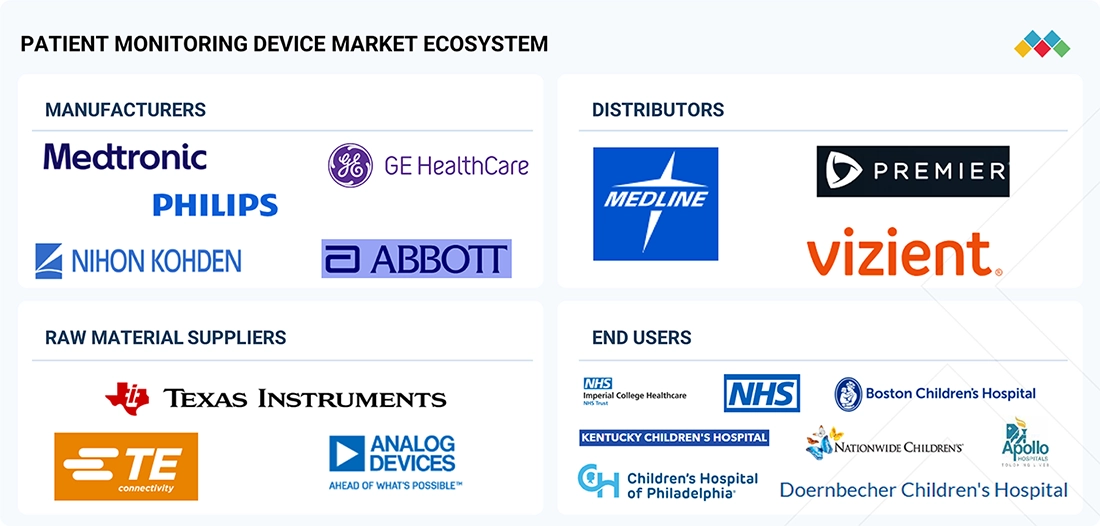
The patient monitoring devices market is evolving as healthcare providers adopt connected technologies for continuous observation, early intervention, and personalized care. Innovations in multiparameter monitors, continuous glucose monitoring (CGM), wearable sensors, electrocardiography (ECG), pulse oximetry, and remote monitoring platforms are expanding clinical applications across hospitals, intensive care units, ambulatory facilities, and home healthcare. Artificial intelligence, wireless connectivity, cloud-based data management, and integration with electronic health records are supporting more efficient clinical workflows. Competition includes established medical device manufacturers, specialized diagnostic companies, and digital health innovators. Accuracy, interoperability, cybersecurity, regulatory compliance, and affordability remain important considerations for market participants.
1. Medtronic
Medtronic is a global medical technology company offering patient monitoring solutions across critical care, respiratory monitoring, cardiac care, and diabetes management. Its portfolio includes Nellcor pulse oximetry, Microstream capnography, and continuous glucose monitoring technologies associated with its diabetes business. These solutions help clinicians monitor oxygen saturation, exhaled carbon dioxide, and glucose trends in relevant clinical settings. Medtronic's experience in medical devices and connected care supports its position in hospital and chronic disease monitoring, where reliable measurements and integration with clinical workflows are essential.
2. Abbott Laboratories
Abbott Laboratories develops diagnostic and medical technologies, including FreeStyle Libre continuous glucose monitoring systems. These devices enable people with diabetes and healthcare professionals to track glucose levels and trends using sensor-based measurements. Abbott also operates across cardiovascular care and other diagnostic categories, supporting a broad clinical monitoring ecosystem. Its CGM technologies are relevant to long-term disease management by providing information that can help guide treatment decisions. Abbott's global reach, established healthcare relationships, and ongoing development of sensor-based solutions contribute to its role in the patient monitoring devices market.
3. Dexcom, Inc.
Dexcom, Inc. specializes in continuous glucose monitoring systems designed for people with diabetes. Its sensor-based technologies provide glucose readings and trend information, helping users and healthcare professionals make informed diabetes management decisions. Dexcom systems can deliver readings to compatible receivers and smart devices, depending on the product and market. The company focuses on improving the usability, connectivity, and accessibility of glucose monitoring. Its dedicated CGM portfolio and experience in diabetes technology make it a significant participant in the patient monitoring devices market, particularly as care shifts toward continuous rather than intermittent measurement.
4. GE HealthCare
GE HealthCare develops medical imaging, patient monitoring, and clinical information technologies for hospitals and other healthcare facilities. Its patient monitoring portfolio includes CARESCAPE and other monitoring solutions designed to track vital signs and support clinical decision-making across critical care, operating rooms, and general care settings. The company also offers connected monitoring capabilities that help clinicians access patient information across clinical environments. GE HealthCare's established hospital relationships, monitoring technologies, and integration capabilities support its role in modernizing clinical workflows and improving visibility into patient status.
5. Philips Healthcare
Philips Healthcare provides patient monitoring systems for intensive care, operating rooms, emergency departments, and general hospital wards. Its IntelliVue portfolio includes bedside and transport monitors designed to display physiological parameters and support clinical assessment. Philips also offers centralized monitoring and connected care technologies that help healthcare teams review patient information across multiple locations. Its capabilities in clinical informatics and medical devices support integrated monitoring workflows. As hospitals prioritize interoperability and early recognition of patient deterioration, Philips remains relevant through its combination of monitoring hardware, clinical software, and connected healthcare solutions.
6. Nihon Kohden Corporation
Nihon Kohden Corporation is a Japanese medical technology company specializing in physiological monitoring, electroencephalography, electrocardiography, and related diagnostic equipment. Its patient monitoring systems support observation of vital signs in hospitals, intensive care units, and other clinical settings. The company also provides neurological monitoring technologies used to assess brain activity. Its breadth across bedside monitoring and diagnostic measurement enables healthcare professionals to evaluate multiple aspects of patient condition. Nihon Kohden's specialized engineering, clinical monitoring experience, and international presence make it an established supplier to hospitals and healthcare institutions.
7. Mindray Medical International Ltd.
Mindray Medical International Ltd. develops medical devices and healthcare solutions, including patient monitoring systems, anesthesia equipment, and life support technologies. Its monitoring portfolio includes bedside monitors and central monitoring systems designed to track physiological parameters across intensive care, emergency, surgical, and general ward environments. The company serves healthcare facilities with different operational and budget requirements, offering products across multiple monitoring configurations. Mindray's combination of monitoring, diagnostic, and life support equipment supports integrated hospital deployments, while its international distribution and manufacturing capabilities strengthen its position in the global patient monitoring devices market.
8. BD
BD, formally Becton, Dickinson and Company, is a medical technology company with expertise in medication delivery, diagnostic systems, and connected care solutions. Its relevance to patient monitoring includes technologies and systems associated with infusion management, clinical workflow, and patient safety. However, BD's portfolio should not be equated with the full range of physiological monitoring devices offered by specialist monitor manufacturers. Its contribution is more closely related to the broader clinical environment in which patient data, medication administration, and care processes must be coordinated. Specific monitoring products should be verified against BD's current portfolio.
9. Getinge AB
Getinge AB develops medical technology for intensive care, operating rooms, cardiovascular procedures, and life sciences applications. Its portfolio includes equipment supporting critical care and surgical environments, where physiological monitoring is an essential part of safe treatment. Getinge's relevance to patient monitoring is primarily associated with integrated clinical environments and equipment used alongside dedicated monitoring systems, rather than a broad standalone portfolio of multiparameter monitors. Its technologies support hospitals managing complex procedures and critically ill patients. Specific monitoring capabilities should be distinguished from its core offerings in ventilation, anesthesia, and other critical care equipment.
10. Baxter International (Hill-Rom Holdings, Inc.)
Baxter International has a broad healthcare technology portfolio that includes products associated with hospital care, infusion, and patient support. Its Hillrom business historically supplied vital signs monitors, hospital connectivity systems, and other clinical technologies used in patient assessment and care delivery. These capabilities support monitoring workflows in hospitals and other healthcare facilities. Corporate ownership and product portfolios can change, so current availability and branding should be checked against Baxter's latest disclosures. Its relevance to this market includes vital signs measurement and connected hospital care, alongside its broader medical technology operations.
11. Drägerwerk AG & Co. KGaA
Drägerwerk AG & Co. KGaA develops medical and safety technologies, including patient monitoring, anesthesia workstations, and ventilation systems. Its hospital monitoring solutions support observation of physiological parameters in operating rooms, intensive care units, and other clinical environments. Integration with anesthesia and respiratory equipment can help clinicians access relevant patient information during treatment. Dräger's engineering expertise in acute care and its focus on medical device safety support its role in critical care monitoring. Its portfolio is particularly relevant to facilities seeking coordinated technologies for anesthesia, ventilation, and continuous patient observation.
12. Boston Scientific Corporation
Boston Scientific Corporation develops medical devices for cardiovascular, electrophysiology, endoscopy, and other interventional specialties. Its relevance to patient monitoring is particularly strong in cardiac rhythm management, where implanted devices and associated technologies can help detect and manage abnormal heart rhythms. The company's cardiac devices provide information used in clinical follow-up and patient management, although they differ from general-purpose bedside monitoring systems. Boston Scientific's expertise in electrophysiology and implantable technologies supports specialized monitoring needs for patients with cardiac conditions. Its role should be understood within the broader cardiovascular monitoring segment.
13. Masimo Corporation
Masimo Corporation specializes in noninvasive patient monitoring technologies, including pulse oximetry and related measurements of physiological parameters. Its SET pulse oximetry technology is designed to measure oxygen saturation and pulse rate, while its broader portfolio includes additional monitoring capabilities used in hospitals and other care environments. Masimo's technologies support clinical assessment during anesthesia, critical care, and patient recovery. The company focuses on measurement performance and monitoring usability in challenging clinical conditions. Its dedicated expertise in noninvasive monitoring makes it a prominent participant in the patient monitoring devices market.
14. Omron Corporation
Omron Corporation develops healthcare products for home and professional use, with a strong presence in blood pressure monitoring. Its portfolio includes digital blood pressure monitors and connected devices that help users track cardiovascular health outside conventional clinical settings. Regular home measurement can provide clinicians and patients with information useful for managing hypertension and assessing treatment progress. Omron's consumer healthcare expertise, product range, and distribution network support access to routine monitoring technologies. Its role in the patient monitoring devices market is particularly relevant to home-based care and the long-term management of chronic cardiovascular conditions.
15. ArchiMed SAS (Natus Medical)
Natus Medical, associated with investment firm ArchiMed SAS, has a long-standing focus on medical technologies for neurological, newborn, hearing, and balance-related assessment. Its product categories include EEG systems and other technologies used to measure physiological signals, particularly in neurological and neonatal care. These tools support clinical assessment in hospitals, specialty clinics, and diagnostic environments. Natus Medical's relevance to patient monitoring is strongest in specialized applications rather than general multiparameter monitoring. Because ownership and corporate structures can change, its current operating status and product portfolio should be confirmed before publication.
16. Compumedics Limited
Compumedics Limited develops diagnostic technologies for sleep disorders, neurological conditions, and related clinical applications. Its portfolio includes polysomnography systems, EEG technologies, and sleep diagnostic equipment used to record physiological signals during clinical investigations. These systems help clinicians assess sleep-related breathing disorders, neurological activity, and other parameters relevant to diagnosis and treatment. Compumedics' specialization in neurodiagnostics and sleep monitoring distinguishes it from manufacturers of general bedside monitors. Its technologies are relevant to the patient monitoring market where continuous physiological recording and specialized interpretation are required.
17. Nonin Medical, Inc.
Nonin Medical, Inc. specializes in noninvasive monitoring technologies, particularly pulse oximeters used to measure oxygen saturation and pulse rate. Its products include fingertip, handheld, tabletop, and other monitoring formats for clinical and homecare applications. These devices support assessment of oxygenation in hospitals, outpatient facilities, and selected remote care settings. Nonin's focus on optical sensing and portable monitoring makes it relevant to healthcare providers seeking practical oxygen saturation measurement solutions. Product selection depends on the intended population, clinical environment, and applicable regulatory indications.
18. BIOTRONIK
BIOTRONIK develops cardiovascular medical devices, including pacemakers, implantable cardioverter-defibrillators, and cardiac monitoring technologies. Its implantable devices can detect cardiac rhythm abnormalities and support remote follow-up, helping clinicians manage patients with arrhythmias and other heart conditions. These solutions differ from conventional bedside monitors because they are designed for long-term cardiac management, often outside the hospital. BIOTRONIK's expertise in electrophysiology and implantable electronics makes it relevant to specialized patient monitoring. Its technologies contribute to the growing role of connected devices in continuous cardiovascular care.
19. SCHILLER AG
SCHILLER AG develops medical diagnostic and monitoring equipment, including ECG systems, patient monitors, defibrillators, and pulmonary function testing technologies. Its products support cardiac assessment, vital signs monitoring, and emergency care across hospitals, clinics, and other healthcare environments. ECG and multiparameter monitoring solutions help clinicians evaluate physiological signals and identify changes that may require intervention. SCHILLER's focus on cardiopulmonary diagnostics and monitoring provides relevance across both acute and routine care settings. Its portfolio addresses facilities seeking dedicated measurement technologies for cardiac evaluation and patient observation.
20. Senseonics
Senseonics develops implantable continuous glucose monitoring technology through its Eversense system. The system uses a sensor placed under the skin to measure glucose levels over an extended period, with compatible external components and mobile applications providing readings and alerts. Its approach differs from many conventional CGM products by using an implantable sensor designed for long-term use. Senseonics' technology is relevant to diabetes management, where continuous glucose information can support treatment decisions and reduce reliance on intermittent finger-stick testing. Availability, approved duration, and indications vary by product and market.
21. Cardiomo
Cardiomo has been associated with wearable remote patient monitoring technology designed to collect physiological information and support the observation of cardiovascular health. Wearable monitoring platforms can help capture trends outside clinical facilities and transmit relevant information to healthcare professionals or monitoring services, depending on system design. The company's current product availability, regulatory status, and operating activities should be verified before assigning specific clinical capabilities. Its relevance to the market is associated with the broader development of connected and wearable monitoring solutions, particularly for patients who may benefit from monitoring between healthcare visits.
22. VITLS
VITLS is associated with wearable and remote patient monitoring solutions intended to support continuous observation beyond traditional hospital settings. Such technologies can help collect physiological measurements and make patient information available to clinicians or care teams, depending on the device and service configuration. The exact parameters measured, clinical applications, and regulatory clearances should be verified against current product documentation. VITLS represents the wider movement toward connected monitoring and decentralized care, where healthcare organizations seek timely information to support follow-up, escalation, and chronic disease management without requiring every assessment to take place in person.
23. Neteera
Neteera develops contactless sensing technologies for monitoring physiological parameters, with applications associated with healthcare and patient observation. Contactless systems can potentially measure selected vital signs without requiring a patient to wear a conventional sensor, supporting monitoring in settings where comfort and minimal disruption are important. The clinical suitability of these technologies depends on measurement performance, intended use, and regulatory authorization. Neteera's approach reflects innovation beyond traditional electrode- and wearable-based devices. Its role in the patient monitoring market should be described according to the specific products and clinical applications currently supported by the company.
24. Qardio
Qardio develops connected health devices and digital tools for monitoring cardiovascular health, including blood pressure measurement and related wellness applications. Its connected products have been designed to help users record measurements and share health information through compatible digital platforms. Such solutions can support home monitoring and provide additional context for discussions between patients and healthcare professionals. Qardio's relevance lies in consumer-oriented and remote cardiovascular monitoring rather than the full range of hospital-based patient monitors. Current product availability, ownership, and support arrangements should be confirmed before publication.
25. Vivify Health
Vivify Health provides digital health and remote patient monitoring solutions that enable healthcare organizations to engage patients outside traditional care settings. Its platform-based approach has supported remote care programs through patient-facing tools, connected devices, and clinical workflows. Remote monitoring programs can help care teams collect health information after discharge or during chronic disease management, with the exact measurements depending on the devices and program configuration. Vivify's role is primarily in connected care services and software rather than manufacturing every monitoring device used in a program. Current ownership and product status should be verified.
26. iRhythm Technologies, Inc.
iRhythm Technologies, Inc. specializes in ambulatory cardiac monitoring through wearable ECG technologies and associated analysis services. Its Zio systems are designed to record cardiac activity over extended periods, helping clinicians evaluate irregular heart rhythms that may not be captured during a short office ECG. The company's approach combines wearable monitoring with data analysis to support diagnostic interpretation. iRhythm's focus on ambulatory cardiac monitoring makes it relevant to arrhythmia detection and outpatient cardiac care. Its technology illustrates the shift toward longer-duration, patient-friendly monitoring outside traditional hospital environments.
27. OSYPKA Medical
OSYPKA Medical develops specialized medical technologies, particularly in electrophysiology, cardiac pacing, and cardiovascular procedures. Its products support clinical interventions and cardiac care where electrical activity and rhythm management are important. The company's relevance to patient monitoring is specialized rather than broad, and individual products should be distinguished from general-purpose vital signs monitors. OSYPKA's expertise in cardiac technologies places it within the wider ecosystem of devices used to assess and manage cardiovascular conditions. Current product offerings should be checked to determine which are directly associated with monitoring rather than treatment or procedural support.
28. Cardinal Health
Cardinal Health is a healthcare services and products company supplying medical products, pharmaceuticals, and distribution services to healthcare providers. Its relevance to patient monitoring is primarily associated with medical product supply and the broader clinical care environment rather than being a leading manufacturer of advanced monitoring systems. Through its healthcare distribution and product activities, Cardinal Health supports hospitals and care providers that use monitoring equipment and related supplies. Any direct monitoring device portfolio should be verified against current company offerings. Its market role is best distinguished from specialist manufacturers of physiological sensors and monitoring platforms.
29. Merit Medical Systems
Merit Medical Systems develops medical devices and accessories used in interventional, diagnostic, and therapeutic procedures. Its portfolio is focused largely on products supporting cardiovascular and other image-guided interventions rather than general patient monitoring systems. The company is relevant to the wider clinical environment where patient status is assessed during procedures, but its direct role in monitoring devices should be tied to specific products rather than assumed from its broader medical technology presence. Merit Medical's procedural expertise and healthcare customer base position it within the surrounding ecosystem of technologies used in patient diagnosis and treatment.
80% of the Forbes Global 2000 B2B companies rely on MarketsandMarkets to identify growth opportunities in emerging technologies and use cases that will have a positive revenue impact.
- Food Packaging Market Size Set for Strong Growth Through 2030 Amid Rising Demand for Convenience Foods
- Crop Protection Chemical Market Size, Share & Growth Forecast (2025–2030)
- Mulch Films Market: Driving Sustainable Agriculture Through Innovation
- Agricultural Adjuvants Market Analysis, Trends, and Growth Outlook (2026–2031)
- Japan Enterprise Asset Management Market Growth: AI and Smart Infrastructure Drive Demand

Conclusion: Unlock the Full Patient Monitoring Devices Market Intelligence
The patient monitoring devices market is evolving as healthcare providers increasingly adopt connected, wearable, and continuous monitoring technologies across hospitals, outpatient facilities, and homecare settings. Innovations in multiparameter monitoring, continuous glucose monitoring, cardiac diagnostics, pulse oximetry, and remote patient monitoring are expanding opportunities for both established medical technology manufacturers and specialized digital health companies. At the same time, measurement accuracy, interoperability, cybersecurity, regulatory compliance, affordability, and integration with clinical workflows remain central to adoption. Understanding the distinct roles of device manufacturers, sensor specialists, diagnostic companies, and remote care platform providers is essential for evaluating the competitive landscape. For detailed market segmentation, company profiles, regional analysis, and global forecasts, access the full report: Patient Monitoring Devices Market by Product (Multiparameter, Glucose CGM, Wearables, EEG, EMG, ECG, ILR, MCT, Pulse Oximeter, Fetal, Neonatal, BP, Hemodynamic, Spirometer, Capnograph), End User (Hospital, ICU, ASC), & Region - Global Forecast to 2031.