25 Leading Vascular Access Device Companies Shaping Innovation and Market Growth to 2031
Discover the top 25 companies driving innovation in the vascular access device market. This in-depth analysis explores competitive strengths, emerging catheter technologies, and key players shaping intravenous therapy, chemotherapy delivery, fluid administration, and diagnostic procedures through 2031. Access the comprehensive market research report here for further insights.
Spotlights on the Industry's Top Vascular Access Device Companies
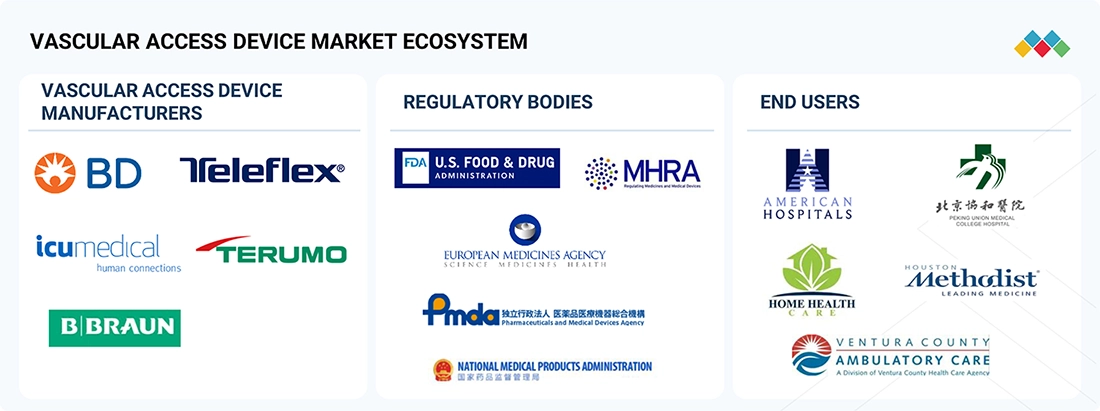
The vascular access device market is evolving through advances in catheter materials, insertion technologies, infection prevention, and patient safety. Growing demand for intravenous medications, cancer treatments, blood sampling, and long-term infusion therapies is encouraging manufacturers to develop devices that improve access reliability and reduce complications. Peripheral intravenous catheters (PIVCs), midline catheters, central venous catheters, arterial catheters, and intraosseous access systems serve different clinical needs across hospitals and other healthcare settings. Competition is increasingly influenced by product safety, ease of insertion, biocompatibility, infection-control features, regulatory compliance, and global distribution capabilities. According to the supplied market estimates, the global vascular access device market is projected to grow from USD 6.29 billion in 2026 to USD 8.70 billion by 2031, at a CAGR of 6.7%. This environment creates opportunities for established medical technology companies and specialized catheter manufacturers to expand their portfolios and address evolving clinical requirements.
1. Becton, Dickinson and Company
Becton, Dickinson and Company (BD) is a major medical technology company with an established portfolio of vascular access and infusion products. Its offerings include peripheral intravenous catheters, central venous access devices, and catheter-related safety solutions used in hospitals and other clinical settings. The company's capabilities in medical device engineering, medication delivery, and infection prevention support its relevance across vascular access applications. Its broad product portfolio and international commercial presence position BD as an important participant in efforts to improve vascular access safety and clinical workflow efficiency.
2. Teleflex Incorporated
Teleflex Incorporated develops medical technologies for critical care, anesthesia, emergency medicine, and vascular access. Its Arrow-branded portfolio includes central venous catheters, peripherally inserted central catheters, and other catheter-based products used to establish and maintain vascular access. These solutions support medication administration, fluid delivery, and hemodynamic monitoring in acute-care environments. Teleflex's focus on procedural reliability and clinician-oriented product design strengthens its relevance to hospitals seeking dependable vascular access solutions. Its broader critical-care expertise also connects vascular access products with the needs of complex and critically ill patients.
3. ICU Medical
ICU Medical specializes in infusion therapy and medical devices used for intravenous medication administration and patient care. Its portfolio includes IV therapy products and vascular access-related consumables that support the delivery of fluids, medications, and other prescribed treatments. The company's focus on infusion safety, clinical workflow, and device compatibility is relevant to healthcare providers managing frequent or prolonged intravenous therapies. Its presence in hospital infusion systems allows it to participate in the broader vascular access ecosystem, where catheter selection, connection safety, and reliable medication delivery are important considerations.
4. Nipro
Nipro is a global healthcare company with medical device operations spanning infusion therapy, dialysis, and other clinical applications. Its medical products portfolio includes vascular access-related devices and consumables used in patient treatment. The company's experience in manufacturing medical devices and supplying healthcare markets supports its participation in applications requiring reliable fluid delivery and access to the circulatory system. Nipro's relevance to the vascular access device market is linked to its product range, manufacturing capabilities, and distribution network. Specific catheter types and regional availability should be evaluated against its current product listings.
5. AngioDynamics, Inc.
AngioDynamics, Inc. develops medical devices used in vascular access, vascular intervention, oncology, and other minimally invasive procedures. Its BioFlo portfolio includes vascular access devices designed with technologies intended to address catheter-related complications, including issues associated with thrombosis. The company's catheter expertise and focus on clinically relevant device design support its position in specialized vascular access applications. Its product range is particularly relevant to healthcare providers requiring central venous access for infusion and treatment. AngioDynamics' role in the market is shaped by its emphasis on device performance, clinical applications, and specialized medical technology.
6. Vygon
Vygon specializes in single-use medical devices, with a substantial portfolio dedicated to vascular access for neonatal, pediatric, and adult patients. Its offerings include peripheral IV catheters, midline catheters, peripherally inserted central catheters (PICCs), central venous catheters, arterial catheters, and associated insertion and maintenance products. The company addresses short-, medium-, and long-term vascular access requirements across diverse clinical settings. Its focus on specialized patient populations and a broad range of access durations supports its relevance to hospitals seeking solutions tailored to different treatment pathways.
7. Terumo Corporation
Terumo Corporation is a global medical technology company active in cardiovascular care, hospital products, and blood management. Its medical device portfolio includes catheter-based technologies and products used in vascular procedures and clinical care. Terumo's engineering expertise, manufacturing capabilities, and international distribution network support its participation in the broader vascular access market. Its relevance includes access products used in procedural and diagnostic settings, although individual device categories vary by region. Continued attention to catheter performance, biocompatibility, and procedural efficiency is important as healthcare providers seek reliable access solutions for increasingly diverse clinical applications.
8. Medtronic plc
Medtronic plc is a diversified medical technology company with extensive experience in cardiovascular therapies, minimally invasive procedures, and catheter-based technologies. Its expertise in vascular intervention and medical device engineering is relevant to procedures requiring controlled access to blood vessels. However, its broader vascular and cardiovascular product portfolio should not be confused with direct participation in every segment of the vascular access device market, particularly routine peripheral IV and central venous access catheters. Its specific role should be assessed against the report's product definitions and current commercial offerings, including the distinction between vascular intervention devices and devices intended for medication or fluid administration.
9. Cook
Cook, commonly known as Cook Medical, develops medical devices for minimally invasive procedures across vascular, interventional, and other clinical specialties. Its vascular access portfolio includes access sets, needles, wire guides, dilators, introducers, and catheters used to establish access during diagnostic and therapeutic vascular procedures. These products support clinicians in navigating blood vessels and delivering interventional devices. Cook's specialized procedural portfolio and emphasis on access technologies make it relevant to the broader vascular access landscape, particularly in interventional settings. Its product range addresses multiple stages of vascular access and procedural preparation.
10. B. Braun SE
B. Braun SE develops medical devices and healthcare solutions spanning infusion therapy, surgical care, and vascular access. Its portfolio includes peripheral IV catheters, central venous catheters, access ports, port needles, and related products for short- and long-term venous access. The company also emphasizes patient and healthcare professional safety through product design and vascular access management solutions. Its experience in infusion therapy and hospital care supports its role in chemotherapy administration, fluid delivery, and other treatments requiring reliable venous access. B. Braun's broad international presence and specialized catheter portfolio contribute to its importance in this market.
11. Merit Medical Systems, Inc.
Merit Medical Systems, Inc. develops disposable medical devices used in diagnostic and interventional procedures, with a portfolio covering vascular access and catheter-based technologies. Its products include access needles, guidewires, introducers, and other devices that help clinicians establish access to blood vessels during minimally invasive procedures. These technologies are relevant to diagnostic imaging, vascular interventions, and procedures requiring precise catheter placement. Merit Medical's focus on procedural devices and clinician-oriented product development supports its position in the access technology segment. Its specific contribution to the broader market depends on the distinction between interventional access products and routine infusion catheters.
12. Amecath
Amecath is a medical device manufacturer associated with catheter-based products and vascular access solutions. Its relevance to the vascular access device market is linked to the availability of devices designed to establish and maintain access for clinical procedures and treatment delivery. Specialized catheter manufacturers such as Amecath can serve healthcare providers seeking alternatives across product configurations and clinical applications. Its market positioning should be assessed using current product documentation, including the types of catheters manufactured, intended indications, applicable regulatory clearances, and distribution territories. These details are essential for distinguishing its direct vascular access offerings from other medical consumables.
13. Medical Components, Inc.
Medical Components, Inc. (Medcomp) specializes in vascular access devices used in infusion therapy, dialysis, and other medical applications requiring reliable venous access. Its product range includes central venous catheters, PICCs, dialysis catheters, and implantable access ports. These devices support patients requiring short- or long-term access for treatment administration and blood-based therapies. The company's focus on catheter development and specialized vascular access products makes it relevant to hospitals, dialysis providers, and other clinical facilities. Its market role is supported by its concentration on access technologies designed for different patient needs and treatment durations.
14. Healthline Medical Products
Healthline Medical Products is included among the companies identified for the vascular access device market. Its specific role should be assessed through current product documentation to establish the extent of its direct involvement in manufacturing, supplying, or distributing vascular access devices. For market evaluation, relevant considerations include whether its portfolio includes peripheral IV catheters, central venous access products, insertion accessories, or other related consumables. Confirming its product range, regulatory status, and geographic coverage is important before attributing particular technical capabilities or competitive strengths to the company.
15. Access Vascular, Inc.
Access Vascular, Inc. focuses on vascular access technologies and is associated with catheter materials designed to address complications linked to conventional vascular access devices. The company developed hydrophilic biomaterial technology for vascular access applications, with an emphasis on reducing complications such as catheter-related thrombosis and improving device performance. Its specialization in material science and catheter design differentiates its approach from that of more diversified medical device manufacturers. Its relevance to the market centers on innovation in catheter composition and the clinical need for safer, more reliable vascular access, subject to the availability and regulatory status of specific products.
16. Argon Medical Devices
Argon Medical Devices develops medical devices for interventional radiology, vascular procedures, and other diagnostic and therapeutic applications. Its portfolio includes products used for vascular access and image-guided interventions, such as access needles and related procedural devices. These products support clinicians performing minimally invasive procedures that require accurate entry into blood vessels or other anatomical structures. Argon's specialization in interventional devices and its established clinical focus support its relevance to procedural access technologies. Its contribution to the vascular access device market should be evaluated separately from manufacturers focused primarily on routine intravenous infusion catheters.
17. Pakumed Medical Products GmbH
Pakumed Medical Products GmbH is included in the supplied list of vascular access device companies, but its current product portfolio and precise role within this market require further verification. Assessment should establish whether the company directly manufactures vascular access catheters, supplies associated medical devices, or operates as a distributor. Its relevant capabilities would need to be documented through official product catalogs, regulatory records, and company disclosures. Verifying these details will help establish whether Pakumed competes directly in central, peripheral, or other vascular access categories and avoid attributing unsupported technologies or market advantages to the company.
18. Guangdong Baihe Medical Technology Co., Ltd.
Guangdong Baihe Medical Technology Co., Ltd. is a China-based medical technology company identified in the supplied company list for this market. Its specific participation in vascular access devices should be confirmed through current company documentation and product-level evidence. Relevant areas for verification include catheter manufacturing, intravenous access products, infusion-related consumables, quality certifications, and the geographic markets served. China's medical device manufacturing sector includes suppliers serving both domestic healthcare providers and international markets, but the company's exact role should not be inferred from its location alone. Current product registrations and official catalogs are needed to establish its market relevance.
19. pfm medical GmbH
pfm medical GmbH is associated with medical technology products and specialized clinical solutions. Its potential relevance to vascular access depends on the specific catheter systems, access devices, or related products offered within its current portfolio. In evaluating the company, it is important to distinguish direct manufacturing of vascular access devices from the supply of other medical products or specialized procedural technologies. Its product documentation, regulatory approvals, and distribution arrangements should be reviewed to determine its role in central venous access, peripheral access, or related applications. This verification is necessary to provide an accurate assessment of its competitive position.
20. Medi-Tech Devices Pvt. Ltd.
Medi-Tech Devices Pvt. Ltd. is listed as a participant in the vascular access device market, but its current portfolio and precise level of involvement require confirmation. Its role should be established using official company materials, product catalogs, and applicable medical device registrations. Key areas to investigate include peripheral intravenous catheters, central venous access products, catheter insertion accessories, and other devices used for infusion or diagnostic procedures. Verifying these details will clarify whether the company operates as a direct manufacturer, contract producer, or distributor and will help distinguish its capabilities from those of established international catheter suppliers.
21. Kimal
Kimal is a medical device company known for products used in vascular access, interventional procedures, and infusion-related care. Its offerings include vascular access devices and procedure packs designed to support clinicians in establishing access and carrying out medical interventions. Procedure-specific kits can help organize the equipment needed for catheter insertion and other vascular procedures, supporting standardized clinical workflows. Kimal's focus on procedural solutions makes it relevant to healthcare providers seeking access devices alongside complementary consumables. Its market position depends on the availability of specific vascular access products and the regulatory and distribution requirements of individual markets.
22. Polymedicure
Polymedicure, also known as Polymed, is an Indian medical device manufacturer with a portfolio of disposable products used in infusion therapy, critical care, and other clinical applications. Its product categories include IV cannulas, central venous catheter products, and other infusion-related consumables. These devices support medication delivery, fluid administration, and vascular access in hospital environments. The company's manufacturing capabilities and presence in domestic and international medical device markets contribute to its relevance in the vascular access sector. Its focus on disposable medical products aligns with healthcare demand for reliable access devices across a range of clinical settings.
23. Deltamed
Deltamed is included in the supplied list of companies associated with the vascular access device market. However, its precise corporate identity and direct involvement in vascular access products should be verified before assigning specific product capabilities or market strengths. The name alone is insufficient to establish whether the intended entity manufactures vascular catheters, distributes medical devices, or serves another healthcare segment. Current company records, product listings, and regulatory documentation should be used to determine its role and geographic reach. This verification will help ensure that its profile accurately reflects its position within the market's competitive landscape.
24. Newtech Medical Devices Pvt. Ltd.
Newtech Medical Devices Pvt. Ltd. is identified as a company for consideration in the vascular access device market. Its current product portfolio and direct involvement in catheter manufacturing or supply require verification through official sources. Relevant areas of investigation include peripheral IV catheters, central venous access devices, insertion accessories, and other consumables used in infusion therapy. Establishing its manufacturing capabilities, regulatory status, and distribution footprint will help clarify its competitive role. Until these details are confirmed, specific claims about proprietary technologies, product performance, or market leadership should not be attributed to the company.
25. Shanghai Puyi Medical Instruments Co., Ltd.
Shanghai Puyi Medical Instruments Co., Ltd. is included among the companies identified for the vascular access device market. Its precise involvement should be confirmed through current company disclosures and product-level evidence, particularly to establish whether it manufactures vascular access catheters or supplies related medical instruments. Relevant assessment criteria include product categories, technical specifications, quality certifications, regulatory registrations, and international distribution capabilities. These factors are important for understanding the company's potential contribution to the market and distinguishing direct vascular access manufacturers from broader medical device suppliers. Verification is recommended before assigning specific competitive advantages or product specializations.
80% of the Forbes Global 2000 B2B companies rely on MarketsandMarkets to identify growth opportunities in emerging technologies and use cases that will have a positive revenue impact.
- Food Packaging Market Size Set for Strong Growth Through 2030 Amid Rising Demand for Convenience Foods
- Crop Protection Chemical Market Size, Share & Growth Forecast (2025–2030)
- Mulch Films Market: Driving Sustainable Agriculture Through Innovation
- Agricultural Adjuvants Market Analysis, Trends, and Growth Outlook (2026–2031)
- Japan Enterprise Asset Management Market Growth: AI and Smart Infrastructure Drive Demand

The vascular access device market is positioned for continued growth as healthcare providers seek reliable solutions for intravenous therapy, chemotherapy, fluid administration, and diagnostic procedures. Advances in catheter materials, insertion techniques, infection prevention, and device safety are expected to remain important areas of product development. At the same time, manufacturers must navigate evolving medical device regulations, quality requirements, clinical safety standards, and competitive pressures across regional markets. Companies that combine product innovation with dependable manufacturing, clinical evidence, and effective distribution strategies will be better positioned to address changing healthcare needs. For detailed insights into market segmentation, competitive dynamics, emerging opportunities, and industry developments, explore the Vascular Access Device Market Type [Central, Peripheral (Venous {PIVC, Midline}, Arterial), Intraosseous], Route of Insertion, Application [Chemotherapy, Fluid Administration, Diagnostic], End User [Hospital (Public, Private)] - Global Forecast to 2031 report. Access the full market research report to support informed strategic planning and business decisions.