Consumer Smart Wearable Market: Trends, Growth, and Opportunities
The consumer smart wearable market has become an important part of the broader consumer electronics industry as people increasingly use connected devices in their daily lives. Smartwatches, fitness trackers, smart rings, connected eyewear, and other wearable products provide users with convenient access to information, communication, health related insights, and personalized experiences. Improvements in sensors, wireless connectivity, battery technology, and compact electronic components have supported the development of increasingly capable wearable products. Consumers are also becoming more familiar with connected ecosystems, encouraging greater adoption of wearable devices. As technology becomes more integrated into everyday routines, the consumer smart wearable market continues to evolve around convenience, personalization, and digital connectivity.
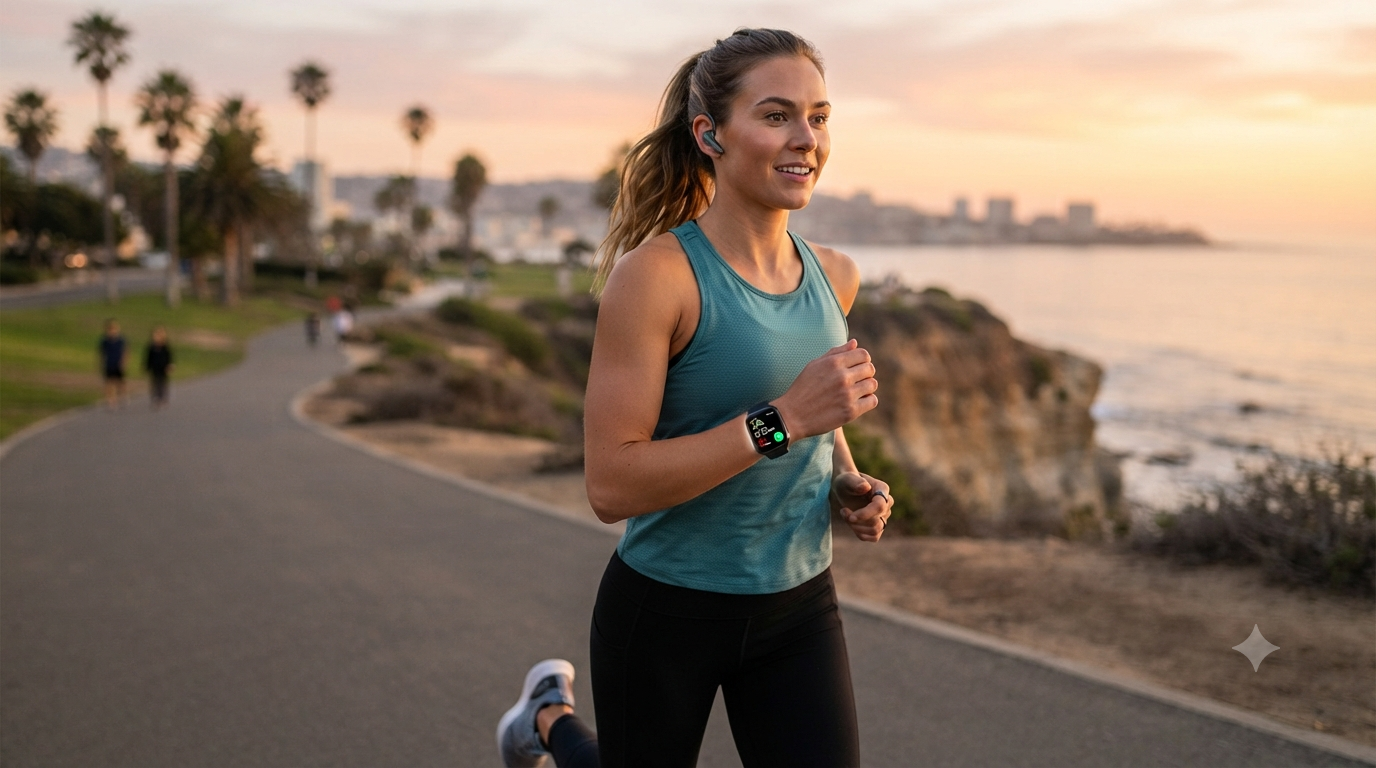
Wearable devices have moved beyond basic activity tracking and timekeeping. Modern products can support functions such as heart rate monitoring, sleep tracking, workout analysis, notifications, navigation, contactless payments, music control, and communication. This broader functionality has increased the usefulness of wearables across different consumer groups. Product manufacturers are also focusing on comfortable designs, improved displays, longer battery life, and intuitive interfaces. The combination of lifestyle convenience and digital services is creating new opportunities across the consumer smart wearable market. At the same time, consumers are becoming more selective about product reliability, privacy, compatibility, and overall value.
According to Marketsandmarkets, the global wearable technology market size is projected to grow from USD 104.95 Billion in 2026 to USD 238.71 billion by 2032, growing at a CAGR of 14.7% from 2026 to 2032.
Download PDF Brochure @ https://www.marketsandmarkets.com/pdfdownloadNew.asp?id=983
Key Products Shaping the Wearable Industry
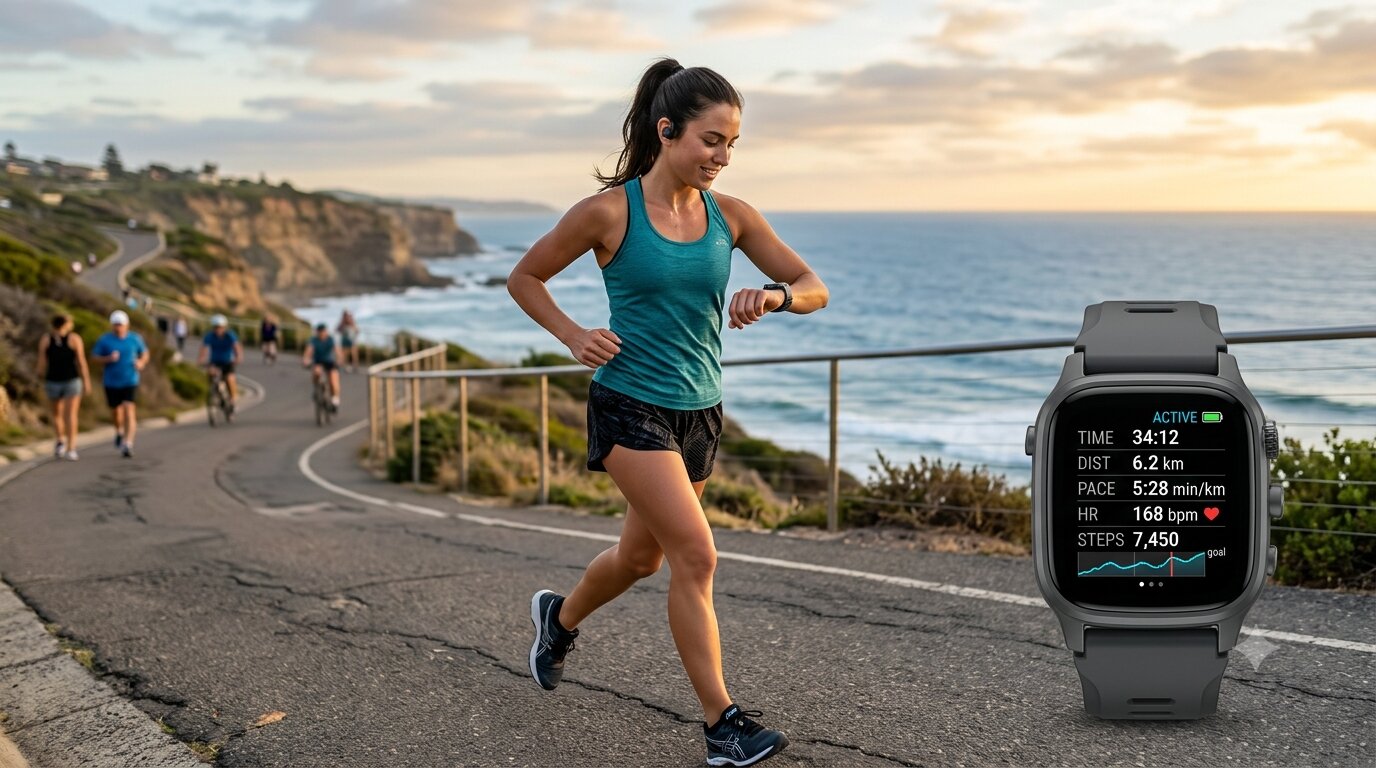
Smartwatches represent one of the most recognizable product categories within the consumer smart wearable market. These devices combine traditional watch functions with smartphone connected capabilities and increasingly sophisticated sensors. Users can receive notifications, monitor physical activity, track selected health metrics, access applications, and interact with digital assistants through compatible devices. Smartwatches are available across different price categories and design formats, allowing manufacturers to target various consumer preferences. Premium models often emphasize advanced materials, larger displays, enhanced sensors, and ecosystem integration. More affordable models generally focus on essential fitness and communication features.
Fitness trackers continue to serve consumers who want straightforward activity monitoring without the broader functionality of a smartwatch. These products commonly measure steps, calories, distance, heart rate, sleep patterns, and exercise activity. Their lightweight form factor and relatively simple interfaces can appeal to consumers who prioritize fitness related information. Improvements in sensor accuracy and mobile applications have expanded the usefulness of fitness tracking devices. Some products can also provide reminders that encourage users to maintain regular physical activity. This functionality supports continued demand within the consumer smart wearable market, particularly among health and fitness focused consumers.
Smart rings are another emerging product category attracting attention because of their compact size and discreet appearance. They can incorporate sensors for activity, sleep, heart rate, temperature related measurements, and other wellness indicators depending on the product. Their small form factor provides an alternative for consumers who do not want to wear a traditional smartwatch. Advances in miniaturized components are helping manufacturers integrate additional capabilities into smaller devices. Smart rings can also complement smartphones and other wearable products through connected applications. Their development is contributing to greater product diversity within the consumer smart wearable market.
Technology Advancements Supporting Market Development
Sensor technology is a fundamental component of modern wearable devices. Optical sensors, motion sensors, temperature sensors, positioning technologies, and other components enable wearables to collect information from user activity and surrounding environments. Improvements in sensor size, power consumption, and performance allow manufacturers to introduce more functions without significantly increasing device dimensions. Software algorithms can then process collected information and present it through mobile applications or wearable interfaces. This combination of hardware and software is central to the evolution of the consumer smart wearable market. Continuous improvements in sensing capabilities are also encouraging new applications.
Connectivity is equally important because smart wearable products frequently operate as part of a larger digital ecosystem. Bluetooth, Wi Fi, cellular connectivity, near field communication, and other communication technologies can allow wearable devices to exchange information with smartphones, accessories, cloud platforms, and connected services. Seamless connectivity makes it easier for consumers to access notifications, synchronize data, control devices, and use online services. Improvements in wireless standards can contribute to faster and more reliable interactions. As connected ecosystems become more integrated, connectivity will remain an important factor influencing the consumer smart wearable market.
Battery technology also plays a major role in consumer acceptance. Frequent charging can negatively affect the convenience of wearable products, particularly when consumers expect continuous activity or sleep tracking. Manufacturers are therefore working to improve battery capacity, power management, charging speed, and energy efficiency. Software optimization can reduce unnecessary power consumption while maintaining important device functions. New approaches to charging and energy management may further improve user experiences. Longer operating times can strengthen the practical value of products across the consumer smart wearable market.
Health and Wellness Applications Drive Consumer Interest
Health and wellness functionality has become a major reason consumers purchase wearable devices. Many products can track selected measurements associated with physical activity, exercise, sleep, and general wellness. Consumers can review historical trends through companion applications and use these insights to understand their daily routines. The availability of continuous or frequent data collection can make wearable products more useful than occasional manual tracking. This growing interest in personal wellness is contributing to the expansion of the consumer smart wearable market. However, users need to understand that consumer wearables are generally designed for wellness and lifestyle purposes and should not automatically be considered substitutes for professional medical evaluation.
Sleep tracking is another increasingly popular feature. Wearable devices can analyze movement and selected physiological signals to provide estimates related to sleep duration and patterns. Consumers can use these insights to identify behavioral trends and understand how daily routines may affect their sleep experience. Better sensors and improved algorithms are helping manufacturers develop more detailed sleep related features. This functionality can increase the frequency with which consumers use wearable devices because sleep tracking often requires wearing a device overnight. Consequently, wellness applications remain an important area within the consumer smart wearable market.
Consumer Preferences Influence Product Development
Consumers increasingly expect wearable devices to be comfortable, attractive, reliable, and easy to operate. A device may contain advanced technology, but its practical value can be limited if it is uncomfortable during prolonged use. Manufacturers are therefore paying attention to device weight, strap materials, display quality, shape, durability, and overall ergonomics. Different consumers may prefer sporty designs, premium appearances, minimalist formats, or discreet products. Personalization through interchangeable accessories and software interfaces can further improve the user experience. These preferences influence product differentiation throughout the consumer smart wearable market.
Privacy and data security have also become important considerations. Wearable devices can collect information about movement, activity, location, and wellness related metrics. Consumers may therefore pay closer attention to how data is collected, stored, processed, and shared. Clear privacy policies and appropriate security measures can help build consumer confidence. Manufacturers that provide transparent controls can make it easier for users to understand and manage their information. Data privacy is consequently becoming an important consideration in purchasing decisions across the consumer smart wearable market.
Role of Artificial Intelligence in Wearable Devices
Artificial intelligence can enhance wearable experiences by helping devices interpret large amounts of collected information. Algorithms can identify patterns in activity, sleep, exercise performance, and other measurements and convert raw sensor readings into understandable insights. AI based features can also support personalized recommendations, intelligent notifications, voice interactions, and adaptive experiences. As processing capabilities improve, some functions can be performed directly on devices rather than relying entirely on connected smartphones or remote systems. These developments are creating additional opportunities for innovation in the consumer smart wearable market.
Personalization is particularly relevant because consumers have different routines, fitness levels, preferences, and usage patterns. Intelligent software can analyze individual behavior and provide customized information based on historical activity. For example, a wearable application may organize activity information according to personal goals or identify changes in routine. Responsible implementation remains important because algorithmic outputs can vary depending on data quality and device capabilities. Nevertheless, AI is becoming a significant technology area supporting product differentiation within the consumer smart wearable market.
Evolving Role of Smart Eyewear
Smart eyewear is expanding the definition of wearable technology by placing digital functions into glasses and other head worn products. Depending on the device, smart eyewear can provide audio, photography, navigation assistance, notifications, communication functions, or other connected experiences. Advances in miniaturized cameras, microphones, processors, speakers, and connectivity are helping manufacturers create increasingly compact products. Design remains especially important because eyewear must balance technology with comfort and appearance. As these technologies mature, smart eyewear can contribute to the diversification of the consumer smart wearable market.
Retail and Distribution Trends
The availability of wearable products through different sales channels has made these devices easier for consumers to evaluate and purchase. Online retail platforms allow customers to compare specifications, prices, reviews, and product features before making a purchase. Physical stores provide opportunities to examine device size, screen quality, comfort, and design. Brand owned digital channels can also provide detailed product information and ecosystem support. This combination of online and offline purchasing options is shaping consumer buying behavior within the consumer smart wearable market.
Promotional strategies increasingly emphasize practical benefits rather than technical specifications alone. Consumers may respond to messaging around fitness tracking, convenience, communication, sleep insights, personalization, or device compatibility. Demonstrations and interactive retail experiences can help explain features that may otherwise be difficult to understand. Reviews and user generated content also influence purchasing decisions by showing how products perform during everyday use. As competition increases, effective product communication will remain important across the consumer smart wearable market.
Regional Adoption and Consumer Diversity
Demand for smart wearable devices varies across regions because consumer preferences, purchasing power, digital infrastructure, lifestyle patterns, and technology awareness differ between markets. Developed consumer electronics ecosystems can support adoption through strong smartphone penetration and established digital services. Emerging markets can present opportunities as consumers gain greater access to affordable connected devices. Local preferences can influence product design, payment functionality, language support, and distribution strategies. Understanding regional differences is therefore important for companies operating in the consumer smart wearable market.
Urban consumers may show strong interest in wearable devices because connected technology fits naturally into active lifestyles and digitally integrated routines. Fitness communities, technology enthusiasts, professionals, and younger consumers can represent important user groups. However, wearable technology is not limited to a single demographic. Different product designs and price categories allow manufacturers to address consumers with varying needs. This broad consumer base creates opportunities for continued diversification in the consumer smart wearable market.
Challenges Affecting the Wearable Ecosystem
Despite technological progress, the consumer smart wearable market faces several challenges. Battery limitations remain relevant for devices that collect information continuously or support multiple connected functions. Sensor accuracy can vary depending on device placement, user behavior, environmental conditions, and technology implementation. Compatibility issues can also influence consumer satisfaction when wearable products do not integrate smoothly with existing smartphones or digital services. Addressing these limitations requires continuous hardware and software development.
Another challenge is consumer retention. Purchasing a wearable device does not always guarantee long term usage. Consumers may stop using products if they find notifications distracting, charging inconvenient, measurements difficult to understand, or applications insufficiently engaging. Manufacturers therefore need to create experiences that provide ongoing value rather than relying only on initial product excitement. Software updates, personalized insights, improved applications, and ecosystem integration can help maintain engagement. Long term usability will remain a critical factor within the consumer smart wearable market.
Opportunities for Future Innovation
The consumer smart wearable market offers opportunities for companies developing smaller, more efficient, and more personalized devices. Improvements in flexible electronics, advanced sensors, energy efficient processors, and connectivity can support new product formats. Wearables may increasingly work together as interconnected devices rather than operating independently. For example, a smartwatch, smart ring, smartphone, and smart eyewear product could potentially share information across a unified ecosystem. Such integration can create more consistent consumer experiences.
There are also opportunities to develop products for specific lifestyles and activities. Sports focused wearables can emphasize training and performance information, while lifestyle products can prioritize communication, wellness, design, and convenience. Specialized devices can serve consumers with particular interests without requiring every product to offer identical functionality. Personalization can therefore become a major source of differentiation. These developments are likely to influence the direction of the consumer smart wearable market as companies seek to meet increasingly diverse consumer expectations.
Competitive Landscape and Product Differentiation
Competition in the consumer smart wearable market is influenced by product capabilities, design, software ecosystems, pricing strategies, connectivity, battery performance, and consumer trust. Established electronics manufacturers, specialized wearable developers, and newer technology companies can compete across different product categories. Some businesses emphasize advanced health and fitness features, while others focus on premium design, affordability, ecosystem integration, or innovative form factors. This variety gives consumers multiple options across different needs and budgets.
Software is becoming as important as hardware in creating differentiation. A wearable device can collect valuable information, but the quality of its application and user interface determines how easily consumers can understand that information. Simple dashboards, useful notifications, reliable synchronization, and personalized insights can improve the overall experience. Integration with smartphones and other connected products can further strengthen ecosystem value. As a result, successful innovation in the consumer smart wearable market increasingly depends on the combination of physical products and digital experiences.
Future Direction of the Consumer Smart Wearable Market
The future development of the consumer smart wearable market is likely to involve greater personalization, improved connectivity, more sophisticated sensing, and broader device categories. Consumers are increasingly familiar with connected products and may expect wearable technology to fit naturally into everyday routines. Improvements in artificial intelligence can support more useful interpretation of personal data, while better hardware can make devices smaller and more comfortable. At the same time, privacy, security, transparency, and responsible data handling will remain important considerations.
The industry is also moving toward experiences in which wearable devices complement rather than simply replicate smartphones. Smartwatches, rings, eyewear, and other devices can provide information at moments when accessing a smartphone may be inconvenient. This can make wearable technology more integrated into communication, fitness, entertainment, navigation, and personal organization. Continued innovation across hardware, software, and connectivity will shape consumer expectations. Overall, the consumer smart wearable market represents a dynamic segment of consumer technology with opportunities spanning multiple product categories and everyday applications.
FAQs About the Consumer Smart Wearable Market
What is the consumer smart wearable market?
The consumer smart wearable market refers to the industry covering connected wearable devices designed for everyday consumer use. Major product categories include smartwatches, fitness trackers, smart rings, smart eyewear, and other connected wearable technologies.
What products are included in the consumer smart wearable market?
The market includes smartwatches, fitness bands, fitness trackers, smart rings, smart glasses, connected eyewear, and other wearable electronic products. Product functionality varies according to design, sensors, connectivity, software, and intended use.
Why are consumers adopting smart wearable devices?
Consumers adopt smart wearable devices for several reasons, including fitness tracking, wellness monitoring, communication, notifications, convenience, personalization, entertainment, navigation, and integration with smartphones and other connected devices.
How does AI support wearable technology?
AI can help wearable devices interpret sensor information, identify behavioral patterns, personalize insights, improve voice interactions, organize notifications, and provide adaptive experiences. Its effectiveness depends on available data, algorithms, hardware capabilities, and implementation.
What factors influence wearable purchasing decisions?
Design, comfort, battery life, price, functionality, sensor capabilities, compatibility, software quality, privacy, security, durability, and ecosystem integration can all influence purchasing decisions in the consumer smart wearable market.
What are the major challenges for wearable devices?
Common challenges include battery limitations, sensor accuracy, device comfort, data privacy, security, compatibility, software reliability, and maintaining long term consumer engagement.
What role does health tracking play in wearable technology?
Health and wellness tracking is a major application area. Wearables can provide information related to activity, exercise, heart rate, sleep, and other selected measurements, depending on device capabilities.
What is the future of the consumer smart wearable market?
Future development is expected to focus on more personalized experiences, smaller devices, advanced sensors, stronger connectivity, improved energy efficiency, AI enabled features, and greater integration among different wearable and consumer electronics products.
80% of the Forbes Global 2000 B2B companies rely on MarketsandMarkets to identify growth opportunities in emerging technologies and use cases that will have a positive revenue impact.
- Food Packaging Market Size Set for Strong Growth Through 2030 Amid Rising Demand for Convenience Foods
- Crop Protection Chemical Market Size, Share & Growth Forecast (2025–2030)
- Mulch Films Market: Driving Sustainable Agriculture Through Innovation
- Agricultural Adjuvants Market Analysis, Trends, and Growth Outlook (2026–2031)
- Japan Enterprise Asset Management Market Growth: AI and Smart Infrastructure Drive Demand