

Printed Electronics Technology Innovation Key Trends, Growth Drivers and Opportunities
Introduction to printed electronics
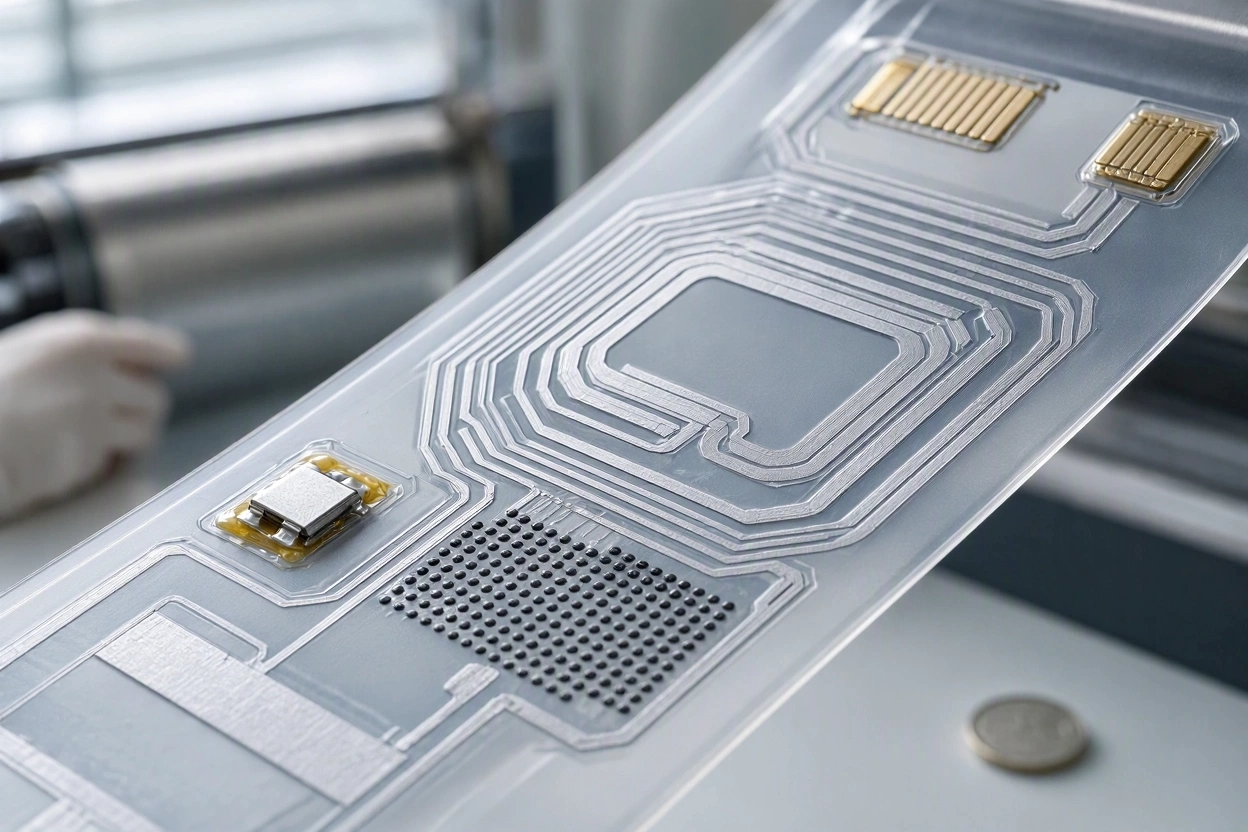
Printed electronics is transforming the way electronic devices are manufactured, enabling the creation of thin, flexible, and lightweight components across diverse industries. Powered by advancements in conductive inks, flexible substrates, and high-precision printing techniques, modern printed electronics deliver cost-effective solutions for consumers, healthcare providers, and enterprises. From flexible displays and smart sensors to RFID tags, printed batteries, and wearable medical devices, the technology is becoming an integral part of digital lifestyles and Industry 4.0.
History of printed electronics
The printed electronics industry has evolved from simple conductive traces and membrane switches into intelligent, interconnected ecosystems. Advances in semiconductor technology, nanomaterial inks, and high-resolution printing processes have enabled printed electronics to support healthcare monitoring, smart packaging, automotive electronics, and enterprise mobility. This evolution has shifted production from traditional, rigid circuit boards to additive manufacturing on versatile substrates like plastic and paper.
Benefits of printed electronics
Printed electronics offers numerous advantages across consumer, healthcare, and enterprise environments:
- Enables thin, flexible, and lightweight form factors for electronic devices.
- Reduces manufacturing costs through scalable, high-volume printing processes.
- Supports eco-friendly production by minimizing material waste compared to subtractive methods.
- Allows seamless integration onto unconventional surfaces like fabrics and curved displays.
- Facilitates the creation of large-area sensors and antennas for IoT applications.
Current market size and growth trends of printed electronics industry
The printed electronics market is experiencing robust growth as digital health, connected devices, and AI-enabled applications become mainstream. According to MarketsandMarkets, the global printed electronics market size was valued at USD 19.46 Billion in 2025 and is projected to reach USD 39.85 Billion by 2030, growing at a CAGR of 15.4%. Rising adoption of smart health devices, flexible displays, and IoT ecosystems continues to accelerate market expansion.
Download PDF Brochure @ https://www.marketsandmarkets.com/pdfdownloadNew.asp?id=197
- Growing demand for flexible and lightweight electronic components.
- Expansion of digital healthcare and wearable technology.
- Increasing consumer adoption of smart packaging and RFID tags.
- Continuous innovation in conductive inks and substrate materials.
Key drivers and factors influencing the future of printed electronics
IoT, 5G, cloud analytics, and edge intelligence are enabling more capable printed electronic devices across industries.
- AI-powered predictive healthcare diagnostics.
- Remote patient monitoring and telemedicine support.
- Enterprise digitalization and smart manufacturing.
- Industrial safety wearables and real-time monitoring.
- Automotive electronics and autonomous vehicle sensors.
Emerging trends in printed electronics
Flexible and stretchable electronics, smart textiles, generative AI for material design, and non-invasive health monitoring are reshaping the industry.
Flexible and stretchable electronics.
Printed sensors for health monitoring.
Smart textiles and e-textiles.
Edge AI and printed processors.
Advanced nanomaterials and conductive inks.
Opportunities and challenges in the printed electronics market
Healthcare, automotive, logistics, and defense offer major opportunities, while standardization, performance reliability, and high investment costs remain important challenges.
- Healthcare expansion and biosensor development.
- Automotive and transportation electronics.
- Lack of standardization and performance reliability.
- High initial investment for equipment and materials.
- Regulatory compliance and material compatibility.
Innovations and advancements in printed electronics
Flexible substrates, conductive inks, AI chipsets, cloud-native platforms, and digital twins are driving innovation.
- Flexible and organic substrates.
- Conductive inks and nanomaterials.
- Printed AI processors and logic circuits.
- Cloud connectivity and IoT integration.
- Digital twins for predictive maintenance.
Future applications and industries that will benefit from printed electronics
Healthcare, consumer electronics, automotive, logistics, sports, retail, defense, and smart cities will increasingly benefit from printed electronics innovation.
- Healthcare and medical devices.
- Consumer electronics and wearables.
- Automotive and transportation.
- Aerospace and defense.
- Retail and smart packaging.
Market Dynamics and Regional Insights
The printed electronics market is shaped by dynamic forces including drivers, restraints, opportunities, and challenges that influence its growth trajectory globally. Key drivers include increased demand in automotive and transportation for lightweight sensors and flexible displays, as well as the rising adoption of IoT across end-use industries. However, high investment costs for specialized equipment and materials act as a significant restraint, particularly for small and medium enterprises. Opportunities lie in the growing adoption of smart and connected devices, smart packaging, and healthcare applications. Challenges such as the lack of standardization and performance reliability compared to traditional electronics continue to pose hurdles for widespread adoption.
Regionally, Asia Pacific is projected to register the highest CAGR of 17.8% during the forecast period, fueled by strong industrial growth, rapid technological adoption, and the presence of leading consumer electronics and automotive manufacturing hubs. Countries such as China, Japan, and South Korea are global leaders in electronics production, particularly in displays, sensors, and printed circuits, which are core applications of printed electronics. North America and Europe also represent significant markets, driven by advancements in healthcare, automotive, and aerospace sectors, with a strong focus on R&D and innovation.
The promising future of printed electronics
Printed electronics will remain a cornerstone of digital transformation as AI, IoT, and advanced printing technologies continue to evolve. Organizations investing in printed electronics innovation can improve operational efficiency, healthcare outcomes, product design, and customer experiences.
Download Sample Research Report for Printed Electronics Market Future: https://www.marketsandmarkets.com/Market-Reports/printed-electronics-market-197.html
80% of the Forbes Global 2000 B2B companies rely on MarketsandMarkets to identify growth opportunities in emerging technologies and use cases that will have a positive revenue impact.
- Food Packaging Market Size Set for Strong Growth Through 2030 Amid Rising Demand for Convenience Foods
- Crop Protection Chemical Market Size, Share & Growth Forecast (2025–2030)
- Mulch Films Market: Driving Sustainable Agriculture Through Innovation
- Agricultural Adjuvants Market Analysis, Trends, and Growth Outlook (2026–2031)
- Japan Enterprise Asset Management Market Growth: AI and Smart Infrastructure Drive Demand

